Bluegill Fishing: A Beginner’s Guide for Georgia Kids
There's nothing quite like introducing a child to the joy of fishing, but it can sometimes feel daunting to choose the right fish to target or the right gear to get started. Many folks worry about a child getting bored, frustrated by a lack of bites, or intimidated by a powerful fish. Thankfully, if you're fishing in Georgia, bluegill are your secret weapon for creating fantastic first-time fishing memories with kids. This guide is all about making that experience easy, fun, and memorable, focusing specifically on why these feisty little panfish are the ultimate target for young anglers.
Why Bluegill Are Perfect for Young Anglers in Georgia
When it comes to introducing kids to the magic of fishing, bluegill truly shine. They're not just a fish; they're an experience waiting to happen, offering immediate gratification and building confidence for budding anglers. There's a reason so many lifelong fishermen started their journey with a bluegill on the end of their line – they're just that good for beginners.
The Abundance Factor: Easy to Find, Easy to Catch
One of the biggest hurdles for new anglers, especially kids, is the frustration of not getting any bites. Imagine a child's excitement slowly draining away as they stare at a motionless bobber for an hour. It's a real buzzkill! This is where bluegill become the hero of our story. These little sunfish are incredibly abundant throughout Georgia's ponds, lakes, and slower-moving rivers. They thrive in a variety of habitats, meaning you don't need a fancy boat or expensive electronics to find them.
You can often find them in droves near the shore, under docks, or around submerged vegetation, making them accessible to even the youngest bank fisherman. Their sheer numbers mean that once you find a school, it's often a fish-a-minute frenzy, which is exactly what keeps kids engaged and giggling. That constant action is key to hooking them on fishing for life, providing instant feedback and the thrill of a successful catch. Plus, the ease of catching them makes the whole outing feel less like a chore and more like a treasure hunt with guaranteed rewards. Easiest Fish for Kids to Catch explores this idea further, highlighting why these panfish are ideal.
Kid-Friendly Fight: Not Too Strong, Not Too Weak
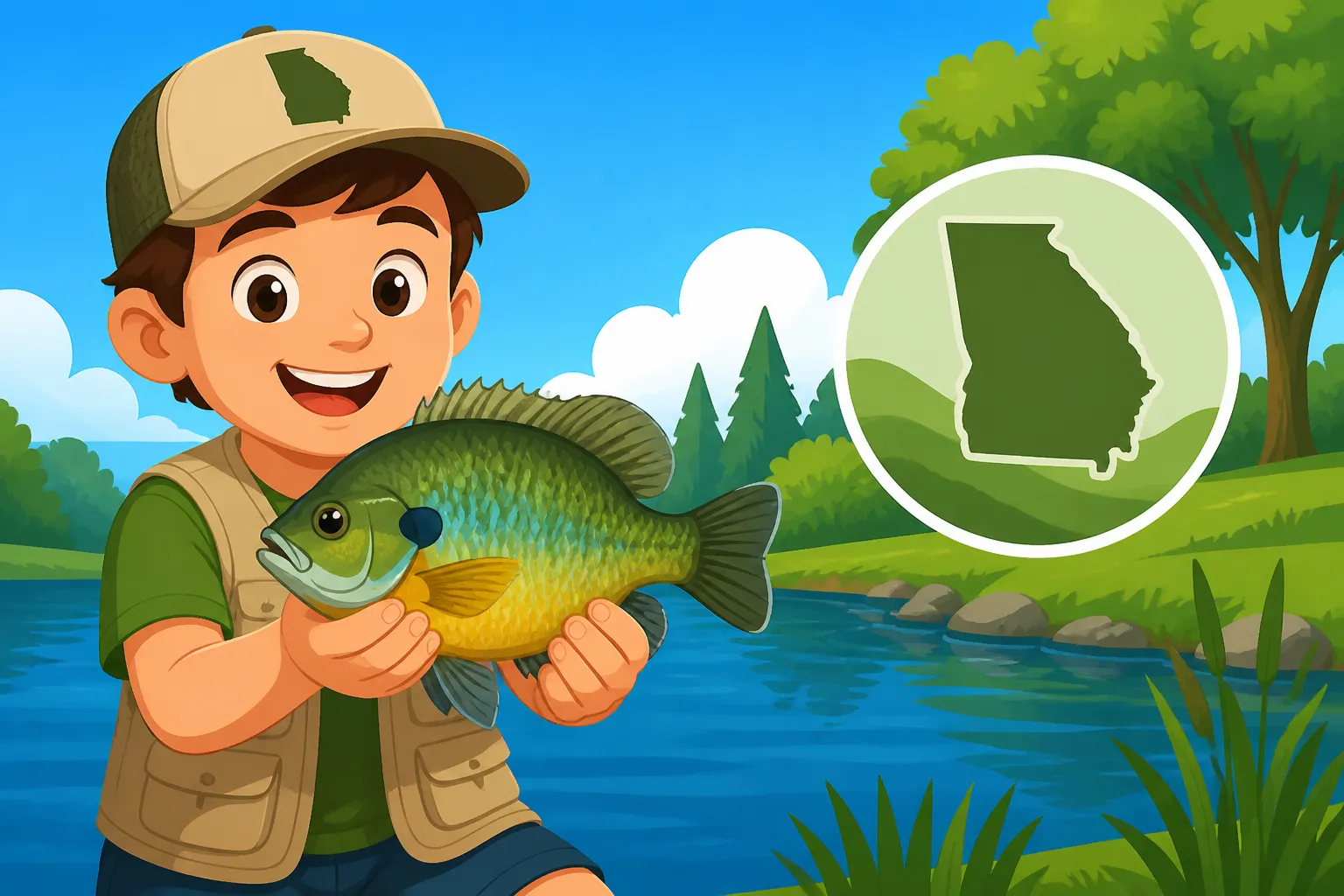
Another common concern for parents is whether a fish will be too difficult for a child to reel in, or so small it feels insignificant. Bluegill hit that sweet spot perfectly. While they might be small, typically ranging from 6 to 10 inches, they pack a surprising punch for their size. When a bluegill bites, it pulls hard, giving a satisfying tug on the line that even a child can feel. It's enough of a fight to be exciting and teach them how to gently reel without overpowering the fish, but not so strong that they'll get tired or lose their grip.
This balance is crucial for building confidence. They learn the mechanics of setting the hook and reeling in a fish, experiencing the thrill of the battle without the risk of losing an expensive lure or struggling with a fish too heavy for their small arms. It's an excellent way to practice their angling skills on a forgiving opponent. The joy of battling a bluegill, even a small one, is an experience that stays with a child long after the fish is released or brought to the cooler.
Creating Lifelong Memories: More Than Just a Fish
Beyond the actual act of catching, bluegill fishing with kids is truly about creating lasting memories and fostering a love for the outdoors. It's about the conversations you have while waiting for a bite, the shared laughter when a fish splashes, and the wonder in their eyes as they hold their first catch. These experiences build bonds and instill an appreciation for nature that can last a lifetime. Imagine the stories your child will tell about the "monster" bluegill they caught, or the time they out-fished everyone else!
It’s also an opportunity to teach valuable lessons about patience, persistence, and respect for wildlife. You can talk about the bluegill's habitat, what they eat, and why it's important to handle them gently if you plan to release them. It’s an active, engaging way to spend quality time away from screens and connect with the natural world. Many seasoned anglers look back on their first bluegill as the spark that ignited their passion, and you can create that same spark for your child.
Essential Gear for Your Little Bluegill Anglers
You absolutely do not need to break the bank to get your kids outfitted for bluegill fishing. In fact, simpler is usually better when you're just starting out. The goal is to make it easy to use, durable enough for a few bumps, and most importantly, fun! Forget the high-tech gadgets for now; we're talking about the basics that lead to big smiles.
Simple Rod and Reel Combos
For young anglers, a spincast rod and reel combo is the undisputed champion. These setups are incredibly user-friendly, designed with push-button casting that even the smallest hands can master in minutes. There's no complex bail to flip, no backlash to untangle, just press, cast, and reel. Brands like Zebco have been making reliable spincast combos for kids for decades, and you can find many affordable options on Amazon that come pre-spooled with line. Look for a rod around 4 to 5 feet long, which is a comfortable size for kids to handle without it feeling too heavy or unwieldy.
The line strength doesn't need to be super heavy; 4 to 6-pound test monofilament is perfect for bluegill. It's strong enough to handle their spirited fights but thin enough to cast easily and remain relatively inconspicuous in the water. Remember, the idea here is to minimize frustration and maximize success, and a simple, well-matched rod and reel combo does just that. It's durable enough to withstand being dropped or banged around a bit, which, let's be honest, is part of the learning curve! Best Tackle for Panfish in Georgia Ponds has more specific recommendations for these setups.
The Right Terminal Tackle: Hooks, Sinkers, and Bobbers
Now, let's talk about the small but mighty components that actually get the fish on the line. Again, simplicity and effectiveness are our watchwords.
- Hooks: For bluegill, small hooks are essential. We're talking about sizes #8, #10, or even #12. Anything larger will be too big for their small mouths, leading to missed bites and disappointment. These tiny hooks might look fragile, but they're perfectly capable of landing a bluegill. You can often find pre-tied snelled hooks that are incredibly convenient – just loop them onto your line.
- Sinkers: A small split shot sinker is usually all you need. You'll attach this a few inches above the hook to help your bait sink to the bluegill's depth. The weight depends on how deep you're fishing and how much current there is, but a single small split shot is often enough to get your bait down.
- Bobbers: This is arguably the most exciting piece of tackle for a kid! A classic red and white plastic bobber is highly visible and provides that unmistakable visual cue when a fish is biting. There are clip-on bobbers that are super easy to attach and adjust, allowing you to quickly change your bait's depth. Watching that bobber dip, dance, and disappear under the surface is pure magic for a young angler. It's the moment of anticipation and the signal for action. For a detailed breakdown on how to rig this, check out How to Rig a Bobber for Bream.
| Tackle Item | Purpose | Recommended Size/Type | Why It's Good for Kids |
|---|---|---|---|
| Rod & Reel | Casting and reeling fish | Spincast combo, 4-5 ft rod | Easy push-button casting |
| Fishing Line | Connecting reel to hook | 4-6 lb monofilament | Strong enough, easy to cast |
| Hooks | Catching the fish | Size #8, #10, or #12 | Perfect for small bluegill mouths |
| Sinkers | Sinking the bait | Small split shot | Helps bait reach fish's depth |
| Bobbers | Visual bite indicator | Red & white clip-on | Easy to see, exciting when it dips |
Bait Shop Favorites: What Bluegill Can't Resist
Bluegill aren't picky eaters, which is another huge plus for fishing with kids. You don't need exotic, expensive baits. Simple, readily available options work wonders.
- Worms: The undisputed king of bluegill baits! Red wigglers, nightcrawlers (cut into smaller pieces), or even garden worms are irresistible to bluegill. They're natural, they stay on the hook well, and kids usually love putting them on (or at least watching you do it!). You can find these at almost any bait shop, sporting goods store, or even dig some up in your backyard.
- Crushed Corn or Bread: Believe it or not, bluegill love a little bit of crushed kernel corn or even small pieces of bread dough. This is a very budget-friendly option and often a hit, especially if you're trying to avoid handling worms. Just make sure the bread is firm enough to stay on the hook.
- Small Artificial Baits: While live bait is often best, small soft plastic grubs or micro jigs can also work if you're looking for something cleaner. These can be bought in bulk on Amazon and are great if a child wants to practice casting and retrieving without worrying about keeping bait fresh. However, for sheer numbers and consistent bites with beginners, live bait usually wins.
The key is to use a very small piece of bait that fits the small hook. A tiny bit of worm is far more effective than a big gob that bluegill can nibble off without getting the hook in their mouth. For more ideas on what to use, check out Best Bait for Bluegill Fishing.
Finding Those Sunny Sweet Spots: Where Bluegill Hide in Georgia
Knowing what gear to use is only half the battle; the other half is knowing where to cast your line! Bluegill are widespread across Georgia, but finding the right spots will significantly increase your chances of success and keep those smiles coming. You don't need a secret map, just a basic understanding of their preferred hangouts.
Ponds, Lakes, and Public Fishing Areas
Georgia is blessed with an abundance of fantastic fishing opportunities perfect for bluegill.
- Small Ponds and Farm Ponds: These are often bluegill goldmines. They tend to have stable water levels, plenty of vegetation, and less fishing pressure than larger bodies of water. If you know someone with a private pond, ask for permission – you'll likely have a day of non-stop action.
- Community Lakes and State Parks: Many Georgia State Parks have fantastic fishing ponds and lakes specifically managed for easy access and good panfish populations. These often have paved banks, fishing piers, and amenities like restrooms, making them ideal for families. Look for places like the Public Fishing Areas (PFAs) managed by the Georgia Department of Natural Resources. They are specifically designed to be accessible and productive. Georgia State Parks with the Best Fishing Ponds offers specific locations that are perfect for this.
- Shallow Coves of Larger Lakes: Even massive reservoirs like Lake Lanier or Lake Oconee will have shallow coves, backwaters, and protected areas where bluegill congregate. These spots usually have slower currents and more aquatic vegetation, providing both food and shelter for the fish. Don't be intimidated by the size of a big lake; just focus on those shallow, protected areas close to shore.
The general rule is: if it's shallow, has some cover, and isn't heavily fished by bigger boats, it's probably a good bluegill spot!
Structure is Key: Docks, Weeds, and Fallen Trees
Bluegill, like many fish, are drawn to structure. Think of structure as their neighborhood – places where they can find food, hide from predators, and feel safe. Teaching your child to look for these features is a great way to introduce them to reading the water.
- Docks and Piers: These are absolute magnets for bluegill. The pilings provide shade and cover, and often there's algae growth and insects living on them, creating a food source. Casting your bait right up against the dock pilings or underneath the dock itself is often a surefire way to get a bite. Just remember to teach kids to cast carefully to avoid getting snagged!
- Aquatic Vegetation (Weed Beds): Areas with lily pads, submerged grasses, or cattails are prime bluegill habitat. These plants provide cover, act as nurseries for young fish, and are home to insects and other small creatures that bluegill love to eat. Try casting your bobber rig right on the edge of a weed line, or in small openings within the beds.
- Fallen Trees and Brush Piles: Any kind of submerged timber or brush offers excellent cover. These spots can hold a lot of bluegill, especially on warmer days when they're seeking shade. Again, casting close to, but not directly into, the snags is key to avoiding losing your tackle. It's a good lesson in precision casting for kids.
By focusing on these structural elements, you're not just randomly casting; you're actively hunting for where the fish should be, making the whole experience more strategic and rewarding. Best Fishing Spots for Kids and Families in Georgia gives more general advice on finding these types of locations.
Timing is Everything: Best Hours and Seasons
While bluegill are often willing biters, there are definitely times when they are more active, leading to even more success for your young angler.
- Best Time of Day: Early mornings and late afternoons/early evenings are typically the best. During these cooler parts of the day, bluegill tend to be more active and move into shallower water to feed. Midday, especially during hot Georgia summers, can see them retreat to deeper, shadier areas. However, with kids, sometimes any time you can get out is the best time! Don't let perfect be the enemy of good when it comes to a child's fishing trip.
- Best Seasons: Spring and early summer are phenomenal for bluegill fishing in Georgia. As the water warms up, bluegill become very active and move into the shallows to spawn. This is when they are most aggressive and easiest to catch. You'll often find them guarding nests in shallow, sandy areas. Fall can also be excellent as they feed heavily before winter. Even winter can offer good fishing on warmer days, especially in deeper water. Best Time of Day to Fish for Crappie provides related information on panfish activity.
A quick check of the local weather forecast before heading out can help you pick the best window for bluegill activity. Cloudy days, even midday, can also trigger better bites as the sun isn't as intense.
Simple Techniques for Catching Bluegill with Kids
Now that we know where to go and what to use, let's talk about the actual "how-to." Keeping the techniques simple and easy to understand is paramount when fishing with children. Overcomplicating things will only lead to frustration for everyone. The goal is engagement and success, not advanced angling mastery (yet!).
The Classic Bobber Setup: Watching for the Dip
This is the quintessential bluegill fishing technique, and for good reason – it works, and it's incredibly fun to watch!
- Rigging Up: Start by sliding your bobber onto the main fishing line. If it's a clip-on style, simply open the clips and attach it. Below the bobber, you'll crimp on one or two small split shot sinkers about 6-12 inches above your hook. Finally, tie on your small hook (size #8 or #10 is great). The distance between the bobber and the hook determines how deep your bait will sit. For most bluegill spots, starting with about 2-3 feet of line between the bobber and hook is a good bet. You can always adjust it if you're not getting bites or if the water is shallower/deeper. For detailed visual instructions, How to Rig a Bobber for Bream is a fantastic resource.
- Baiting the Hook: This is where the worms come in! Take a small piece of worm, just enough to cover the hook, and thread it onto the hook. Make sure the hook point is exposed; this helps with hook sets. If using corn or bread, use a tiny piece. Encourage your child to participate in this step, even if it's just watching closely. It's all part of the experience.
- Casting and Waiting: Once baited, cast your rig out to a promising spot near some structure or weed line. Let the bobber float naturally. Now comes the exciting part: waiting! Teach your child to watch the bobber intently. When a bluegill bites, the bobber will usually twitch, jiggle, or slowly start to sink. Sometimes it just disappears completely! That sudden disappearance is the signal for action.
This method provides constant visual feedback, which is perfect for holding a child's attention. The anticipation of that bobber going down is a thrill in itself.
Gentle Casting and Retrieval
For kids, casting can be one of the trickiest parts to master, so patience is key.
- The "Lob" Cast: With spincast reels, a simple overhead lob cast is often easiest. Teach your child to hold the rod with one hand, pressing the button with their thumb. They'll gently bring the rod back over their shoulder, then swing it forward, releasing the button as the rod comes forward, letting the bait fly. It takes practice, but the forgiving nature of bluegill fishing means accuracy isn't immediately critical. Focus on getting the bait out into the water.
- Safety First: Always make sure to look around before casting, ensuring no one is standing behind or next to the child. Emphasize a smooth, controlled motion rather than a wild swing. Start with shorter casts close to shore to build confidence, then gradually work up to longer distances as they get the hang of it.
- Slow and Steady Retrieval: Once the bait is in the water, teach your child to gently reel in any slack line until the bobber is sitting upright. Then, it's a waiting game. If no bites, they can slowly retrieve the bait a few feet, then pause, giving the bait a little movement. Bluegill are often curious and will follow a slowly moving bait. A steady, slow retrieve is better than a fast, erratic one. How to Teach a Kid to Fish for Bluegill provides excellent tips on these basic mechanics.
Remember, practice makes perfect. Celebrate every cast, even if it doesn't go exactly where intended. The goal is to make the process enjoyable, not flawless.
The Art of the Hook Set and Landing Your Catch
This is the moment of truth! When the bobber goes down, it's time to act.
- The Hook Set: Teach your child to gently lift the rod tip straight up when the bobber disappears. It doesn't need to be a huge, dramatic sweep; a firm, upward twitch of the wrist is usually enough to set the small hook in a bluegill's mouth. If they yank too hard, they might pull the hook right out or even break the line. Practice this motion a few times before you even put bait on the hook.
- Reeling It In: Once the hook is set, instruct them to keep the rod tip up and steadily reel the fish in. They should maintain constant pressure on the fish to prevent it from shaking the hook loose. Encourage them to crank the handle smoothly without jerking. It's a fantastic lesson in coordination and control.
- Landing the Fish: For bluegill, a small landing net isn't usually necessary, but it can make it easier to bring the fish to hand without dropping it. Otherwise, gently guide the fish towards you. You can either grab the line just above the fish and lift it out of the water, or, if the child is old enough and you're comfortable, show them how to gently grab the fish behind the head. Teach them to handle the fish carefully and quickly, minimizing its time out of water, especially if you plan to release it.
The whole process, from the bobber dipping to the fish in hand, is a powerful sequence of events that builds excitement and a sense of accomplishment.
Beyond the Catch: Handling, Releasing, and Enjoying Your Bluegill
Catching a fish is a huge part of the fun, but what happens next is just as important, especially when teaching kids. It’s an opportunity to instill good angling ethics and appreciate the full circle of the fishing experience, whether that means releasing your catch or bringing it home for dinner.
Gentle Handling for Healthy Fish
Whether you plan to keep the fish or release it, responsible handling is crucial. This is a great chance to teach children respect for nature and the creatures they interact with.
- Wet Hands Only: Always teach kids to wet their hands before touching a fish. Dry hands can remove the fish's protective slime coat, making it more susceptible to disease.
- Support the Fish: When holding a bluegill, encourage them to support its body, especially if it's struggling. Avoid squeezing it too tightly. A gentle, firm grip is all that's needed. Bluegill have a dorsal fin with some spines, so showing them how to hold it from the underside or carefully grasping the top fin away from the spines is a good lesson.
- Quick Release: If you're releasing the fish, do it as quickly as possible. Have a pair of small needle-nose pliers or a hook-remover handy to quickly and gently unhook the fish. Avoid letting the fish flop around on the bank. Get it back into the water promptly so it can recover. Discuss with your child why this is important for the fish's health and to ensure there are plenty of fish for future trips.
These lessons in gentle handling are fundamental to becoming a responsible angler and caring for the aquatic environment.
Deciding to Keep or Release
This decision can vary based on personal preference, local regulations, and the health of the fish.
- Local Regulations: Always, always check the Georgia fishing regulations for bluegill. While they are usually quite liberal for panfish, it’s good practice to know if there are any specific size or creel limits for the body of water you're fishing. Georgia Fish Size and Creel Limits is a great place to start looking up these rules. Generally, bluegill are so prolific that keeping a reasonable number for a meal won't impact the population.
- Fish Health: If a fish is deeply hooked and bleeding, it's often best to keep it (if legal) rather than releasing it to die. Otherwise, if the fish looks healthy and you don't plan to eat it, a quick release is the best option.
- The "One for the Pan" Rule: A great way to introduce kids to the idea of keeping fish is to set a limit – perhaps everyone gets to keep one or two fish for dinner. This allows them the pride of bringing home a catch without overharvesting. It teaches moderation and appreciation for what you take from nature.
- Photographing the Catch: If you're releasing the fish, a quick photo is a wonderful way to immortalize the moment! Get the shot, then get the fish back in the water. These photos will become cherished memories years down the line.
The beauty of bluegill fishing is that both keeping and releasing can be valuable parts of the experience, offering different lessons and rewards. Bluegill Size: What to Expect from Georgia Panfish provides context on how big these fish usually get, which can help in deciding whether a fish is worth keeping for a meal.
Cooking Up Your Catch (or just appreciating the experience!)
If you do decide to keep some bluegill, preparing them for a meal is the grand finale of the fishing adventure. This turns the entire experience into a full-circle lesson, from casting a line to putting food on the table.
- Cleaning the Fish: Cleaning fish can seem intimidating, but bluegill are relatively easy. You can fillet them or simply scale and gut them. There are plenty of online tutorials, or ask a seasoned angler for a quick demonstration. Involve your child in this process if they're interested and old enough – even just watching helps them understand where food comes from. This is where a small, sharp fillet knife (handled by an adult!) comes in handy.
- Simple Recipes: Bluegill have flaky, mild-flavored white meat that is delicious fried. A simple cornmeal breading and a hot pan of oil are all you need. You can also bake or broil them. The taste of a fish caught and cooked yourself, especially a child's first catch, is absolutely unbeatable. It’s a moment of immense pride and connection to the food chain.
- The Reward: Even if you don't keep fish, the overall experience is the real reward. The time spent outdoors, the laughter, the learning, and the shared moments create an intangible value that far outweighs any single catch. That's the true essence of bluegill fishing with kids in Georgia. It’s about building a foundation for a lifetime of outdoor enjoyment and appreciation.
Disclaimer
This article is for general informational purposes only and does not constitute professional advice. Laws, prices and regulations vary by location and change over time. Consult a qualified professional for guidance on your specific situation.