Best Bait for Bluegill Fishing
There’s nothing quite like the simple joy of catching bluegill, is there? Whether you’re teaching a child how to fish for the very first time, or you're just looking for a relaxing afternoon on the pond yourself, bluegill are often the perfect target. But sometimes, even with these eager little fish, you can hit a wall, wondering why they just aren't biting what you're offering. This comprehensive guide is here to take the guesswork out of bluegill bait, diving deep into the tried-and-true favorites, as well as some artificial options, to ensure your next outing is packed with plenty of tugs on the line.
Why Bluegill are Such a Georgia Favorite
Bluegill, part of the sunfish family, are a staple of Georgia's freshwater scene, populating nearly every pond, lake, and slow-moving river. They might not be the biggest or the flashiest fish out there, but what they lack in size, they more than make up for in enthusiasm and accessibility. They're often the first fish a new angler catches, instilling a lifelong love for the sport. Their widespread presence and willingness to bite make them an ideal target for anglers of all skill levels, especially those introducing kids to fishing.
Part of their charm is their active nature. Bluegill are constantly foraging, which means they're usually pretty receptive to a well-presented bait. But "well-presented" is the key. While they're not picky eaters, giving them something they truly can't resist, and presenting it in a way that catches their eye, can turn a slow day into a memorable one. Understanding their feeding habits and preferred menu items will make a huge difference in your success. They’re a fantastic entry point for learning basic fishing techniques and understanding fish behavior, making them invaluable to the Georgia fishing experience.
The Undisputed Champions: Live Baits for Bluegill
When it comes to bluegill, live bait is almost always going to be your most effective strategy. There's just something about the natural movement and scent that bluegill find irresistible. These baits mimic their natural forage, triggering those instinctual bites that artificial lures sometimes struggle to replicate.
Wiggling Wonders: Worms and Red Wigglers
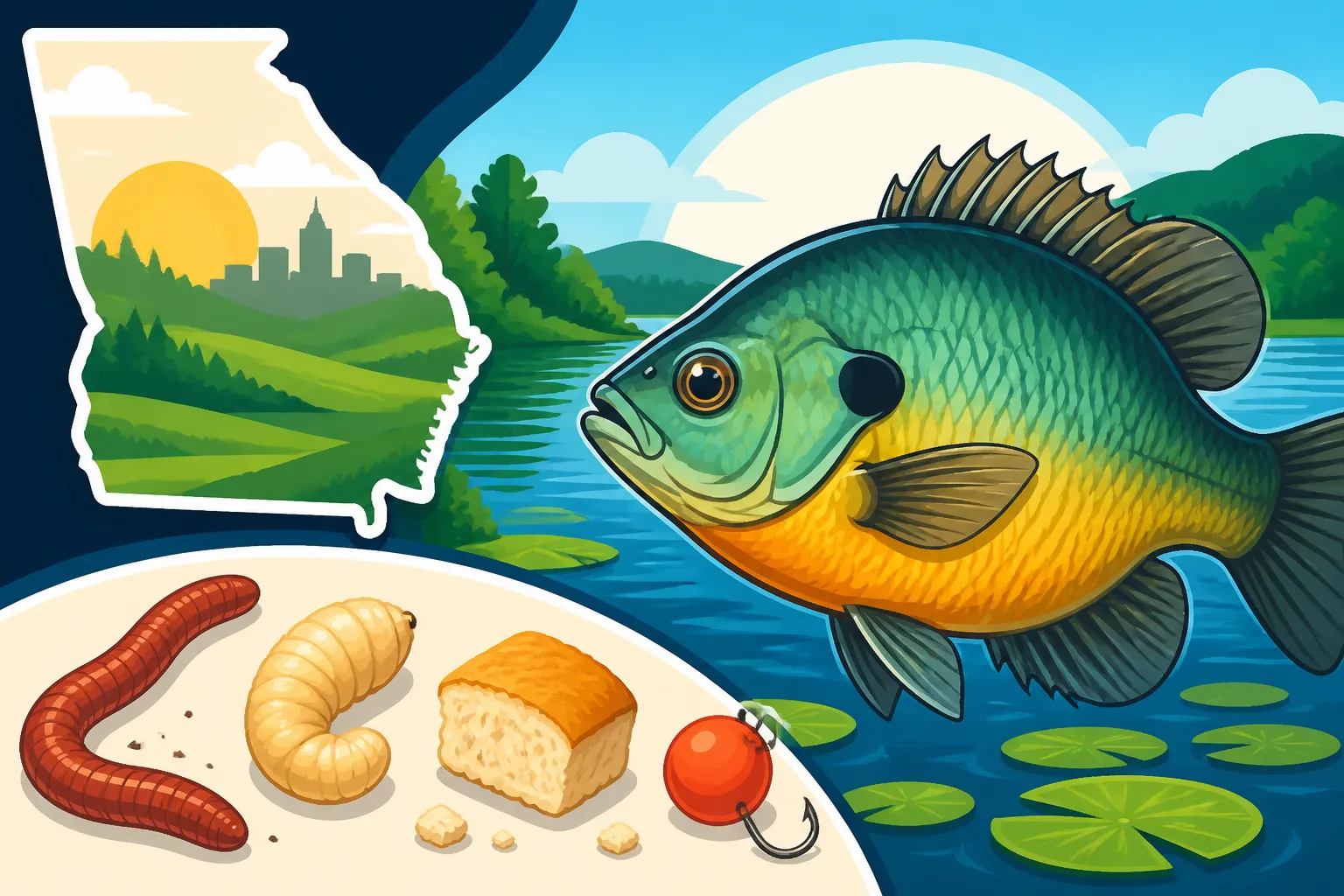
If there's one bait that's synonymous with bluegill fishing, it's the humble worm. Red wigglers are often considered the gold standard, but even common garden worms will work wonders. Their constant squirming in the water is a beacon for curious bluegill.
To use them effectively, you don't need a huge chunk of worm. A small piece, about an inch long, is usually perfect for a bluegill's small mouth. You can thread it onto a small hook (size 8 or 10 is ideal) just enough to secure it, leaving plenty of the tail to wiggle freely. This presentation looks natural and is easy for the bluegill to inhale. You can find red wigglers at almost any bait shop, or you might even find them available for order on Amazon if you plan ahead. Fishing worms under a small bobber is a classic and highly effective method. The bobber suspends the bait at a visible depth, and when it dips, you know you've got a bite! For more on this simple setup, check out How to Rig a Bobber for Bream.
Chirping Delights: Crickets
For many seasoned bluegill anglers in Georgia, crickets are a secret weapon, especially during warmer months. The way a cricket struggles on the surface or just below it is a natural attractant. Bluegill often feed on insects that fall into the water, so a cricket perfectly imitates a tasty morsel.
When rigging a cricket, be gentle as they are quite fragile. Hook them lightly through the thorax (the meaty part behind the head) or just under the saddle of their back. This keeps them lively for as long as possible. Using a cricket under a small bobber is incredibly effective, allowing the cricket to kick and swim naturally. If you're fishing near overhanging trees or brush, let your cricket drift naturally into those areas – that's where bluegill often lurk, waiting for an easy meal. Bait shops typically carry crickets, but sometimes you can even find them at pet stores or, again, through online retailers like Amazon if you're buying in bulk.
Other Live Bait Options: Minnows and Mealworms
While worms and crickets are the top two, other live baits can also be incredibly effective for bluegill, especially if you're looking to weed out smaller fish and target slightly larger specimens. Small minnows, though more commonly used for crappie, can definitely entice a bigger bluegill. Hook them lightly through the lip or the dorsal fin.
Mealworms and waxworms are also excellent choices, often available at bait shops or pet stores. They are a bit tougher than crickets and less messy than worms, making them easy to handle, especially for kids. They offer a good balance of scent and movement. Again, a small hook and a light presentation are key. They're particularly good when bluegill are being a bit finicky and aren't hitting the larger, more active baits. They are also fantastic for panfish in general, as discussed in our Bream and Sunfish Guide for Georgia Anglers.
Tricky Treats: Artificial Lures for Bluegill
While live bait often reigns supreme, don't discount artificial lures for bluegill. They can be incredibly fun to fish, require less mess, and often allow for a more active style of fishing. Plus, they can sometimes out-fish live bait when bluegill are aggressive or when you want to cover more water.
Tiny Temptations: Micro Jigs
Micro jigs are miniature versions of the jigs used for bass and crappie, and they are absolutely deadly for bluegill. These typically range from 1/32 to 1/80 of an ounce and come in various colors and shapes, often mimicking small insects or baitfish.
The key to fishing micro jigs is a very light rod (ultralight spinning gear is perfect), light line (2-4 lb test), and a subtle presentation. You can cast them out and retrieve them with tiny twitches, or fish them vertically under a bobber, giving the bobber a slight jiggle to impart action to the jig. Bright colors like chartreuse, pink, and white are often very effective, but don't shy away from natural colors like black or brown, especially in clear water. Many anglers swear by a small plastic grub or tube jig body on a tiny jig head. You can find a huge variety of these small jigs and jig bodies on Amazon. For specific advice on using jigs for panfish, you might find some crossover tips in How to Jig for Crappie.
Flashy Fliers: Spinners
Small inline spinners are another fantastic artificial option for bluegill. These lures have a blade that spins as you retrieve them, creating flash and vibration that can call fish in from a distance. Brands like Rooster Tail or Mepps make excellent small spinners in sizes ideal for bluegill.
To fish a spinner, simply cast it out and retrieve it at a slow to moderate speed, just fast enough to get the blade spinning. Bluegill will often hit these with surprising force. Again, ultralight tackle is recommended for casting these tiny lures. They are particularly effective when bluegill are active and spread out, as the flash and vibration help them locate the lure. Experiment with different blade colors (silver, gold, copper) and body colors until you find what the fish prefer on any given day.
Elegant Bites: Flies
For the fly-fishing enthusiast, bluegill offer a tremendous amount of fun. They are eager to strike a well-presented fly, making them excellent practice fish for those looking to hone their fly-casting skills. Both dry flies and wet flies can be highly effective.
Small poppers, tied to imitate insects struggling on the surface, can lead to explosive topwater strikes. Dry flies like an Adams or a Caddis, in sizes 10-14, will often draw a bite when bluegill are feeding on insects. For subsurface action, small nymphs or wet flies like a Woolly Bugger (in miniature sizes) can be stripped slowly or drifted under an indicator. Fly fishing for bluegill is not only incredibly effective but also offers a unique and engaging challenge. It's a great way to enjoy the tranquil beauty of Georgia's smaller waters.
Mastering the Presentation: Advanced Bluegill Bait Tips
Knowing what bait to use is only half the battle; knowing how to present it effectively is the other, equally important, part. Bluegill are often found in specific areas, and putting your bait right in front of them in an appealing way makes all the difference.
The Power of Scent and Attractants
While live baits already have a natural scent, you can boost the appeal of both live and artificial offerings with scent attractants. These come in various forms – gels, sprays, or dips – and can be applied directly to your bait or lure. They release a powerful odor into the water that can draw in bluegill, especially if the water is murky or the fish are sluggish.
Think about it: bluegill primarily use sight and smell to locate food. If you can engage both senses, your chances of a bite increase dramatically. Many attractants mimic the scent of worms, garlic, or other fishy smells. Experiment with different scents to see what works best in the waters you're fishing. A little dab of scent on a micro jig can sometimes be the difference between a few bites and a full stringer.
Matching the Hatch and Local Forage
This concept is often associated with trout fishing, but it applies to bluegill too! "Matching the hatch" means trying to offer bait that mimics what the fish are currently feeding on naturally. If you see dragonflies buzzing around, a small popper or a dark-colored micro jig might be the ticket. If you notice a lot of small worms or insect larvae when turning over rocks near the shore, then a live worm or a natural-colored jig would be more effective.
Observing your surroundings is key. Look for insect activity on the water, listen for fish popping the surface, or even gently check the stomach contents of the first few fish you catch (if you plan to keep them) to see what they’ve been eating. This local knowledge can be invaluable. For more general advice on seasonal patterns, our guide on A Year-Round Guide to Fishing in Georgia might offer some broader context.
Depth and Location: Where Bluegill Hang Out
Bluegill love structure and cover. This includes submerged logs, brush piles, docks, lily pads, weed beds, and even simply deeper drop-offs near the shore. These areas provide them with both protection from predators and ample food sources. You’ll rarely find bluegill suspended in open water without any cover nearby.
When using bait, make sure you're casting to these prime locations. If you're using a bobber, adjust the depth so your bait is suspended just above the cover. If you're retrieving a lure, try to run it right along the edges of weed lines or fallen timber. Sometimes, simply moving your bait two feet closer to that submerged branch makes all the difference. Remember, fish often position themselves to ambush prey, so put your bait in their strike zone. For finding these hotspots, consider checking out Best Bank Fishing Spots in Georgia or Georgia State Park Fishing Spots.
Time of Day and Season Considerations
Bluegill, like most fish, have peak feeding times. Generally, early morning and late evening tend to be the most productive periods, especially in warmer weather. During these times, the water temperatures are cooler, and light levels are lower, making fish feel more comfortable moving into shallower areas to feed.
In the heat of summer, bluegill might retreat to deeper, cooler waters during the midday sun. Conversely, on cooler days or in the cooler months, they might be more active throughout the day, as the sun provides warmth. Even though they're often active, paying attention to the sun's position and the time of day can significantly improve your catch rate. For seasonal insights, articles like Best Summer Fishing Spots on Georgia Lakes or Best Spring Bass Fishing Spots in Georgia (though focused on bass, the general seasonal patterns often overlap with bluegill) can offer helpful context.
Bluegill Bait Comparison Chart
To help you quickly compare some of the most popular bluegill baits, here's a handy chart:
| Bait Type | Pros | Cons | Best Conditions |
|---|---|---|---|
| Red Wigglers/Worms | Extremely effective, natural scent & movement, universally appealing. | Can be messy, sometimes fall off hook easily, may attract smaller fish. | All conditions, especially effective near bottom or cover. |
| Crickets | Great topwater action, mimic natural insect fall, high appeal. | Fragile, can be hard to keep on hook, seasonal availability. | Warmer months, surface or just below, near vegetation. |
| Mealworms/Waxworms | Clean to handle, good scent, durable on hook, versatile. | Less natural movement than worms, can be less active than crickets. | Anytime, good for slightly finicky fish or beginners. |
| Micro Jigs | Reusable, cover water quickly, active fishing, wide range of colors. | Requires specific rod/reel setup, can get snagged, less scent. | Aggressive bluegill, covering larger areas, active presentation. |
| Small Spinners | Creates flash & vibration, covers water, can draw fish from a distance. | Requires constant retrieve, sometimes too fast for lethargic fish. | Active fish, clear water, when bluegill are scattered. |
| Flies (Poppers/Nymphs) | Highly engaging, visual strikes (poppers), precise presentation. | Requires fly fishing gear/skill, can be slower fishing. | Surface feeding activity, calm water, subtle presentation. |
Wrapping Up Your Bluegill Bait Strategy
The wonderful thing about bluegill fishing is its simplicity and accessibility. You don't need a boatload of expensive gear or years of experience to have a blast. With a simple rod and reel, a handful of good bait, and an understanding of how and where to present it, you can enjoy endless hours of fun. Remember, bluegill are often the gateway to a lifetime of angling passion, especially for kids learning to fish. Getting those consistent bites builds confidence and excitement, which is what it's all about.
So next time you're heading out to your favorite Georgia pond or lake, grab some worms, crickets, or a few micro jigs. Experiment, observe, and enjoy the process. You'll be amazed at how a little bit of knowledge about the Best Bait for Bluegill Fishing can lead to a whole lot of bending rods and smiling faces. Happy fishing!
Disclaimer
This article is for general informational purposes only and does not constitute professional advice. Laws, prices and regulations vary by location and change over time. Consult a qualified professional for guidance on your specific situation.