Bluegill Size: What to Expect from Georgia Panfish
It’s easy to get swept up in the pursuit of trophy bass or monster catfish here in Georgia, but sometimes, the simplest pleasures bring the most joy. Bluegill, those feisty little panfish, are a cornerstone of our fishing heritage, providing endless entertainment for anglers of all ages. Many folks wonder, though, what's a "good" size for a bluegill in Georgia? This guide will dive deep into what you can genuinely expect from bluegill populations across our state, from tiny bait-stealers to those surprisingly hefty plate-sized beauties.
The Enduring Appeal of Bluegill in Georgia Waters
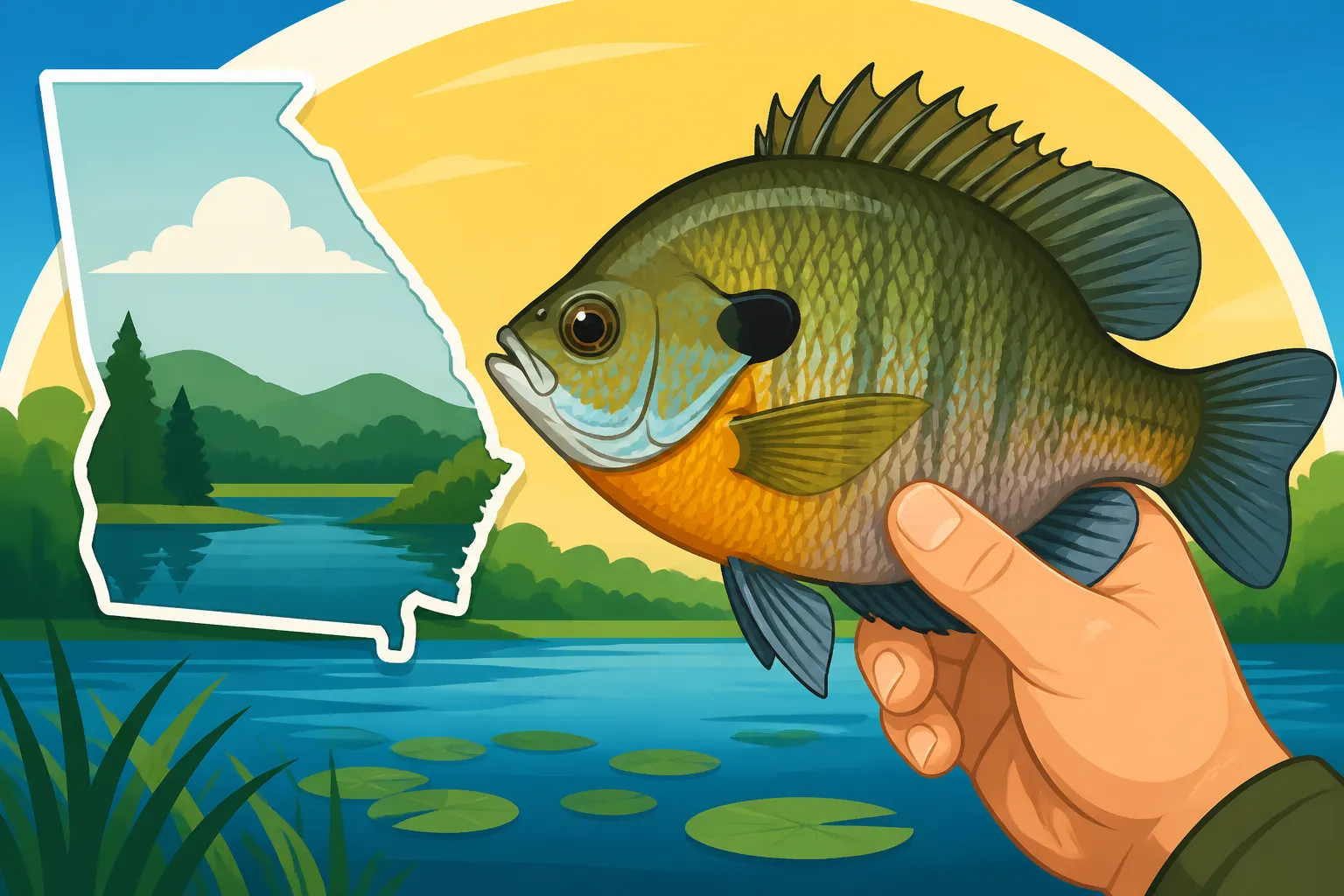
Bluegill (Lepomis macrochirus) are more than just a ubiquitous fish; they're an experience. They're often the first fish a child ever catches, sparking a lifelong love affair with the outdoors. In Georgia, you'll find them in almost every body of freshwater imaginable – from sprawling reservoirs and lazy rivers to quiet farm ponds and even urban park lakes. Their sheer abundance and willingness to bite make them incredibly accessible, and frankly, they’re just plain fun to catch.
Why Bluegill Are Everywhere You Look
Part of the reason bluegill are so common is their adaptability. They thrive in a wide range of conditions, as long as there's some cover and food. They're prolific spawners, meaning they reproduce quickly, often leading to large populations. This abundance, while great for consistent action, can also lead to overcrowding, which directly impacts their average size. Think of it like a crowded dinner table – if there are too many mouths, no one gets a really big meal. You'll often find bluegill schooling around submerged structures like brush piles, docks, lily pads, or even just shaded banks, always on the lookout for their next snack. This makes them ideal for bank fishing or even a leisurely afternoon from a small boat.
The Perfect Target for Family Fishing
For families with young anglers, bluegill are truly a blessing. They don't require fancy gear or complex techniques. A simple cane pole, a bobber, a hook, and a bit of bait – maybe a wriggling worm or a bit of corn – are often all it takes. The consistent action keeps kids engaged, teaching them patience and the thrill of the catch without the frustration of long waits. This is why you'll find them mentioned prominently in any guide to Kid-Friendly Fishing Ponds in Georgia. There's something truly special about seeing a child's eyes light up as they pull in their first bluegill, no matter how small. It’s not about the record books; it’s about the memory.
Typical Bluegill Size in Georgia: A Realistic Look
When we talk about bluegill size, it's important to set realistic expectations. While "dinner plate" bluegill exist, they're not the everyday catch. The average bluegill you'll encounter in most Georgia waters will probably fit comfortably in the palm of your hand.
Average Length and Weight Expectations
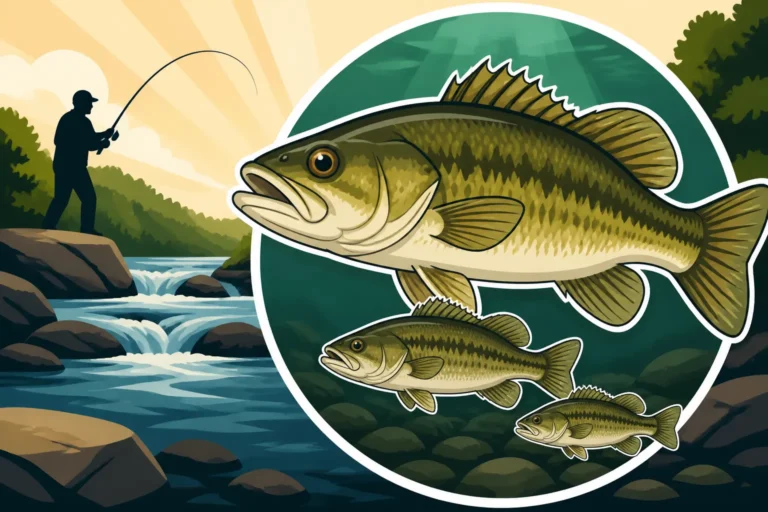
Most bluegill in Georgia's public waters – lakes, rivers, and larger reservoirs – typically range from 4 to 8 inches in length. These fish will usually weigh anywhere from 2 ounces to half a pound. Now, don't get me wrong, there are exceptions! If you're consistently catching bluegill under 4 inches, it might be a sign of an overpopulated pond, where there just isn't enough food to go around for all those hungry mouths. Conversely, a healthy, well-managed pond or lake with good forage and fewer fish can produce bluegill consistently in the 8 to 10-inch range, sometimes even pushing a full pound or more. These are often referred to as "shellcrackers" or "bream" and are prized by panfish enthusiasts.
Here's a quick table to give you a general idea of what to expect:
| Bluegill Length (Inches) | Typical Weight (Ounces) | Description | Common Occurrence |
|---|---|---|---|
| 2-4 | 1-3 | "Fingering" or juvenile | Overpopulated ponds, early season |
| 4-6 | 3-6 | Standard "eater" size, common | Most public waters |
| 6-8 | 6-12 | Good-sized panfish, respectable catch | Healthy lakes, well-managed ponds |
| 8-10+ | 12-20+ | "Slab" or "Dinner Plate," trophy panfish | Exceptionally managed waters, specific PFA's |
Remember, these are averages. A bluegill that’s really chunky at 6 inches might weigh more than a skinny 7-incher. It's all about body condition, which often comes back to food availability. When you're fishing for Bream and Sunfish: Georgia's Everyday Catch, a 6-inch bluegill is a fantastic catch, especially on light tackle.
Factors Beyond Just Age
It's not just how old a bluegill is that determines its size. Genetics play a role, of course, but environment is huge. A bluegill in a nutrient-rich, uncrowded pond with plenty of food and cover can grow much faster and larger than its cousin in a stagnant, overcrowded pond, even if they're the same age. Things like water temperature, oxygen levels, and the presence of predatory fish (which help thin out the bluegill population) all contribute to the overall health and growth rate of a bluegill fishery. This is why you might fish one pond and catch nothing but small ones, then move to another just down the road and pull out some real slabs.
What Influences Bluegill Growth Rates in Georgia?
Understanding what makes a bluegill grow is key if you're hoping to consistently catch larger specimens. It's a complex dance of environmental factors, and appreciating these can help you choose better fishing spots and times.
Habitat Quality and Food Availability
Imagine a bluegill living in a pristine, well-balanced pond. It's got plenty of insect larvae, small crustaceans, and even tiny minnows to feast on. There's ample submerged vegetation for cover, healthy oxygen levels, and a stable water temperature. That fish is going to grow fast and get fat! Conversely, a bluegill in a barren pond with little natural food and too many competitors will struggle to reach a decent size.
Georgia's diverse aquatic environments offer a range of these conditions. Larger reservoirs like Lake Lanier or Lake Oconee, for example, often have vast shallow areas with abundant forage, leading to strong bluegill populations. However, due to the sheer size and diverse ecosystems, the bluegill might not always grow to the exceptional sizes seen in smaller, intensely managed ponds. For those really seeking the bigger ones, Where to Catch Bluegill in Georgia Ponds might be a better starting point, as these smaller, contained bodies of water can often be better managed for trophy panfish.
Population Density and Predation
This is perhaps the biggest factor. Bluegill are incredible breeders. One female can lay tens of thousands of eggs in a single season! Without natural predators (like largemouth bass, catfish, or even birds of prey) to thin the herd, bluegill populations can explode. When there are too many bluegill in a given body of water, they compete fiercely for limited food resources. This leads to stunted growth, meaning you'll catch a lot of small, skinny fish.
A healthy bluegill fishery often has a good balance of predators that keep the bluegill population in check, allowing the remaining fish more food and space to grow. This is why some public fishing areas (PFAs) are so good for panfish – they're often managed with this balance in mind. If you want to dive deeper into the dynamics of specific fish populations, you might find information on Georgia Fish Species: A Complete Guide to What's Swimming in Your Lakes interesting.
Water Quality and Temperature
Bluegill are hardy, but they thrive in clean, well-oxygenated water. Ponds or rivers with poor water quality, high turbidity, or extreme temperatures can stress fish, diverting energy from growth to survival. In Georgia, our summers can get brutally hot, and shallow water temperatures can soar. While bluegill tolerate warm water, extreme heat can reduce their feeding activity and overall health. Likewise, a sudden cold front can put them off the bite, pushing them to deeper, more stable temperatures. How Water Temperature Affects Fish Behavior is a fascinating read that applies not just to bass but to panfish like bluegill too.
Strategies for Catching Bigger Bluegill in Georgia
While bluegill are famously easy to catch, targeting the bigger ones often requires a little more finesse and specific tactics. It's about thinking like a big bluegill, which isn't always where the little ones are.
Choosing the Right Bait and Lure
Forget the tiny bits of worm you use for the runts. If you're after those slabs, you need to entice them with something more substantial. Live baits are almost always a winner. Crickets are king for bluegill, but a larger piece of red worm or even a small mealworm can do the trick. For artificial lures, tiny jigs (1/32 to 1/16 ounce) with small plastic grubs or hair jigs can be incredibly effective. Color often matters, with chartreuse, white, and black being popular choices. You can find a huge variety of these tiny jigs and crickets online through retailers like Amazon, making it easy to stock up before your next trip. To learn more about specific choices, check out Best Bait for Bluegill Fishing.
Targeting Specific Depths and Structure
The biggest bluegill often aren't mixed in with the hordes of tiny ones. They prefer deeper water and more substantial cover, especially during the hotter parts of the day or year. Look for them around submerged brush piles, fallen trees, deep weed lines, or under boat docks. A small depth finder can be invaluable for locating these honey holes. During the spawn (typically late spring through early summer in Georgia), bluegill will move into shallower, hard-bottom areas to create their distinctive circular beds, often in colonies. This is a prime time to catch larger males defending their nests. Understanding How to Rig a Bobber for Bream can help you present your bait effectively at the right depth.
Equipment for the Serious Panfisher
You don't need heavy gear, but the right ultralight setup can make all the difference when you're targeting bigger bluegill. A light or ultralight spinning rod (4-6 feet) paired with a small spinning reel spooled with 2-4 pound test monofilament or fluorocarbon line is perfect. This light line allows for longer casts with tiny baits and offers maximum sensitivity to detect those subtle bluegill nibbles. Some anglers even prefer longer rods for better casting control and fighting ability, particularly if they're fishing from the bank. If you're in the market for new gear, Amazon offers a wide selection of ultralight rods and reels that are perfect for this type of fishing. For more guidance on choosing the right tools, consider reading Best Tackle for Panfish in Georgia Ponds.
The Joy of Panfishing: It's Not Always About Size
While chasing those elusive slab bluegill can be a rewarding challenge, let's not forget the fundamental joy that bluegill fishing brings. Sometimes, the biggest reward isn't the biggest fish.
Quantity vs. Quality: The Panfish Philosophy
For many, bluegill fishing is about constant action and the simple pleasure of a bent rod. Catching a dozen 6-inch bluegill can be just as much fun, if not more, than landing one 10-incher after a long wait. These smaller, abundant fish are also excellent for introducing newcomers to fishing, building confidence and excitement with frequent bites. Plus, a cooler full of those 6-8 inch "eaters" makes for an incredible fish fry! The delicious white, flaky meat of a fresh bluegill is hard to beat, no matter its size. If you're curious about table fare, Is Bluegill Good to Eat? has some great insights.
Beyond the Scale: Experiences and Memories
Think about it: the laughter of kids reeling in fish, the quiet solitude of a morning on the water, the shared stories with friends and family. These are the true trophies of bluegill fishing. Georgia offers so many fantastic places for these experiences, from local neighborhood ponds to sprawling state parks. Whether you're using a fancy ultralight setup or a simple cane pole, the act of fishing itself is often the most important part. Don't stress too much about the numbers on the scale; focus on the moments. Best Family-Friendly Fishing Spots in Georgia is a great resource for finding locations where these memories can be made.
Ultimately, while bluegill size in Georgia can vary wildly depending on the water and the fishing pressure, you can expect a healthy average of 4-8 inches, with the potential for much larger fish in well-managed systems. Equipped with the right knowledge and a little bit of patience, you'll be well on your way to enjoying some fantastic bluegill action, no matter their size.
Disclaimer
This article is for general informational purposes only and does not constitute professional advice. Laws, prices and regulations vary by location and change over time. Consult a qualified professional for guidance on your specific situation.