Where to Catch Rainbow Trout on the Toccoa River
Trying to figure out the best spots to catch rainbow trout on the Toccoa River can feel a bit like searching for a needle in a haystack, especially if you're not familiar with its unique stretches and flows. Many anglers get frustrated trying to pinpoint where the trout are biting, often spending more time driving around than actually fishing. This guide is here to cut through that confusion, giving you a detailed roadmap to the Toccoa River's prime rainbow trout locations and the know-how to make your fishing trip a success.
Understanding the Toccoa River's Trout Fishery
The Toccoa River, winding through the beautiful North Georgia mountains, is truly a gem for trout enthusiasts. It’s known for its stunning scenery and, more importantly, its vibrant rainbow trout population. However, it's not a monolithic body of water; different sections offer different experiences and hold fish in varying concentrations. Understanding the river's character, the habits of rainbow trout, and the rhythm of stocking schedules is your first step to consistent success.
The Toccoa River's Character and Flow
The Toccoa River undergoes a significant transformation as it flows from its headwaters down to Lake Blue Ridge and then emerges as a tailwater fishery below the dam. Upstream of the lake, it's more of a classic mountain stream, with cooler, faster-moving water, riffles, runs, and deeper pools carved out by the current. This section often holds wilder, though smaller, fish alongside stocked trout. Below Lake Blue Ridge Dam, the Toccoa becomes a tailwater, and its flow is directly controlled by releases from the dam. This means water levels can fluctuate dramatically throughout the day, which is a crucial factor for anglers to monitor. Always check the generation schedule before heading out, as sudden water level changes can be dangerous and affect fish behavior.
The water temperature in the tailwater section tends to be colder and more stable year-round, making it excellent habitat for trout, especially rainbow trout, even during warmer months when other streams might be too warm. This consistent cold water, rich with oxygen, helps the stocked rainbows thrive and grow. The riverbed itself varies from rocky stretches with boulders and gravel to areas with more silt and sand, all creating diverse pockets for trout to hide and feed. Knowing these characteristics helps you anticipate where fish might be holding and what techniques will be most effective. This distinction between the upper and lower river is key to unlocking the best fishing spots.
Rainbow Trout: The Toccoa's Primary Stocked Species
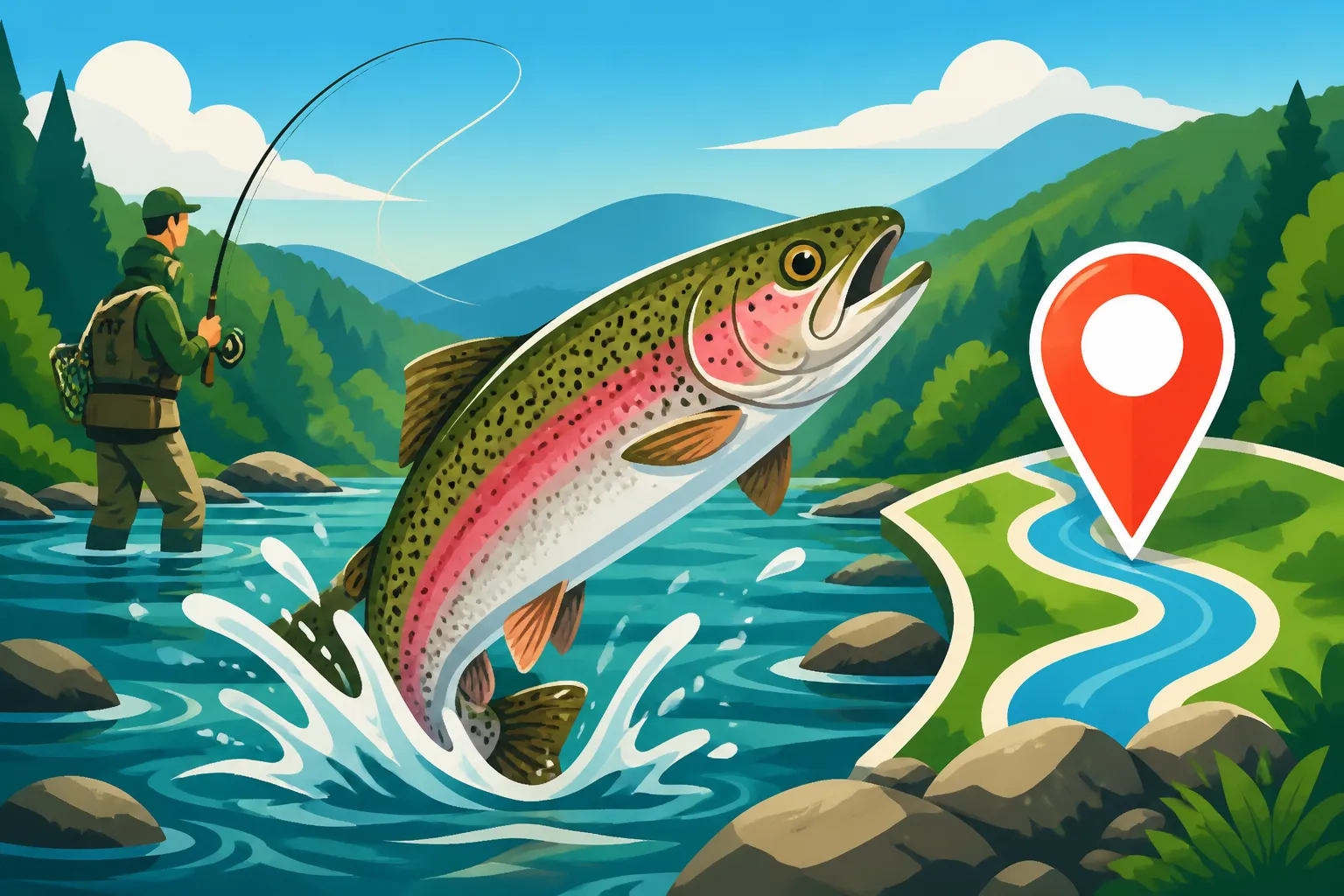
When we talk about trout fishing on the Toccoa, rainbow trout are often the stars of the show. While brown trout and even native brook trout can be found in certain stretches, especially in the smaller feeder streams, rainbow trout are by far the most commonly stocked species in the main stem of the Toccoa. These beautiful fish, with their iridescent stripes and energetic fights, are a favorite among anglers, from seasoned veterans to those just learning Basic Fishing Techniques Every Beginner Should Know. They adapt well to the varied conditions of the Toccoa, particularly in the well-oxygenated waters.
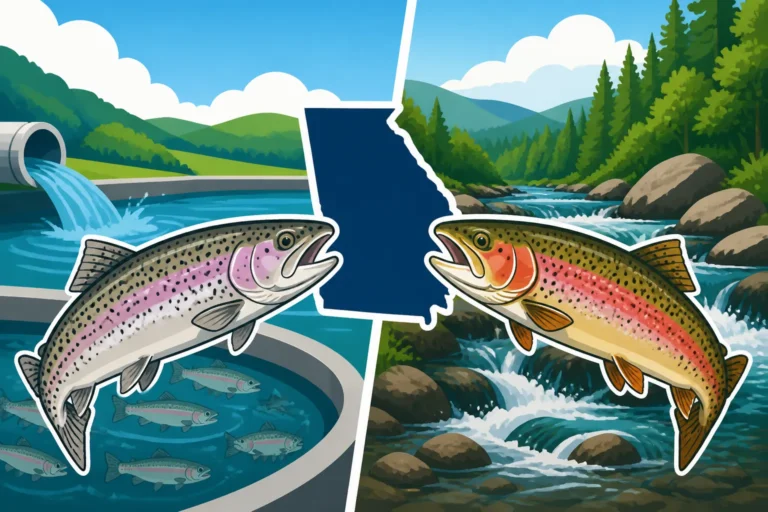
The Georgia Department of Natural Resources (DNR) regularly stocks the Toccoa River, especially in the tailwater section, to ensure a robust population for anglers. These stocked fish tend to be eager biters, making them an excellent target for a fun day on the water. However, don't confuse "stocked" with "easy." While initially more aggressive, they quickly become wary, especially if there's been recent fishing pressure. Understanding their feeding habits, preferred lies in the current, and how they react to different baits and lures is essential. Keep an eye on the Georgia Trout Stocking Schedule for optimal timing, as freshly stocked fish can provide some of the most exciting action.
Seasonality and Stocking Schedules
The Toccoa River offers trout fishing opportunities throughout the year, but the quality and type of fishing can vary significantly with the seasons. Spring is often a favorite, as rising temperatures spur fish activity, and the stocking schedule ramps up. Summer can be excellent, especially in the colder tailwater section, though wise anglers will focus on early mornings or late evenings to avoid the warmest parts of the day. Fall brings breathtaking scenery and aggressive fish as they feed heavily before winter, and stocking continues. Even winter can be productive, particularly on milder days, with fish often schooling in deeper, slower pools.
The DNR's stocking schedule plays a huge role in where and when you'll find concentrations of rainbow trout. They typically stock various access points along the river, which means knowing these locations is critical. These schedules are usually posted publicly, and checking them regularly can inform your trip planning. Freshly stocked fish are often found near the release points and tend to be less selective about their food. Over time, as they spread out and get pressured, they become more challenging. Knowing the stocking schedule for Georgia's Trout Stocking Schedule Explained can really improve your chances, and you can often find great gear on Amazon to take advantage of these opportunities.
Prime Public Access Points for Rainbow Trout on the Toccoa River
The Toccoa River boasts several excellent public access points, each offering a slightly different experience and fishing challenge. From tranquil stretches ideal for wading to areas better suited for floating, understanding these spots is crucial for a successful rainbow trout outing.
Upper Toccoa River: Tailwaters Below Lake Blue Ridge
For many seasoned anglers, the tailwater section of the Toccoa River below Lake Blue Ridge Dam is the crown jewel for rainbow trout fishing. This area benefits from consistent cold water releases, making it productive even during the heat of summer. Access here is generally good, with popular spots like the Tammen Park boat ramp providing entry. However, be acutely aware of the dam generation schedule. When the water is low (no generation), this stretch is fantastic for wade fishing, offering ample opportunities to cast to holding fish in riffles and runs. You'll find plenty of deeper pools and current breaks where trout will stage, especially if they've been recently stocked.
When the generators are running and water levels are high, wading becomes impossible and dangerous. At these times, floating the river in a drift boat, raft, or kayak becomes the primary method. This allows you to cover more water and reach sections inaccessible to wade anglers. Look for submerged structures, current seams, and eddies where trout will seek refuge from the strong currents. Many local outfitters offer guided float trips, which can be an excellent way to learn the ropes of this dynamic section. Remember, safety first on the tailwater; strong currents can be deceptive, so wear your life jacket, available on Amazon, and be aware of your surroundings. This section truly defines Toccoa River Trout Fishing in Georgia.
Middle Toccoa River: Float Trips and Wade Fishing Opportunities
Moving downstream from the dam, the middle section of the Toccoa River, from Tammen Park towards Curtis Switch and beyond, offers a blend of wade fishing and floating opportunities, often with slightly less intense current than the immediate tailwater. This stretch is characterized by a mix of long, slow pools and quicker riffles, providing diverse habitats for rainbow trout. Public access points, while perhaps not as numerous as immediately below the dam, are available and often less crowded. Finding a good pulloff along a county road or a designated fishing access point can lead you to productive waters.
This middle stretch is particularly popular for those who enjoy leisurely float trips, perhaps in a canoe or a small fishing kayak. The slower currents allow for more controlled drifts and the chance to thoroughly fish various pockets and bends. When water levels are moderate, there are also numerous areas suitable for wade fishing, especially in the shallower riffles and gravel bars. Anglers often find success targeting the seams where faster water meets slower water, or casting into the shaded areas along the banks. It’s a great section to explore if you want a balance between accessibility and a more tranquil fishing experience, often holding some surprisingly large rainbow trout that have had time to grow since stocking. You can find excellent Kayak Fishing Gear Guide for Beginners if you're looking to explore this way.
Lower Toccoa River: Access and Regulations
As the Toccoa River continues its journey westward towards the Tennessee border, it widens and slows, eventually entering more developed areas before joining the Ocoee River in Tennessee. The lower Toccoa still holds rainbow trout, particularly in the sections that remain cool and well-oxygenated. However, public access can become a bit more scattered, and much of the riverfront land might be privately owned. It's crucial to be mindful of property lines and respect landowners' rights. Always seek permission before crossing private land or fishing from private banks.
Fishing in the lower Toccoa might require a bit more exploration to find those hidden gems, but the rewards can be worth it. Look for bridges and designated public access points, which are often marked. The trout here might be a bit more spread out, and due to less stocking in certain downstream sections, you might encounter more naturalized or holdover rainbows that are warier. This often means employing stealthier tactics and more refined presentations. While not as consistently stocked as the immediate tailwaters, the lower Toccoa can offer a peaceful fishing experience for those willing to seek out its quieter corners. Always check the Georgia Freshwater Fishing Rules specific to the section you plan to fish, as regulations can sometimes vary.
Essential Techniques and Gear for Toccoa River Rainbows
Catching rainbow trout on the Toccoa River requires a blend of skill, patience, and the right equipment. Whether you prefer the subtle art of fly fishing or the versatility of spin fishing, having a solid understanding of effective techniques and appropriate gear will significantly boost your success rate.
Spin Fishing Strategies
Spin fishing for rainbow trout on the Toccoa River is a popular and highly effective method, especially for those who might be newer to trout fishing or prefer an active approach. The key to success often lies in selecting the right lures and presentations. Small inline spinners, like those from Panther Martin or Rooster Tail, are perennial favorites. Their flashing blades and vibrating action mimic small baitfish or aquatic insects, proving irresistible to hungry rainbows. Cast upstream and retrieve at a speed that allows the spinner to wobble enticingly without getting hung up.
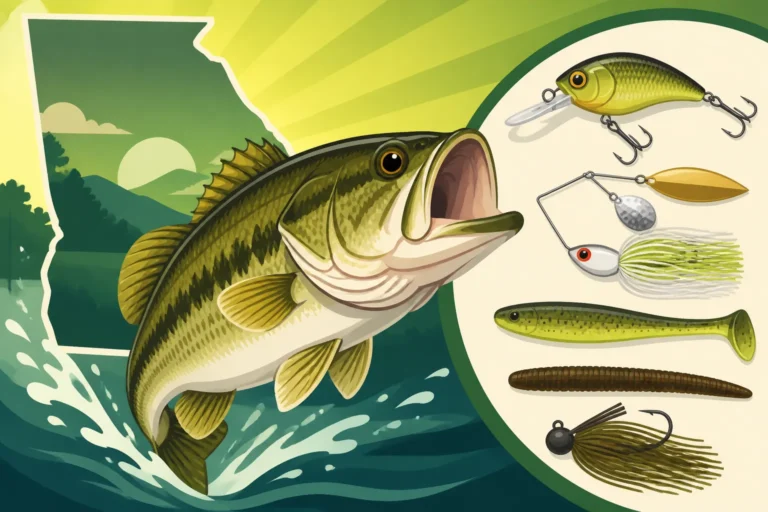
Another excellent option for spin fishing is using small spoons or mini crankbaits, especially in deeper pools or faster runs. These lures can dive to various depths and imitate injured baitfish, triggering aggressive strikes. Soft plastics, such as small trout worms or grub tails, rigged on a light jig head, can also be incredibly effective, particularly when fish are less aggressive or when fishing in slower water. The natural movement of these baits can often tempt even the most finicky trout. When choosing your line, opting for a lighter monofilament or fluorocarbon line (4-6 lb test) will increase your casting distance and reduce visibility, making your presentation more natural. You can find a fantastic selection of these lures and lines on Amazon. Spin Fishing Techniques for Trout are versatile for different conditions.
Fly Fishing Approaches
For many, fly fishing for rainbow trout on the Toccoa River is the ultimate experience, a true dance between angler and fish. This river lends itself beautifully to various fly fishing techniques, catering to different seasons and insect hatches. Nymphing is often the most consistent producer, especially when trout are feeding sub-surface. Drifting various nymph patterns, such as Hare's Ears, Pheasant Tails, or Prince Nymphs, under an indicator through riffles and runs, can be incredibly effective. Pay attention to stream structure; trout will often hold behind rocks or in current seams, waiting for an easy meal to drift by.
Dry fly fishing on the Toccoa can be spectacular, particularly during active hatches of mayflies, caddisflies, or stoneflies. Observing the water for rising fish and matching the hatch with appropriate patterns like Elk Hair Caddis, Parachute Adams, or BWO imitations can lead to exhilarating takes. During colder months or when fish are holding deep, streamer fishing with patterns like Woolly Buggers or Clouser Minnows can tempt larger, more aggressive trout. Regardless of the technique, a 9-foot, 4-5 weight fly rod is a versatile choice for the Toccoa, paired with a matching reel and a floating line. Don't forget to practice your Fly Fishing Basics for Trout before hitting the water!
Recommended Baits and Lures
When it comes to tempting Toccoa River rainbow trout, a diverse array of baits and lures will serve you well. For those who prefer natural baits, red wigglers, corn, and salmon eggs are classic choices that often prove irresistible, especially to freshly stocked fish. PowerBait, in various colors and shapes, is also a go-to for many trout anglers, providing a scent and visual appeal that can attract fish from a distance. Rigging these baits on a light hook with a small split shot for weight, allowing them to drift naturally with the current, is usually the most effective approach.
| Bait/Lure Type | Best Conditions | Key Benefit | Tips for Success |
|---|---|---|---|
| Inline Spinners | Riffles, runs, active fish | Flash and vibration, mimics baitfish | Cast upstream, retrieve steadily, vary speed. Try different blade colors. |
| Small Spoons | Deeper pools, moderate current | Wobbling action, imitates injured prey | Jigging motion, slow retrieve. Good for reaching deeper fish. |
| Soft Plastics (Grubs) | Slower water, finicky fish | Natural movement, subtle presentation | Light jig head, slow drift. Experiment with tail styles (curly, straight). |
| PowerBait / Salmon Eggs | Freshly stocked areas, still water | Scent attraction, easy presentation | Form small ball, float off bottom with small weight. Try different colors/scents. |
| Nymphs (Flies) | Sub-surface feeding, year-round | Mimics aquatic insects, natural drift | Indicator fishing, dead drift. Focus on current seams and structure. |
| Dry Flies (Flies) | Active hatches, rising fish | Mimics surface insects, visual strike | Match the hatch, delicate presentation. Fish pockets and eddies. |
| Streamers (Flies) | Aggressive fish, deeper water, cloudy days | Imitates baitfish, triggers predatory instincts | Strip retrieve, vary speed. Good for larger, wilder trout. |
For lures, beyond the spinners and spoons mentioned for spin fishing, tiny crankbaits that dive a few feet can be fantastic for picking up trout holding in deeper pockets. Their erratic swimming action can often draw strikes when other lures fail. For fly anglers, having a box stocked with a variety of nymph, dry fly, and streamer patterns is crucial to adapt to changing conditions and hatches. Remember, trout can be very selective, so being prepared with several options, like those found on Amazon, can make all the difference. Knowing the Best Bait for Stocked Trout and the Best Lures for Stocked Trout will give you an edge.
Navigating Regulations and Conservation on the Toccoa River
Fishing the Toccoa River, like any wild and beautiful place, comes with a responsibility to understand and abide by the regulations, as well as to practice ethical conservation. These rules aren't just bureaucratic hurdles; they're designed to protect the resource and ensure that the Toccoa remains a vibrant fishery for generations to come.
General Regulations and Special Management Areas
Georgia has specific regulations that apply to trout streams, and the Toccoa River is no exception. It's imperative to consult the current Georgia Sport Fishing Regulations booklet, available through the Georgia Department of Natural Resources (DNR) website or at licensed bait shops. These regulations cover everything from fishing license requirements to specific daily creel and size limits for different species. For instance, while a general trout stream might have one set of rules, sections of the Toccoa could fall under "Special Regulation Trout Streams" or "Delayed Harvest" rules, which impose stricter catch-and-release periods or different tackle restrictions.
A prime example of differing regulations might be the upper Toccoa or specific tributaries which could have different limits or tackle restrictions than the main stem. Always confirm the specific regulations for the exact stretch of river you plan to fish before casting your line. Not knowing the rules isn't an excuse, and violating them can lead to hefty fines and loss of fishing privileges. This guide will help you understand Georgia Fishing Regulations Explained, but always check the most current official sources. Additionally, ensure you have your Georgia Fishing License Guide in order, as it's the foundation for all legal fishing in the state.
Catch and Release Practices
While the Toccoa River is regularly stocked, many anglers choose to practice catch and release, especially for larger or wilder trout. This conservation-minded approach helps maintain a healthy population of fish in the river, contributing to the overall quality of the fishery. If you intend to release a fish, handling it properly is paramount to its survival. Minimize the time the fish is out of the water; a quick photo is fine, but don't prolong its exposure to air. Keep your hands wet when touching the fish to protect its protective slime coat.
Use barbless hooks, or crimp down the barbs on your hooks, as this makes removal much easier and less damaging to the fish's mouth. When removing the hook, use needle-nose pliers or a dehooker. If the fish is deeply hooked, it's often best to cut the line as close to the hook as possible rather than tearing at its gills or throat. Gently revive the fish by holding it upright in the current until it swims away under its own power. These simple practices, widely promoted by conservation groups, help ensure that the trout you catch today can be caught again another day, or go on to spawn.
Respecting Private Property and River Etiquette
The beauty of the Toccoa River often means it flows through a mix of public lands and privately owned properties. It's absolutely critical to respect private property boundaries. Never trespass onto private land without explicit permission from the landowner. This not only avoids legal issues but also maintains positive relationships between anglers and landowners, which is vital for preserving access to fishing spots. Stick to clearly marked public access points, bridges, or areas where you have confirmed permission.
Beyond property lines, good river etiquette is about showing respect for the environment and other anglers. This means packing out all your trash, including discarded fishing line, bait containers, and food wrappers. Leave the riverbank cleaner than you found it. Give fellow anglers ample space; don't crowd into someone else's fishing spot. If you see someone fishing, walk quietly and give them a wide berth. On crowded days, patience and courtesy go a long way in ensuring everyone has a pleasant experience. By following these guidelines, we all contribute to a sustainable and enjoyable fishing environment on the Toccoa, one of Georgia's Best Lakes for Fishing (and rivers, too!).
Disclaimer
This article is for general informational purposes only and does not constitute professional advice. Laws, prices and regulations vary by location and change over time. Consult a qualified professional for guidance on your specific situation.