Tackle Box Setup for Bass Fishing
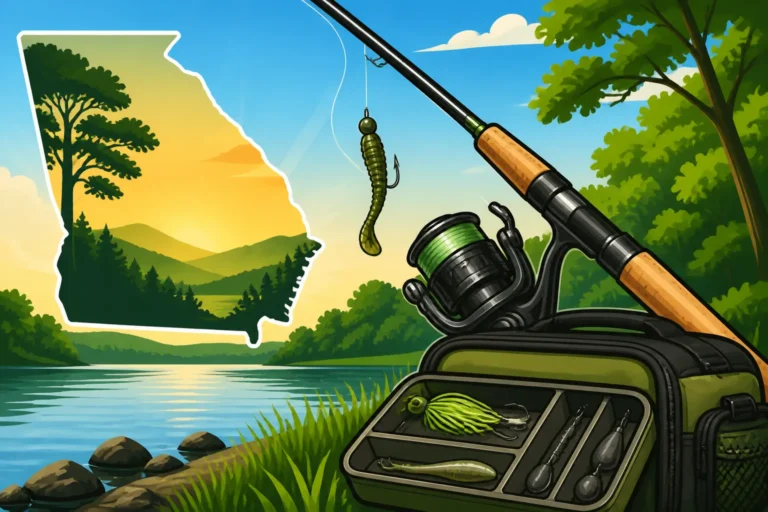
There’s nothing quite as frustrating as being out on the water, the bass are biting, and you realize you don’t have the right lure, the correct hook size, or even a simple pair of pliers to cut your line. We’ve all been there, staring into a disorganized mess of hooks, weights, and half-eaten soft plastics, wondering where to even start. This guide is designed to cut through that chaos, helping you meticulously set up your bass fishing tackle box so you’re always prepared, no matter what Georgia’s waters throw your way.
The Foundation: Why a Well-Stocked Tackle Box Matters
A tackle box isn't just a container; it's your mobile command center on the water. It holds the tools and baits that connect you to the fish, and a poorly organized or inadequately stocked box can turn a promising day into a series of missed opportunities and frustrating fumbles. Think of it as a carefully curated collection, where every item has a purpose and is easily accessible. When you're standing on the bank of Lake Lanier or cruising across Lake Oconee, the last thing you want is to waste precious fishing time digging for a swivel or realizing you're out of your favorite jig head.
Beyond the Basics: Tailoring Your Arsenal
While a general assortment of hooks, weights, and a few popular lures might get you by on a casual afternoon, serious bass fishing in Georgia demands a more thoughtful approach. Different fishing scenarios, seasons, and even specific lakes or rivers call for specialized tackle. For instance, the deep clear waters of a reservoir might require different presentation strategies than a shallow, stained river system. Understanding these nuances and stocking your tackle box accordingly means you're not just fishing; you're adapting and increasing your chances of success. It's about having the right tool for the right job, every single time. Best Lures for Georgia Largemouth Bass covers some great options to start tailoring your collection.
The Cost of Being Unprepared
Being unprepared doesn't just mean missing a fish; it can mean lost gear, damaged tackle, or even a ruined trip. Imagine hooking into a monster largemouth, only for your cheap line cutters to fail, leaving you fumbling while the fish makes its escape. Or perhaps you're out on a boat, and a critical piece of terminal tackle, like a specific weight for your Carolina Rig, is nowhere to be found. These small inconveniences add up, creating frustration and eroding confidence. Investing the time to properly set up and maintain your tackle box is an investment in your fishing enjoyment and success. A visit to a store like Bass Pro Shops can quickly show you the breadth of options available, from basic utility boxes to specialized bags, ensuring you have the right container to house your growing arsenal.
Lure Categories: The Bass Angler's Offensive Arsenal
When it comes to bass fishing, lures are the stars of the show. They're designed to imitate prey, provoke strikes, and ultimately, put fish in the boat. But with thousands of options available, knowing where to start can feel overwhelming. The key is to understand the main categories and how they perform in different situations. You don't need every single lure on the market, but having a versatile selection within each key category will cover most scenarios you'll encounter in Georgia.
Soft Plastics: Versatility for Every Situation
Soft plastics are, without a doubt, one of the most versatile and productive lure categories for bass fishing. From worms and creature baits to flukes and swimbaits, their ability to mimic natural forage and be rigged in countless ways makes them indispensable. They can be fished weightless on the surface, slowly crawled along the bottom on a Carolina Rig, or pitched into heavy cover with a Texas Rig. For Georgia anglers, having a good selection of soft plastic worms (like trick worms or stick baits in green pumpkin, black, and junebug), creature baits (for punching mats), and flukes (for suspending presentations) is paramount. How to Fish a Texas Rig for Bass is a great resource for one of the most popular ways to present soft plastics. Don't forget to stock various sizes and colors, as bass can be picky!
Hard Baits: Cranking, Jerking, and Topwater Excitement
Hard baits encompass a broad range of lures designed for specific actions and depths.
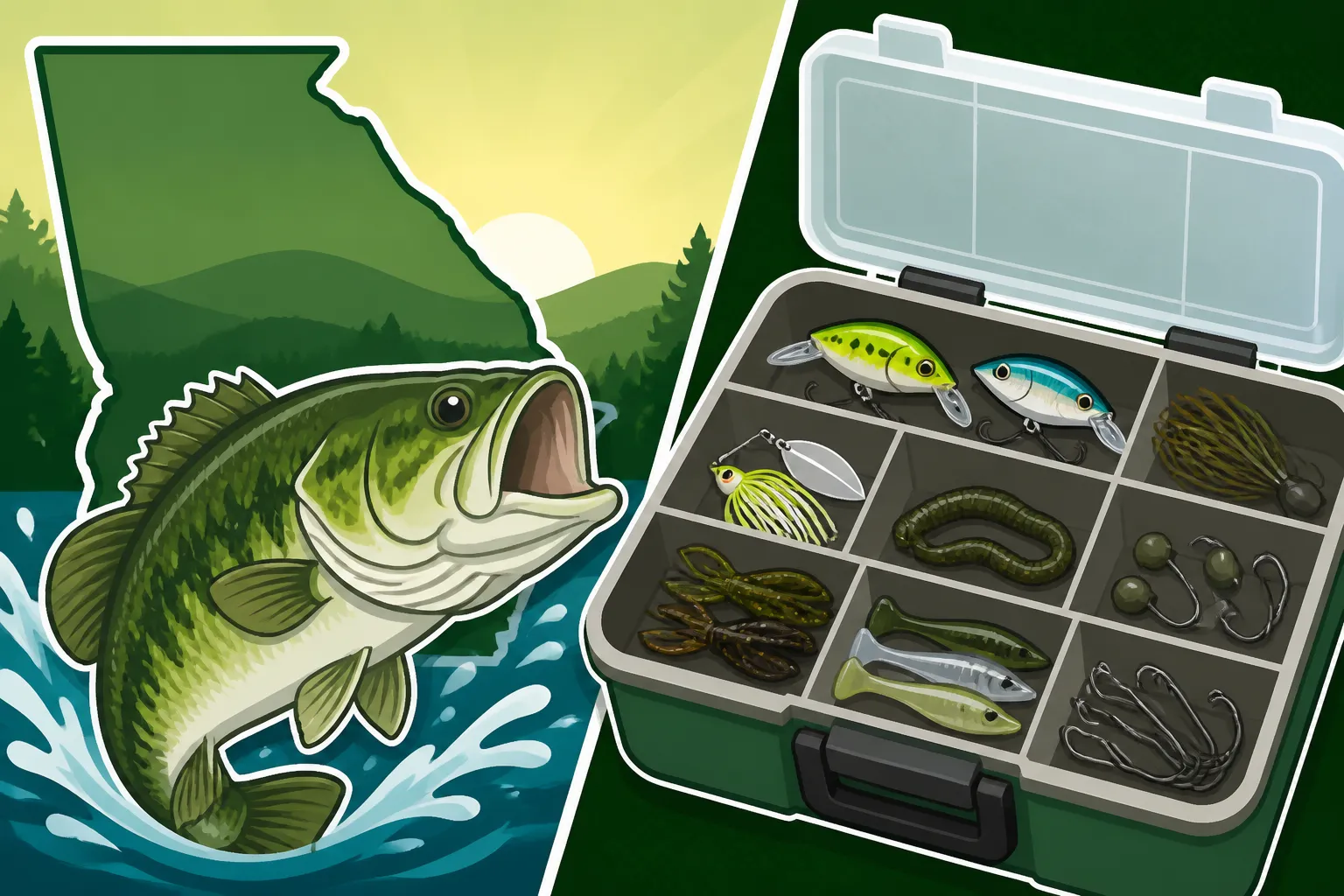
- Crankbaits dive to various depths, deflecting off structure and imitating fleeing baitfish. You'll want shallow divers, medium divers, and deep divers to cover different water columns, especially when fishing reservoirs like Lake Hartwell or Lake Oconee. Best Crankbait for Largemouth Bass can help you choose effectively.
- Jerkbaits suspend or slowly float, allowing you to impart an erratic, dying-fish action that drives inactive bass crazy.
- Topwater Lures (poppers, walk-the-dogs, frogs, buzzbaits) create commotion on the surface, eliciting explosive strikes that are arguably the most exciting in fishing. Having a few different topwater options is crucial, especially during warmer months or low-light conditions. Best Topwater Lure for Georgia Bass highlights excellent choices for those heart-stopping surface explosions.
Each of these hard bait types excels in different scenarios, from covering large flats with a deep-diving crankbait to targeting grass mats with a topwater frog.
Jigs and Spinnerbaits: Targeting Structure and Cover
Jigs and spinnerbaits are workhorses for targeting specific structures and heavy cover where bass love to hide.
- Jigs, particularly flipping and pitching jigs, are perfect for extracting bass from dense brush, docks, and submerged timber. Paired with a soft plastic trailer, they imitate crawfish or baitfish perfectly. Having a range of weights (from 1/4 oz to 1 oz) and colors (black-and-blue, green pumpkin) is essential. How to Flip a Jig Into Heavy Cover for Bass details how effective these can be.
- Spinnerbaits are fantastic for covering water, especially around shallow grass, laydowns, and stumps. Their flashing blades and vibrating skirt are irresistible to aggressive bass. Keep a variety of blade configurations (Colorado, Willow Leaf, Indiana) and skirt colors (white, chartreuse, natural baitfish patterns) to match water clarity and light conditions. These lures are particularly effective during the pre-spawn and post-spawn periods, when bass are actively hunting. Spring Bass Fishing Patterns on Georgia's Reservoirs often involves these aggressive presentations.
Terminal Tackle: The Small Details That Make a Big Difference
While lures grab all the glory, terminal tackle is the unsung hero of your bass fishing setup. These small components – hooks, weights, swivels, and leaders – are the critical connections between your line and your lure, and they can make or break your day. Don't skimp on quality here; a cheap hook or a weak knot can lead to heartbreak when you hook a trophy fish.
Hooks: Sizes, Styles, and When to Use Them
Hooks come in an astonishing array of sizes and styles, each designed for a specific purpose and lure. For bass fishing with soft plastics, you'll primarily be using:
- Worm Hooks (EWG – Extra Wide Gap or Offset Round Bend): These are perfect for rigging soft plastic worms, creature baits, and senkos Texas-style, making them weedless. You'll want a range of sizes from 3/0 to 5/0 for most applications.
- Flipping Hooks: Heavier gauge and often featuring a bait keeper, these are designed for punching through thick cover with heavier lines and weights.
- Treble Hooks: Found on most hard baits (crankbaits, jerkbaits, topwater lures). You might need replacement trebles in various sizes to upgrade stock hooks or to match specific bait profiles.
Always ensure your hook is sharp! A dull hook won't penetrate, leading to missed strikes. A small hook file or sharpener is a must-have tool in your box.
Weights and Sinkers: Getting Your Bait Down
Weights are crucial for controlling the depth and action of your lures, especially with soft plastics.
- Bullet Weights (for Texas Rigs): These conical weights are designed to slip through cover easily. Have a variety from 1/8 oz for subtle presentations to 1 oz or more for punching heavy mats. Tungsten weights are popular for their smaller profile and increased sensitivity.
- Carolina Rig Weights: Typically heavier, often 3/4 oz to 1.5 oz, these egg-shaped or cylindrical weights are used with a swivel and leader to create a distinct bottom-bouncing presentation.
- Drop Shot Weights: These slender, cylindrical or tear-drop shaped weights attach to the bottom of your line, allowing your hook and bait to suspend above them. You'll need lighter weights, typically 1/8 oz to 1/2 oz.
Having a good assortment means you can adapt to different depths, currents, and rates of fall required for various presentations.
Swivels, Leaders, and Line: Connecting It All
The connection between your main line and your lure or terminal tackle is just as important as the lure itself.
- Swivels: Barrel swivels or ball-bearing swivels are essential for preventing line twist, especially when using spinnerbaits or when employing a Carolina Rig. Keep various sizes handy.
- Leaders: While not always necessary for bass fishing with heavier fluorocarbon or monofilament, a fluorocarbon leader is often critical when using braided main line, especially in clear water. It provides invisibility and abrasion resistance. A good spool of 12-20 lb test fluorocarbon leader material is a smart addition.
- Extra Line: It sounds obvious, but having a spare spool of your preferred fishing line (mono, fluoro, or braid) in a couple of different breaking strengths can be a lifesaver if you get a major bird's nest or excessive abrasion. For example, if you prefer Best Braided Line for Georgia Bass Fishing, always have a backup spool. You can often find great deals on line and other terminal tackle through online retailers like Amazon.
Essential Tools & Accessories: Beyond the Bait
Your tackle box isn't just for lures and hooks; it's also home to an assortment of tools and accessories that make fishing easier, safer, and more efficient. These items are often overlooked by beginners but are indispensable for seasoned anglers. Having them organized and ready to go will save you headaches and help you stay focused on the fishing.
Pliers, Cutters, and Knot Tying Tools
These are your primary instruments for handling lines, hooks, and fish.
- Fishing Pliers: A good pair of multi-purpose fishing pliers is invaluable. Look for ones with split ring openers (for changing treble hooks), crimpers, and a sharp cutter for mono, fluorocarbon, and braid. They'll help you remove hooks safely from fish, cut wire, and tighten knots.
- Line Cutters/Scissors: While pliers often have a cutter, a dedicated pair of braid-specific scissors or sharp line clippers (like nail clippers attached to a lanyard) are often more effective for clean cuts, especially with braided line. Clean cuts are vital for strong knots.
- Knot Tying Tools: While not strictly necessary if you've mastered your knots, a knot-tying tool can be a godsend for small hooks or in cold weather when fingers are stiff. Practice your knots at home, but having a tool for backup is a smart move.
Measuring, Weighing, and Documentation Gear
Once you've landed that prize-winning bass, you'll want to know its stats!
- Measuring Tape/Board: A simple tape measure or a fold-up measuring board is essential for accurately determining the length of your catch, especially important for complying with Georgia Fish Size and Creel Limits. Some anglers prefer a bump board for quick, accurate measurements.
- Fish Scale: A digital or mechanical fish scale allows you to weigh your catch. This is particularly exciting if you're targeting personal bests or participating in a tournament. Make sure it has a sturdy hook or grip.
- Camera/Phone: Not exactly tackle box items, but having your phone or a small waterproof camera ready is key for documenting your catches. Many anglers also use apps to log their catches, including location, weather conditions, and lure used.
Safety and Comfort Items
Beyond fishing-specific tools, consider a few items for personal comfort and safety.
- First-Aid Kit: Even a small one with band-aids, antiseptic wipes, and pain relievers can be a lifesaver for minor cuts from hooks or scrapes.
- Sunscreen and Insect Repellent: Essential for those long days on the water, protecting you from harmful UV rays and annoying pests.
- Headlamp/Flashlight: If you ever find yourself fishing into dusk or planning an early morning start, a small headlamp or flashlight is invaluable for rigging up, tying knots, or navigating your gear.
- Small Towel: Handy for wiping hands, cleaning fish slime, or drying gear.
Organizing Your Tackle Box: Efficiency on the Water
Having the right gear is only half the battle; knowing where it is and being able to access it quickly is the other. A disorganized tackle box can lead to frustration, lost time, and even damaged gear. Effective organization means you spend less time fumbling and more time fishing, maximizing your enjoyment on the water.
Types of Tackle Storage Solutions
The "tackle box" itself comes in many forms, and the best choice depends on your fishing style, the amount of gear you have, and how you transport it.
- Traditional Hard Tackle Boxes: These multi-tray boxes are classic for a reason. They offer rigid protection and multiple compartments for smaller items. They're great for stationary fishing from a bank or pier.
- Soft-Sided Tackle Bags: Increasingly popular, these bags often come with several clear plastic utility boxes (like those made by Plano or Bass Pro Shops brand) that can be removed and reorganized. They're lighter, more portable, and can often hold more gear, making them ideal for boat fishing or anglers who carry a lot. Many also have external pockets for tools and accessories.
- Specialty Boxes: From small waterproof fly boxes for trout fishing to large storage bins for bulky items, specialized containers can help organize specific types of tackle. For example, a dedicated box for Best Tackle Box Setup for Crappie Fishing would be different than your bass setup.
Consider how you fish most often. If you're a bank angler, a compact backpack-style tackle bag might be best. If you're on a bass boat all day, a larger soft-sided bag with multiple utility boxes is probably the way to go.
Seasonal Rotation and Customization
Bass fishing in Georgia changes significantly with the seasons, and so should your tackle box. What works perfectly during the Best Time of Year to Catch Bass at Lake Lanier, Georgia in spring might be completely ineffective in the dead of winter.
- Spring: Focus on pre-spawn baits like lipless crankbaits, spinnerbaits, and jigs. As the spawn approaches, creature baits and soft plastics for Texas rigging become key.
- Summer: Topwater lures, deep-diving crankbaits, and heavy jigs for flipping mats are often productive as bass move deeper or into thick cover.
- Fall: Reflects spring in some ways, with bass actively feeding. Crankbaits, jerkbaits, and swimbaits are excellent choices.
- Winter: Slow presentations with jigging spoons, drop shots, and suspending jerkbaits are often necessary as bass become lethargic.
Instead of trying to cram everything into one box, consider having a few utility boxes dedicated to specific seasons or even specific techniques. This allows you to quickly swap out boxes based on your planned trip, keeping your primary tackle box clutter-free.
Maintenance and Longevity of Your Gear
Finally, a well-set-up tackle box also requires proper maintenance to ensure your gear lasts and performs when you need it.
- Inspect and Clean: After each trip, quickly inspect your lures for bent hooks, rusty split rings, or damaged skirts. Rinse off any saltwater residue (even if fishing freshwater, rain and humidity can introduce moisture). Dry everything thoroughly before putting it away to prevent rust and mildew.
- Sharpen Hooks: Regularly check the sharpness of your hooks. A quick pass with a hook file can make a huge difference in hook-up ratios.
- Replace Worn Items: Don't hesitate to replace old, stretched soft plastics, frayed leaders, or rusty hooks. These small investments prevent big disappointments.
- Store in a Dry Place: Keep your tackle box in a cool, dry place when not in use. Avoid leaving it in direct sunlight or a damp garage, which can degrade lures and cause hooks to rust. Taking care of your gear ensures it's ready for your next adventure, whether you sourced it from a local shop or through an online retailer like Amazon.
Disclaimer
This article is for general informational purposes only and does not constitute professional advice. Laws, prices and regulations vary by location and change over time. Consult a qualified professional for guidance on your specific situation.