Georgia Life Jacket Rules for Children Under 13
Navigating the rules and regulations for a fun day on the water in Georgia can feel like a maze, especially when you have little ones on board. There's nothing more frustrating than wanting to enjoy a peaceful fishing trip or a relaxing boat ride, only to be constantly worried if you've got all your ducks in a row when it comes to safety gear. This guide is here to untangle those knots for you, focusing specifically on Georgia's life jacket requirements for children under the age of 13, so you can focus on making memories, not stressing about compliance.
The Basics: Georgia's Life Jacket Laws for Young Anglers and Boaters
When you're out on Georgia's beautiful lakes and rivers, like the sprawling waters of Lake Lanier or the serene bends of the Flint River, safety is paramount. And for our youngest adventurers, that means a life jacket isn't just a good idea; it's the law. This isn't about being overly strict; it's about protecting precious lives.
The "Under 13" Rule: What It Means and Why It Matters
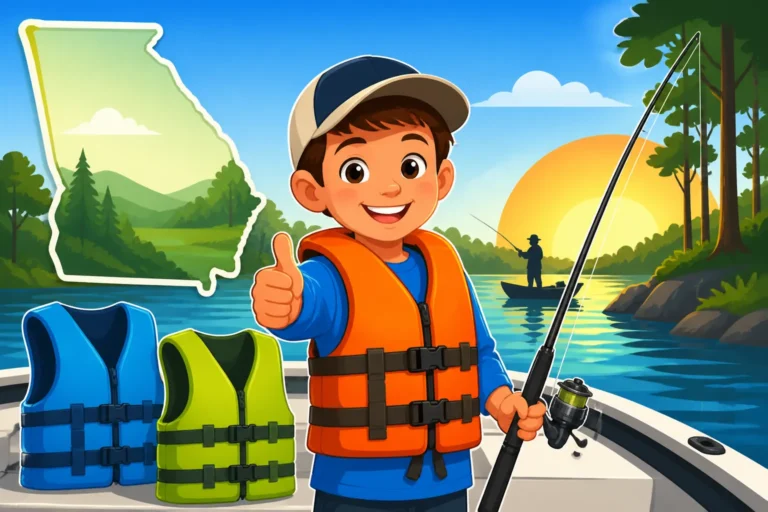
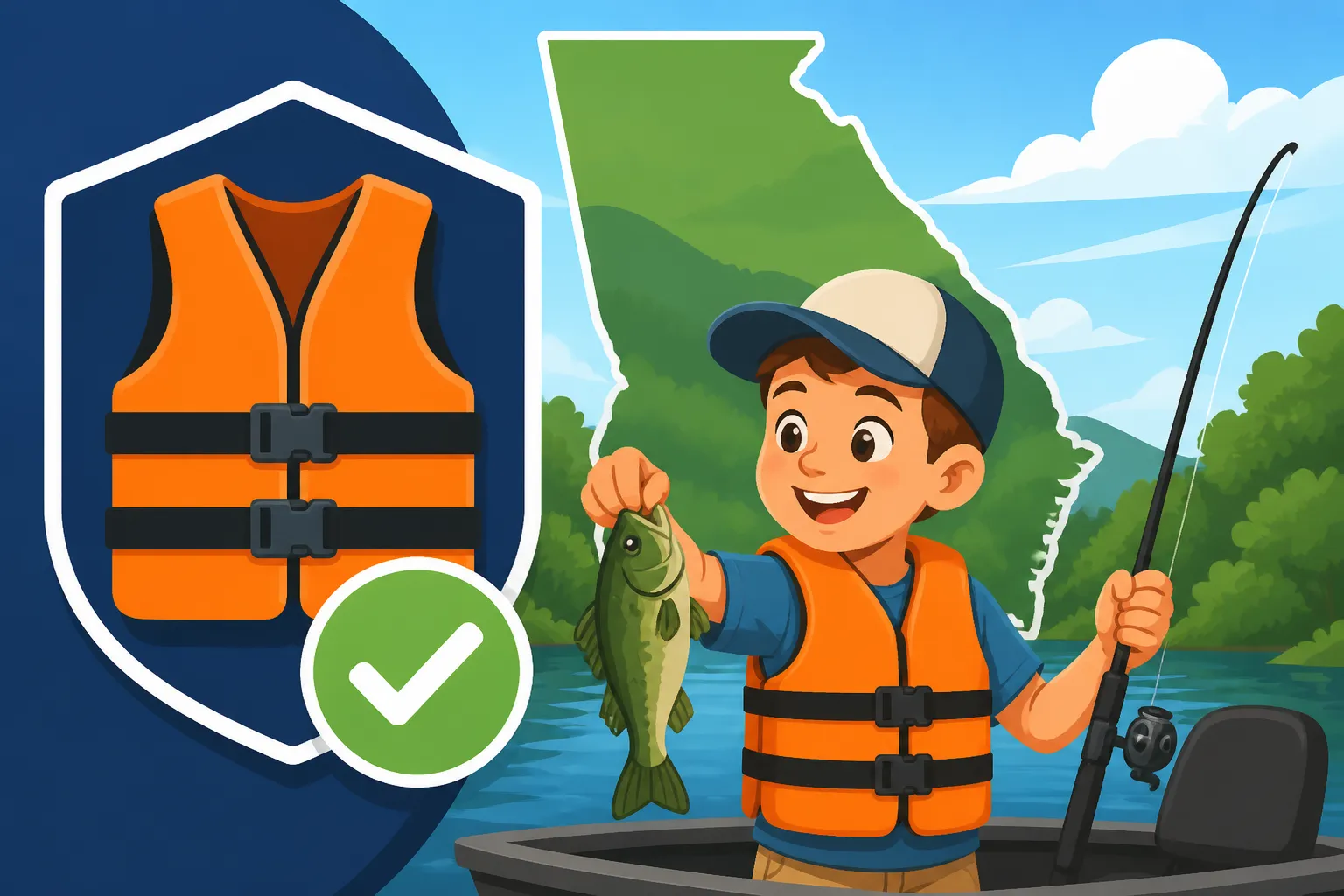
Let's get straight to the heart of it: any child under 13 years of age aboard any vessel must wear a U.S. Coast Guard-approved life jacket while the vessel is underway. "Underway" is a key term here, meaning when the boat isn't anchored, moored, or aground. If you're drifting, trolling, or even just slowly cruising, that life jacket needs to be on your child.
This rule exists for a very simple, yet profoundly important reason: to prevent drownings. Small children can fall overboard silently and quickly. They might not know how to swim, or they might panic even if they do. A properly fitted life jacket provides instant flotation, keeping their head above water and giving you crucial time to react. Imagine a sudden wake from another boat, an unexpected turn, or even just a slippery deck. In those moments, a life jacket can be the difference between a scary close call and an unthinkable tragedy. It might feel like a hassle to get them into it, especially on a hot summer day, but that momentary inconvenience pales in comparison to the peace of mind and, most importantly, the safety it provides. You can find more comprehensive details on the broader scope of these regulations in Georgia Life Jacket Laws for Boaters and Kids.
Who is Exempt (and Who Isn't)? Understanding the Nuances
The short answer for children under 13 is: very few exemptions exist when the vessel is underway. Some folks mistakenly believe that if their child is just sitting in the middle of a large pontoon boat, far from the edge, they don't need to wear it. That's a dangerous misconception. The law is clear: aboard any vessel, while underway. It applies whether you're in a tiny jon boat on a quiet pond or a powerful bass boat screaming across Lake Oconee.
The distinction often arises with adults, who are generally required to have a readily accessible Coast Guard-approved life jacket on board for each person, but don't necessarily have to wear it themselves, unless they are on a personal watercraft (like a jet ski) or being towed. For children under 13, though, the requirement is to wear it. There's no "exception for five minutes" or "exception because they're a good swimmer." When the boat is moving, the life jacket is on. This steadfast rule removes any ambiguity and ensures consistent safety across all types of recreational boating.
Choosing the Right Life Jacket for Your Child
Selecting the right life jacket isn't just about grabbing the first one you see. Just like you wouldn't buy shoes that are too big or too small, a life jacket needs to fit perfectly to do its job.
Types of Life Jackets and Coast Guard Approval
The U.S. Coast Guard classifies life jackets into different types (Type I, II, III, IV, V), each designed for specific uses and conditions. For most recreational boating with children in Georgia, you'll be looking at Type II or Type III.
- Type II (Near-Shore Buoyant Vests): These are good for calm, inland waters where there's a good chance of immediate rescue. They are designed to turn an unconscious person face-up in the water. They can be a bit bulkier.
- Type III (Flotation Aids): These are the most common choice for recreational boating because they offer more comfort and freedom of movement, which makes kids (and adults!) more likely to wear them. They are generally not designed to turn an unconscious person face-up, so they are best for situations where immediate rescue is likely, and the wearer might need to assist in their own rescue.
No matter the type, the absolute most important thing is that it is U.S. Coast Guard-approved. Look for the approval stamp or label directly on the life jacket. This certifies that it meets rigorous safety standards. You'll find a wide selection of these approved vests at retailers like Bass Pro Shops, or even online through Amazon, often with clear Coast Guard approval markings. When considering your options, it's also helpful to consult resources like Coast Guard-Approved Life Jackets for Georgia Boaters.
Fit, Comfort, and Making It Fun for Kids
A life jacket only works if it fits properly and is worn consistently. A jacket that's too big can ride up around a child's ears, obstructing their vision and potentially slipping off in the water. One that's too small will be uncomfortably tight and likely won't provide enough flotation.
How to check for a proper fit:
- Weight Range: Life jackets are sized by weight. Make sure your child falls within the specified weight range on the label.
- Snugness: Once on, fasten all buckles and zippers. Lift the child by the shoulders of the life jacket. If the jacket rides up past their chin or ears, it's too big. It should fit snugly, like a hug, but still allow for comfortable movement and breathing.
- Comfort: Let your child try it on for a few minutes. Can they sit, stand, and move their arms freely? If it's too stiff or chafes, they'll resist wearing it.
Making it fun for kids is crucial. Let them pick out a life jacket with their favorite color or a fun design. Explain why they need to wear it in a way they can understand – "It helps you float like a superhero!" or "It's your special boat-safety vest!" If you and other adults on the boat wear life jackets (even if not legally required for you), you're setting a great example. If you're having trouble finding the perfect fit or just want more options, our guide on Best Life Jackets for Kids Boating in Georgia offers some excellent recommendations tailored for young adventurers.
Common Scenarios and Enforcement
Understanding when and where these rules apply can prevent headaches and ensure your family's safety.
On Different Types of Watercraft: From Kayaks to Powerboats
The "under 13" life jacket rule in Georgia applies across the board to virtually all recreational vessels, regardless of their size, power, or whether they're even motorized. This means:
- Powerboats: Whether you're in a sleek bass boat on Lake Seminole, a leisurely pontoon on Lake Sinclair, or a speedy runabout on Lake Hartwell, any child under 13 must be wearing their life jacket while the boat is underway.
- Sailboats: Even if you're silently gliding across the water with the wind, the rule still applies.
- Paddlecraft: This is where many people get confused. Kayaks, canoes, and stand-up paddleboards are considered vessels. So, if your child is under 13 and is a passenger in your kayak on the Toccoa River or in a canoe on a smaller lake, they must wear a life jacket when underway. It's often misunderstood that these smaller, seemingly less dangerous crafts might be exempt, but they are not. The currents can be strong, and capsizing can happen quickly. If you're curious about other related regulations for smaller crafts, you might want to read Do Kayaks Need to Be Registered in Georgia?.
- Fishing Boats: From the smallest jon boat used for bream fishing in a quiet farm pond to a large center console offshore, if you're fishing with a child under 13, their life jacket needs to be on.
The consistent application of this rule ensures that children are protected no matter what type of vessel they are enjoying the water from. It removes guesswork for boaters and simplifies enforcement for marine patrol officers.
What Happens if You Don't Comply? Penalties and Risks
While no one wants to face legal trouble, it's important to know the potential consequences of not following Georgia's life jacket laws for children. If a Georgia Department of Natural Resources (DNR) game warden or marine patrol officer observes a child under 13 on your vessel without a U.S. Coast Guard-approved life jacket while underway, you, as the operator, could face a citation and a fine. These penalties are designed to be a deterrent and reinforce the importance of the law.
However, the financial penalty is truly the least of your worries. The greatest "penalty" is the unimaginable risk to your child's life. A life jacket isn't just a piece of gear; it's a critical safety device that can literally save a life in an emergency. Picture this: you're enjoying a beautiful day, maybe reeling in a nice Largemouth Bass Fishing in Georgia: The Complete Species Guide, when suddenly something unexpected happens – another boat creates a huge wake, or your vessel hits a submerged object. If your child isn't wearing their life jacket, the terrifying reality is they could be in serious danger. It happens faster than you can react. No fine is worth that kind of risk. Always remember that proactive safety measures, like a properly worn life jacket, are non-negotiable for children. To ensure you're fully prepared for any outing, review a Safety Gear Checklist for a Day on Lake Lanier before you leave the dock.
Beyond the Law: Best Practices for Child Water Safety
While legal compliance is a must, true water safety goes beyond simply ticking boxes. It's about instilling a culture of safety and responsibility in our children and ourselves.
Leading by Example and Education
As parents and guardians, we are our children's primary teachers. When it comes to water safety, leading by example is incredibly powerful. If you, as an adult, consistently wear your life jacket while operating the boat or participating in water sports, your children will see it as a normal and essential part of being on the water. It’s not just "something kids have to do"; it's a family safety routine.
Talk to your children about why life jackets are important. Instead of just saying, "Put this on because I said so," explain that the water can be unpredictable, and the life jacket is their personal safety buddy that helps them float. Teach them basic water safety rules: always ask permission before getting close to the water, never run on the boat, and always stay within arm's reach of an adult. Engaging them in the process, perhaps letting them help pack the cooler or pick out a few Best Bait for Bluegill Fishing options, also builds their sense of responsibility and excitement for the trip. Making it fun can involve learning Kid-Friendly Fishing Techniques together, turning safety into an adventure.
Additional Safety Considerations for Families on the Water
Beyond life jackets, a truly safe and enjoyable family outing on Georgia's waters involves a few other key considerations:
- Constant Supervision: Even with life jackets, active adult supervision is non-negotiable. Don't rely solely on the life jacket to do all the work. Keep your eyes on your children at all times. Little ones are fast, and distractions can lead to quick accidents.
- Sun Protection: Georgia's sun is no joke, especially reflecting off the water. Ensure children are wearing sunscreen, hats, and sunglasses, and consider long-sleeved, lightweight shirts.
- Hydration: Bring plenty of water and encourage frequent sips, even if no one feels thirsty. Dehydration can sneak up on you, especially on hot days.
- Communication: Establish clear rules and signals. For example, "stay seated when the boat is moving," or "point to what you want to see."
- Emergency Plan: Briefly discuss what to do in case of an emergency, like someone falling overboard (always point and keep eyes on them) or unexpected weather changes. Knowing how to reach help and having a basic first-aid kit on board are crucial. Remember that knowing How Many Life Jackets Do You Need on a Boat in Georgia for everyone on board is just the start; knowing how to use them and what to do in an emergency is just as vital.
By integrating these practices, you're not just adhering to the law; you're cultivating a responsible and secure environment for your family to enjoy all the wonderful aquatic adventures Georgia has to offer. For inspiration on where to put these safety tips into practice, consider exploring Best Family-Friendly Fishing Spots in Georgia.
| Life Jacket Type | Description | Best Use for Children in Georgia | Key Feature |
|---|---|---|---|
| Type II | Near-Shore Buoyant Vests, often orange/yellow. | Calmer inland waters where quick rescue is likely. Designed to turn an unconscious person face-up. Bulkier. | Good for turning wearer face-up; less comfortable for active wear. |
| Type III | Flotation Aids, diverse designs, often more comfortable. | General recreational boating in calm, inland waters. Most common for kids due to comfort and freedom of movement. Not guaranteed to turn an unconscious person face-up. | Comfortable, easy to wear for extended periods; allows for greater mobility. |
This article is for general informational purposes only and does not constitute professional advice. Laws, prices and regulations vary by location and change over time. Consult a qualified professional for guidance on your specific situation.