Best Fishing Kayak for Georgia Lakes
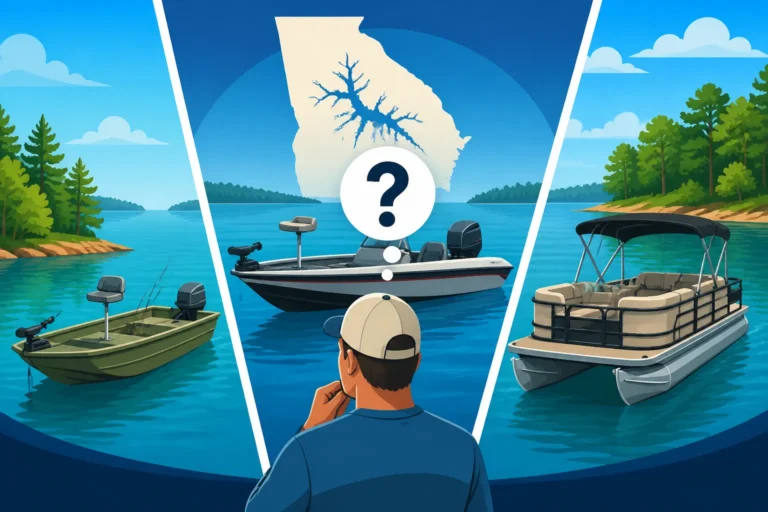
For many of us who love to cast a line in Georgia, the idea of getting out on the water often comes with the image of a big bass boat or a pontoon. But let's be real, those aren't always accessible or practical for everyone. The beauty of kayak fishing is that it opens up so many more opportunities, allowing you to sneak into quiet coves or navigate shallower waters that bigger boats simply can't reach. This guide is all about helping you figure out what makes a great fishing kayak for exploring Georgia's diverse waterways, from its vast lakes to its winding rivers.
Why Kayak Fishing is a Game-Changer on Georgia Waters
Kayak fishing has exploded in popularity, and for good reason. It offers an incredibly intimate and flexible way to experience Georgia's fantastic fisheries, often with less overhead and fuss than traditional boating. You get to be closer to the water, closer to nature, and often, closer to the fish! It's a fantastic option whether you're a seasoned angler looking for new challenges or a beginner just dipping your toes into the world of fishing.
Accessing Undiscovered Honey Holes
One of the biggest frustrations for many boat anglers is dealing with crowded boat ramps or being limited to deeper channels. With a fishing kayak, you can often bypass these headaches entirely. Imagine being able to paddle into a shallow creek arm on Lake Lanier that's too narrow for powerboats, or silently gliding through lily pads on a smaller pond in South Georgia. These are the kinds of "honey holes" that often hold untouched fish, and a kayak is your ticket to them. You're not just fishing; you're exploring, finding those hidden gems that many others overlook. This freedom of access is truly unparalleled, making it easier to discover new Best Fishing Spots in Georgia or reach remote sections of rivers.
The Stealth Factor and Peaceful Experience
Another huge advantage of kayak fishing, especially in Georgia, is the incredible stealth it provides. When you're paddling or using a pedal drive, you're moving quietly through the water, creating minimal disturbance. This can be absolutely crucial when you're targeting easily spooked fish like wary largemouth bass or elusive trout in a clear mountain stream. The lack of engine noise not only benefits your fishing success but also creates a much more peaceful and immersive experience. It's just you, the water, and the sounds of nature, which is a huge draw for many anglers looking to escape the hustle and bustle of everyday life. This quiet approach can be a real game-changer, whether you're exploring Best Bass Fishing Lakes in Georgia or sneaking up on trout in the Toccoa River Trout Fishing in Georgia.
Cost-Effectiveness and Ease of Ownership
Let's face it, owning a big fishing boat can be a substantial investment, not just in the initial purchase but also in ongoing costs like fuel, maintenance, storage, and insurance. Fishing kayaks, on the other hand, are generally much more affordable across the board. You don't need a large truck to tow them, and many can even be transported on roof racks, saving you the hassle and expense of a trailer. Storage is simpler too; a garage corner or even a shed can suffice. This lower barrier to entry means more people can get out on the water, making kayak fishing an incredibly accessible hobby for anglers of all budgets. It's about maximizing your time on the water without breaking the bank, leaving more money for tackle!
Key Features to Look For in a Georgia Fishing Kayak
Choosing the right fishing kayak can feel a bit overwhelming with all the options out there. However, by focusing on a few critical features tailored to Georgia's varied waters, you can narrow down your choices considerably. Think about where you'll be fishing most often and what kind of angler you are.
Stability on Open Lakes vs. Maneuverability in Rivers
Georgia boasts a fantastic mix of large, open reservoirs like Lake Lanier and Lake Oconee, as well as narrower, winding rivers such as the Flint or the Chattahoochee. The ideal kayak will have a balance of stability and maneuverability for these different environments.
If you're primarily fishing big lakes, a wider, more stable kayak is often preferred. This extra width gives you confidence when casting, standing up to sight fish, or battling a big fish, especially when dealing with boat wakes or choppy conditions. You don't want to feel like you're constantly fighting to stay upright. However, if your adventures lean more towards river fishing, where currents and obstacles are common, a kayak with better maneuverability becomes paramount. A slightly shorter, narrower hull will turn more easily, allowing you to navigate tight bends and avoid submerged logs with greater ease. The best design will often be a compromise, but knowing your primary hunting grounds will help you prioritize. For those venturing into larger bodies of water, understanding Georgia Boater Education Card Requirements is also crucial.
Propulsion Options: Paddle, Pedal, or Motor?
The way you move your kayak impacts your fishing experience significantly.
- Paddle kayaks are the traditional choice and are generally the most affordable. They offer excellent control and allow you to get into extremely shallow water. However, constantly paddling can be tiring, especially over long distances or against currents, and it ties up one or both of your hands, making it harder to fish continuously.
- Pedal drive kayaks use a system similar to a bicycle, allowing you to propel the kayak with your legs, freeing up your hands for casting and reeling. This is a huge advantage for covering water efficiently, trolling, or maintaining position in a current. Brands like Hobie and Old Town are well-known for their pedal systems. While more expensive, the hands-free fishing experience is a huge draw for many.
- Motorized kayaks are less common but are gaining traction. These can be paddle or pedal kayaks with the addition of a small electric trolling motor. This offers the ultimate in effortless propulsion, allowing you to cover vast distances and fight strong currents without breaking a sweat. Just be aware of battery life and potential registration requirements for motorized vessels in Georgia. Consider your budget and fishing style; if you're frequently covering long distances or fishing large areas, a pedal or motor system might be worth the investment. Many of these options can be explored online through retailers like Amazon or in person at Bass Pro Shops.
Storage, Rigging, and Comfort for Long Days
Fishing trips in Georgia can often turn into all-day affairs, so your kayak needs to be equipped to handle it.
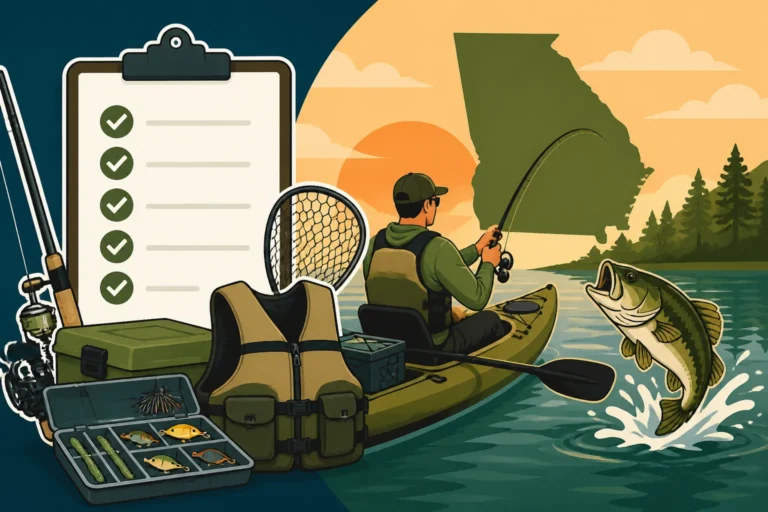
- Storage is key. Look for kayaks with ample dry storage compartments for electronics, wallets, and keys, as well as open storage areas (often with bungee tie-downs) for tackle boxes, coolers, and extra gear. A large tankwell in the stern is invaluable for crates or larger items.
- Rigging options refer to how easily you can customize your kayak with accessories. Integrated gear tracks, rod holders, and attachment points are vital for mounting fish finders, additional rod holders, and camera mounts. The more options you have, the more tailored your fishing setup can be.
- Comfort cannot be overstated. A good seat is paramount, especially if you plan on spending hours on the water. Many modern fishing kayaks feature elevated, adjustable, and well-padded seats that provide excellent back support and can make a world of difference in your endurance and enjoyment. Being uncomfortable will cut your trip short faster than anything else! Make sure to also think about your Kayak Fishing Gear Guide for Beginners and what you'll need to bring along.
Types of Fishing Kayaks Best Suited for Georgia Waters
Georgia's diverse fishing environments—from vast, deep reservoirs to narrow, shallow rivers—mean that no single kayak is perfect for every situation. Understanding the different types available will help you choose the best vessel for your personal angling pursuits.
Sit-on-Top Kayaks: The Angler's Favorite
For most freshwater fishing in Georgia, especially on lakes and larger rivers, sit-on-top (SOT) kayaks are by far the most popular choice for anglers.
The primary advantage is their open-deck design. This makes them incredibly easy to get in and out of, which is a huge plus if you're frequently launching from irregular banks or need to stretch your legs. In the unfortunate event of capsizing, they are also much easier to re-enter than sit-in kayaks, as they don't fill with water. Most SOT fishing kayaks are designed with stability in mind, often featuring wide, flat hulls that allow you to stand up and cast, offering a better vantage point for spotting fish or making precise presentations. They also tend to have ample storage and integrated rigging options, making them highly customizable for carrying all your tackle, coolers, and electronics. Brands like Perception, Wilderness Systems, and Hobie (often found at Bass Pro Shops) offer a wide range of sit-on-top fishing kayaks, perfect for chasing bass on Lake Oconee or crappie on Lake Sinclair.
Sit-in Kayaks: Niche Applications for Specific Waters
While less common for dedicated fishing than SOTs, sit-in kayaks still have their place, particularly for specific types of Georgia fishing.
These kayaks typically have a closed deck and a cockpit where you sit with your legs inside the hull. They are generally narrower and have a lower center of gravity, which makes them incredibly efficient to paddle and excellent for covering long distances with less effort. This efficiency, combined with their ability to shed water in rougher conditions (thanks to the closed deck), makes them a good choice for larger, exposed bodies of water where wind and waves might be a factor, or if you're primarily interested in paddling to your fishing spot rather than fishing from the kayak all day. They also offer some protection from the elements, which can be nice on a cooler day. However, their limited rigging space and more challenging entry/exit make them less ideal for active fishing, especially if you need to access multiple tackle boxes or stand to cast. For exploring quiet, calm waters or simply getting to a bank fishing spot quickly, a sit-in could still be a viable, more budget-friendly option.
Pedal vs. Paddle: Hands-Free Fishing vs. Simplicity
This is one of the biggest debates among kayak anglers, and it really comes down to your priorities and budget.
| Feature | Paddle Kayak | Pedal Kayak |
|---|---|---|
| Cost | Generally lower upfront cost | Higher upfront cost |
| Hands-Free | Requires hands for propulsion | Frees hands for fishing |
| Speed/Distance | Slower, more effort for long distances | Faster, easier to cover long distances |
| Stealth | Very quiet, minimal water disturbance | Generally quiet, but some prop noise possible |
| Maintenance | Simpler, fewer moving parts | More complex drive system, needs cleaning |
| Draft | Can access very shallow water | Drive system may require deeper water |
| Ideal For | Beginners, budget-conscious, shallow rivers | Trolling, large lakes, hands-free anglers |
Paddle kayaks are the go-to for simplicity and accessing very shallow areas, making them excellent for smaller streams or sneaking through skinny water. They are typically lighter and easier to transport. Many anglers start here, and an entry-level paddle kayak can be found readily on Amazon.
Pedal kayaks, on the other hand, offer the huge advantage of hands-free propulsion. Imagine being able to troll a lure while still steering, or hold your position in a current with ease, all while keeping your hands free to manage your rod. This is a game-changer for many, allowing for more efficient and enjoyable fishing, especially on large lakes or when targeting species that require constant movement. While they come with a higher price tag and sometimes a bit more maintenance for the drive system, the benefits often outweigh the costs for serious anglers. They are particularly effective for techniques like trolling for stripers on Lake Hartwell or covering water rapidly for bass. When considering one, also look into the Best Kayaks for Fishing Georgia Lakes for specific recommendations.
Outfitting Your Kayak for Georgia Adventures
Getting the right kayak is just the first step. To truly maximize your fishing experience on Georgia's waters, you'll want to outfit it with the right gear. Think of your kayak as a blank canvas, ready to be customized for your specific angling needs.
Essential Safety Gear: Don't Leave Shore Without It!
Safety should always be your top priority, especially when you're out on the water by yourself. Georgia, like all states, has specific regulations for watercraft, even kayaks.
- Personal Flotation Device (PFD): This is non-negotiable. You must have a Coast Guard-approved PFD on board, and it's highly recommended to wear it at all times. There are many comfortable PFDs designed specifically for kayak fishing, often with extra pockets for gear. Make sure it fits properly. Don't forget to check Georgia Life Jacket Laws for Boaters and Kids.
- Whistle or Sound-Producing Device: Another requirement! A simple whistle can alert other boaters to your presence, especially in low visibility or emergency situations. Do You Need a Whistle on a Kayak in Georgia? clarifies this often-overlooked regulation.
- Navigation Light: If you plan to be on the water between sunset and sunrise, or during periods of restricted visibility (fog, heavy rain), you'll need a 360-degree white light. This ensures you're visible to other boats.
- First-Aid Kit: A small, waterproof kit with basic medical supplies can be a lifesaver for minor cuts, scrapes, or stings.
- Paddle Leash: Even if you have a pedal drive, a backup paddle is essential. A leash keeps your main paddle from drifting away if you set it down to fight a fish.
- Anchor: A small, collapsible anchor can be incredibly useful for holding your position in current or wind, allowing you to fish a specific spot more effectively. Consider a specialized Best Kayak Anchor for Georgia Rivers if you're frequently in moving water.
Rod Holders, Fish Finders, and Storage Solutions
Once safety is covered, it's time to think about maximizing your fishing efficiency and enjoyment.
- Rod Holders: Most dedicated fishing kayaks come with flush-mount rod holders, but external, adjustable rod holders are often preferred for actively fishing. These allow you to adjust the angle of your rod, keep multiple lines in the water (where legal), or safely store rods while paddling. Brands like RAM Mounts and Scotty offer popular options that can be easily integrated into gear tracks.
- Fish Finder: A compact fish finder can dramatically improve your success, especially on Georgia's larger, deeper lakes. Look for models with GPS for marking waypoints. Transducer mounting options are important; many kayaks have dedicated scupper holes or plates for easy installation. Modern fish finders are incredibly helpful for locating structure and fish, whether you're targeting bass or crappie.
- Storage Crates and Tackle Boxes: A milk crate or specialized kayak tackle crate placed in the stern tankwell is a game-changer. These can hold multiple tackle boxes, a small cooler, and other essentials. Many come with additional rod holders attached. Waterproof dry bags are also a must for anything you absolutely cannot get wet, like your phone, car keys, or extra layers of clothing. For your rods, consider the Best Rod and Reel Combo for Largemouth Bass in Georgia to ensure you're well-equipped.
Comfort Enhancements for Extended Trips
Staying comfortable means staying on the water longer, and catching more fish!
- Upgraded Seat: As mentioned, a comfortable seat is paramount. If your kayak came with a basic seat, consider upgrading to an aftermarket model designed for superior support and breathability. These often sit higher, offering a better paddling and fishing position.
- Paddle Holders/Leashes: Secure places to stow your paddle when fishing hands-free, or a leash to prevent it from floating away, are simple but effective comfort features.
- Cooler: A small cooler for drinks and snacks (and to keep your catch fresh!) is essential. There are many compact, kayak-friendly coolers available that fit perfectly in tankwells or front hatches.
- Sun Protection: Georgia summers are no joke! A wide-brimmed hat, polarized sunglasses (crucial for spotting fish and protecting your eyes), and sunscreen are absolutely essential for any extended time on the water. Some anglers even add kayak canopies for shade.
By carefully considering these features and outfitting your kayak wisely, you'll be ready to tackle any of Georgia's incredible fishing opportunities, turning every trip into an enjoyable and successful adventure.
Disclaimer
This article is for general informational purposes only and does not constitute professional advice. Laws, prices and regulations vary by location and change over time. Consult a qualified professional for guidance on your specific situation.