How to Drift a Fly for Trout
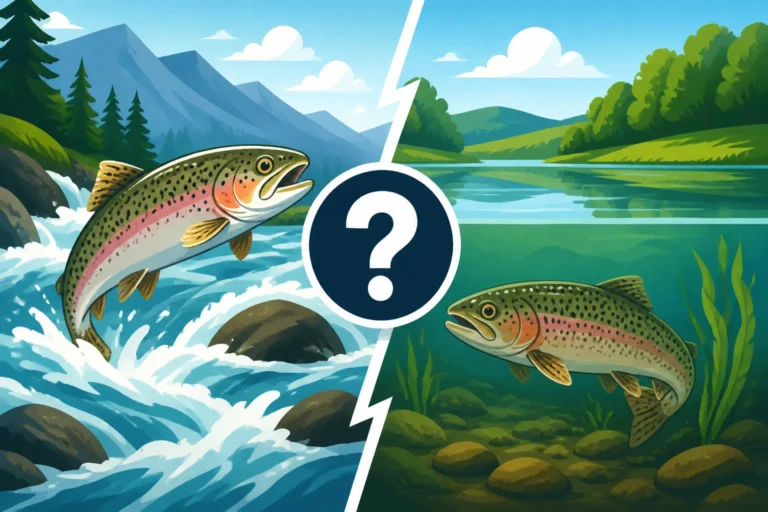
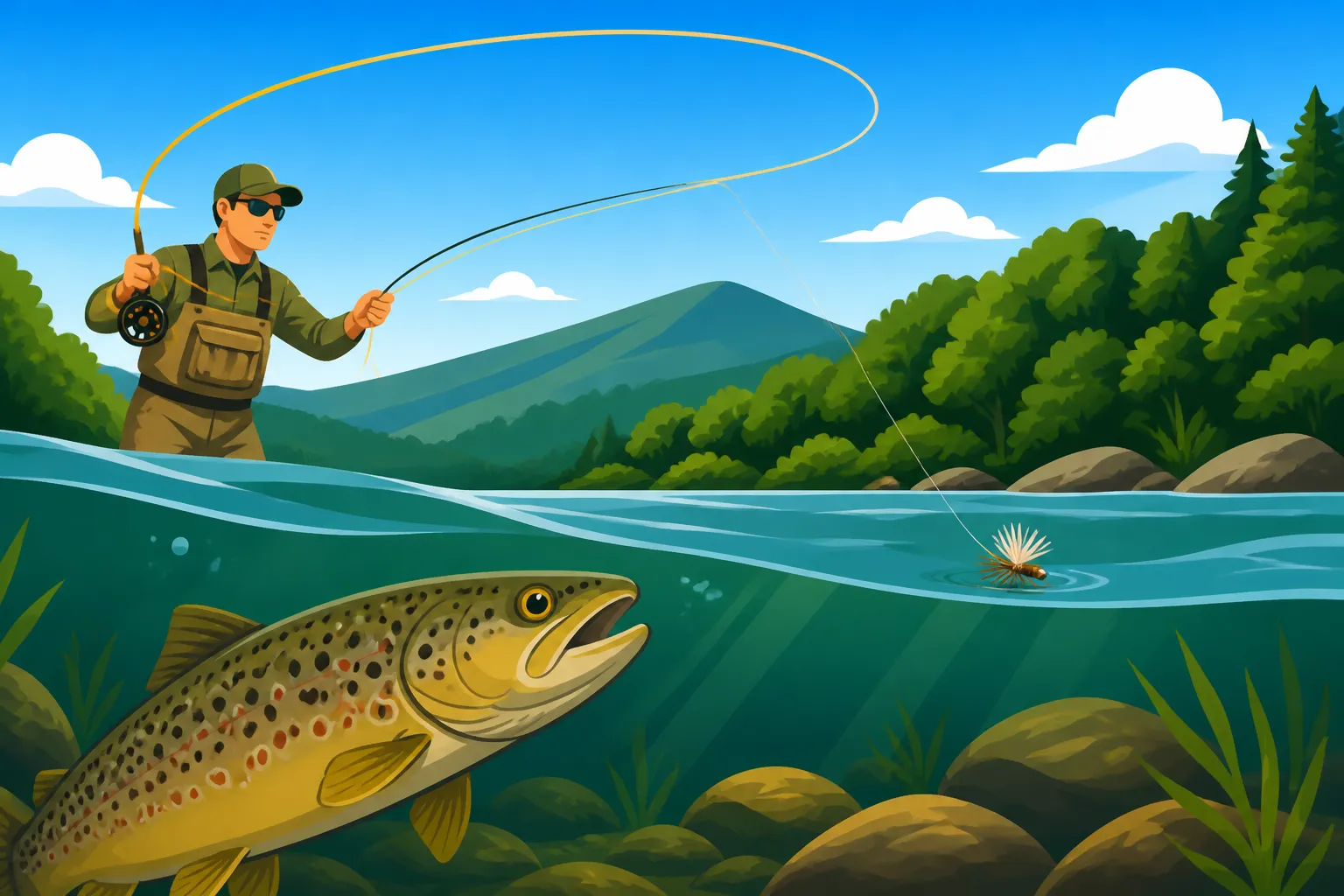
Many an angler has watched their perfectly tied fly drift past a rising trout, only for the fish to snub it entirely. It’s a frustrating moment that often comes down to one thing: drag. Trout are incredibly finicky, and presenting a fly that doesn’t move with the natural flow of the current is a surefire way to get a cold shoulder. This comprehensive guide is designed to help you conquer the challenge of fly drifting for trout, ensuring your fly behaves like a natural insect and fools even the wariest fish in Georgia's diverse waterways.
Understanding the Essence of a Natural Drift
When you're trying to fool a trout with a fly, the most crucial element is making your artificial offering look like the real deal. And for a dry fly or a nymph, "the real deal" means something that's floating or tumbling along with zero resistance, just like an unfortunate insect caught in the current.
What is a "Natural Drift" and Why It Matters?
Imagine a small mayfly nymph dislodged from the riverbed, tumbling downstream in the current. Or picture a tiny caddisfly adult floating serenely on the surface after emerging. These insects are completely at the mercy of the water, moving at exactly the same speed as the surrounding current, without any tugging or unnatural acceleration. That's the essence of a "natural drift" – your fly must mimic this effortless movement.
Trout are incredibly opportunistic feeders, but they're also highly attuned to their environment. They spend their entire lives watching the currents, discerning between potential meals and something suspicious. When your fly is connected to your fly line and rod, even the slightest difference in current speed between your fly, your leader, and your line can create "drag." This drag makes the fly move unnaturally, either skating across the surface or pulling against the current in a way a real insect simply wouldn't. A trout's keen senses pick up on this immediately, and they'll often spook or simply ignore a draggily presented fly. It's the reason why you might see a fish rise repeatedly, only to turn its nose up at every cast you make. Achieving a natural, drag-free drift is the absolute cornerstone of successful fly fishing for trout.
Reading the Currents and Seams for Optimal Presentation
Before you even think about casting, you need to become a student of the water. Rivers and streams are complex environments with varying current speeds, eddies, and seams, all of which affect how your fly will drift. Ignoring these nuances is like trying to drive a car blindfolded – you're just asking for trouble.
Start by observing the water where you intend to fish. Look for distinct lines where faster water meets slower water – these are called "seams." Trout often position themselves in the slower water of a seam, conserving energy while waiting for food to be swept past them in the adjacent faster current. If you cast directly into the fast current and your fly drifts into the slower current where the trout is holding, the faster current pulling on your line will inevitably create drag, pulling your fly unnaturally. Conversely, if your fly starts in slow water and enters a fast lane, it will check up and stop unnaturally. You need to understand these micro-currents to anticipate how your line will behave. Pay attention to floating debris like leaves or twigs; they are excellent indicators of the true speed and direction of the currents, showing you exactly how a natural insect would travel. This keen observation is a key component of How to Read Water for Trout Fishing, and it’s invaluable for setting up your perfect drift.
Essential Gear for a Successful Drift
Having the right tools for the job can make a world of difference when you're trying to achieve that elusive drag-free drift. While the fundamental principles apply no matter your setup, certain gear choices can significantly ease the process, especially when tackling Georgia's varied trout habitats.
Rods, Reels, and Line for Drifting Flies
For effective fly drifting, especially with delicate presentations, your rod, reel, and line need to work in harmony.
-
Rods: A medium-action fly rod, typically between 8.5 to 9.5 feet in length, is often ideal for trout drifting. The longer length gives you better reach for controlling your line and performing crucial mends, helping you keep as much line off the water as possible and preventing immediate drag. A medium action allows for more delicate presentations, protecting lighter tippets while still providing enough backbone to fight a good-sized trout. For smaller, brushy North Georgia mountain streams, you might opt for a shorter rod (7-8 feet) to navigate tight casting spaces, but for larger waters like the Chattahoochee tailwater, that extra length is a huge advantage. If you're wondering about the specifics, our guide on the Best Fly Rod for North Georgia Trout Streams offers detailed advice.
-
Reels: While essential for holding line and balancing your rod, the reel plays a less active role during the actual drift itself. A good quality, lightweight reel with a smooth drag system is all you need. Most trout fishing in Georgia won't require a heavy-duty fighting drag, as you'll often be playing fish off the reel directly or stripping line by hand. The main goal here is balance and reliable storage for your fly line. You can find excellent options on platforms like Amazon that offer good value and performance.
-
Line: A weight-forward (WF) floating fly line is the standard choice for most dry fly and nymph drifting scenarios. The weight-forward design helps with casting distance and turnover, while the floating nature keeps the line on the surface, allowing for easy mending. Some anglers prefer specialized lines for nymphing, which might have different tapers or color changes to aid in strike detection. However, for general drifting, a good quality WF floating line in a weight matching your rod (e.g., a 5-weight line for a 5-weight rod) is usually sufficient. Understanding your options is key, and you can delve deeper into Best Line Weight for Georgia Trout Fishing for more specific recommendations.
Leaders, Tippet, and the Right Flies for the Job
The "business end" of your fly setup—your leader, tippet, and fly—is where all the magic (or heartbreak) happens. These components are critical for achieving that natural presentation and hooking fish.
-
Leaders: A tapered leader is designed to transfer casting energy from your heavy fly line down to your delicate fly, ensuring a smooth, accurate turnover. For drifting, a 7.5-foot to 9-foot tapered leader is common, with some anglers using even longer leaders (10-12 feet) for extra stealth and delicate presentations in clear water or spooky fish scenarios. The leader's butt section is thick and stiff, gradually tapering down to a thinner, more flexible tippet section. The "X" rating (e.g., 5X, 6X) indicates the tippet's diameter and breaking strength; a higher number means a thinner, lighter tippet.
-
Tippet: Tippet is the final, un-tapered section of monofilament or fluorocarbon tied to the end of your leader, to which you attach your fly. It's designed to be the weakest link, breaking off before you lose your entire leader, and it allows you to change flies without shortening your expensive tapered leader. For drifting, choose tippet material that is fine enough to allow for natural movement but strong enough to handle the fish you expect to catch. Fluorocarbon tippet is often favored for nymphing due to its invisibility underwater and its faster sink rate, while monofilament is great for dry flies because it floats better. When considering your options, our guide on Best Flies for Trout Fishing in Georgia will also touch upon appropriate tippet sizes for various patterns.
-
Flies: The choice of fly depends entirely on what the trout are eating (or what you think they're eating). For dry fly drifting, patterns like Elk Hair Caddis, Adams, Parachute Adams, or various mayfly imitations are popular. For nymph drifting, common patterns in Georgia include Prince Nymphs, Hare's Ear Nymphs, Pheasant Tail Nymphs, and Squirmy Wormies. The key is to select a fly size and color that matches the natural insects present in the water. Keep a variety of sizes and patterns in your fly box to adapt to changing conditions. A quick look at local hatch charts or even turning over a few rocks in the stream can give you clues about what insects are active.
Other Must-Have Accessories
Beyond the core gear, a few accessories can significantly improve your drifting success and overall experience.
-
Strike Indicators: These small, buoyant devices attach to your leader and signal a strike, especially crucial when nymphing. They help you detect the subtle takes that you might otherwise miss. Types range from yarn indicators, which are very sensitive and float well, to foam or plastic indicators, which are durable and easy to adjust. Some anglers even use "sighter" sections of bright-colored monofilament leader as an indicator. Experiment to find what works best for your eyes and fishing style.
-
Split Shot/Putty Weight: When nymphing, you often need to get your fly down to the fish quickly. Small lead-free split shot or tungsten putty can be added to your leader a few inches above your nymph to achieve the desired sink rate. Be careful not to use too much weight, as it can hinder your ability to detect strikes and make casting more cumbersome.
-
Forceps/Hemostats: Essential for safely removing flies from a trout's mouth, especially if you plan on practicing How to Catch and Release Trout Properly. They also come in handy for crimping split shot.
-
Nippers/Line Clippers: For quickly and cleanly trimming tag ends of knots or snipping off a fly.
-
Polarized Sunglasses: These are invaluable for seeing through the water's glare, allowing you to spot trout, identify underwater structure, and observe how your fly is drifting. They're a game-changer for reading the water effectively. You can easily find high-quality polarized sunglasses on Amazon.
Mastering the Art of the Drag-Free Presentation
Once you have your gear sorted, the real work begins: mastering the techniques that allow your fly to drift naturally. This involves more than just casting; it's a continuous dance with your line, rod, and the river.
The Fundamental Cast: Achieving Accuracy and Slack
While there are many different casts in fly fishing, the goal for drifting is often to present the fly gently and accurately, allowing it to land before your line, and crucially, to introduce just enough slack into the line to delay drag.
-
The Upstream Cast and Reach Mend: This is a staple for drifting. You cast slightly upstream and across from your target. As the line unrolls, you perform a "reach mend" – pushing your rod tip upstream in the direction of the drift, effectively throwing a curve of slack into your line before it lands on the water. This slack acts as a buffer, giving your fly a precious few extra seconds of drag-free drift before the current inevitably catches your main line.
-
The S-Curve Cast (Serpentine Cast): Another excellent technique for building in slack. Instead of a straight line, this cast purposefully creates an "S" shape in your fly line as it lands on the water. This is achieved by wiggling the rod tip horizontally during the final forward stroke of your cast. The coils and curves of line hit the water, giving the current more line to pull on before it straightens out and creates drag on your fly.
-
Delivering the Fly Gently: Regardless of the cast, aim to land your fly as softly as possible, avoiding a "splat" that might spook wary trout. Practice casting so that your leader and tippet unfold smoothly, landing the fly first, followed by the leader, and then the line. This minimizes disturbance and maximizes the chances of a natural entry. Remember, a gentle presentation is often just as important as a drag-free drift itself.
Mending the Line for an Impeccable Drift
Mending is the continuous, dynamic process of repositioning your fly line on the water to counteract the effects of differing current speeds and maintain a drag-free drift. It’s an essential skill, especially when How to Fish for Trout in a Mountain Stream where currents can be highly variable.
-
What is Mending?: When your fly lands, your line will inevitably be in currents moving at different speeds than your fly. The part of your line in the faster current will pull on the line in the slower current, creating drag. Mending involves lifting a section of your fly line off the water with your rod tip and repositioning it further upstream (an upstream mend) or downstream (a downstream mend) to restore the natural drift of your fly. It’s like gathering up excess rope to prevent a tug-of-war.
-
The Upstream Mend: This is perhaps the most common mend. If your fly is drifting downstream and your fly line is getting pulled faster than your fly (creating a bow in the line downstream of your fly), you need to mend upstream. Quickly lift your rod tip, flicking a loop of line upstream and letting it fall gently on the water. This adds slack upstream of your fly, allowing it to continue its natural drift. This is a constant, almost subconscious action that experienced fly anglers perform throughout their drift.
-
The Downstream Mend: Less common but sometimes necessary, a downstream mend is used when the current behind your fly is slower than the current pulling on your fly. This can happen in specific eddy situations. Here, you'd flick a loop of line downstream to catch up with the faster-moving fly.
-
The Continuous Dance: Mending isn't a one-time action per cast; it's a continuous adjustment. You'll cast, mend, drift a bit, mend again, drift, and so on, until your fly is past the productive water. The goal is to keep your fly line as straight as possible relative to the current your fly is in, allowing your fly to move at the same speed as the water around it. As you practice, this will become fluid and intuitive, an integral part of your presentation.
Strike Indicators and Weight: Fine-Tuning Your Nymph Drift
When you're drifting nymphs subsurface, you don't have the luxury of seeing a fish rise to your fly. This is where strike indicators and proper weighting become indispensable.
-
The Role of Strike Indicators: A strike indicator, attached to your leader at a specific depth, is your visual cue that a fish has taken your subsurface fly. When a trout mouths a nymph, the take can be incredibly subtle – a slight hesitation, a twitch, or a small dip of the indicator. Without it, you'd miss countless fish. Different types, from buoyant foam to sensitive yarn, have their advocates. Yarn indicators, which you can find on Amazon, are particularly sensitive to subtle takes, while larger foam indicators are easier to see at a distance or in turbulent water. The key is to position your indicator at the correct depth, usually 1.5 to 2 times the water's depth, allowing your nymph to bounce naturally along the bottom.
-
Achieving the Right Depth with Weight: Nymphs need to get down to where the fish are feeding. This often means adding small amounts of weight, typically in the form of small, lead-free split shot or tungsten putty, a few inches above your nymph. The amount of weight depends on the current speed and water depth. Too little weight, and your nymph won't sink fast enough; too much, and it will snag on the bottom constantly and feel unnatural to the fish. The goal is for your nymph to be tumbling along the bottom, occasionally ticking rocks, but not dragging. This balance requires experimentation and careful observation. For instance, in deeper sections of Delayed Harvest Trout Streams in Georgia, you might need more weight to get your nymphs into the strike zone effectively.
Strategies for Georgia's Diverse Trout Waters
Georgia offers a fantastic array of trout fishing opportunities, from small, freestone mountain streams to large, managed tailwaters. Each type of water presents unique challenges and demands slightly different drifting strategies.
Drifting in North Georgia's Freestone Streams
North Georgia's freestone streams, often characterized by their rocky bottoms, numerous riffles, pools, and pocket water, are quintessential trout habitats. These waters require precise, often shorter drifts and an acute awareness of varying currents.
-
Navigating Complex Currents: In streams like the Toccoa River or those within the Chattahoochee National Forest, currents are rarely uniform. You'll encounter fast chutes, slower eddies behind boulders, and swirling pockets. This means longer, uninterrupted drag-free drifts are hard to come by. Instead, focus on shorter, highly targeted drifts through specific fish-holding lies. Cast slightly upstream of a promising rock or seam, immediately mend to set your fly, and then be ready to pick up your line and recast after a few feet of drift. This constant casting, mending, and recasting might seem tedious, but it's the most effective way to present a drag-free fly in such dynamic environments. Knowing the Trout license requirements for north Georgia mountain streams is also crucial before you head out, as some areas have special regulations.
-
Reading Pocket Water and Riffles: Pocket water—the small, relatively calm areas behind boulders—and riffles—the shallow, fast-moving sections—are prime feeding grounds. Trout often lurk in the calmer water of the pockets, darting out to snatch food from the faster currents. When drifting a fly, aim to land it just upstream of these pockets or along the edges of riffles. For riffles, a slightly upstream cast with an immediate mend to ensure your fly sinks quickly and tumbles naturally among the rocks is key. For pockets, a delicate cast that lands the fly softly just above the target area, allowing it to sink into the pocket without drag, is often rewarded. Our guide on Where to Fly Fish for Trout in the North Georgia Mountains provides specific locations where these techniques will be most effective.
Drifting on Larger Tailwaters and Delayed Harvest Sections
Georgia's tailwaters, like the Chattahoochee River below Buford Dam, and designated Delayed Harvest (DH) sections, offer a different kind of trout fishing challenge. These waters often feature more consistent flows, clearer water, and sometimes larger, warier fish.
-
Longer Drifts, More Consistent Currents: Unlike freestone streams, tailwaters and DH sections can offer opportunities for much longer, more sustained drag-free drifts. The consistent flows allow you to make a good cast, perform an initial mend, and then manage your line with subtle mends for an extended period. This can be especially effective when nymphing, allowing your flies to cover a significant stretch of water in the fish's feeding lane. However, the clarity of these waters means that stealth is paramount. You often need to make longer casts to avoid spooking fish, which in turn means more line on the water and a greater need for diligent mending.
-
Importance of Stealth and Distance: In the often crystal-clear waters of tailwaters and DH streams, trout have excellent visibility and are easily spooked by clumsy wading, shadow, or heavy lines splashing. This necessitates a more subtle approach. Make longer casts to keep your distance from the fish. If wading, do so slowly and deliberately, disturbing the water as little as possible. Wearing drab clothing can also help you blend into the background. Your goal is to be as invisible as possible, allowing your perfectly drifted fly to be the only thing the trout notices. Remember, these fish have seen it all, especially in popular spots, so your presentation needs to be flawless.
-
Adjusting for Clear Water Conditions: Clear water also means the trout can see your leader and tippet more easily. This is where using longer leaders (10-12 feet) and finer tippets (6X or 7X) comes into play. While this might make landing larger fish more challenging, the increased stealth often leads to more strikes. Also, consider that in clear, calm conditions, trout might become very particular about the specific size and profile of your fly. Having a wide selection of small, realistic patterns is always a good idea. For specific rules on size and creel limits for these waters, refer to Georgia Trout Stream Size Limits by Creek, as regulations can vary.
Here’s a quick comparison of drifting considerations for different fly types:
| Feature/Technique | Dry Fly Drifting | Nymph Drifting |
|---|---|---|
| Primary Goal | Mimic an insect floating on the surface. | Mimic an insect tumbling subsurface. |
| Key Challenge | Surface drag (skating). | Subsurface drag (unnatural speed/depth). |
| Visual Cue for Strike | Visible rise/take on the surface. | Movement of strike indicator, line, or rod tip. |
| Leader/Tippet Focus | Longer for stealth; lighter for delicate presentation and float. | Longer for stealth/depth; strong enough for weight. |
| Weighting | None. | Essential to get to fish depth; adjust for current. |
| Mending Importance | High – critical for surface presentation. | High – critical for depth and speed. |
| Typical Fly Size | Often smaller (#14-22) for realistic hatches. | Varies greatly (#8-24) based on bug size. |
| Reading the Water | Focus on surface currents and seams. | Focus on bottom structure, depth, and subsurface currents. |
| Patience Level | Often requires quick, decisive strikes. | Requires patience for detection of subtle strikes. |
Troubleshooting Common Drifting Problems
Even with the right gear and knowledge, you'll inevitably run into challenges when drifting flies. That's part of the learning process! Knowing how to diagnose and correct common issues can turn a frustrating day into a successful one.
Dealing with Drag
Drag is the archenemy of the natural drift, and it's almost always the reason why fish ignore your fly. If your fly isn't getting any love, drag is the first thing to suspect.
-
Recognizing Drag: For dry flies, drag looks like your fly skating unnaturally across the surface, pulling against the current, or creating a small wake. For nymphs, it's harder to see, but if your strike indicator is moving faster or slower than the foam and debris around it, or if it suddenly speeds up or checks, you likely have drag. An indicator that consistently rides too high or too low can also suggest an unnatural presentation.
-
Correcting for Drag:
- Mend More Often and More Aggressively: The most direct solution. Don't be shy with your mends. Perform a strong upstream mend immediately after your cast, and continue to mend throughout the drift as needed. Remember the continuous dance we talked about.
- Shorten Your Cast: While longer casts offer stealth, they also put more line on the water, making it harder to control. If you're struggling, try getting closer to the fish (if conditions allow) and making shorter, more manageable casts.
- Adjust Your Casting Angle: Try casting more directly upstream or downstream, rather than directly across. This can minimize the amount of line crossing multiple current seams.
- Change Your Position: Sometimes, the best mend is moving your feet. If you're consistently battling strong currents that are pulling your line, try wading to a different position that gives you a better angle on your drift. Getting downstream of your target often allows for a more natural presentation.
Snags and How to Avoid Them
Snags are an inevitable part of trout fishing, especially when nymphing near the bottom. However, frequent snags can quickly ruin a fishing trip and lead to lost flies and frustration.
-
Understanding Why You Snag: Most snags happen when your weighted nymph drifts too slowly or gets hung up on rocks, logs, or other subsurface structure. Too much weight for the current, an incorrect depth setting on your indicator, or simply not reading the bottom structure can all contribute.
-
Minimizing Snags:
- Adjust Your Weight: If you're constantly snagging, you probably have too much weight. Remove a split shot or use a lighter one. The goal is to tick the bottom occasionally, not drag along it.
- Adjust Your Indicator Depth: If your indicator is set too deep, your nymph will be constantly dragging on the bottom. Shorten the distance between your indicator and your fly.
- Lift and Re-drift: As your fly drifts through a section you know is snag-prone, subtly lift your rod tip a few inches. This raises your nymph slightly off the bottom for a moment, letting it clear obstacles, then drop it back down. This is a crucial skill for Fly Fishing Basics for Trout.
- Use a "Sacrificial" Fly: When using multiple flies, some anglers tie a heavier, cheaper "point fly" on the bottom to get depth, and then a more delicate, expensive "dropper fly" above it. If the point fly snags, you often only lose that one.
- Learn to Read the Water's Bottom: This goes back to observation. Look for clues on the surface – boils, eddies, slower spots – that might indicate submerged rocks or logs. Avoid casting directly into these areas if possible.
Missing Strikes: What Went Wrong?
You saw the indicator twitch, you set the hook, and… nothing. Missing strikes is incredibly common, but with practice and analysis, you can improve your hook-up ratio significantly.
-
Identifying the Problem: Missing strikes can be due to a variety of factors:
- Too Slow to React: Trout takes, especially on nymphs, can be lightning fast and incredibly subtle.
- Weak Hook Set: Not putting enough force or the right kind of force into your hook set.
- Too Much Slack: If there's too much slack in your line, your hook set won't transfer effectively to the fly.
- Fish Are "Short Striking": Sometimes fish just nip at the fly without fully taking it.
-
Improving Your Hook Set:
- Watch Your Indicator Like a Hawk: Your strike indicator is your best friend. Any unnatural movement – a pause, a dip, a twitch, or even speeding up – should trigger a hook set. Don't second-guess it. The mantra is "hook set on anything suspicious."
- Stay Focused on the Line: Even without an indicator, or if you're dry fly fishing, watch the point where your leader enters the water. Any unnatural movement there can also signal a take.
- Set Upstream, Not Straight Up: For nymphing, a strong, quick hook set should be directed upstream and slightly across, not straight up into the air. This helps drive the hook into the corner of the fish's mouth. For dry flies, a gentle but firm upward set is usually sufficient.
- Minimize Slack: Good mending helps keep excess slack out of the line, ensuring a direct connection to your fly. This is a fundamental aspect of How to Fly Fish for Trout as a Beginner that many people overlook.
- Sharpen Your Hooks: A dull hook won't penetrate easily. Check your hook points frequently and sharpen them with a small hook file.
By understanding these techniques, practicing them diligently, and adjusting to the specific conditions of Georgia's incredible trout waters, you'll be well on your way to mastering the art of drifting a fly and enjoying more success on the stream.
Disclaimer
This article is for general informational purposes only and does not constitute professional advice. Laws, prices and regulations vary by location and change over time. Consult a qualified professional for guidance on your specific situation.