How to Catch Bass Around Submerged Timber
There’s a unique kind of frustration that comes with bass fishing in Georgia when you find that perfect spot, thick with submerged timber, only to get snagged repeatedly or lose a monster fish in the brush. We’ve all been there, feeling the bite, setting the hook, and then hearing that sickening twang as your line snaps, leaving your favorite lure hopelessly entwined in the underwater labyrinth. But those same gnarly, lure-eating trees are precisely where the biggest, smartest bass like to hide, making them irresistible targets. This comprehensive guide is dedicated to helping you conquer the challenges of fishing submerged timber, turning those frustrating snags into triumphant catches.
Understanding Why Bass Love Submerged Timber
Submerged timber isn't just a random collection of old trees or brush piles; for a bass, it's a five-star resort, a hunting ground, and a fortress all rolled into one. Understanding why bass are drawn to these structures is the first step in successfully fishing them. It’s not enough to just cast blindly; you need to think like a bass.
The Irresistible Allure of Underwater Cover
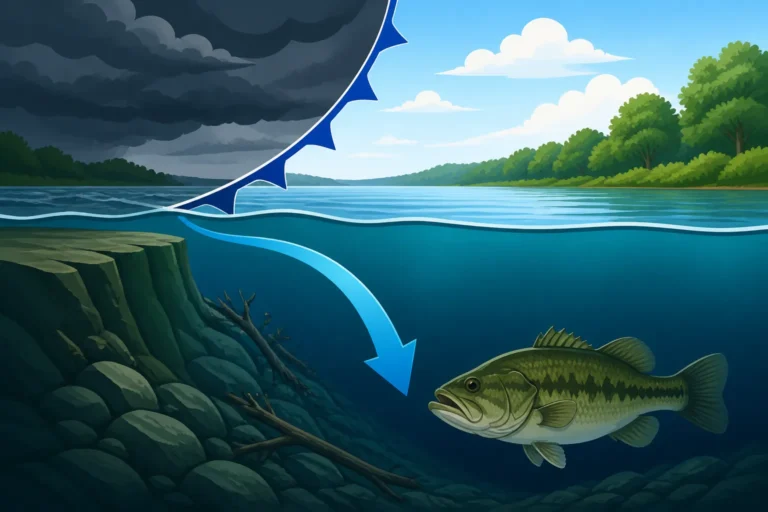
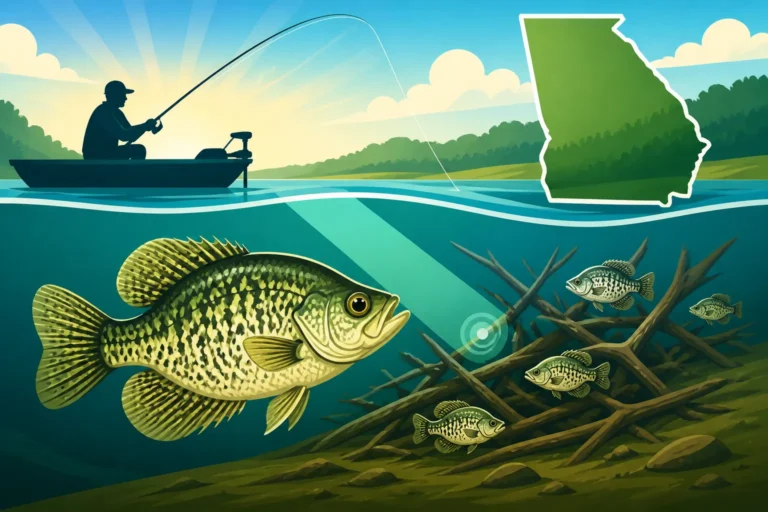
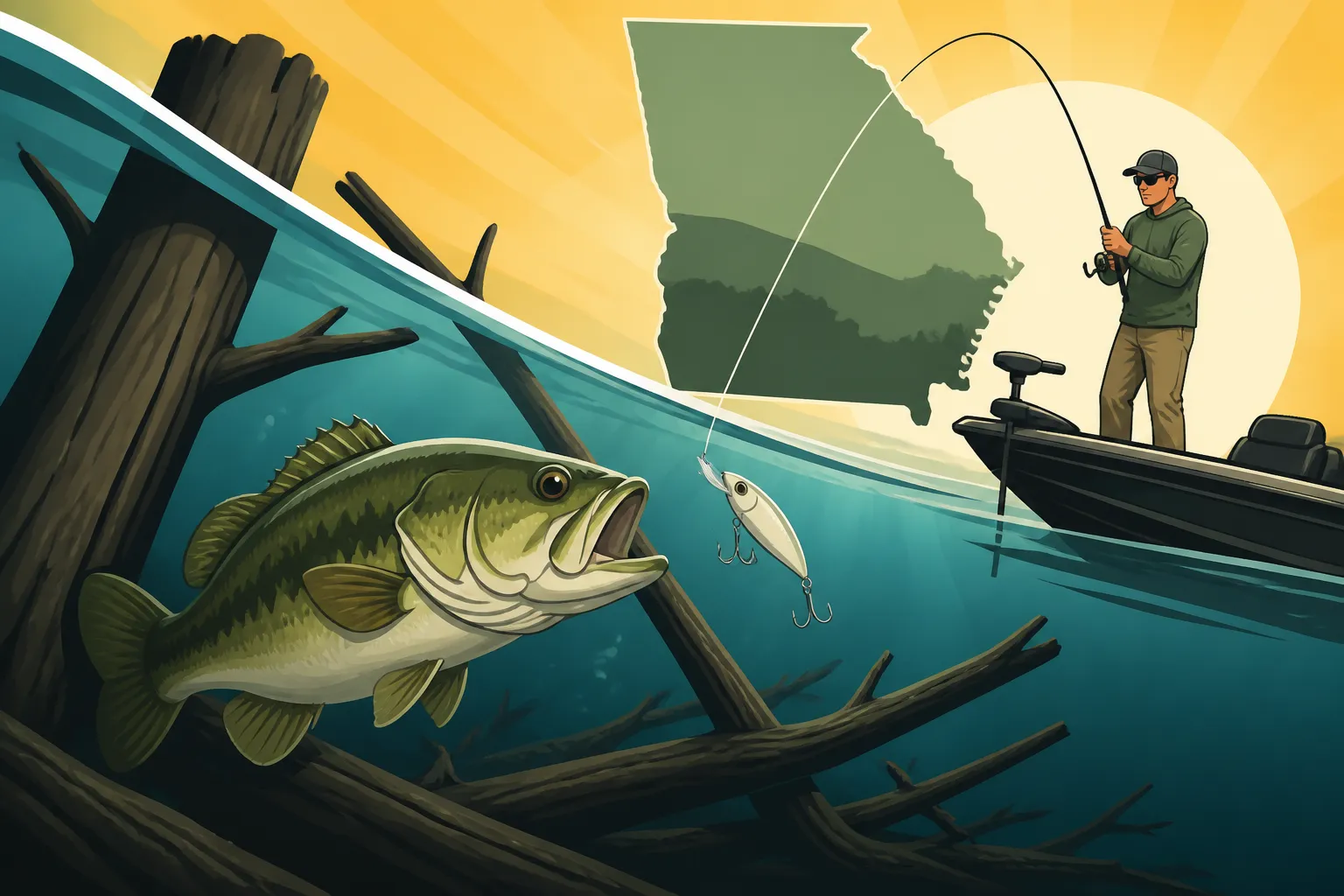
Imagine you're a largemouth bass, an apex predator in the watery world of a Georgia lake. You're constantly looking for three things: food, safety, and comfort. Submerged timber provides all of these in spades. These underwater forests offer prime ambush points where bass can lie in wait, hidden from their prey. A school of shad swimming by? A quick dart out from behind a sunken log, and dinner is served. This makes areas like the flooded timber in parts of Lake Seminole or the deep standing timber in sections of Lake Lanier incredibly productive.
Beyond hunting, timber offers sanctuary. Bigger fish, especially trophy-sized largemouth, often prefer thick cover where they feel secure from predators (yes, even big bass have things to worry about, like eagles or otters) and from boat traffic. The dense network of branches and trunks provides a visual barrier, making them feel safe. And let's not forget comfort. In the scorching Georgia summer, the shade cast by dense submerged timber can be a welcome relief, offering cooler water temperatures. During colder months, these structures can provide thermal refuge, often holding more stable water temperatures than open water. If you want to catch the really big ones, you often have to go where they feel most secure, and that’s almost always in the nastiest cover you can find.
The Challenges and Frustrations of Fishing Wood
We've all been there – a perfect cast, a solid thump, and then… nothing but a hopelessly snagged lure. Fishing submerged timber is inherently challenging, and it's okay to admit it can be incredibly frustrating. The primary obstacle is the constant risk of snagging your lure on branches, stumps, or root systems. This not only costs you precious lures but also valuable fishing time spent trying to retrieve them, or worse, re-tying.
Beyond snags, there's the battle of actually getting the fish out once it bites. A big bass, hooked in heavy timber, will instinctively try to wrap your line around every available branch, often leading to break-offs. It takes a delicate balance of heavy gear and precise technique to muscle a fish out of its woody lair without losing it. It's a game of chess against a powerful, determined opponent who knows its home territory far better than you do. This is why many anglers avoid these spots, but for those willing to learn, the rewards are often substantial.
Essential Gear for Conquering Timber Bass
To truly tackle submerged timber and come out victorious with a bass in hand, you need to arm yourself with the right tools. Skimping on your gear here is a recipe for frustration and lost fish. This isn't the place for your ultralight spinning combo; we're talking heavy-duty equipment designed for battle.
Rods and Reels for Heavy Cover Warfare
When you're pulling a feisty largemouth out of a gnarly brush pile, you need a rod that can handle the stress and a reel with enough power to winch that fish to safety. For fishing heavy timber, a heavy or extra-heavy action baitcasting rod, typically between 7 to 7.5 feet in length, is your best friend. Look for a rod with a fast tip, which means the upper portion of the rod bends easily but the backbone remains stiff. This combination gives you the sensitivity to feel subtle bites and the immense power to drive a hook through a bass's jaw and then rip it out of the cover. Many anglers swear by specific models, and you can often find great reviews and options on Amazon.
Pair this stout rod with a reliable baitcasting reel that has a high gear ratio, something in the 7.1:1 to 8.1:1 range. This high gear ratio allows you to quickly reel in slack line, which is crucial for setting the hook instantly and for pulling the fish away from snags before it can bury itself deeper. A good drag system is also paramount; you need one that can be locked down tight when a fish tries to run, but also smooth enough to allow for a little give if a truly giant fish makes an unexpected surge.
Line Choices to Prevent Break-Offs
Your fishing line is the weakest link in your entire setup, and in timber, it's put to the ultimate test. Monofilament and fluorocarbon lines, while excellent in open water, often struggle against the abrasive nature of wood. For timber fishing, braided line is almost always the superior choice.
Braided line, typically in the 50 to 80-pound test range, offers incredible strength, minimal stretch, and excellent abrasion resistance. It cuts through vegetation better than other lines and, most importantly, provides the brute force needed to pull a fish and sometimes even rip a snagged lure free. The lack of stretch also means you get immediate feedback on bites and a more powerful hookset. While braid is highly visible to fish, the action happens so fast in dense cover that visibility is less of a concern. You can also tie a short leader (12-18 inches) of heavy fluorocarbon (20-30 pound test) to your braided main line if you feel more comfortable with a less visible presentation, or if the water is exceptionally clear, which is sometimes the case in North Georgia's mountain lakes.
Lures Designed to Navigate the Wood
The right lure can make all the difference between constant frustration and consistent success in timber. The key is choosing baits that are either naturally weedless or designed to deflect off structure without snagging.
- Jigs: Flipping and pitching jigs (usually 3/8 to 1 ounce) with stout weedguards are absolute timber assassins. Their compact profile and single hook make them surprisingly snag-resistant. Pair them with a craw or creature trailer to mimic a natural forage.
- Texas-Rigged Worms and Creatures: This is a classic for a reason. By burying the hook point into the soft plastic bait, a Texas rig becomes virtually weedless, allowing it to slip through thick cover. You can learn more about how to fish a Texas rig for bass in a dedicated guide. Choose heavy tungsten weights (3/8 to 1 ounce) to quickly penetrate the cover and maintain bottom contact.
- Bladed Jigs (ChatterBaits): While not as snag-proof as jigs or Texas rigs, bladed jigs like the Z-Man Chatterbait can be incredibly effective when bass are active around the edges or sparse areas of timber. The vibrating blade helps them deflect off wood, and their intense vibration often draws reaction strikes.
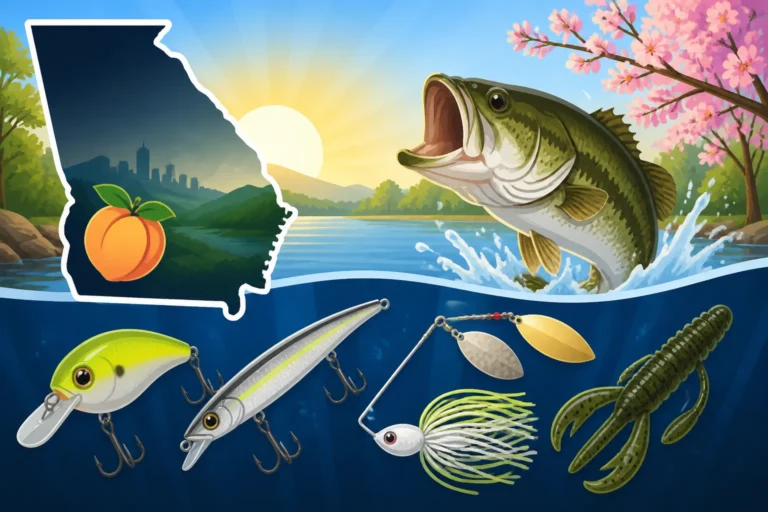
- Crankbaits: Shallow-diving crankbaits with wide bills can be "deflected" off timber. The bill protects the hooks, and the sudden change in direction often triggers a strike. Look for sturdy models with strong hooks, and make sure to swap out any weak treble hooks for stronger, sharper ones if you're buying standard options.
- Spinnerbaits: A well-made spinnerbait with a stout wire frame can be surprisingly snag-resistant, especially in slightly less dense timber or along the edges. The single upward-facing hook and the thumping blades help it ride over branches. For specific recommendations, check out a guide on how to work a spinnerbait for bass.
For all these lures, it's wise to ensure you have a variety of colors that match the forage or water conditions. You can stock up on a wide range of these specialized baits on Amazon before your next trip.
Mastering Techniques for Timber Bass
Having the right gear is only half the battle. To consistently catch bass around submerged timber, you need to master specific techniques that allow you to present your lure effectively, feel bites, and extract fish.
Flipping and Pitching Precision
Flipping and pitching are stealth and accuracy techniques designed for presenting lures into tight, heavy cover with minimal splash. These aren't long casts; they're short, controlled presentations that drop your bait right into the bass's living room.
- Flipping: You stand close to the target, extend your arm, and swing the lure in an underhand motion, letting line peel from your hand rather than the reel. This creates a quiet, vertical entry of the bait. It’s ideal for very close-quarters combat, like dropping a jig into a specific hole in a brush pile.
- Pitching: Similar to flipping but for slightly longer distances. You hold the lure in one hand and the rod in the other, swinging the bait like a pendulum, then releasing the line and allowing it to fly towards the target with a controlled thumb on the spool.
The key to both is precision and a soft entry. You want your bait to plop into the water, not splash down. Once the bait is in the cover, let it fall naturally, watching your line for any twitch or jump – that's often your bite. Remember, bass in timber are often holding tight, so a subtle presentation is crucial. Many expert anglers have specific strategies for how to flip a jig into heavy cover for bass, which is an art form in itself.
Cranking and Bumping the Wood
While many associate crankbaits with open water, they can be surprisingly effective in timber, especially certain types. The trick is to use crankbaits with a wide, durable bill that allows them to "deflect" or "clash" off the wood without snagging. Instead of reeling in a straight line, you want your crankbait to make contact with the submerged structure.
When your crankbait hits a limb or stump, pause your retrieve for a split second, then give it a short, sharp jerk or a quick reel-turn. This sudden, erratic movement often mimics a fleeing baitfish or a struggling creature, triggering an instinctual strike from a bass that was previously indifferent. The bill acts as a protective shield for the hooks, allowing you to bump and grind through areas where other lures would instantly snag. This technique is particularly good for exploring the outer edges of timber lines or shallower brush where bass might be patrolling. The best crankbait will often have a unique action that creates an irresistible vibration when deflecting off structure.
Jigging and Dragging Through
Jigs are incredibly versatile and can be worked effectively in almost any timber scenario. The basic approach is to make a cast (or pitch/flip) beyond your target timber, let the jig sink to the bottom, and then slowly "drag" or "hop" it back through the structure.
- Dragging: Keep your rod tip low and use your reel to slowly pull the jig along the bottom, feeling for subtle changes in bottom composition and contact with wood. When you feel timber, gently lift the rod tip to ease the jig over the obstruction, then let it fall again.
- Hopping: This involves short lifts and drops of the rod tip, making the jig "hop" over obstacles. This creates a more aggressive presentation that can elicit reaction strikes.
The beauty of jig fishing in timber is how tactile it is. You're constantly feeling the bottom, interpreting every tick and bump. A "thump" or a sudden feeling of "mushiness" on the line often indicates a bite, rather than a snag. It takes practice to distinguish between the two, but once you do, your success rate will soar. Slow down, pay attention, and let the jig do the work of finding the fish hiding deep within the timber.
Patience and Presentation are Key
Fishing timber is not about speed; it's about thoroughness and patience. Bass in heavy cover are often less inclined to chase a fast-moving bait because they don't need to. They're waiting for prey to come to them. Therefore, a slow, methodical presentation is crucial. Work every piece of visible and invisible timber thoroughly. Make multiple casts from different angles to the same piece of cover.
Sometimes, a bass won't bite until the lure has fallen past its nose several times, or until it has bumped into the structure in just the right way. This means resisting the urge to reel in quickly after a few unproductive retrieves. If you believe a big bass is in there, give it every chance to bite. Remember, the biggest bass are often the most cautious and require the most coaxing.
Seasonal Considerations and Best Practices
Bass don't relate to timber in the same way all year round. Their patterns shift with water temperature, forage availability, and spawning cycles. Understanding these seasonal nuances can significantly improve your success.
Timber Fishing Through the Seasons in Georgia
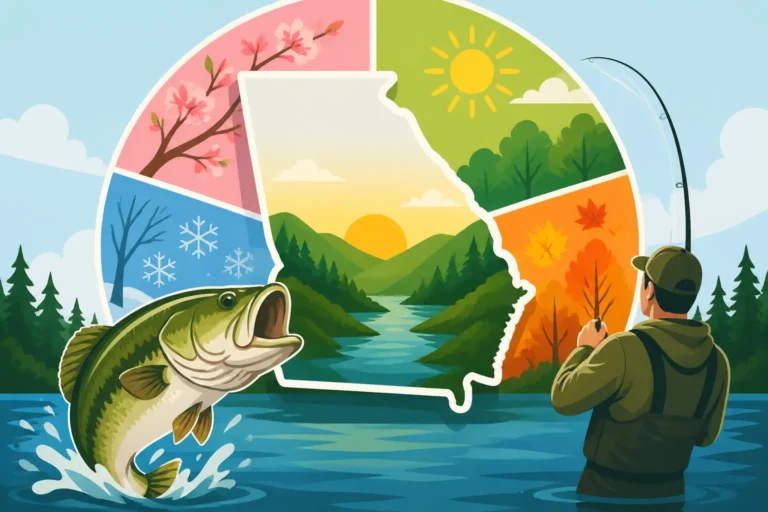
Georgia's diverse lakes and rivers offer year-round fishing opportunities, and bass often utilize timber differently depending on the season. For example, during the Spring Bass Spawn Timing on Georgia's Lakes, many bass will stage in deeper timber near spawning flats before moving up to lay their eggs.
- Spring: As water temperatures rise into the 50s and 60s, bass begin to move out of their deeper winter haunts and closer to shallower timber. They use these submerged trees for cover as they feed heavily to prepare for the spawn. Flipping and pitching jigs or Texas-rigged worms into shallower timber on sunny banks can be incredibly productive.
- Summer: When the Georgia heat kicks in and water temperatures soar, bass will often retreat to deeper, cooler timber. This could be standing timber in 20-40 feet of water or deep brush piles. They use the dense canopy for shade and ambush points. Deep jigging, drop-shotting, or even slow-rolling large spinnerbaits around deep timber can be effective. This is when understanding Summer Fishing Patterns on Georgia's Big Lakes becomes vital.
- Fall: As temperatures cool, bass become very active, chasing baitfish schools. Timber still plays a role, especially if baitfish are using it for cover. Look for timber on main lake points or creek channel bends where baitfish congregate. Cranking baits that bump the wood, or bladed jigs worked along the edges, can be deadly.
- Winter: When the water gets really cold, bass tend to stack up in the deepest, most stable timber they can find. This often means vertical presentations with jigs or spoons directly into deep standing timber. Pay attention to Winter Fishing Patterns on Georgia's Reservoirs, as bass become more lethargic and require very slow, subtle presentations.
Reading the Water and Interpreting Bites
Successful timber fishing goes beyond just casting; it requires keen observation and interpretation. Look for subtle clues on the surface that might indicate submerged timber, like slight disturbances or changes in current flow. Pay attention to your fish finder if you have one – it can reveal hidden brush piles or standing timber that isn't visible on the surface.
Once your lure is in the water, every twitch, tick, or spongy feeling on your line might be a bite. Because bass in timber often "thump" a bait rather than aggressively strike it, you need to be constantly vigilant. Any deviation from the normal feel of your lure hitting the bottom or dragging through cover should be met with an immediate, powerful hookset. Don't second-guess it. When in doubt, set the hook! The milliseconds you save can be the difference between landing a fish and watching your line go slack.
Ethical Angling in Heavy Cover
While the thrill of wrestling a big bass out of heavy timber is undeniable, it's crucial to practice ethical angling. Bass caught deep in cover can be stressed, and improper handling can harm them.
- Hook Removal: Always have a good pair of long-nosed pliers or hook removers on hand. If a fish is deeply hooked, especially in the gills, it's often better to cut the line as close to the hook as possible rather than risk further damage trying to extract it.
- Minimizing Stress: Work quickly to remove the hook, take a quick photo if you wish, and release the fish. Avoid prolonged exposure to air, especially on hot days. Holding the fish horizontally, supporting its belly, is always preferred over hanging it vertically by the jaw. This ensures the fish has the best chance of survival.
- Line Management: Try to retrieve as much line as possible when you break off a snag. Leaving yards of line wrapped around submerged timber can become a hazard for other wildlife.
Fishing for bass in timber can be one of the most rewarding and challenging experiences in Georgia fishing. With the right knowledge, gear, and a healthy dose of patience, you'll be well on your way to conquering those snaggy spots and landing some incredible fish. For more tips on gear, you might find Best Rod and Reel Combo for Largemouth Bass in Georgia or Best Lures for Georgia Largemouth Bass helpful.
Here's a quick comparison of common lure types for fishing around submerged timber:
| Lure Type | Best Use | Pros | Cons |
|---|---|---|---|
| Jigs | Flipping/Pitching tight cover | Highly snag-resistant (with weedguard), versatile, good for big bass | Slow retrieve, requires precision |
| Texas-Rigged Worms | Punching through dense vegetation | Almost completely weedless, subtle presentation | Can be slow to work, not always effective for active fish |
| Bladed Jigs | Edges of timber, active fish | Excellent vibration, deflects off wood, draws reaction strikes | Can still snag in very dense cover |
| Crankbaits | Bumping and deflecting off wood | Covers water quickly, deflection triggers strikes | High snag risk if not used correctly, often only works shallower |
| Spinnerbaits | Less dense timber, dirty water | Good vibration, relatively snag-resistant, good for reaction bites | Can get hung up in thick branches |
Disclaimer
Please remember that fishing regulations in Georgia can change. Always consult the latest rules and guidelines from the Georgia Department of Natural Resources (DNR) before you head out. This guide is for informational purposes only and does not supersede official regulations.