How to Catch Bluegill From the Bank
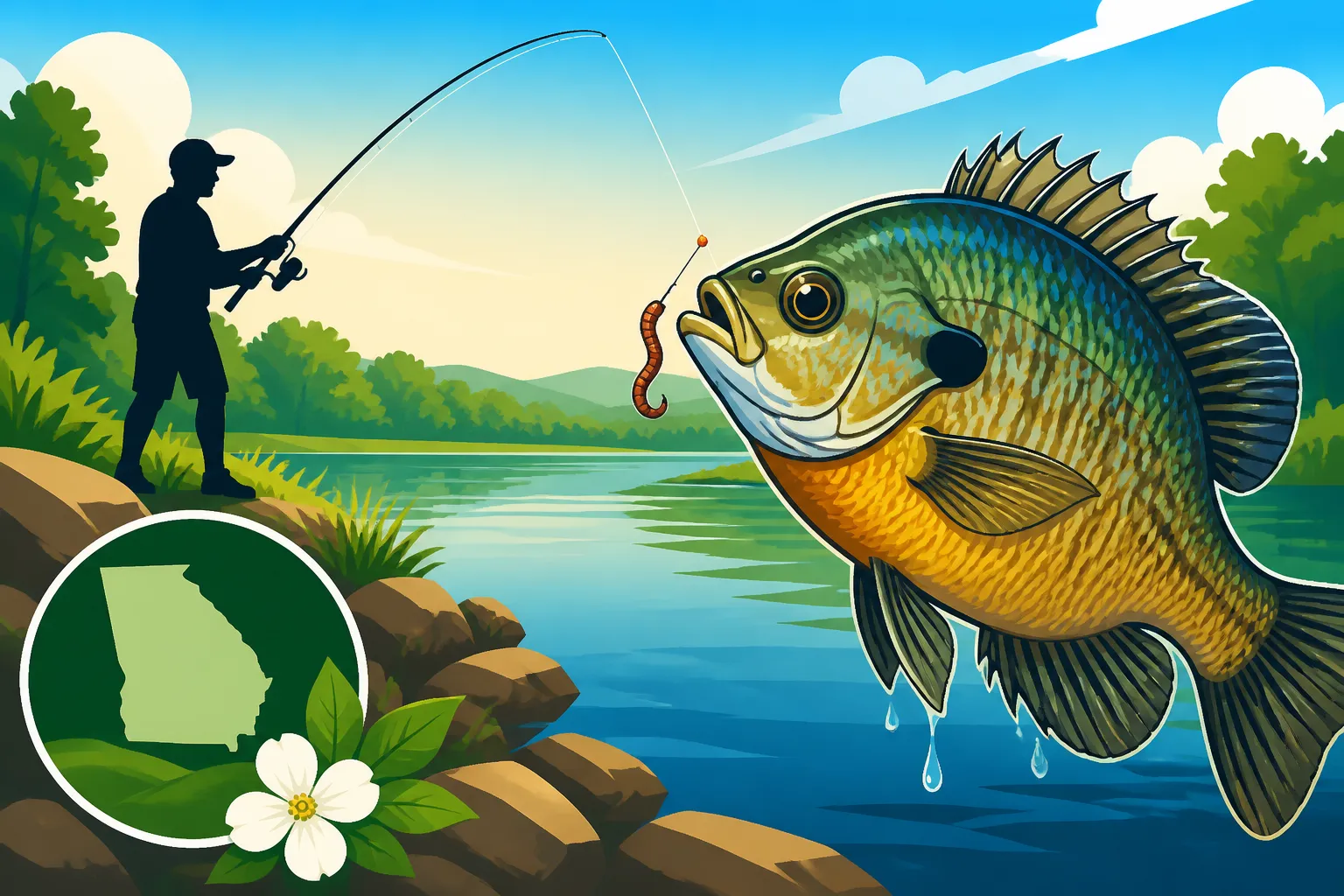
There’s nothing quite like the urge to go fishing, but sometimes the thought of hauling a boat, navigating ramps, and dealing with all that gear can just feel… overwhelming. We’ve all been there, standing on the shore, watching the water ripple, wishing we could just cast a line without the hassle. Thankfully, you absolutely can, and for many folks in Georgia, the perfect target for a simple, fun, and highly rewarding bank fishing trip is the humble bluegill. This guide will walk you through everything you need to know to successfully catch bluegill right from the bank.
Why Bluegill Are Your Bank Fishing Best Friend in Georgia
When it comes to easy, accessible, and incredibly fun fishing from the bank, bluegill reign supreme in Georgia. They're practically made for it! You don't need fancy equipment or a deep understanding of complex fish patterns. Bluegill are abundant, eager, and often found right where you can reach them from shore, making them the ideal target for a relaxed afternoon.
Abundant and Eager Biters
One of the biggest frustrations for any angler, especially those new to the sport or fishing with kids, is not getting any bites. With bluegill, that frustration rarely lasts long. These feisty little panfish are incredibly prolific throughout Georgia's diverse waterways, from the smallest farm ponds and local creeks to the vast expanses of our larger reservoirs. They’re not picky eaters and are known for their aggressive, often immediate, strikes. This means more action, more excitement, and fewer moments of staring blankly at an unmoving bobber. Their sheer numbers mean that even if you miss a few, another one is likely right behind it, ready to test your angling skills. This makes them a fantastic species for teaching kids about fishing or for anyone who just wants to enjoy consistent action.
Accessible Habitat from Shore
Bluegill are creatures of comfort, and their preferred habitats often put them well within casting distance from the bank. They love structure, and in a pond or lake, that structure often extends right to the shoreline. Think about submerged logs, fallen trees, brush piles, docks, lily pads, or even just patches of weeds. These spots provide them with shelter from predators, a buffet of insects and small aquatic life, and shade from the Georgia sun. You can often literally see them darting around in these shallow, protected areas. This makes scouting a good bank fishing spot as simple as looking for these tell-tale signs of cover. Unlike species that prefer open water or deep channels, bluegill are right there, making your job from the bank much easier and more productive.
Essential Gear for Bank Fishing Bluegill
You might think "fishing gear" implies a huge investment, but when it comes to bluegill from the bank, simplicity is key. You really don't need much to get started, which is fantastic for your wallet and your back! The goal here is light tackle that makes every bluegill feel like a trophy.
Simple Rod and Reel Setup
For bluegill, an ultralight or light action spinning rod and reel combo is your absolute best friend. These setups are designed to make even small fish feel lively, adding to the fun. A rod in the 5 to 6.5-foot range is perfect for casting from shore, offering good control without being cumbersome. Pair that with a small spinning reel, typically a 500 or 1000 series, spooled with 4-6 pound test monofilament line. Monofilament is a great choice for beginners because it's affordable, has good stretch (which can be forgiving when a bluegill tugs hard), and is easy to tie knots with. Some anglers prefer a light braided line with a fluorocarbon leader for increased sensitivity, but for starting out, mono is perfectly adequate. You can find excellent, budget-friendly ultralight combos from brands like Amazon that will serve you well for many seasons of bluegill adventures.
Basic Tackle Box Essentials
Your tackle box for bluegill doesn't need to be a monstrous affair. A small, organized box or even a waist pack will do. Here’s what you absolutely need:
- Hooks: Small, sharp hooks are crucial. Size 6 or 8 Aberdeen hooks are popular, but small J-hooks or even tiny circle hooks (which are great for teaching kids to hook fish themselves) also work well.
- Sinkers: A variety of small split-shot weights will allow you to adjust to different depths and currents. Have some tiny ones (like BB size) and some slightly larger ones.
- Bobbers: Both fixed and slip bobbers have their place. Fixed bobbers are great for shallow water (less than 4-5 feet) and are easy for kids to manage. Slip bobbers are fantastic for fishing deeper water from the bank, allowing you to cast farther and set your bait at a precise depth.
- Pliers/Forceps: Essential for safely removing hooks, especially if a bluegill swallows one. A pair of needle-nose pliers or small fishing forceps can be invaluable.
- Line Clippers: Small scissors or specialized line clippers make tying and re-tying lines quick and easy.
- Small Swivels: Useful for preventing line twist, especially if you’re using certain types of artificial lures.
Best Baits for Bluegill from the Bank
Bluegill aren't finicky, which means you have a wide array of choices for bait. The best choices are often the simplest and most natural. For more in-depth information, check out our guide on Best Bait for Bream Fishing.
- Live Bait: This is almost always your secret weapon for bluegill.
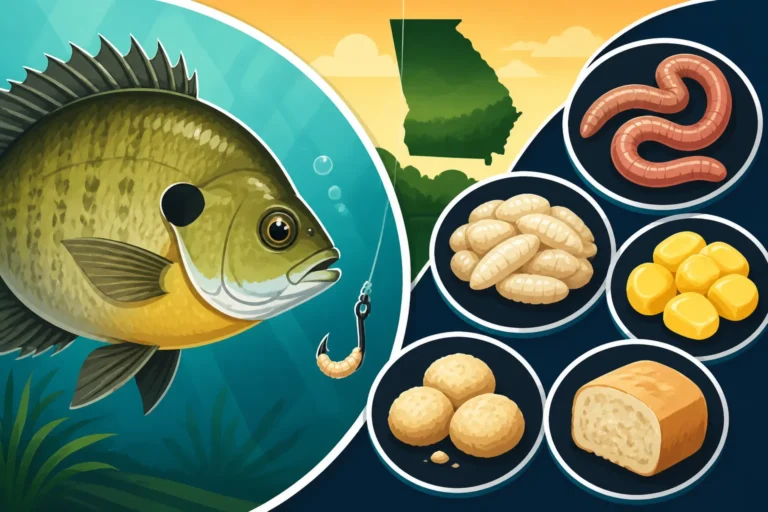
- Worms: Red wigglers, earthworms, or even nightcrawlers (cut into smaller pieces) are irresistible to bluegill. They're cheap, easy to find, and stay on the hook well.
- Crickets: A bluegill favorite, especially in the warmer months. They're lively and effective, but sometimes a bit harder to keep on the hook.
- Mealworms/Wax Worms: Smaller, cleaner live baits that are fantastic for small bluegill or when they're being a bit more hesitant. You can often find these at local bait shops or even pet stores.
- Artificials: While live bait is king, small artificial lures can also be very effective, especially if you prefer a more active fishing style.
- Small Jigs: Tiny jigs (1/32 to 1/16 ounce) with plastic grub bodies in chartreuse, white, or black can be deadly. Fish them slowly under a bobber or with a slow retrieve.
- Micro Spoons: Very small, flashy spoons can attract aggressive bluegill, especially if they're feeding on smaller baitfish or insects.
When presenting your bait, remember that bluegill have relatively small mouths. Don't use too much bait; a small piece of worm or a single cricket is usually all it takes.
| Bait Type | Pros | Cons | Best For |
|---|---|---|---|
| Worms | Universally appealing, easy to find, durable | Can be messy to handle | All conditions, especially beginners, high action |
| Crickets | Highly effective, natural attraction | Can be hard to keep on hook, less durable | Warmer months, aggressive fish |
| Mealworms/Waxworms | Clean, good for small mouths, enticing | More expensive, less durable | Finesse fishing, light bites |
| Small Jigs | Active fishing, reusable, covers water | Requires more technique, less "natural" | Active anglers, specific depths |
| Micro Spoons | Flashy, attracts attention, reusable | Less subtle, can spook wary fish | Aggressive fish, covering open water |
Mastering Bank Fishing Techniques for Bluegill
Getting a line in the water is one thing, but understanding where and how to present your bait will dramatically increase your success. Bank fishing has its own unique set of strategies that, once mastered, will have you catching bluegill consistently.
Reading the Water from Shore
This is perhaps the most critical skill for any bank angler. Since you can't move around as freely as someone in a boat, making your casts count is vital.
- Identify Structure: Look for anything that breaks up the uniformity of the shoreline or bottom. As mentioned before, bluegill love cover. This includes fallen trees, submerged brush piles, docks, boat ramps, rocky areas, weed lines, and even culverts. If you see lily pads or other aquatic vegetation, that’s almost always a hot spot. Fish these areas thoroughly.
- Seek Out Shade: Bluegill, like many fish, will often congregate in shaded areas, especially during the brighter parts of the day. Overhanging trees, the shadow side of a dock, or even the shade cast by a large rock can hold fish.
- Observe Depth Changes: While bluegill often cruise shallow, they appreciate deeper water nearby for refuge. Look for areas where the bank drops off quickly, or where small points extend into the water. These transition zones are often ambush points.
- Current Awareness: In rivers or even larger lakes with subtle currents, fish will often position themselves just out of the main flow, conserving energy while waiting for food to drift by. Cast upstream of these spots and let your bait drift naturally into their strike zone. Knowing how to read the water can often make or break your trip, even when fishing for abundant species like bluegill.
Casting and Presentation Strategies
The beauty of bluegill fishing from the bank is the simplicity, but a few refined techniques can really boost your catch rate.
- Basic Casts for Beginners: For kids or new anglers, focus on a simple overhead cast. Make sure they can comfortably hold the rod, reel, and hit their target without snagging trees behind them. Start close and gradually increase distance as they get the hang of it.
- Fan Casting to Cover Water: Since you're stationary, you need to cover as much water as possible from your spot. This involves making casts in a fan-like pattern, starting to your left, then center, then right, slowly retrieving your bait through each area. This ensures you're not missing fish that might be just a few feet away from your previous cast.
- Gentle Presentation with Light Tackle: Bluegill might be aggressive, but they’re not dumb. A heavy splash from a poorly cast bait can spook them. Aim for a gentle, accurate cast that places your bait softly near the cover you've identified. With light line and small baits, this is much easier to achieve.
- Bobber vs. Bottom Fishing:
- Bobber Fishing: This is the classic bluegill method. A bobber suspends your bait at a set depth. It’s excellent for beginners as it visually signals a bite. Set your bobber so your bait is just above the bottom, or at the depth where you’ve seen fish. Adjust the depth often until you find where the fish are holding. Learn more about How to Rig a Bobber for Bream for optimal setup.
- Bottom Fishing: Sometimes bluegill are holding deeper, or they might be foraging directly on the bottom. In these cases, a simple bottom rig with a small weight and a short leader can be very effective. This requires more feel to detect bites, but can be very rewarding.
The Art of the Bluegill Strike
Bluegill bites can range from a gentle peck to a sudden, aggressive tug. Learning to recognize them is part of the fun.
- Recognizing the Subtle Bite: If you’re using a bobber, a subtle bite might just be a slight dip or wiggle of the bobber, rather than it disappearing completely. If you’re bottom fishing, you might feel a faint tap or a slight increase in line tension. Pay close attention – bluegill can be quick to snatch bait and spit it out if they feel resistance.
- Setting the Hook Gently: Unlike bass fishing where a powerful hookset is often needed, bluegill have tender mouths. A gentle, firm sweep of the rod tip is usually all it takes to set the hook. Too much force can tear the hook out or rip their mouth.
- Handling and Releasing Bluegill: Bluegill are delightful fighters on light tackle. Once landed, handle them gently. If you plan to release them, wet your hands before touching the fish to protect their slime coat. If you’re keeping them for a delicious meal, dispatch them quickly and humanely, and get them on ice right away. They are fantastic table fare, especially when fried!
Tips for a Successful Bluegill Bank Fishing Trip in Georgia
Beyond the gear and techniques, a few extra tips can turn a good bluegill trip into a great one. These considerations help you plan, execute, and enjoy your time by the water.
Timing Your Trip for Bluegill Action
Just like any other fish, bluegill have periods when they are more active, making your bank fishing efforts more productive.
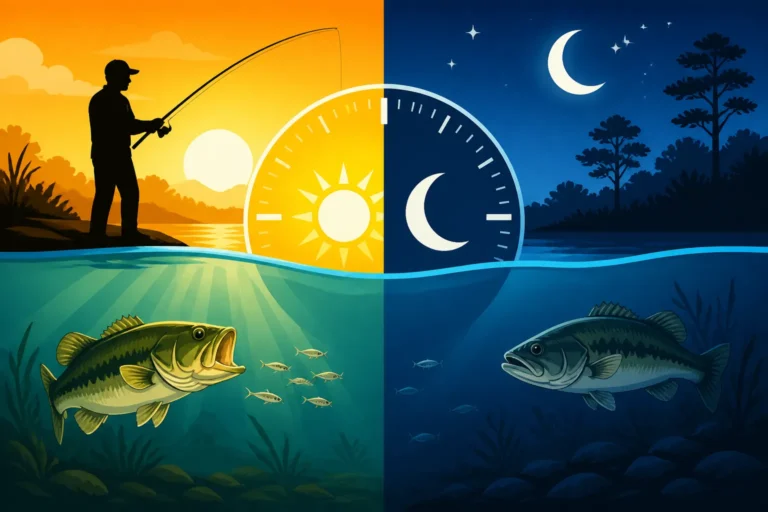
- Best Times of Day: Generally, bluegill are most active during the cooler parts of the day – dawn and dusk. Early morning, as the sun begins to warm the water and insects become active, is often fantastic. Likewise, as the sun dips in the late afternoon and evening, bluegill move into shallower feeding areas. During the middle of a hot Georgia day, they'll often retreat to deeper, shadier cover. For general advice on optimal fishing times, consider our article on Best Time of Day to Fish for Bass, which often applies to other species as well.
- Seasonal Considerations:
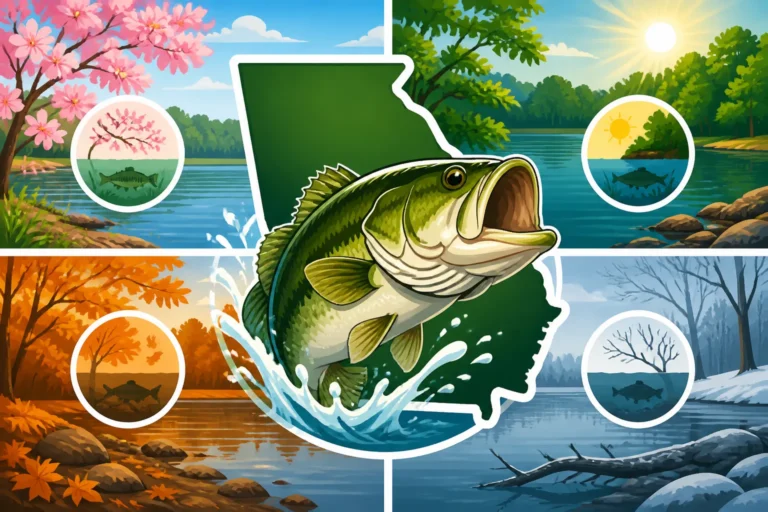
- Spring: This is prime time! As water temperatures rise, bluegill move into the shallows to spawn. They'll be aggressive and often highly visible, making them easy targets from the bank. This is arguably the best season for consistent action.
- Summer: They’re still active, but tend to seek deeper or shadier water during the midday heat. Focus on early morning, late evening, or overcast days, and target shaded cover.
- Fall: As water temperatures cool, bluegill remain active, feeding heavily to prepare for winter. They might be a bit deeper but can still be found near cover.
- Winter: Action slows down considerably as bluegill become more lethargic and move to deeper water. Bank fishing can still yield results on warmer, sunny days, but it requires more patience and slower presentations.
Choosing Your Bank Fishing Spot Wisely
Finding the right spot is half the battle when you're restricted to the bank.
- Public Access Points: Georgia offers a wealth of public fishing opportunities. Many state parks, like those listed in our Georgia State Park Fishing Spots guide, have designated bank access, fishing piers, or shoreline trails. Public Fishing Areas (PFAs) are specifically managed for angling and almost always have excellent bank access.
- Identifying Productive Coves or Shorelines: Look for areas that offer a mix of features: a gentle slope into the water, a variety of submerged or emergent vegetation, proximity to deeper water, and plenty of shade. Coves often provide calmer water and more protected areas where bluegill feel safe. Areas with rip-rap (rocky banks) can also hold bluegill as they attract baitfish and insects.
- Safety Considerations: Always be aware of your surroundings. Check for slippery banks, potential hazards, and make sure you have enough room to cast safely without snagging trees or power lines. If you're fishing near moving water, be mindful of currents.
Making It a Family-Friendly Experience
Bluegill fishing from the bank is tailor-made for family outings. It's a fantastic way to introduce kids to the joys of fishing without a huge learning curve or expensive equipment. This is truly the Easiest Fish for Kids to Catch.
- Bluegill as a Great "First Fish": Their eagerness to bite and spirited fight on light tackle make them incredibly rewarding for young anglers. That first tug on the line and the sight of a colorful bluegill coming to hand creates lifelong memories.
- Keeping It Fun and Simple: Don't overcomplicate it. Focus on the experience – the fresh air, the sounds of nature, and the excitement of a bite. Bring snacks, drinks, and make it a comfortable outing.
- Tips for Parents Taking Kids Fishing:
- Patience is Key: Kids have shorter attention spans. Be patient with tangled lines, missed bites, and questions.
- Start Simple: A basic rod, a bobber, and a worm are all you need.
- Celebrate Every Catch: Even the smallest bluegill is a triumph!
- Teach Conservation: Emphasize proper catch-and-release if you're not keeping them, and always pack out what you pack in.
- Safety First: Ensure kids wear life jackets if near deep or swift water, and teach them how to handle hooks and fish safely.
Bluegill fishing from the bank is a delightful pastime that connects you with nature, provides plenty of action, and doesn't require a hefty investment. So grab a simple rod, a handful of worms, and head to your nearest pond, lake, or slow-moving river. You might just find your new favorite way to spend an afternoon in Georgia!
Disclaimer
This article is for general informational purposes only and does not constitute professional advice. Laws, prices and regulations vary by location and change over time. Consult a qualified professional for guidance on your specific situation.