How to Rig a Slip Sinker for Catfish
There’s nothing quite as frustrating as feeling a subtle bite, only to reel in your line and find your bait gone, or worse, have a fish drop the bait because it felt the heavy resistance of your sinker. Catfish are often wary, and their initial nibbles can be incredibly light, making it tough to know when to set the hook if your rig isn't presenting your bait naturally. This guide is all about mastering the slip sinker rig, a tried-and-true setup that gives catfish the freedom to take your bait without suspicion, drastically improving your hook-up ratio and making your next outing much more productive.
Understanding the Power of the Slip Sinker for Catfish
When you're chasing whiskered giants, whether they're the powerful Blue Catfish, the common Channel Catfish, or the elusive Flathead Catfish, a slip sinker rig is often your secret weapon. It’s a simple concept that makes a world of difference in how fish react to your presentation.
Why a Slip Sinker is a Catfish Angler's Best Friend
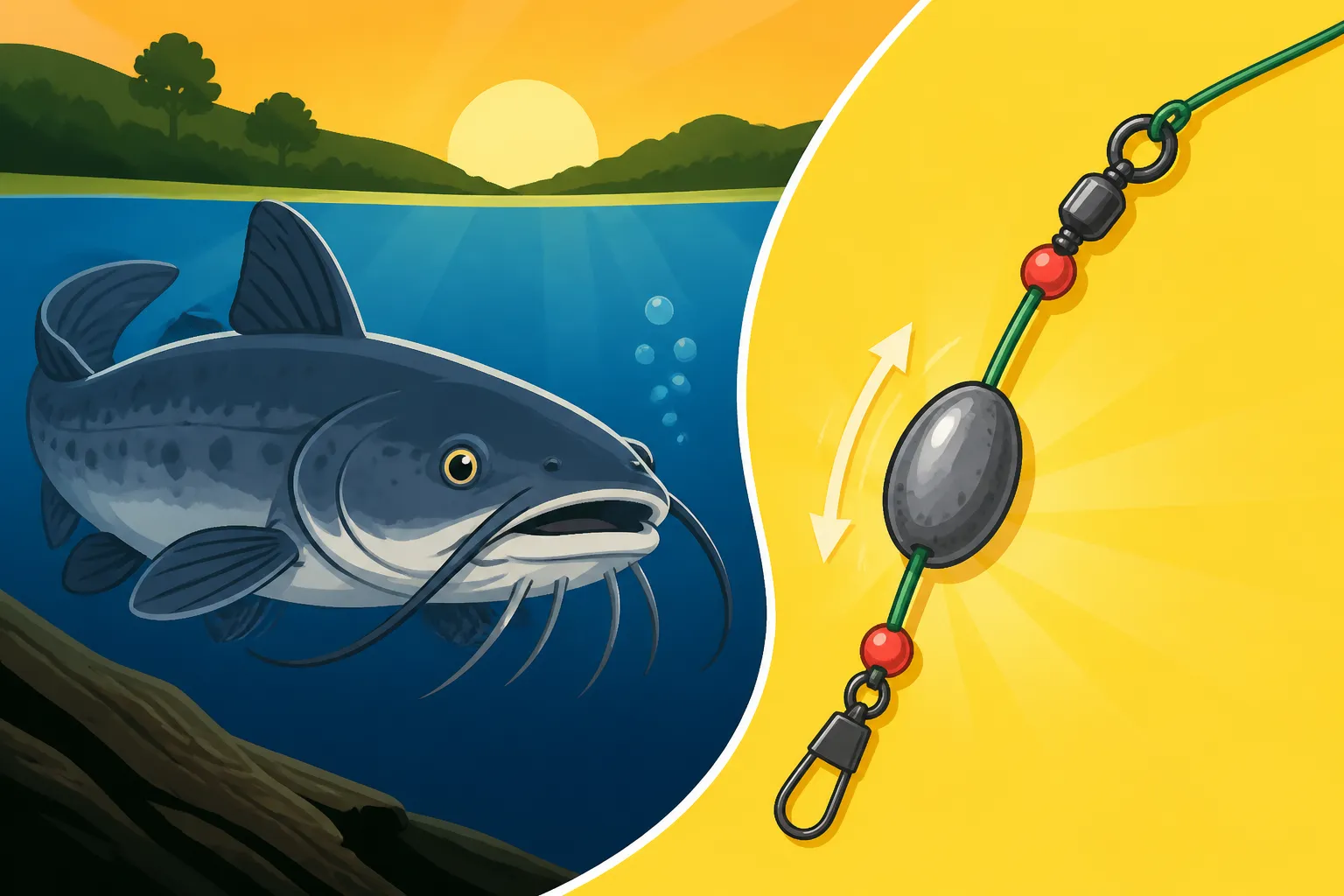
A slip sinker is essentially a weight with a hole through its center, allowing your main fishing line to pass freely through it. Unlike a fixed sinker, which is crimped or tied directly to your line a set distance from the hook, a slip sinker "slips" up and down your line. This design means that when a catfish picks up your bait, the line can slide through the sinker without immediately moving the weight itself.
This freedom is paramount because it allows the fish to mouth and even swim off with your bait for a short distance before feeling any resistance from the sinker. Imagine yourself grabbing a piece of food; if it's attached to a heavy anchor, you're likely to drop it as soon as you feel the pull. Fish are no different. They're incredibly sensitive to unnatural resistance, and a slip sinker rig mimics a free-floating meal, making it much more appealing and less alarming.
The beauty of this setup lies in its natural presentation. Your bait, whether it's a juicy piece of cut bait or a lively minnow, can drift or settle on the bottom, moving independently of the heavy sinker. This means your bait behaves more like something that naturally fell into the water, rather than being unnaturally pinned down. This subtle difference often translates directly into more confident bites and, ultimately, more fish in your net.
When and Where to Use a Slip Sinker Rig
The slip sinker rig truly shines in a variety of catfish habitats, making it incredibly versatile for anglers across Georgia's diverse waterways. It's particularly effective in situations where a natural, uninhibited bait presentation is key to drawing a strike from cautious catfish.
One of the most common scenarios is bottom fishing in lakes, reservoirs, or slow-moving rivers. When you cast out with a slip sinker, the sinker drops to the bottom, holding your bait in place while allowing the line to move freely. This is ideal when targeting species like the Channel Catfish, which often cruise along the bottom seeking food. It's also fantastic for fishing ledges, holes, or along the edges of drop-offs where catfish tend to ambush prey. The rig keeps your bait right in the strike zone, but the fish won't feel the weight until you set the hook.
Even in areas with a moderate current, a slip sinker rig can be incredibly effective. While a fixed sinker might cause your bait to wash out unnaturally or present too much resistance, a slip sinker allows your bait to tumble or settle in a more organic way, mimicking natural prey struggling in the current. For targeting larger fish, such as trophy Blue Catfish, in big rivers, this subtle approach can make all the difference. Knowing How to Bottom Fish for Catfish effectively with this rig will give you a significant edge in these situations, allowing you to cover various depths and structures with confidence.
Essential Components for Your Slip Sinker Catfish Rig
Building a robust and effective slip sinker rig for catfish requires selecting the right components. Each piece plays a crucial role in the overall performance of your setup, from ensuring a natural bait presentation to landing that trophy fish.
Choosing the Right Slip Sinker
When it comes to slip sinkers, you have a few excellent options, and the best choice often depends on the specific conditions you're fishing. The most popular type is the egg sinker, which is oval-shaped and slides smoothly along your line. Its rounded edges are less likely to snag on rocks or debris compared to some other shapes. For fishing in heavier current, or when you need to cast a significant distance, a flat bank sinker can be a good choice as its flatter sides offer more resistance to the current, helping to keep your bait in place.
Weight is a critical consideration. If you're fishing in still water or very light current, lighter sinkers (like ¼ oz to ½ oz) might be all you need to get your bait down. However, in stronger currents, or when fishing deeper water with larger baits, you'll need heavier sinkers, potentially ranging from 1 oz to several ounces, to ensure your bait stays put. You'll want enough weight to hold your bait on the bottom without being so heavy that it's difficult to cast or detect light bites. A great place to explore the vast array of options is online platforms like Amazon, where you can find various shapes and weights to perfectly match your fishing conditions.
While lead sinkers are traditionally common, there's a growing trend towards lead-free alternatives. These options, often made from steel, bismuth, or tungsten, are designed to be environmentally friendly. While they might be a bit pricier, they offer a responsible choice for anglers concerned about their impact on aquatic ecosystems. Always consider the environmental impact alongside performance when making your selection.
Selecting Your Line, Leader, and Swivel
Each part of your line system works in concert to present your bait and withstand the fight of a powerful catfish. Your main line choice is paramount. Many seasoned catfish anglers opt for braided line due to its incredible strength, small diameter (which helps cut through current), and exceptional sensitivity. This sensitivity allows you to feel even the lightest taps on your bait. However, monofilament line, with its stretch and abrasion resistance, is still a popular and effective choice, especially for those who prefer its forgiving nature during a fight. The strength of your main line should match the size of catfish you expect to encounter, typically ranging from 15-pound test for smaller channels to 50-pound test or more for trophy blue and flathead catfish.
Next up is the leader, which is a shorter section of line tied between your main line (via a swivel) and your hook. The leader's purpose is twofold: it provides extra abrasion resistance against sharp teeth or submerged structure, and it can be a slightly lighter test than your main line, acting as a sacrificial component if you get snagged. Many anglers prefer a fluorocarbon leader for its invisibility underwater and its excellent abrasion resistance, though heavy monofilament works well too. The length of your leader can vary, but typically 12 to 24 inches is a good starting point, allowing your bait some natural movement away from the sinker.
The swivel is a small but mighty component that connects your main line to your leader. Its primary function is to prevent line twist, which can weaken your line and cause tangles, especially when using spinning baits or fishing in current. A good quality, strong barrel swivel or a high-strength ball bearing swivel is essential. Immediately above your swivel, you'll want to place a small bead (plastic or glass). This bead acts as a buffer, protecting the knot on your swivel from being repeatedly hammered by the sliding sinker during casts and retrieve, extending the life of your rig.
Hook Selection for Catfish and Bait
The right hook is crucial for a solid hookset and safely landing your catch. For catfish, circle hooks are widely favored, and for good reason. Their design promotes a hookset in the corner of the fish's mouth, making it easier to remove and greatly reducing gut-hooking, which can be fatal to fish you intend to release. When a catfish takes the bait, you don't need to perform a forceful hookset; simply reel tight until the rod loads up, and the circle hook does the work for you. This is especially beneficial for beginner anglers learning Kid-Friendly Fishing Techniques.
Alternatively, traditional J-hooks are still used, particularly by those who prefer a more aggressive hookset. However, they carry a higher risk of deep hooking, which can harm the fish. The size of your hook should always match the size of your bait and the mouth size of the catfish you're targeting. For smaller channel catfish and worms or chicken livers, a 1/0 to 3/0 hook might suffice. For larger cut baits intended for big blue or flathead catfish, you'll often need hooks ranging from 5/0 to 8/0 or even larger.
When selecting hooks, consider quality. Sharp, strong hooks made from high-carbon steel will penetrate better and stand up to the fight. You can find a huge variety of hook types and sizes on platforms like Amazon, ensuring you have the perfect match for any bait or target species. Whether you're using live bream, cut shad, or a prepared stink bait, having the correct hook is a non-negotiable part of a successful slip sinker rig.
Step-by-Step Guide to Tying the Perfect Slip Sinker Rig
Tying a slip sinker rig might seem intimidating at first, but with a little practice, it becomes second nature. This step-by-step breakdown will help you confidently assemble a robust setup ready for any Georgia catfish.
Assembling the Main Components
Let's walk through putting together the core of your slip sinker rig. First, take your main fishing line directly from your reel. Thread the end of your main line through the eye of your slip sinker. Make sure the line passes smoothly through the sinker's hole. This is where the "slip" action comes from, allowing the sinker to move freely.
Once the sinker is on your line, slide it up about a foot or so. Next, thread a small bead onto your main line. This bead, often plastic or glass, is crucial because it acts as a shock absorber. When you cast or when a fish tugs, the slip sinker will slide down and hit this bead. Without it, the sinker would repeatedly bang directly against the knot that connects your swivel, eventually weakening it and leading to a lost fish. Think of it as a small protective bumper for your knot.
Finally, after the bead, tie your swivel to the end of your main line. A strong, reliable knot is absolutely essential here. The Palomar knot is an excellent choice for its strength and ease of tying, especially with braided lines. If you're using monofilament, an Improved Clinch knot is another solid option. Ensure your knot is cinched down tightly and trim any excess tag end, leaving just a small amount to prevent it from unraveling. Now you have your main line, slip sinker, bead, and swivel all assembled in the correct sequence.
Attaching the Leader and Hook
With your main line, sinker, bead, and swivel in place, the next step is to add your leader and hook. Take your pre-cut leader material, which you've chosen for its strength and abrasion resistance, and tie one end directly to the open eye of your swivel. Just like with your main line, a strong knot is critical here. The Palomar or Improved Clinch knot will serve you well for this connection too. Make sure the knot is secure and trim the tag end neatly.
The length of your leader is flexible, but a common range is between 12 to 24 inches. A shorter leader might keep your bait closer to the sinker, while a longer one allows for more natural movement. Experiment to see what works best in your specific fishing conditions. For instance, if you're fishing in murky water or heavy cover, a slightly shorter, stronger leader might be more practical.
Finally, tie your chosen hook to the free end of your leader. Again, knot strength is key. The Palomar knot is a fantastic all-around knot that works great for tying hooks. If you're using a snell knot for circle hooks, now's the time to tie it. Double-check all your knots by giving them a firm tug to ensure they're cinched down properly. This sequence – main line, slip sinker, bead, swivel, leader, hook – creates a smooth, free-sliding rig that will present your bait naturally and stand up to the fight of a determined catfish.
Baiting Your Slip Sinker Rig for Success
Choosing the right bait and presenting it effectively are just as crucial as tying a solid rig. Catfish are opportunistic eaters, but their preferences can vary based on species, water temperature, and time of year. For Channel Catfish Identification and Habits, common baits like chicken livers, nightcrawlers, shrimp, or commercially prepared stink baits are often irresistible. For bigger blues and flatheads, fresh cut bait such as shad, bream, or even carp, is incredibly effective. For instance, if you're targeting those larger fish, learning Live Bream vs Cut Bait for Flathead Catfish can give you a real advantage.
When baiting your hook, ensure the bait is securely attached. If you're using cut bait, thread the hook through the skin side multiple times to prevent it from easily coming off during a cast or a subtle bite. For live bait, hook it in a way that keeps it alive and active, but still secure – often through the back near the dorsal fin, or through the lips. With chicken livers, consolidate them into a tight ball on the hook, perhaps even using a small piece of nylon stocking to keep them from tearing off.
The goal is a natural presentation. Even with the best slip sinker rig, an awkwardly presented bait can deter a bite. Make sure your bait isn't excessively balled up or tangled, allowing it to move freely and emit its scent naturally. If you're looking for Best Bait for Blue Catfish or Best Bait for Channel Catfish, remember that local baitfish are often a top choice, as catfish are already accustomed to feeding on them. Experimentation is key; what works wonders one day might not be as effective the next, so always be prepared with a variety of options.
Tips for Maximizing Your Catfish Catch with a Slip Sinker
Once your slip sinker rig is perfectly tied and baited, it's time to put it to work. But merely casting out isn't enough; understanding how to effectively fish this rig and maintain your gear will significantly improve your chances of success.
Reading the Water and Casting Effectively
Successful catfishing often starts with knowing where to cast. Catfish love structure and changes in depth. Look for submerged timber, rock piles, ledges, deep holes, or current seams where slower water meets faster water. In Georgia's lakes and rivers, these are prime ambush points where catfish lie in wait for an easy meal. For instance, exploring the Best Catfish Fishing Spots in Georgia can give you a head start on where to target your casts.
When you cast your slip sinker rig, aim for these high-percentage spots. Once your bait settles on the bottom, tighten your line just enough to feel the weight, but avoid pulling the sinker. The beauty of the slip sinker is that it allows a fish to pick up the bait without feeling immediate resistance. Therefore, maintain a semi-slack line or a very slight tension. This slack prevents the fish from feeling your presence too soon. When you feel a series of taps or a steady pull, don't immediately set the hook forcefully, especially with circle hooks. Instead, slowly reel up the slack until you feel the weight of the fish, then lift your rod firmly to ensure the hook sets properly. Learning to distinguish between a light nibble and a committed bite comes with practice and patience. If you're fishing at night, which can be incredibly productive for species like the Flathead Catfish Identification and Habits, feeling these subtle bites requires even more focus. Knowing some Night Fishing Techniques for Catfish will definitely come in handy.
Maintaining Your Gear and Staying Safe
Beyond the thrill of the catch, responsible angling involves diligently maintaining your gear and prioritizing safety. After each fishing trip, take the time to inspect your line, especially the first few feet near your hook and leader. Catfish are often found around abrasive structures like rocks and submerged timber, which can fray or nick your line. Weak spots in your line are recipes for lost fish, so re-tie your knots or replace sections of damaged line as needed. Regularly check your hooks for sharpness; a dull hook will result in missed bites or poor hooksets. You can easily sharpen them with a small hook file.
Safety on the water is non-negotiable, whether you're bank fishing or out on a boat. Always be aware of your surroundings. If boating, ensure you have all required safety gear, including life jackets for everyone on board. Familiarize yourself with local regulations and ensure you have the necessary licenses and permits. You can always check the Georgia Fishing Regulations Explained for the latest information. When handling catfish, particularly larger ones, be cautious of their sharp pectoral and dorsal fins. A pair of sturdy gloves and a good set of pliers for hook removal can prevent painful punctures. Ultimately, a well-maintained rig and a safety-first mindset ensure that your catfishing adventures are both successful and enjoyable.
Disclaimer
This article is for general informational purposes only and does not constitute professional advice. Laws, prices and regulations vary by location and change over time. Consult a qualified professional for guidance on your specific situation.