Complete Guide to Georgia’s 265 Native Freshwater Fish Species
For many anglers, the vast world of fish species in Georgia can feel overwhelming, especially when trying to understand which ones are truly native and which ones have been introduced. It's easy to get caught up in the chase for the biggest bass or trout, but knowing the true inhabitants of our waters enriches every fishing trip. This comprehensive guide will take you on a deep dive into Georgia's impressive list of 265 native freshwater fish species, celebrating their unique roles and helping you appreciate the incredible biodiversity right in our backyard.
The Rich Tapestry of Georgia's Freshwater Ecosystems
Georgia is a state blessed with an incredible diversity of landscapes, from the ancient Appalachian Mountains in the north to the coastal plains and swamps in the south. This geographical variety directly translates into a stunning array of freshwater habitats, each supporting its own unique community of fish. From fast-flowing, rocky trout streams to slow, meandering blackwater rivers and vast man-made reservoirs, our waters are teeming with life, much of it distinctly Georgian. Understanding this ecological richness isn't just for biologists; it deepens our connection to the sport we love and fosters a greater sense of stewardship for these precious resources.
Why Georgia is a Freshwater Angler's Paradise
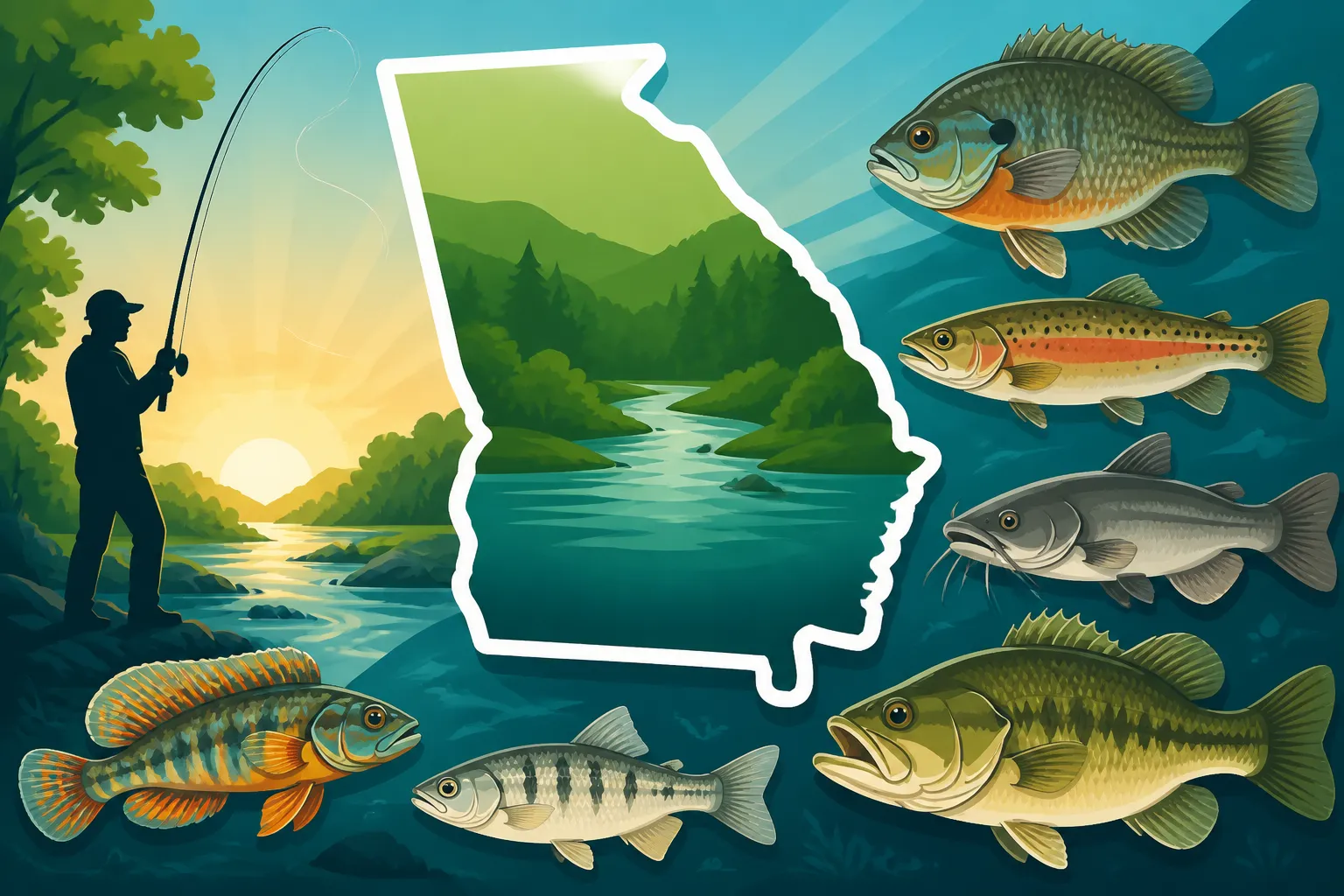
It's no secret that Georgia holds a special place in the hearts of anglers. We have legendary bass fishing, world-class trout streams, and a vibrant panfish population that provides endless fun for families. But beyond the popular game fish, there's a whole world of native species that contribute to the health and complexity of our aquatic environments. Think about the thrill of exploring a new stream and discovering a species you've never seen before, or appreciating the intricate web of life that allows your favorite bass or crappie to thrive. Our state's varied waterways, from the Chattahoochee River's cold headwaters to the Altamaha River's expansive basin, offer an unparalleled opportunity to encounter a wide spectrum of freshwater fish.
This diversity isn't just about different types of fish; it's about the unique ecosystems they inhabit. The crystal-clear mountain streams, with their rocky bottoms and swift currents, support different species than the murky, slow-moving rivers of the coastal plain, which might feature sandy bottoms and cypress knees. Learning about these different habitats helps us become better, more respectful anglers, encouraging us to seek out specific species in their natural environments. It transforms a simple fishing trip into an ecological adventure, where every cast is a chance to connect with Georgia's natural heritage.
Understanding "Native" vs. "Introduced" Species
When we talk about Georgia's 265 native freshwater fish species, it's crucial to understand what "native" truly means. A native species is one that evolved in Georgia's waters and has naturally occurred here for thousands of years, without human intervention. These are the fish that are perfectly adapted to our local climate, geology, and other native flora and fauna, playing an integral role in maintaining the natural balance of our ecosystems. They have a long-standing history within Georgia's ecological framework, representing generations of natural selection and adaptation.
On the other hand, "introduced" or "non-native" species are those that have been brought into Georgia from other regions, either intentionally (like many popular game fish for sport) or accidentally. While some introduced species, like rainbow trout or brown trout, have become beloved components of our sport fisheries, others can sometimes disrupt native ecosystems by outcompeting native fish for food, habitat, or even preying on them. Understanding this distinction helps us appreciate the true indigenous inhabitants and highlights the importance of responsible angling practices, like never moving fish between water bodies, to protect our native populations. For instance, while most anglers cherish the robust populations of rainbow and brown trout in our mountain streams, it's important to remember that these species aren't native to Georgia – our only native trout is the brook trout.
Decoding Georgia's Black Bass Family (Beyond the Largemouth!)
When most people think of bass fishing in Georgia, their minds immediately go to the largemouth. And for good reason – it's an incredible sport fish! But Georgia is actually home to several distinct species of black bass, each with its own unique characteristics, habitat preferences, and challenges for anglers. Recognizing these differences not only makes you a more knowledgeable angler but can also help you target specific species more effectively and understand the diverse ecosystems they inhabit across our state. It's like having a whole family of distinct personalities in one aquatic clan.
The Iconic Largemouth Bass
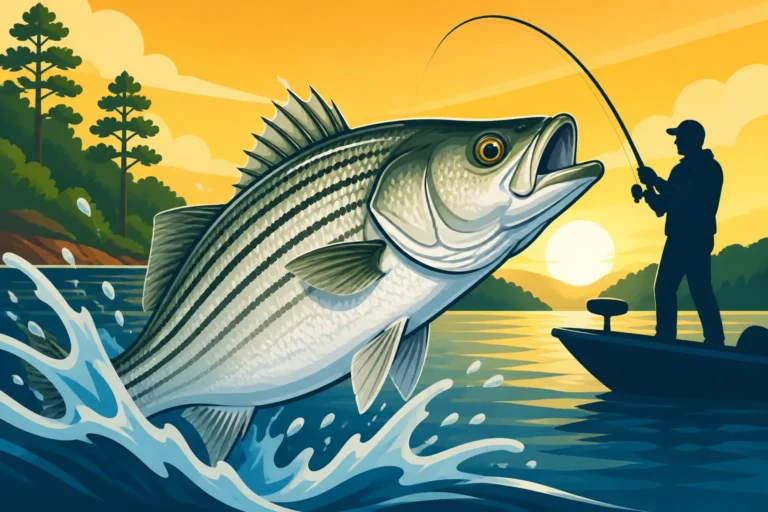
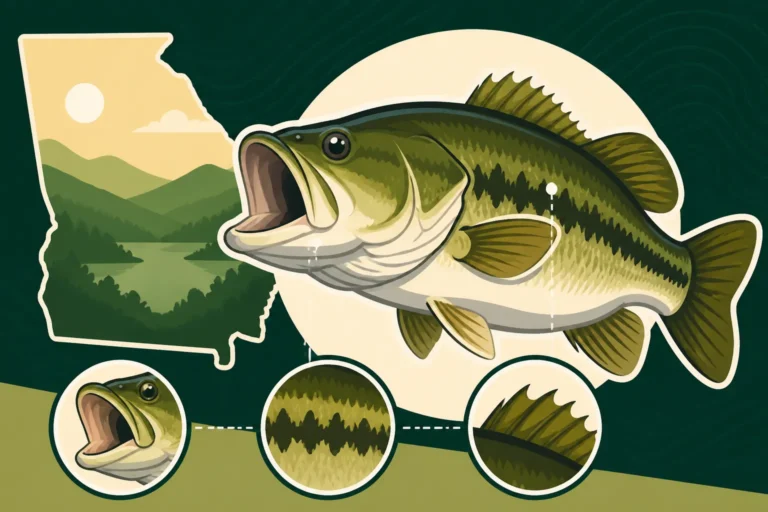
The largemouth bass is undeniably the king of Georgia's warmwater fishing scene. Known for its aggressive strikes and powerful fights, this species is found in nearly every lake, pond, and slow-moving river throughout the state. It's the fish that launched a thousand fishing dreams and is often the first "big" fish many young anglers catch. From the sprawling depths of Lake Lanier to the cypress-lined shores of Lake Seminole, the largemouth thrives in varied conditions, preferring areas with plenty of cover like submerged timber, aquatic vegetation, and docks. This adaptable nature is a big part of its widespread success and popularity.
Targeting largemouth bass often involves a variety of techniques, from throwing topwater lures over lily pads in the summer to flipping jigs into heavy cover during cooler months. Their diet is incredibly diverse, ranging from smaller fish and crawfish to frogs and even small birds or rodents that fall into the water. If you're looking for Largemouth Bass Fishing in Georgia: The Complete Species Guide, you'll find that understanding their seasonal patterns and preferred habitats is key to consistent success. Many anglers spend countless hours honing their skills, experimenting with different baits and approaches, hoping to land that trophy-sized bucketmouth that Georgia is famous for producing.
The Understated Spotted Bass
Often overshadowed by its larger cousin, the spotted bass (sometimes called a "spot") is a significant and increasingly popular game fish in many of Georgia's reservoirs and rivers, particularly in the northern and central parts of the state. While they don't typically grow as large as largemouths, spotted bass are known for their incredibly hard fighting ability, often pulling harder pound-for-pound than a largemouth of similar size. Their sleek, torpedo-shaped bodies and distinct rows of dark spots below the lateral line are key identification features. They also have a smaller mouth compared to the largemouth, where the jaw typically doesn't extend beyond the eye.
Spotted bass prefer clearer, deeper, and often rockier habitats than largemouths. They're frequently found offshore, around humps, points, and bluff walls, making them a favorite target for anglers who enjoy using electronics to find schooling fish. Lakes like Lanier and Allatoona are renowned for their robust spotted bass populations, offering fantastic fishing opportunities year-round. If you're interested in Spotted Bass Fishing in Georgia Lakes and Rivers, you'll learn that techniques like drop-shotting, jigging spoons, or throwing small crankbaits are often highly effective. Many anglers find their aggressive schooling behavior to be incredibly exciting, leading to multiple hook-ups once a school is located.
Georgia's Unique River-Dwelling Shoal Bass
Now, here's a true Georgia gem that often flies under the radar for those not familiar with our specific river systems: the shoal bass. This incredible fish is native to specific river systems in the Southeast, with Georgia being a primary stronghold, particularly the Flint River. Shoal bass are river specialists, thriving in swift current, around rocky shoals, and gravel bars – hence their name. They have a more streamlined body than largemouths or spots, allowing them to navigate powerful currents, and often display beautiful greenish-bronze coloration with vertical bars. Their fighting spirit in current is legendary, making them a highly sought-after species by dedicated river anglers.
Catching a shoal bass is a unique experience, often requiring different tactics than lake fishing. Wading, kayaking, or using a shallow-draft boat to access remote river sections is common. Lures that mimic small baitfish or crawfish, like spinnerbaits, crankbaits, or jigs, are excellent choices. They are incredibly sensitive to habitat quality, making their presence an indicator of a healthy river ecosystem. If you're ready to explore Shoal Bass: Georgia's River-Specialist Black Bass, be prepared for a thrilling adventure in some of Georgia's most scenic waterways. Conservation efforts are particularly important for shoal bass, as their specialized habitat can be vulnerable to environmental changes.
Georgia's Diverse Panfish and Bream Species
While the black bass often steal the spotlight, Georgia's panfish, affectionately known as "bream" by many locals, are the unsung heroes of our freshwater fisheries. These smaller, yet incredibly feisty, fish provide countless hours of enjoyment for anglers of all ages and skill levels. They are often the gateway species for new anglers, introducing children to the joy of fishing, and they provide a delicious meal for those who enjoy fresh catch. From backyard ponds to vast reservoirs, bream are everywhere, ready to offer a tug on your line.
The Ubiquitous Bluegill and Other Sunfish
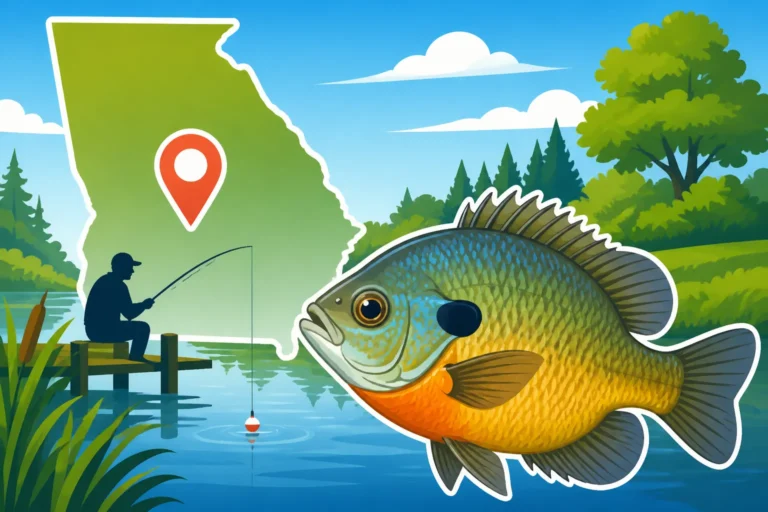
When you hear "bream" in Georgia, chances are someone is talking about the bluegill. This bright, colorful sunfish is perhaps the most common and beloved panfish in the state. Easily identifiable by the prominent black spot on its operculum (gill cover) and often a vibrant blue margin on the lower jaw and gill plate, the bluegill is an aggressive eater and a tenacious fighter on light tackle. They congregate around structure, often in large schools, making them a fantastic target for beginners and seasoned anglers alike. Worms, crickets, and small artificial lures are irresistible to them.
But bluegill are just one part of the larger sunfish family found in Georgia. We also have species like the redear sunfish (or shellcracker), known for its preference for snails and mussels, and its distinct red-orange ear flap. Other sunfish include the warmouth, green sunfish, and spotted sunfish, each with its own unique patterns and preferred habitats. Many of these species hybridize, creating even more variety! Teaching a child to fish for bluegill is a timeless tradition, and for great tips on how to introduce young anglers to the sport, check out Bluegill Fishing: A Beginner's Guide for Georgia Kids. These fish are not only fun to catch but also play a vital role in the food chain, serving as forage for larger game fish.
Crappie: Black and White Varieties
Crappie fishing is another beloved pastime in Georgia, especially during the cooler months when these delicious panfish school up in large numbers. Georgia is home to both black crappie and white crappie, and while they share many similarities, there are subtle differences in their appearance and habitat preferences. Both are excellent table fare and provide a thrilling challenge for anglers targeting them with jigs, minnows, or small crankbaits.
Black crappie tend to prefer clearer water with more vegetation and structure. They are identified by their irregular, scattered dark spots and usually have seven or eight dorsal fin spines. White crappie, on the other hand, often thrive in more turbid (cloudy) waters and are identifiable by their more distinct vertical bars and typically six dorsal fin spines. Both species are prolific breeders, and when you find a school, the action can be fast and furious! Crappie Fishing in Georgia: Black and White Crappie Guide delves deeper into identifying these two species and where to find them. Knowing the distinctions can help you adjust your presentation and target the specific crappie species that predominates in a particular body of water. Many crappie enthusiasts use specialized gear, like light-action rods and sensitive lines, to detect their subtle bites.
The Mighty Catfish of Georgia
For many anglers, especially those who enjoy a strong fight and a delicious meal, Georgia's catfish species hold a special allure. We're talking about more than just your backyard channel cat; Georgia is home to a diverse family of whiskered giants that roam our rivers and reservoirs. These fish are powerful, resilient, and often grow to impressive sizes, offering a unique angling experience that tests both tackle and patience. They are truly the unsung heavyweight champions of our freshwater systems, providing thrilling encounters, especially during night fishing excursions.
Channel Catfish: The Everyday Angler's Friend
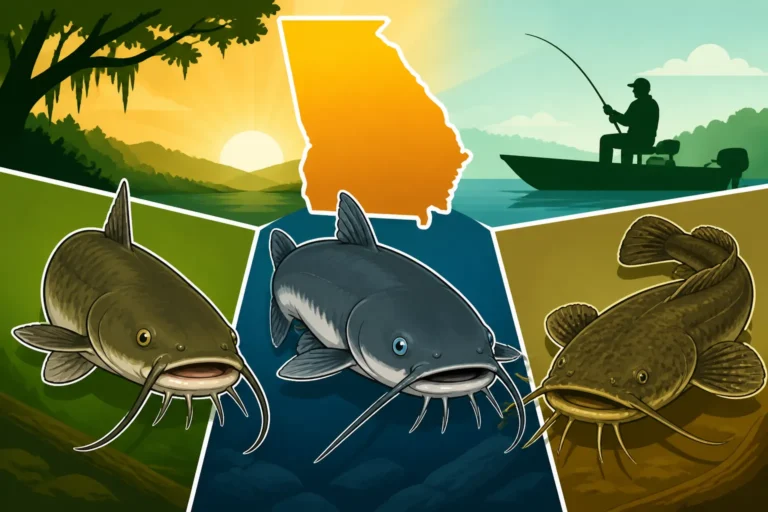
The channel catfish is perhaps the most widely recognized and frequently caught catfish species in Georgia. They are incredibly adaptable, found in everything from small farm ponds and creeks to large rivers and reservoirs across the state. Known for their distinct forked tail, spotted bodies (especially when younger), and tasty white flesh, channel cats are a staple for many anglers seeking a relaxing day on the water or a hearty meal. They're often quite abundant and can be caught using a wide variety of baits, making them very accessible.
Channel catfish are opportunistic feeders, meaning they'll eat almost anything. Common baits include worms, cut bait, stink bait, chicken livers, and even hot dogs! They prefer slow-moving water, often found near submerged structure, channel bends, or deeper holes. For those looking to learn more about targeting these widespread fish, Channel Catfish Guide for Georgia Anglers offers excellent advice on techniques and preferred habitats. Whether you're setting out a few rods on the bank or drifting cut bait from a boat, channel catfish consistently provide action and are a fantastic species for family fishing trips, often providing a memorable bend in the rod for younger anglers.
Blue Catfish: The Giants of Georgia's Rivers
If you're looking to tangle with a true freshwater monster, the blue catfish is your target. These magnificent fish are the largest catfish species in North America, and Georgia's major river systems and large reservoirs, such as the Altamaha and Savannah Rivers, are home to impressive populations that can reach immense sizes. Blue cats are identifiable by their prominent hump just behind the head, a deeply forked tail, and a uniform, unspotted, slate-blue to gray body coloration. They are built for power and can pull like a freight train once hooked.
Blue catfish are primarily consumers of other fish, often preying on shad and other baitfish, but they will also eat mussels, crawfish, and other aquatic organisms. They prefer large, deep river channels and open reservoir waters, often congregating in current breaks or deep holes. Targeting blue cats typically involves heavy tackle, strong lines, and large pieces of cut bait. For anglers dreaming of landing a truly massive fish, Blue Catfish Guide for Georgia Anglers provides valuable insights into their behavior and the best ways to target them. Many dedicated blue cat anglers rely on robust equipment, often purchased from reputable outdoor retailers like Amazon, to handle these powerful fish.
Flathead Catfish: Ambush Predators of the Depths
The flathead catfish offers a different kind of challenge and a unique personality compared to its channel and blue cousins. Unlike the omnivorous channel cat or the schooling blue cat, the flathead is a solitary, ambush predator with a distinct preference for live bait. They are easily recognized by their broad, flattened head, small eyes, and a square or slightly notched tail (not deeply forked). Their mottled brown and yellow coloration provides excellent camouflage in the woody cover they prefer.
Flatheads are typically found in large rivers and reservoirs, lurking in deep holes, around fallen trees, log jams, and other heavy cover where they can ambush unsuspecting prey. They almost exclusively feed on live fish, making bream, shad, or other small live bait their preferred meal. Catching a flathead requires patience, strong tackle, and a willingness to fish in snaggy areas. If you're intrigued by these reclusive giants, Flathead Catfish Guide for Georgia Anglers will help you understand their elusive nature and the specialized techniques required to hook into one. Due to their predatory nature, flatheads can sometimes impact native fish populations, so responsible angling and adherence to regulations are important.
Exploring Georgia's Trout and Coldwater Fish
While much of Georgia is known for its warmwater fisheries, the cooler, pristine waters of North Georgia's Appalachian Mountains provide a completely different angling experience: trout fishing. These cold, oxygen-rich streams and rivers are a haven for trout, offering breathtaking scenery and a challenging pursuit for fly anglers and spin fishermen alike. The story of trout in Georgia is a fascinating blend of native heritage and successful introduction.
Georgia's Native Brook Trout
The brook trout holds a special place in the heart of many Georgia anglers as our only native trout species. These beautiful fish, often described as jewels of the stream, boast a vibrant coloration of olive green backs with distinctive worm-like markings, red spots surrounded by blue halos along their sides, and white leading edges on their lower fins. They are perfectly adapted to the icy, crystal-clear headwater streams and secluded coves of the highest elevations in the North Georgia mountains. Finding a native brook trout often means venturing deep into the wilderness, away from paved roads and popular access points.
Catching a native brook trout is less about size (they rarely grow very large in Georgia) and more about the experience – the pristine environment, the challenge of stealthy approaches, and the satisfaction of connecting with a truly wild, indigenous fish. They are extremely sensitive to water quality and temperature, serving as important indicators of environmental health. For a deeper appreciation of these precious fish and where to find them, explore Brook Trout: Georgia's Only Native Trout Species. Anglers often use ultra-light spinning gear or delicate fly fishing setups with small dry flies or nymphs to tempt these wary residents of our mountain streams.
The Beloved Rainbow and Brown Trout (and Why They're Here)
While brook trout are native, the majority of trout fishing opportunities in Georgia revolve around two introduced species: rainbow trout and brown trout. These species were introduced to supplement our trout fisheries due to their robust nature, faster growth rates, and ability to thrive in a wider range of coldwater environments than the delicate brook trout. Today, they are mainstays of Georgia's vibrant trout stocking program and have established wild, reproducing populations in many suitable streams.
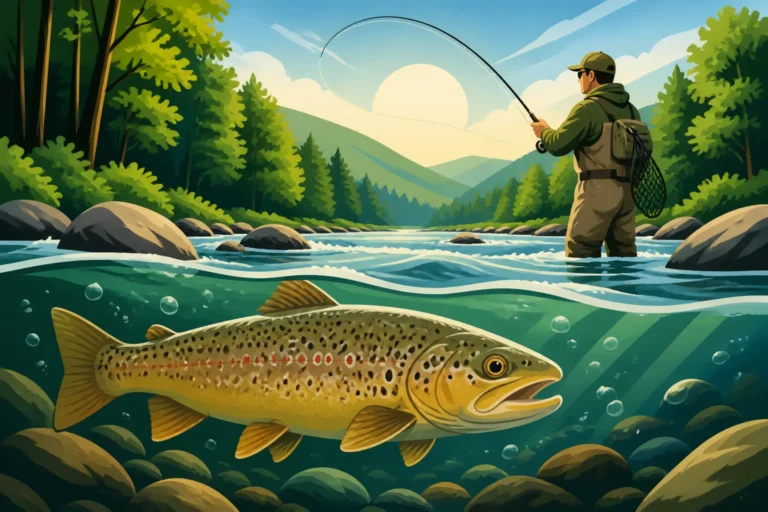
Rainbow trout are famous for their iridescent "rainbow" band along their sides, making them visually striking. They are known for their acrobatic jumps and strong runs when hooked, providing an exciting fight. Brown trout, originating from Europe, are more elusive and often grow to larger sizes, recognized by their golden-brown bodies adorned with dark spots, some with red halos. They are notoriously wary and cunning, making them a prized catch for experienced anglers. Both species thrive in the cooler sections of rivers like the Chattahoochee and Toccoa, as well as numerous stocked and wild mountain streams. If you're looking to try your hand at catching these popular fish, Rainbow Trout Fishing in North Georgia's Mountain Streams provides excellent guidance. Many anglers find high-quality fly fishing gear or sensitive spinning setups, often available through online retailers like Amazon, essential for success in these clear waters.
Lesser-Known but Equally Important Native Species
While the game fish often get all the glory, Georgia's freshwater ecosystems are rich with hundreds of other native species that play absolutely crucial roles in maintaining ecological balance. These unsung heroes, though perhaps not targets for most sport anglers, are vital components of the food web and indicators of environmental health. Understanding these lesser-known fish broadens our perspective on the immense biodiversity within our state.
Suckers, Darters, and Minnows: The Unsung Heroes
Imagine a freshwater system without its smaller inhabitants – it would be a barren place indeed! Georgia is home to a vast array of minnows, suckers, and darters, each perfectly adapted to its niche. Minnows, like the shiners and dace, are small, schooling fish that form the base of the food chain for many larger predatory fish, including bass and trout. They are the constant motion in clear water, providing essential forage. Learning to identify the various minnow species can even help you predict what larger fish might be eating in a particular area.
Suckers, with their distinctive downward-pointing mouths, are bottom-feeders that play a vital role in cleaning up stream beds, consuming detritus, algae, and small invertebrates. Species like the white sucker or the robust redhorse are surprisingly powerful fish that can grow quite large. Darters are perhaps the most fascinating of these smaller fish. These tiny, bottom-dwelling fish are often brilliantly colored, resembling miniature tropical fish, and get their name from their characteristic darting movements between rocks. They are specialized insect-eaters and often indicators of excellent water quality. While you might not specifically fish for them, observing these species, perhaps through polarized sunglasses (available on Amazon), adds another layer of appreciation to your time on the water, highlighting the intricate details of Georgia's aquatic life.
Protecting Georgia's Rare and Endangered Fish
The sheer number of native fish species in Georgia also means that some are quite rare, vulnerable, or even endangered. These species, often with highly specialized habitat requirements or limited ranges, face threats from habitat loss, pollution, introduced species, and climate change. Protecting these rare fish is a critical part of maintaining the overall health and biodiversity of our state's aquatic ecosystems. Every species, no matter how small or seemingly insignificant, plays a role in the intricate web of life.
Efforts to protect these vulnerable species often involve habitat restoration, strict environmental regulations, and ongoing monitoring by wildlife biologists. As anglers, we can play a part by being mindful of our impact on the environment, properly disposing of trash, avoiding the unauthorized transfer of fish, and supporting conservation organizations. Understanding the Georgia Fishing Regulations Explained helps ensure we are not inadvertently harming vulnerable populations. Sometimes, even non-game fish have special protections or specific rules regarding their collection or disturbance. Respecting these rules is paramount to ensuring that all of Georgia's native fish species thrive for generations to come.
Conservation Efforts and Responsible Angling
The incredible diversity of Georgia's native freshwater fish species is a testament to the health and richness of our aquatic environments. However, this richness isn't guaranteed; it requires ongoing effort and responsible practices from all of us who enjoy our waterways. Conservation isn't just a buzzword; it's an active commitment that ensures future generations can experience the same joy and wonder that we do when fishing in Georgia.
The Role of Georgia's Wildlife Resources Division
The Georgia Department of Natural Resources (DNR) Wildlife Resources Division (WRD) plays a monumental role in managing and conserving our state's fish populations. Their work encompasses everything from habitat restoration projects to scientific research, fish stocking programs, and the enforcement of fishing regulations. They employ biologists, researchers, and law enforcement officers who work tirelessly to ensure sustainable fisheries and protect native species. This division is often behind the strategic stocking of trout in our mountain streams, the monitoring of bass populations in our major reservoirs, and the research into lesser-known species to ensure their survival.
Through surveys and ongoing studies, the WRD gathers vital data on fish populations, water quality, and habitat conditions. This information then informs management decisions, such as setting creel limits and size restrictions, or identifying areas in need of special protection. Supporting these efforts, whether through purchasing fishing licenses (which directly fund conservation) or volunteering for clean-up initiatives, directly contributes to the long-term health of our fisheries. Their dedication ensures that Georgia's waters remain vibrant and healthy for all species, from the smallest minnow to the largest blue catfish.
How Anglers Can Contribute to Conservation
As anglers, we are on the front lines of conservation. Our actions, both big and small, have a direct impact on the health of Georgia's native fish species and their habitats. One of the most fundamental contributions is simply following all fishing regulations, including size and creel limits, and understanding specific rules for different species and water bodies. These rules are in place for a reason – to maintain healthy fish populations and prevent overharvesting.
Beyond regulations, practicing catch and release, especially for larger breeding fish or native species like brook trout, is a powerful conservation tool. Learning proper How to Catch and Release Trout Properly techniques ensures that fish survive to spawn another day. Preventing the spread of invasive species by cleaning your boat and gear thoroughly between water bodies is also critical. Finally, advocating for clean water, reporting pollution, and engaging in local conservation efforts like stream clean-ups or habitat restoration projects make a tangible difference. Every time you buy a fishing license, you're directly investing in the future of Georgia fishing, helping fund the programs that protect these incredible native species.
Georgia's Native Freshwater Fish Diversity Snapshot
Here's a quick look at some key characteristics of Georgia's native freshwater fish species:
| Fish Group | Key Characteristics | Common Examples | Role in Ecosystem | Angler Focus |
|---|---|---|---|---|
| Black Bass | Diverse, predatory, sport fish. | Largemouth, Spotted, Shoal Bass | Apex predators, population control. | Sport fishing, various techniques. |
| Sunfish/Bream | Smaller, colorful, feisty, popular for beginners. | Bluegill, Redear, Warmouth | Forage for larger fish, insect control. | Panfishing, family fishing, bait. |
| Catfish | Whiskered, bottom-dwelling, powerful fighters. | Channel, Blue, Flathead Catfish | Scavengers (Channel), large predators (Blue/Flathead). | Food fish, trophy hunting. |
| Native Trout | Coldwater, sensitive, indicator species. | Brook Trout | Predator of insects, part of delicate ecosystems. | Fly fishing, wilderness experience. |
| Minnows/Shiners | Small, schooling, silvery, abundant. | Golden Shiner, Creek Chub | Primary forage for almost all predators. | Bait fish, ecological balance. |
| Suckers | Bottom-feeders, downward-facing mouths. | White Sucker, Robust Redhorse | Detritus and algae consumption, stream cleaners. | Occasional by-catch, bait. |
| Darters | Tiny, colorful, bottom-dwelling, "darting" movement. | Greenbreast Darter, Fantail Darter | Specialized insectivores, indicator species. | Ecological study, observation. |
This table represents just a fraction of the incredible diversity that defines Georgia's native freshwater fish. Each species, whether a popular game fish or a tiny darter, plays a vital role in the intricate balance of our aquatic world.
Disclaimer
This article is for general informational purposes only and does not constitute professional advice. Laws, prices and regulations vary by location and change over time. Consult a qualified professional for guidance on your specific situation.