Spotted Bass Fishing in Georgia Lakes and Rivers
For many anglers across Georgia, the elusive spotted bass often plays hide-and-seek, frequently mistaken for its larger cousin, the largemouth. It can be incredibly frustrating to think you've landed a lunker only to realize it's a "spot" – but these feisty fish offer an incredible challenge and reward all their own. This comprehensive guide is here to unravel the mysteries of spotted bass fishing, helping you identify them, find their preferred haunts, and master the techniques needed to consistently put them in your livewell or on your hook.
Understanding Georgia's Spotted Bass
Before we even cast a line, it's crucial to really understand the fish we're after. Spotted bass, often affectionately called "spots" by Georgia anglers, are a fascinating species that have carved out a unique niche in many of our state's waterways. They're not just a smaller version of a largemouth; they have their own distinct behaviors, preferences, and challenges. Getting to know them on a deeper level will dramatically improve your chances of success.
What Makes a Spotted Bass Unique?
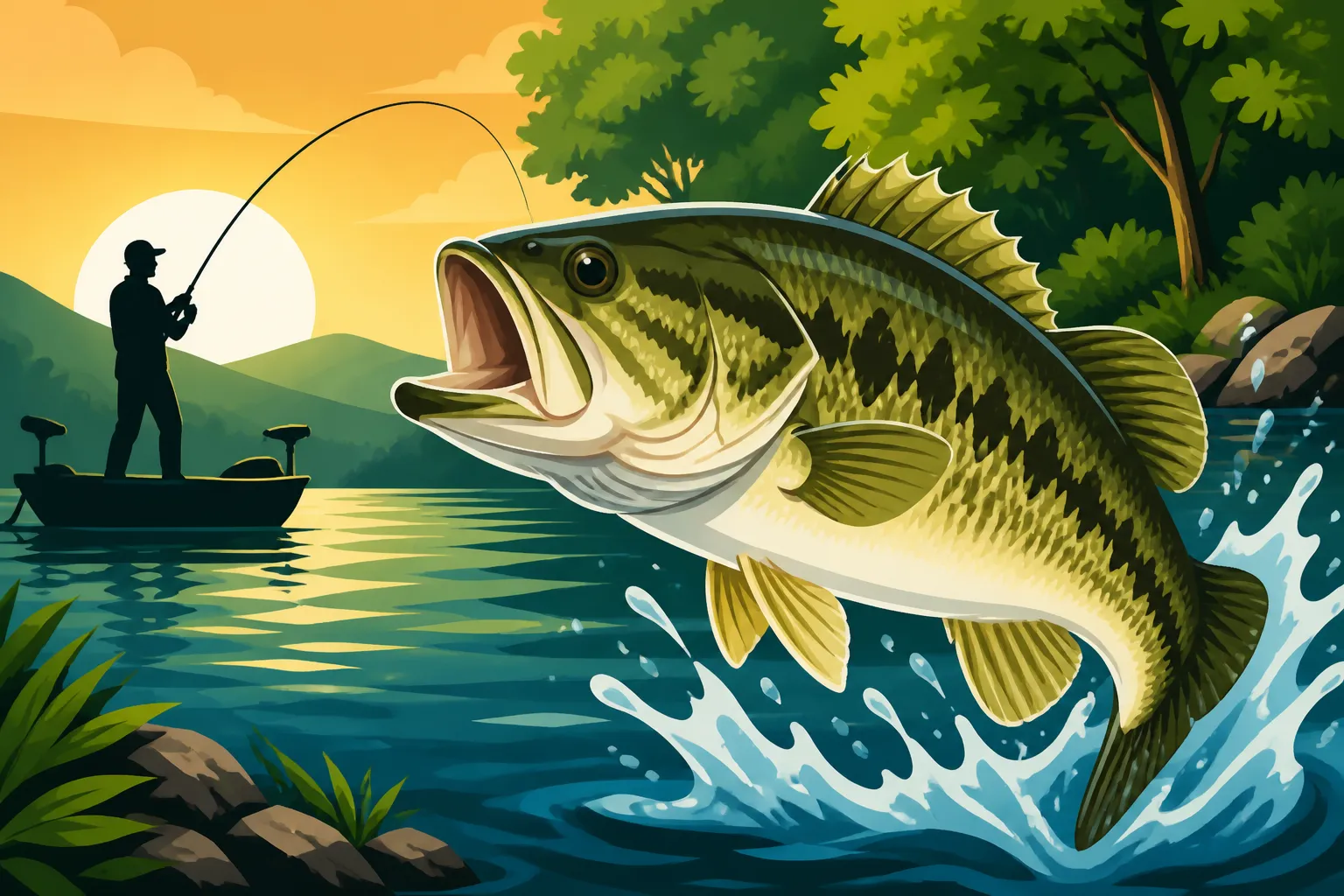
At first glance, a spotted bass can look remarkably similar to a largemouth, and that's precisely why so many anglers struggle with identification. However, there are a few key features that, once you know them, make spotting a spot much easier. The most tell-tale sign is often a patch of small, rough scales on the tongue, which you won't find on a largemouth. You'll also notice a more slender body shape and a smaller mouth that typically doesn't extend beyond the rear of the eye, unlike the largemouth's cavernous maw.
Beyond these physical characteristics, their behavior sets them apart. Spotted bass are often found in deeper, clearer, and rockier waters than largemouths. They love current and thrive in environments with abundant baitfish like blueback herring or threadfin shad. Their aggressive feeding habits, especially when schooling, can lead to exhilarating fishing action. They fight hard, often diving deep and shaking their heads violently, making them a thrilling catch on appropriate tackle. Understanding these nuances is the first step in successful Spotted Bass Fishing in Georgia Lakes and Rivers.
Native Waters vs. Introduced Populations
While largemouth bass are largely ubiquitous across Georgia, the story of the spotted bass is a bit more nuanced. There are actually a few different subspecies of spotted bass, and their distribution is quite interesting. In Georgia, we primarily encounter the Alabama spotted bass (Micropterus coosae) and the Kentucky spotted bass (Micropterus punctulatus). The Alabama spotted bass is native to river systems in the Coosa River basin, extending into northwestern Georgia. These fish have always been a part of the natural ecosystem there, thriving in the current and rocky habitats of those rivers and their associated reservoirs.
However, many of the prolific spotted bass fisheries we enjoy today, particularly in popular reservoirs like Lake Lanier and Lake Allatoona, are largely due to introduced populations, mostly of the Kentucky spotted bass. These fish were stocked to provide additional sportfishing opportunities, and they've adapted incredibly well, sometimes even outcompeting native species in certain areas. This success in introduced waters is a testament to their adaptability and aggressive nature, but it also means their behavior can vary slightly depending on whether they are in a native river system or a stocked impoundment. For more on distinguishing these species, check out Bass Species Compared: Largemouth vs Spotted vs Shoal in Georgia.
Spotted Bass vs. Largemouth and Shoal Bass
Distinguishing between Georgia's various black bass species can feel like trying to solve a riddle on the water, especially when the adrenaline is pumping. The key is to look for a combination of traits rather than relying on just one. As mentioned, the tongue patch is a big one for spots. Their lateral line also tends to be more defined with distinct spots or blotches below it, which gives them their name.
Shoal bass, another native Georgia species primarily found in moving water like the Flint River, also have a distinct appearance. They're typically even more streamlined, often with a bronze or gold hue, and their dorsal fins are usually connected with a less pronounced dip than a largemouth. Their mouths are also smaller than a largemouth's, similar to a spot. It's truly a game of subtle differences, but mastering them allows you to appreciate each catch for what it truly is. Knowing these differences helps ensure you're adhering to any specific regulations for each species, which can sometimes vary by water body. Here's a quick comparison:
| Feature | Largemouth Bass | Spotted Bass | Shoal Bass |
|---|---|---|---|
| Upper Jaw | Extends beyond the back of the eye | Does not extend beyond the back of the eye | Does not extend beyond the back of the eye |
| Dorsal Fins | Deep notch separating spiny and soft sections | Less pronounced notch, nearly connected | Less pronounced notch, nearly connected |
| Tongue Patch | Smooth | Rough patch of teeth/scales | Smooth |
| Body Shape | Robust, chunky | More slender, football-shaped | Streamlined, cigar-shaped |
| Lateral Line | Dark, broken stripe | More distinct spots below the lateral line | Prominent dark vertical bars/blotches |
| Habitat Pref. | Weeds, stumps, shallow cover | Rocky points, humps, ledges, current, clear water | Moderate to fast-flowing rocky rivers/shoals |
| Typical Size | Can grow very large | Generally smaller than largemouth, larger than shoal | Similar to spotted bass, sometimes smaller |
You might also find it helpful to review Largemouth Bass vs Spotted Bass: How to Tell Them Apart in Georgia for more detailed visual cues.
Prime Spotted Bass Fishing Locations in Georgia
Georgia is truly blessed with an abundance of fishing opportunities, and for spotted bass enthusiasts, there are some truly exceptional places to explore. Knowing where to go is just as important as knowing how to fish. These fish have distinct preferences for habitat, and once you understand those, you can narrow down your search considerably, saving you time and increasing your chances of a successful outing.
Top Lakes for Spotted Bass
When it comes to lakes, spotted bass really thrive in deep, clear, impoundments with rocky structures and good populations of open-water baitfish. These aren't your typical shallow-water largemouth haunts, though you'll find spots shallower during certain seasons. Lake Lanier, north of Atlanta, is arguably Georgia's most famous spotted bass fishery. It's renowned for its incredible populations and the potential for true trophy-sized spots. The sheer volume of deep points, humps, and standing timber make it a perfect home for them.
Lake Allatoona, in northwest Georgia, is another fantastic option, offering similar rocky, clear-water habitat and an excellent spotted bass bite. Further north, lakes like Burton and Rabun in the mountain region provide crystal-clear, cold water that spotted bass absolutely adore, often mixing with trout in these higher-elevation impoundments. Lake Hartwell, on the Georgia-South Carolina border, also boasts a robust spotted bass population, especially in its deeper, rockier sections. Many anglers find these lakes challenging but incredibly rewarding for their strong fighting fish. Dive deeper into specific lake details with Best Bass Fishing Lakes in Georgia.
Rivers and Smaller Waterways
While lakes might get all the glory, don't overlook Georgia's rivers and smaller waterways for spotted bass. The Coosa River system in northwest Georgia, including its tributaries, is where the Alabama spotted bass is native. These riverine spots are often streamlined and powerfully built, perfectly adapted to fighting the current. Look for them in areas with good current breaks, around rocky shoals, eddies behind structure, and deep pools that offer refuge.
Even some of the larger rivers that flow through different regions of the state can hold spotted bass, particularly where there's clear water and rocky bottoms. The key in rivers is to understand current and how fish use it to ambush prey or conserve energy. Smallmouth bass, a cousin to the spotted bass, often inhabit similar riverine environments in other states, so if you've ever fished for smallmouth, you'll find many of the same principles apply. Access points might be more limited in rivers compared to lakes, but the quality of the fish can be exceptional. Explore more about river fishing in Best Rivers for Fishing in Georgia.
Habitat Preferences: Where to Find Them
Spotted bass are creatures of structure and depth, especially in clear-water reservoirs. They gravitate towards areas with hard bottoms – think rock piles, ledges, points that drop off sharply into deep water, and deep humps that rise off the main lake bed. Standing timber, especially if it's in deeper water or on a channel swing, is another prime hangout. They often suspend over deep water, particularly when chasing schools of baitfish like threadfin shad or blueback herring.
Current is also a major factor. Whether it's subtle water movement from a power generation schedule on a reservoir or the constant flow of a river, spotted bass use current to their advantage, positioning themselves to ambush unsuspecting prey. Look for current breaks, eddies, or the "sweet spot" on the downstream side of a point or hump where the current washes food by. Because they prefer clearer water, you'll often find them deeper during the day, moving shallower at dawn, dusk, or on cloudy days to feed. Understanding these habitat preferences is crucial for effective targeting, as they're rarely just cruising the shallow weed lines like many largemouth do.
Essential Techniques for Catching Spotted Bass
Once you've zeroed in on the right locations, it's time to talk tactics. Spotted bass, with their preference for deeper, clearer water and their sometimes finicky nature, often require different approaches than their largemouth cousins. They're not always looking for a big, flashy meal; sometimes, a subtle presentation is key. Mastering these techniques will undoubtedly fill your net with more "spots."
Deep Water Presentations
Since spotted bass often hold in deeper water, mastering deep-water presentations is non-negotiable. One of the most effective techniques is the drop shot. This involves tying a hook directly to your main line with a tag end left below to which you attach a weight. This allows your bait, usually a small soft plastic, to suspend naturally at a specific depth, enticing even hesitant bass. It's incredibly sensitive and allows you to feel the most subtle bites.
Jig fishing is another tried-and-true method. Football jigs, often paired with a crawfish-imitating trailer, are excellent for dragging across rocky bottoms and ledges where spots feed. Shaky head jigs, with their lighter weight and exposed hook, are perfect for coaxing bites from fish nestled in brush piles or rocks. Metal spoons, vertically jigged over schooling fish or dropped to the bottom, can also be deadly. The key with all these is patience and meticulous bottom contact. You'll often find these kinds of specialized lures and weights readily available on Amazon, making it easy to experiment with different setups.
Covering Water Effectively
While finesse tactics shine in deep water, you'll also need strategies to cover water quickly and locate active schools of spotted bass, especially when they're spread out. Crankbaits are excellent for this, particularly those designed to dive to specific depths. Medium-diving crankbaits that mimic shad are fantastic for hitting those rocky points and humps. Spinnerbaits, with their flash and vibration, can also draw reaction strikes, especially on windy or cloudy days when fish might be more active.
Swimbaits, both soft and hard-bodied, are incredibly versatile. They imitate baitfish beautifully and can be fished at various depths. Rigged on a jig head, a soft swimbait can be counted down to the desired depth and retrieved steadily, often eliciting vicious strikes. The goal with these techniques is to find those active fish that are willing to chase. Don't be afraid to experiment with retrieve speeds and pauses until you find what triggers a bite on a given day. Sometimes, a faster retrieve is exactly what these aggressive fish are looking for.
Light Tackle and Finesse Tactics
Spotted bass often have a reputation for being finicky, especially in clear, highly pressured waters. This is where light tackle and finesse tactics truly shine. Using lighter line (fluorocarbon is a favorite for its invisibility and sensitivity) and smaller baits can make all the difference. Small jigs, like a 1/8 to 1/4 ounce mushroom head jig paired with a finesse worm (often called a "Ned Rig"), can be incredibly effective when fished slowly along the bottom. The subtle action of these baits is often irresistible to spotted bass that are reluctant to chase larger offerings.
Another great finesse option is a small shaky head with a straight-tail worm. Work it slowly, letting it sit, twitching it gently, and then moving it a few feet. It's a game of patience and observation, but when you hit it right, you'll often be rewarded with solid hookups. Many anglers also find that smaller, more realistic soft plastic jerkbaits or grubs rigged on a light jig head can mimic dying baitfish perfectly, triggering bites from suspended spots. These techniques require a delicate touch but consistently produce when other methods fail.
Best Baits and Lures for Spotted Bass
Choosing the right bait or lure for spotted bass isn't always about the biggest or flashiest option. Often, it's about matching the forage in the lake and presenting something natural and enticing. Spotted bass feed heavily on baitfish like shad and herring, so many of your lure choices should mimic these schools. However, they're also opportunistic feeders, and will key in on crawfish and other invertebrates.
Soft Plastics and Jigs
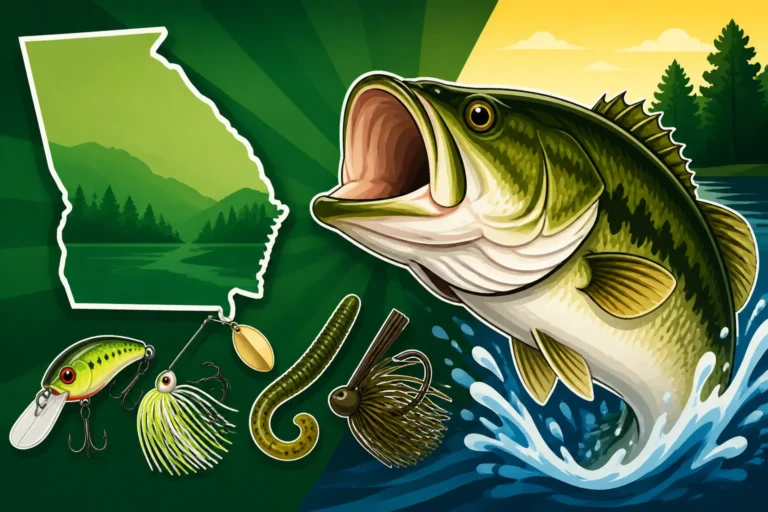
Soft plastics are an absolute cornerstone of spotted bass fishing. Finesse worms, often in natural colors like green pumpkin, watermelon, or shades of brown, are incredibly versatile. Rigged on a shaky head, a drop shot, or even a Carolina rig, they can be fished slowly and effectively in deep water. Small paddle-tail swimbaits, especially those mimicking threadfin shad or blueback herring, are fantastic when rigged on a lead head jig. These are perfect for throwing into schooling fish or retrieving steadily over points.
Jigs, particularly football jigs or arkie-style jigs, are excellent for bottom contact. Again, natural colors tend to work best, but don't shy away from black and blue in stained water or for a crawfish imitation. Pair them with a small plastic crawfish or grub trailer for added action and bulk. The subtle thump and puff of a jig hitting the bottom can trigger a reaction strike from a spotted bass that's otherwise uninterested. You'll find a massive selection of these plastics and jigs, in every color and size imaginable, on Amazon.
Hard Baits and Reaction Lures
When spotted bass are actively feeding or schooling, hard baits and reaction lures can be incredibly effective for covering water and triggering aggressive strikes. Crankbaits are key here. Look for medium to deep-diving models that can reach the depths where spotted bass are holding. Shad or crawfish patterns are always good starting points. Fast retrieve speeds with occasional pauses can often draw a strike.
Jerkbaits are another fantastic option, especially in clear water. Their erratic, darting action perfectly mimics a struggling baitfish, and the long pauses you can incorporate often seal the deal. Topwater lures, while not always associated with deep-dwelling spots, can be absolutely explosive during low-light conditions (dawn and dusk) or when schools of baitfish are pushed to the surface. Walking baits, poppers, or even small prop baits can trigger heart-stopping surface strikes. Just make sure you have the right gear; Best Lures for Georgia Largemouth Bass also offers great crossover advice for hard baits suitable for spots.
Live Bait and Its Effectiveness
While many serious bass anglers prefer artificial lures, there's no denying the effectiveness of live bait, especially for spotted bass. Live bait often shines when the bite is tough, or when you're trying to tempt larger, more finicky fish. Blueback herring, shiners, or even small gizzard shad are prime choices, as they are a natural food source for spotted bass in many reservoirs.
These baits can be fished on a variety of rigs. A simple Carolina rig with a long leader can present the bait naturally near the bottom. A free-lined bait, especially in areas with schooling fish, can be incredibly exciting as you watch a big spot engulf it. Suspending a live bait under a float can also be effective when fish are holding at a specific depth. Just be sure to check local regulations regarding the use and transport of live bait, as rules can vary. While live bait requires a bit more effort in terms of acquisition and upkeep, the results can be well worth it, particularly when targeting trophy-sized spotted bass.
Seasonal Strategies for Spotted Bass Success
Like all fish, spotted bass behavior changes dramatically with the seasons. Water temperature, baitfish movements, and spawning cycles all dictate where these fish will be and how they'll respond to your offerings. Adapting your approach throughout the year is crucial for consistent success. Forget a one-size-fits-all strategy; the smart angler understands the seasonal ebb and flow. For more general advice on seasonal changes, refer to How Water Temperature Affects Fish Behavior.
Spring: Pre-spawn and Spawn
Spring is a time of transition and excitement for spotted bass anglers. As water temperatures begin to rise into the upper 50s and low 60s, spotted bass move from their deeper winter haunts towards shallower staging areas. During the pre-spawn, they'll be actively feeding, gorging themselves in preparation for the spawn. Look for them on points, humps, and secondary creek channels leading into spawning coves. This is a great time for crankbaits, jerkbaits, and jigs as they chase baitfish.
Once water temperatures hit the mid-60s, the spawn begins. Unlike largemouths, spotted bass often spawn deeper, sometimes on rocky banks or gravelly bottoms in 5-20 feet of water. While sight fishing for bedding bass isn't as common as with largemouths, you can still target them by fishing jigs, shaky heads, or small worms slowly through suspected spawning areas. Remember, fish on beds can be very aggressive in defending their nests, making for exciting strikes. For specific timing on popular lakes, check out Best Time of Year to Catch Bass at Lake Lanier, Georgia.
Summer: Deep Water Dominance
As summer heat arrives and water temperatures soar, spotted bass typically retreat to deeper, cooler waters, often suspending over main lake humps, points, and channel swings. The thermocline, a layer in the water column where the temperature changes rapidly, becomes a key factor. Spotted bass will often be found just above or within the thermocline, where oxygen levels are good and baitfish congregate. This is when your electronics become invaluable for finding schools of fish and bait.
Deep jigging spoons, drop shots, and heavy shaky heads are incredibly effective during the summer. Focus on those deep-water structures. Early mornings and late evenings can offer brief windows when spots move shallower to feed on the surface, making topwater action possible. Night fishing can also be highly productive, as spots feel more secure moving up the water column under the cover of darkness. This season demands precision and patience, but the rewards can be massive schools of actively feeding fish.
Fall and Winter: Transition and Cooler Waters
Fall is a fantastic time for spotted bass fishing as water temperatures begin to cool, and the fish become incredibly aggressive, chasing baitfish schools as they move into creeks and coves. This "fall turnover" can lead to some of the most exciting fishing of the year. Spotted bass will often push baitfish to the surface, creating frenzies where you can throw topwater lures or fast-moving reaction baits. Crankbaits, spinnerbaits, and swimbaits become highly effective again as fish gorge themselves in preparation for winter.
During winter, spotted bass will generally move back to deep, main lake structures, similar to their summer patterns, but often even deeper and more lethargic. Slower presentations are key. Vertical jigging spoons, slow-rolled umbrella rigs (where legal), and subtle drop shots or shaky heads fished meticulously on deep humps and ledges are your best bets. The bite might be subtle, but winter can produce some of the largest spotted bass as they conserve energy and feed opportunistically on larger prey. Patience and proper boat positioning are paramount in the colder months.
Gear Recommendations for Spotted Bass Anglers
Having the right gear makes a world of difference when targeting spotted bass. These fish are known for their strong fights and sometimes subtle bites, so having sensitive rods, smooth reels, and reliable line is essential. You don't need to break the bank, but investing in quality tackle tailored to spotted bass fishing will undoubtedly improve your experience and success rate.
Rods, Reels, and Line
For spotted bass, sensitivity is often paramount. Many anglers prefer spinning setups for finesse techniques like drop shots, shaky heads, and Ned rigs. A 6'6" to 7' medium-light to medium power spinning rod with a fast action tip is ideal for detecting subtle bites and making accurate casts with lighter lures. Pair this with a 2500 or 3000 series spinning reel that has a smooth drag system.
For moving baits like crankbaits or spinnerbaits, a baitcasting setup with a 6'8" to 7'2" medium-heavy power rod and a moderate-fast action can be excellent. This combination provides the backbone to handle larger baits and fight strong fish, while the moderate action helps with casting distance and keeping fish pinned. As for line, 8-12 lb fluorocarbon is a popular choice for its low visibility, sensitivity, and abrasion resistance, especially around rocky structures. Braided line with a fluorocarbon leader is also a versatile setup for spinning gear, offering extreme sensitivity and strength. You can find a vast array of Best Rods and Reels for Georgia Largemouth Bass that also work perfectly for spotted bass. Many of these options, from budget-friendly to high-end, are available on Amazon.
Electronics and Boat Setup
If you're serious about spotted bass fishing, especially in deeper reservoirs, quality electronics are a game-changer. A good fish finder with down imaging and side imaging capabilities will help you locate those deep humps, ledges, and schools of baitfish that spotted bass are so fond of. GPS mapping is also crucial for navigating large lakes and marking productive spots to return to later. Modern units can even overlay contour maps with satellite imagery, giving you an unparalleled view of the underwater world.
A reliable trolling motor, preferably one with GPS anchoring capabilities, is almost a necessity. This allows you to precisely position your boat over structure or hold steady on a windy point, freeing you up to focus on fishing. Deep-cycle marine batteries are essential to power your electronics and trolling motor for a full day on the water. Proper boat setup, including well-organized tackle storage, livewells, and safety gear, ensures you're ready for anything the lake throws at you.
Essential Accessories
Beyond rods, reels, and electronics, a few essential accessories can make your spotted bass fishing trips much more enjoyable and productive. A good landing net is critical for safely landing strong spotted bass, especially when using lighter line or fighting a trophy-sized fish. Long-nosed pliers or a dehooking tool are invaluable for removing hooks quickly and safely, minimizing harm to the fish.
A measuring board or bump board is necessary if you plan to keep fish or participate in tournaments with length limits. A tackle management system, whether it's a dedicated tackle bag or a series of waterproof utility boxes, helps keep your vast array of soft plastics, jigs, and hard baits organized and easily accessible. Don't forget sun protection – hats, sunglasses, and sunscreen – as you'll likely be spending a lot of time on open, sunny water. Many anglers assemble their essential accessory kits using convenient online options from Amazon, ensuring they have everything they need before hitting the water.
Disclaimer
This article is for general informational purposes only and does not constitute professional advice. Laws, prices and regulations vary by location and change over time. Consult a qualified professional for guidance on your specific situation.