Best Throwable Flotation Device for Georgia Boats
Picture this: you're out on Lake Lanier, enjoying a beautiful Georgia day, when suddenly someone slips, or a rogue wave knocks a child overboard. In those heart-stopping moments, a throwable flotation device isn't just a piece of gear; it's a lifeline. This comprehensive guide will walk you through everything you need to know about choosing, understanding, and maintaining the best throwable flotation device for your Georgia boating adventures, ensuring you're not just compliant with the law, but truly prepared for anything.
Why a Throwable Flotation Device Isn't Just a "Good Idea" – It's the Law!
When you're enjoying Georgia's abundant waterways, whether it's the vast expanse of Lake Sinclair or the winding currents of the Chattahoochee River, safety should always be your top priority. While personal flotation devices (PFDs), commonly known as life jackets, are essential for everyone on board, a throwable flotation device serves a critical, legally mandated role. This isn't just a recommendation from boating enthusiasts; it's a firm regulation designed to save lives when seconds count.
The Mandate: What Georgia Law Says
Georgia, like all states, adheres to U.S. Coast Guard (USCG) regulations when it comes to boating safety equipment. For any vessel 16 feet or longer, it is legally required to carry at least one Type IV throwable flotation device. This isn't optional; it's a core piece of equipment that local law enforcement, like the Georgia Department of Natural Resources (DNR), will check for during routine stops or safety inspections. If you don't have one, or if it's not up to snuff, you could be facing penalties. Imagine the frustration of having your peaceful day on the water interrupted by a citation simply because you overlooked this crucial item. The financial cost of a penalty for non-compliance, not to mention the potential danger, far outweighs the small investment in a proper throwable device.
The "Type IV" designation is important. It specifically refers to devices designed to be thrown to a person in the water, not worn. These typically include buoyant cushions, ring buoys, or horseshoe buoys. The key is that they must be "readily accessible." This means it can't be buried under a pile of fishing gear in a storage compartment, or tucked away in a locked cabinet. It needs to be somewhere that anyone on board can quickly grab it and toss it to someone in distress without fumbling around. A good example is having it strapped to the helm seat, mounted on a rail, or simply placed on an open deck where it won't slide off but can be easily reached. This requirement complements the need for How Many Life Jackets Do You Need on a Boat in Georgia, ensuring multiple layers of safety.
Beyond the Law: Real-World Safety Scenarios
While legal compliance is a must, the true value of a throwable flotation device extends far beyond avoiding fines. Accidents on the water happen incredibly fast, often without warning. Someone might slip on a wet deck, get knocked overboard by an unexpected wake, or even suffer a medical emergency that causes them to fall into the water. In such chaotic moments, getting the boat turned around, approaching the person safely, and deploying a recovery system can take precious time. That's where a throwable device becomes an immediate lifeline.
Consider a scenario where a child, despite wearing their Life Jacket Requirements for Kids Under 13 in Georgia, goes overboard near a prop. Tossing a buoyant cushion directly to them provides immediate support, helping them stay calm and visible while you maneuver your boat safely into position for retrieval. It gives the person in the water something to hold onto, reducing panic and conserving energy, especially if the water is cold or they are injured. It's not just about keeping their head above water; it's about providing a focal point, a sense of security, and a visible marker for the rescuer.
Furthermore, a throwable device isn't just for your crew. You might be the first on the scene to another boater in distress. Imagine seeing someone struggling in the water from a capsized kayak or another boat in trouble. Having a throwable ring buoy with a line attached allows you to offer assistance from a safer distance, without putting your own vessel or crew at unnecessary risk. This piece of What Safety Equipment Is Required on a Georgia Boat truly makes a difference, turning a stressful situation into a manageable rescue. It's a testament to responsible boating that we carry these devices, not just because we have to, but because we genuinely care about safety on our shared waterways.
Types of Throwable Flotation Devices: Understanding Your Options
When it comes to throwable flotation devices, the good news is that you have a few practical options, each with its own benefits. The key is to understand what makes each type suitable for different situations and vessels, ensuring you pick one that truly serves its purpose on your Georgia boating adventures. All the devices discussed here are considered USCG Type IV.
Throwable Flotation Cushions: The Multi-Purpose Solution
The most common and often most affordable Type IV device is the buoyant cushion. These are typically square or rectangular, filled with buoyant material, and often feature webbing straps around the sides. What makes them so popular is their versatility. They can double as a comfortable seat cushion, which is a big plus on many boats, especially smaller ones where space is at a premium. You'll see these everywhere from john boats on the Altamaha River to pontoon boats cruising Lake Hartwell.
Their primary advantage lies in their immediate availability and ease of use. If someone falls overboard, almost anyone can quickly grab a cushion and toss it with reasonable accuracy. The grab straps are designed to make it easier for the person in the water to hold on, giving them something solid to cling to. They're also quite durable, often made from marine-grade vinyl that can withstand the sun and splashes of Georgia's diverse climate. You can find a wide variety of USCG-approved cushions at retailers like Bass Pro Shops, where you can often compare different brands and feel the quality before you buy. While they are a great stop-gap, remember they don't offer the same head-above-water support as a life jacket, especially for an unconscious person.
Ring Buoys and Horseshoe Buoys: Designed for Rescue
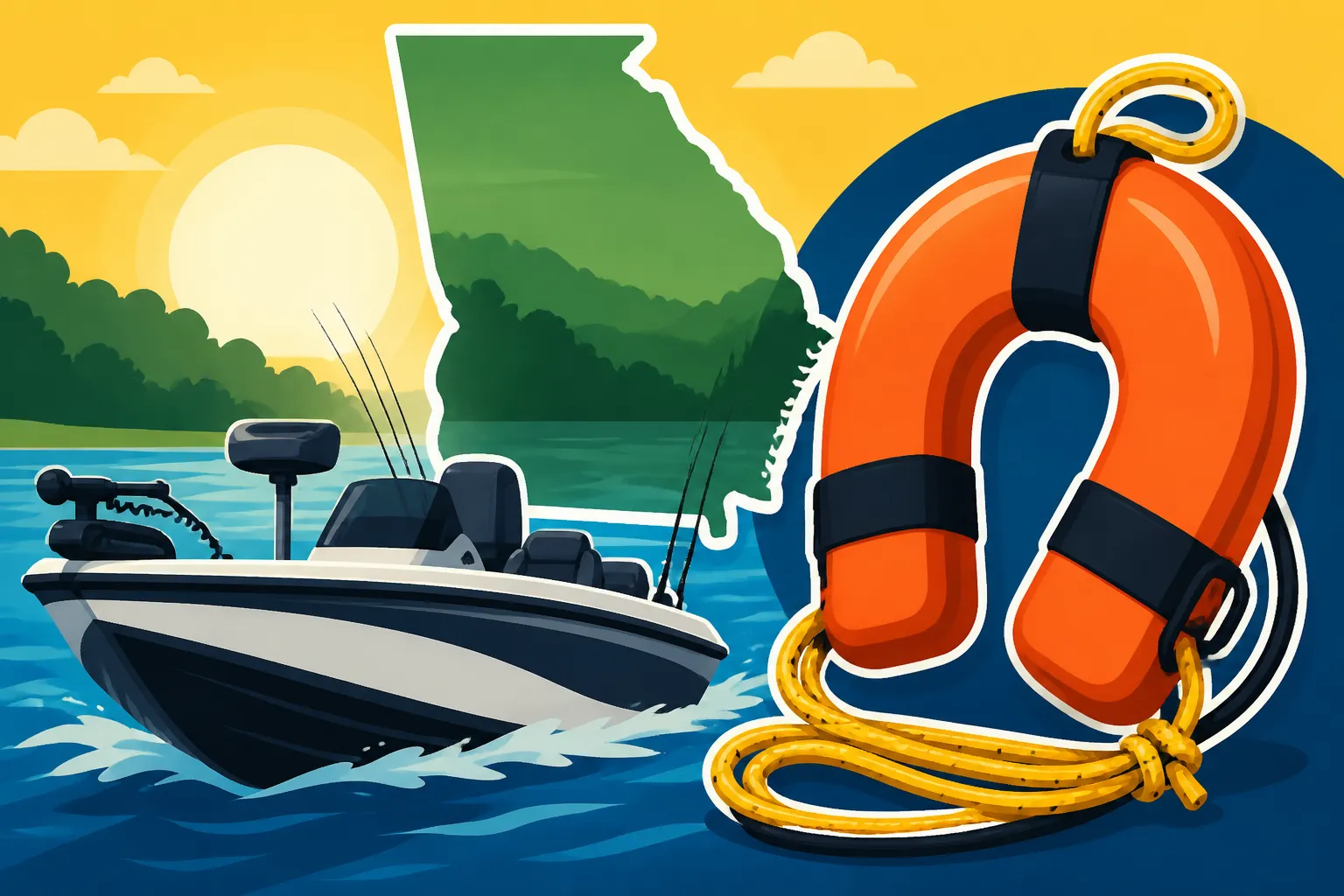
For larger vessels or those venturing into rougher waters, ring buoys (often called life rings) and horseshoe buoys are often the preferred choice. These devices are designed specifically for rescue and offer superior performance in certain situations. A ring buoy is a classic circular device, while a horseshoe buoy is, as the name suggests, horseshoe-shaped, designed to fit around a person in the water.
Their main benefits include greater throwing distance and improved visibility. Their size and shape make them more aerodynamic, allowing for a longer, more accurate throw, which can be crucial if someone has drifted far from the boat quickly. Once in the water, their bright orange or white color stands out against the waves, making them easier for the person to spot and swim towards. Many ring buoys also come equipped with a long floating line, allowing you to tow the person closer to the boat or retrieve the buoy if it misses its target. This line can be a real game-changer in a challenging rescue scenario. Horseshoe buoys, often seen mounted on the stern of sailboats or larger cruisers, are particularly good for wrapping around a person for more secure flotation. They are bulkier than cushions, which means they require more dedicated storage space, but their specialized design makes them highly effective for their intended purpose.
Here's a quick comparison of the common throwable devices:
| Device Type | Typical Use | Pros | Cons | Best For |
|---|---|---|---|---|
| Buoyant Cushion | Seat cushion, throwable PFD | Multi-purpose, affordable, easy to throw | Less stable for unconscious person, shorter throw | Smaller boats, calm waters, general recreational |
| Ring Buoy (Life Ring) | Dedicated rescue device | Excellent visibility, good throwing distance, stable | Bulky, single-purpose | Larger boats, open water, assisting other vessels |
| Horseshoe Buoy | Dedicated rescue device (stern mount) | Designed for secure fit, good stability, visible | Bulky, specialized mounting | Sailboats, cruisers, situations with quick recovery |
Choosing the Right Throwable for Your Georgia Waters
Selecting the perfect throwable flotation device isn't just about grabbing the first USCG-approved item you see. It's about matching the device to your specific boating needs, the type of water you frequent in Georgia, and ensuring it can perform when it really counts. Just like you wouldn't use a tiny john boat for Deep Water Techniques for Striped Bass on Lake Lanier, you need to consider the practical application of your safety gear.
Matching Your Boat Size and Type
The size and type of your boat play a significant role in determining the most suitable throwable device. If you're out in a smaller vessel, perhaps a kayak rigged for Kayak Fishing Gear Checklist for Georgia Anglers on a quiet creek, a buoyant cushion might be the most practical choice due to its compact size and dual function. It won't take up much space, and it's easy to deploy from a tight cockpit. For a mid-sized bass boat on Best Spots for Bass Fishing on Lake Lanier, a cushion still works great, especially if it's secured but readily available.
However, if you're piloting a larger cabin cruiser on the open waters of the Atlantic off the Georgia coast, or a substantial pontoon boat on one of Georgia's vast reservoirs, a ring buoy or horseshoe buoy might be a more sensible investment. These larger devices offer superior visibility and often come with attached lines, which are invaluable for recovering someone who might have drifted a significant distance or needs to be pulled back to the boat. On a bigger boat, you generally have more space for dedicated safety equipment storage without compromising comfort or maneuverability. Think about your Best Fishing Boats for Georgia's Lakes and Rivers and how different devices would fit.
Durability and Visibility in Georgia's Diverse Waters
Georgia's climate presents specific challenges for marine equipment. The intense summer sun can degrade plastics and fabrics over time, while humidity can encourage mildew. When choosing a throwable device, look for models made from durable, marine-grade materials that are UV-resistant. High-quality vinyl covers for cushions, or robust polyethylene shells for ring buoys, will last longer and stand up better to the elements. Inspect the stitching and any grab lines or straps for signs of weakness, as these are critical components in a rescue.
Visibility is also paramount. Bright colors like international orange or vivid yellow are standard for a reason: they contrast sharply with most water and sky conditions, making them easy to spot, even in choppy water or low light. Some devices incorporate reflective tape, which significantly enhances visibility during nighttime emergencies or in foggy conditions—something to consider if you ever find yourself Night Fishing Spots Near Atlanta. Always ensure your chosen device is clearly marked as USCG Type IV approved. This approval guarantees it meets specific buoyancy and material standards set by the Coast Guard, giving you peace of mind that it will perform as intended.
Where to Buy: Online vs. Local Retailers
When it's time to purchase your throwable flotation device, you generally have two main avenues: local brick-and-mortar stores or online retailers. Both have their advantages.
Local sporting goods stores and marine suppliers, such as Bass Pro Shops, offer the invaluable benefit of allowing you to physically inspect the product. You can feel the material, check the stitching, and get a real sense of its size and weight. Store associates can also provide expert advice, answering any specific questions you might have about local regulations or which type best suits your particular boat and fishing style. Plus, buying locally means you have it immediately, which is great if you're making a last-minute preparation for a weekend trip.
Online retailers like Amazon, on the other hand, offer a vast selection and often competitive pricing. You can browse countless options, compare features side-by-side, and read customer reviews to gauge real-world performance. This can be particularly useful for researching less common types of throwables or finding specific brands. Just be sure to double-check that any device purchased online is explicitly listed as USCG Type IV approved, and factor in shipping times if you need it quickly. Regardless of where you purchase, always prioritize the USCG approval and the quality of construction over a slightly lower price point. When it comes to safety equipment, cutting corners is simply not an option.
Maintaining Your Throwable Flotation Device for Peak Performance
Having a throwable flotation device on board is the first step, but ensuring it's always ready for an emergency requires ongoing vigilance. Just like you wouldn't neglect the engine on your boat or let your Best Marine Battery for a Bass Boat go dead, your safety gear needs regular attention. Proper maintenance guarantees that when that critical moment arises, your throwable device will perform exactly as it's designed to, potentially saving a life.
Regular Inspections: What to Look For
Think of inspecting your throwable device as a quick, yet crucial, part of your pre-trip boat check. You should aim to do this at least once a month during boating season, and definitely before any extended trip. Start by checking the overall condition of the fabric or shell. Look for any rips, tears, punctures, or excessive fraying. If your device is a cushion, squeeze it to check for any loss of buoyancy – it should feel firm and uniform. Any signs of waterlogging, mildew, or extreme discoloration from sun exposure can indicate that its integrity is compromised.
Pay close attention to all straps and grab lines. Are they securely attached? Are there any cuts or frayed sections? These components are what a person in the water will grab onto, and a failure here could be disastrous. For ring buoys, check the condition of any attached retrieval lines; ensure they are neatly coiled, free of knots, and not tangled. Over time, UV rays can significantly weaken materials, even if they look okay on the surface. If you notice any significant degradation, it's time for a replacement. A compromised throwable device is no better than having none at all. Remember, this inspection is just as vital as checking your engine oil or fuel levels. This falls under the general Safety Gear Checklist for Georgia Boaters.
Proper Storage for Longevity
How you store your throwable flotation device when it's not actively being used on the water can dramatically impact its lifespan and effectiveness. While the law dictates it must be "readily accessible," this doesn't mean it has to sit exposed to the elements 24/7. When your boat is docked or stored, try to keep your throwable out of direct sunlight. Constant UV exposure is a primary culprit in material degradation, causing colors to fade and fabrics to weaken and crack. If possible, a shaded spot in a cockpit locker or under a boat cover is ideal.
Crucially, avoid storing heavy items on top of buoyant cushions, as this can compress the flotation material and permanently reduce its effectiveness. Over time, this compression can lead to a loss of buoyancy, rendering the device less capable of supporting someone in the water. After each use, especially if the device has gotten wet, make sure it's completely dry before storing it. This prevents the growth of mildew and mold, which can not only create unpleasant odors but also weaken the fabric and stitching over time. A quick wipe-down and air-dry session can significantly extend the life of your throwable device, keeping it ready for many more seasons of safe boating on Georgia's beautiful lakes and rivers.
Disclaimer
This article is for general informational purposes only and does not constitute professional advice. Laws, prices and regulations vary by location and change over time. Consult a qualified professional for guidance on your specific situation.