Night Fishing Spots Near Atlanta
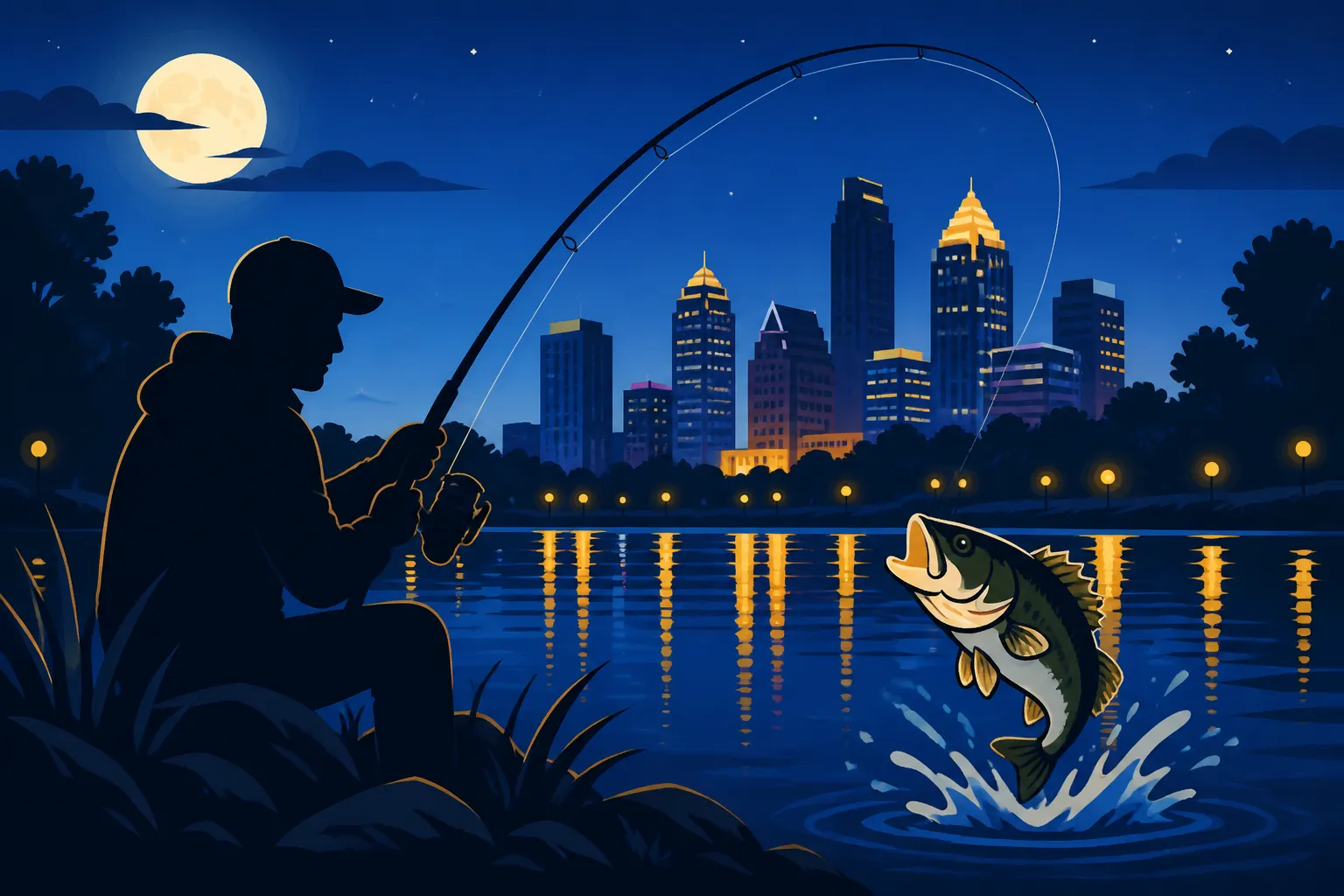
Oh, the Georgia sun! We all love a beautiful day on the water, but let's be honest, sometimes the heat can be relentless, the boat ramps are an absolute zoo, and the fish seem to have lockjaw in the bright light. If you've ever felt that frustration, you're not alone. But what if I told you that some of the best fishing action near Atlanta happens when most folks are tucked into bed? This guide is your key to unlocking the exciting, tranquil, and often more productive world of night fishing spots around the metro Atlanta area.
Why Night Fishing Near Atlanta? Escaping the Day's Hustle
Let's face it, fishing during the day, especially in the warmer months, can be a real grind. You're out there sweating, battling boat traffic, and often wondering if the fish are even awake. Night fishing offers a completely different, and often far more rewarding, experience. It's not just about avoiding the crowds; it's about tapping into a whole new world of fish behavior.
Beating the Heat and Crowds
Picture this: it’s the middle of July in Georgia, the sun is blazing down, and the air is thick with humidity. You launch your boat, and it feels like every jet ski, pontoon, and wakeboard boat in a 50-mile radius is out on the water. The constant wakes make it hard to focus, and the fish seem to have retreated to the deepest, coolest holes they can find, refusing to bite. It’s enough to make even the most seasoned angler want to pack it in early.
This is exactly where night fishing shines. As soon as that sun dips below the horizon, a magical transformation begins. The air cools down, often to a much more comfortable temperature, and the recreational boating traffic vanishes almost entirely. Suddenly, the lake or river that felt like a highway during the day becomes a serene, peaceful oasis. You can actually hear the sounds of nature, feel the gentle breeze, and cast your line without worrying about dodging a rogue wave. This tranquility alone makes the experience incredibly therapeutic, and it sets the stage for a much more enjoyable and focused fishing trip.
Prime Time for Predatory Fish
Beyond the comfort, there’s a biological reason why night fishing can be so productive: many of Georgia’s most sought-after game fish become far more active after dark. Think about it from a fish's perspective. During the day, they're exposed to bright sunlight, making them more visible to predators (including us anglers!) and often pushing them into deeper, shadier cover. But as darkness falls, their world changes.
Predatory species like striped bass, largemouth bass, crappie, and catfish often use the cover of night to their advantage. The reduced light conditions make it harder for their prey (think baitfish, crawfish, or even smaller insects) to see them coming, turning them into far more effective hunters. The cooler water temperatures also play a significant role, often stimulating their metabolism and encouraging them to feed more aggressively. You’ll find these fish moving into shallower waters, cruising shorelines, and ambushing unsuspecting baitfish that are drawn to light sources or simply more active in the low light. This nocturnal shift in behavior means that your chances of hooking into a truly impressive catch often dramatically increase, making the effort of fishing through the night well worth it.
Top Lakes for Night Fishing Near Atlanta
When it comes to night fishing near Atlanta, you've got some incredible options, each offering a unique experience and target species. These lakes are well-known daytime destinations, but they truly come alive after dark.
Lake Lanier: Striper and Bass Hotspot After Dark
Lake Lanier, a true gem of North Georgia, is legendary during the day, but it transforms into an entirely different beast once the sun sets. If you're chasing big striped bass or trophy largemouth, Lanier at night is where the magic happens. Its vastness and intricate underwater structure, combined with countless boat docks that light up the night, create a perfect nocturnal hunting ground.
For striped bass, the strategy often involves targeting areas where baitfish congregate, which are frequently drawn to bridge lights, dock lights, or even subtle natural light sources. Anglers often pull planer boards with live bait, like gizzard shad or herring, mimicking the movement of schooling baitfish. Another highly effective technique is casting large swimbaits or topwater plugs, especially around points and humps where stripers are known to patrol. For largemouth bass, the real action often centers around those illuminated boat docks. Bass will position themselves in the shadows, waiting for an unsuspecting baitfish to swim into the light. Throwing dark-colored jigs, worms, or even large topwater lures around these light lines can elicit explosive strikes. Just remember, Lanier is a big lake, and navigating at night requires extreme caution. Always have your navigation lights on, use a good GPS, and stay vigilant. For more detailed insights, check out our guide on the best spots for bass fishing on Lake Lanier.
Lake Oconee: Catfish and Hybrid Striper Opportunities
A bit further east from Atlanta, Lake Oconee offers fantastic night fishing, particularly for those targeting monster catfish and hard-fighting hybrid striped bass. What makes Oconee particularly appealing for night anglers is the influence of the Georgia Power Wallace Dam, which generates warm water discharge. This creates consistent, warmer water temperatures, especially in the winter, keeping fish active even when other lakes might be slowing down.
For catfish, the areas around the power plant discharge are prime, as are the deeper channels, creek mouths, and bridge pilings. Bottom fishing with a variety of baits is key here. Think cut bait (shad or bream), chicken liver, or punch baits like the ones from Catfish Charlie or Sonny's Super Sticky. Just cast it out, let it sink to the bottom, and wait for that tell-tale tug. Hybrid stripers, a cross between striped bass and white bass, are also abundant and can provide incredible action at night. They’re often found schooling near the power plant, around bridge lights, or over humps and ledges. Live bait, such as shiners or herring, is incredibly effective, as are jigging spoons or bucktail jigs worked vertically under lights. Lake Oconee generally sees less recreational boat traffic than Lanier, making for a slightly more relaxed night fishing experience, though caution is always advised. If you're keen on chasing the whiskered giants, our article on night fishing for catfish on Lake Sinclair provides similar principles you can apply here.
Lake Sinclair: Crappie and Catfish Bonanza
Nestled right next to Lake Oconee, Lake Sinclair is another excellent destination for night fishing, particularly if you're keen on filling a cooler with delicious crappie or battling big catfish. Sinclair's abundant timber, brush piles, and dock structures provide endless hiding spots and feeding grounds for these species once the sun goes down.
Crappie fishing at night on Lake Sinclair is a unique experience. The most popular method involves using submersible LED lights or floating crappie lights to attract plankton, which in turn draws in baitfish, and then the crappie. Anglers will position their boats over brush piles, submerged timber, or around lighted docks, dropping small jigs (like Bobby Garland crappie jigs) or live minnows directly into the light column. It’s often a vertical game, feeling for those subtle bites. For catfish, Sinclair offers consistent action in its river channels (the Oconee and Little River arms), deeper holes, and around any submerged cover. Similar to Oconee, bottom fishing with cut bait, chicken livers, or pre-made catfish baits is the way to go. You can find some of the best catfish spots on Lake Sinclair, Georgia, using these techniques. The consistent action on Sinclair, often leading to a good haul, makes it a favorite for many night anglers looking for both fun and a delicious meal.
River Fishing After Sunset: A Different Challenge
While lakes get a lot of attention for night fishing, don't overlook Georgia's rivers. They offer a more intimate, often wilder, experience after dark, with unique challenges and rewards.
Chattahoochee River: Urban Night Fishing Thrills
The Chattahoochee River, especially sections flowing through and near Atlanta, presents a truly unique opportunity for urban night fishing. It's an accessible option for many city dwellers, offering a chance to escape into nature without traveling far, all while still being under the glow of distant city lights. The 'Hooch holds a variety of species that become active at night, including largemouth bass, various species of catfish, and even trout in the colder, tailwater sections below Buford Dam.
For bank anglers, sections of the Chattahoochee River National Recreation Area offer numerous access points. Targeting catfish is often the easiest and most consistent method: simply rig up a bottom-fishing setup with live worms, stink bait, or cut bait, and cast into deeper pools, eddies, or around downed trees. Bass will often position themselves near current breaks and around bridge lights, ambushing prey. Casting dark-colored spinnerbaits, jigs, or even topwater frogs near these structures can be productive. While less common, some adventurous fly anglers might even attempt night fishing for trout in the colder stretches using large, dark-patterned streamers, relying on sound and silhouette to attract strikes. Safety is paramount when fishing rivers at night; be acutely aware of currents, uneven banks, and always let someone know your plans. Our guide to Chattahoochee River fishing spots near Atlanta, Georgia, can help you identify good access points for this unique experience.
Flint River: Shoal Bass and Catfish Adventures
For those willing to venture a bit further south and west of Atlanta, the Flint River offers a more rugged, wilderness-like night fishing adventure. This river is famous for its powerful shoal bass, but it's also a fantastic place to target channel, blue, and flathead catfish under the cover of darkness. The Flint’s characteristically rocky shoals, deep bends, and extensive downed timber create prime habitat for these nocturnal predators.
Targeting shoal bass at night requires a good understanding of the river's structure. These powerful fish will often move onto the tops of shoals or into adjacent pockets of slower water to feed. Casting topwater lures that create a strong disturbance (like poppers or prop baits) or working dark-colored jigs and spinnerbaits through rocky areas can trigger aggressive strikes. For catfish, the deeper holes, undercut banks, and large log jams are key. Flatheads, in particular, prefer live bait such as bream or shad, while channel and blue catfish will readily take cut bait or stink baits. If you’re fishing from a boat, navigating the Flint at night demands extreme caution due to its rapids and submerged hazards; a shallow-draft boat and a thorough knowledge of the river are essential. For shore anglers, identifying safe and accessible stretches with deeper water is important. Always be prepared for a true wilderness experience, including potential wildlife encounters. You can learn more about the best shoal bass spots on the Flint River in our detailed guide.
Essential Gear and Safety for Night Anglers
Night fishing isn't just daytime fishing after dark; it requires a different mindset and a specific set of gear to ensure both success and safety. Ignoring these details can quickly turn a fun outing into a dangerous one.
Lighting, Lures, and Tackle Considerations
First and foremost, you need light, but not just any light. A high-quality headlamp with a red-light option is indispensable. The red light preserves your night vision, is less disruptive to fish, and won't attract as many bugs as a white light. For boaters, proper navigation lights are legally required and absolutely critical for avoiding collisions. Beyond that, consider adding underwater fishing lights (green or white LEDs are popular) or floating lanterns to attract baitfish, which in turn draws in game fish like crappie, stripers, and even bass.
When it comes to lures, the general rule of thumb for night fishing is to focus on baits that create a strong silhouette, vibration, or scent. Dark colors (black, blue, purple) are excellent for jigs, spinnerbaits, and swimbaits because they create a clear silhouette against the ambient light from the moon or sky. Lures with thumping blades, rattles, or vibrating actions are also fantastic, as fish rely heavily on their lateral line to detect prey in the dark. Topwater lures can be incredibly exciting at night, especially those that make a lot of commotion. Don't forget live bait; shiners, minnows, and worms are consistently effective for a variety of species after dark. It's also wise to have a robust landing net for those potential trophy catches you can't quite see clearly, and consider using a line that's more visible under your headlamp, or even a glow-in-the-dark fishing line if you’re fishing lights.
Navigation and Personal Safety Precautions
Safety at night on the water cannot be overstated. Even on familiar waters, the darkness changes everything. If you're in a boat, a reliable GPS with detailed mapping is not just a luxury; it's a necessity. Knowing your water body intimately, including all potential submerged hazards, is paramount. Always, and I mean always, wear a Coast Guard-approved life jacket, even if you’re a strong swimmer. Accidents can happen quickly in the dark, and a life jacket can be a literal lifesaver. Before heading out, consider hiring a local guide through platforms like FishingBooker. They can provide invaluable knowledge of the best spots and safe navigation routes after dark, especially if you're exploring a new lake or river.
Beyond navigation, personal safety requires attention. Carry a fully charged cell phone (in a waterproof case) and consider a VHF radio if you're on a larger lake or far from shore. A well-stocked first-aid kit is essential, as is extra clothing – even warm nights can feel chilly after hours on the water. Bug spray is your best friend in Georgia! Make sure someone on shore knows your float plan: where you're going, when you expect to return, and who you're with. Fishing with a buddy is always a good idea at night. Always be aware of your surroundings, listen for unfamiliar sounds, and continually check the weather forecast. A sudden thunderstorm at night is far more dangerous than one during the day. For a more comprehensive look at what to bring, refer to our safety gear checklist for a day on Lake Lanier, many of which apply even more so at night.
Best Times and Techniques for Nocturnal Success
Successful night fishing isn't just about showing up after dark; it involves understanding how lunar phases, weather, and specific species behaviors influence the bite. It's an art as much as a science, and mastering it will put more fish in your net.
Lunar Phases and Weather Impacts
The moon, that silent giant in the night sky, absolutely influences fish behavior, though its impact can be debated among anglers. Many believe that fishing around a new moon (when the sky is darkest) can be incredibly productive because predatory fish have maximum cover and rely heavily on vibration and scent, making them more aggressive. Conversely, a full moon provides more ambient light, which can make some fish more wary, but also makes navigation easier for anglers. Sometimes, a full moon can make for incredible sight-fishing opportunities in clear water if you know where to look. Experimentation is key, but generally, stable weather patterns with consistent barometric pressure are your best friends.
Avoid fishing directly after a major cold front, as fish tend to become sluggish and move deeper, whether it's day or night. Similarly, while a light, steady rain can sometimes turn on a bite, a heavy downpour or approaching thunderstorm demands you get off the water immediately. Remember, fish respond to changes in their environment, and cooler water temperatures at night are a significant trigger for increased activity, especially for species that might be stressed by heat during the day. Keeping an eye on these factors, even in the dark, will drastically improve your chances.
Targeting Specific Species After Dark
Each species has its own nocturnal playbook. Knowing these habits is crucial for maximizing your success.
Striped Bass: These powerful open-water predators often use the cover of darkness to chase massive schools of baitfish. On lakes like Lanier, they'll push baitfish to the surface or against submerged structures. Live bait, such as big gizzard shad or blueback herring, drifted or slow-trolled with planer boards, is incredibly effective. For an adrenaline rush, throwing large topwater plugs or wake baits when you hear them busting bait on the surface is unbeatable. Stripers are also attracted to lights, so don't be afraid to try vertical jigging spoons or bucktail jigs beneath boat lights. If you're looking for more advanced techniques, our guide on deep water techniques for striped bass can offer valuable insights, many of which translate well to night fishing.
Largemouth Bass: Nighttime offers some of the most exciting largemouth bass fishing you can imagine. They move shallower, often patrolling around illuminated boat docks, submerged brush piles, and dark points. Topwater lures, particularly those with a strong silhouette like a black Jitterbug or a dark buzzbait, can trigger explosive, heart-stopping strikes. Flipping and pitching dark-colored jigs or Texas-rigged worms into the shadows around docks and cover is also highly effective. The key is to present your bait slowly and deliberately, allowing the bass to home in on it. You'd be surprised how active they are. For more on this, check out our article, does night fishing work for bass?.
Crappie: Crappie fishing at night is often a social and highly productive affair, especially on lakes like Sinclair. The secret weapon here is light. Submersible LED lights, or floating lights like the EverBrite, draw in microscopic plankton, which then attract minnows, and soon enough, the crappie move in for an easy meal. Anglers position their boats over brush piles or submerged timber and vertically jig small crappie jigs (often in chartreuse, white, or black) or use live minnows. The bite can be subtle, so light tackle and a keen eye on your line are essential. The consistent action makes it a favorite for many, and indeed, crappie bite better at night!
Catfish: Whether you're chasing channel, blue, or flathead catfish, nighttime is prime time. These whiskered bottom dwellers are highly nocturnal and rely on their incredible sense of smell and touch to find food in the darkest conditions. Bottom fishing is the most common and effective technique. Use heavy enough tackle to handle potential monsters and rig up with cut bait (shad, herring, or even chicken liver), stink baits, or live bait (for flatheads). Focus on deep holes, river channels, the base of bridge pilings, and areas with submerged cover. Cast your bait out, let it sit on the bottom, and wait for that rod to double over. Our detailed guide on how to catch catfish at night offers even more tips and tricks. Some anglers even use methods like jug fishing or trotlining at night, though these require specific permits and knowledge of local regulations. If you’re looking for a relaxing yet productive night on the water, targeting catfish is a fantastic choice, and a local expert found on FishingBooker could show you some secret spots!
Here's a quick reference table for some prime night fishing spots and techniques near Atlanta:
| Lake/River | Primary Target Species | Best Night Techniques | Key Features for Night Fishing | Notes |
|---|---|---|---|---|
| Lake Lanier | Striped Bass, Largemouth Bass | Live bait trolling (planer boards), large swimbaits, topwater, jigs around dock lights | Abundant dock lights, deep structure, large baitfish schools | Requires careful navigation due to size; check wind and boat traffic. |
| Lake Oconee | Catfish, Hybrid Striped Bass | Bottom fishing (cut/stink bait), jigging spoons, live bait around power plant discharge and bridges | Warm water discharge, bridge pilings, deep channels | More relaxed than Lanier; great for consistent catfishing. |
| Lake Sinclair | Crappie, Catfish | Submersible lights + jigs/minnows, bottom fishing (cut/stink bait) in channels | Numerous brush piles, lighted docks, consistent crappie population | Excellent for family night fishing; good bank access in some areas. |
| Chattahoochee River (near Atlanta) | Catfish, Largemouth Bass, Trout | Bottom fishing (worms/stink bait), spinnerbaits around current breaks, limited fly fishing | Urban access points, bridge lights, current breaks | Caution with currents and uneven banks; quieter than lake fishing. |
| Flint River | Shoal Bass, Catfish | Topwater (noisy lures), dark jigs/spinnerbaits, live bait in deep holes | Rocky shoals, deep bends, remote stretches | More wilderness experience; requires careful navigation if boating; plan for remoteness. |
Ultimately, night fishing near Atlanta offers a thrilling and often more peaceful alternative to daytime angling. With the right preparation, gear, and a bit of adventurous spirit, you can unlock incredible fishing opportunities when the stars come out.
Disclaimer
The information provided in this guide is for general informational purposes only and is not intended as legal or safety advice. Fishing regulations, safety guidelines, and local conditions can change. Always consult the Georgia Department of Natural Resources (DNR) for the most current fishing regulations, licensing requirements, and boating laws before heading out. Prioritize your safety by checking weather forecasts, informing others of your plans, wearing appropriate safety gear (especially a life jacket at night), and knowing your limitations. Fishing, especially at night, carries inherent risks, and personal responsibility is paramount.