Best Fishing Boats for Georgia’s Lakes and Rivers
Choosing the perfect fishing boat for Georgia's incredibly diverse waters can feel like trying to solve a complicated puzzle. From the vast open expanses of Lake Lanier to the winding, shallow rivers of South Georgia and the bustling coastal estuaries, each environment demands something a little different. This guide is here to cut through the confusion and help you understand the best boat options available so you can spend less time wondering and more time casting.
Understanding Georgia's Diverse Waterways
Georgia is a true angler's paradise, offering a staggering variety of fishing environments. But let's be honest, what works for chasing striped bass on a huge reservoir isn't going to be ideal for sneaking up on trout in a tiny mountain stream. Understanding these differences is the first step in finding your perfect fishing vessel. It's about matching your boat to the places you love to fish and the species you love to pursue.
Lakes and Reservoirs: Big Water, Big Fish
When you picture Georgia fishing, you probably think of our massive impoundments like Lake Lanier, Lake Oconee, or Clarks Hill Lake. These aren't just big; they're huge, covering thousands of acres with deep channels, sprawling coves, and often choppy open water, especially on windy days or during busy weekends. Fishing these waters means covering a lot of ground, often in pursuit of fast-moving species like striped bass or trying to pinpoint bass in deep timber.
For these environments, you need a boat that can handle the chop, has enough power to get you across long distances quickly, and offers the stability and space for multiple anglers and plenty of gear. Think about the safety aspects too; bigger water can turn nasty in a hurry, so a boat with a solid hull and good freeboard is essential. These lakes are where you'll appreciate a boat that feels substantial and secure underfoot.
Rivers and Streams: Current and Cover Challenges
Move away from the big lakes, and Georgia's rivers and streams present an entirely different set of challenges and opportunities. From the wide, slow-moving Altamaha River in the south to the rocky, swift-flowing Chattahoochee and Toccoa rivers in the north, these waterways demand maneuverability and often shallow-draft capabilities. You're dealing with currents, submerged logs, rock gardens, and tight bends, not to mention countless overhanging trees and low bridges.
Whether you're targeting shoal bass on the Flint River or chasing trout in a pristine mountain stream, the ideal river boat needs to be nimble. It often requires a boat that can navigate skinny water without getting hung up and that allows you to easily position yourself against the current or in tight eddies. Stability is still important, but often a smaller footprint and responsive handling take precedence over sheer size or speed.
Coastal Waters: Saltwater Considerations
Don't forget Georgia's beautiful coastline! Our tidal rivers, marshes, and nearshore waters offer incredible opportunities for redfish, sea trout, and flounder. This environment is a unique blend of shallow, intricate marsh channels and wider, more open sounds and bays that can be exposed to ocean swells. The tides play a huge role here, often dictating where and when you can fish, and how much water you have under your boat.
Saltwater is also incredibly corrosive, so any boat destined for the coast needs to be built with appropriate materials and components to withstand the harsh environment. You'll want features like washdown systems, plenty of rod storage, and often a stable platform for sight fishing across grassy flats. Access to shallow areas is often key, but so is the ability to handle a bit of chop when crossing larger sounds.
Popular Fishing Boat Types for Georgia
Alright, let's dive into the boats themselves! With such a diverse aquatic landscape here in Georgia, it’s no surprise that different types of boats excel in different situations. Understanding the strengths and weaknesses of each will really help you narrow down your choices. We're talking about more than just a place to stand; we're talking about a fishing machine tailored to your needs.
Bass Boats: Speed, Storage, and Specialization
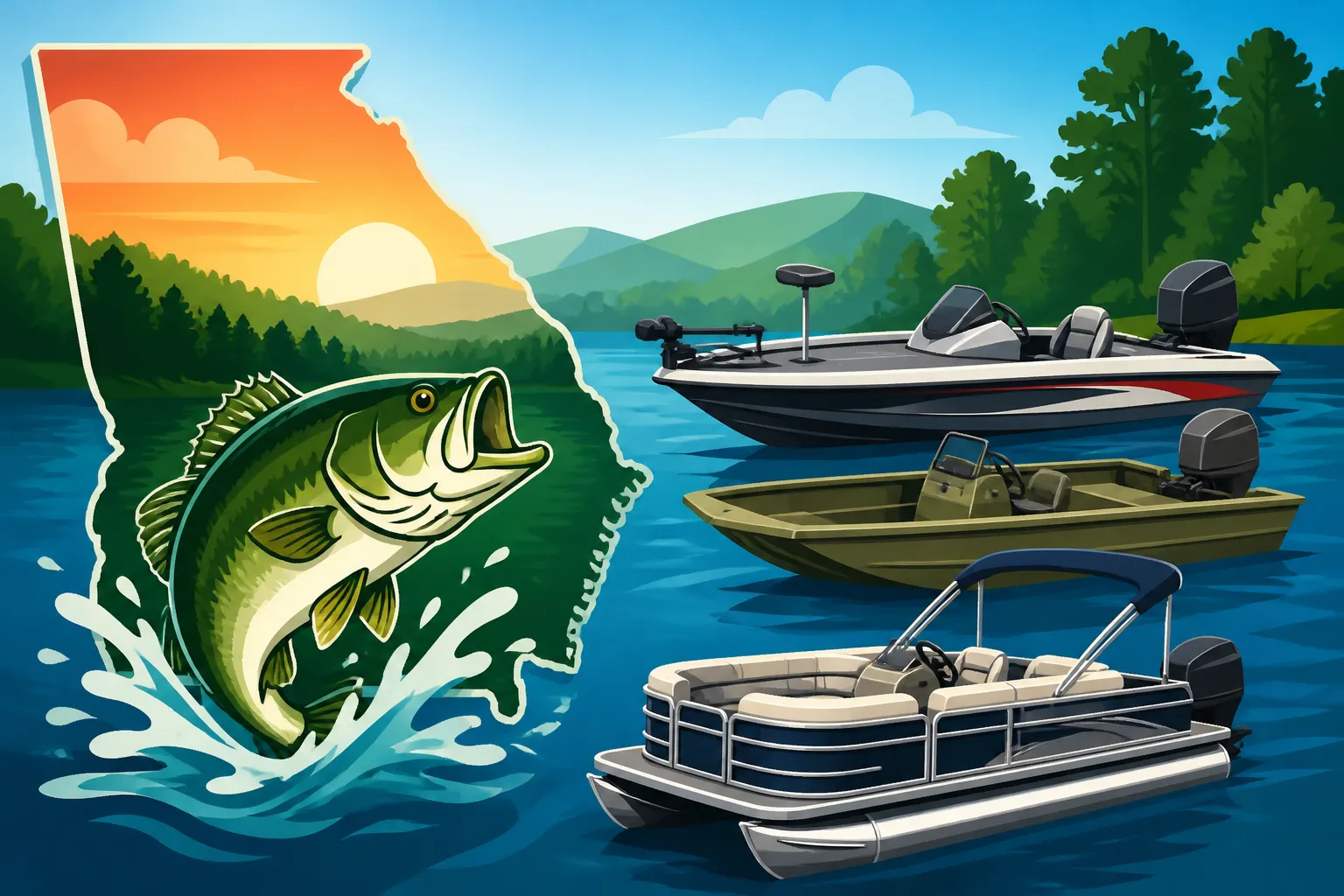
Ah, the quintessential bass boat. When you see one of these sleek, low-profile rockets flying across Lake Lanier, you know exactly what it's built for: competitive bass fishing. These boats are designed for speed, allowing anglers to get to their favorite spots quickly, and they are packed with features specifically geared towards bass. Think powerful outboard engines, expansive casting decks, multiple livewells, and tons of rod storage.
The focus on bass fishing means they have dedicated compartments for dozens of rods and tackle boxes, usually advanced fish finders and GPS mapping systems, and often powerful trolling motors with GPS anchoring capabilities. They're incredibly stable platforms for standing and casting, which is a huge plus when you're trying to make precise presentations. However, their low freeboard can make them less comfortable in really choppy water, and they're typically not ideal for very shallow rivers or saltwater without specific modifications. For the serious tournament angler or the dedicated bass enthusiast, a quality bass boat from a brand like Ranger or Skeeter can be found at a place like Bass Pro Shops.
Pontoon Boats: Comfort, Space, and Versatility
If you're less about high-speed runs and more about leisurely days on the water with family and friends, a pontoon boat might just be your perfect match. While often associated with cruising and swimming, modern pontoons can be incredibly well-equipped for fishing, especially on Georgia's larger, calmer lakes and wider rivers. They offer unparalleled deck space, which is fantastic for multiple anglers, kids, coolers, and all the creature comforts.
Many fishing-specific pontoon models come with features like swiveling fishing seats, livewells, rod holders, and even dedicated bait prep stations. Their stable, flat platform is fantastic for those who prefer to bank fish or who have mobility challenges. They might not be the fastest boats out there, but their comfort, shade options (bimini tops are common!), and sheer roominess make them excellent for a relaxed day of crappie fishing on Lake Sinclair or chasing bream with the grandkids. You won't be flying across the lake, but you'll be doing it in style and comfort.
Jon Boats: Simplicity, Shallow Water Access, and Affordability
The humble jon boat is a true workhorse, and for many Georgia anglers, it's the perfect entry point into boating, or the ideal vessel for specific shallow-water needs. These flat-bottomed, aluminum boats are known for their simplicity, durability, and most importantly, their ability to navigate incredibly shallow water. If you're looking to explore backwater creeks, small ponds, or skinny rivers like parts of the Flint, a jon boat is hard to beat.
They're typically much lighter and more affordable than other boat types, making them easier to launch, retrieve, and transport, even with smaller vehicles. You can power them with small outboards, trolling motors, or even just oars. While they don't offer the comfort or speed of a bass boat, their open, customizable layout allows you to set them up exactly how you need, whether that's adding a simple casting deck or just a cooler and a tackle box. For reaching those otherwise inaccessible spots, or for a budget-friendly option, the jon boat is a solid choice. Many affordable accessories for jon boats, from seat cushions to rod holders, can be found on Amazon.
Center Console Boats: Coastal and Big Water Dominance
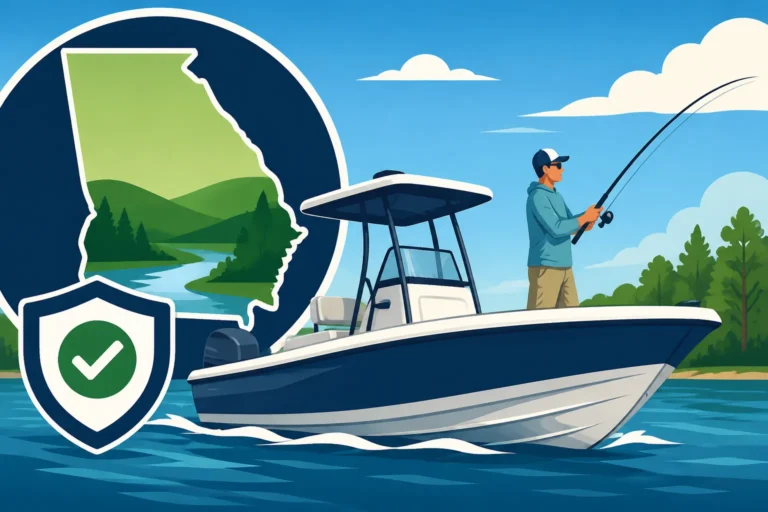
When you venture out onto Georgia's coastal waters, or even some of the truly vast reservoirs like Clarks Hill Lake, you'll see a lot of center console boats. These boats are characterized by their steering console being located in the center of the deck, allowing for 360-degree fishability around the entire boat. This design is incredibly practical when you're fighting a fish that's making long runs around the boat.
Center consoles are typically built with deeper V-hulls, making them excellent at cutting through chop and providing a smoother ride in rougher conditions, which is common in saltwater. They offer ample storage, livewells, and often dedicated fish boxes. Their robust construction and self-bailing decks make them ideal for handling the demands of offshore or inshore saltwater fishing, but they are also increasingly popular on large freshwater lakes for striped bass and other open-water species. If you plan to fish both big freshwater and saltwater, a center console might be your most versatile option.
Specialty Boats for Niche Angling
While the mainstays cover a lot of ground, sometimes you need something a little more specific to truly unlock certain types of fishing here in Georgia. These specialty boats cater to anglers with particular styles, access needs, or a strong desire for a unique on-the-water experience. They might not be for everyone, but for those who choose them, they're often irreplaceable.
Kayaks and Canoes: Stealth, Access, and Fitness
For the truly adventurous or minimalist angler, kayaks and canoes open up a world of fishing opportunities that larger boats simply can't reach. Imagine quietly paddling into a secluded cove on a small lake, or navigating a narrow, winding stream for untouched trout water. Kayak Fishing Gear Guide for Beginners can give you a solid head start on setting up your first rig. Their stealth allows you to approach wary fish without spooking them, and their shallow draft means you can go almost anywhere there's water.
Modern fishing kayaks, in particular, are incredibly well-designed, offering stability, comfortable seating, and often dedicated rigging for rod holders, fish finders, and even pedal or electric motor propulsion. They're fantastic for exercise, offer a unique perspective close to the water, and are generally very affordable to acquire and maintain compared to motorized boats. While they limit how much gear you can bring and are slower than powered vessels, the sheer access and intimate connection with the environment they provide make them a favorite for many. For example, exploring the hidden gems of the Chattahoochee River Headwaters for trout from a kayak is an unforgettable experience.
Bay Boats: Bridging Freshwater and Saltwater
Sitting somewhere between a full-on center console and a shallow-draft flats boat, the bay boat is a fantastic hybrid for Georgia anglers who want to fish both our big freshwater lakes and our coastal estuaries without compromising too much. They typically feature a shallower draft than a true offshore center console, allowing them to navigate the skinny marsh channels, but retain enough V-hull to handle the choppier conditions of larger bays and sounds.
Bay boats usually offer a good balance of casting deck space, ample rod storage, and livewell capacity. They're often equipped with powerful trolling motors and jack plates to further enhance shallow water performance. If your ideal fishing trip involves chasing redfish in the marshes one weekend and then targeting striped bass on Lake Lanier the next, a bay boat provides a level of versatility that's hard to beat. They truly bridge the gap, offering robust performance in varied conditions.
Aluminum V-Hull Boats: All-Around Workhorses
Often overlooked in favor of their flashier fiberglass cousins, aluminum V-hull boats are the unsung heroes for many Georgia anglers. These boats offer incredible versatility, durability, and a generally lower price point than fiberglass alternatives. Their V-shaped hull allows them to cut through chop much better than a flat-bottomed jon boat, making them comfortable on mid-sized lakes and larger rivers.
They're lightweight, which translates to easier towing and launching, and they're incredibly tough, shrugging off bumps against rocks and logs that might damage a fiberglass hull. You'll find them configured in various ways, from open utility models to full-fledged fishing packages with casting decks, livewells, and comfortable seating. For an angler who wants one boat to handle everything from bass fishing on a medium-sized reservoir to exploring a larger river for catfish, an aluminum V-hull, often referred to as a multi-species boat, is an excellent, practical choice. They represent a smart, economical option for a huge range of Best Fishing Spots in Georgia.
Key Features to Consider When Buying a Fishing Boat
Beyond the broad categories, the specific features of a boat are what truly dictate its performance, comfort, and suitability for Georgia's waters. It's easy to get caught up in the excitement of a new boat, but taking a practical look at these elements will save you headaches down the road. This is where the rubber meets the road, or more accurately, where the hull meets the water!
Hull Design and Material: Stability, Durability, and Performance
The hull is the heart of your boat. Its design dictates how the boat rides, how stable it is, and how it handles different water conditions. A deeper V-hull will generally provide a smoother ride in rough water but will draw more water and might be less stable when standing still. A flatter hull, like on a jon boat, offers superior shallow-water access and initial stability but can pound in chop. Modified V-hulls try to strike a balance, offering decent rough-water performance while maintaining some shallow-water capability.
The material is also crucial. Aluminum boats are lightweight, durable, and generally less expensive, making them resistant to bumps and scrapes, perfect for rougher rivers or tight spots. Fiberglass boats offer smoother lines, a quieter ride, and can be molded into more complex, performance-oriented hull designs, but they are heavier and can be more susceptible to gel coat damage from impacts. For coastal fishing, you'll definitely want a hull material designed to resist saltwater corrosion.
Engine Size and Type: Power, Efficiency, and Reliability
Your engine is your boat's muscle, and choosing the right one is about balancing power, fuel efficiency, and reliability. Outboard motors are by far the most popular for fishing boats in Georgia, offering excellent power-to-weight ratios, easy maintenance, and the ability to trim up for shallow water. Engine size needs to match your boat's hull and your intended use. Too small, and your boat will be sluggish and struggle in current or chop; too large, and you're wasting money on power you don't need, potentially creating an unsafe vessel.
Consider a four-stroke outboard for better fuel efficiency and quieter operation, which is a huge plus for stealthy approaches or just enjoying the peace of the water. Trolling motors are also essential for precise boat positioning, especially for bass and crappie fishing. A good electric trolling motor, perhaps with GPS spot-lock technology, allows you to hold your position over a brush pile or along a weed line without dropping an anchor.
Storage and Deck Layout: Organization and Fishing Space
Every angler knows the struggle of gear management. A well-designed boat will maximize storage for rods, tackle, safety equipment, and coolers. Look for dedicated rod lockers that protect your expensive setups, dry storage compartments for valuables, and insulated coolers or fish boxes. The deck layout should provide ample, unobstructed casting space, especially if you plan to have multiple anglers on board.
Livewells are critical for keeping your catch healthy, whether for a tournament weigh-in or just to ensure a fresh meal later. Consider the capacity and aeration system of the livewell. For those long days, comfortable seating is also a huge plus. Some boats offer convertible seating arrangements, allowing for more fishing space when needed. When browsing options at places like Bass Pro Shops, take the time to really visualize yourself fishing from the deck and assess if the layout works for your style.
Electronics and Accessories: Fish Finders, Trolling Motors, and More
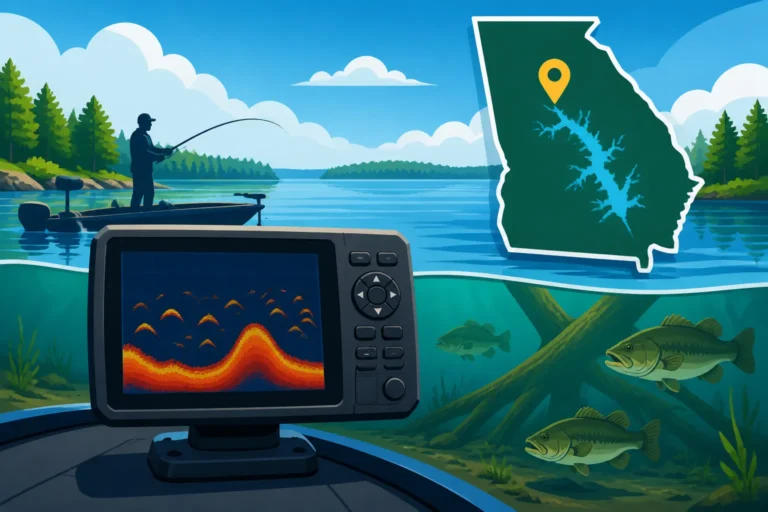
Modern fishing boats are often mobile command centers, thanks to incredible advancements in marine electronics. A quality fish finder, often incorporating GPS and mapping, is indispensable for locating structure, identifying fish, and navigating safely. Side-imaging and down-imaging technologies have revolutionized how we scan underwater terrain, revealing hidden cover that was once impossible to find.
Beyond the fish finder, consider other accessories that enhance your experience. A powerful, reliable trolling motor (especially with GPS "anchor" or "spot-lock" features) is a game-changer for precise boat control. Power poles or shallow water anchors provide instant stopping power in skinny water. Charging systems, comfortable fishing seats, custom rod holders, and even good lighting for night fishing are all features that can significantly improve your time on the water. Many of these smaller accessories can be compared and purchased easily on Amazon.
Factors Beyond the Boat: Matching Your Angling Style
A boat isn't just a fiberglass or aluminum shell; it's an investment, a tool, and a part of your lifestyle. When considering the best fishing boat for your Georgia adventures, it's vital to look beyond the vessel itself and think about the practicalities of ownership and how it aligns with your personal angling style. Ignoring these factors can lead to buyer's remorse faster than a missed hookset.
Budget and Maintenance: Initial Cost and Long-Term Ownership
Let's be real: boats aren't cheap. The initial purchase price is just the beginning. You need to factor in the cost of the engine, the trailer, electronics, and all the necessary safety gear. But the costs don't stop there. Think about long-term ownership: fuel, insurance, maintenance (engine servicing, winterization, cleaning), storage fees (if you don't have space at home), and unexpected repairs. A larger, more complex boat will almost always have higher running costs.
It's tempting to stretch your budget for that dream boat, but an underfunded boat quickly becomes a burden rather than a joy. Consider what you can comfortably afford not just to buy, but to maintain and operate for years to come. Sometimes, a simpler, smaller boat that you can use frequently is a far better investment than a big, fancy one that sits unused because it's too expensive to take out.
Trailer and Towing Capacity: Getting Your Boat to the Water
This is a big one that many first-time boat buyers overlook! Your dream boat is useless if you can't get it to the lake or river. You need a vehicle with adequate towing capacity for the total weight of your boat, engine, trailer, and all your gear. Don't just guess; check your vehicle's owner's manual. Underestimating towing capacity is not only dangerous but can also damage your vehicle.
Beyond the vehicle, consider the trailer itself. Is it in good condition? Does it have proper lights and brakes? Is it easy to launch and retrieve from your preferred boat ramps? Boat Ramp Tips for Launching at Lake Lanier are essential knowledge for any Georgia boater. Single-axle trailers are fine for lighter boats, but heavier vessels will require a tandem-axle trailer for stability and safety. Also, think about where you'll store the boat and trailer at home – do you have enough space?
Personal Comfort and Crew Size: Enjoying Your Time on the Water
Fishing is often a social activity, and the comfort of your crew (or yourself!) plays a huge role in the enjoyment of a day on the water. How many people typically fish with you? If it's just you, a smaller, more intimate boat might be perfect. But if you're regularly taking out your family, a few buddies, or a whole gaggle of grandkids, you'll need more space, more seating, and potentially more amenities like a cooler, shade, or even a portable potty.
Consider things like comfortable seating, adequate legroom, and enough dry storage to keep everyone's snacks and personal items safe. If you plan to spend long hours on the water, features that reduce fatigue, like a smooth-riding hull, quiet engine, and supportive seats, become very important. Ultimately, the best boat is the one that allows you and your companions to relax and focus on the fishing, not on cramped quarters or discomfort.
Outfitting Your Georgia Fishing Boat
So, you've picked out your perfect boat – congratulations! But the boat itself is just the starting point. To make it a truly functional and safe fishing machine for Georgia's waters, you'll need to outfit it properly. This means thinking about everything from legal requirements to practical conveniences that enhance your day. It’s about being prepared for whatever the water throws at you.
Safety Gear Essentials: Staying Legal and Safe
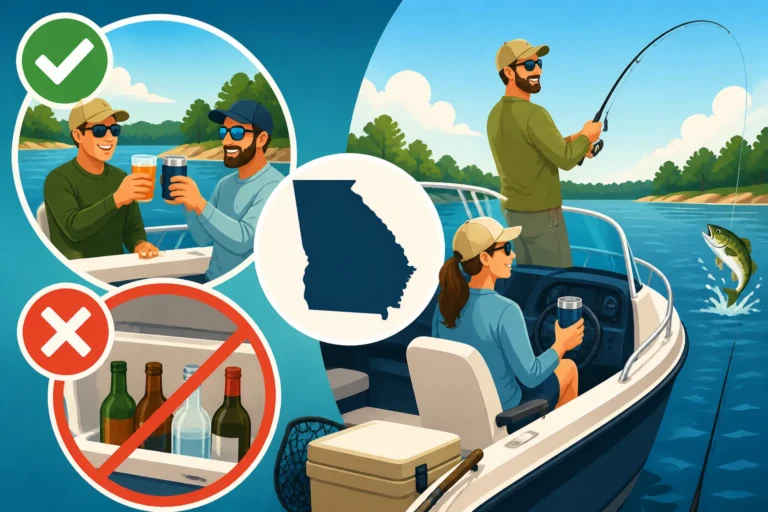
This is non-negotiable, folks. Before you even think about putting a hook in the water, you need to ensure your boat is equipped with all the required safety gear. Not only is it the law, but it could literally save your life or the lives of your passengers. In Georgia, this includes enough U.S. Coast Guard-approved life jackets for everyone on board, a throwable flotation device, a fire extinguisher, a sound-producing device (like a whistle or horn), and navigation lights if you'll be out from dusk till dawn. Georgia Life Jacket Laws for Boaters and Kids are particularly important to review if you have little ones on board.
Beyond the legal requirements, it's wise to carry additional safety items: a first-aid kit, a paddle (even on motorized boats, for emergencies!), spare rope, tools, a fully charged cell phone (in a waterproof bag), and possibly a VHF radio for more extensive trips. Having these items on board isn't just about avoiding a ticket; it's about peace of mind and responsible boating.
Rod Holders and Tackle Storage Solutions: Organization is Key
A messy boat is a frustrating boat. Nothing wastes fishing time faster than untangling lines or searching for that one specific lure. Invest in good rod holders – flush-mount, rail-mount, or clamp-on – to keep your rods secure and out of the way when not in use, and easily accessible when the bite is on. Consider how many rods you typically bring and choose holders accordingly.
For tackle, think about dedicated tackle storage systems. This could be built-in compartments, specialized tackle bags, or modular boxes that fit neatly under seats or in cubbies. The goal is to keep everything organized, protected from the elements, and easy to access without having to dig through a pile of gear. A well-organized tackle area means more efficient fishing and less clutter on your deck. Best Tackle Box Setup for Bass Fishing can offer some great insights.
Shade and Weather Protection: Battling Georgia's Elements
Georgia weather can be… unpredictable, to say the least. From scorching summer sun to sudden downpours, being prepared for the elements is crucial for comfort and safety. A bimini top or other form of shade is a lifesaver on hot, sunny days, preventing sunburn and heat exhaustion, especially if you're spending hours on the water.
Beyond shade, consider rain gear and waterproof storage for items that absolutely cannot get wet. If you plan to fish in cooler months, having wind protection or a small enclosure can make a huge difference in your comfort levels. Remember, happy anglers are often comfortable anglers! Don't let a sudden change in weather cut your trip short because you weren't properly equipped.
Boat Ownership: Registration, Education, and Rules
Owning a boat in Georgia is an incredibly rewarding experience, but it comes with responsibilities. Just like driving a car, there are rules and regulations designed to keep everyone safe on the water and protect our natural resources. Understanding these upfront will ensure your boating adventures are always smooth sailing, or, well, smooth fishing.
Georgia Boat Registration Requirements: Staying Legal on the Water
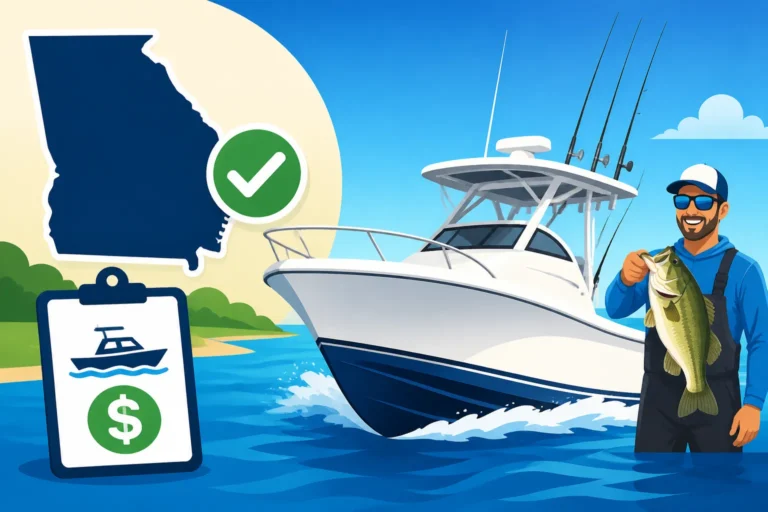
Almost all motorized boats, and even some non-motorized vessels over a certain length, need to be registered with the Georgia Department of Natural Resources (DNR). This isn't just a formality; it's a legal requirement, and failure to register can lead to fines. You'll receive a registration decal that needs to be prominently displayed on your boat, along with your registration numbers. Georgia Boat Registration Requirements Explained delves into all the specifics you'll need to know.
The registration process typically involves providing proof of ownership, a bill of sale, and paying a fee. It's usually valid for a set number of years, so keep an eye on your renewal dates. Even if you just bought a boat from out of state, you'll need to register it in Georgia if you plan to keep and operate it here. Staying on top of your registration ensures you're always legal when you launch.
Boater Education and Safety: For You and Your Passengers
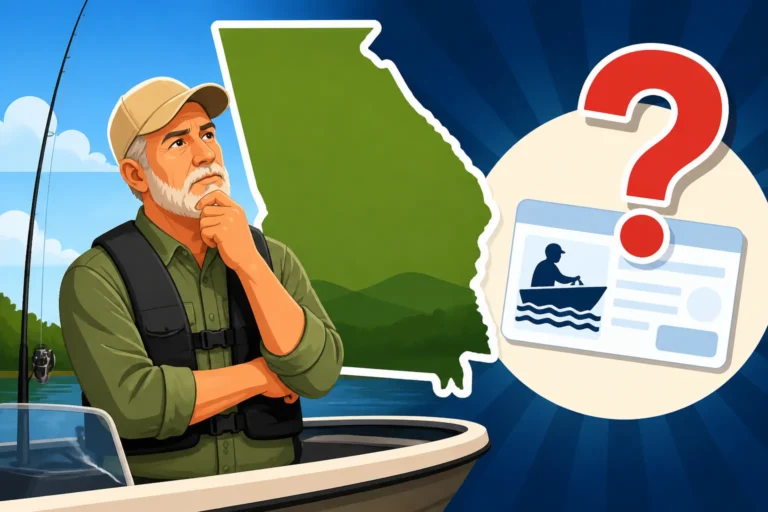
Safety on the water is paramount, and Georgia takes boater education seriously. If you were born after January 1, 1998, you are generally required to complete an approved boater education course and carry a boater education card to operate a vessel over a certain horsepower. Even if you're not legally required, taking a course is a fantastic idea for any boater, new or experienced. Georgia Boater Education Card Requirements covers who needs it and how to get it.
These courses cover everything from navigation rules and hazard avoidance to emergency procedures and the fundamentals of boat operation. It's not just about passing a test; it's about gaining the knowledge and confidence to operate your vessel safely and responsibly, protecting yourself, your passengers, and other boaters on the water. Many courses are available online or in person.
Environmental Considerations: Protecting Georgia's Fisheries
As anglers and boaters, we are stewards of Georgia's incredible aquatic resources. It's our responsibility to protect these environments for future generations. This means adhering to all fishing regulations, including size and creel limits, which you can find detailed in our Georgia Fishing Regulations Explained. It also means preventing the spread of aquatic invasive species, which can hitch a ride on your boat, trailer, or gear from one body of water to another. Always clean, drain, and dry your boat and gear after each outing.
Proper disposal of trash, avoiding pollution from fuel or oil, and respecting wildlife are all part of responsible boating. Understanding how your boat operates in sensitive areas, like shallow flats or dense marsh grass, and knowing How Water Temperature Affects Fish Behavior can impact fish, helps us minimize our environmental footprint. By being mindful and proactive, we ensure that Georgia's lakes, rivers, and coastal waters remain vibrant and healthy fisheries for everyone to enjoy.
| Boat Type | Best For | Key Advantages | Common Disadvantages | Ideal Georgia Waterways |
|---|---|---|---|---|
| Bass Boat | Serious bass anglers, tournaments | Speed, dedicated fishing features, large decks | Expensive, low freeboard in chop, limited versatility | Large reservoirs (Lanier, Oconee, Hartwell) |
| Pontoon Boat | Family outings, relaxed fishing, entertaining | Space, comfort, stability, easy to move around | Slower, less maneuverable, can be affected by wind | Calm lakes (Sinclair), wide, slow rivers |
| Jon Boat | Shallow water, small ponds, budget-conscious | Affordability, shallow draft, durable, customizable | Flat bottom can pound in chop, limited comfort | Small rivers (Flint), creeks, private ponds |
| Center Console | Big water, saltwater, versatile freshwater | 360-degree fishability, handles chop well, robust | Can be expensive, may draw more water than bay boats | Coast (Golden Isles), large lakes (Clarks Hill), sounds |
| Kayak/Canoe | Stealth, difficult access areas, exercise | Quiet, ultimate access, affordable, eco-friendly | Limited gear capacity, weather dependent, human-powered | Small streams (Toccoa), quiet coves, marsh creeks |
| Bay Boat | Inshore saltwater, large lakes, hybrid freshwater/salt | Shallow draft, good for chop, ample deck space | Can be expensive, not ideal for deep offshore | Coastal bays/marshes, large lakes with varied depths |
| Aluminum V-Hull | All-around freshwater, durability | Durable, versatile, good for chop, lighter | Can be noisy, less refined finish than fiberglass | Medium-sized lakes, most rivers |
Disclaimer
This article is for general informational purposes only and does not constitute professional advice. Laws, prices and regulations vary by location and change over time. Consult a qualified professional for guidance on your specific situation.