Best Rod for Catfish Fishing on Georgia Rivers
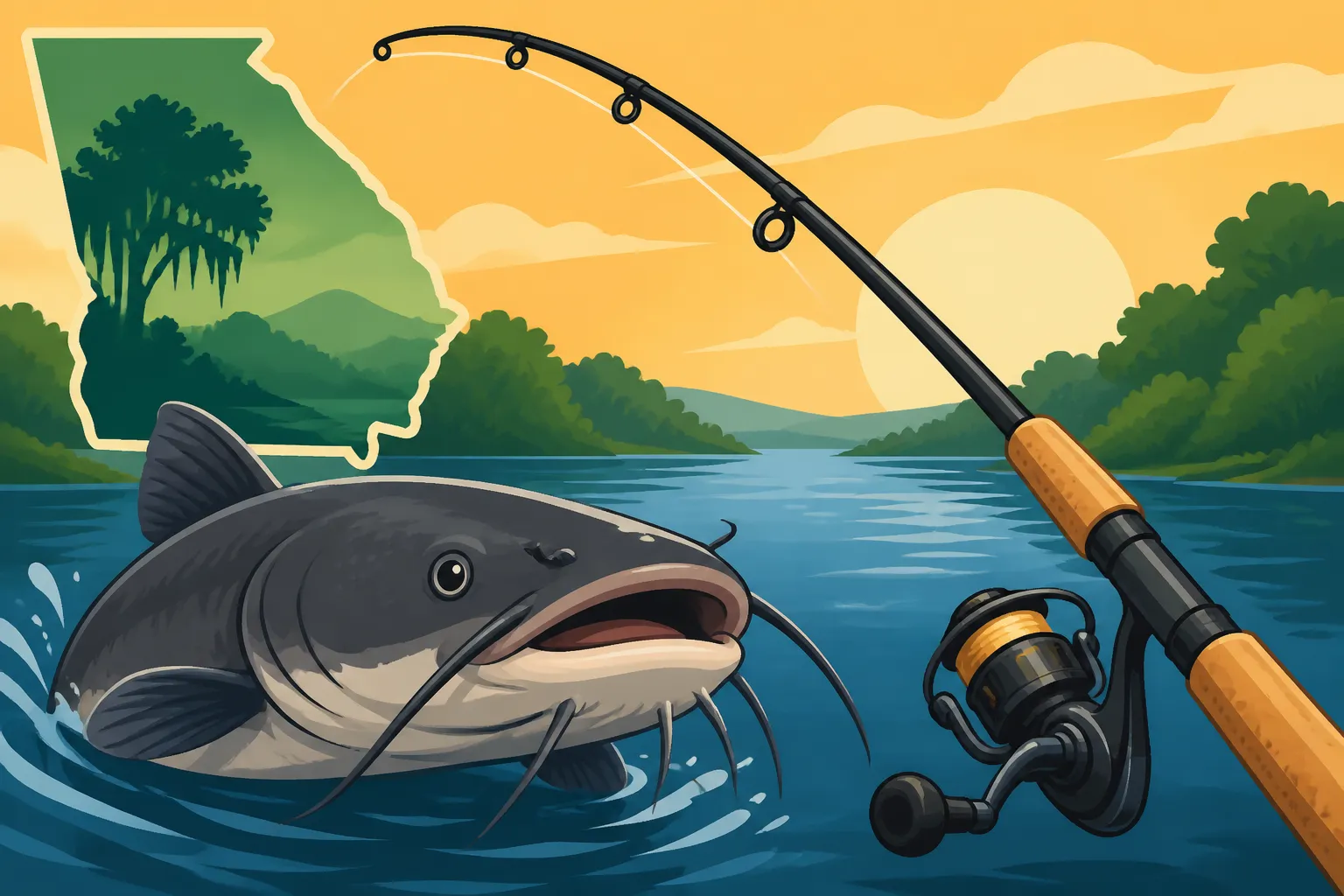
Many of us have been there: standing on the banks of a Georgia river, a line cast out, feeling the subtle tugs that might be a monster catfish or just a snag, all while wondering if our rod is truly up to the task. It's frustrating to invest your precious fishing time only to feel under-gunned or uncomfortable with your equipment. This guide is here to cut through the confusion and help you select the absolute best rod for tackling the powerful catfish species that call Georgia's rivers home, ensuring your next big catch isn't met with a snapped rod or a lost fish due to inadequate gear.
Understanding Georgia Catfish Species and Their Habits
Before we even talk about specific rods, it’s crucial to understand what you’re fishing for and where. Georgia’s rivers are teeming with various catfish species, each with its own preferred habitat, size potential, and fighting style. A rod perfectly suited for a feisty channel cat in a smaller river might feel like a toothpick when a monster flathead decides to test your mettle on a big river like the Altamaha. Knowing your target helps you make an informed decision and avoids the common pitfall of trying to make one rod do everything, which often leads to it doing nothing particularly well.
Channel Catfish Considerations
Channel cats are probably the most common catfish you’ll encounter in many Georgia rivers, from the smaller tributaries to the main stems. They’re known for being aggressive eaters and providing a spirited fight, especially in current. While they don't typically reach the behemoth sizes of their blue and flathead cousins, a 5-10 pound channel cat can still put a significant bend in your rod. Their typical haunts include deeper holes, current breaks, and around submerged structure, often in rivers like the Ocmulgee or Flint. You'll often find them biting on a variety of baits, from cut bait to stinkbaits.
When targeting channel catfish, you’re looking for a rod that offers a good balance of sensitivity for detecting lighter bites and enough backbone to handle their powerful runs. You don't necessarily need the heaviest gear imaginable, but something with a bit of forgiveness is key. A rod that's too stiff might rip the hook out of their mouth, while one that's too flimsy won't give you the leverage to steer them away from snags, which are plentiful in river environments. Think about those moments when a channel cat suddenly decides to bolt into a brush pile; your rod needs to be able to turn its head.
These fish are plentiful and often targeted by bank anglers. The rod needs to be capable of handling repetitive casting and retrieve, and comfortable enough for long waits. Since they are so widespread, learning how to fish for them is a great way to hone your skills for other species, as covered in Channel Catfish Identification and Habits.
Blue Catfish Considerations
Now, when we talk about blue catfish in Georgia's rivers, we're often talking about much larger fish. Rivers like the Savannah River and the larger sections of the Chattahoochee River can hold blue cats that easily push into the 30-pound range, with true giants capable of exceeding 50 pounds. These fish are powerful, often holding in strong currents, and they demand a rod with serious backbone and durability. Imagine hooking into a freight train in the middle of a swift current; your rod needs to be the anchor.
Blue catfish tend to congregate in deeper channels, large bends, and below dams where current brings food to them. They're primarily piscivorous, meaning they prefer cut bait from shad, skipjack, or other baitfish. Targeting these larger fish isn't just about strength; it's about endurance. The battle can be prolonged, and your rod needs to absorb tremendous pressure without fatiguing you or, worse, snapping. You'll need substantial power to pull them out of strong currents or from deep holes, and a good rod will transfer that power efficiently. For more on what these giants eat, check out Best Bait for Blue Catfish in Georgia Rivers.
Hooking into a truly giant blue cat is an experience that demands specialized gear. These battles are often fought in open water, but the sheer size and power of the fish, coupled with the relentless river current, mean your rod must be able to withstand immense, sustained pressure. This isn't a quick tug-of-war; it's a marathon, and your rod needs to be a dependable extension of your will. Understanding their behavior is crucial, as detailed in Blue Catfish Identification and Size.
Flathead Catfish Considerations
Flathead catfish are the true ambush predators of Georgia's rivers, often found in the Flint River or sections of the Altamaha. They prefer live bait – think bream or small shad – and they love heavy cover: log jams, undercut banks, and deep snags. When a flathead hits, it’s usually a violent, thumping strike, and they immediately try to bury themselves back into that heavy cover. You're not just fighting the fish; you're fighting the river and all its obstructions. These fish can grow incredibly large, often rivaling or exceeding the size of blue catfish, and they are masters of using structure to their advantage.
The challenge with flatheads is their immediate, powerful dive for cover. This means your rod needs to have immense lifting power to turn their head instantly and pull them away from danger. A rod that's too flexible will let the fish bury itself, leading to a snagged line and a lost fish. It's a game of brute force and quick reaction. Think of it like trying to stop a bulldog from running into a thicket – you need immediate authority. This often calls for the heaviest gear in your arsenal, specifically designed to handle these kinds of explosive, short-range fights.
When targeting flatheads, especially at night when they are most active, your rod needs to be incredibly stout. These fish are notorious for their dirty fighting tactics, and they will exploit any weakness in your gear. The environment they inhabit, full of submerged timber and rock piles, makes a powerful rod non-negotiable. For a deep dive into catching these river monsters, explore Flathead Catfish Identification and Habits.
Key Rod Characteristics for River Catfishing
Now that we've explored the different species, let's dive into the technical aspects of what makes a great catfishing rod for Georgia's rivers. These characteristics are universal, but the specific choices you make will be tailored to the species you primarily target and your fishing environment. It's about finding the right tool for the job, and not just grabbing the first rod you see on the rack at Bass Pro Shops.
Rod Power and Action Explained
Rod power refers to the rod's lifting strength or stiffness – how much weight it can handle before it bends significantly. For river catfishing in Georgia, you're generally looking at medium-heavy (MH), heavy (H), or even extra-heavy (XH) power ratings.
- Medium-Heavy: Great for channel cats, smaller blue cats, and general-purpose river fishing where you expect fish up to 15-20 pounds. It offers a good balance of sensitivity and power. This is often a good starting point for anglers new to catfishing, providing enough versatility for various situations without feeling overwhelming.
- Heavy: This is often the sweet spot for larger channel cats, most blue cats, and flatheads up to 40 pounds. It provides serious backbone to control big fish in current and near structure. Many seasoned catfishermen find heavy power rods to be their workhorse, capable of handling the vast majority of river encounters.
- Extra-Heavy: Reserved for truly massive blue and flathead catfish in major rivers like the Altamaha, where 50+ pound fish are a real possibility. This rod is a beast, designed for maximum lifting power and is crucial when you know you're targeting absolute giants that demand unyielding strength.
Rod action describes where the rod bends when pressure is applied.
- Fast Action: Bends mostly in the tip. Offers excellent sensitivity for detecting subtle bites and quick hook sets. Good for channel cats but can be a bit too unforgiving for powerful flatheads trying to bury themselves. While sensitive, it might not provide enough give for the brutal headshakes of a trophy cat.
- Moderate-Fast Action: Bends in the top third to half of the rod. A fantastic all-around choice for catfishing. It provides a good blend of sensitivity, casting distance, and enough bend to absorb powerful runs without ripping hooks out. This is often recommended for battling those strong blue cats in current, as it provides a perfect balance of power and flexibility.
- Moderate Action (or parabolic): Bends through the majority of the rod. While not common for heavy catfishing, some anglers prefer it for its ability to cast heavy baits a long distance and its excellent shock absorption for fighting large fish without line breakage. It might lack the immediate backbone needed for flatheads in heavy cover, but its ability to absorb shock can be beneficial in certain open-water scenarios.
For targeting a variety of river cats, a heavy power, moderate-fast action rod often strikes the best balance. It gives you the power to pull big fish, the sensitivity to feel bites, and enough flex to absorb those head shakes.
Rod Length and Material
The length of your rod impacts casting distance, leverage, and maneuverability.
- 6.5 to 7.5 feet: These lengths are versatile for both boat and bank fishing. Shorter rods offer more leverage and control in tight spaces (like fishing from a boat surrounded by brush or under low-hanging trees). They also provide a bit more power for horsing fish out of cover. These are excellent when precision and immediate control are more important than maximum casting distance, such as when fishing heavy cover on the Flint River.
- 8 to 10+ feet: Longer rods excel at casting heavy baits greater distances, which is incredibly useful for bank fishing on wide rivers or when you need to reach distant channels. They also help keep your line above shoreline obstructions and absorb powerful runs more effectively, cushioning the fight. However, they can be cumbersome in tight quarters or on smaller boats. For bank fishing on broad sections of the Chattahoochee, a longer rod is often indispensable.
The material of the rod also plays a huge role.
- Fiberglass: Traditional, extremely durable, and very forgiving. Fiberglass rods are less sensitive but nearly unbreakable, making them popular for heavy catfishing. They absorb shock well, preventing lines from snapping on powerful strikes. You'll find many dedicated catfish rods, especially on Amazon, made of fiberglass. Their robust nature makes them a favorite for rough-and-tumble catfishing.
- Graphite/Carbon Fiber: Lighter, more sensitive, and generally stiffer than fiberglass. Graphite rods transmit vibrations better, allowing you to feel even the slightest tap. They are great for detecting subtle bites from wary cats but can be more brittle and prone to snapping under extreme stress or impact. While offering superior feel, they require more careful handling.
- Composite (Graphite/Fiberglass Blend): Many modern catfishing rods use composite materials, aiming to combine the best of both worlds: the durability of fiberglass with the sensitivity and lighter weight of graphite. This blend often results in a very balanced and effective rod for diverse catfishing situations, providing a fantastic compromise for serious anglers.
For river catfishing, a composite rod in the 7 to 8-foot range offers an excellent blend of casting ability, strength, and durability.
Handle and Reel Seat Comfort
Don't underestimate the importance of the handle and reel seat. You might be holding this rod for hours, battling fish that pull with incredible strength.
- Handle Length: Longer handles provide more leverage for casting heavy baits and for fighting big fish, allowing you to brace the rod against your body. For two-handed casting, a handle that extends past your elbow is ideal. However, too long a handle can get in the way, especially when maneuvering in a boat. A longer handle gives you the leverage to really lean into a heavy fish without tiring yourself out.
- Handle Material: Cork and EVA foam are the most common. Cork offers a classic feel, can be quite sensitive, and ages beautifully. EVA foam is durable, often more slip-resistant when wet, and easier to clean. Both are excellent choices; it often comes down to personal preference, but EVA can be particularly good in wet, messy catfishing conditions.
- Reel Seat: Look for a sturdy, reliable reel seat that securely holds your reel without any play. Double-locking nuts are a fantastic feature, preventing your reel from coming loose during intense battles. A comfortable hood that doesn't dig into your hand is also a plus, especially if you're doing a lot of casting or holding the rod for extended periods. There's nothing worse than a wobbly reel when a monster fish is on the line.
Comfort might seem secondary to power, but when you’re fighting a 40-pound blue cat on the Flint River, a comfortable, secure grip makes all the difference in maintaining control and preventing fatigue. Nobody wants hand cramps when they're about to land a personal best. Your rod should feel like a natural extension of your arm, not an awkward impediment.
Recommended Rod Types for Georgia River Catfishing
Given the diverse range of catfish and fishing styles in Georgia's rivers, there isn't one single "best" rod. Instead, there are several excellent categories of rods that excel in different situations. Let's break down the most popular and effective options, many of which you can find at a specialty store like Bass Pro Shops or various online retailers.
Medium-Heavy to Heavy Spinning Rods
Spinning rods are incredibly user-friendly and versatile, making them a popular choice for many anglers, especially those just getting into serious catfishing or preferring a more straightforward setup. They are excellent for casting lighter baits or smaller cut baits, and for situations where precise casting isn't as critical as overall ease of use.
For river catfishing, you'll want a spinning rod in the 7 to 8-foot range with a medium-heavy to heavy power and a moderate-fast action. This combination provides enough backbone to handle a good-sized channel cat or a respectable blue cat, while still being sensitive enough to detect subtle bites. The longer length helps with casting distance from the bank and absorbing runs in current. A good quality spinning rod in this category will pair well with a sturdy spinning reel spooled with 20-40 lb monofilament or braided line. This setup is fantastic for general-purpose catfishing on rivers like the Ocmulgee, especially if you're primarily targeting channel cats and smaller blue cats, or doing some lighter fishing from shore. You can also effectively drift baits with this kind of setup.
Spinning setups are particularly forgiving for casting in windy conditions or with lighter rigs, which is common when targeting channel catfish. They're also great for beginners who are still getting the hang of casting heavy baits. For general advice on choosing the right reel to pair with this type of rod, check out Best Reel for Catfish Fishing.
Medium-Heavy to Heavy Casting Rods
Casting rods, often paired with baitcasting or conventional reels, are generally preferred by more experienced catfishermen due to their superior power, torque, and line capacity for heavy lines. If you're serious about tackling trophy blue cats or flatheads in the bigger Georgia rivers, a casting rod is almost a necessity. They offer unmatched control when fighting powerful fish and allow for incredibly strong, drag-screaming battles.
Look for a casting rod that is 7 to 9 feet long, with heavy to extra-heavy power and a moderate-fast action. The extra length on the longer end provides excellent casting distance for reaching deep river channels, while the heavy power is crucial for turning the heads of truly massive fish before they can reach snags. The moderate-fast action helps absorb the shock of a powerful strike and keeps the hook buried. A robust casting reel, spooled with 40-80 lb braided line, completes this powerful setup. This is your go-to rig for targeting those monster flatheads on the Flint River or chasing giant blues on the lower Savannah River. The ability to cast heavy weights and large baits with precision and authority really makes these rods shine in challenging river conditions. For more on the specifics of this setup, consider reading Best Catfish Gear for Georgia Rivers and Lakes.
Many anglers find that casting rods, especially with conventional reels, provide a more direct connection to the fish and greater winching power during intense fights. This is critical when you need to quickly pull a large fish out of heavy current or cover. Learning to use a baitcasting setup effectively takes practice, but the rewards in terms of raw power and control are immense for serious catfishing.
Specialty Catfish Rods
In recent years, many manufacturers have started designing rods specifically labeled as "catfish rods." These rods are usually fiberglass or composite, built with extreme durability and power in mind. They often feature extended handles for leverage, heavy-duty reel seats, and strong guides that can stand up to heavy lines and fighting big fish. Brands like Ugly Stik, Catfish Sumo, and Rippin Lips often have lines dedicated to this niche, available at stores like Bass Pro Shops.
These specialty rods are designed to address the unique demands of catfishing: casting heavy rigs, enduring long fights, and resisting abuse. They typically fall into the heavy to extra-heavy power range with a moderate to moderate-fast action, making them ideal for the majority of Georgia river catfishing scenarios, especially if you're targeting big blue and flathead catfish. While they might not be as sensitive as some high-end graphite bass rods, their brute strength and forgiving nature make them perfect for what they do. If you find yourself frequently battling robust catfish with heavy lines and big baits, a dedicated catfish rod will pay dividends in performance and longevity. They take the guesswork out of rod selection by being purpose-built for the task.
These rods are engineered for the specific stresses and strains that catfishing imposes, often featuring oversized guides that can handle heavy knots and thick lines without issue. They are often a great investment for anglers who are serious about pursuing large catfish regularly.
Matching Your Rod to Your Fishing Style and Budget
Choosing a rod isn't just about the fish; it's also about you. Your personal fishing style, whether you prefer bank fishing or are always in a boat, and your budget all play a significant role in making the right choice. There's a perfect rod out there for everyone, and it doesn't always have to break the bank.
Bank Fishing vs. Boat Fishing
Your primary fishing location will heavily influence your rod choice.
- Bank Fishing: When you're fishing from the bank of a wide river like the Altamaha or the Chattahoochee through Atlanta, casting distance is often paramount. You need to reach those deeper channels or current breaks that might be 50-100 yards out. This is where longer rods (8-10+ feet) really shine. They provide the leverage needed for long casts with heavy weights and bait, and they help keep your line elevated over shoreline brush or debris, preventing snags. However, remember that longer rods can be a handful if the shoreline is heavily wooded or overgrown. For specific locations, you might find Best Bank Fishing Spots in Georgia helpful.
- Boat Fishing: If you're primarily fishing from a boat, particularly in tighter spots like around log jams or under bridges on rivers like the Flint, a slightly shorter rod (6.5-7.5 feet) can be more advantageous. These shorter rods offer better maneuverability in confined spaces and provide excellent leverage for "horsing" fish out of heavy cover before they can snag you. While you might sacrifice a bit of casting distance, the increased control and immediate pulling power are invaluable. The ability to quickly pivot and react in a boat can make all the difference when a big cat decides to dive under your motor or into a submerged tree.
Consider what you do most often. If you split your time, a good compromise might be a 7.5 to 8-foot heavy power rod that can perform adequately in both scenarios. For dedicated bank anglers, definitely lean towards the longer end. For boat anglers working heavy cover, shorter is often better.
Balancing Performance and Price
Let's be real, fishing gear can get expensive, but you don't always need the absolute top-of-the-line equipment to catch big fish. There's a sweet spot where performance meets affordability.
- Budget-Friendly Options: For anglers on a tighter budget, fiberglass or composite rods from reputable brands often offer excellent value. They might be a bit heavier or less sensitive than high-end graphite, but they are incredibly durable and perfectly capable of landing trophy catfish. You can often find great entry-level or mid-range rods at stores like Bass Pro Shops or on Amazon that will serve you well for years. Brands like Ugly Stik are renowned for their bulletproof durability at a very reasonable price point. Don't be afraid to start here; you can always upgrade later.
- Mid-Range Options: As you move up in price, you'll find more advanced composite blanks, better components (guides, reel seats), and often a lighter feel with increased sensitivity. These rods offer a noticeable step up in performance without reaching professional angler prices. This is where many dedicated catfishermen find their long-term rods, providing a great balance of power, durability, and comfort for a consistent fishing experience.
- High-End Options: Premium rods often feature advanced graphite technologies, specialized guide systems, and ergonomic designs. They offer maximum sensitivity, lightest weight, and refined performance. While fantastic, they might be overkill for many catfishing scenarios, especially where sheer brute force and durability are prioritized over hyper-sensitivity. They are an investment and often reserved for very specific tournament situations or anglers who demand the absolute best in feel and lightness.
It's important to remember that a well-chosen, mid-range rod that fits your style is far better than an expensive rod that's the wrong tool for the job. Read reviews, talk to other catfishermen, and handle rods in person if possible to get a feel for them.
Maintenance and Longevity
No matter how much you spend, proper maintenance is key to extending the life of your rod. Georgia's river environments can be tough on gear, with mud, sand, and constant exposure to the elements.
- Rinsing: After every trip, especially if you've been in muddy or sandy conditions, give your rod a quick rinse with fresh water. Pay special attention to the guides and reel seat to remove any abrasive particles. Saltwater fishing, even in tidal rivers, requires an even more thorough rinse to prevent corrosion.
- Inspecting: Regularly check your rod guides for cracks or missing inserts, which can fray your line. Inspect the reel seat for any looseness or corrosion. A quick once-over can prevent bigger problems down the line, saving you from a broken line or a lost fish due to faulty equipment.
- Storage: Store your rods properly. Avoid leaning them against walls where they can fall or get stepped on. Rod socks or cases can protect them during transport and storage. Keeping them out of direct sunlight for prolonged periods will also help prevent material degradation. Proper storage extends the life of your rod's blank and components.
A little care goes a long way in ensuring your chosen catfish rod remains a reliable workhorse for many seasons of exciting Georgia river adventures. After all, the best rod is one that you can depend on, trip after trip, when that trophy fish finally decides to bite. You might also find this article helpful: Best Gear for Catfish Fishing in Georgia Rivers and Lakes. For general advice on how to keep all your gear in top shape, consider reviewing Fishing Gear Care Tips for Longevity.
Here's a quick comparison table to help visualize rod characteristics:
| Feature | Channel Catfish (Smaller Rivers) | Blue Catfish (Larger Rivers) | Flathead Catfish (Heavy Cover Rivers) |
|---|---|---|---|
| Rod Power | Medium-Heavy (MH) | Heavy (H) to Extra-Heavy (XH) | Heavy (H) to Extra-Heavy (XH) |
| Rod Action | Fast to Moderate-Fast | Moderate-Fast | Moderate-Fast (for lifting power) |
| Rod Length | 6.5 – 7.5 ft (versatile) | 7.5 – 9 ft (casting distance, control) | 7 – 8.5 ft (leverage, quick control) |
| Rod Material | Composite or Fiberglass | Composite or Fiberglass | Fiberglass or heavy Composite |
| Reel Type | Spinning or Baitcasting | Baitcasting/Conventional (heavy duty) | Baitcasting/Conventional (heavy duty) |
| Line Weight | 20-30 lb Mono/Braid | 40-80 lb Braid | 50-100 lb Braid |
| Key Priority | Sensitivity, balance, ease of use | Sheer power, line capacity, current control | Immediate lifting power, brute force, cover control |
Choosing the best rod for catfishing on Georgia's rivers really boils down to understanding the nuances of the species you're chasing, the environment you're fishing in, and your personal preferences. It's not a one-size-fits-all situation, but by focusing on rod power, action, length, and material, you can arm yourself with the right tool for some incredible battles. Whether you're wrangling a feisty channel cat on the Ocmulgee or doing battle with a monster flathead on the Flint, having the right rod makes all the difference between a frustrating fight and a triumphant catch. So get out there, study your waters, pick your perfect rod, and get ready for some drag-screaming action!
Disclaimer
This article is for general informational purposes only and does not constitute professional advice. Laws, prices and regulations vary by location and change over time. Consult a qualified professional for guidance on your specific situation.