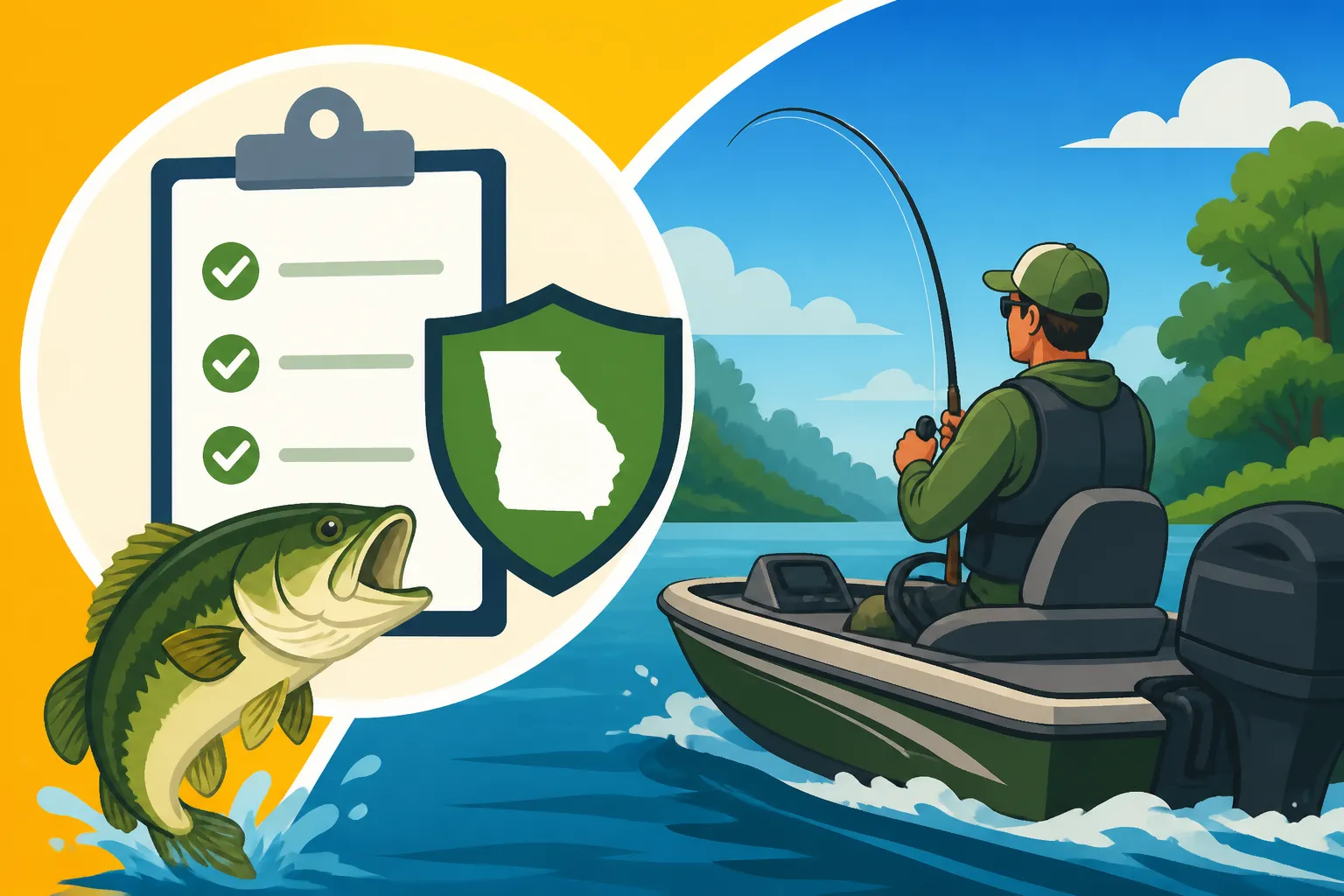
Georgia Boat Registration Renewal Deadline Explained
The joy of hitting the water in Georgia, whether it's the expansive waters of Lake Lanier or a quiet stretch of the Altamaha River, can quickly turn to stress if you're suddenly wondering when your boat registration expires. Forgetting this crucial detail can lead to unnecessary fines and hassles, putting a real damper on your next fishing adventure. This comprehensive guide is here to clear up all the confusion, explaining Georgia's boat registration renewal deadlines, how to find yours, and exactly what you need to do to stay legal on the water.
Understanding Georgia's Boat Registration Cycle
It's easy to lose track of deadlines, especially when life gets busy. For many boat owners in Georgia, the boat registration renewal process feels a bit like a mystery, leaving them scrambling at the last minute. The good news is that Georgia's boat registration operates on a fairly straightforward cycle, but understanding the nuances is key to avoiding any headaches.
The Three-Year Registration Period
Unlike some annual renewals you might be used to, Georgia motorboat registrations are typically valid for three years. This longer period can be a double-edged sword: it means less frequent renewals, but it also makes it easier to forget when that important date rolls around again. Imagine planning a spring fishing trip to Lake Seminole Fishing Guide or West Point Lake Fishing Spots, Georgia only to realize your registration expired last month. That's a frustration many of us have faced! This three-year validity starts from the date your boat was originally registered, or from the date of your last successful renewal. It’s not necessarily tied to a calendar year like January 1st to December 31st, which is a common misconception.
Why Your Renewal Date Might Not Be the Same as Your Friend's
Because the three-year cycle begins when your specific boat was first registered or renewed, everyone's deadline is unique. You might have bought your boat in March, while your neighbor bought theirs in August. Even if you both renewed on the same day last time, if your initial registrations were different, your subsequent renewal deadlines would also be different. This personalized system means you can't just ask a fellow angler when their boat registration is due and assume yours is the same. It emphasizes the importance of knowing your own specific information.
How to Find Your Specific Renewal Deadline
One of the biggest anxieties for boat owners is simply not knowing their exact renewal date. The good news is, Georgia provides several straightforward ways to pinpoint this critical information, ensuring you can plan ahead and avoid any last-minute panic.
Checking Your Current Registration Certificate
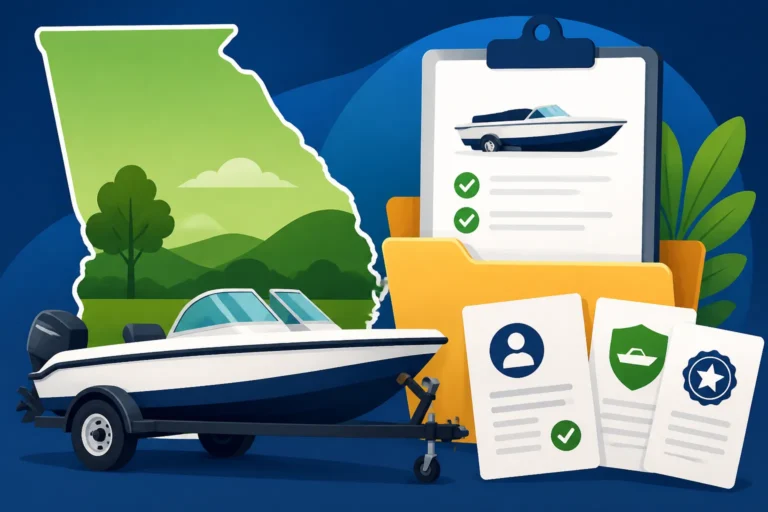
The easiest and most reliable way to find your boat's renewal deadline is by looking at your current registration certificate. This official document, which you should always have on board when operating your vessel, clearly states the expiration date. It's usually a small, wallet-sized card or a paper certificate that you keep with your boat's paperwork. Take a moment to dig it out and note that date down somewhere prominent, like on your calendar or in your phone's reminders. If you've been doing some decluttering or haven't used your boat in a while, it might be tucked away in a boat compartment, glove box, or even your home office where you keep other important documents.
Looking at Your Registration Decal
Georgia requires you to display a registration decal on the bow of your boat, usually on the port side. This decal isn't just for show; it often includes the expiration year. While it won't give you the exact month and day, it serves as a helpful visual reminder of the year you need to renew. For example, if you see "202X" on your decal, you know that year is your renewal year, prompting you to check your certificate for the precise date. It’s a quick glance that can prevent you from completely forgetting the cycle.
Accessing Your Georgia Department of Natural Resources Account
For those who prefer digital access or can't locate their physical documents, the Georgia Department of Natural Resources (DNR) online licensing system is an invaluable resource. If you've ever purchased a fishing license or renewed your boat registration online before, you likely have an account. Simply log in using your customer ID and password. Once logged in, you can often view all your registered vehicles, including boats, and their associated expiration dates. This is particularly handy if you own multiple vessels or if your physical documents are simply misplaced. It's like having a digital filing cabinet for all your Georgia Fishing License Guide and boat registration needs.
Contacting the Georgia DNR Directly
If all else fails, or if you're a new boat owner trying to sort out previous registration details, you can always contact the Georgia DNR directly. They have staff who can look up your boat's registration information using your hull identification number (HIN) or your customer ID. While phone lines might be busy during peak seasons, it's a surefire way to get accurate information straight from the source. You might even find dedicated phone numbers for boat registration inquiries on their official website.
Steps to Renew Your Boat Registration in Georgia
Once you know your renewal deadline, the next step is actually going through the renewal process. Fortunately, Georgia offers a few convenient options to get this done, catering to different preferences and schedules. No one wants to miss out on a prime fishing weekend because of overdue paperwork, especially when the bass are biting on Lake Oconee Fishing Guide, Georgia.
Online Renewal: The Easiest Option for Many
For most boat owners, renewing online is the quickest and most hassle-free method. The Georgia Department of Natural Resources (DNR) provides a dedicated online portal for boat and vessel registrations. You'll typically need your boat's registration number (or hull identification number, HIN) and your customer ID. The online system guides you through the process, allowing you to pay the required fees digitally.
Here’s a general rundown of the steps:
- Visit the Official Georgia DNR Website: Look for the "Boating" or "Vessel Registration" section.
- Log In or Create an Account: If you've registered online before, use your existing credentials. If not, you may need to create a profile.
- Locate Your Vessel Information: Input your registration number, HIN, or other identifying details to pull up your boat's record.
- Confirm Details and Pay Fees: Review all the displayed information for accuracy. The system will calculate any applicable renewal fees. You can typically pay with a credit or debit card.
- Print Temporary Documentation: After successful payment, you might be able to print a temporary registration document to use while you wait for your new decals and certificate to arrive in the mail. This is a real lifesaver if your deadline is imminent.
This method means no trips to a physical office, no waiting in line, and you can complete it anytime, day or night. It’s perfect for busy schedules! You can even pick up some new fishing accessories on Amazon or Bass Pro Shops while you're online.
Renewal by Mail: A Traditional Approach
If you prefer the good old-fashioned way, or if you received a renewal notice in the mail, you can often renew by sending in your forms and payment. The DNR typically sends out renewal notices a few months before your expiration date. These notices include a pre-filled form and instructions.
To renew by mail:
- Receive Your Renewal Notice: Keep an eye out for this in your mailbox.
- Verify Information: Double-check that all the pre-printed information on the form is correct. Make any necessary updates.
- Include Payment: Enclose a check or money order for the correct renewal fee. Avoid sending cash through the mail.
- Mail It In: Send the completed form and payment to the address provided on the notice. Make sure to mail it well in advance of your deadline to allow for processing and mailing time.
Keep in mind that mail processing can take longer, so plan accordingly to ensure your renewal is processed before your boat is technically unregistered.
In-Person Renewal: For When You Need Assistance
While online and mail renewals are convenient, some people prefer to handle things in person, especially if they have questions or need immediate assistance. You can renew your boat registration at various DNR customer service centers or approved license agent locations across Georgia.
Steps for in-person renewal:
- Gather Necessary Documents: Bring your current registration certificate, personal identification (like a driver's license), and payment method. If you received a renewal notice, bring that too.
- Find a Location: Check the Georgia DNR website for a list of customer service centers or authorized license agents near you. Locations might include certain hardware stores or sporting goods shops.
- Complete the Process: A staff member will assist you with filling out any required forms and processing your payment. In many cases, you might receive your new registration certificate and decal on the spot, which is a huge advantage if you’re cutting it close to the deadline.
It's always a good idea to call ahead to the specific location to confirm their hours of operation and what documents they require for boat registration renewal. This ensures a smooth visit and prevents wasted trips.
Consequences of Missing the Renewal Deadline
Missing your boat registration renewal deadline isn't just an inconvenience; it can lead to various issues, from minor headaches to significant legal trouble. No one wants their fishing trip interrupted by an unexpected run-in with law enforcement, especially when a quick check of your registration could have prevented it.
Fines and Penalties
The most immediate consequence of operating an unregistered or expired boat is the potential for fines. Law enforcement officers, including game wardens and marine patrol, regularly check boat registrations on Georgia's waterways. If they discover your registration is expired, you could be issued a citation. The amount of the fine can vary, but it's always more than the cost of simply renewing your registration on time. It's an easily avoidable expense that can eat into your fishing budget. Imagine having to pay a fine instead of using that money for new lures or a quality Best Cooler for a Fishing Boat! These penalties are in place to ensure all vessels on the water are properly documented and comply with state laws. What Happens if You Don't Register Your Boat in Georgia covers this in more detail.
Delayed Launching and Use
An expired registration can severely disrupt your boating plans. If you show up at a popular boat ramp, like those on Lake Lanier Fishing Guide, Georgia, and an officer checks your registration before you launch, you might be prevented from putting your boat in the water until it's renewed. This means a wasted trip, lost fishing time, and the frustration of having to go home empty-handed. Even if you manage to launch, being caught on the water can lead to being instructed to return to shore immediately, effectively ending your day prematurely. It’s a real buzzkill when all you want to do is enjoy the peace of the lake.
Enforcement Action and Impoundment
In more severe cases, or for repeat offenders, operating a vessel with an expired registration could lead to more serious enforcement actions, including the impoundment of your boat. While this is less common for a first-time oversight, it's a possibility, especially if other violations are present or if the registration has been expired for an extended period. Having your boat impounded is a costly and complicated ordeal, involving impoundment fees, storage fees, and additional legal steps to get your vessel back. It’s a situation no boat owner ever wants to find themselves in.
Insurance Complications
While not a direct legal penalty, operating a boat with an expired registration could potentially complicate your insurance coverage. Most insurance policies require you to be operating your vessel legally. If you're involved in an accident while your boat's registration is expired, your insurance company might deny a claim, arguing that you were not in compliance with state regulations. This could leave you personally responsible for damages, which could be financially devastating. Always double-check your policy or consult with your insurance provider about their specific terms regarding valid registration.
Setting Up Reminders for Future Renewals
Let's be honest, life is chaotic, and it's incredibly easy to forget those once-every-three-year tasks. But with a little proactive planning, you can ensure your boat registration renewal never sneaks up on you again.
Calendar Alerts and Digital Reminders
The simplest way to avoid missing a deadline is to set up multiple reminders. Once you confirm your boat's exact expiration date, immediately add it to your digital calendar (like Google Calendar, Outlook Calendar, or your phone's built-in calendar). Set alerts for 90 days, 60 days, and 30 days before the expiration. This gives you ample time to receive your renewal notice, gather any necessary paperwork, and complete the process online or by mail without feeling rushed. Many of us rely on our phones for everything else, so why not for this important task?
Physical Reminders and Checklists
For those who prefer a more tangible approach, consider creating a physical reminder. Write the expiration date on a sticker and place it inside your boat's tackle box, on the dash, or near your main switch panel – somewhere you'll see it regularly. You could also keep a dedicated binder or folder for all your boat-related documents, including a checklist for annual or tri-annual tasks. On that checklist, boat registration renewal should be near the top. Georgia Fishing Regulations Explained and Georgia Fish Size and Creel Limits are other documents you might keep handy.
Automating with Renewal Notices
While the Georgia DNR generally sends out renewal notices by mail, these can sometimes get lost in the shuffle or go to an old address if you've moved. However, many state systems now offer email or text message reminders if you opt in. When you renew your registration, check to see if there's an option to receive electronic notifications for future renewals. This adds another layer of protection against forgetting. It's an extra step you can take while renewing online to ensure you get a nudge when your next three-year cycle is winding down.
Annual Boat Maintenance Checklist Integration
Many boat owners have an annual routine for getting their vessel ready for the season. This often includes checking the engine, cleaning the hull, and ensuring all safety gear is on board. Make boat registration a mandatory item on this annual checklist. Even though it's a three-year renewal, making it part of your yearly prep means you'll consistently confirm its validity. If you're checking your Georgia Boat Titling and Ownership Basics or Georgia Boater Education Card Requirements, a quick glance at your registration status should be part of that same routine. This integrated approach ensures that staying legal on the water is just as important as keeping your boat in top mechanical shape.
| Renewal Method | Convenience Level | Time Required | Documents Needed | New Decal Delivery |
|---|---|---|---|---|
| Online Renewal | High | Short (10-15 min) | Registration/HIN, Customer ID, Payment | Mail (days/weeks) |
| Mail Renewal | Medium | Medium (20-30 min) | Renewal Notice (if available), Payment | Mail (weeks) |
| In-Person Renewal | Medium | Medium (30-60 min) | Current Registration, ID, Payment, Renewal Notice | Immediate (often) |
Staying on top of your Georgia boat registration renewal deadline doesn't have to be a source of stress. By understanding the three-year cycle, knowing how to find your specific date, and utilizing the convenient renewal options available, you can ensure your vessel is always legal and ready for your next big catch. Don't let an expired sticker keep you from the amazing fishing opportunities Georgia has to offer!
Disclaimer
This article is for general informational purposes only and does not constitute professional advice. Laws, prices and regulations vary by location and change over time. Consult a qualified professional for guidance on your specific situation.