Best Bait for Blue Catfish in Georgia Rivers
There’s nothing quite like the thrill of feeling that heavy thump on your line, knowing it's a giant blue catfish on the other end, pulling like a freight train in a strong Georgia river current. But let's be honest, getting these magnificent whiskered beasts to bite isn't always as simple as tossing any old chunk of meat in the water. Anglers often struggle with choosing the right bait, wondering if their offering is tempting enough to lure in those elusive trophy blues. This guide is here to cut through the guesswork, diving deep into the very best baits and strategies to help you land those monster blue catfish swimming in Georgia's majestic rivers.
Understanding Blue Catfish and Their River Appetites
Blue catfish are formidable predators, and when they get big, they eat a lot. Knowing what fuels their growth and where they prefer to hunt in our Georgia rivers is the first step to picking the perfect bait. It's not just about throwing something smelly in the water; it's about understanding their natural diet and preferences.
What Makes Blue Cats Different?
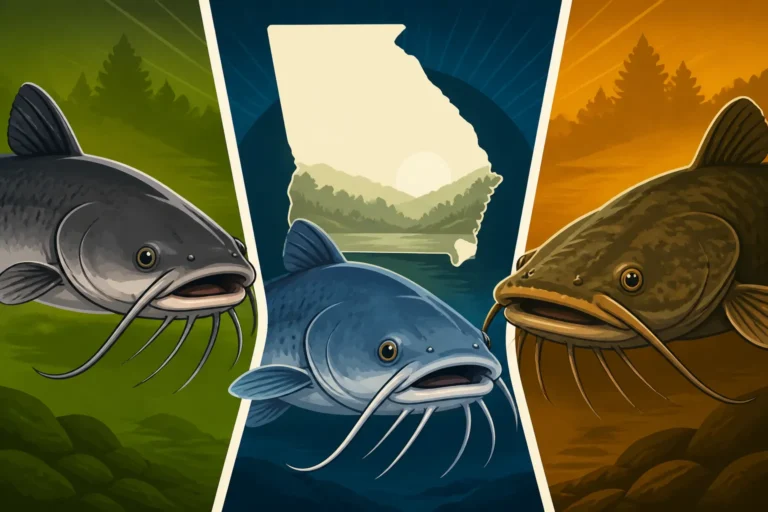
Unlike their cousins, the channel and flathead catfish, blue catfish are primarily piscivores, meaning they prefer to eat other fish. While they'll scavenge on occasion, especially when they're smaller, a large blue cat is actively hunting for a meal. They're built for power and cruising the river currents, using their keen sense of smell to locate food. In Georgia's big river systems like the Altamaha, Savannah, and Flint, blue cats grow to immense sizes, and their diet reflects that. They're not just looking for a snack; they're looking for a substantial meal. This preference for fish is why certain baits consistently outperform others, especially when targeting those truly massive specimens. Their powerful jaws and feeding habits mean they can easily engulf larger baits that smaller catfish might shy away from.
Why Fresh Cut Bait Reigns Supreme
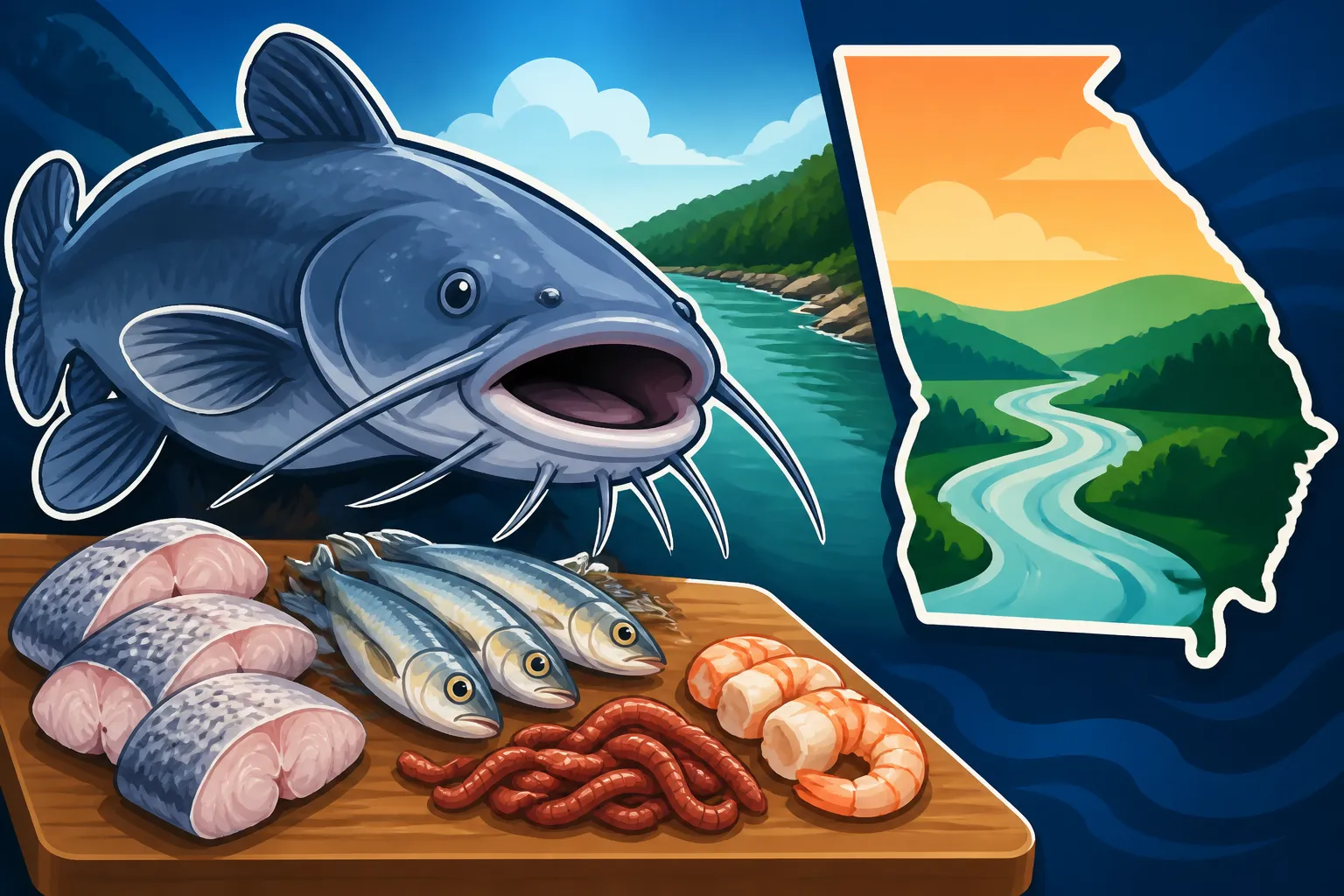
Given their predatory nature and diet, it makes perfect sense that fresh cut bait is king when it comes to blue catfish. Think about it: a piece of fresh, bloody fish releases a strong scent trail into the water, mimicking an injured or recently deceased baitfish. This scent is irresistible to a cruising blue cat, drawing them in from considerable distances, especially in the swift currents of a river. Frozen bait might work in a pinch, but it often loses much of its natural oils and blood, which are crucial for creating that powerful scent slick. The fresher the cut bait, the more potent its aroma, and the more likely it is to trigger a blue cat's feeding instinct. It’s all about appealing to their primary senses and providing a natural, enticing offering. When you're trying to coax a 30-pounder out of a deep river hole, you need every advantage you can get, and fresh cut bait delivers exactly that.
Top Baits for Blue Catfish in Georgia Rivers
Now that we know why fresh cut bait is so effective, let's talk about which specific baits consistently produce big blue catfish in Georgia's diverse river systems. The key is often using what's already swimming in their backyard.
Local Favorites: Gizzard Shad and Threadfin Shad
When you talk to experienced blue cat anglers in Georgia, gizzard shad and threadfin shad are almost always at the top of their list. These baitfish are native to many of our rivers and reservoirs, making them a natural and highly attractive food source for blue catfish.
Gizzard shad, in particular, can grow quite large, offering substantial chunks of meat and a strong, oily scent trail. They're often found in large schools, making them relatively easy to catch with a cast net in rivers, creeks, and even larger lakes that feed into the rivers. The freshness factor here is paramount: ideally, you want to net your shad shortly before or during your fishing trip. Cut them into 1- to 3-inch chunks, depending on the size of the shad and the target fish you're after. Don't forget to include some of the guts and blood, as this is where much of that irresistible scent comes from. The oily nature of these baits allows their scent to disperse effectively in the current, creating a "chum line" that blue cats can follow straight to your hook.
Other Excellent Cut Bait Options
While shad are king, they aren't the only game in town. Georgia's rivers host a variety of other fish species that make fantastic blue catfish bait.
Skipjack Herring are another absolute favorite, especially in river systems like the lower Chattahoochee or Altamaha during their seasonal runs. These fish are incredibly oily and have a silvery flash that can also attract attention. They're often caught on light tackle or sabiki rigs, and like shad, using them fresh and cut into generous chunks is the way to go. If you can get your hands on fresh skipjack, you're in for a treat.
Brim (Bluegill and other sunfish) are also excellent, particularly if you're fishing smaller river sections or areas where shad are harder to find. Just make sure to check local regulations regarding the use of game fish as bait; generally, they must meet minimum size requirements or be legally harvested. A medium-sized bluegill, cut into two or three pieces, makes a hearty meal for a hungry blue cat and offers a scent profile they are very familiar with.
Even smaller carp can be effective, especially larger buffalo carp which are often found in the same deep river holes as big blue cats. Their tough scales and robust flesh mean they hold up well on the hook, and their oiliness makes them a great option for attracting attention.
Whole or Chunked? Bait Presentation Matters
When it comes to presenting your cut bait, the decision between using a whole baitfish or chunking it up depends largely on the size of the bait and your target fish.
For smaller baitfish, like a 4-6 inch threadfin shad or a small bluegill, you might consider cutting them in half or even using them whole if you're targeting truly enormous blue cats that are known to swallow large prey. When cutting, remember to expose plenty of flesh and bone to maximize the blood and oil release. A cross-section cut often works best for this.
For larger baitfish, such as big gizzard shad or skipjack, cutting them into 1-3 inch chunks is generally more practical. This ensures that the bait fits well on your hook, is easily engulfed by the catfish, and still provides that powerful scent trail. Don't be afraid to experiment with different chunk sizes throughout your fishing session. Sometimes, a smaller, more manageable piece will get hit quicker, while other times, a giant chunk is what's needed to entice a truly trophy-sized fish. The goal is to make it easy for the blue cat to find and swallow while maximizing the appealing scent.
Here’s a quick overview of popular blue catfish baits:
| Bait Type | Freshness | Scent/Oiliness | Size/Availability in Georgia Rivers | Best Use | Notes |
|---|---|---|---|---|---|
| Gizzard Shad | Critical | High | Abundant, large schools | Chunks (1-3"), Whole (small shad) | Primary choice for trophy blues. Netting is common. |
| Threadfin Shad | Critical | Medium-High | Abundant, smaller schools | Chunks (1-2"), Halves | Excellent all-around blue cat bait. Netting is common. |
| Skipjack Herring | Critical | Very High | Seasonal, some major rivers | Chunks (1-3"), Fillets | Incredibly oily, highly prized bait when available. |
| Brim (Bluegill) | High | Medium | Widespread in rivers/lakes | Halves, Quarters | Easily accessible, good alternative to shad. Check regulations. |
| Carp (Small) | High | Medium | Common in river systems | Chunks (1-3"), Fillets | Tough bait, stays on hook well, good for larger fish. |
| Chicken Livers | Medium | Medium | Easily available | Globs, small chunks | Less preferred by big blues, but can catch smaller ones in a pinch. |
| Cut Eels | High | Medium | Less common as bait source | Chunks (1-2") | Very tough, stays on hook, good for strong currents. |
Rigging and Presentation for Success
Having the best bait is only half the battle; knowing how to present it effectively in a river environment is equally crucial. Blue catfish in rivers often hold in specific areas, and your rig needs to get the bait to them and keep it there.
Essential Rigs for River Blue Catfish
When fishing for blue catfish in rivers, especially those with significant current, two rigs stand out: the Carolina Rig and the Santee Cooper Rig.
The Carolina Rig is a classic for a reason. It's simple, effective, and allows your bait to move somewhat naturally with the current while keeping your weight on the bottom. To tie it, you'll slide an egg sinker (or a no-roll sinker for stronger currents) onto your main line, followed by a bead to protect your knot, then tie on a swivel. To the other end of the swivel, attach a fluorocarbon or monofilament leader (18-36 inches long is typical) and then your hook. The leader length can be adjusted; a longer leader allows the bait to drift more naturally, while a shorter one keeps it closer to the weight in strong current.
The Santee Cooper Rig is essentially a modified Carolina Rig that adds a float to your leader. This small float (often a peg float or cigar float) lifts your bait slightly off the bottom, preventing it from getting buried in muck or debris, and making it more visible and accessible to catfish. This is especially effective when fishing over a soft bottom or when trying to present your bait above submerged structure. You'll tie it just like a Carolina Rig, but before you tie on your hook, slide a small float onto the leader, positioning it about 6-12 inches above the hook. Both of these rigs allow you to use a heavy enough weight to hold bottom in current, which is absolutely vital for consistent success. You can find all the components for these rigs, from sinkers to swivels, easily on platforms like Amazon.
Finding the Right Spot in the River
Blue catfish in rivers are often structure-oriented and will utilize current breaks to ambush prey or conserve energy. Learning to read the river is a huge asset. Look for deep holes, especially those on the outside bends of a river, where the current has scoured out a deeper channel. These are prime resting and feeding areas.
Current seams, where fast-moving water meets slower water, are also excellent spots. Baitfish will often congregate in the slower water, and blue cats will lie in wait at the seam, darting out into the current to grab a meal. Submerged timber, rock piles, bridge pilings, and any other significant structure that breaks the current can also hold fish. Don't be afraid to use your electronics, if you have them, to locate these underwater features. Even from the bank, you can often observe changes in current flow, eddies, and subtle depth changes that indicate potential catfish holding areas. The Chattahoochee River through Atlanta, for instance, has many such urban structures that hold fish.
Importance of Freshness and Scent
We've already talked about the importance of fresh bait, but it bears repeating: freshness is everything. If your cut bait sits in the sun for too long, it will lose its potency. Keep your bait on ice in a cooler, and only take out what you need for immediate use. If you notice your bait looks dull or has lost its vibrant color, it might be time to refresh it with a new piece.
Some anglers also use scent attractants to boost their bait's appeal. These come in sprays, gels, or dips and can add an extra layer of enticement, especially if your bait isn't as fresh as you'd like it to be. While not strictly necessary with super fresh cut bait, they can sometimes give you an edge, particularly in heavily fished areas or during slower bites. Brands like Pro-Cure or Mike's are popular choices and can be easily found online, including on Amazon. Regularly checking your bait and ensuring it still emits a strong, appealing odor will dramatically increase your chances of hooking up with a hungry blue cat.
Beyond the Bait: Tips for Targeting Trophy Blues
Catching trophy blue catfish is often less about a secret bait and more about a combination of the right bait, proper technique, and sheer determination. These are powerful fish that demand respect and preparation.
Patience and Persistence
Fishing for big blue catfish in rivers is not a sprint; it's a marathon. You might go hours without a bite, and then suddenly, your rod doubles over. Patience is key. Find a good spot, cast out multiple rods if allowed, and wait. Blue cats are constantly cruising their territories, and it might just take some time for one to stumble upon your perfectly presented bait. Don't be discouraged by slow periods; stay focused, keep your bait fresh, and be ready for that exhilarating take-down. Sometimes the best strategy is to soak your baits for an extended period, allowing the scent to permeate the water column and draw fish in from a wider area. Setting up a comfortable bank fishing spot or anchoring securely from your boat are both great ways to ensure you can wait out the bite in comfort.
Gear Up Right
You wouldn't bring a knife to a gunfight, and you shouldn't bring light tackle to a blue catfish brawl. These fish are incredibly strong, especially in river currents, and they will test your gear to its limits.
Invest in heavy-action or extra-heavy action fishing rods that can handle the power of a large blue cat and the heavy weights needed to hold bottom in current. Pair these with robust baitcasting or spinning reels capable of holding a significant amount of heavy monofilament or braided line. Many anglers prefer braided line (50-80 lb test) for its sensitivity and strength, often backing it with a monofilament leader for abrasion resistance. Circle hooks (sizes 7/0 to 10/0) are highly recommended, as they typically hook the fish in the corner of the mouth, making for easier release and less harm to the fish. Make sure your swivels, snaps, and sinkers are all heavy-duty components designed for big fish. Getting reliable gear from a trusted source, such as through an online retailer like Amazon, can make all the difference when you hook into that fish of a lifetime. Need guidance on what specific gear to look for? Check out our article on Best Catfish Gear for Georgia Rivers and Lakes.
River-Specific Considerations
While the general principles of blue catfish bait and presentation apply across Georgia, each major river system has its own nuances.
The Flint River, particularly its lower sections, is renowned for its catfish, including blues. Here, the availability of local baitfish like robust gizzard shad can make a significant difference. Pay attention to deep scour holes near ledges.
The Altamaha River, known for its vastness and strong currents, often requires heavier weights to hold bottom. Skipjack herring are a phenomenal bait here when available. Look for oxbow lakes and deeper bends off the main channel where fish can congregate. Our guide on Where to Fish the Altamaha River has more specific details.
The Savannah River, especially in its lower reaches, also holds impressive blue cats. Tidal influences can add another layer of complexity here, as catfish movements are often tied to incoming and outgoing tides. Fishing around structure during slack tide or when the current is less extreme can sometimes be more productive. For more insights on this river, check out Best Fishing Spots on the Savannah River, Georgia.
Always observe local conditions, talk to other successful anglers, and be willing to adapt your bait and technique based on what the river is telling you. The most successful blue catfish anglers are those who are constantly learning and adjusting.
Disclaimer
This article is for general informational purposes only and does not constitute professional advice. Laws, prices and regulations vary by location and change over time. Consult a qualified professional for guidance on your specific situation.