Can Passengers Drink on a Boat in Georgia?
One of the most common questions I hear when folks are planning a fun day out on Georgia's beautiful lakes and rivers is about bringing along some adult beverages. It's totally natural to want to relax with a cold one while enjoying the water, but the rules aren't always crystal clear, and nobody wants to inadvertently run afoul of the law or, worse, put anyone at risk. This guide is here to break down exactly what Georgia law says about passengers drinking on a boat, helping you ensure your time on the water is both enjoyable and completely safe.
Understanding Georgia's Boating Under the Influence (BUI) Laws
Let's start with the big one: Boating Under the Influence (BUI). This is the cornerstone of alcohol-related laws on Georgia's waterways, and it's absolutely crucial for anyone operating a boat to understand. Just like driving a car, operating a boat while impaired by alcohol or drugs is a serious offense, and for good reason—the consequences can be devastating.
The Core of BUI: Impairment and Operation
When we talk about BUI, we're really focusing on two key elements: "impairment" and "operation." Impairment means your judgment, coordination, or ability to react is negatively affected by alcohol or drugs. On the water, this can be even more dangerous than on the road. You're dealing with constantly changing conditions like waves, currents, wind, and other boaters, not to mention the sun and dehydration which can magnify alcohol's effects. An impaired operator might not see a swimmer, misjudge distance to another vessel, or fail to respond quickly to an emergency.
"Operation" isn't just about steering the boat. It can include anyone who is in actual physical control of the vessel. So, if you're the one at the helm, even if the engine isn't running but you're dictating movements or are responsible for the boat, you could be considered "operating" it. The spirit of the law is clear: if you're responsible for the boat and the safety of its passengers, you need to be sober and alert.
Legal Alcohol Limits for Boat Operators
Georgia's legal alcohol limits for boat operators mirror those for drivers on the road. For anyone 21 years of age or older operating a vessel, the legal blood alcohol content (BAC) limit is 0.08%. If you're under 21, the limit is even stricter, set at 0.02%. This lower limit for younger operators reflects the state's zero-tolerance policy for underage drinking and boating.
It's important to remember that these are legal limits, and impairment can occur at even lower BAC levels, especially when combined with factors like fatigue, sun exposure, and the motion of the boat. Many people mistakenly believe that because you're on the water, the rules are more relaxed. This simply isn't true for the person at the controls. A DNR game warden isn't going to be sympathetic if you claim you "didn't realize" the limit applied to boats.
Penalties and Consequences of a BUI
Getting a BUI in Georgia is no minor infraction; it carries significant penalties. If you, as the operator, are caught with a BUI, you're looking at fines, potential jail time, community service, and mandatory boater education courses. Your privilege to operate a vessel could be suspended, and in some cases, it can even affect your driving privileges on land. This isn't just a slap on the wrist; it's a serious criminal offense that stays on your record.
Imagine having your fishing season cut short because you made a poor choice, or facing substantial legal fees and insurance hikes. Beyond the legal and financial ramifications, there's the immense personal cost, especially if your actions lead to an accident, injury, or worse. The goal of these laws is to protect everyone, and the penalties reflect the gravity of putting lives at risk on the water. It’s far better to arrange for a sober operator or keep your own consumption to zero if you’re planning to be at the controls. For more detailed information on what happens, you can look into Georgia BUI Blood Alcohol Limit for Boaters.
Drinking as a Passenger: What's Allowed and What's Not
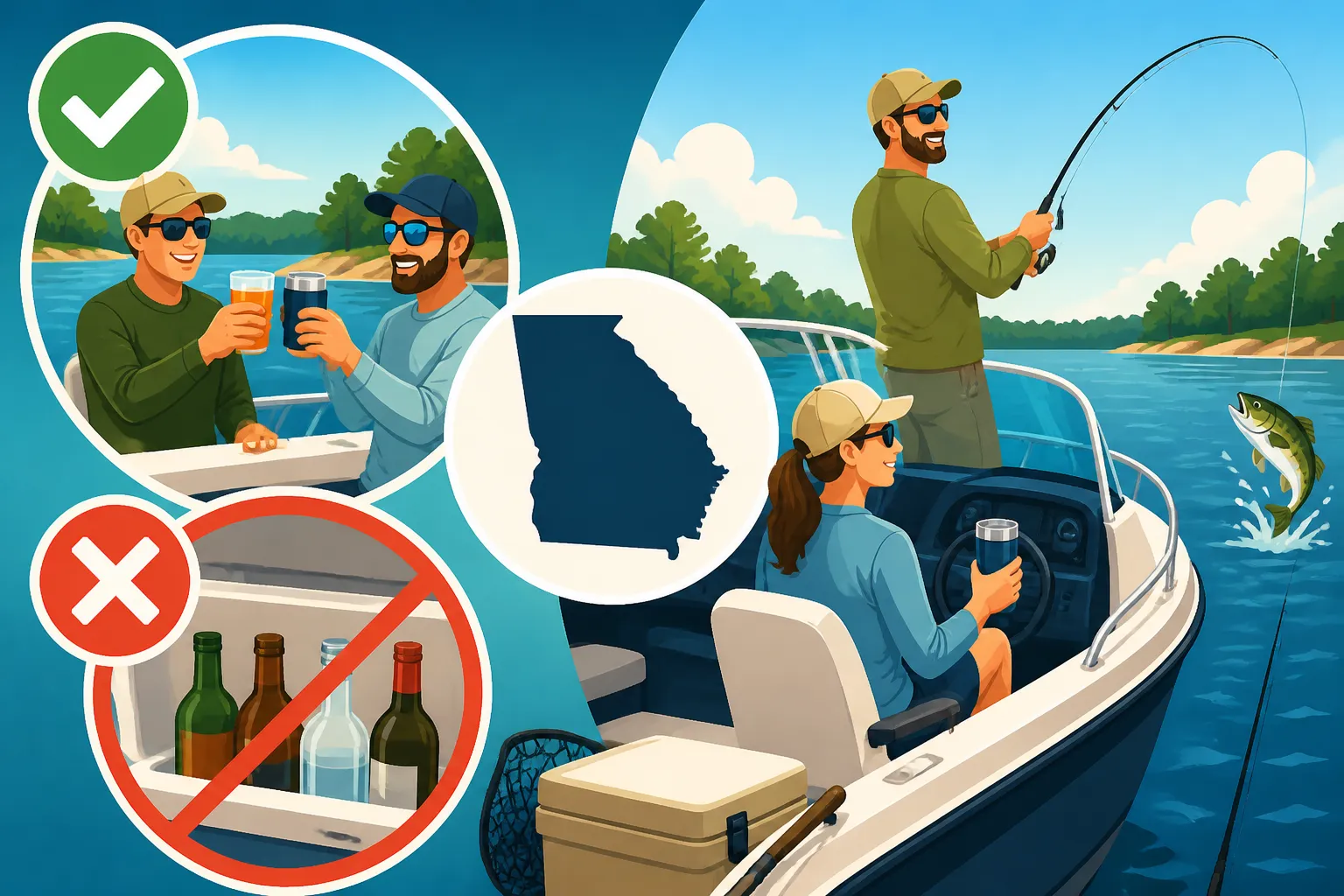
This is where things diverge significantly from the rules of the road, and it's often the source of confusion for many Georgia anglers and recreational boaters. While operating a boat under the influence is strictly prohibited, enjoying an alcoholic beverage as a passenger is generally permitted under specific conditions.
The Good News for Passengers: Open Container Laws on the Water
Unlike a car, where open containers of alcohol are typically illegal for both drivers and passengers, Georgia's boating laws generally do not prohibit passengers from consuming alcohol on a vessel. This means if you're out on Lake Lanier enjoying the sunshine and you're purely a passenger, you can usually enjoy a beer, wine, or mixed drink without breaking any specific open container laws that apply to boats. It’s one of those nuances that makes boating feel a bit more relaxed than driving a car, but it doesn't mean you should throw caution to the wind.
This freedom, however, comes with a huge caveat: it's not a free-for-all. The key is responsible consumption and always having a sober, capable operator at the helm. You might be a passenger enjoying a beverage, but if your behavior becomes disorderly or poses a risk to others, law enforcement can still intervene.
When Passenger Drinking Becomes a Problem
Even if you're not the operator, and open containers are generally allowed for passengers, there are definite lines where passenger drinking can become a problem. If a passenger becomes overly intoxicated and starts acting disorderly, disruptive, or creates a safety hazard for themselves or others on board, law enforcement can absolutely step in. This could lead to charges for public intoxication or disorderly conduct, even if you’re just a passenger.
Furthermore, if your actions as a passenger directly contribute to an unsafe situation or an accident, you could face legal consequences, even if you weren't operating the boat. The boat operator also has a responsibility for the general safety and conduct of their passengers. If the operator allows passengers to become so intoxicated that they pose a risk, the operator could potentially face repercussions, as they are ultimately responsible for the safety of the vessel and everyone on it. It’s a collective responsibility to keep things safe and enjoyable.
The "Designated Skipper" Concept
Just like we encourage a designated driver for land travel, the concept of a "designated skipper" is absolutely vital for boating in Georgia. This means one person on board commits to remaining completely sober and alert throughout the outing, taking on the responsibility of operating the vessel. This is your best defense against accidents and legal trouble.
Having a designated skipper allows everyone else to relax and enjoy themselves, knowing that their safety is in capable, sober hands. It means that while passengers might be enjoying a few drinks, the person steering the boat is clear-headed, focused, and ready to navigate any unexpected challenges, from sudden weather changes to navigating busy waterways. This simple practice significantly reduces risk and ensures everyone gets back to shore safely. When planning your trip, consider who will be the Best Boat for Fishing Lake Lanier and who will be the responsible captain for the day.
Practical Tips for Responsible Boating and Alcohol Consumption
When you're out on the beautiful waters of Georgia, whether it's the peaceful currents of the Chattahoochee River or the expansive stretches of Lake Hartwell, safety should always be your top priority. While passengers can drink, incorporating alcohol into your boating day requires an extra layer of planning and responsible behavior.
Safety First: Prioritizing Everyone on Board
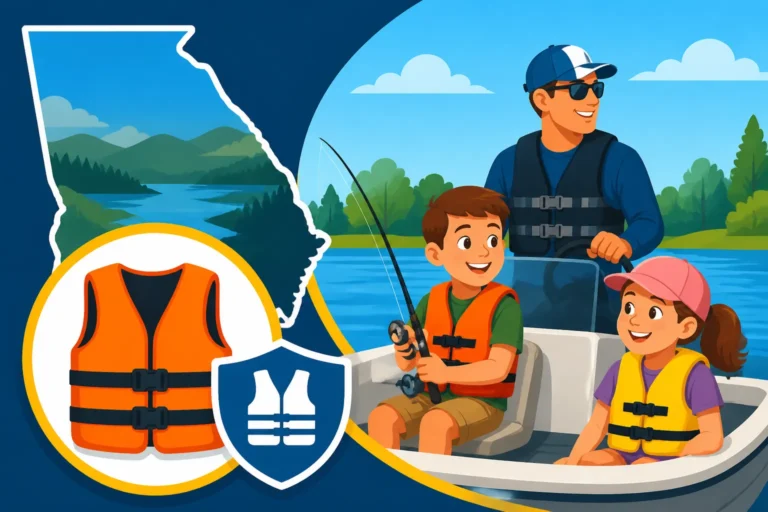
Alcohol, even in moderation, can impair judgment and slow reaction times. When you combine that with the sun, heat, wind, and boat vibrations, the effects can be amplified quickly. This is why having a sober operator is non-negotiable. Beyond that, ensure everyone on board, especially children, has access to and wears a properly fitting Coast Guard-approved life jacket. Georgia law specifically outlines Georgia Life Jacket Rules for Children Under 13, and it’s a wise idea for adults to wear them too, particularly if consuming alcohol.
Before you even leave the dock, file a float plan with a trusted friend or family member, letting them know where you’re going and when you expect to return. Check the weather forecast, make sure all your safety gear is on board and in good working order (flares, horn, fire extinguisher, first-aid kit), and ensure you know how to operate your vessel properly. Thinking about safety ahead of time, perhaps with items picked up from a place like Bass Pro Shops, means you're prepared for anything.
Managing Alcohol on Board
If you plan to have alcohol on your boat, think about how you'll manage it. Instead of bringing a cooler full of only alcoholic beverages, stock it primarily with water, sports drinks, and juices. This encourages hydration and offers non-alcoholic alternatives. Consider setting a limit for yourself and your passengers. It’s easy to lose track of drinks when you’re out having fun, so sometimes bringing pre-mixed, portion-controlled drinks can help.
Encourage people to space out their drinks, and definitely don't pressure anyone to drink more than they're comfortable with. Remember, the boat operator is still responsible for the general safety and well-being of all passengers. If a passenger becomes visibly impaired to the point of being a danger to themselves or others, the operator needs to intervene responsibly, which might mean cutting off alcohol service or heading back to shore.
Staying Hydrated and Fueled
The combination of sun exposure, heat, and the constant motion of a boat can lead to dehydration much faster than on land. Dehydration can exacerbate the effects of alcohol, making you feel more impaired even with less alcohol consumed. Always bring plenty of fresh water on board—more than you think you’ll need. Encourage everyone to drink water regularly throughout the day, alternating with any alcoholic beverages.
Snacks are also important! Eating helps slow the absorption of alcohol into your bloodstream. Pack a variety of easy-to-eat snacks like sandwiches, fruit, chips, or protein bars. Staying fed and hydrated isn’t just good for preventing hangovers; it’s a critical component of responsible and safe alcohol consumption on the water. If you’re planning a longer trip, make sure your cooler, perhaps one ordered from Amazon, is well-stocked with plenty of water and food.
The Role of Law Enforcement on Georgia Waters
It's easy to feel like you're miles away from civilization when you're out on the open water, but rest assured, law enforcement is very much present and vigilant on Georgia's lakes and rivers. Understanding who they are and how they operate can help you have a safer, more compliant boating experience.
Who Patrols Georgia's Lakes and Rivers?
In Georgia, the primary law enforcement agency responsible for patrolling waterways is the Georgia Department of Natural Resources (DNR) Law Enforcement Division. These are your familiar game wardens, and they are highly trained in boating safety and BUI enforcement. They have full law enforcement authority on the water, similar to how state troopers operate on highways. In addition to DNR, you might encounter local sheriff's deputies, particularly on larger lakes or rivers that fall within county jurisdictions.
These officers are not just looking for BUI. They're ensuring compliance with all boating regulations, from proper registration and lighting to ensuring everyone has the required safety equipment, like sufficient life jackets. They are there to protect the public and enforce laws designed to make boating safe for everyone. Being familiar with Georgia Fishing Regulations Explained can save you a lot of hassle.
How Sobriety Checks Work on the Water
Just like on the road, law enforcement officers on the water can stop a boat if they have reasonable suspicion that a violation has occurred, or sometimes for safety checks. If an officer suspects the operator is impaired, they will conduct field sobriety tests, which are often adapted for the unstable environment of a boat. These might include tasks designed to assess balance, coordination, and mental acuity.
If the officer believes there's probable cause, they may request a chemical test (like a breathalyzer) to determine BAC. Georgia has implied consent laws, meaning that by operating a vessel, you implicitly consent to such tests if lawfully requested. Refusing a test can lead to immediate consequences, including the suspension of your boating privileges, regardless of whether you are actually impaired. The Penalties for Fishing Without a License in Georgia are also quite serious, so make sure your paperwork is always in order.
Avoiding Unnecessary Encounters
The best way to avoid a negative encounter with law enforcement on the water is simple: operate your boat safely, comply with all boating laws, and ensure your operator is sober. If you're speeding in a no-wake zone, operating erratically, or your boat lacks proper lighting after dark, you're signaling to law enforcement that something might be amiss, increasing your chances of being stopped.
Always have your Georgia Fishing License Guide and any required boater education card (like the Georgia Boater Education Card Requirements) readily available. Make sure your boat registration is current and properly displayed. By being a responsible boater, you not only ensure your safety and the safety of others but also minimize the likelihood of an unnecessary stop and inspection. A well-maintained vessel with all the necessary gear, perhaps from a reputable outdoor retailer or via quick delivery from Amazon, is always a good start.
Passenger Drinking vs. Operator BUI: A Clear Distinction
To help clarify the differences between a passenger enjoying a drink and an operator committing a BUI, here's a quick comparison.
| Feature | Passenger Drinking (Generally Allowed) | Operator BUI (Strictly Prohibited) |
|---|---|---|
| Legal Status | Generally permitted; no specific open container law for passengers on boats. | Illegal; a criminal offense with serious penalties. |
| Responsibility | Personal responsibility for behavior; can face disorderly conduct charges. | Legal responsibility for the safe operation of the vessel and passengers. |
| BAC Limit | Not directly applicable to passengers, but extreme intoxication can be an issue. | 0.08% for adults (21+); 0.02% for minors (<21). |
| Consequences | Potential charges for public intoxication or disorderly conduct. | Fines, jail time, community service, license suspension, mandatory education. |
| Impact on Safety | Excessive intoxication can lead to risky behavior or accidental falls. | Severely impairs judgment, coordination, and reaction time, high accident risk. |
| Recommendation | Moderate consumption, stay hydrated, maintain respectful behavior. | Remain completely sober and alert; designate a sober skipper. |
Navigating Georgia Waters: Final Thoughts
So, can passengers drink on a boat in Georgia? The short answer is generally yes, but with a whole lot of common sense and responsibility attached. It's a privilege, not an absolute right, and it comes with the expectation that everyone on board contributes to a safe and enjoyable experience. The critical distinction lies between the passengers and the boat operator. The person at the helm must remain sober, vigilant, and fully capable of operating the vessel safely.
Remember the "designated skipper" concept. It's truly the best way to ensure everyone has a good time and, most importantly, makes it back to shore without incident. Enjoy Georgia's beautiful fishing spots, whether you're chasing bass on Lake Oconee Fishing Guide, Georgia or trout in the Toccoa River Trout Fishing in Georgia, but always prioritize safety, make smart choices, and respect the laws designed to keep everyone safe on the water.
Disclaimer
This article is for general informational purposes only and does not constitute professional advice. Laws, prices and regulations vary by location and change over time. Consult a qualified professional for guidance on your specific situation.