Best Gear for Bank Fishing at Freshwater Lakes
It can feel incredibly frustrating to want to spend a relaxing day fishing, only to feel limited by not having a boat or dedicated access to prime spots. Many of us know the struggle of finding a decent bank fishing location and then wondering if our gear is even up to the task. This guide is here to alleviate those worries, helping you choose the best gear specifically tailored for successful and comfortable bank fishing at Georgia's beautiful freshwater lakes and ponds, proving that you don't need a fancy boat to enjoy a fantastic day on the water.
The Essential Rod and Reel Setup for Bank Anglers
When you're planted firmly on the bank, your rod and reel become your primary tools for reaching fish that might be a little further out or hiding in cover. Unlike boat fishing where you can easily reposition, bank fishing demands a setup that offers both casting distance and control. Choosing the right combination makes all the difference between a frustrating day of short casts and tangled lines, and a rewarding experience pulling in fish.
Rod Selection: Length, Action, and Power
For bank fishing, rod length is often your best friend. A longer rod, generally in the 6'6" to 7'6" range, gives you a significant advantage. Think of it this way: the longer the lever, the more momentum you can generate with your cast, meaning your bait flies further out into the water. This is crucial when you're trying to reach that submerged brush pile across the cove or that drop-off just beyond the immediate shoreline. Shorter rods, while great for tight quarters or kayak fishing, simply won't give you the reach you need from the bank.
Beyond length, consider the rod's "action" and "power." Action refers to where the rod bends. A fast or extra-fast action rod bends mostly near the tip, offering excellent sensitivity for detecting subtle bites and quick hook sets. This is ideal for baits like jigs or soft plastics where feel is paramount. Power, on the other hand, describes how much force it takes to bend the rod. A medium-light to medium power rod is a fantastic all-around choice for freshwater bank fishing in Georgia. It's strong enough to handle largemouth bass, striped bass, or even decent catfish, yet sensitive enough for crappie and bream. A good medium power spinning rod will be versatile enough to throw a variety of lures and baits, which is a huge plus when you're limited to a single setup. You can find robust, versatile options for Best Rod for Shore Fishing Without a Boat at local Bass Pro Shops, where you can feel the rods in person.
Reel Choice: Spinning vs. Baitcasting for Shore
For most bank anglers, especially beginners or those looking for an all-around setup, a spinning reel is the clear winner. Spinning reels are incredibly user-friendly, excel at casting lighter lures and baits, and are much more forgiving when it comes to backlashes. When you're dealing with potential wind, uneven ground, or simply trying to get your bait out there consistently, the ease of use of a spinning reel is invaluable. Pair your medium-power, longer spinning rod with a 2500 or 3000 series spinning reel for a balanced and effective setup.
Baitcasting reels definitely have their place, offering greater accuracy and power for heavier lures, especially for targeting big bass. However, they come with a steeper learning curve and can be prone to frustrating backlashes if not properly spooled or cast with care. If you're an experienced angler who prefers a baitcaster and is confident in your casting technique from varied shoreline positions, then by all means, go for it. But for the average person looking for a hassle-free day of bank fishing, stick with a reliable spinning reel.
Line Selection: Mono, Fluoro, or Braid?
Choosing the right fishing line is often an overlooked aspect, but it significantly impacts your success. Each type has its pros and cons for bank fishing:
- Monofilament (Mono): This is the most common and budget-friendly line. It has a good amount of stretch, which can be forgiving when fighting fish, and it's easy to tie knots with. Its buoyancy also makes it good for topwater lures. The downside is its stretch can reduce sensitivity, and it can be prone to memory (coiling) over time.
- Fluorocarbon (Fluoro): Virtually invisible underwater, fluorocarbon is excellent for clear water and spooky fish. It has less stretch than mono, providing better sensitivity and hook-setting power. However, it's stiffer, can be harder to tie, and is denser, causing it to sink, which might not be ideal for all presentations.
- Braided Line (Braid): Braid offers incredible strength-to-diameter ratio, no stretch (maximum sensitivity), and exceptional casting distance. For bank fishing, the casting distance can be a game-changer. The downsides are its visibility (often requiring a fluorocarbon leader in clear water) and its tendency to cut into rod guides if not carefully maintained. It also requires different knot-tying techniques.
For maximum versatility from the bank, many anglers opt for braided line as their main line (10-20 lb test for freshwater) due to its casting prowess and sensitivity. They then tie a fluorocarbon or monofilament leader (6-12 lb test, 2-4 feet long) to the braid. This gives you the best of both worlds: long casts and sensitivity from the braid, and invisibility and abrasion resistance from the leader. If you prefer simplicity, a good quality 8-10 lb monofilament or fluorocarbon main line will still serve you well.
Tackle Box Essentials for Freshwater Lakes
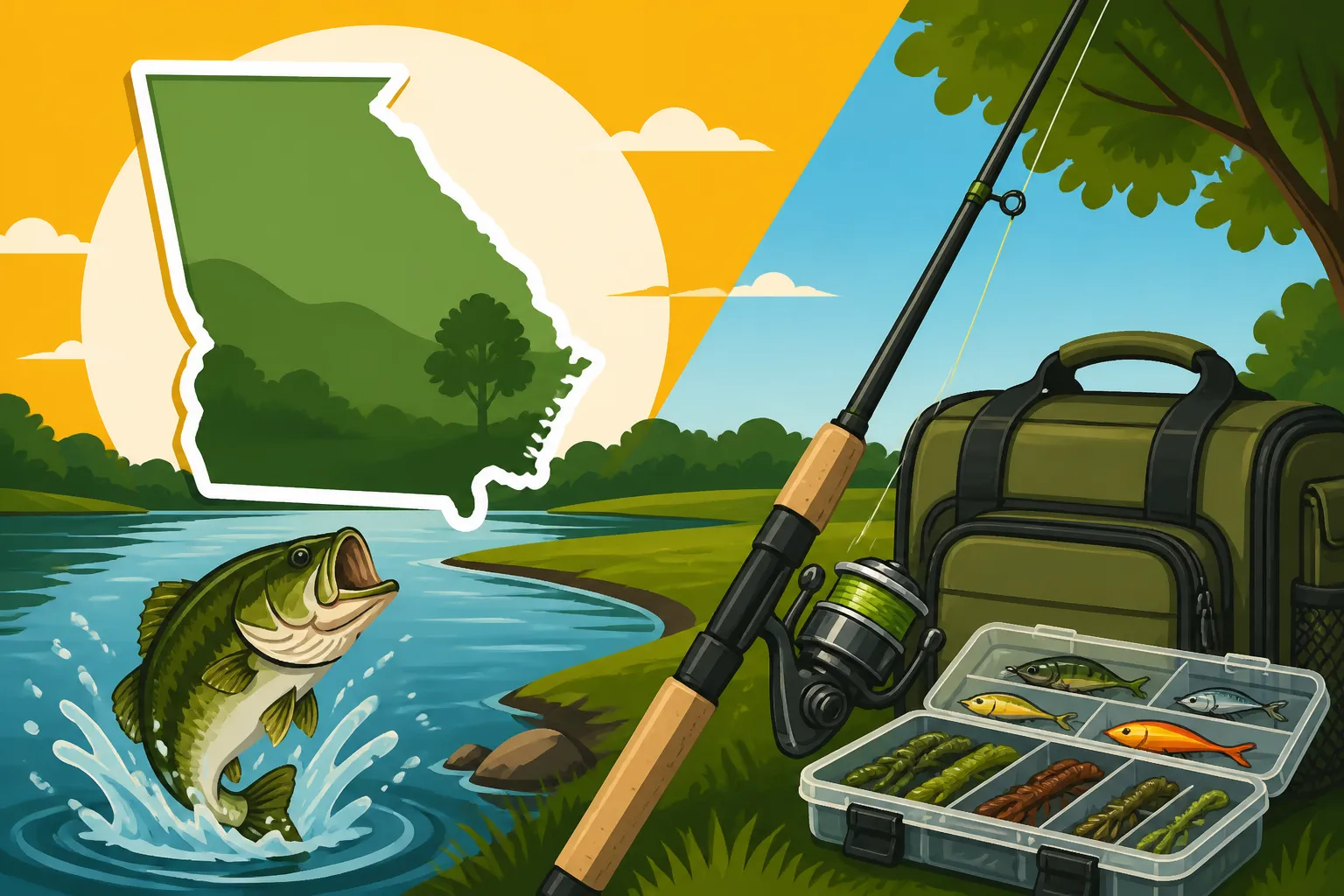
You can't bring your entire boat's worth of tackle when you're hiking to a bank spot. That's why a well-organized, compact tackle box or bag is crucial. Every item needs to earn its place, focusing on versatility and effectiveness for a wide range of common Georgia freshwater species. Thinking about Tackle Box Setup for Bass Fishing and other species beforehand will save you a lot of time and frustration.
Baits and Lures That Work from Shore
From the bank, you'll want baits and lures that are easy to cast, appealing to multiple species, and effective in varying water conditions.
- Soft Plastics: These are incredibly versatile. Stick worms (like Senkos), creature baits, paddle-tail swimbaits, and curly-tail grubs are bank fishing staples. They can be rigged weightless, Texas-rigged for weedless fishing, or on a jig head. Colors like green pumpkin, junebug, and natural shad patterns are always good choices. They're effective for largemouth and spotted bass, and even crappie.
- Jigs: From small crappie jigs to larger bass jigs, these are excellent for fishing deeper water or around structure. Crappie jigs, often tipped with a small plastic grub or a minnow, can be deadly under a bobber or slowly retrieved. Bass jigs with skirts are fantastic for imitating crawfish or baitfish near the bottom.
- Spinnerbaits and Chatterbaits: These are "search baits" that allow you to cover a lot of water quickly. The flash and vibration attract aggressive fish. They're particularly effective for bass in areas with sparse cover or along weed lines. White, chartreuse, and perch patterns are popular.
- Crankbaits: Medium-diving crankbaits (that run 4-8 feet deep) are great for probing submerged structure or points. Lipless crankbaits are also fantastic for covering water and generating reaction strikes. Choose natural baitfish patterns or bright colors for stained water.
- Live Bait: Don't underestimate the power of live bait! A small container of worms (redworms, nightcrawlers) or a bucket of minnows can catch almost anything swimming in a Georgia lake, from bream and crappie to catfish and bass. They are a classic choice and particularly effective for a relaxed day of fishing with the family. For bluegill, a simple Best Bait for Bluegill Fishing like a redworm on a small hook under a bobber is often all you need.
Terminal Tackle: Hooks, Weights, and Swivels
Your terminal tackle needs to be organized and accessible. Focus on a range of sizes to match your baits and target species.
- Hooks: Bring an assortment of sizes. Offset worm hooks (2/0 to 4/0) for Texas-rigging soft plastics, small Aberdeen hooks (#6 to #10) for live bait like worms or crickets for bream, and jig heads (1/16 oz to 1/4 oz) for grubs and minnows. Some circle hooks (1/0 to 3/0) are excellent for catfish, especially when using cut bait, as they are often more fish-friendly.
- Weights: Bullet weights (1/8 oz to 3/8 oz) for Texas rigs, split shots (small to medium) for adjusting bobber rigs or adding subtle weight, and egg sinkers (1/2 oz to 1 oz) for bottom fishing for catfish.
- Swivels and Snaps: Barrel swivels help prevent line twist, especially with spinning lures. Snap swivels make changing lures quick and easy, which is a huge benefit when you're experimenting from the bank.
- Bobbers: A few slip bobbers and fixed bobbers (clip-on) are essential for suspending baits at specific depths, especially for crappie and bream.
Tools and Accessories for the Bank
These small items make a big difference in your overall experience and efficiency.
- Pliers/Forceps: For safely removing hooks from fish, cutting line, and crimping weights. A multi-tool with pliers is perfect.
- Line Clippers/Scissors: Quick and clean line cuts are important.
- Measuring Tape/Scale: To adhere to Georgia Fish Size and Creel Limits and satisfy your curiosity about your catch.
- Small First-Aid Kit: Minor cuts from hooks or scrapes are common.
- Headlamp/Flashlight: If you plan on doing any dawn, dusk, or night fishing. Night Fishing Techniques for Catfish often require good lighting.
- Bug Spray: Georgia's mosquitos and gnats can be relentless, especially near water. Don't leave home without it!
- Small Towel: For wiping hands or cleaning fish.
Consider a dedicated Best Tackle Bag for Bank Anglers that is comfortable to carry, with plenty of pockets for organization. Brands like Plano or Rapala offer great options, many of which are available on Amazon.
Comfort and Convenience Gear for Long Days on the Bank
Bank fishing isn't just about catching fish; it's about enjoying the experience. Making sure you're comfortable and prepared for the elements will allow you to focus on the fishing, rather than being distracted by discomfort or lack of necessities.
Seating and Shelter: Making Yourself Comfortable
Standing for hours on end can be tiring, and sometimes you just need a place to sit, rest, and observe the water.
- Portable Fishing Chair: A lightweight, foldable chair or stool is a game-changer. Look for one with a backrest for added comfort, and maybe even a small side pocket for essentials. Some even come with integrated rod holders, which are incredibly handy when you're waiting for a bite. You can find many excellent, packable options on Amazon.
- Umbrella/Small Tarp: Georgia sun can be intense, and pop-up showers are common. A portable fishing umbrella or a small tarp that can be quickly rigged for shade or rain protection can make your outing much more enjoyable. This is especially true if you plan to spend several hours at your chosen spot.
- Cooler: A small, insulated cooler not only keeps your drinks and snacks cold but can also double as an extra seat or a sturdy platform for your tackle box. Keep it stocked with plenty of water.
Hydration, Nutrition, and Sun Protection
Staying hydrated and fueled is vital, especially during warmer months.
- Water Bottle/Hydration Pack: Dehydration can sneak up on you. Bring more water than you think you'll need. A reusable water bottle or a small hydration pack is perfect.
- Snacks: Pack non-perishable snacks like granola bars, trail mix, fruit, or sandwiches to keep your energy levels up throughout the day.
- Sunscreen and Lip Balm: Protect your skin from harmful UV rays. Reapply frequently, especially after sweating.
- Hat and Sunglasses: A wide-brimmed hat offers excellent face and neck protection. Polarized sunglasses are not just for comfort; they help cut glare on the water, allowing you to spot submerged structure or even cruising fish. This can give you a real edge, helping you How to Read Water for Trout Fishing or other species.
- Appropriate Clothing: Dress in layers, even on seemingly warm days, as temperatures can fluctuate. Lightweight, breathable, long-sleeved shirts can protect you from the sun and bugs while keeping you cool.
Transporting Your Gear: Bags and Carts
Getting your gear from your car to your fishing spot can be a challenge, especially if you have a bit of a walk.
- Backpack Tackle System: Instead of a bulky tackle box, consider a fishing backpack. These are designed with multiple compartments, rod holders, and often come with plastic utility boxes for organized storage. They distribute weight evenly and keep your hands free for carrying your rod or a chair. Many anglers find this invaluable for traversing uneven terrain to reach prime Best Bank Fishing Spots in Georgia.
- Fishing Carts: If your chosen bank fishing spots involve longer, relatively flat walks (like along paved trails in a state park), a fishing cart can be a lifesaver. These wheeled carriers allow you to load up your cooler, chair, rods, and tackle, making transport effortless. Look for sturdy wheels that can handle varied terrain if you anticipate going off-road a bit.
Strategic Bank Fishing Add-ons
While not strictly "essential," some additional gear can significantly enhance your bank fishing experience, allowing you to scout areas more effectively, access more water, and boost your chances of success.
Fish Finders and Electronics for Shore Fishing
You might think fish finders are only for boats, but portable versions are a fantastic tool for bank anglers.
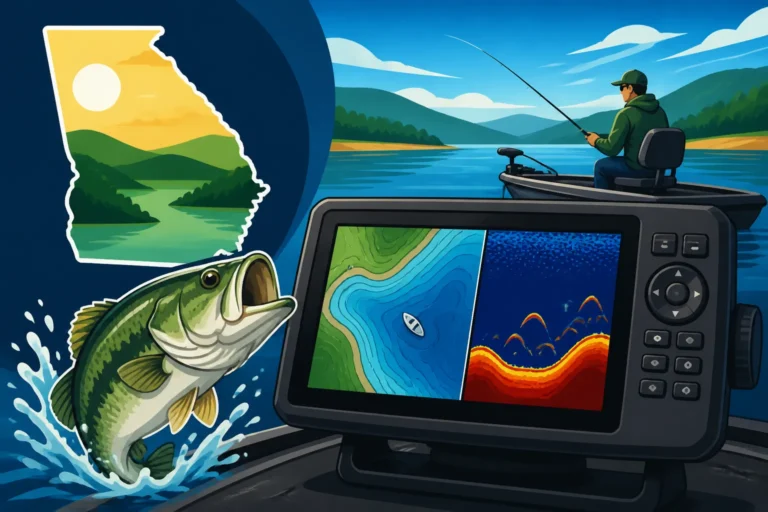
- Castable Fish Finders: These innovative devices (like the Deeper or Garmin Striker Cast) are designed to be cast out from shore. They float, transmit sonar data to an app on your smartphone, and allow you to map contours, identify structure, and even pinpoint fish holding areas right from the bank. This information can be invaluable for understanding the underwater landscape of a lake you're unfamiliar with. Knowing where the drop-offs or submerged timber are can dramatically improve your casting accuracy and bait presentation.
- Portable Depth Finders: Some smaller, handheld depth finders can give you quick readings of water depth, which helps you understand the bottom structure without having to cast repeatedly. While less detailed than a castable sonar, they are simple to use and provide fundamental information. These tools can help you better understand How Water Temperature Affects Fish Behavior at different depths.
These electronics can help you make more informed decisions about where and how to fish, essentially giving you "eyes" under the water that would otherwise be impossible from shore.
Waders and Footwear for Accessing More Water
Sometimes, just a few extra feet of reach can make all the difference.
- Fishing Waders: If you're serious about bank fishing and want to access those slightly deeper spots or get around obstacles, a pair of lightweight chest waders can be a game-changer. They allow you to wade out a bit into the shallow margins of the lake, extending your casting range and opening up new angles to present your bait. This is particularly useful in areas with a gradual slope or when targeting specific cover that's just out of reach from the dry bank. Just be sure to practice safety and know the bottom conditions before wading into unfamiliar waters.
- Waterproof Boots/Shoes: Even if you're not planning to wade, sturdy, waterproof footwear is highly recommended. Many prime bank fishing spots can be muddy, wet, or have slippery rocks. Keeping your feet dry and comfortable will make your experience much more enjoyable and prevent unnecessary slips or falls. Options range from dedicated wading boots to general waterproof hiking shoes.
By strategically adding these items to your gear collection, you can transform your bank fishing from a casual hobby into a much more productive and adventurous pursuit, allowing you to explore more of Georgia's beautiful freshwater resources like the Best Fishing Spots in Georgia.
Disclaimer
This article is for general informational purposes only and does not constitute professional advice. Laws, prices and regulations vary by location and change over time. Consult a qualified professional for guidance on your specific situation.