Best Dry Bag for Kayak Fishing Trips
There's nothing quite like the freedom of kayak fishing on Georgia's beautiful lakes and rivers, but the constant spray, unexpected capsizes, or just a sudden downpour can quickly turn an epic day into a disaster for your electronics and essential gear. Keeping your phone, wallet, keys, extra clothes, and even your lunch safe and dry is paramount to a successful and stress-free trip. This guide will walk you through everything you need to know about choosing the best dry bag for your kayak fishing adventures, ensuring your valuables stay protected from Georgia's diverse waterways.
Why a Dry Bag is a Non-Negotiable for Kayak Fishing in Georgia
Imagine spending a perfect morning chasing bass on Lake Lanier or quietly drifting for trout on the Toccoa River. The last thing you want is to reach for your phone to snap a photo of your catch, only to find it waterlogged because it sat in a puddle at the bottom of your kayak. Or worse, you hit some rapids on the Flint River, and your spare change of clothes is soaked through before you even make it back to shore. This isn't just about convenience; it's about protecting expensive gear and ensuring comfort and safety.
Protecting Your Valuables from Georgia's Diverse Waters
Georgia offers an incredible variety of fishing environments, each with its own unique challenges when it comes to keeping gear dry. From the expansive open waters of our major reservoirs like Lake Oconee and Clarks Hill Lake, where boat wakes can splash over your bow, to the tight, often swift-moving currents of our mountain trout streams, water is an ever-present factor. Even a calm paddle can unexpectedly lead to a splash or a spill. A dry bag acts as a reliable, waterproof fortress, giving you peace of mind whether you're battling a striper on the Chattahoochee or exploring the marshy estuaries of the Georgia coast. Without one, you're rolling the dice with anything that can't get wet.
Avoiding Common Kayak Fishing Mishaps
Kayak fishing inherently involves close proximity to water. It's not a matter of if your gear will get wet, but when and how much. Think about loading and unloading your kayak at a busy boat ramp like those found on Lake Hartwell; a misplaced paddle or a slick ramp can send your gear tumbling into the drink. Or perhaps you're paddling through dense vegetation, and a sudden branch causes your kayak to rock, sloshing water over the side. Even a simple act like reaching for something in a compartment can result in a dropped item. A properly secured dry bag ensures that if something goes overboard, it not only stays dry but also floats, making retrieval much easier. It saves you from that gut-wrenching moment of watching your wallet or keys sink to the bottom. For a general overview of essential items, check out our Kayak Fishing Gear Checklist for Georgia Anglers.
Ensuring Comfort and Preparedness on Longer Trips
For longer excursions, especially when you're exploring Remote Wilderness Fishing Spots in North Georgia or planning a multi-day trip down a river, a dry bag is critical for comfort and preparedness. You'll want to keep extra layers of clothing, a first-aid kit, a small cooking stove, and maybe even a sleeping bag completely dry. Nothing sours an overnight trip faster than soggy essentials. A dedicated dry bag allows you to pack these items with confidence, knowing they'll be ready for use no matter what the weather or water conditions throw at you. It's about being self-sufficient and comfortable, even when far from shore or the trailhead.
Key Features That Make a Dry Bag Great for Fishing
Not all dry bags are created equal, especially when you're looking for one that stands up to the demands of kayak fishing. There are several crucial features that set a good fishing dry bag apart from a simple waterproof sack.
Material Durability and Waterproofing Technology
The first thing to consider is the material. You'll typically find dry bags made from PVC (polyvinyl chloride) or TPU (thermoplastic polyurethane).
PVC vs. TPU: Which is Best for Your Needs?
- PVC: This is a very common and often more affordable material. It's known for its ruggedness, abrasion resistance, and excellent waterproofing. PVC dry bags are usually a bit heavier and stiffer, but they can take a beating, making them ideal for rough-and-tumble adventures on rocky rivers or when you expect a lot of friction against your kayak. They're generally easy to clean, too. However, PVC can become brittle in extremely cold temperatures, which might be a consideration for winter anglers in North Georgia.
- TPU: TPU is a more advanced material that offers superior flexibility, lighter weight, and better resistance to extreme temperatures. It's also often considered more environmentally friendly than PVC. While still very durable, TPU bags might not be quite as puncture-resistant as heavy-duty PVC, but they are generally easier to pack and manipulate. If you're looking for a lighter bag that can be compressed more easily and will hold up in a wider range of conditions, TPU might be your preferred choice. Both materials are usually seam-sealed or welded to prevent water intrusion, so look for high-quality construction.
Closure Systems: Roll-Top, Zippers, and More
The closure system is arguably the most critical component for keeping water out.
The Tried-and-True Roll-Top Closure
Most dry bags, especially the traditional cylindrical ones, use a roll-top closure. This system is simple, highly effective, and very reliable. To seal it, you typically fold the top edge down at least three times, then clip the buckles together. This creates a watertight seal that can withstand submersion if done correctly. It's a fantastic choice for keeping general gear dry, from extra clothing to snacks. For tips on essential safety gear, consider our Safety Gear Checklist for Georgia Boaters.
Waterproof Zippers and Advanced Seals
For more specialized dry bags, especially duffel-style bags or larger backpacks, you might encounter waterproof zippers. These aren't your average zippers; they're heavy-duty, often self-healing, and designed to create a completely watertight seal. While incredibly convenient for quick access, they can be stiffer to operate and sometimes require lubrication to maintain their waterproof integrity. Some bags also feature more advanced compression seals or vacuum-seal capabilities for absolute protection, though these are less common for general kayak fishing applications. Always verify the IPX rating (Ingress Protection rating) if a manufacturer provides one; an IPX7 or IPX8 indicates true immersion protection.
Capacity and Shape: Finding the Right Fit
Dry bags come in a vast array of sizes and shapes, from tiny 2-liter pouches to massive 100-liter duffels.
Matching Volume to Your Gear Load
Consider what you need to keep dry. Are you just protecting your phone and keys? A small 5-10 liter bag might be perfect. Do you need to store a change of clothes, a lunch, and a small camera? You'll likely need something in the 20-30 liter range. For longer trips with cooking gear or an extra sleeping bag, 40-60 liters or more will be necessary. It's always better to have a little extra space than not enough, as overstuffing a dry bag can compromise its seal.
Cylindrical, Backpack, and Duffel Styles
- Cylindrical: These are the classic roll-top dry bags, perfect for stashing in kayak hatches or strapping to the deck. They are simple, effective, and come in many sizes.
- Backpack: Dry bags designed as backpacks offer shoulder straps for comfortable carrying when you're off the water, say, hiking to a remote fishing spot or carrying gear from your car to the launch. They often include external pockets (usually water-resistant, not fully waterproof) and compression straps.
- Duffel: Dry duffel bags combine the ease of access of a duffel with robust waterproofing, often featuring large waterproof zippers. They are excellent for larger items, making it easy to see and retrieve gear without digging. These are particularly popular for coastal fishing or when you have a lot of items to organize. Many anglers browse options at Bass Pro Shops or search for durable duffel-style bags on Amazon to compare features and customer reviews.
Attachment Points and D-Rings
For kayak fishing, how you secure your dry bag is almost as important as its waterproofing. Look for sturdy D-rings, grab handles, or lash points that allow you to easily attach the bag to your kayak's deck, seat, or internal rigging. This prevents the bag from shifting around while paddling or, crucially, from floating away if you happen to flip. A small carabiner or bungee cords are your friends here.
Choosing the Right Dry Bag for Your Georgia Kayak Fishing Style
With so many options out there, selecting the perfect dry bag can feel a bit overwhelming. But by considering your specific fishing habits and the type of waters you frequent in Georgia, you can narrow down the choices considerably.
Day Trips on Lakes and Flatwater Rivers
If your typical outing involves a few hours on a calm lake like Lake Blackshear or a gentle stretch of the Chattahoochee River through Atlanta, your needs will be different from those tackling whitewater.
Essentials for Short, Calm Excursions
For these trips, you're primarily looking to protect your personal essentials. A smaller, lighter dry bag in the 10-20 liter range is often sufficient. This size is perfect for:
- Your phone, keys, and wallet
- A small snack and a drink
- A light jacket or rain shell (just in case!)
- A small camera or headlamp
A simple roll-top cylindrical bag works wonderfully, easily stashing into a kayak hatch or bungee-corded to the deck. You might also consider a dedicated waterproof phone pouch that you can wear around your neck or keep tethered to your kayak for quick access. These smaller bags are a good entry point into dry bag use and don't take up much space. Many find Best Kayaks for Fishing Georgia Lakes pair well with these compact dry bag solutions.
Multi-Day Expeditions and Whitewater Adventures
When you're planning an overnight trip, perhaps exploring the Toccoa River Trout Fishing in Georgia or spending multiple days on the Flint River chasing shoal bass, your dry bag strategy needs to scale up significantly. The risk of prolonged exposure to water and potential capsizes increases.
Packing for Extended Stays and Challenging Conditions
For longer, more adventurous trips, you'll likely need multiple dry bags or a single large dry duffel.
- Large Main Bag (40-60+ liters): This will hold your sleeping bag, tent (if not packed separately), extra clothing layers, and larger cooking gear. A dry duffel with backpack straps or a large cylindrical bag that fits securely in your kayak's storage is ideal.
- Medium Day Bag (20-30 liters): For items you need throughout the day, like lunch, extra water, a first-aid kit, and a rain jacket. Keep this easily accessible.
- Small Personal Bags (5-10 liters): Essential for electronics, medications, and other critical items that absolutely cannot get wet. These can be placed inside the larger bags for double protection.
For whitewater sections, look for bags with extra-durable materials (like heavy-duty PVC), robust roll-top closures, and multiple, reinforced attachment points. Some bags even feature purge valves to let out excess air, allowing for a tighter pack.
Specialized Needs: Electronics, Cameras, and Sensitive Gear
Some items demand an even higher level of protection than what a standard dry bag might offer.
Double-Bagging and Hard Cases
If you're bringing an expensive DSLR camera, a tablet, or sensitive navigation electronics, consider a layered approach:
- Waterproof Phone Cases: For your smartphone, a simple, clear, submersible phone pouch is a must. These allow you to use your phone's touchscreen and camera while keeping it safe. You can often find these at local sporting goods stores or online retailers like Amazon.
- Small Dry Bags/Pouches: Place smaller electronics like power banks, headlamps, or car keys into dedicated small dry bags.
- Hard Cases: For truly sensitive or fragile items like cameras or GPS units, a waterproof, crushproof hard case (like a Pelican case) offers the ultimate protection. These are more expensive and bulkier but provide peace of mind in extreme conditions.
- Double-Bagging: For crucial items, placing a small dry bag inside a larger dry bag provides a secondary barrier against water, adding an extra layer of security. This is a common practice for remote trips where failure is not an option.
Comparison Table: Dry Bag Types for Georgia Kayak Fishing
To help you visualize the best fit, here's a quick comparison of common dry bag types:
| Feature/Type | Cylindrical Roll-Top | Dry Duffel Bag | Dry Backpack | Waterproof Phone Pouch |
|---|---|---|---|---|
| Common Sizes | 5L – 60L | 30L – 100L+ | 20L – 60L | Fits most smartphones |
| Closure Type | Roll-top buckle | Waterproof zipper (T-Zip style) | Roll-top or waterproof zipper | Ziploc-style seal, roll-top, or locking clasps |
| Best For | General gear, clothes, food, fitting in hatches | Large gear, easy access, multiple items | Portability off the kayak, heavier loads | Phones, keys, wallet, quick access |
| Pros | Simple, reliable, affordable, highly waterproof | Wide opening, easy organization, often rugged | Comfortable to carry, distributes weight | Inexpensive, allows phone use, often floatable |
| Cons | Narrow opening can make finding items harder | Zippers can be stiff/require maintenance, more expensive | Can be bulky on the kayak deck | Limited capacity, only for small items, seals can fail |
| Georgia Example | Stashing extra layers for Winter Fishing Patterns on Georgia's Reservoirs | Organizing gear for a week-long coastal trip in the Golden Isles | Carrying gear to remote trout streams | Keeping your phone dry while fishing Lake Lanier Fishing Guide, Georgia |
Maximizing Your Dry Bag's Performance and Longevity
Buying a great dry bag is only half the battle. To ensure it performs flawlessly trip after trip and lasts for years, proper packing, usage, and maintenance are crucial.
Proper Packing Techniques
How you pack your dry bag can impact its effectiveness and ease of use.
The Art of the Roll-Top Seal
For roll-top bags, the key is the seal. Ensure there's enough air inside the bag when you roll it down – this air helps it float and keeps the walls from collapsing, making a better seal. You want at least three tight rolls of the opening. After rolling, clip the buckles together. If your bag has side buckles, clip those too for extra security and to create a handle. Avoid overfilling the bag to the point where you can't get those crucial three rolls. Make sure no fabric or foreign objects are caught in the seal area, as even a small leaf can compromise the waterproofing.
Organizing Your Contents for Easy Access
While dry bags are great for keeping water out, they aren't always the best for organization. Consider using smaller, lighter stuff sacks or even Ziploc bags inside your dry bag to group items. This makes it easier to find what you need without emptying the entire bag. For example, keep all your cooking utensils in one small bag, and your spare socks in another. This system also adds another layer of protection for crucial items.
Attaching Your Dry Bag to Your Kayak
Never, ever let a dry bag just sit loose in your kayak. It's a recipe for disaster.
Secure Fastening Methods
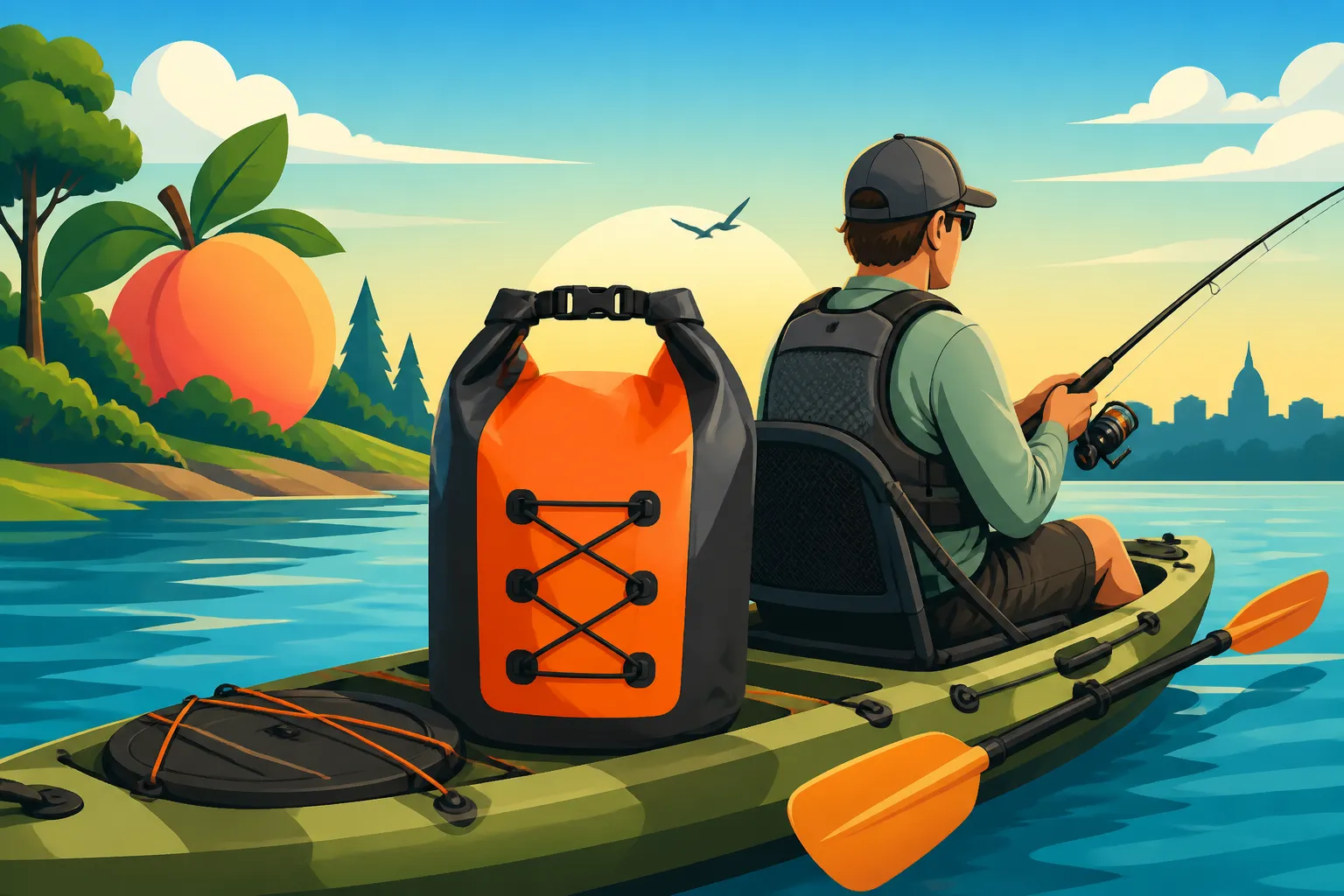
Use the D-rings or lash points on your dry bag and kayak to securely attach it. Bungee cords are excellent for this, allowing some flexibility while keeping the bag firmly in place. You can also use webbing straps with buckles or even a simple rope. If you're using a deck bag, ensure it's tethered to multiple points so it doesn't shift or get lost in rough water. For general advice on rigging your vessel, check out How to Rig a Kayak for Fishing. The goal is that if you flip or encounter heavy chop, your dry bag stays with your kayak.
Cleaning and Storage for Extended Lifespan
Just like your Best Rods and Reels for Georgia Fishing, your dry bag needs care to perform its best.
Post-Trip Cleaning and Drying
After each trip, especially saltwater outings or muddy river excursions, take a moment to clean your dry bag. Rinse it thoroughly with fresh water, both inside and out, to remove any dirt, salt, or grime. Pay special attention to the closure mechanism; sand or grit in a roll-top or zipper can cause damage over time. Wipe down waterproof zippers and apply any recommended lubricant to keep them moving smoothly and sealing correctly.
Proper Storage to Prevent Damage
Once clean, always ensure your dry bag is completely dry before storing it. Storing a damp dry bag can lead to mildew, unpleasant odors, and can degrade the material. Leave it open to air dry for a day or two, perhaps hanging upside down. Store it loosely, not tightly folded or compressed, in a cool, dry place away from direct sunlight. Extreme heat or prolonged UV exposure can break down the materials over time. By following these simple steps, your reliable dry bag will be ready to protect your gear on countless future Georgia fishing adventures.
Disclaimer
This article is for general informational purposes only and does not constitute professional advice. Laws, prices and regulations vary by location and change over time. Consult a qualified professional for guidance on your specific situation.