Best Waders for Fishing Rivers From Shore
There's nothing quite like the freedom of fishing a Georgia river, but hitting the water's edge often means sacrificing access to prime fishing lies or enduring chilly, wet conditions. Many anglers feel limited to casting from a fixed bank spot, watching tantalizing ripples just out of reach, or getting soaked trying to get closer. This guide is all about breaking free from those limitations by finding the perfect pair of waders, allowing you to comfortably step into the shallows, navigate currents, and truly explore the hidden gems of our beautiful rivers, whether you're after trout in the mountains or bass in the low country.
Why Waders Are a Game-Changer for River Shore Anglers in Georgia
For anyone who loves casting a line into Georgia's abundant rivers, the bank can sometimes feel like a barrier. While bank fishing has its charm, a good pair of waders can unlock a whole new world of opportunities. Instead of just looking at the water, you can become a part of it, opening up new strategies and access to fish that rarely see a hook from the shore.
Expanding Your Reach and Comfort on Georgia Rivers
Imagine trying to reach that beautiful seam where the fast water meets the slow current on the Chattahoochee, or sneaking up on a deep eddy along the Flint River where a big shoal bass might be lurking. From the bank, these spots are often just a dream. With waders, you can step into the water, carefully navigate around obstacles, and cast to those previously inaccessible areas. This isn't just about reaching further; it's about positioning yourself optimally. When you're standing in the river, you can often get a better casting angle, present your bait or lure more naturally, and avoid spooking fish with a high profile from the bank. It brings a whole new level of immersion and tactical advantage to your fishing experience. The ability to move quietly and deliberately through the water can be the difference between a frustrating day and a memorable catch, especially on pressured waters.
Staying Warm in Georgia's Cooler Waters and Seasons
Georgia might be known for its heat, but our rivers, especially the trout streams of north Georgia, can be surprisingly cold, even in spring and fall. Winter fishing, while productive for many species, would be unbearable without proper insulation. Trying to fish a mountain stream like the Toccoa River without waders, even on a mild day, can quickly lead to numb feet and a miserable experience. Waders, particularly those designed for colder temperatures, act as a crucial barrier against the chill. They trap a layer of air or provide insulating material that keeps your body heat from escaping into the cold water. This means you can stay out longer, focus on your technique rather than the cold, and truly enjoy the tranquility of the river environment. It's not just about comfort; it's about safety, too, preventing hypothermia in extreme conditions.
Types of Waders: Finding Your Perfect Fit for Georgia's Rivers
Just like there are different types of fishing, there are different types of waders. Choosing the right kind depends on where and when you plan to fish, and what kind of comfort and mobility you need. It’s not a one-size-fits-all situation, and understanding the nuances can make all the difference in your river adventures.
Breathable Chest Waders: The Versatile Workhorse
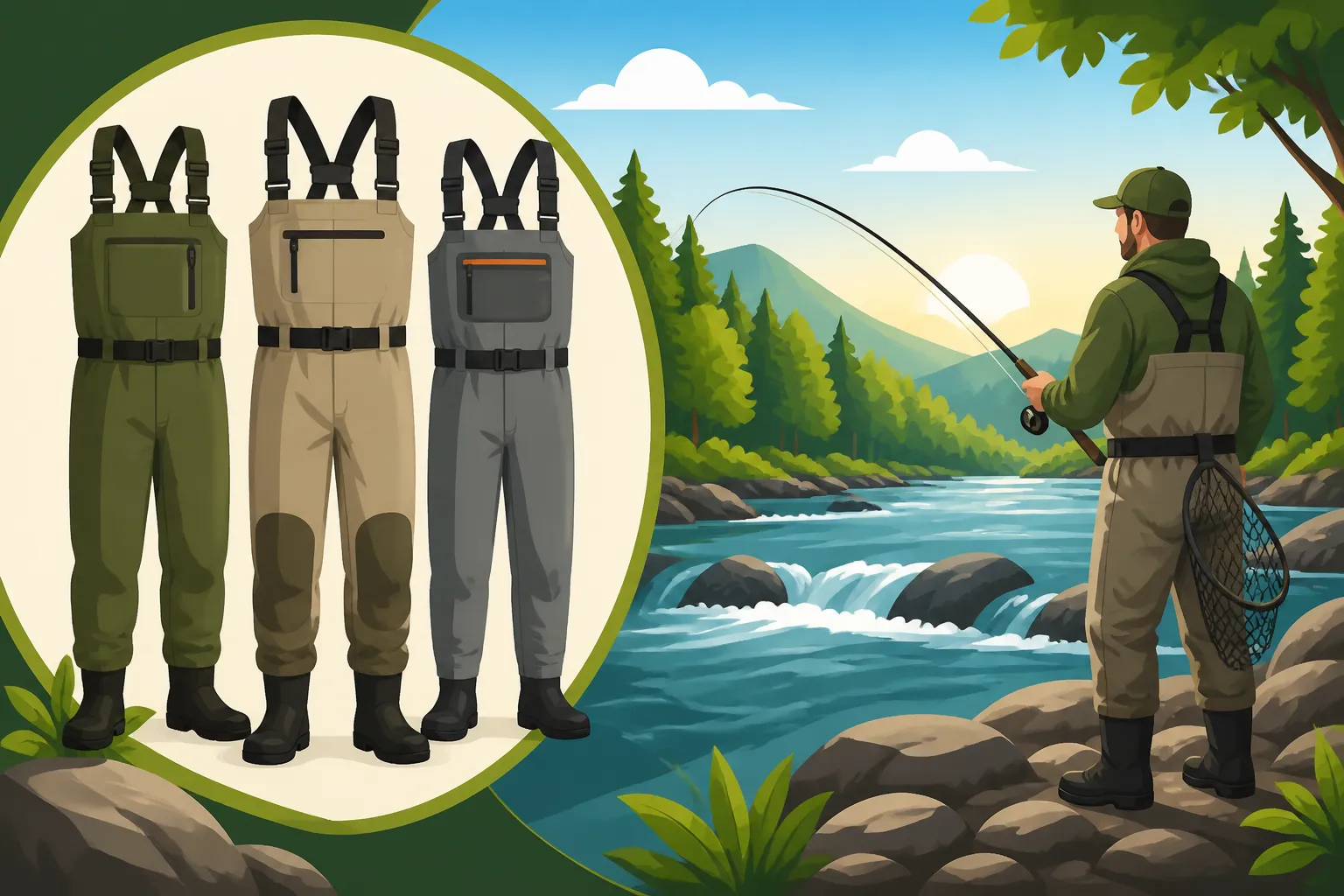
For many Georgia river anglers, breathable chest waders are the go-to choice, and for good reason. They are incredibly versatile, offering full-body coverage from your chest down to your feet, which is fantastic when you're wading in deeper sections of a river like the Chattahoochee River Headwaters Trout Fishing or crossing a particularly wide stretch. The "breathable" part is key here – these waders are made from advanced materials like Gore-Tex or similar proprietary fabrics that allow moisture vapor (sweat) to escape while preventing water from coming in. This means you stay much more comfortable, especially during warmer months or when you’re doing a lot of walking or active wading.
They’re typically stockingfoot waders, meaning they don't have built-in boots. Instead, you wear neoprene booties that are part of the wader, and then you put on a separate pair of wading boots. This system allows for a custom fit, better ankle support, and the ability to choose boots with the right sole (felt, rubber, or studded) for the specific river bottom you'll encounter. For those long days stalking trout in the mountains or covering miles of river searching for bass, breathable chest waders are an investment in comfort and endurance. You can layer up underneath them in colder weather and shed layers when it warms up, making them adaptable for nearly every season of Georgia Fishing Seasons by Month.
Neoprene Waders for Colder Conditions: Maximum Warmth
When the temperatures drop, and you’re determined to keep fishing through Georgia’s cooler months, neoprene waders become your best friend. Think of them like a wetsuit for fishing – they’re made from neoprene, the same material used in scuba gear, which provides excellent insulation. These waders are designed to keep you toasty warm even in icy cold water, making them ideal for winter trout fishing or early spring crappie trips in shallower river sections.
The downside is that they aren't breathable in the same way modern fabric waders are. If you’re hiking a lot or fishing on a particularly warm day, you can quickly overheat and get sweaty inside them, which defeats the purpose of staying dry. However, for those specific cold-weather outings where staying warm is paramount, they can’t be beaten. They often come in bootfoot designs, where the boots are permanently attached to the waders, offering a seamless, warm barrier from head to toe. While they might be a bit bulkier and less flexible than breathable waders, the warmth they provide on a frigid morning along the Toccoa River Trout Fishing in Georgia makes them indispensable.
Hip Waders and Wade Boots: Light and Nimble
Sometimes, you don't need full chest coverage. For shallower wading, perhaps on small creeks or when you only need to step a few feet into the water from the bank to extend your casting range, hip waders are a lighter, more maneuverable option. These waders extend up to your waist or hips, giving you freedom of movement above the waterline. They’re less restrictive and easier to put on and take off, making them perfect for quick dips into the water or when you’re moving frequently between bank fishing and very shallow wading spots.
Hip waders are often less expensive than chest waders, too, making them a great entry-level option for anglers who are just starting to explore wading. However, their major limitation is obvious: if the water gets deeper than your hips, you're going to get wet! You need to be very mindful of the water depth and potential currents when using hip waders.
Regardless of whether you choose stockingfoot chest waders or separate hip waders, good wading boots are absolutely critical. These aren't just any boots; they are specifically designed to provide traction on slippery, uneven riverbeds. Look for sturdy construction, good ankle support, and soles that grip well on wet rocks and moss. Rubber soles are often preferred for their versatility, but felt soles offer superior grip on slick stream beds, though they can be prohibited in some areas due to concerns about transferring invasive species. Some boots also come with or can accept studs for even better traction in tricky spots. Investing in quality wading boots is just as important as the waders themselves for safety and comfort while you're exploring the Flint River Fishing Guide, Georgia.
Key Features to Look For in River Waders
When you're shelling out your hard-earned cash for a pair of waders, you want to make sure you're getting something that will hold up, keep you comfortable, and perform when it counts. It's not just about picking a color; it's about understanding the construction and features that make a real difference on the water.
Material and Construction: Durability Matters
The material of your waders is the first line of defense against the elements. For breathable waders, you'll often see terms like 3-layer, 4-layer, or even 5-layer fabric. These layers refer to how many individual sheets of material are bonded together to create the wader fabric. Generally, more layers mean greater durability, especially in high-wear areas like the legs and seat, but it can also mean a slightly higher price tag and potentially a bit less flexibility. Look for reinforced knees and seat areas, as these are the spots most likely to encounter abrasion from rocks, logs, or simply kneeling to release a fish.
Beyond the fabric itself, the construction quality is paramount. Seam integrity is where many waders fail. High-quality waders will have seams that are taped and sealed on the inside, preventing leaks. Pay attention to stitching – double-stitched or heat-welded seams are generally more robust. A good pair of waders should feel substantial without being overly bulky, giving you confidence that they can withstand the rigors of scrambling over rocks, pushing through brush, and enduring countless hours in the water. Many reputable brands offer excellent warranty programs, which can be a good indicator of their confidence in their product's construction.
Bootfoot vs. Stockingfoot: Convenience vs. Customization
This is a fundamental choice that significantly impacts your comfort and experience.
Bootfoot Waders:
- Pros: Incredible convenience. The boots are permanently attached, so you just step in, pull them up, and go. No separate boots to put on or take off. They often offer superior warmth because there are no gaps for cold water to seep into, and they’re great for quick trips or cold weather. Many neoprene waders are bootfoot.
- Cons: Less customizable fit. You're stuck with the boot that comes with the wader, which might not be the absolute best fit for your foot or the specific riverbed conditions you encounter. If the boots wear out, the entire wader needs to be replaced or repaired. They can also be bulkier to pack and store.
Stockingfoot Waders:
- Pros: Maximum customization. You pair these with separate wading boots that fit your foot perfectly and have the sole type you prefer (felt, rubber, or studded). This allows for better ankle support and comfort, especially during long hikes or strenuous wading. If your boots wear out, you can simply replace the boots, not the whole wader. They are often more packable.
- Cons: Requires purchasing separate wading boots, which adds to the initial cost. It's also an extra step in getting ready, as you have to put on the waders, then the boots.
For diverse Georgia river fishing, where you might encounter everything from slick rock bottoms to muddy banks and need to cover a lot of ground, many anglers prefer the versatility and customizability of stockingfoot waders combined with high-quality wading boots. It's a system that lets you dial in your footwear precisely for the challenges of each specific river you visit.
Essential Accessories and Features: Little Things that Matter
Beyond the basic construction, some features genuinely improve the wader experience:
- Wading Belt: Almost universally included, but essential. A wading belt should always be worn snugly around your waist. In the unfortunate event of a fall, it helps prevent the waders from filling completely with water, which can be incredibly dangerous. It's a crucial safety device.
- Pockets: Who doesn't love pockets? Look for waterproof or water-resistant pockets, often zippered, on the chest. These are perfect for keeping your phone, car keys, or a small fly box dry and easily accessible. Some waders have fleece-lined handwarmer pockets, a godsend on chilly mornings.
- Gravel Guards: If you opt for stockingfoot waders, gravel guards are built-in cuffs that fit over your wading boots. They prevent sand, gravel, and debris from getting into your boots, which can be incredibly uncomfortable and lead to premature wear of your neoprene booties and socks.
- Suspenders: Adjustable suspenders are standard, but look for comfortable, wide straps that don't dig into your shoulders. Some offer quick-release buckles for easy on and off.
- Repair Kit: While not a feature on the waders, many quality waders come with a small repair kit (patches and glue). Knowing how to quickly fix a small puncture on the river can save a trip, and being able to mend them properly at home extends their life.
Sizing, Care, and Longevity for Your Waders
You've done your research, you know what kind of wader you want, and you're ready to invest. But getting the right fit and taking proper care of your new gear are just as important as the initial purchase. An ill-fitting wader is a miserable wader, and neglected gear won't last you through many seasons of Georgia angling.
Getting the Right Fit: Comfort is King
Trying on waders is absolutely crucial. Don't just rely on your street clothes size. Waders need to be roomy enough to allow for layers underneath (especially important for cold-weather fishing) and to permit a full range of motion – bending, crouching, stepping over obstacles. You don't want them to be so baggy that they become a tripping hazard, but too tight, and you'll restrict blood flow, feel uncomfortable, and put undue stress on the seams, leading to leaks.
When trying them on, wear the kind of clothing you'd typically fish in. For stockingfoot waders, put on a thick pair of wading socks. Walk around, squat down, and lift your knees. The waders shouldn't pull tightly in the crotch or shoulders. Pay close attention to the fit of the neoprene booties if they're stockingfoot – they should be snug but not uncomfortably tight, as this can affect circulation. Most brands offer sizing charts that consider chest, inseam, and shoe size, but remember these are guidelines. Nothing beats trying them on in person if possible. You can find a great selection and try them on at a local outfitter or a larger retailer like Bass Pro Shops, where staff can often provide expert advice on fitting.
Proper Care and Storage: Extending Your Waders' Life
Waders are an investment, and like any good piece of gear, they'll last longer with proper care. The biggest enemy of waders, besides sharp hooks and thorns, is often mildew and improper storage.
- Cleaning: After each use, especially if you've been in muddy or silty water, rinse your waders thoroughly inside and out with fresh water. You don't need harsh detergents; plain water is usually sufficient. If they get particularly dirty or develop an odor, a mild, non-detergent soap can be used, but always follow the manufacturer's specific cleaning instructions.
- Drying: This is the most important step! Never store wet waders. Hang them inside out first to allow the interior to dry completely, then turn them right side out and hang them to dry the exterior. Hang them in a well-ventilated area, out of direct sunlight, which can degrade materials over time. Avoid hanging them folded or balled up, as this can create permanent creases that weaken the fabric.
- Storage: Once completely dry, store your waders by hanging them upright in a closet or on a wide hanger. Avoid compressing them or storing them in a damp basement. Proper storage prevents mildew, reduces creasing, and keeps the materials from breaking down prematurely.
- Repairs: Accidents happen. Small punctures from a sharp stick or a rogue hook can occur. Learning how to patch a small hole with a wader repair kit (often available at outdoor stores or on online platforms like Amazon) can save you from buying a new pair. Regular inspection for small leaks or wear areas can allow for minor repairs before they become major problems.
Where to Find Quality Waders for Georgia Fishing
When you're ready to buy, you have several options to explore. Local fly shops and outdoor outfitters are fantastic resources. They often carry high-quality brands and have knowledgeable staff who can help you with sizing and offer local insights. Larger sporting goods stores like Bass Pro Shops typically have a wider selection of brands and price points, from entry-level options to premium gear, and the ability to try them on in person can be a real benefit.
Online retailers like Amazon also offer an immense selection, often with competitive pricing and detailed customer reviews. However, the challenge with online purchases is getting the fit right, so if you're buying online, be sure to consult sizing charts carefully and check the return policy. No matter where you decide to purchase, reading reviews, comparing features, and prioritizing reputable brands known for their durability and customer service will serve you well in finding the Best Gear for Bank Fishing in Georgia that will empower your river adventures for years to come.
Wader Care and Maintenance Table
To help you keep your waders in tip-top shape, here’s a quick guide to common care practices:
| Task | Frequency | Procedure | Why It's Important |
|---|---|---|---|
| Rinse After Use | Every Trip | Rinse inside and out with fresh water. Use a soft brush for stubborn dirt/mud. | Removes dirt, grime, and potential odor-causing bacteria. |
| Dry Thoroughly | Every Trip | Hang inside out first, then right side out, in a well-ventilated area away from direct sunlight. | Prevents mildew, extends material life, and eliminates odors. |
| Store Properly | Between Trips | Hang upright on a wide hanger in a cool, dry place. Avoid folding or compressing. | Maintains material integrity, prevents creases, and ensures breathability. |
| Inspect for Leaks | Periodically | Fill with water (bathtub test) or spray with alcohol/water mix and look for dark spots. | Catches small leaks early, preventing them from becoming larger issues. |
| Repair Small Holes | As Needed | Use a wader repair kit (patches, glue) for minor punctures. Follow kit instructions carefully. | Extends the life of your waders; prevents discomfort from leaks. |
| Clean Wading Boots | Every Trip | Remove all debris, especially if transitioning between different bodies of water. Scrub soles. | Prevents the spread of invasive species and maintains grip. |
| Wash (Deep Clean) | Seasonally / As Needed | Use a mild, non-detergent soap in lukewarm water. Rinse thoroughly. Always follow manufacturer guidelines. | Removes built-up oils and dirt, refreshing the wader's breathable properties. |
Investing in a good pair of waders and taking care of them properly means you’ll be ready for countless more adventures on Georgia’s amazing rivers. You’ll be able to move confidently, stay comfortable, and reach those hidden spots where the fish are just waiting for your offering. Happy wading!
Disclaimer
This article is for general informational purposes only and does not constitute professional advice. Laws, prices and regulations vary by location and change over time. Consult a qualified professional for guidance on your specific situation.