Clarks Hill Lake Fishing Spots Near Augusta
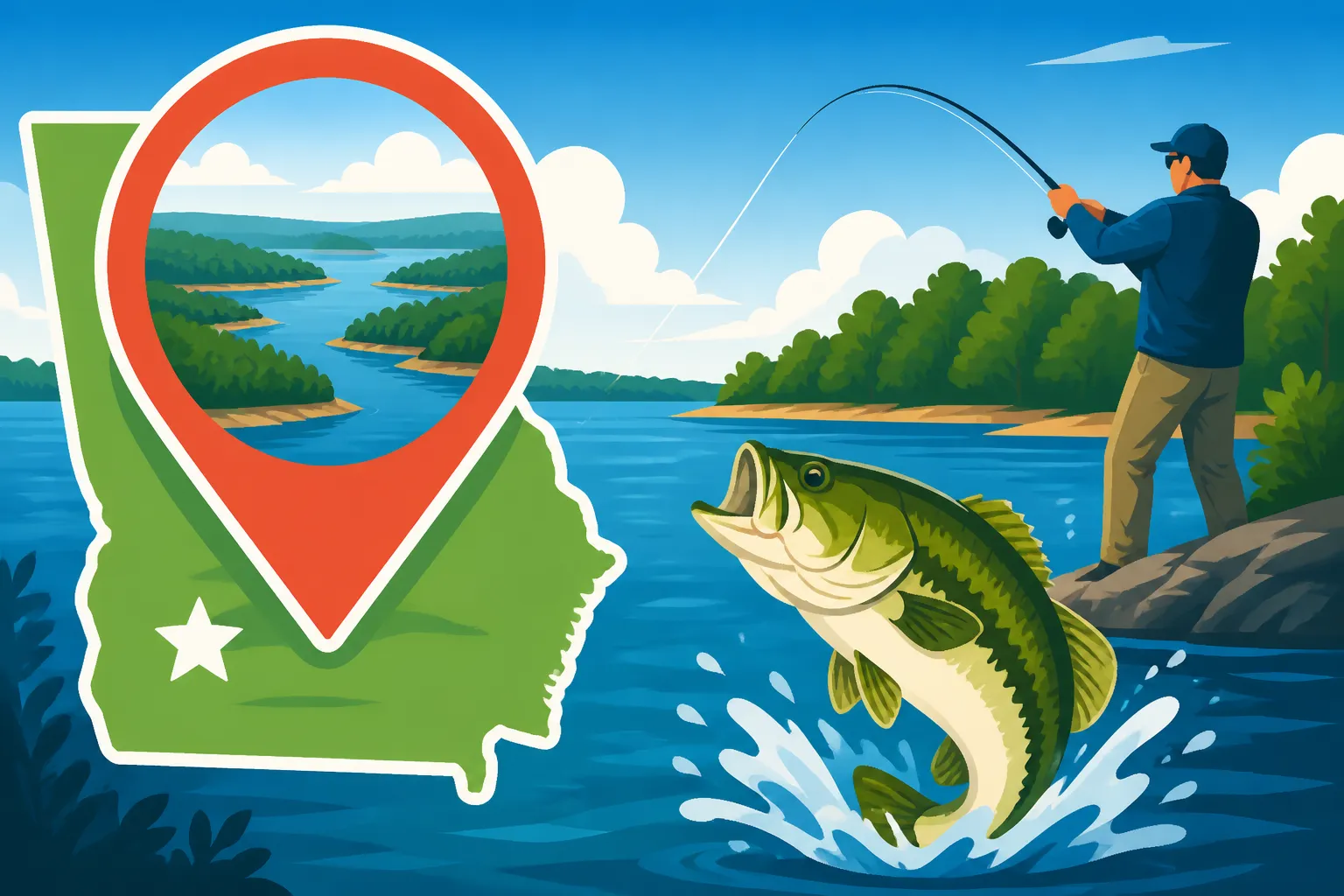
If you're an angler in or around Augusta, Georgia, you know that Clarks Hill Lake — officially known as J. Strom Thurmond Lake — is practically in your backyard, offering some of the best fishing opportunities in the Southeast. But with its massive size and countless coves, finding those truly productive spots can feel like searching for a needle in a haystack. This guide is here to cut through the confusion and pinpoint the prime fishing locations around Augusta, helping you make the most of your time on this incredible reservoir.
Unpacking Clarks Hill Lake's Fishing Potential
Clarks Hill Lake, often referred to as Lake Thurmond, is a sprawling reservoir managed by the U.S. Army Corps of Engineers, sitting right on the border of Georgia and South Carolina. It’s one of the largest lakes east of the Mississippi, covering over 71,000 acres with a staggering 1,200 miles of shoreline. For anyone living in Augusta, this means an immense amount of water to explore, teeming with a diverse population of fish.
A Colossal Reservoir on the Border
This lake isn't just big; it's an ecological powerhouse that supports an incredible fishery. While it's known as Clarks Hill Lake on the Georgia side, across the border in South Carolina, it's widely called Lake Thurmond. No matter what you call it, its sheer size, intricate submerged structures, vast areas of standing timber, and numerous creek arms create a complex and rich habitat for various fish species. The proximity to Augusta means easy access for day trips or longer excursions, making it a favorite for local anglers and visitors alike. Understanding its vastness is the first step to conquering its fishing challenges. For a general overview of the lake's offerings, you might want to read our full Clarks Hill Lake Fishing Guide, Georgia.
Abundant Species and Thriving Fisheries
Clarks Hill Lake is a multi-species angler's dream. It's renowned for its fantastic populations of:
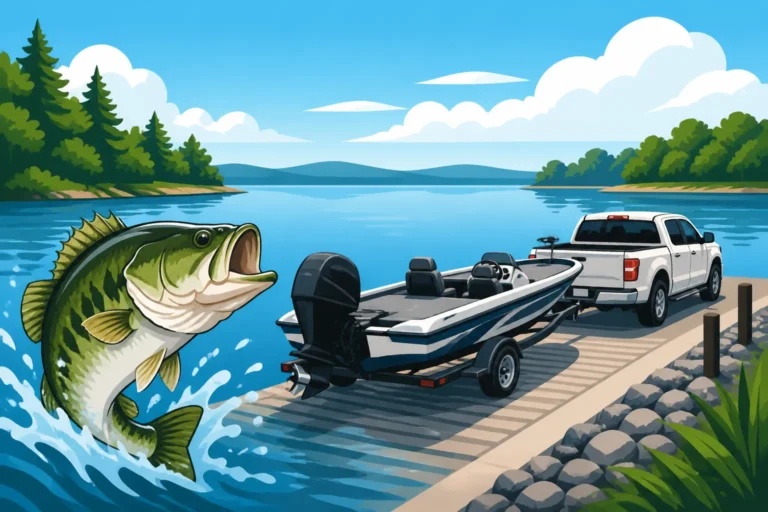
- Largemouth Bass: The lake regularly produces quality largemouth, with anglers frequently catching fish in the 3-5 pound range and the potential for much larger trophy bass. The expansive shallow coves and timbered areas are prime spots. If you're looking for more information on these impressive fish, our Largemouth Bass Fishing in Georgia: The Complete Species Guide has you covered.
- Striped Bass and Hybrid Striped Bass: These hard-fighting fish are a huge draw, especially in the deeper, open waters and around the dam area. They provide an exhilarating fight and are often found in large schools.
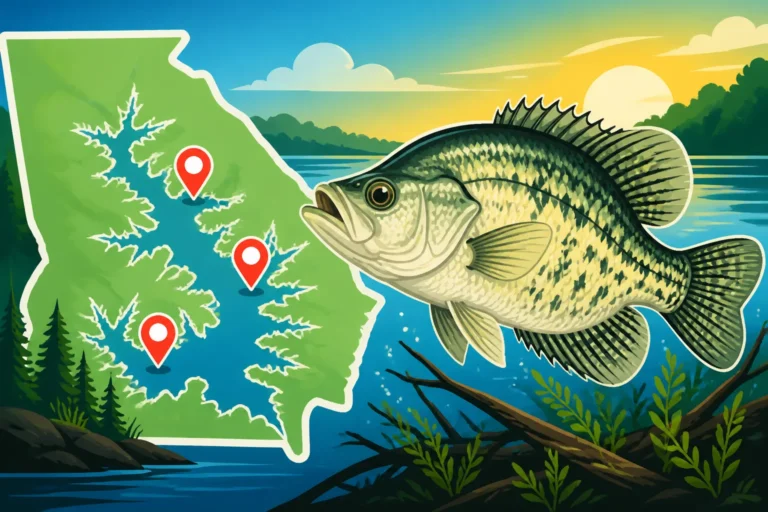
- Crappie: Both black and white crappie thrive here, especially around submerged brush piles, standing timber, and docks. They offer excellent table fare and are a blast to catch, particularly during cooler months. Find out more about them in our Crappie Fishing in Georgia: Black and White Crappie Guide.
- Catfish: Channel, blue, and flathead catfish are all present, with trophy-sized blues and flatheads being a real possibility, especially in the river channels and deeper holes. Our Catfish Species Guide: Channel, Blue, and Flathead Catfish offers a deeper dive into these bottom dwellers.
- Bream/Panfish: Bluegill and other sunfish are abundant, making them perfect targets for beginners and families looking for consistent action.
The Georgia Department of Natural Resources, through its Wildlife Resources Division, actively manages the fishery, conducting stocking programs and monitoring fish populations to ensure a healthy and sustainable angling experience. This consistent management helps keep Clarks Hill Lake one of the Best Largemouth Bass Lakes in Georgia and one of the Top Crappie Fishing Lakes in Georgia.
Prime Fishing Hotspots Accessible from Augusta
When you're launching from the Augusta side of Clarks Hill Lake, certain areas consistently produce excellent results. These spots are not only productive but also relatively easy to reach from the city.
The Strom Thurmond Dam Area and Little River Arm
The area around the J. Strom Thurmond Dam is a classic hotspot, especially for striped bass and hybrid stripers. The sheer volume of water moving through the dam creates current and oxygenation that these fish love. Look for them holding in deeper pockets and around current breaks.
- Below the Dam (Tailrace): While technically separate, the tailrace below the dam on the Savannah River also offers incredible fishing for stripers, hybrids, and catfish, especially when water is being released. Always be mindful of changing water levels and currents here.
- Above the Dam (Main Lake): On the lake side, the deeper main channel leading up to the dam, particularly the Georgia side, is prime for trolling or down-lining live bait for stripers. Structure such as submerged humps and ledges in this vicinity will hold schools of baitfish, attracting predatory stripers. FishingBooker can help you connect with experienced guides who specialize in trolling for stripers in these deep waters if you're looking for a guided trip.
- The Little River Arm: This significant arm of the lake, particularly on the Georgia side, offers diverse fishing. The upper reaches of the Little River arm become shallower and feature more standing timber, making it a fantastic area for largemouth bass, particularly during the spring and fall. As you move closer to the main lake, the river channel deepens, and points and humps become key for both bass and crappie.
Public Parks, Marinas, and Shoreline Access Points
Not everyone has a boat, and thankfully, Clarks Hill Lake offers excellent bank fishing and public access points near Augusta.
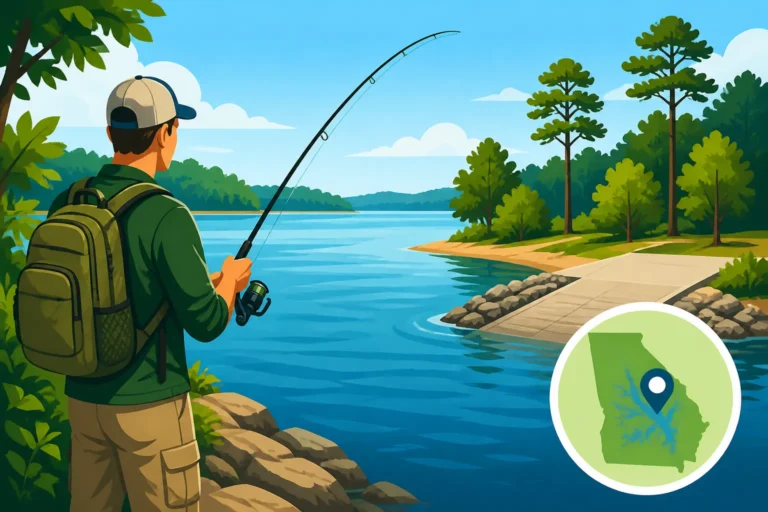
- Wildwood Park: Located on the Little River arm, Wildwood Park is a popular spot with excellent facilities, including multiple boat ramps and designated bank fishing areas. The park offers shoreline access to coves and points that hold bass and crappie. It's also a great place to fish for bream with lighter tackle, especially good for families. The fishing pier is a fantastic amenity for those without a boat, providing access to deeper water without needing to cast a mile. For more details on park access, check out Clarks Hill Lake Boat Ramps, Georgia.
- Mistletoe State Park: A little further out from Augusta but still very accessible, Mistletoe State Park offers fantastic shore fishing opportunities along its extensive shoreline. The park’s coves and points, particularly around submerged timber and brush, are excellent for bass and crappie. They also have boat ramps and kayak launch points for those who want to venture further out. Many anglers find success here targeting crappie around the standing timber near the deeper channels.
- Other Smaller Access Points: Keep an eye out for smaller public access areas and boat ramps that might offer quieter bank fishing. Often, these spots can be found by consulting local maps or asking at bait shops. These smaller ramps are often great starting points for kayak fishing enthusiasts looking to explore the more secluded coves.
Productive Coves and Creek Arms for Bass and Crappie
For those with a boat, or even a kayak, diving into the numerous coves and creek arms is where you'll find some of the most consistent action for bass and crappie.
- Soap Creek: One of the most famous and productive creek arms on the Georgia side, Soap Creek is a labyrinth of coves, points, and standing timber. During the spring, the shallower backs of these coves are prime for spawning bass and crappie. As the water warms, fish move to deeper points and brush piles. Look for brush and laydowns in 5-15 feet of water for crappie, and target main lake points and secondary points with jigs, crankbaits, or soft plastics for bass. Many of the Best Spring Bass Fishing Spots on Clarks Hill Lake, Georgia are found right here.
- Pollard's Corner: This area offers a mix of deep water access and shallow flats, making it versatile for different species and seasons. The points and creek channels leading into Pollard's are excellent for bass, while the submerged timber and brush piles provide prime habitat for crappie. When searching for crappie, especially in colder months, focus on areas with Flooded Timber Crappie Spots on Lake Thurmond.
- Modoc Creek: While largely on the South Carolina side, the mouth of Modoc Creek is easily accessible from many Georgia ramps and is a known producer. The extensive standing timber in this creek provides excellent cover for crappie and bass, especially in winter and early spring.
- Little River Marina and Surrounding Coves: The coves around Little River Marina often hold schools of crappie and bass, particularly around docks and submerged structures. These areas are excellent for those looking to fish accessible spots with plenty of cover.
Table of Key Fishing Spots Near Augusta
Here’s a quick reference for some of the top fishing spots on Clarks Hill Lake near Augusta:
| Spot Name | Primary Species Targeted | Best Time of Year | Key Features / Tactics | Access Type |
|---|---|---|---|---|
| Strom Thurmond Dam Area | Striped Bass, Hybrid Stripers | Year-round (Seasonal) | Deep water, current, humps, ledges. Trolling, down-lining live bait. | Boat |
| Little River Arm | Largemouth Bass, Crappie | Spring, Fall | Standing timber, creek channels, coves, points. Jigs, crankbaits, live bait. | Boat, Kayak |
| Wildwood Park | Bass, Crappie, Bream | Spring, Summer, Fall | Bank access, fishing pier, coves, brush piles. Worms, jigs, small crankbaits. | Shore, Boat, Kayak |
| Mistletoe State Park | Bass, Crappie, Bream | Spring, Fall, Winter | Extensive shoreline, coves, submerged timber. Jigs, minnows, plastics. | Shore, Boat, Kayak |
| Soap Creek | Largemouth Bass, Crappie | Spring, Fall, Winter | Numerous coves, points, standing timber. Jigs, crankbaits, soft plastics, minnows. | Boat, Kayak |
| Pollard's Corner | Largemouth Bass, Crappie | Spring, Fall | Deep water access, shallow flats, humps. Crankbaits, jigs, plastics, live bait. | Boat, Kayak |
| Modoc Creek (Mouth) | Crappie, Largemouth Bass | Winter, Spring | Extensive standing timber, deep channels. Minnows, jigs, spinnerbaits. | Boat, Kayak |
| Little River Marina Coves | Crappie, Bass | Spring, Fall | Docks, brush piles, submerged structure. Jigs, minnows, plastics. | Boat, Kayak, Shore |
Seasonal Strategies for Fishing Success
Understanding how fish react to changing seasons is crucial for consistent success on Clarks Hill Lake.
Springtime: The Pre-Spawn and Spawn Frenzy
Spring is arguably the most anticipated season for anglers, especially for bass and crappie. As water temperatures begin to rise, fish become incredibly active.
- Largemouth Bass: In early spring, look for bass moving from deep wintering holes to secondary points and channel swings as they stage for the spawn. Crankbaits, jerkbaits, and jigs can be highly effective. As the water warms further, they'll move into shallow coves and pockets to spawn. Target visible cover like docks, laydowns, and sparse vegetation with soft plastics (Texas rigs, shaky heads), spinnerbaits, and topwater lures early in the morning or late in the evening. This is prime time for Best Spring Bass Fishing Spots on Clarks Hill Lake, Georgia.
- Crappie: Crappie also push into the shallows to spawn when water temperatures hit the mid-50s to low-60s. Target brush piles, stumps, and submerged timber in 2-10 feet of water. Small jigs (1/16 to 1/8 oz) tipped with minnows or soft plastic crappie baits are deadly. Focus on areas in Soap Creek and Modoc Creek for prime crappie action during this time.
Summer: Deep Water and Night Fishing Tactics
Summer on Clarks Hill Lake can be challenging with high temperatures, but the fish are still catchable if you adapt your tactics.
- Striped Bass and Hybrid Stripers: These fish will move to deeper, cooler water. Target main lake channels, humps, and the area around the dam. Trolling with downriggers or using live bait (blueback herring or shad) on down-lines are effective strategies. Early morning, late evening, and night fishing can also be highly productive, especially around artificial lights that attract baitfish.
- Largemouth Bass: Bass will often retreat to deeper brush piles, submerged timber, and main lake points, especially during the heat of the day. Fish Texas-rigged worms, deep-diving crankbaits, or jigs. Topwater action can still be good during low-light hours. Night fishing for bass can also yield impressive results, with dark-colored jigs and large worms being effective.
- Catfish: Summer nights are prime for catfish. Target deeper river channels and holes with stink baits, cut bait, or live bream. The upper reaches of the Little River and Broad River arms are excellent for this. Consider using a service like FishingBooker to find a local catfish guide who can put you on the monster blues after dark.
Fall: Turnover and Aggressive Feeding
Fall is another fantastic season as water temperatures cool, and fish begin to feed heavily in preparation for winter.
- Largemouth Bass: Bass will follow baitfish into shallower coves and creek arms. Spinnerbaits, crankbaits, and topwater lures are all excellent choices as bass become very active. Target main lake points, secondary points, and creek channels.
- Crappie: Crappie will also move into shallower water, often suspending around standing timber and brush piles. Jigs and minnows remain effective, and this is a great time to fish some of the Best Coves for Slab Crappie on Clarks Hill Lake before winter sets in.
- Striped Bass and Hybrid Stripers: These fish will be chasing baitfish in open water and around points. Look for schooling activity on the surface, especially during low light. Casting topwater plugs or retrieving jigs into the schools can be incredibly exciting.
Winter: Slow and Deep
Winter fishing on Clarks Hill Lake often means slower presentations and targeting deeper structures.
- Largemouth Bass: Bass will school up on deep main lake points, humps, and creek channel swings. Jigging spoons, Alabama rigs, and slow-rolled deep crankbaits can be effective. Focus on creek mouths and channels, often near areas where there's standing timber or other structure providing cover.
- Crappie: Crappie will be congregated in large schools on deep brush piles and standing timber. Vertical jigging with minnows or small jigs directly over the schools is a common and effective tactic. Focus on the main channels of Soap Creek and Modoc Creek, finding those deeper brush piles.
- Striped Bass and Hybrid Stripers: These fish remain in deeper water but can be very active. Trolling umbrella rigs or down-lining live bait in the main lake basin and river channels will produce.
For more detailed seasonal patterns, be sure to consult resources like Best Time of Year to Catch Bass at Clarks Hill, Georgia.
Essential Tips for a Successful Clarks Hill Lake Adventure
Beyond knowing where to fish, having the right approach and respecting the water are key to a rewarding experience.
Navigating the Lake and Safety First
Clarks Hill Lake is vast, and navigating it requires attention. Always carry up-to-date lake maps, either paper or digital, and pay close attention to depth finders. There are numerous submerged hazards, especially standing timber, that can damage your boat if you're not careful.
- Water Levels: The lake's water levels can fluctuate significantly, affecting access to ramps and submerged hazards. Always check current lake levels before heading out.
- Boater Education: If you're operating a motorized vessel and were born after January 1, 1998, you'll need a Georgia Boater Education Card. Even if you don't, it's a great idea to take a course to brush up on safety and regulations. You can learn more about Georgia Boater Education Card Requirements to ensure you're compliant.
- Safety Gear: Always have appropriate safety gear on board, including life jackets for everyone, a throwable flotation device, a fire extinguisher, and a whistle or horn.
Choosing Your Approach: Bank, Kayak, or Boat?
Your fishing experience will be shaped by your chosen method of access.
- Bank Fishing: As mentioned, public parks like Wildwood and Mistletoe State Park offer excellent bank access. Focus on areas with immediate deep water access, points, or visible cover like downed trees or brush. A simple spinning rod, worms, and some jigs can be incredibly effective.
- Kayak Fishing: Kayaks are fantastic for stealthily accessing shallower coves and timbered areas that larger boats can't reach. They're especially great for targeting bass and crappie in tight quarters. Pack light, stay safe, and consider a small anchor to hold your position.
- Boat Fishing: Boats give you the most flexibility to explore the vastness of Clarks Hill Lake. Whether you have a bass boat, a pontoon, or a jon boat, familiarize yourself with your vessel and its capabilities. Use your electronics (fish finders, GPS) to locate structure and baitfish.
Tapping into Local Knowledge and Resources
Never underestimate the power of local insight.
- Local Bait and Tackle Shops: These are goldmines of current information. Shop owners and employees often know exactly what's biting, where, and on what bait. They can also provide up-to-date reports on water conditions.
- Fishing Guides: If you're new to Clarks Hill Lake or want to learn specific techniques, hiring a local fishing guide is an invaluable investment. Guides know the lake intimately, understand seasonal patterns, and can put you directly on fish. Websites like FishingBooker are excellent resources for finding and booking experienced, licensed fishing guides for Clarks Hill Lake. They can help you target specific species like trophy stripers or show you the best crappie holes.
- Online Forums and Social Media Groups: Many local fishing groups and forums exist for Clarks Hill Lake. These can be great for connecting with other anglers, sharing tips, and getting real-time reports.
- Georgia Department of Natural Resources (DNR): The Georgia DNR website provides valuable resources, including fishing reports, stocking schedules, and regulations. Always review the Georgia Fishing Regulations Explained before you go, as limits and rules can change.
Clarks Hill Lake truly offers something for every angler near Augusta. With a little planning, the right gear, and a solid understanding of these prime spots and seasonal strategies, you're well on your way to a memorable day on the water. Don't be afraid to explore, experiment, and most importantly, enjoy the incredible fishing that this magnificent lake has to offer. Whether you're chasing the next state record largemouth or simply enjoying a quiet afternoon catching bream, Clarks Hill delivers. And if you're ever in doubt about where to go, consider a local guide through FishingBooker to kickstart your adventure.
Disclaimer
The information provided in this guide is for general informational purposes only and is subject to change. Always consult the official regulations and guidelines set forth by the Georgia Department of Natural Resources (DNR) and the U.S. Army Corps of Engineers before engaging in any fishing or boating activities on Clarks Hill Lake. Fishing conditions, water levels, and fish behavior can vary, so local knowledge and real-time observation are always recommended.