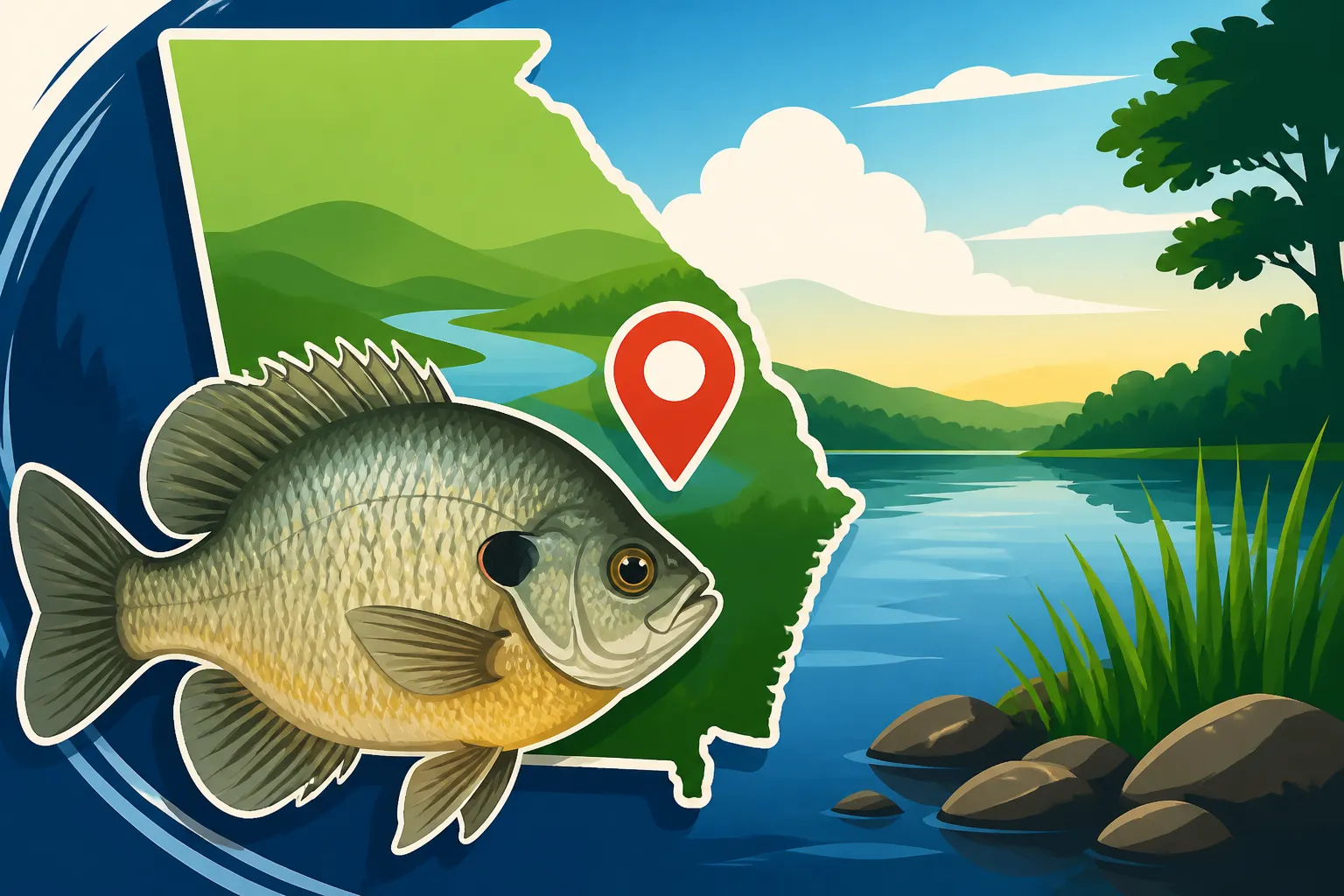
Where to Catch Bream in Georgia
It’s a common frustration for anglers in Georgia: you're ready for a relaxing day on the water, picturing a cooler full of delicious bream, but you’re just not sure where to start. While these feisty panfish are abundant, knowing the prime locations where they school up can make all the difference between a slow day and a successful outing. This comprehensive guide is dedicated to pointing you toward the very best spots across Georgia where you can reliably catch bream, ensuring your next fishing trip is both rewarding and memorable.
Public Fishing Areas and Georgia State Parks: Dedicated Bream Havens
When it comes to consistent bream fishing, Georgia's Public Fishing Areas (PFAs) and many State Parks are often overlooked gems. These locations are specifically managed by the Georgia Department of Natural Resources (DNR) to provide quality fishing experiences, making them ideal targets for bream anglers. They are typically well-maintained, easily accessible, and often feature amenities like boat ramps, fishing piers, and even special ponds designated for family fishing.
Why PFAs are Goldmines for Panfish
PFAs are truly designed with the angler in mind. The fisheries biologists here work hard to ensure healthy fish populations, including bream species like bluegill and redear sunfish (often called shellcrackers). These areas are regularly monitored and managed for optimal fish growth and reproduction. For example, places like Big Lazer Creek PFA near Talbotton or Marben Farms PFA at Charlie Elliott Wildlife Center near Mansfield are renowned for their excellent panfish opportunities. You’ll find a network of ponds, some quite large, that are routinely fertilized to boost productivity and keep the bream population thriving. The accessibility is a huge plus; many spots offer excellent bank fishing, which is perfect for those without a boat or for families with young children just learning the ropes. You might even find specific instructions or maps detailing productive areas for bream on site.
State Parks Offering Excellent Bream Opportunities
Beyond the dedicated PFAs, many of Georgia’s State Parks host fantastic bream fishing. These parks often feature lakes or ponds that are either natural or man-made, and they provide a beautiful backdrop for a day of angling. Take High Falls State Park near Jackson, for instance; its lake, while popular for bass, also holds a healthy population of bream, especially in its shallower coves and around submerged timber. Fort Yargo State Park in Winder is another excellent option, with a sizable lake offering good shoreline access and plenty of cover where bream love to hide. These park lakes are often less pressured than major reservoirs, and their family-friendly atmosphere makes them ideal for introducing newcomers to the joy of bream fishing. It's not uncommon to see multiple generations casting lines from a pier or small boat, all enjoying the abundance of bream. For a complete list, check out our guide on Georgia State Park Fishing Spots.
Large Reservoirs and Their Hidden Bream Gems
While massive lakes like Lanier or Oconee might seem daunting, they actually hold incredible numbers of bream. The trick isn't if they're there, but where to find them. Bream in these larger bodies of water tend to concentrate in specific areas, often overlooked by anglers primarily targeting bigger game fish like bass or stripers.
Main Lake Body vs. Shallow Coves and Creeks
Don't spend all your time drifting in the middle of Lake Lanier expecting to stumble upon a bream school. On large reservoirs, bream thrive in the shallower, protected waters of coves, feeder creeks, and the upper arms of the lake where the water is typically warmer and there's more vegetation or structure. These areas offer both food and protection from larger predators. Look for spots where creeks flow in, bringing nutrients and baitfish, or where shallow flats extend out into the main body. Even in deep lakes like Lake Hartwell, you’ll find bream concentrated in its many shallow coves and pockets, especially during the warmer months. These sheltered areas often have less boat traffic, making for a more peaceful fishing experience as well.
Key Bream-Holding Structures in Big Lakes
Bream are structure-oriented fish, meaning they love to hang around anything that offers cover or a food source. In large Georgia reservoirs, this translates to a variety of prime spots:
- Docks and Piers: Especially older, wooden docks, provide shade and attract algae and small invertebrates, which bream feed on. The pilings also offer cover. Many public boat ramps also have fishing piers, such as those you can find by checking Best Boat Ramps for Fishing in Georgia.
- Brush Piles and Submerged Timber: Anglers often sink brush piles to create habitat for crappie, but bream love them too. Look for these near drop-offs or in the backs of coves. Natural submerged trees or stumps are also excellent.
- Lily Pads and Aquatic Vegetation: Any area with dense lily pads, hydrilla, or other aquatic plants provides shade, food, and protection. These are classic bream hideouts.
- Rip-Rap and Rocky Banks: The rocks along causeways or dam faces attract small insects and offer crevices for bream to hide.
- Transition Zones: Where shallow water drops off into deeper water, bream will often stage, especially when moving between feeding and resting areas.
- If you’re looking to explore these expansive waters, especially on a new-to-you lake, considering a guided trip can be a game-changer. Services like FishingBooker can help you find local captains who specialize in panfish and know exactly where these hidden bream gems are located.
Rivers and Smaller Ponds: Often Overlooked Bream Bonanzas
Beyond the well-known lakes and managed public areas, Georgia’s intricate network of rivers and countless smaller ponds present incredible opportunities for bream anglers. These spots might require a bit more exploration, but they often yield less-pressured fish and a more secluded experience.
Navigating Georgia's Rivers for Bream
Georgia's rivers, from the majestic Savannah to the winding Flint, are teeming with bream, particularly bluegill and redbreast sunfish. The key is to look for areas with slower currents and plenty of cover. Think oxbow lakes, backwater sloughs, and tributaries that feed into the main river channel.
- Oxbows and Backwaters: These are old river channels that have been cut off from the main flow, creating calm, nutrient-rich pools perfect for bream. They are often loaded with aquatic vegetation, stumps, and fallen trees. The Altamaha River, for example, is famous for its numerous oxbows that hold incredible numbers of panfish.
- Feeder Creeks and Small Streams: Smaller creeks flowing into larger rivers are also excellent spots, especially during and after rain events when food washes in. The mouths of these creeks where they meet the main river often create eddies and slack water, which bream find attractive.
- Fallen Trees and Log Jams: Rivers naturally have a lot of woody debris. A large log jam or a series of fallen trees creates a complex habitat that offers both cover and a buffet of insects for bream.
- You don't always need a boat for river bream. Many public access points along rivers, like those highlighted in our Best Rivers for Fishing in Georgia guide, provide excellent bank fishing opportunities, especially in these slower-moving sections.
Private Ponds and Community Lakes
While public access is fantastic, sometimes the most productive bream fishing can be found in smaller, less-pressured waters – think private farm ponds, community lakes, or even neighborhood retention ponds (with permission, of course!). These waters are often fertile, have limited angling pressure, and can produce surprisingly large bream.
- Permission is Key: Always, always secure permission before fishing on private property. A polite knock on the door or a phone call can open up access to some fantastic, untouched fishing.
- Fertility and Management: Many private ponds are well-managed for fish production, sometimes even stocked. These can be absolute honey holes for bream. Look for ponds with clear to slightly green water, indicating good fertility.
- Structure in Small Waters: Even in a small pond, bream will gravitate towards structure – a single dock, a patch of lily pads, a fallen tree, or even an old tire or bucket placed in the water. These are easy to target with light tackle.
- These smaller waters are perfect for a quiet afternoon with a bobber and a worm, providing a simple yet incredibly effective way to catch a mess of bream.
Seasonal Considerations for Finding Bream in Georgia
Finding bream isn't just about where you go, but also when. Bream behavior changes significantly with the seasons, mainly driven by water temperature and their spawning cycle. Understanding these patterns will dramatically increase your success rate.
Spring: Spawning Beds and Aggressive Bites
Spring is arguably the absolute best time to catch bream in Georgia, especially from late April through June, when the water temperatures reach the sweet spot for spawning (typically 68-75°F). This is when bream move into shallow water in large numbers to create their distinctive circular "beds."
- Locating Beds: Look for dinner-plate sized depressions clustered together in shallow, sandy, or gravelly areas. They are often visible in clear water, and sometimes you can even smell their musky odor on a calm day. The backs of coves, protected points, and shallow flats are prime locations.
- Aggressive Behavior: Bream guarding their beds are incredibly aggressive and will readily strike at anything that comes too close, making them easy targets. Small worms, crickets, or tiny artificial lures cast near these beds can lead to non-stop action.
- During this time, it's not unusual to find multiple males on a single bed, fighting over territory. This is when you can really fill a cooler. This aggression also makes them great fun for kids learning to fish.
Summer and Fall: Deeper Water and Changing Patterns
As Georgia's summer heat intensifies and water temperatures soar, bream will often move out of the super-shallow spawning areas and seek deeper, cooler water. They won't disappear entirely from the shallows, especially during low light conditions, but their concentrations will shift.
- Summer Deep Water: In large lakes and rivers, look for bream congregating around deeper brush piles, submerged ledges, or under docks where they can find shade and cooler temperatures. Fishing with a Carolina rig or a slip bobber rig can be effective for targeting them at these depths. Early morning and late evening can still find them feeding in the shallows.
- Fall Transition: As water temperatures begin to cool in the fall, bream become more active again, often feeding heavily in preparation for winter. They might return to shallower flats, especially those with remaining aquatic vegetation, or concentrate near channel swings in rivers. This can be a fantastic time for a renewed shallow-water bite, often accompanied by beautiful autumn foliage.
- Understanding these seasonal shifts is key to consistent bream catches. For example, while crappie fishing might slow down in some areas, bream can remain active. You might find some helpful tips on Best Time of Day to Fish for Crappie that can also apply to other panfish during certain seasons.
Winter Lulls: Patience and Precision
Bream fishing in Georgia during the winter months definitely slows down compared to the spring and summer. Fish metabolism decreases with colder water, making them less active and less inclined to chase baits. However, they can still be caught if you know where to look and are patient.
- Deep, Stable Water: Bream will typically hold in the deepest parts of their habitat during winter – deep creek channels, main lake basins, or large holes in rivers. They often suspend in schools near the bottom.
- Slow Presentations: Your fishing technique needs to slow down significantly. Tiny jigs tipped with a grub or a piece of worm, presented slowly on light line, can entice a bite.
- Warm Water Discharges: On some of Georgia’s larger reservoirs, like Lake Sinclair, areas near power plant warm water discharges can be magnets for bream and other species throughout the colder months. These spots provide a localized thermal refuge, keeping fish more active.
- While not the most productive season, winter bream fishing can still offer a peaceful day on the water and the reward of a few hardy panfish for the frying pan.
No matter the season, remember that bream are a fantastic target for anglers of all skill levels. They offer consistent action, are delicious to eat, and can be caught with simple gear. Whether you're exploring the extensive options found in our Georgia Fishing Spots for Every Angler guide or seeking a quiet afternoon at a local pond, Georgia provides endless opportunities to catch a stringer full of bream.
Top Bream-Catching Locations in Georgia
To give you a quick overview, here’s a table summarizing some of Georgia's prime bream fishing locations and what makes them special. This isn't an exhaustive list, as virtually every body of water in Georgia will hold bream, but these are reliable starting points.
Location Type of Water Key Bream Species Best Features for Bream Notes
: ## Identifying Common Causes of Poor Home Water Pressure
It's one of those silent frustrations that can creep into your daily life: you step into the shower, expecting that nice, strong spray, only to be met with a measly dribble. Or you're trying to wash dishes, and the sink faucet barely manages a trickle. Low water pressure in your home isn't just an annoyance; it can seriously impact your comfort and the efficiency of your daily chores. It’s a problem that many homeowners face, and often, they don't know where to begin looking for a solution. It's easy to jump to conclusions and think you need a whole new plumbing system, but more often than not, the culprit is something far more common and fixable.
This guide will walk you through the most frequent causes of poor home water pressure, helping you diagnose the problem like a pro. We'll explore everything from simple, household-level issues to potential external factors, giving you the knowledge to pinpoint the source of your weak water flow and get things gushing again.
Understanding the Basics of Water Pressure
Before we dive into the common problems, it's helpful to understand what water pressure is and how it's delivered to your home. Water pressure is essentially the force at which water flows through your pipes. It's measured in pounds per square inch (PSI). For most homes, a healthy water pressure range is typically between 40 and 60 PSI. Anything significantly below that can lead to noticeable issues.
How Water Gets to Your Home
Your water supply usually comes from one of two main sources: a municipal water system or a private well. If you're on a municipal system, the water is pumped from a central source, treated, and then pushed through a network of large main lines, eventually branching off into smaller service lines that connect directly to your house. The pressure in these lines is regulated by the water utility. For those with a private well, a submersible pump in the well draws water into a pressure tank, which then maintains and distributes the pressure throughout your home's plumbing. Understanding your source is the first step in diagnosing if the problem lies outside or inside your home.
The Role of Your Main Water Shut-Off Valve
Every home has a main water shut-off valve, usually located where the water service line enters your house, often in the basement, utility closet, or near an outdoor spigot. This valve is crucial for emergency situations (like a burst pipe!) but also plays a role in your overall water pressure. If this valve is not fully open, it can severely restrict water flow to your entire home. It's one of the simplest and most common causes of house-wide low pressure, yet it's often overlooked. It might have been partially closed during a repair, or even accidentally bumped, leading to reduced flow.
Common Internal Plumbing Culprits
Once you've ruled out the main shut-off valve, it's time to look inside your home's plumbing system. Many low-pressure issues originate within your own pipes, fixtures, or appliances. These are often localized problems, but sometimes they can impact your entire house.
Clogged Aerators and Showerheads
This is probably the most frequent and easiest fix for low water pressure at a specific faucet or showerhead. Over time, mineral deposits from hard water (like calcium and magnesium), rust, and sediment can build up in the small screens and nozzles of your aerators and showerheads. Imagine trying to squeeze a large volume of water through a tiny, partially blocked opening – the pressure will drop dramatically.
- Diagnosis: If only one faucet or shower experiences low pressure, while others in the house are fine, a clogged aerator or showerhead is the prime suspect.
- Solution: Most aerators can be unscrewed by hand or with a wrench, and the screen can be cleaned with a brush under running water. For stubborn mineral deposits, soaking the aerator or showerhead in white vinegar overnight can dissolve the buildup. This simple maintenance can restore flow in minutes.
Faulty Pressure Regulator
Many homes, especially those on municipal water systems, have a pressure regulator (also known as a pressure reducing valve or PRV) installed on the main water line where it enters the house. This device is designed to reduce and stabilize the incoming high water pressure from the street to a safer, more manageable level for your home's plumbing. While essential, these devices don't last forever. They can fail over time, often becoming stuck in a partially closed position or simply malfunctioning, leading to a significant drop in pressure throughout your entire home.
- Diagnosis: If you notice a sudden, house-wide drop in water pressure, especially in an older home with a PRV, this device is a strong candidate. You might even hear a whining or buzzing sound coming from it.
- Solution: Testing a PRV requires a water pressure gauge (which can be easily attached to an outdoor spigot). If the pressure is consistently low despite the main shut-off being open, and especially if it fluctuates, the PRV likely needs adjustment or replacement by a qualified plumber.
Leaks in Your Plumbing System
Water leaks, even small ones, can divert water from your fixtures, causing a noticeable drop in pressure. The bigger the leak, the more significant the pressure loss. These leaks can be obvious, like a dripping faucet or a visible pipe burst, but they can also be hidden behind walls, under floors, or underground.
- Diagnosis: If you have low pressure throughout the house and can't find any other obvious cause, a leak might be present. Check your water meter: if it's spinning even when no water is being used in the house, you likely have a leak somewhere. Listen for dripping or running water sounds in quiet areas, especially near walls or in the basement. Look for damp spots on ceilings, walls, or floors.
- Solution: Finding and repairing hidden leaks can be tricky and often requires professional help. A plumber can use specialized equipment to detect leaks without tearing up your entire home. Addressing leaks not only restores pressure but also prevents costly water damage and higher utility bills.
Corroded and Clogged Pipes
This is a more insidious problem, especially common in older homes with galvanized iron pipes. Over decades, these pipes can corrode internally, leading to rust and mineral buildup that narrows the pipe's diameter. This acts like a slow, constricting vice, gradually reducing water flow and pressure. It's like trying to drink through a straw that's slowly getting smaller and smaller inside.
- Diagnosis: If your home is older and you've experienced a gradual, worsening decline in water pressure over many years, particularly if you see reddish-brown discoloration in your water, corroded pipes are a likely culprit. This problem typically affects the entire house, though it might be more pronounced on the hot water side if the hot water pipes are more severely corroded.
- Solution: Unfortunately, there's no easy fix for severely corroded pipes. The ultimate solution is often to replace the old galvanized pipes with new copper or PEX tubing. While a larger project, this upgrade dramatically improves water pressure and quality throughout the home.
External and Supply-Side Issues
Sometimes, the problem isn't inside your house at all. Low water pressure can be caused by issues outside your property line or even by factors affecting the entire neighborhood.
Issues with the Municipal Water Supply
If you're on city water, sometimes the problem lies with the utility itself. This could be due to a few reasons:
- Work on Water Mains: Your local water department might be performing maintenance or repairs on the main water lines in your area. This can temporarily reduce pressure for many homes.
- Fire Hydrant Use: Nearby fire hydrants being opened for fire-fighting or even flushing purposes can temporarily divert a large volume of water, causing a noticeable dip in pressure.
- Breaks in Main Lines: A significant break in a municipal water main can lead to widespread low pressure or even no water for an entire neighborhood.
- Diagnosis: If suddenly multiple neighbors are experiencing low pressure, or if you see city workers in your area, these are strong indicators of a municipal issue.
- Solution: Contact your local water utility company. They can inform you of any ongoing work or larger issues. If it's a temporary situation, you'll just need to wait it out.
Problems with Your Well System (for Private Well Owners)
If your home relies on a private well, then the water pressure issues point to your well system rather than a municipal one.
- Failing Well Pump: The most critical component of a well system is the submersible pump that draws water from the well. If this pump is failing, it won't be able to deliver water to your pressure tank with adequate force, leading to low pressure throughout the house. A common symptom is the pump running constantly or cycling on and off very frequently.
- Malfunctioning Pressure Tank: The pressure tank stores water and maintains pressure in your system. If the air bladder inside the tank is ruptured or the tank is waterlogged, it won't be able to properly regulate pressure, resulting in fluctuating or low water pressure. You might notice the pump turning on and off rapidly.
- Clogged Well Screen or Intake: Sediment, sand, or mineral deposits can clog the screen or intake of your well, restricting the amount of water the pump can draw.
- Diagnosis: Pay attention to the sound and cycling of your well pump. Check the pressure gauge on your pressure tank. If it's consistently low or fluctuating wildly, the well system is the likely culprit.
- Solution: Well system issues often require a professional well technician. They can diagnose pump problems, repair or replace pressure tanks, and clean clogged components. Services like FishingBooker, while not directly related to plumbing, can help you find local experts for other needs if you're exploring new areas and need to connect with local services.
Troubleshooting Specific Appliances and Fixtures
Sometimes, the low water pressure isn't a house-wide issue but is isolated to a specific appliance or a particular type of fixture.
Water Heater Issues
Your water heater doesn't create water pressure, but issues with it can affect the pressure of your hot water.
- Sediment Buildup: Over time, sediment can accumulate at the bottom of your water heater tank, potentially blocking the hot water outlet. This leads to reduced hot water flow, while cold water pressure remains normal.
- Corroded Dip Tube: The dip tube brings cold water to the bottom of the tank. If it corrodes and breaks off, cold water can mix with the outgoing hot water, affecting both temperature and pressure of the hot water.
- Diagnosis: If only your hot water pressure is low, and your cold water pressure is fine, your water heater is the prime suspect.
- Solution: Draining and flushing your water heater annually can help remove sediment. More complex issues like a corroded dip tube usually require a plumber to inspect and repair.
Water Softeners and Whole-House Filters
If you have a water softener or a whole-house water filter installed, these units are part of your main water line and can impact pressure if they aren't maintained.
- Clogged Filters: A dirty or clogged whole-house water filter can significantly restrict water flow to your entire home. This is often an easy fix, but if not replaced regularly, it can be a persistent source of frustration.
- Malfunctioning Water Softener: Older or poorly maintained water softeners can also restrict flow, especially if the internal resin beads or valves become clogged.
- Diagnosis: If low pressure appeared shortly after installing one of these units, or if it's been a long time since the filter was changed, these are strong suspects.
- Solution: Replace your whole-house filter cartridge regularly according to the manufacturer's recommendations. For water softeners, ensure it's regenerating properly and consider a professional service check if you suspect it's restricting flow.
Putting It All Together: A Systematic Approach
Dealing with low water pressure can feel overwhelming, but by taking a systematic approach, you can usually identify the root cause without too much trouble.
- Is it localized or house-wide?
- Localized: If only one faucet or shower has low pressure, check the aerator or showerhead first.
- House-wide: If all fixtures have low pressure, proceed to the next steps.
- Check the main shut-off valve. Ensure it's fully open.
- Check your neighbors. Are they experiencing low pressure too? If so, contact your municipal water provider.
- Test your well system (if applicable). Listen to your pump, check your pressure tank gauge.
- Test your home's water pressure. Use a pressure gauge on an outdoor spigot. This will tell you if your pressure regulator is faulty.
- Look for visible leaks. Check pipes, water heater, and around appliances.
- Consider the age of your home. Older homes with galvanized pipes are prone to corrosion.
- Check your water heater. If only hot water pressure is low, the water heater is the suspect.
- Inspect water softeners and whole-house filters. Ensure filters are clean and units are functioning correctly.
By methodically going through these steps, you'll be well on your way to diagnosing and resolving your low water pressure woes. Sometimes it's a quick fix, other times it might require a professional plumber, but armed with this knowledge, you'll know exactly what to tell them.
Disclaimer
Please note that this guide provides general information and troubleshooting steps for common water pressure issues. Always exercise caution when dealing with plumbing and water systems. If you are unsure about any steps or suspect a serious problem, it is highly recommended to consult a qualified and licensed plumber. Attempting complex repairs without proper knowledge and tools can lead to further damage or injury.