Lick Creek and Richland Creek Fishing Spots on Lake Oconee
Navigating a large reservoir like Lake Oconee can feel overwhelming, especially when you're trying to pinpoint the best fishing spots. It's easy to spend hours cruising around, wondering where the fish might be hiding. This guide cuts through that confusion, focusing on two incredibly productive and diverse areas: Lick Creek and Richland Creek, offering insider tips to help you make the most of your time on the water.
Understanding Lake Oconee's Unique Structure and Flows
Lake Oconee is a truly fascinating fishery, and understanding its unique characteristics is key to unlocking its potential, especially in specific creek arms. This reservoir isn't just a big bowl of water; it's shaped by the confluence of the Oconee River and the influence of Lake Sinclair directly upstream. This dynamic environment creates diverse habitats that different fish species thrive in.
The Allure of the Oconee River Arm
The upper reaches of Lake Oconee, particularly where the Oconee River feeds into it, are often considered the "headwaters" of the lake. This area carries more current and nutrients, providing a different ecosystem than the wider, deeper main lake. The Oconee River arm is a significant draw for many species, especially those that prefer moving water or are following baitfish pushed by currents. This constant flow brings fresh food and oxygen, making it a hotspot for predatory fish. Anglers often find success here targeting species like hybrid striped bass and traditional striped bass, which are drawn to the richer oxygen levels and abundant forage. The river channel itself provides distinct breaks and depth changes that are magnets for fish.
How Upstream Waters Impact Fish Behavior
What many anglers don't realize is that Lake Oconee is directly downstream from Lake Sinclair, another major Georgia reservoir. Lake Sinclair's discharge influences Lake Oconee's water temperature and clarity, especially in the upper sections near the Wallace Dam. This can be a game-changer for fish behavior, particularly during seasonal transitions. For instance, if Lake Sinclair is discharging warmer water in the cooler months, it can create thermal refuges that attract fish to certain areas of Oconee. Conversely, during hot summer months, cooler discharge might draw fish in. Understanding this relationship can give you a significant advantage, helping you predict where fish will be most active. It’s a subtle dance, but one that seasoned anglers pay close attention to, as outlined in guides like how upstream waters affect fish patterns.
Lick Creek: A Prime Fishing Destination
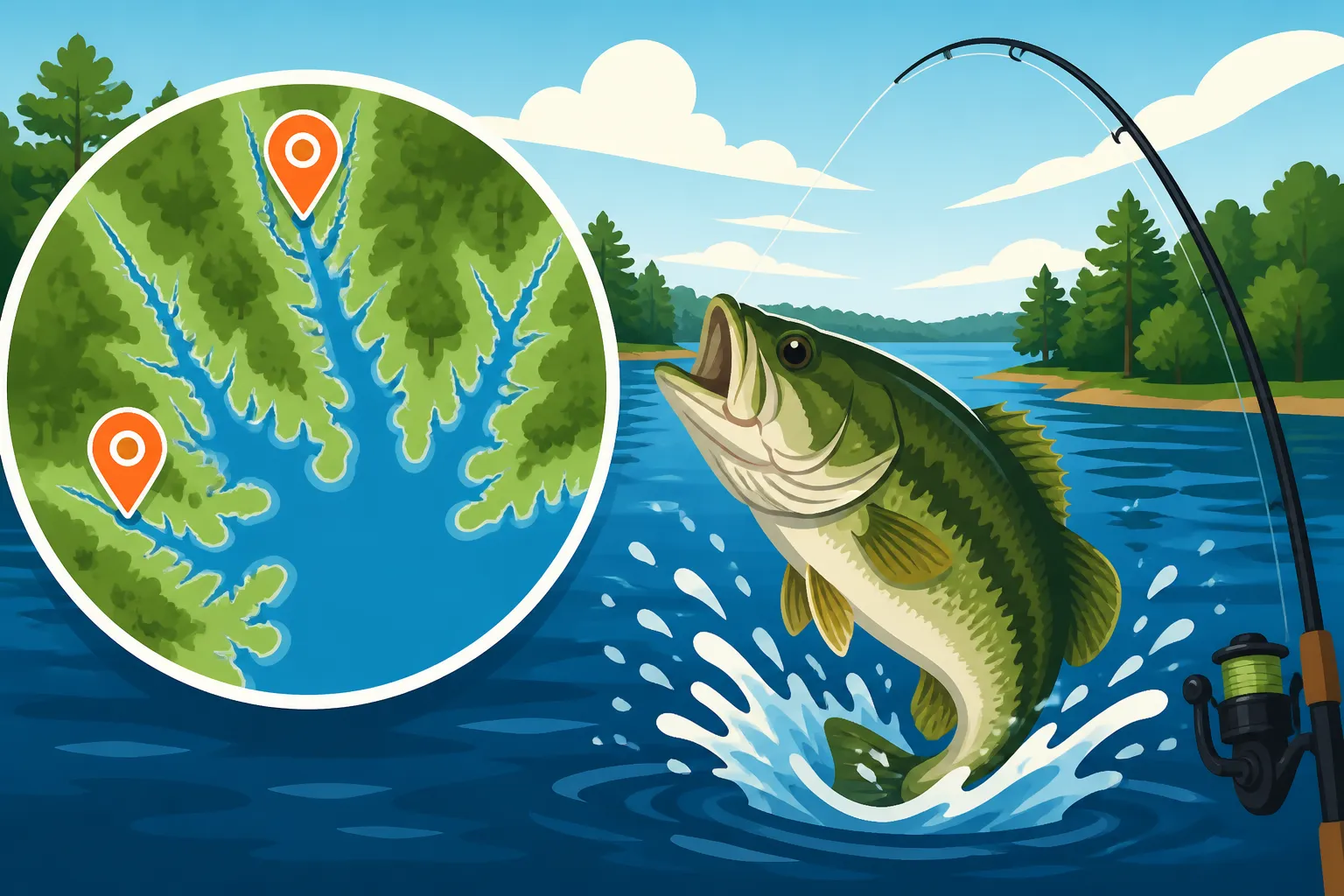
Lick Creek is one of those spots on Lake Oconee that consistently produces. It’s a large, well-defined creek arm that offers a fantastic mix of habitat, from shallow flats to deeper channels and plenty of cover. If you're looking for consistent action, this is an area you absolutely need to explore.
Targeting Largemouth and Spotted Bass in Lick Creek
Lick Creek is a haven for both largemouth and spotted bass. For largemouth, you'll want to focus on the ample shallow cover: fallen trees, docks, brush piles, and hydrilla beds that can be found throughout the creek. During the spring spawn, the numerous coves and pockets within Lick Creek become prime bedding areas. Think about throwing a Texas-rigged worm, a jig, or a spinnerbait around these structures. Later in the season, as the water warms, largemouth will often retreat to deeper brush or the shaded areas under docks.
Spotted bass, on the other hand, often prefer slightly deeper, rockier structures and the main creek channel itself. They relate well to points, humps, and submerged timber, especially if there's a good current flow. Drop shots, shaky heads, and small crankbaits are excellent choices for tempting these feisty fighters. A great approach is to start shallow for largemouth and then move towards the deeper edges and points of the creek arm for spotted bass, covering different depths until you find where they're holding. You can find more specific advice on the Best Bass Fishing Coves on Lake Oconee.
Crappie and Catfish Opportunities in Lick Creek
Lick Creek isn't just about bass; it’s also a fantastic spot for crappie and catfish. Crappie anglers often find success around the numerous bridge pilings, submerged timber, and brush piles that litter the creek bed. In the cooler months, crappie will school up in deeper water, often suspending over the old creek channel. Vertical jigging with small jigs or live minnows is a deadly technique here. As spring arrives, they move shallower, often holding tight to cover in just a few feet of water, making them accessible to even bank anglers in some spots.
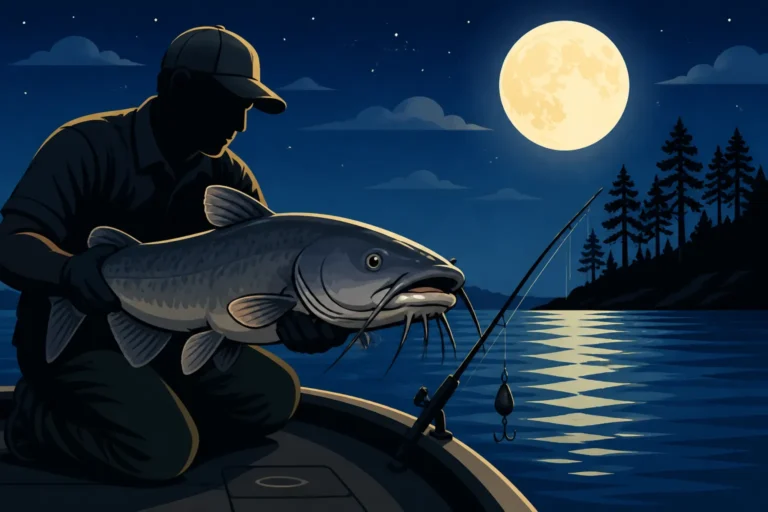
For catfish, the deeper holes and bends of the main Lick Creek channel are your best bet. Both channel and flathead catfish patrol these areas, especially where there’s a consistent food source. Bottom fishing with cut bait, chicken liver, or live bream is highly effective. Pay attention to areas where the creek narrows or makes a sharp bend, as these can create natural ambush points for catfish. Night fishing for catfish can be particularly productive in Lick Creek, as these nocturnal feeders become more active. Learn more about general Catfish Bottom Fishing Basics.
Navigating Lick Creek's Structure and Cover
Lick Creek, being a major arm, offers a variety of cover that requires different approaches. Docks are everywhere, providing shade and structure for bass and crappie. Pitching jigs or soft plastics under and around these docks can be incredibly effective. Pay close attention to the older, larger docks that have accumulated more brush beneath them. Submerged timber, often remnants of trees flooded when the lake was created, is another key feature. These areas are tackle-eaters, but they hold big fish. Utilize weedless rigs when fishing in heavy timber.
The hydrilla beds, when present, create fantastic ambush points for bass. Flipping and pitching into the thickest parts of the grass, or running a frog over the top, can be explosive. Even boat ramps and causeways can hold fish, especially during low light conditions or when baitfish congregate. Remember, fish are always looking for food, cover, and comfortable water temperatures. If you’re planning a trip, a resource like FishingBooker can help you find local guides who know these structures intimately.
Richland Creek: Diverse Waters for Every Angler
Just a stone's throw from Lick Creek, Richland Creek offers a slightly different fishing experience, known for its deeper waters and strong currents, particularly near the main lake. This creek arm can be incredibly diverse, catering to anglers targeting a wide range of species.
Hybrid Striped Bass and Stripers in Richland Creek
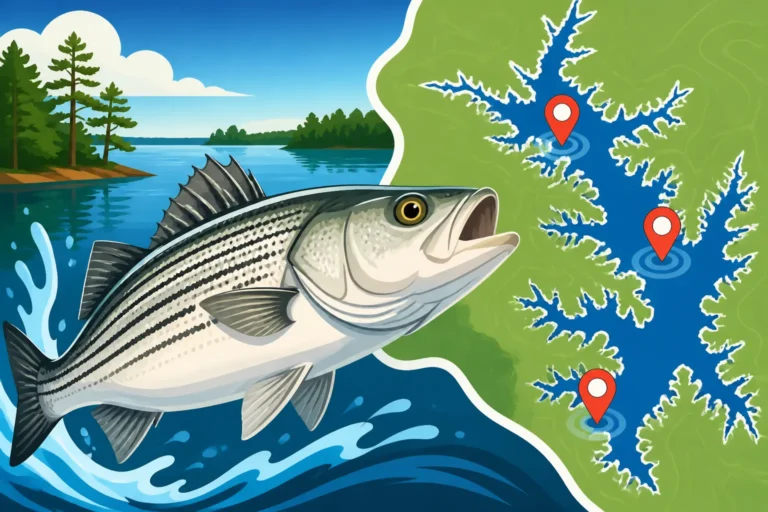
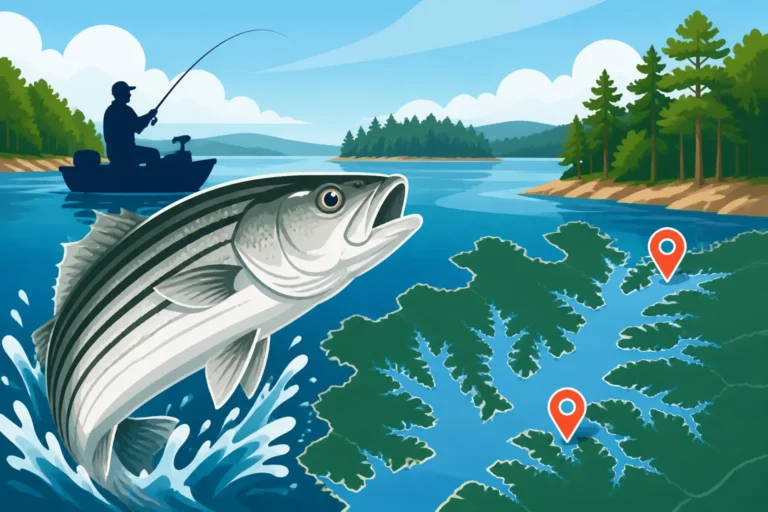
Richland Creek is arguably one of the best places on Lake Oconee to target hybrid striped bass and their full-blooded striped bass cousins. These powerful fish thrive in the open water and strong currents, often schooling up to chase baitfish. The deeper channels and the main lake access points of Richland Creek are prime locations. Look for diving birds, surface activity, or use your fish finder to locate schools of baitfish, and the stripers won't be far behind.
Live bait, especially shad or herring, fished on a downline or free-lined, is a consistently productive method for stripers. Trolling umbrella rigs or large bucktail jigs can also be very effective, especially when trying to cover large areas of open water. The area where Richland Creek meets the main body of Lake Oconee, particularly around the large bridge, is a notorious hotspot for these hard-fighting fish. You can delve deeper into Hybrid Striped Bass at Lake Oconee for more specific tactics.
Finding Panfish and Bream in Richland Creek
While stripers get a lot of attention, Richland Creek also offers fantastic opportunities for panfish, including various bream species and bluegill. The shallower coves and protected pockets away from the main channel are ideal for these smaller, but no less fun, fish. Look for areas with lily pads, docks, or submerged logs where bream like to hide.
A simple cane pole, a small hook, a bobber, and some live worms or crickets are all you need for a fantastic day of bream fishing. This is a perfect activity for families and new anglers, offering consistent bites and the joy of a bending rod. The edges of the creek, especially areas with gradual slopes, will hold bream during much of the year. Consider the Bream and Bluegill Fishing for Beginners guide for more specific tips on these fun species.
Accessing and Fishing Richland Creek's Channels and Coves
Richland Creek is generally deeper and wider than Lick Creek in its lower sections, making it well-suited for larger boats, especially those equipped with good electronics to locate bait and structure. The main creek channel is distinct and can be followed using navigational charts or a good GPS unit. When fishing the channel for stripers, pay attention to depth contours and any sudden drops or humps that might hold fish.
The coves within Richland Creek offer more protected waters, ideal for targeting bass or panfish, and can provide a break from the wind on choppier days. Many of these coves have docks, brush piles, and gradual slopes that transition into deeper water, creating excellent fishing transitions. Whether you're casting from shore in accessible areas or navigating by boat, understanding the creek's depth changes and available cover is essential. Many anglers utilize services like FishingBooker to book guided trips and get direct access to prime fishing locations.
Essential Tips for Fishing Lake Oconee's Creeks
To truly maximize your success in Lick Creek and Richland Creek, a few overarching principles can make all the difference. These tips go beyond just knowing where to fish and delve into how and when.
Best Seasons and Times to Fish
Like most Georgia reservoirs, Lake Oconee experiences distinct seasonal patterns that dictate fish behavior.
- Spring (March-May): This is arguably the most exciting time for bass fishing as they move shallow for the spawn. Lick Creek's numerous shallow coves become active. Crappie also move shallower. Stripers in Richland Creek will be very active, often chasing bait near the surface. Early mornings and late evenings are prime.
- Summer (June-August): As water temperatures rise, bass and crappie will often move to deeper water, relating to structure like brush piles, deep docks, and submerged timber. Early morning, late evening, and night fishing become crucial. Stripers will be found in deeper, cooler water in Richland Creek, often requiring downlining live bait.
- Fall (September-November): The "fall turnover" can mix things up, but as temperatures stabilize, fishing can be excellent. Bass become very active, chasing baitfish in shallow and mid-depth ranges. Crappie schooling improves. Stripers will be feeding aggressively. This is often a great time for topwater action.
- Winter (December-February): While slower, winter can produce some of the biggest fish. Bass will school up on deep structure, and crappie will hold tight to deep cover. Stripers in Richland Creek will be in large schools in the deepest parts of the channel. Fishing later in the day after the water has had a chance to warm slightly can be effective.
Consider the Georgia Fishing Seasons by Month for a broader view of the year.
Recommended Baits and Lures for Creek Fishing
Having the right tackle can make all the difference. Here’s a general rundown:
| Species | Best Baits / Lures | Techniques |
|---|---|---|
| Largemouth Bass | Texas-rigged worms, Jigs, Spinnerbaits, Crankbaits, Frogs, Topwater | Flipping, Pitching, Casting, Topwater retrieves |
| Spotted Bass | Drop shots, Shaky heads, Small crankbaits, Finesse worms, Spoons | Vertical jigging, Finesse presentations, Casting to points |
| Crappie | Small jigs (e.g., Bobby Garland, Panfish Assassins), Live minnows | Vertical jigging, Trolling, Casting to cover |
| Catfish | Cut bait (shad, bluegill), Chicken liver, Nightcrawlers, Stink baits | Bottom fishing, Jug fishing, Trotlines |
| Hybrid/Striped Bass | Live shad/herring, Umbrella rigs, Bucktail jigs, Spoons | Downlining, Free-lining, Trolling, Casting to schooling fish |
| Bream/Bluegill | Live worms, Crickets, Small poppers, Tiny jigs | Bobber fishing, Fly fishing, Light spinning gear |
For more detailed information on specific techniques, you might check out guides like How to Fish a Jig for Largemouth Bass.
Navigating and Safety on Lake Oconee
Lake Oconee is a beautiful body of water, but like any large lake, it demands respect and careful navigation. Both Lick Creek and Richland Creek can have submerged hazards, especially timber, so always be aware of your surroundings, especially when running at higher speeds or in unfamiliar areas. A good depth finder and GPS are invaluable tools for identifying channels, humps, and hazards.
Always ensure you have all required safety equipment on board, including life jackets for everyone, a fire extinguisher, and a throwable flotation device. Given the popularity of Lake Oconee, especially on weekends, expect boat traffic. Be courteous, maintain safe distances, and follow all Georgia boating regulations. Staying safe ensures that your fishing adventure is as enjoyable as it is successful. If you're new to the lake, consider hiring a guide through platforms like FishingBooker for your first trip to get a lay of the land and learn local nuances.
Remember, fishing is about enjoying the process, and understanding these specific creek arms will definitely boost your chances for a memorable day on the water.
Disclaimer
Fishing conditions and regulations in Georgia can change. Always check the latest Georgia Department of Natural Resources (DNR) rules and advisories before heading out on the water. This guide is for informational purposes only and should not replace official regulations.