Choosing Bait by Season
It's a common frustration for even the most seasoned anglers: standing at the tackle shop, staring at an overwhelming array of baits, wondering which one will actually tempt a fish on this specific day. The truth is, what worked last week, or even yesterday, might be completely ignored today. That’s because the fish’s diet and behavior change dramatically with the seasons in Georgia, and understanding these shifts is key to a successful outing. This comprehensive guide is designed to help you navigate the ever-changing landscape of bait selection, ensuring you're always presenting the most appealing meal to Georgia's diverse fish species, no matter the time of year.
Spring: Matching Baits to the Spawning Frenzy
Spring in Georgia is a season of profound change and incredible fishing opportunities. As water temperatures begin to climb, fish shake off their winter lethargy and become incredibly active, driven by the instinct to spawn and then recover. Choosing the right bait now means understanding their motivations: aggression, hunger, and protection.
Pre-Spawn Aggression: Targeting Hungry Fish
Before the actual spawning begins, typically when water temperatures are in the low to mid-50s Fahrenheit, fish are on the move and feeding heavily to build up energy reserves. This is a fantastic time to target them with baits that elicit a reaction strike, rather than just a feeding response. They're not always looking for a full meal; sometimes they're just swatting at something that gets in their way.
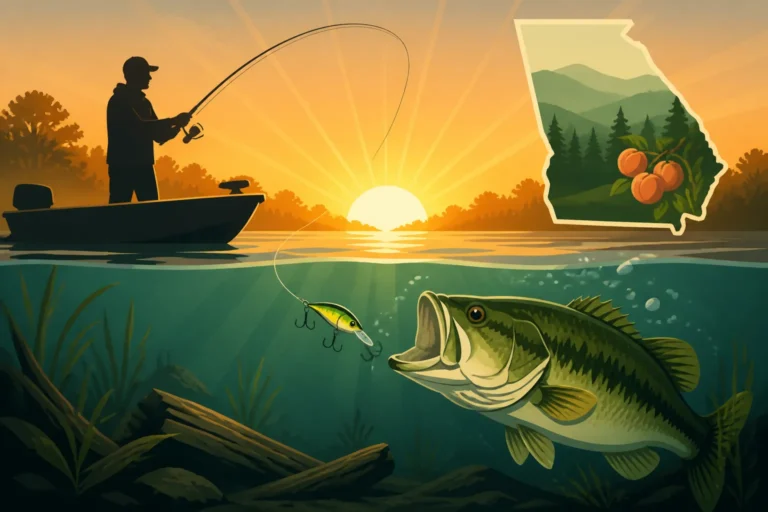
Think about covering water efficiently. Lipless crankbaits, like a classic Rat-L-Trap or a Bill Lewis Rat-L-Trap, are fantastic for this, especially when ripped through submerged grass or over shallow flats. Their loud rattles and erratic action can trigger strikes from bass that are actively hunting. Spinnerbaits with bright, flashy blades, perhaps a chartreuse and white combination, are another excellent choice, particularly in stained or muddy water after spring rains. The vibration and flash are irresistible to hungry bass. For deeper water, a jerkbait can be deadly. Cast it out, let it sit, then give it a few sharp twitches before pausing again. Those long pauses can be absolutely crucial, especially when the water is still on the cooler side. You can find a huge variety of these reaction baits on platforms like Amazon, making it easy to stock up for the season. Remember, during this phase, fish are often concentrated, so once you find one, you'll likely find more. For more insights on this period, check out our guide on Spring Bass Fishing Patterns on Georgia's Reservoirs.
The Spawn Itself: Nests and Nudges
Once water temperatures reach the high 50s and low 60s Fahrenheit, the spawn is in full swing. This is when fish, particularly bass, become very territorial and protective of their nests. They're less interested in chasing down a fast-moving meal and more inclined to guard their eggs from intruders. Your bait selection needs to reflect this behavior.
Slow, methodical presentations are the name of the game. Soft plastics are king here. A Texas-rigged lizard, creature bait, or even a simple stick worm (like a Yamamoto Senko) pitched into potential bedding areas can be incredibly effective. The goal isn't to make them eat it, but to provoke them into moving it away from their nest. Jigs, especially those with a bulky skirt and a plastic trailer, can also work wonders. Gently hop or drag them along the bottom near visible beds or in shallow cover where bass are likely to be spawning. For crappie, which typically spawn a bit earlier than bass when waters hit the low 60s, tiny jigs tipped with a minnow or a small soft plastic grub are hard to beat. They'll often move into shallow brush piles or around docks to lay their eggs. Presenting a bait slowly and persistently near these areas can lead to a banner day. Patience is key during the spawn; sometimes it takes several pitches to annoy a fish enough to strike.
Post-Spawn Recovery: Refueling for Summer
After the rigors of spawning, fish are often exhausted and a bit lethargic. Water temperatures are continuing to rise, often into the mid to high 60s, and fish begin to move into slightly deeper water or seek out cover. This period, which can last a couple of weeks, sees them recuperating and starting to feed more consistently, though perhaps not with the same aggression as pre-spawn.
Smaller, more subtle presentations that mimic their natural forage are usually best. Shad imitations, whether they're small swimbaits, flukes, or shallow-running crankbaits, can be very effective as fish begin to chase baitfish schools. Finesse worms, fished on a shaky head or a Carolina rig, can also tempt weary bass. These setups offer a natural, subtle action that's less intimidating than a big, noisy lure. Topwater lures can also come into play during this phase, especially during low-light conditions early in the morning or late in the evening. Poppers, walking baits, and small buzzbaits can draw explosive strikes from bass that are actively feeding on the surface. Remember, even though they're recovering, they're still hungry, just perhaps a bit pickier. Keeping an eye on the Georgia Fishing Seasons by Month can give you a general idea of when these transitions occur, but always let water temperature be your ultimate guide.
Summer: Deep Water, Low Light, and Lively Baits
As Georgia's summer heat rolls in, fishing can get tougher, but it's far from impossible. The key is adapting to warmer water temperatures and changing fish behavior. Many species will seek out deeper, cooler water during the day, or become more active during the cooler parts of the day, like dawn and dusk.
Beat the Heat: Deepwater Presentations
When air temperatures soar into the 90s and water temps push into the 80s, fish will retreat to the thermal refuge of deeper water. This means your bait selection and presentation need to follow suit. For bass, deep-diving crankbaits that can reach depths of 15-25 feet are essential. Look for models with wider bills that dig deep and have a tight wobble. Colors that mimic local baitfish, like shad or bluegill, are usually a safe bet.
Another highly effective deepwater technique is the drop shot rig, often paired with small, worm-style soft plastics. This allows you to present a bait directly in the strike zone, suspended just above the bottom, where sluggish bass might be holding. Carolina rigs with creature baits or lizards are also excellent for dragging along ledges and humps where bass congregate. For striped bass and hybrid striped bass, which are often found schooling in open water during summer, live bait such as shad or shiners is incredibly effective. Downlining these baits to the depth where fish are marked on your electronics can produce fantastic results. Even catfish, while often active at night, can be caught during the day in deeper channels and holes using cut bait, chicken liver, or prepared stink baits. A quick search on Amazon will show you a plethora of specialized deep-diving lures and live bait rigs designed for these conditions.
Topwater Thrills and Early Morning Bites
Despite the overall deepwater trend, summer still offers incredible topwater action, especially during the cooler low-light hours of dawn and dusk. As the sun begins to rise or set, baitfish move into shallower water, and predatory fish like bass follow, looking for an easy meal on the surface.
Buzzbaits and walking baits (like a Heddon Super Spook) are exhilarating choices for bass during this time. The commotion they create on the surface can draw strikes from surprisingly large fish. Frogs, fished over lily pads, hydrilla, or other dense vegetation, are another summer staple. Their weedless design allows you to target areas where other lures would snag, and the explosive blow-ups are unforgettable. For panfish like bluegill and shellcrackers, which are often found in shallow areas near cover, a small popper fly presented with a fly rod, or even a tiny spinning lure (like a beetle spin) can provide continuous action, particularly for kids. Focus on shaded banks, docks, and submerged timber. For more options, explore our guide on A Year-Round Guide to Fishing in Georgia.
Targeting Panfish and Catfish in Summer
Summer is prime time for family fishing trips, and panfish and catfish are often the most cooperative targets. These species are generally less finicky about water temperature fluctuations and can provide consistent action.
For bream (bluegill, redear sunfish, etc.), traditional live baits like crickets and worms are still unbeatable. A simple bobber rig, cast near structure like docks, fallen trees, or lily pads, is usually all it takes. For crappie, who often retreat to deeper brush piles and submerged timber during the day, small jigs tipped with a minnow or a soft plastic grub are excellent. Spider rigging (fishing multiple poles with different baits and depths) can help you quickly locate schools. Catfish, especially channel and blue cats, are incredibly active in summer. While they'll eat just about anything, fresh cut bait (shad, herring, bluegill), chicken liver, and commercial stink baits are often the most productive. Fishing these on the bottom in creek channels, river bends, or deep holes in reservoirs, especially at night, can lead to some monster catches. For specific strategies, our Best Bait for Channel Catfish guide offers great insights.
Fall: The Feeding Rampage Before Winter
As the oppressive heat of summer gives way to the crisp air of autumn, Georgia's waters begin to cool, triggering a massive feeding spree among many fish species. This is often considered one of the best times of year to fish, as fish bulk up in preparation for winter. Matching your bait to this aggressive feeding behavior is key.
Mimicking the Fall Turnover and Baitfish Migration
Fall brings what's known as "turnover" in many lakes, where cooler surface water sinks and mixes with deeper layers, often causing baitfish to scatter and move towards the surface or shallower flats. Predatory fish, like bass and stripers, follow these baitfish, making them easier to locate and catch.
Crankbaits that mimic shad are incredibly effective during this period. Medium-diving crankbaits in chrome, white, or shad patterns can be absolutely deadly when retrieved through schools of baitfish. Spinnerbaits, especially those with willow leaf blades for more flash, are also excellent for covering water and eliciting reaction strikes from active fish. As the water continues to cool, jerkbaits become increasingly potent, allowing for pauses that can tempt wary fish. Swimbait presentations, from smaller paddletails to larger, realistic shad imitations, can also fool bigger fish looking for a substantial meal. Keep an eye out for "bird activity" – diving gulls often signal large schools of baitfish being pushed to the surface by feeding predators below. This is when a topwater walking bait or a casting spoon can really shine.
Trout Stream Favorites as Waters Cool
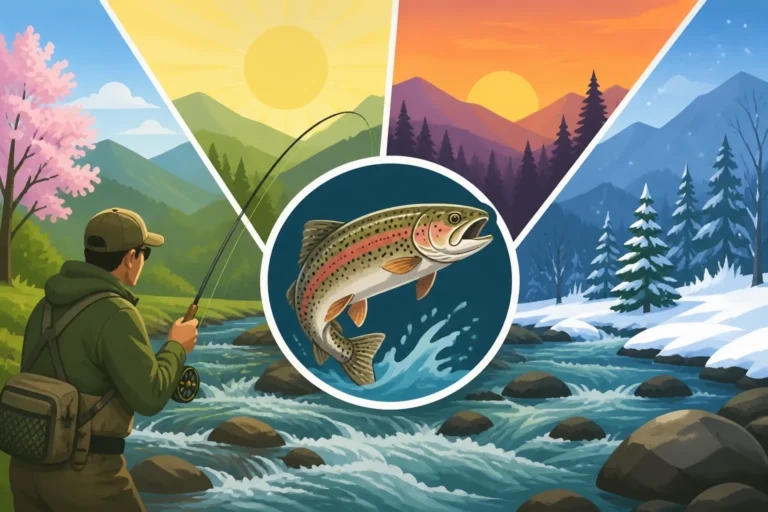
Fall is a glorious time for trout fishing in North Georgia. The cooling water temperatures invigorate trout, and many streams receive fresh stockings from the Georgia Department of Natural Resources, creating ample opportunities. For fly anglers, matching the hatch is always important, but terrestrials (imitations of grasshoppers, ants, beetles) can still be effective early in the fall, transitioning to smaller nymph patterns and midges as the weather gets colder.
For spin anglers, a variety of baits work well. Small inline spinners, particularly in silver, gold, or brass, are consistent producers for rainbow and brown trout. Artificial worms, like Berkley PowerBait Trout Worms, in natural colors can be incredibly effective when drifted naturally through runs and pools. Speaking of PowerBait, the classic dough bait in various colors (rainbow, chartreuse, garlic) is a staple for stocked trout. Rigged on a small treble hook with a split shot, it’s a simple yet highly effective method. Live bait such as red wigglers or corn can also tempt trout. Remember to check local regulations for specific streams, as some areas might be designated as Georgia's Delayed Harvest Catch-and-Release Season Explained, requiring artificial lures only.
Crappie and Striper Feasts
Fall also offers some of the best crappie and striped bass fishing of the year. Crappie, much like bass, will begin to feed heavily in preparation for winter, often schooling up in predictable areas. Vertical jigging spoons or small jig-and-minnow combinations around brush piles, bridge pilings, and submerged timber can lead to quick limits. As the water cools further, crappie might move into shallower water during sunny afternoons, making them accessible to bank anglers too.
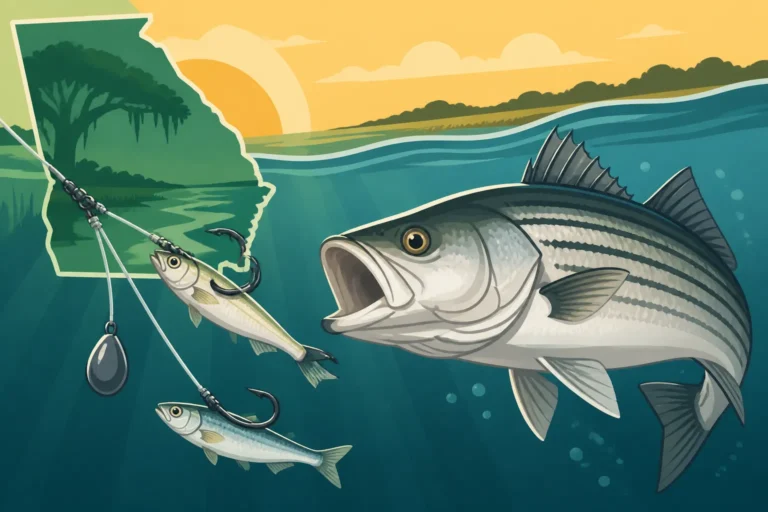
Striped bass, particularly in large reservoirs like Lake Lanier or Clarks Hill Lake, engage in massive schooling activity, chasing shad to the surface. This creates exciting "boiling" events where stripers violently attack baitfish. Trolling umbrella rigs or casting large topwater lures, big swimbaits, or even heavy spoons into these feeding frenzies can be incredibly productive. Live bait, such as gizzard shad or herring, remains a top choice for stripers, whether fished on free lines or downlines. Many anglers swear by the aggressiveness of fall stripers, making it a fantastic season to target these powerful fish.
Winter: Subtle Presentations and Coldwater Choices
Winter fishing in Georgia can be challenging, but for those willing to brave the colder temperatures, it offers unique opportunities. Fish metabolism slows down, meaning they feed less frequently and are often more selective. Your bait choice needs to be subtle, slow, and presented directly to the fish.
Slow and Steady: Finesse in Frigid Waters
When water temperatures drop into the 40s and low 50s, fish become much less active. They'll often school up tightly in deep pockets, near sharp drops, or around baitfish concentrations. Aggressive, fast-moving baits are typically ignored. Instead, focus on finesse techniques that allow for incredibly slow presentations.
Jerkbaits, especially suspending models, are phenomenal in winter. Cast them out, give them a few twitches, and then pause, sometimes for as long as 10-20 seconds. The lure hangs enticingly in the water, giving sluggish fish plenty of time to decide to strike. Jigging spoons, dropped directly onto fish marked on your electronics, can also be deadly. A subtle lift and fall, mimicking a dying baitfish, is often all it takes. Blade baits, like a Silver Buddy, also fall into this category, offering vibration on the lift and a flutter on the fall. For bass, shaky head worms or small jigs with finesse trailers can be dragged painstakingly slow along the bottom in deep water. The key is patience and a keen eye for subtle bites. Many anglers will opt for brighter, more visible colors in dingy water, or more natural, translucent colors in clear, cold water.
The Lure of Warmer Waters: Lake Sinclair Example
While many Georgia lakes slow down considerably in winter, some reservoirs, particularly those with power plants like Lake Sinclair, can maintain slightly warmer water temperatures in certain areas due to the discharge of warm water. This creates localized hot spots where fish remain more active throughout the colder months.
In these warmer pockets, fish might be more willing to chase baits than in other parts of the lake. Small crankbaits, particularly flat-sided models that have a tighter wobble in cold water, can be effective. Jigs, whether football jigs dragged on the bottom or bladed jigs (ChatterBaits) retrieved slowly, can also produce. For crappie, these warmer areas can hold large schools. Vertical jigging with small hair jigs or soft plastic grubs, tipped with a minnow, around bridge pilings, docks, and submerged brush is a reliable technique. Don't be afraid to experiment with different depths until you find where the fish are holding. This unique characteristic is why Winter Fishing at Lake Sinclair While Other Georgia Lakes Slow Down is a popular topic among Georgia anglers.
Targeting Trout and Panfish in Winter
Winter is a fantastic time for trout fishing, especially if you enjoy the solitude of quieter streams. Many of Georgia's mountain trout streams receive winter stockings, providing excellent opportunities. For fly anglers, small nymph patterns (pheasant tail, hare's ear), midge patterns, and egg patterns are often the most productive. These imitate the aquatic insects that are available to trout in colder water.
For spin fishermen targeting stocked trout, a variety of baits can work. PowerBait, especially in bright, visible colors like fluorescent orange or chartreuse, remains a top choice. Small natural baits like corn kernels or cheese can also be surprisingly effective. For wild trout, natural presentations with small spinners or tiny marabou jigs can tempt a strike. Panfish like bluegill and crappie can also be caught in winter, though often in deeper water. Small worms (red wigglers, wax worms) or tiny soft plastic grubs on light tackle are your best bet. Look for them concentrated in deeper holes or near warm water discharges. Our Best Lures for Stocked Trout guide provides more detailed information on specific winter trout baits.
Understanding Your Prey: Bait Selection for Georgia's Key Species
Beyond the seasonal changes, truly mastering bait selection means understanding the individual preferences and behaviors of the different fish species you're targeting. Georgia is home to a rich diversity of freshwater fish, each with its own preferred diet and habits.
Bass: Largemouth, Spotted, and Shoal
Georgia boasts a fantastic bass fishery, with largemouth, spotted, and shoal bass offering different challenges and requiring nuanced bait choices.
- Largemouth Bass: These are the kings of cover. They love to ambush prey from heavy grass, fallen timber, and dock pilings. Their diet is broad, including baitfish, crawfish, frogs, and even small birds or mammals. For largemouth, traditional baits like plastic worms (Texas-rigged, Carolina-rigged, shaky head), jigs (flipping jigs, football jigs), crankbaits (shallow to deep runners), spinnerbaits, and topwater lures are staples. Matching the hatch to their primary forage, often shad or bluegill, is crucial. Bigger baits often entice bigger largemouth. Our Best Bait for Largemouth Bass article delves deeper into this.
- Spotted Bass: Often found in clearer, rockier reservoirs and rivers, spotted bass tend to be more pelagic (open water) than largemouth. They are aggressive eaters but often prefer smaller baits. Finesse techniques like drop shots with small worms, shaky heads, small crankbaits, and small topwater lures work exceptionally well. They are notorious for schooling up and chasing baitfish in open water, so keeping an eye on your electronics for bait balls is key.
- Shoal Bass: These are river specialists, found primarily in rocky, current-laden rivers like the Flint River. They feed heavily on crawfish and various minnows. For shoal bass, jigs that mimic crawfish, small crankbaits that dive to match the river's depth, and creature baits are very effective. They are strong fighters and often require precise casting to specific current breaks and rock formations.
Trout: Rainbow, Brown, and Brook
Georgia's trout fishing primarily focuses on rainbow, brown, and the native brook trout, each with distinct preferences.
- Rainbow Trout: These are the most commonly stocked trout in Georgia. They are often less selective than wild trout and will readily take a variety of baits. PowerBait (dough bait, nuggets), corn, cheese, small inline spinners (Rooster Tails, Panther Martins), and small artificial worms are all excellent choices. For fly anglers, nymphs, dry flies (when hatching), and streamers work well.
- Brown Trout: Known for being more elusive and often larger than rainbows, brown trout can be more challenging. They are opportunistic predators, often favoring larger meals, especially in bigger streams and rivers. Live minnows, small crankbaits that imitate baitfish, and larger streamer flies are effective. They tend to be more nocturnal feeders, particularly larger specimens.
- Brook Trout: Georgia's only native trout, brookies are usually found in the coldest, purest headwater streams. They are typically smaller and require a delicate approach. Small inline spinners, tiny jigs, and natural baits like worms can work for spin anglers. For fly fishermen, small dry flies, tiny nymphs, and even small ants or beetle patterns are often the ticket. Preserving these delicate native populations often means practicing catch-and-release with care.
Panfish: Crappie, Bluegill, and Bream
Panfish are a fantastic target for anglers of all ages and skill levels, offering consistent action throughout much of the year.
- Crappie (Black and White): These schooling fish are delicious and fun to catch. They primarily feed on small baitfish (minnows, shad) and aquatic insects. Their preferred baits are small jigs (1/32 to 1/8 ounce) tipped with soft plastic grubs, tubes, or live minnows. Trolling these jigs, spider rigging, or vertical jigging around brush piles, submerged timber, and bridge pilings are popular techniques.
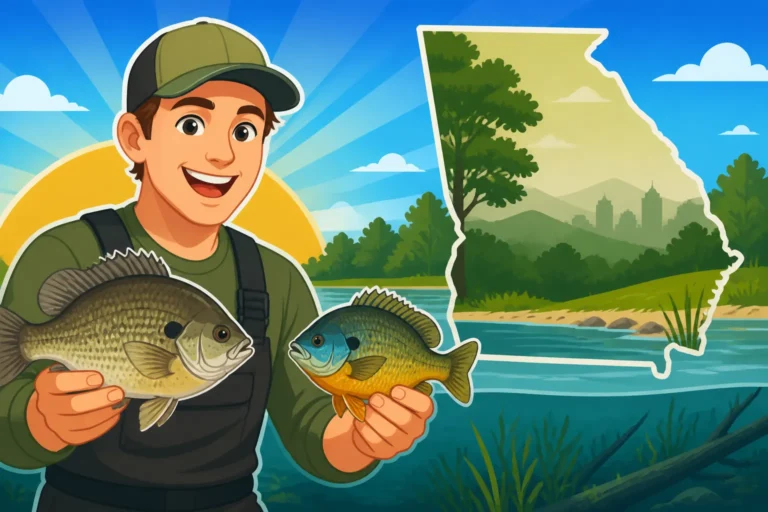
- Bluegill and Bream (Redear Sunfish, Shellcrackers): These are the quintessential "kid-friendly" fish, abundant in ponds, lakes, and slow-moving rivers. Their diet consists mainly of insects, worms, and small crustaceans. Live bait is king for bream: crickets, earthworms, and mealworms are irresistible. For shellcrackers (redear sunfish), snails and clam meat are especially effective as they use their strong jaws to crush shells. Small poppers on a fly rod or tiny artificial lures like beetle spins can also provide great action. You can find a wide assortment of panfish tackle on Amazon, from micro-jigs to specialized floats. For more tips on targeting these little fighters, check out Best Bait for Bluegill Fishing.
By understanding not only the seasonal influences but also the specific dietary preferences and behaviors of your target species, you can become a more effective and successful angler in Georgia's rich and varied waters.
| Season | Target Species | Primary Bait Types | Common Techniques | Notes |
|---|---|---|---|---|
| Spring | Bass | Jerkbaits, Lipless Crankbaits, Spinnerbaits, Soft Plastics (worms, lizards, jigs), Swimbaits | Casting, Pitching, Flipping, Slow-rolling | Pre-spawn aggression, spawning protection, post-spawn recovery |
| Crappie | Small Jigs (tipped with minnows or grubs) | Vertical Jigging, Bobber fishing | Spawning in shallow brush, docks | |
| Trout | PowerBait, Worms, Small Spinners, Nymphs, Dry Flies | Drifting, Casting, Fly Fishing | Increasing activity as waters warm | |
| Summer | Bass | Deep-diving Crankbaits, Drop Shots, Carolina Rigs, Topwater, Frogs | Deep cranking, Finesse presentations, Topwater action (low light) | Seek deep, cool water; active at dawn/dusk |
| Striped/Hybrid Bass | Live Shad/Herring, Umbrella Rigs, Large Topwater | Downlining, Trolling, Casting into boils | Schooling behavior, often in open water | |
| Catfish | Cut Bait, Chicken Liver, Stink Baits | Bottom Fishing (especially at night) | Highly active, deep channels, holes | |
| Panfish | Crickets, Worms, Mealworms, Small Jigs | Bobber fishing, Light tackle casting | Active in shallow cover, often family-friendly | |
| Fall | Bass | Crankbaits (shad patterns), Spinnerbaits, Jerkbaits, Swimbaits, Topwater | Covering water, Casting into bait schools | Feeding frenzy before winter, mimicking shad |
| Crappie | Jigs (minnow/grub), Jigging Spoons | Vertical Jigging, Spider Rigging | Schooling up, feeding heavily | |
| Trout | PowerBait, Spinners, Artificial Worms, Nymphs, Streamers | Drifting, Casting, Fly Fishing | Cooler waters invigorate, excellent activity | |
| Striped/Hybrid Bass | Live Bait, Umbrella Rigs, Topwater, Spoons | Trolling, Casting into boils, Downlining | Aggressive feeding on baitfish schools | |
| Winter | Bass | Suspending Jerkbaits, Jigging Spoons, Blade Baits, Shaky Heads | Slow presentations, Long pauses, Vertical jigging | Less active, school tightly in deep water |
| Crappie | Small Jigs (tipped with minnows/grubs) | Vertical Jigging (deep brush, docks) | Concentrate in deep cover, some active in warm pockets | |
| Trout | PowerBait, Nymphs, Midges, Small Spinners, Worms | Drifting, Slow retrieves, Fly Fishing | Stocked trout more active; wild trout very selective | |
| Catfish | Cut Bait, Prepared Baits | Deep Bottom Fishing | Slower metabolism, but still catchable in deep holes |
Disclaimer
Fishing conditions and regulations in Georgia can change. Always consult the Georgia Department of Natural Resources (DNR) official website or publications for the most current rules, licensing requirements, and fishing forecasts before heading out. This guide is for informational purposes only and should not replace official guidance.