Why Fish Bite Better at Dawn
There's nothing quite like the hopeful quiet of a Georgia morning, pushing off in the dark or setting up on the bank, only to find the fish are practically jumping onto your hook. Then, almost like flipping a switch, the bite dies as the sun climbs higher. If you've ever wondered why those early hours seem to be magical, you're not alone. It's a common experience, and understanding why fish bite better at dawn can dramatically increase your success on the water, turning those frustrating slow afternoons into productive, memorable trips.
This guide will break down the crucial factors that make dawn the prime fishing time, from environmental shifts to the natural behavior of the fish themselves. We'll explore specific tactics and gear that will help you capitalize on this golden window, ensuring your next early morning outing in Georgia is a rewarding one.
The Science of Sunrise: How Environmental Factors Drive Early Morning Bites
The transition from night to day isn't just a beautiful spectacle; it triggers a cascade of environmental changes in Georgia's lakes and rivers that directly influence fish activity. These subtle shifts create conditions that are often ideal for feeding, making fish more active and willing to strike.
The Perfect Light Conditions
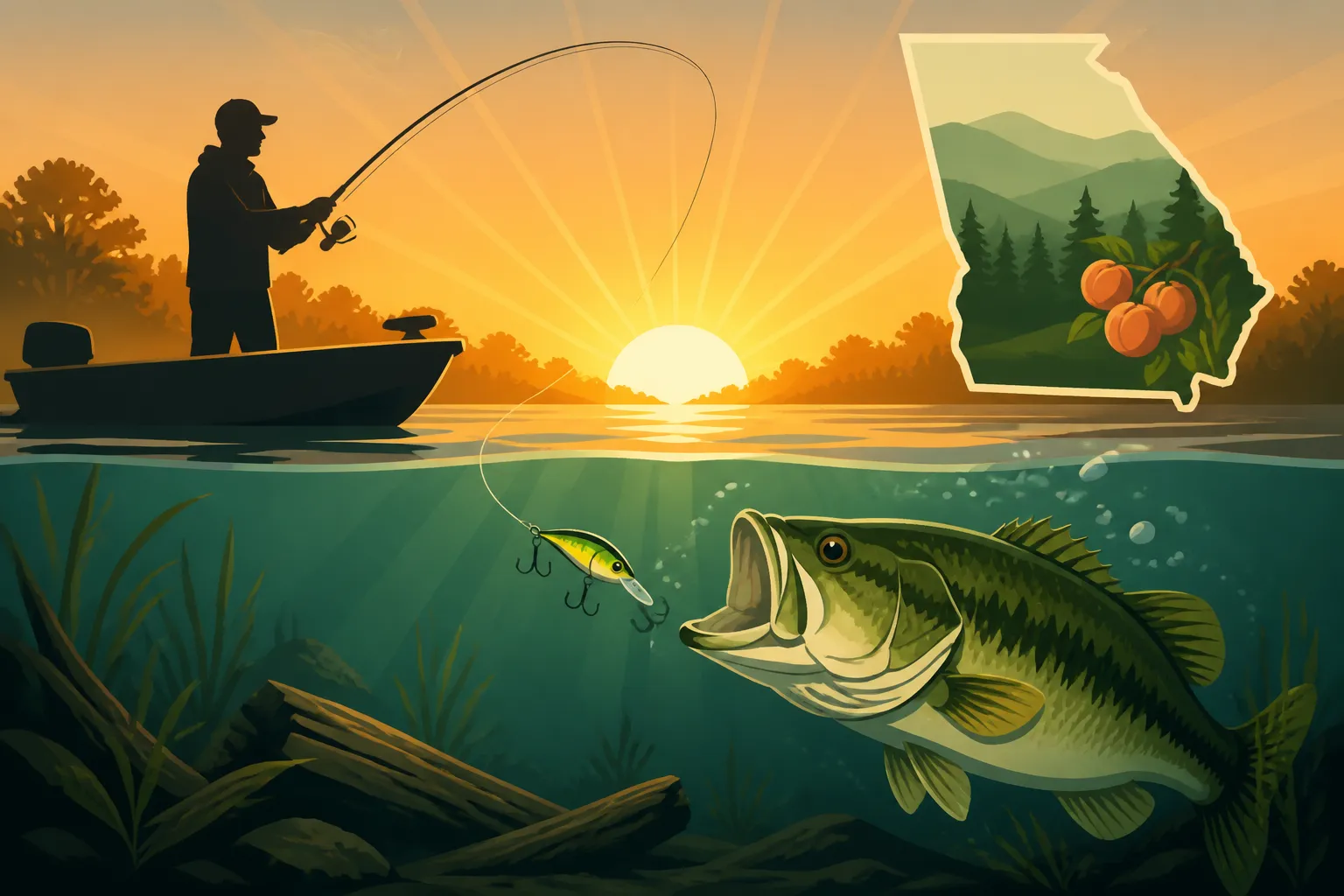
As the first hint of light breaks the horizon, often referred to as civil twilight, visibility for both predator and prey begins to change. For many game fish, like largemouth bass, this low-light period gives them a significant advantage. Their eyes are often more adapted to seeing in dim conditions than those of their primary prey species. This means they can spot a scurrying baitfish or a struggling insect with greater ease than their quarry can spot them.
Imagine a shadowy shoreline, barely illuminated. A big bass lurking near a submerged log has the element of surprise. As the light slowly increases, it can pick off unsuspecting minnows or bream before they fully register the danger. This is why you often see explosive topwater bites just as the sky begins to lighten – the fish feel confident hunting near the surface without being fully exposed to aerial predators or human anglers. This brief window of low light is crucial, as too much sun can send them deeper or into thick cover.
Temperature and Oxygen Shifts
The overnight hours typically bring the coolest water temperatures of the day, especially in the spring and fall. As the sun begins to rise, the water temperature slowly starts to climb, stimulating the metabolism of many fish species. This gentle warming, coupled with often higher dissolved oxygen levels in the pre-dawn hours (a result of aquatic plants producing oxygen overnight before respiration takes over during the day), creates a comfortable and energizing environment for fish.
Think about how you feel after a good night's rest. Fish experience a similar revitalization. The cooler, well-oxygenated water allows them to be more active and less sluggish than they might be during the peak heat of a summer afternoon. This invigorated state often translates directly into a stronger feeding drive. In warmer months, this early morning cool-down is even more pronounced, offering a respite from the oppressive daytime heat and encouraging fish to move and hunt in shallower waters. Understanding How Water Temperature Affects Fish Behavior is key to consistent success.
Calm Waters and Less Pressure
One of the most appealing aspects of dawn fishing, beyond the bite itself, is the tranquility. Before recreational boaters, jet skiers, and even many other anglers hit the water, Georgia's lakes and rivers are often glass-smooth and quiet. This reduced human presence and noise pollution has a profound impact on fish behavior.
Fish are highly sensitive to vibrations and shadows. A boat roaring past, or even too much noise on the bank, can send them scattering. In the calm of dawn, fish feel safer and more comfortable venturing into open water or shallower feeding grounds. They're less skittish and more likely to follow their natural feeding instincts without interruption. This is particularly true in heavily trafficked areas like Lake Lanier or Lake Oconee, where the early hours offer a brief reprieve from the hustle and bustle. Less pressure means more natural movement and, often, more aggressive takes.
Awakening Appetites: Fish Feeding Behavior at Dawn
Beyond the environmental factors, fish themselves undergo biological shifts at dawn that align perfectly with an angler's ambitions. They are waking up, moving, and, most importantly, looking for a meal.
Predator Advantage and Prey Vulnerability
Many predator fish species, from largemouth bass to trout, are ambush predators. They rely on stealth and surprise to catch their food. As mentioned, the low light of dawn gives them the visual edge. This is when baitfish, insects, and other small critters that comprise their diet are often most vulnerable. Baitfish might be moving from deeper water into shallower areas to feed on microscopic organisms or hiding in sparse cover, making them easier targets as light levels are still minimal.
Think of it like this: the night has been a time of relative safety for many smaller fish. As dawn approaches, they start to stir and become more active. This increased activity, combined with the predator's superior low-light vision, creates a perfect storm for feeding. You might see schools of baitfish dimpling the surface, or jumping to escape a hungry bass from below. These visual cues are a strong indicator that the food chain is active.
Metabolic Boost and Hunger
Just like humans, fish wake up hungry. After a night of reduced activity and potentially lower food intake, their metabolic engines are revving up, especially in the cooler morning water. Many fish species are cold-blooded, meaning their metabolism is directly tied to water temperature. When the water is cooler, they can often exert more energy and digest food more efficiently than in stifling warm water.
This metabolic boost, combined with an empty stomach, means they are actively seeking out food. They're not just opportunistically nipping at whatever passes by; they're on a mission to refuel. This heightened hunger makes them less cautious and more likely to strike at a lure or bait, even if it's not a perfect imitation of their natural prey. It's an ingrained instinct, and you, the angler, are there to capitalize on it.
The "Golden Hour" Phenomenon
The collective impact of these factors creates what many anglers refer to as the "golden hour" or "magic hour" – that relatively short window right around sunrise where fishing can be absolutely phenomenal. It's a confluence of changing light, optimal temperatures, calm conditions, predator advantage, and hungry fish all coming together.
The timing of this golden hour can vary depending on the season and location. In summer, it might be a very brief period before the heat sets in. In spring and fall, it can extend longer. The key is to be on the water and fishing before the sun actually crests the horizon. As the sun rises higher, the light intensity increases, the water begins to warm more rapidly, and other activities on the water pick up. This often sends fish deeper, or into heavy cover, making them harder to entice. Those who hit the water before the first light are often the ones rewarded with the best action, making those early alarms well worth it. You can learn more about specific timing in a guide like Best Time of Day to Fish for Bass.
Making the Most of the Morning: Effective Dawn Fishing Strategies
Knowing why fish bite better at dawn is only half the battle. The other half is knowing how to take advantage of it. Strategic planning and specific techniques can help you maximize your success during these prime early morning hours.
Stealth and Preparation are Key
Since calm and quiet are crucial during dawn, your approach needs to be as stealthy as possible. This means arriving at your fishing spot well before light breaks, ideally when it's still dark enough to require a headlamp. When you're rigging your rod, tying on lures, or setting up your boat, do it quietly. Avoid slamming tackle box lids, dropping anchors loudly, or talking at full volume.
Being prepared is paramount. Have your rods rigged, tackle chosen, and boat or bank setup ready to go before you even get to your spot, if possible. If you need to tie knots in the dark, a small, hands-free headlamp is invaluable. You can find many affordable and waterproof options on Amazon that will illuminate your workspace without spooking the fish. If you're bank fishing, walk softly along the shore. If you're in a boat, use your trolling motor sparingly and quietly, or drift into your chosen area. The less disturbance you create, the more likely fish will remain in their shallow feeding zones.
Lure and Bait Selection for Low Light
The low-light conditions of dawn dictate specific lure and bait choices. You want presentations that are highly visible or create a lot of commotion, allowing fish to find them even with limited visibility.
- Topwater Lures: This is often the undisputed king of dawn fishing, especially for bass. Poppers, walk-the-dogs, and prop baits create noise and disturbance on the surface, mimicking struggling prey. The silhouetted presentation against the brightening sky is irresistible to many predatory fish. Colors aren't as critical as action, but darker colors often provide a better silhouette.
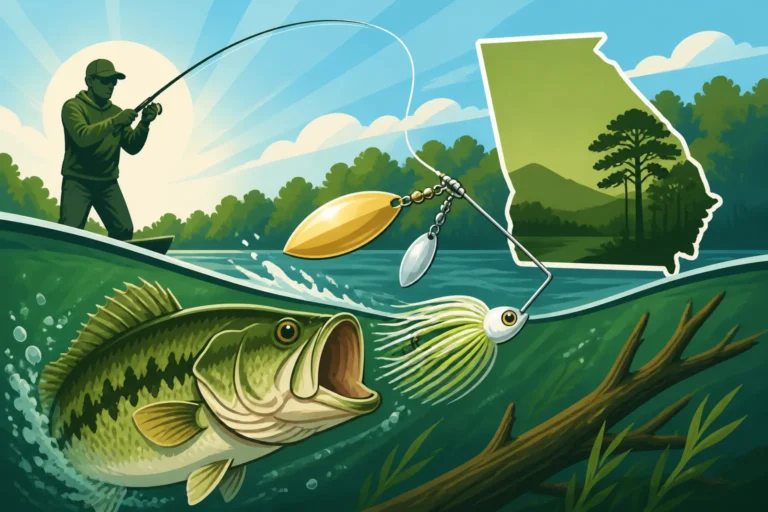
- Spinnerbaits and Bladed Jigs: The flash and vibration from these lures make them excellent choices in low light. The blades catch what little light is available, and the thumping vibration helps fish locate them. White, chartreuse, or black colors can be effective.
- Dark-Colored Jigs and Worms: When fishing deeper or around cover, dark-colored jigs (black, blue, junebug) or soft plastic worms can offer a strong silhouette against the lighter sky above. A slow, methodical retrieve is often best.
- Live Bait: If you prefer live bait, minnows, shiners, or even worms can be incredibly effective. Fish are naturally drawn to the scent and natural movement of live prey, and during dawn, they're often less wary of a hooked offering. Just ensure your rigging allows for natural movement. For tips on selection, check out How to Choose the Right Bait and Lure for the Season.
Consider how light interacts with your lure. As the light intensifies, you might switch from noisy topwaters to more subtle subsurface baits.
Optimal Presentation and Retrieve
Your retrieve speed and presentation can make a huge difference during dawn. Fish are often aggressive, but they might still be a bit sluggish from the cooler night temperatures.
- Slow and Erratic: While some fish might hit anything, a slightly slower, more erratic retrieve can often be more effective. This mimics a struggling or disoriented baitfish, an easy meal for a hungry predator. Pause your retrieves, twitch your rod tip, and vary your speed to entice strikes.
- Covering Water: Fish might be scattered or concentrated in specific areas. Use lures that allow you to cover a lot of water efficiently. Fan cast your spinnerbaits or topwaters to explore different depths and angles along a shoreline. If you find fish in one spot, work that area thoroughly before moving on.
- Targeting Key Structures: During dawn, fish often move into shallower areas to feed. Focus on structure like submerged timber, rock piles, weed lines, docks, and points. These are natural ambush points. Even open flats adjacent to deeper water can be productive as fish push baitfish to the surface.
- Fishing the "Edges": The transition zones where shallow water meets deep, or where different types of cover meet (e.g., lily pads meeting open water), are often hotspots. These edges provide fish with quick access to both feeding grounds and escape routes.
Dawn Fishing Best Practices Summary
| Aspect | Dawn Conditions | Mid-Day Conditions | Recommended Action at Dawn |
|---|---|---|---|
| Light | Low, increasing gradually | Bright, direct overhead | Use topwater, dark colors, noisy lures |
| Temperature | Cooler, slowly warming | Warm to hot, stable | Fish shallower, focus on active feeding |
| Oxygen | High, stable | Potentially lower in stagnant areas | Fish active areas, cover water |
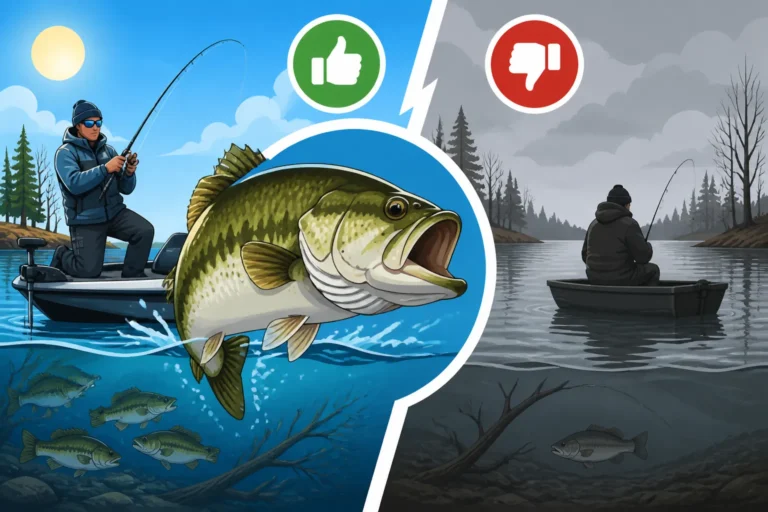
| Fish Activity | High, actively feeding, less wary | Lower (often), seeking cover, more cautious | Aggressive presentations, target shallow structure |
| Boat Traffic | Low, calm | High, noisy | Stealthy approach, quiet movements |
| Lure Type | Topwater, Spinnerbaits, Jigs, Live Bait | Deep crankbaits, Carolina Rigs, shaky heads | Focus on surface and upper water column |
| Retrieve Speed | Moderate to slow, erratic | Faster, reaction bites, or very slow, finesse | Mimic struggling prey |
Dawn Patrol: Targeting Georgia's Key Species in the Early Hours
Different fish species in Georgia respond to the dawn conditions in unique ways. By tailoring your approach to the specific species you're targeting, you can further improve your chances of success. Many of Georgia's Best Lakes for Fishing will offer excellent dawn opportunities.
Bass Strategies for the First Light
For largemouth and spotted bass, dawn is arguably the best time to fish. They are true low-light predators and actively hunt during this period.
- Topwater Dominance: As mentioned, topwater lures are deadly. Focus on areas with emergent grass, lily pads, rip-rap, or shallow timber. Cast your popper or walking bait near cover and let it sit for a moment before imparting action. The "walk-the-dog" retrieve with a Zara Spook or Sammy can be incredibly effective. Consider looking for highly-rated topwater lures on Amazon if your tackle box is lacking.
- Shallow Cranks and Spinnerbaits: If topwater isn't producing, or as the light gets a little brighter, switch to shallow-diving crankbaits or spinnerbaits. Work them quickly along points, across flats, or parallel to weed lines. The vibration and flash are key attractants.
- Jigs and Plastics: For bass lurking deeper in cover, a dark-colored jig pitched into boat docks, brush piles, or flooded timber can often draw a strike. A Texas-rigged worm or creature bait worked slowly around these areas can also be very effective. This is an excellent time to target a trophy, as discussed in Where to Catch Trophy Largemouth Bass in Georgia.
Trout Tactics Before the Sun Gets High
North Georgia's mountain streams, teeming with rainbow, brown, and brook trout, also offer fantastic dawn fishing. Trout are often more active in cooler water and can be sensitive to bright sunlight.
- Fly Fishing: For fly anglers, dawn can be prime for dry fly hatches, especially in spring and fall. Look for rising fish and match the hatch. If no surface activity, switch to nymphs or streamers fished deep in pools or along current seams. Fly Fishing Basics for Trout will help you get started.
- Spin Fishing: Using small inline spinners (like Mepps or Rooster Tails) in silver or gold, or small jerkbaits, can be very effective for trout. Cast upstream and retrieve with the current, allowing the lure to tumble naturally. Live bait, such as worms or corn, drifted under a bobber in slower pools, is also a classic and effective method.
- Focus on Cover: Trout will often be found in areas with current breaks and cover, such as eddies behind large rocks, undercut banks, or submerged logs. Present your lure or bait naturally into these areas. Early morning also offers less fishing pressure, especially on popular streams like those on the Toccoa River.
Crappie and Panfish in the Pre-Dawn Gloom
Crappie, bluegill, and other panfish can be incredibly active at dawn, particularly if you know where to find them. They often move shallower to feed during low light.
- Minnows and Jigs: Live minnows are a crappie's favorite snack, and presenting them under a bobber near submerged brush, standing timber, or dock pilings can be highly productive. Small jigs (1/32 to 1/16 oz) in chartreuse, white, or black, tipped with a small plastic grub, are also excellent. Fish them slowly, vertically jigging or casting and retrieving with a slow, steady pace. Learn more about Crappie Fishing in Georgia: Black and White Crappie Guide.
- Shallow Cover: Look for crappie around any shallow cover that provides ambush points. This could be boat docks, bridge pilings, fallen trees, or even shallow weed beds. They often suspend just above or within the cover.
- Bluegill and Bream: For bluegill and bream, a simple worm or cricket under a bobber, fished near shoreline vegetation or lily pads, will almost guarantee action. These fish are less light-sensitive than some predators but still take advantage of cooler, calmer morning conditions to feed in safety. They're an excellent target for beginners or kids during the early hours, as detailed in Easiest Fish for Kids to Catch.
Striped Bass in the Low Light
Striped bass are another species that can be incredibly active at dawn, especially in Georgia's larger reservoirs like Lanier or Clarks Hill.
- Topwater and Artificials: Stripers often chase baitfish to the surface in explosive feeding frenzies during low light. Large topwater plugs (like Pencil Poppers or Spooks) can elicit thrilling strikes. Also, consider large swimbaits or bucktail jigs retrieved near schooling bait.
- Live Bait: Live shad or herring, presented on downlines or freelines near points, humps, or over deep channels where stripers are known to roam, can be highly effective. The stripers will often move shallower to feed on baitfish that have been pushed up by the low light. Knowing Best Bait for Striped Bass in Georgia is crucial here.
- Electronics: A good fish finder can be invaluable for locating schooling baitfish and the stripers lurking beneath them, especially when it's still dark. If you don't have one, consider checking out some options on Amazon.
By understanding the scientific and behavioral reasons behind the dawn bite, and by applying these tailored strategies for Georgia's most popular species, you'll be well on your way to enjoying some of the most productive and serene fishing experiences the state has to offer. That early alarm clock won't feel so bad when your cooler is full and you've witnessed a spectacular Georgia sunrise from the water.
Disclaimer
This article is for general informational purposes only and does not constitute professional advice. Laws, prices and regulations vary by location and change over time. Consult a qualified professional for guidance on your specific situation.