How Water Temperature Affects Fish Behavior
Ever feel like some days the fish are just gone, only for them to magically reappear the next, despite you fishing the exact same spot? It's a frustrating riddle many Georgia anglers face, and often, the silent culprit is simply a shift in water temperature. Understanding how water temperature dictates where fish are, how active they are, and what they'll eat is absolutely crucial to turning a slow day into a successful one. This guide is going to dive deep into the fascinating relationship between the mercury and the finned creatures beneath the surface, helping you unlock more consistent catches across Georgia's diverse waters.
The Science Behind Water Temperature and Fish
Fish, unlike mammals, are cold-blooded, meaning their internal body temperature is directly influenced by the temperature of their surrounding environment. This fundamental biological fact drives almost every aspect of their behavior, from their metabolism to their migration patterns. Ignoring it is like trying to navigate without a compass – you might get lucky, but you're probably going to be lost more often than not.
Fish as Cold-Blooded Creatures
Think of fish as living thermometers. When the water gets warmer, their bodies warm up; when it gets colder, they cool down. This isn't just a minor detail; it's a huge factor in their survival. Every physiological process, from digestion to swimming speed, is tied to their body temperature. They're constantly seeking out the "Goldilocks zone" – water that's not too hot and not too cold, but just right for their specific species. This pursuit of comfortable temperatures is why you'll see fish move shallower or deeper, seek out shade, or gravitate towards areas with current. It's not just a preference; it's a biological necessity for them to thrive and reproduce.
Metabolism and Activity Levels
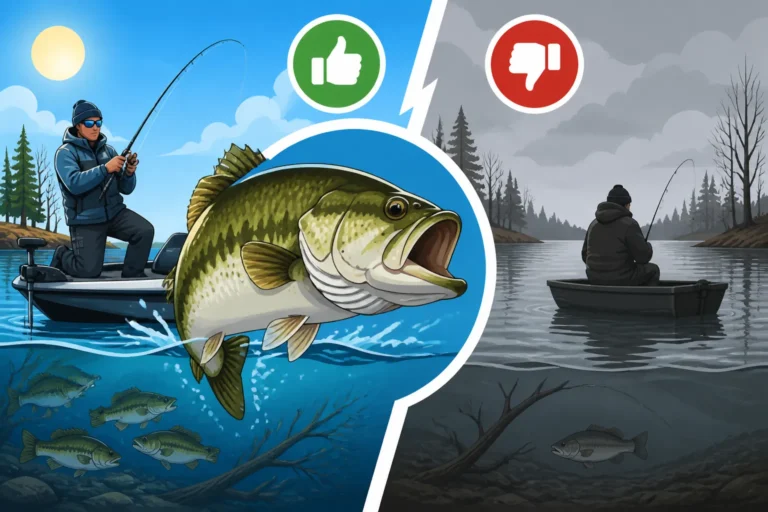
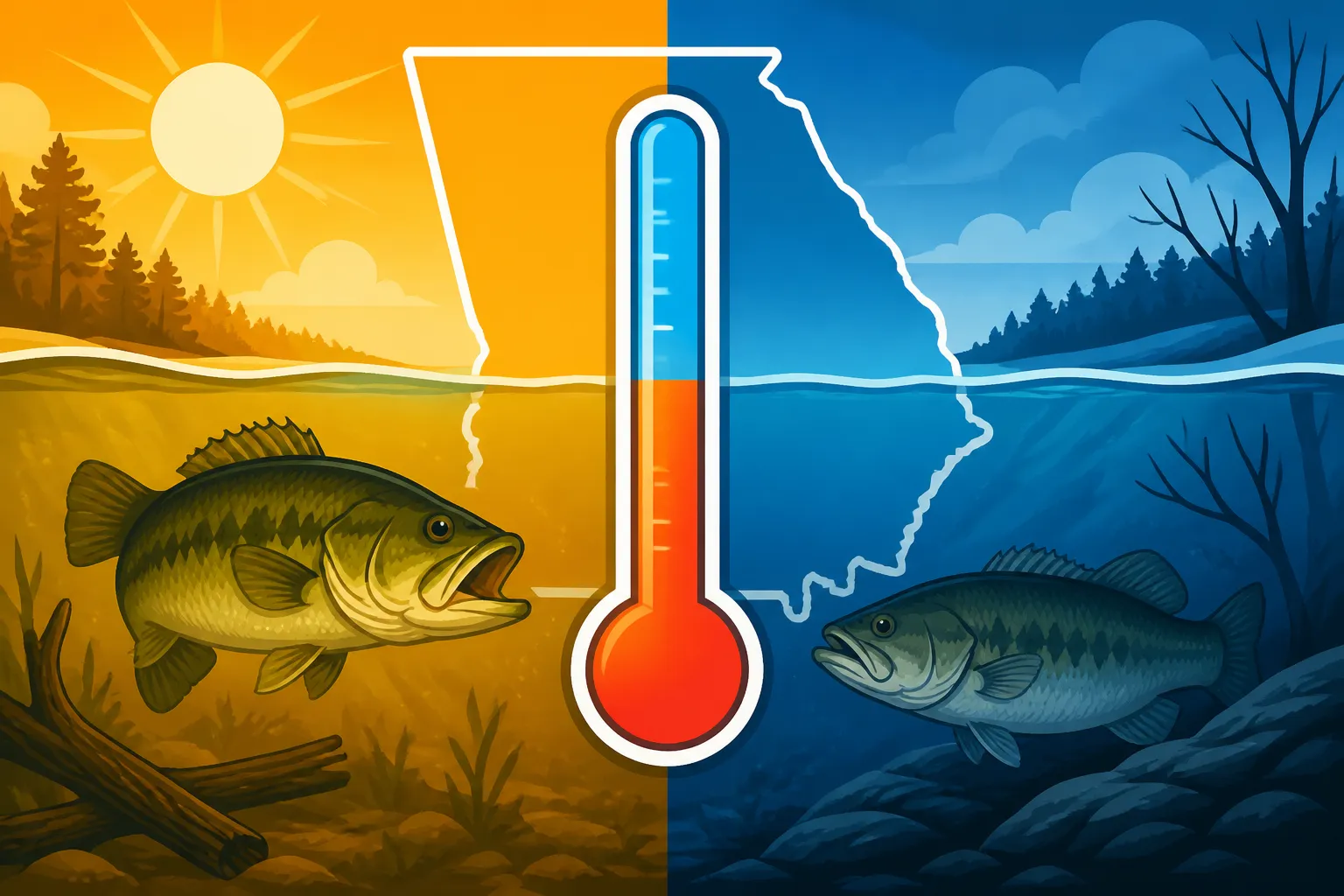
The warmer the water, the faster a fish's metabolism works. Imagine yourself trying to run a marathon in 90-degree heat versus a cool 60 degrees – your body behaves very differently. Similarly, in warm water, fish need to eat more frequently to fuel their accelerated metabolic processes. They're more active, swim faster, and digest food quicker. Conversely, in cold water, their metabolism slows way down. They become sluggish, move less, and need far less food. This direct link to metabolism profoundly impacts how often they bite and how aggressively they strike your lure. It also explains why a subtle, slow presentation is often key when the water is frigid, while a fast, erratic retrieve can be deadly in warmer conditions.
Oxygen Levels and Water Density
Here's a less obvious but equally vital piece of the puzzle: water's ability to hold dissolved oxygen. Cold water holds more oxygen than warm water. This is a critical point, especially during Georgia's scorching summers. As water temperatures climb, the amount of oxygen available to fish decreases. This can stress fish, pushing them to seek out areas with higher oxygen concentrations, such as near inflowing creeks, springs, or around deeper thermoclines where cooler, more oxygenated water resides. Understanding how water temperature changes affect fish behavior and the dissolved oxygen levels is vital. Water also becomes less dense as it warms, which can affect its stratification in deeper lakes and reservoirs, creating distinct layers of different temperatures and oxygen levels that fish will orient to.
Cold Water Fishing Strategies in Georgia
When those crisp autumn days fade into the biting chill of winter, many anglers pack it in, assuming the fish have simply vanished. But that's far from the truth in Georgia. Fish are still there, they just behave entirely differently. Adapting your approach to these colder conditions is the key to consistent winter success.
Slowed Metabolism and Deep Water Holds
Once water temperatures dip below 50-55°F, most warm-water species like bass and crappie enter a phase of reduced activity. Their metabolism slows drastically, meaning they don't need to feed as often or expend as much energy. They'll typically move to deeper, more stable water where temperatures fluctuate less, often congregating around structures like humps, ledges, and submerged timber. In lakes like Lanier, for instance, you'll find bass holding tight to deep creek channels or rock piles. This isn't a migration in the traditional sense, but rather a strategic relocation to conserve energy and find comfort.
Key Species Behavior Below 50°F
For bass, especially largemouth and spotted bass, cold water means they're schooling up tighter. They'll often suspend over deep water or hug the bottom near sharp drops. Targeting them with vertical presentations like spoons, jigs, or dropshot rigs becomes incredibly effective. Crappie, those delicious panfish, also stack up in deep brush piles or under docks in colder months. Meanwhile, trout, being a cold-water species, actually become more active as the water cools, especially in North Georgia's mountain streams. This is when their metabolism is closer to its optimal range, making them eager to feed. Check out our guide on Winter Fishing Patterns on Georgia's Reservoirs for more localized insights.
Baits and Presentation for Chilly Waters
Given their slowed metabolism, fish in cold water aren't going to chase down a fast-moving crankbait. Instead, think slow, subtle, and right in their face. Jigs, especially football jigs or finesse jigs with smaller trailers, are excellent choices. Blade baits and spoons worked with a lift-and-drop retrieve can trigger reaction strikes from lethargic bass. For crappie, tiny jigs tipped with a minnow, presented vertically, are often irresistible. Live bait, like shiners or minnows, fished slowly on a dropshot or a Carolina rig, can also be highly effective. The key is patience; you need to let your lure soak in the strike zone longer. When considering how to choose lures for cold water, remember that less is often more.
Warm Water Fishing Strategies in Georgia
As Georgia's summer sun beats down, water temperatures can soar, fundamentally changing the underwater landscape and fish behavior. While it can be challenging, understanding these shifts allows you to adapt and find success.
Increased Metabolism and Feeding Frenzies
In moderately warm water (say, 70-85°F for bass), fish metabolism is cranked up. They're more active, aggressively chasing down prey, and need to eat more frequently. This is when you can see explosive topwater bites, aggressive crankbait strikes, and fast-paced action. However, there's a limit. As temperatures approach the upper 90s, especially in shallower waters, the heat can become stressful. Fish may become lethargic again, not from cold, but from overheating and reduced oxygen. It’s a delicate balance that informs the Summer Fishing Patterns on Georgia's Big Lakes.
Oxygen Depletion and Thermal Stratification
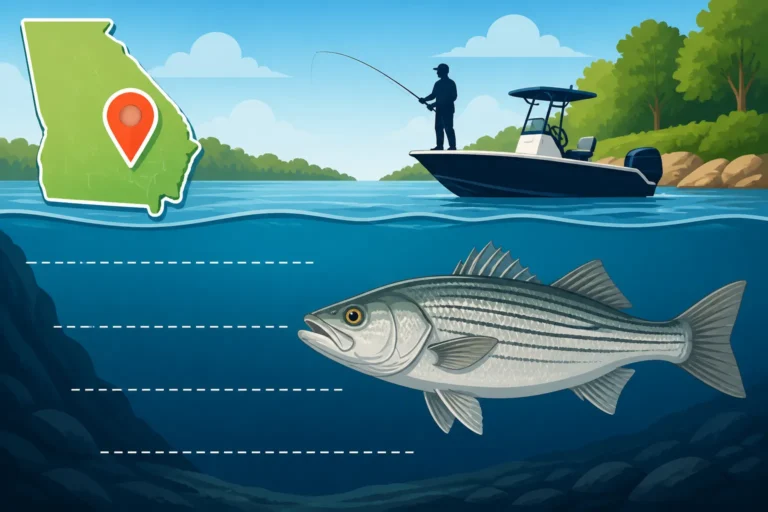
One of the biggest challenges in warm water, particularly in deep lakes and reservoirs, is thermal stratification. As the surface warms, it forms a distinct layer separate from the cooler, denser water below. A "thermocline" forms where these layers meet, and often, this is where the most oxygenated and comfortable water for fish can be found. Below the thermocline, especially in the deepest parts of a lake, oxygen levels can plummet to uninhabitable levels (known as the anoxic zone). Fish will stack up on top of, or within, the thermocline, making it a prime target for anglers. Additionally, look for areas with current or inflow from cooler creeks which can replenish oxygen and provide slight temperature relief.
Early Morning and Late Evening Activity
During the peak heat of a Georgia summer day, fish often seek refuge in deeper, cooler water or dense cover. However, as the sun begins to rise or set, surface temperatures cool slightly, and light levels diminish. This is prime time for many species. Bass, crappie, and even catfish will move shallower during these low-light periods to feed more actively. Topwater baits can be incredibly effective at dawn and dusk, imitating baitfish or insects on the surface. For deeper-dwelling fish like stripers, they might move up the water column, but still largely remain in their preferred temperature band. This shift in activity emphasizes why understanding the best time of day to fish for bass can make all the difference.
Optimal Temperature Ranges for Key Georgia Species
Every fish species has its ideal "comfort zone" when it comes to water temperature. Stray too far outside this range, and their health, activity, and willingness to bite decline rapidly. Knowing these ranges is like having a secret weapon in your fishing arsenal.
Bass Behavior by Temperature (Largemouth, Spotted, Shoal)
Georgia is a bass haven, and each species has slight nuances in its temperature preferences:
- Largemouth Bass: These iconic fish are generally most active in water temperatures between 65-80°F. Their spawning window typically opens around 60-70°F, prompting them to move to shallower, protected areas. Below 50°F, their metabolism slows significantly, and they often seek deep, stable cover. Understanding when largemouth bass spawn on Georgia's lakes is paramount for ethical and successful angling.
- Spotted Bass: Often found in the cooler, clearer waters of Georgia's larger reservoirs, spotted bass tend to be comfortable in a slightly wider and often cooler range than largemouths, thriving from the low 60s up to the mid-70s. They are known for schooling in deep water even in warmer months, making them a year-round target.
- Shoal Bass: These river specialists, like those found on the Flint River, prefer flowing water and can tolerate slightly warmer temperatures than some trout, but still seek oxygenated, cooler pockets within their riverine habitats. Their activity often peaks in the 65-75°F range.
Trout Temperature Preferences (Rainbow, Brown, and Brook)
Georgia's mountain trout streams are a different ballgame. Trout are cold-water fish, and their activity plummets when temperatures get too high.
- Rainbow Trout: These are arguably the most resilient of the three trout species in Georgia, thriving in water temperatures from 50-65°F. They can tolerate slightly warmer summer conditions if sufficient oxygen is present, often seeking cooler creek mouths or spring-fed areas. Best lures for stocked trout often include small spinners or power bait.
- Brown Trout: Known for being a bit more elusive and tolerant of slightly warmer water than brook trout, brown trout generally prefer temperatures between 55-65°F. They are also highly adaptable and can often be found in larger rivers and tailwaters where temperatures remain more stable.
- Brook Trout: As Georgia's only native trout, brook trout are the most sensitive to warm water, preferring pristine, oxygen-rich streams with temperatures rarely exceeding 60-62°F. You'll find them in the highest, coldest reaches of North Georgia's mountains.
Crappie and Catfish Sweet Spots
These popular panfish and bottom dwellers also have distinct temperature preferences:
- Crappie (Black and White): Crappie are usually most active in water temperatures ranging from 55-75°F. They spawn when water hits the high 50s to low 60s, moving into shallow brush and submerged vegetation. In colder and warmer extremes, they'll retreat to deeper brush piles or suspended schools.
- Catfish (Channel, Blue, and Flathead): Catfish are incredibly tolerant and can be found in a wide range of temperatures. They're quite active in warm water, often feeding aggressively when temps are in the 70s and 80s, but they'll still bite in colder water, just with less intensity. Blues and flatheads, particularly the larger specimens, often prefer deeper, cooler water even in summer. When considering the best bait for Channel Catfish, remember that stink baits and cut bait are often effective across various temperatures.
Here's a quick look at optimal temperature ranges for some popular Georgia fish:
| Species | Optimal Activity Range (°F) | Spawning Temperature Range (°F) | Notes |
|---|---|---|---|
| Largemouth Bass | 65 – 80 | 60 – 70 | Can become lethargic below 50°F and above 85°F. |
| Spotted Bass | 60 – 78 | 58 – 68 | Often found deeper than largemouths. |
| Rainbow Trout | 50 – 65 | 40 – 55 | Sensitive to high temperatures; seek oxygenated water. |
| Brown Trout | 55 – 65 | 45 – 58 | More tolerant than brook trout, but still cold-water species. |
| Brook Trout | 48 – 60 | 35 – 50 | Highly sensitive to warm water; prefer pristine, cold streams. |
| Black/White Crappie | 55 – 75 | 58 – 68 | School up in deep brush in extremes; shallow for spawn. |
| Channel Catfish | 70 – 85 | 70 – 75 | Very adaptable, but most active in warm water. |
| Blue Catfish | 68 – 82 | 70 – 75 | Seek deeper, cooler water in summer; active year-round. |
| Flathead Catfish | 70 – 85 | 70 – 75 | Prefer live bait and structured areas; active in warm water. |
| Striped Bass | 60 – 75 | 55 – 70 | Often suspend in main lake basins, seeking cool, oxygenated water. |
| Hybrid Striped Bass | 65 – 80 | N/A (sterile) | Similar to stripers, but often tolerate slightly warmer temps. |
Seasonal Temperature Fluctuations and Their Impact
Georgia's distinct four seasons bring dramatic shifts in water temperature, fundamentally altering fish behavior and requiring anglers to constantly adapt. Each season presents unique challenges and opportunities based on these thermal changes.
Spring Turnover and Spawning Triggers
Ah, spring! This is a time of renewal and often some of the year's best fishing. As winter's grip loosens, the surface waters begin to warm. In deep lakes, this can lead to what's known as "spring turnover," where the entire water column mixes as temperatures equalize, distributing oxygen and nutrients. Critically, as water temperatures rise into the 50s and 60s, it triggers the pre-spawn movement and eventually the spawn for many popular species like largemouth bass. They move from their deep winter haunts into shallower, warmer coves and flats, staging for reproduction. This is a period of increased feeding as they build energy for the spawn. For trout anglers, spring means the fish are actively feeding after winter, and streams are often stocked. Check out Spring Bass Fishing Patterns on Georgia's Reservoirs for more.
Summer Heat and Thermoclines
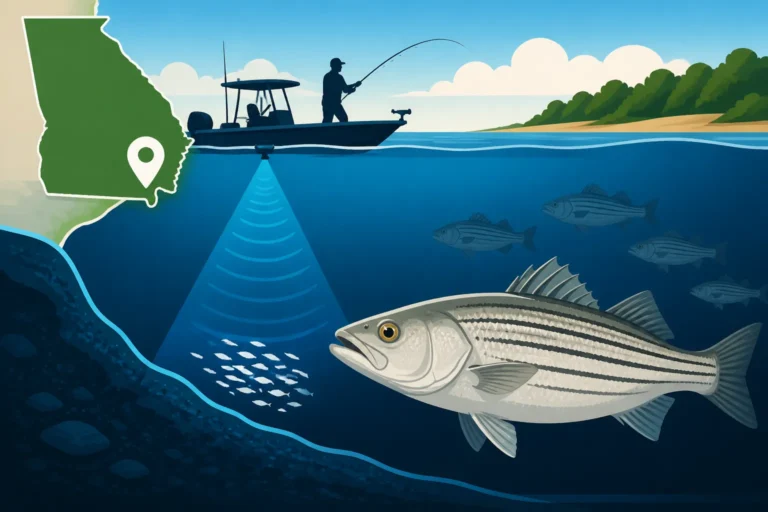
Summer fishing in Georgia can be tough, primarily due to soaring water temperatures. The surface layers become very warm, pushing many species deeper to find cooler, more oxygenated water. As mentioned, the formation of a thermocline is key here. Understanding where this thermocline sets up (which can vary by lake and depth) is crucial for finding active fish. Species like striped bass, often found in Lake Lanier, will suspend directly in or just above the thermocline in massive schools. Bass and crappie will relate to deep cover or seek out shade during the brightest parts of the day. Early mornings, late evenings, and even night fishing become highly productive as surface temperatures briefly cool, enticing fish to feed in shallower zones.
Fall Cooling and Feeding Binges
As autumn leaves begin to change, so too does the fishing. Water temperatures start to drop steadily, gradually breaking down the summer thermocline and often leading to another "turnover" event. This cooling period, typically from the low 80s down into the 60s, signals a massive feeding binge for many fish species. They know winter is coming and need to bulk up. Baitfish are often pushed into coves and shallow pockets, creating frenzies that bass, stripers, and crappie eagerly exploit. This is often the best time of year to catch bass at Lake Oconee, Georgia, and it's a fantastic time for aggressive presentations like crankbaits, spinnerbaits, and topwater lures. Our Fall Bass Fishing Patterns on Georgia's Lakes can provide more detail.
Winter Stagnation and Deep Water Retreats
When water temperatures dip below the optimal activity range, usually in the low 50s and colder, fish activity slows down considerably. Their metabolism drastically decreases, and they become lethargic. Many species will retreat to deeper, more stable water where temperatures are more consistent and energy conservation is easier. They'll often school tightly around main lake points, deep ledges, humps, or submerged timber. Fishing becomes a game of patience and precision, focusing on slow presentations directly to the fish. While less active, fish still need to eat, just less frequently. Trout, however, will remain active in their preferred cold environments, making winter a prime time for fly fishing in North Georgia. If you're wondering how to fish after a cold front, the answer often involves going deep and slowing down.
Reading Water Temperature and Adapting Your Approach
Knowing that water temperature is key is one thing; actually measuring it and using that information on the water is another. Modern anglers have several tools at their disposal to gain this crucial insight and adapt their strategies accordingly.
Essential Tools for Measuring Temperature
You don't need a super complicated setup to get accurate water temperature readings. The most common and effective tools include:
- Handheld Thermometers: Simple, affordable, and highly portable. These can be quickly dipped into the water to get a surface reading. Many brands like the ones you find on Amazon offer reliable, waterproof options.
- Fish Finders with Temperature Sensors: Most modern fish finders and depth sounders come equipped with a water temperature sensor built into the transducer. This provides real-time readings, often showing surface temperature, and some advanced units can even give you temperature at various depths if you know how to interpret the sonar returns and thermocline.
- Built-in Trolling Motor Sensors: Some electric trolling motors, like those from Minn Kota or Lowrance, also integrate temperature sensors, giving you constant readings as you move.
Having a reliable thermometer, either standalone or integrated into your electronics, is as important as having the right bait. You can often find excellent, durable models on Amazon with good reviews.
Interpreting Surface vs. Subsurface Readings
It's important to understand that a surface temperature reading doesn't tell the whole story, especially in deeper lakes. The surface can warm or cool much faster than the water even a few feet down. For example, on a sunny spring day, the surface of a shallow cove might read 60°F, while the main lake basin at 10 feet deep might still be 52°F. Fish, particularly bass moving into spawn, will be acutely aware of this difference, flocking to those warmer, shallower areas.
Conversely, in summer, while the surface might be 85°F, a thermocline could be established at 20-30 feet, with cooler, oxygenated water at 75°F holding the active fish. Advanced fish finders can help you visualize these temperature breaks and the thermocline. Understanding these vertical temperature gradients is key to knowing at what depth to present your lure.
Adjusting Lures and Locations Based on Temp
Once you have a temperature reading, it's time to put that knowledge into action.
- Cold Water (Below 50°F): Focus on deep, stable areas. Think main lake points, deep humps, creek channel bends. Lure choices should be small, subtle, and slow. Jigs, dropshots, shaky heads, blade baits, and spoons are prime. Think about how to fish after a cold front.
- Cool/Pre-Spawn Water (50-60°F): Fish start moving shallower. Target secondary points, transition banks, and sun-warmed coves. Crankbaits, spinnerbaits, jerkbaits, and slow-rolled swimbaits work well. Consider the best lures for early spring fishing.
- Optimal/Spawn Water (60-75°F): Fish are active and feeding aggressively. Target primary points, docks, laydowns, and spawning flats. Topwater, chatterbaits, Texas rigs, Senkos, and swim jigs are excellent.
- Warm Water (75-85°F): Look for shade, current, and deeper, oxygenated water. Main lake humps, deep timber, bridges, and areas with current are good bets. Deep diving crankbaits, jigging spoons, dropshots, and Carolina rigs are effective. Early mornings and late evenings for topwater are also prime.
- Hot Water (Above 85°F): This is tough. Focus on extreme depth, current, or cool water injections. Often, fish will be lethargic or seek thermal refuge. Live bait or very slow, deep presentations are your best bet.
Continuously monitoring water temperature throughout your day and across seasons will allow you to make informed decisions about where to fish and what techniques to employ. It's truly one of the most powerful pieces of information an angler can have. Don't forget, even small temperature differences can concentrate fish into specific areas, so pay attention to every detail on the water!
Disclaimer
Fishing regulations, license requirements, and local conditions can change. Always consult the latest Georgia Department of Natural Resources (DNR) guidelines before heading out on the water. This guide is for informational purposes only and does not constitute legal advice or an exhaustive list of all regulations. Be safe, practice good stewardship, and enjoy Georgia's beautiful fishing opportunities!