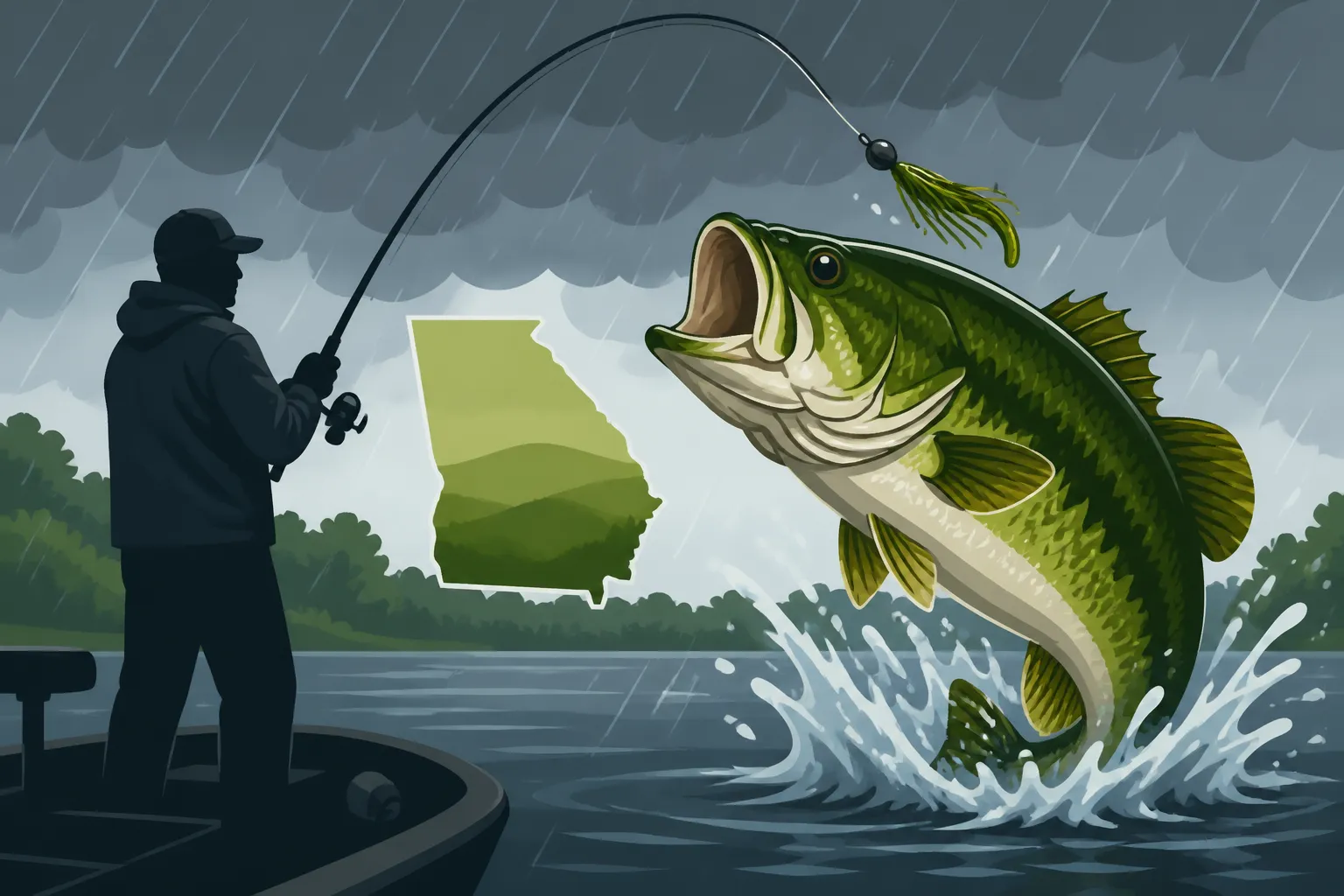
How to Fish for Bass in the Rain
There's nothing quite like planning a fantastic fishing trip, only to wake up to the sound of rain drumming on the roof, feeling that familiar pang of disappointment. Many anglers see a rainy forecast and assume their day on the water is ruined, leading to canceled plans and missed opportunities. But here's a little secret from us seasoned Georgia anglers: some of the absolute best bass fishing days happen when the skies are gray and the rain is falling. This guide is all about embracing those wet conditions, understanding why bass actually love the rain, and equipping you with the strategies and gear to turn a dreary day into a trophy-catching adventure.
The Rainy Day Advantage: Why Bass Love a Downpour
It's a common misconception that fish, especially bass, don't bite in the rain. I've heard it a thousand times: "The fish are hiding from the rain!" or "It's too cold and wet for them to feed." But honestly, that couldn't be further from the truth. For a bass, a steady rain can be like ringing the dinner bell, creating a whole host of favorable conditions that turn them into active, aggressive predators. Once you understand why this happens, you'll start looking forward to those rainy forecasts instead of dreading them. It's all about understanding Does Rain Make Fishing Better or Worse?.
Understanding Bass Behavior in Rain
Think about it from a bass's perspective. When the sun is high and the water is still, they're often a bit shy, sticking to deep cover or shady spots to avoid being easily seen by predators (like us!). But when the rain starts, it disrupts the surface of the water, breaking up direct sunlight and creating a natural camouflage. This lessens the visibility for both the bass and their prey, making the bass feel much more confident about venturing out of their hidey-holes. They become less wary and more willing to chase down a meal. The surface disturbance also creates a perfect cover for their ambush tactics. Imagine trying to see clearly through a thousand tiny ripples; that's what a bass's world becomes in the rain, and it works in their favor.
Beyond visibility, the rain also brings a lot of natural food into the water. Worms, insects, and other small critters get washed into the lake or river from the surrounding banks. This influx of easy meals sends a clear signal to the bass: it's feeding time! They'll move closer to shorelines, points, and coves where this runoff is most prevalent, presenting prime targets for your lures. It's an opportunistic feeding frenzy, and you want to be right there when it happens.
Water Temperature and Oxygen Levels
Another critical factor that often gets overlooked is how rain influences water temperature and oxygen. Especially during hot Georgia summers, heavy rains can actually cool down the surface water, making it more comfortable for bass that might have been pushed into deeper, cooler zones. A sudden drop in surface temperature can kick-start their metabolism and make them more active. This is a prime example of How Water Temperature Affects Fish Behavior.
Furthermore, rain, particularly a good downpour, introduces a significant amount of oxygen into the water. The splashing and churning of raindrops on the surface create a natural aeration process. This fresh influx of oxygen is incredibly beneficial for fish, making them more energetic and willing to feed. Areas with less current or stagnant water, which might become oxygen-depleted during dry spells, suddenly become much more appealing to bass. You'll often find them congregating in these newly oxygenated zones, ready to strike. The combination of improved visibility, increased food availability, cooler temperatures, and higher oxygen levels makes rainy days a golden opportunity for bass anglers.
Essential Gear for Rainy Day Bass Fishing
Alright, so we've established that rainy days are good days for bass fishing. But let's be realistic: nobody wants to be absolutely miserable out there. Being prepared with the right gear isn't just about comfort; it's about staying focused and effective. You can't fish effectively if you're shivering, soaked to the bone, and constantly battling fogged-up glasses. Investing in good rain gear and choosing the right lures for the conditions will make all the difference between a productive day and a frustrating one.
Rain Gear That Actually Works
When I talk about rain gear, I'm not just talking about a flimsy poncho. We need serious protection. A quality waterproof rain suit, including a jacket and bib-style pants, is non-negotiable. Look for materials that are truly waterproof and breathable, allowing sweat to escape while keeping rain out. Brands like Frogg Toggs or even some of the more durable options you can find on Amazon are a good starting point. You want something that will stand up to a persistent Georgia downpour, not just a light drizzle.
Don't forget waterproof boots and gloves! Wet feet and hands are a recipe for discomfort. Neoprene gloves can keep your hands warm and allow you to maintain dexterity for tying knots and handling fish. A good waterproof hat or a cap with a wide brim under your hood will help keep rain out of your face and off your glasses. Finally, consider waterproof bags or compartments for your phone, keys, and any other electronics. A sudden splash or an accidental drop could ruin your day in more ways than one. It's worth checking out comprehensive guides for Best Rain Gear and Layers for Boat Fishing to ensure you're fully equipped.
Lure Choices for Low Light and Murky Water
Rainy days often mean lower light conditions and sometimes murkier water, especially if there's significant runoff. This impacts a bass's ability to see, so you need lures that appeal to their other senses: sound and vibration.
Vibrating and Noisy Lures:
Crankbaits with rattles, spinnerbaits with large thumping blades, and chatterbaits are excellent choices. The vibrations they emit travel well through water, allowing bass to detect them even when visibility is low. Chartreuse, white, and orange are often fantastic colors in murky water, providing a strong silhouette that stands out. For clear rain-swept waters, natural baitfish patterns can still be effective.
Topwater Lures:
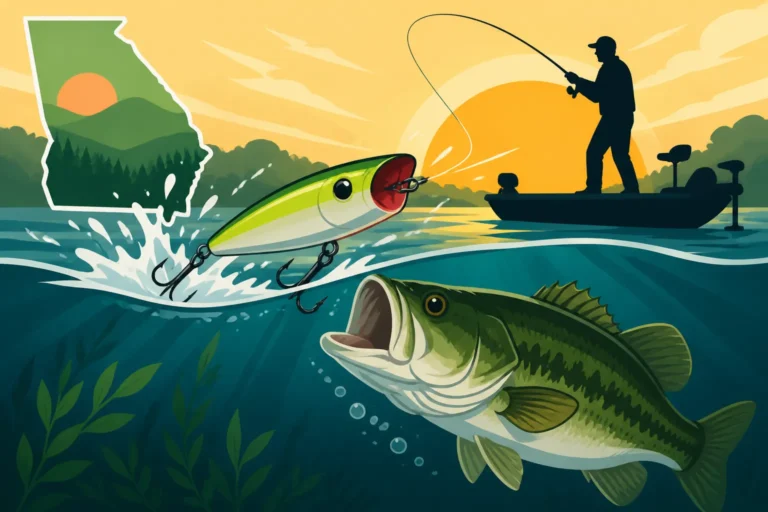
Don't shy away from topwater baits just because it's raining. The surface disturbance from the rain itself can mask your lure's splash, making it seem more natural. Poppers, walking baits, and buzzbaits can be deadly, especially during light to moderate rain. The bass are already looking up for washed-in prey, and the noise and commotion of a topwater lure are incredibly enticing. Try brighter colors or black to provide a good contrast against the sky. This is particularly effective during warmer rains, where bass are actively feeding near the surface. You might be surprised by how aggressive a topwater strike can be in the rain! For more on specific techniques, check out How to Fish Topwater Lures for Bass.
Jigs and Plastics:
When the rain is heavy or the bass are holding a bit deeper due to cooler water, jigs and soft plastics become crucial. Dark-colored jigs (black and blue, junebug) with large profiles can be very effective. Scented soft plastics, like worms or creature baits, also add another dimension, appealing to the bass's sense of smell when sight isn't a primary factor. Consider slow-rolling spinnerbaits or using a jig-and-trailer combo to mimic a crawfish or a stunned baitfish. The slower presentation allows bass more time to find the bait in reduced visibility.
Here's a quick reference for lure choices in different rainy conditions:
| Condition | Visibility | Best Lure Types | Key Characteristics | Example Colors |
|---|---|---|---|---|
| Light Drizzle | Moderate | Topwater, Spinnerbaits, Jigs | Surface commotion, subtle vibration, natural | Natural, black, white |
| Moderate Rain | Low to Moderate | Crankbaits, Chatterbaits, Jigs | Strong vibration, rattles, larger profile | Chartreuse, white, orange |
| Heavy Downpour | Low | Jigs, Scented Plastics, Slow-Rolled Spinnerbaits | Scent, slow presentation, strong vibration, dark silhouette | Black & Blue, Junebug, White |
| Murky Runoff | Very Low | Chatterbaits, Spinnerbaits, Jigs | Intense vibration, loud rattles, large profile | Chartreuse, white, bright orange |
| Post-Rain | Improving | Crankbaits, Jerkbaits, Worms | Mimic stunned baitfish, slow presentation | Natural, shad patterns |
Top Techniques for Catching Bass in the Rain
Knowing why bass bite in the rain and having the right gear is only half the battle. Now, let's talk about the how. The techniques you employ on a rainy day might differ slightly from your fair-weather approach, but these adjustments can lead to some incredible fishing. It's all about playing to the conditions the rain creates.
Targeting Cover and Structure
Bass are always drawn to cover and structure, rain or shine. But in the rain, their relationship with these features changes. As I mentioned, rain washes food into the water, particularly near shorelines, points, and coves. This means bass will often move shallower and tighter to the bank, especially where creeks and ditches are dumping new water (and new food!) into the main body. Target these "inflow" areas aggressively. Fish the very edges of flooded timber, submerged brush piles, and rock outcroppings. The current from the runoff can also position bass in predictable ambush points around these structures.
Don't neglect docks and fallen trees either. These offer excellent overhead cover from the elements and create perfect ambush points for bass waiting for washed-in meals. Flipping jigs or soft plastics into these dense covers can be incredibly effective. Remember, the reduced visibility from the rain means you can often get closer to these spots without spooking the fish. This allows for more precise presentations and a better chance of drawing a strike. Whether you're on a lake like Lanier or Lake Oconee, these principles hold true. For different approaches, you can also explore How to Catch Bass Around Submerged Timber.
Working Topwater and Reaction Baits
This is where the excitement really builds! As mentioned earlier, topwater lures can be absolutely phenomenal in the rain. The churning surface camouflages your retrieve and the noise of your bait, making it irresistible. Cast topwater poppers or walking baits parallel to shorelines, over submerged grass beds, and near boat docks. The key is to work them with confidence and a bit more aggression than you might on a calm, sunny day. The bass are already keyed into surface disturbances, so your bait will just add to the allure.
Beyond topwater, reaction baits like spinnerbaits and chatterbaits really shine. The rain often means overcast skies and lower light, which are perfect conditions for these baits. Bass use their lateral lines to detect the vibrations these lures create. Work spinnerbaits and chatterbaits at a medium retrieve speed, bumping them off structure where possible. The flash of a spinnerbait blade or the thumping vibration of a chatterbait can trigger aggressive reaction strikes from bass that might otherwise be hesitant. Brighter colors or those with a lot of contrast will help them stand out in lower light. If you're looking to refine your technique with these, check out How to Work a Spinnerbait for Bass.
Slow and Steady for Deeper Fish
While many bass move shallow and become aggressive in the rain, especially during warmer periods, there are times when they might hug deeper structure or cover, particularly if the rain brings a sudden drop in air temperature or if it's a very heavy, prolonged downpour. In these situations, a slower, more deliberate approach is necessary.
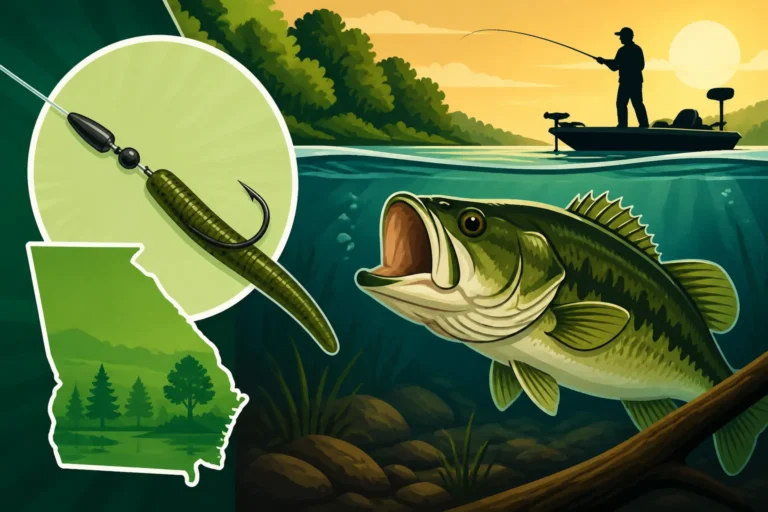
Consider using jigs, Texas-rigged worms, or even drop-shot rigs to target fish holding tight to bottom structure, ledges, or deep timber. The key here is patience. Present your lure slowly, allowing the bass ample time to find it and decide to strike. The low light conditions mean they might not be chasing baits far, so you need to put the lure right in front of them. Focus on areas where you know there's significant depth change or structure, like creek channel bends or humps, and work your bait meticulously through these zones. Sometimes, a subtle lift and fall of a jig or a slow crawl of a worm is all it takes to entice a cold, wet bass. This contrasts with the faster retrieves for reaction baits, showing the versatility required on a rainy day.
Safety First: Important Considerations for Stormy Weather
Fishing in the rain can be incredibly rewarding, but it's vital to prioritize safety. The allure of a potential trophy catch should never outweigh the risks associated with stormy weather. A few precautions can ensure your rainy day adventure is both successful and safe.
Lightning and Thunder Safety
This is the absolute most critical safety consideration for fishing in the rain. When thunder roars, go indoors. Period. Lightning strikes are no joke, and being on the water in a boat or even standing on an exposed bank makes you a prime target. Keep an eye on weather forecasts before you head out, and if you see dark, ominous clouds building or hear thunder, pack it in immediately. It's simply not worth the risk.
If you're caught out on the water when a storm rolls in, seek shelter on shore as quickly and safely as possible. Avoid standing under tall trees, as they can also attract lightning. Get to a safe, enclosed structure if you can. Your fishing tackle, especially graphite rods, can act as conductors, so lay them down and stay away from them. There's always another day to fish, but you only have one life. Knowing What Safety Equipment Is Required on a Georgia Boat can also help in emergency situations.
Visibility and Boat Navigation
Rain significantly reduces visibility, especially heavy rain. This makes navigating a boat more challenging and increases the risk of collisions, whether with other boats, submerged hazards, or the shoreline. If you're operating a boat, slow down, keep a watchful eye out for obstructions, and ensure your navigation lights are on, even during daylight hours. A good set of marine electronics, including GPS and a fish finder, can be incredibly helpful for navigation and staying aware of your surroundings in low visibility. For boaters, it’s always important to know the Georgia Boater Education Card Requirements and to adhere to safe boating practices.
If you're bank fishing, the ground can become slippery and muddy. Wear appropriate footwear with good traction to prevent falls. Be mindful of rising water levels, especially on rivers and creeks, as heavy rain can cause them to swell rapidly and create dangerous currents. Always tell someone where you're going and when you expect to return, especially when fishing alone in adverse weather. Being prepared for a rainy day means being prepared for all its potential challenges, not just the fishing opportunities.
Disclaimer
This article is for general informational purposes only and does not constitute professional advice. Laws, prices and regulations vary by location and change over time. Consult a qualified professional for guidance on your specific situation.