Kid-Friendly Fishing Techniques
Many parents dream of sharing the joy of fishing with their kids, but the reality can often involve tangled lines, short attention spans, and frustration for everyone. It’s tough to keep little ones engaged when they're not reeling in a fish every five minutes! This guide is here to demystify kid-friendly fishing, offering practical techniques and tips to make your next family fishing trip in Georgia a memorable, fun, and successful adventure for anglers of all ages.
Setting the Stage for a Successful First Fishing Trip
Bringing kids fishing isn't just about the fish; it's about the experience. Building positive associations from the start is crucial for cultivating a lifelong love for the outdoors and fishing. Before you even pack the rods, take a moment to adjust your own expectations.
Setting Realistic Expectations
As adults, we often measure a successful fishing trip by the size or quantity of our catch. When fishing with children, this mindset needs a complete overhaul. The goal isn't necessarily a full cooler or even landing a trophy fish; it's about spending quality time together, fostering curiosity, and simply enjoying being outdoors. If your child spends an hour just watching a dragonfly or skipping stones, that's still a win! They're engaging with nature, and that's a huge part of the fishing experience.
It’s also important to remember that kids have much shorter attention spans than adults. A two-hour outing might be an epic adventure for a 5-year-old, while a teenager might be ready for more commitment. Don't push it. If they get bored, restless, or start to get grumpy, it’s time to switch gears. Have a backup plan, whether it's a quick snack break, a walk along the shore, or simply packing up for the day. Forcing them to endure a long, unproductive session can quickly turn a fun activity into a dreaded chore, making them less likely to want to go again. Flexibility and a willingness to adapt are your best friends on these trips.
Fostering Patience and Enjoyment
Patience is a virtue in fishing, and it’s often one of the first, and toughest, lessons for young anglers. You can help nurture this by making the "waiting game" part of the fun. Bring along plenty of snacks and drinks to fuel their excitement and stave off boredom. Pack a small bucket and a magnifying glass for exploring the shoreline for interesting rocks, bugs, or leaves. Engage them in conversation, point out birds, turtles, or other wildlife you might spot. These little distractions can help bridge the gaps between bites and keep their spirits high.
Celebrate every small moment, not just the eventual catch. Did they successfully cast their line without tangling it? That deserves a cheer! Did they spot a fish jump, or feel a nibble? Get excited with them! Even if the fish aren't biting, the act of being outdoors, breathing fresh air, and learning to observe their surroundings is a valuable lesson in itself. Remember, you're not just teaching them to catch a fish; you're building a foundation for a lifelong appreciation of nature and the peaceful solitude fishing can offer.
Choosing the Right Gear for Little Anglers
When it comes to fishing gear for kids, simplicity, durability, and ease of use should be your guiding principles. Forget about the complex setups; the goal is to make their experience as seamless and frustration-free as possible.
Simple Rod and Reel Combos
For young, aspiring anglers, a sturdy spincast rod and reel combo is almost always the best starting point. These reels feature a closed face with a push-button casting mechanism that is incredibly easy to learn and master, even for toddlers. They are far less prone to tangles (those dreaded "bird's nests") than spinning reels and require minimal coordination. Many popular brands offer excellent kid-specific combos. Look for shorter rods, typically between 4 to 5 feet in length, as these are much easier for small hands to handle and maneuver without feeling unwieldy.
When choosing a combo, consider brands like Zebco, particularly their "33 Micro" or "Dock Demon" series, which are virtually indestructible and very user-friendly. Shakespeare's "Ugly Stik GX2 Youth" combos are another fantastic option known for their durability and sensitivity, perfect for feeling those light bites. You can often find these reliable combos pre-spooled with line, ready to go right out of the box, making them a convenient purchase from any sporting goods store or online retailer like Amazon. A rod that's too heavy or too long will quickly lead to fatigue and frustration, so prioritize a lightweight, manageable setup above all else.
Essential Tackle Box Basics
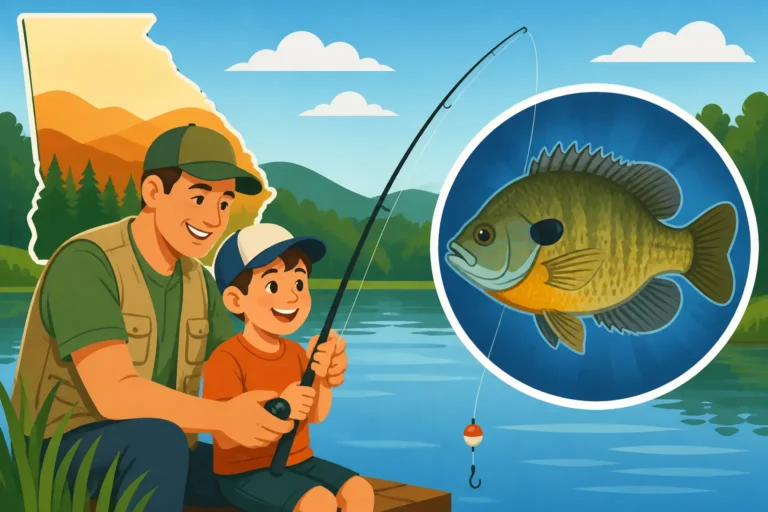
A kid's tackle box doesn't need to be overflowing with dozens of lures and specialized gear. In fact, a minimalist approach is often best to avoid overwhelming them. Focus on high-probability catches like bluegill and other panfish, which are abundant in Georgia waters and eager biters. Here's a rundown of the absolute essentials:
- Bobbers: Small, brightly colored bobbers (the classic red and white round ones are perfect) provide that exciting visual cue when a fish is biting.
- Hooks: Stick to small, sharp hooks, typically size 6 or 8, which are ideal for the mouths of panfish. Consider using barbless hooks, or gently crimping down the barbs with pliers, as they make hook removal easier and safer for both the fish and your child.
- Sinkers: A small assortment of split-shot sinkers will help get your bait down to where the fish are. They're easy to attach and adjust.
- Pliers/Forceps: This is a non-negotiable safety item. A good pair of needle-nose pliers or specialized fishing forceps are crucial for safely removing hooks from a fish's mouth, and occasionally, from an accidental skin snag.
- Small Bait Container: A simple, sealable container to keep live bait fresh and contained.
You can often find pre-assembled kid-friendly tackle kits that include these basics, or you can easily gather them individually from any local bait shop or by browsing options on Amazon. Remember, less clutter means less confusion and more focus on the fun.
Appropriate Bait Choices
When fishing with kids, live bait is almost always the winning ticket. The natural movement and scent of live bait are incredibly enticing to fish, significantly increasing the chances of getting a bite – which is paramount for keeping a child's excitement levels high.
- Worms: Red wigglers or nightcrawlers are the ultimate all-rounder. They're irresistible to most freshwater species, easy for kids to handle (some find it fascinating!), and readily available at bait shops, garden centers, or even your own backyard.
- Crickets: Another excellent choice for bream, bluegill, and other panfish, especially during the warmer months. Their lively wiggles on the hook often trigger aggressive strikes.
- Corn or Hot Dog Pieces: If live bait isn't available, or if your child isn't keen on touching worms, small pieces of canned corn or hot dogs can be surprisingly effective for panfish. These are easy to manage and less messy.
For slightly older kids who want to try lures, small artificial jigs or micro-spinners can add an element of excitement. However, for sheer catch-rate success and maintaining interest, starting with live bait is generally the way to go. The key is to choose something that fish in your target area are known to eat readily. If you're focusing on bluegill, which are often the best first fish for kids, you can't go wrong with small worms or crickets. To learn more about common target species, check out our guide on Bream and Sunfish Guide for Georgia Anglers.
Mastering Simple Techniques for First Catches
Getting a fish on the line for the first time is a magical moment for a child. These simple techniques are designed to maximize those chances and build confidence.
Bobber Fishing for Panfish
Bobber fishing is the quintessential kid-friendly fishing method, and for very good reason! It’s highly visual, incredibly simple, and remarkably effective for the eager panfish that populate Georgia's lakes and ponds. The bright bobber dances on the surface, providing a clear, exciting indication of a fish nibbling below.
Here's the basic, foolproof setup for your little angler:
- Attach the bobber: Clip a small bobber onto the fishing line about 1 to 2 feet above the hook. This distance can be adjusted based on water depth.
- Add a sinker: Crimp one or two small split-shot sinkers a few inches above the hook. This helps the bait sink and keeps it in place.
- Tie on a hook: Use a small, sharp hook (size 6 or 8 is perfect for panfish). A simple improved clinch knot is easy to learn.
- Bait the hook: Thread a small piece of worm, a cricket, or a kernel of corn onto the hook, ensuring the hook point is covered.
When that bobber dips, twitches, or completely disappears beneath the surface, it's time for action! This clear visual cue is perfect for kids as they can easily see when a fish is interested, allowing them to anticipate the strike and react with a gentle upward sweep of the rod. It transforms the often-abstract concept of a "bite" into a tangible, exciting event. In fact, most anglers agree that bream and bluegill caught this way are often the Easiest Fish for Kids to Catch. For a step-by-step visual, consider reviewing How to Rig a Bobber for Bream.
Easy Casting Techniques
Casting can initially seem daunting, but with a spincast reel, it's remarkably straightforward and can be mastered with a little practice. The key is to break it down into simple, repeatable steps:
- Hold the rod: Have your child hold the rod handle firmly with one hand, placing their thumb on the push-button of the reel.
- Push the button: Instruct them to push and hold the button down. This disengages the line, allowing it to spool out freely.
- Bring the rod back: With the rod tip pointing forward, have them bring the rod smoothly back behind their head, keeping their elbow relatively close to their body. Think of it like a gentle pendulum swing.
- Swing forward: In one fluid motion, have them swing the rod forward, aiming for their target.
- Release the button: Crucially, as the rod comes forward and the lure is about to point directly at their intended target, they need to release the button. This allows the bait to fly forward.
Practice casting without a hook first. Tie on a practice plug or a small washer in the backyard or an open field. Make it a game, focusing on smooth motions and aiming. Tangled lines, or "bird's nests," are an inevitable part of the learning process, so meet them with patience and a ready smile. Learning these Basic Fishing Techniques Every Beginner Should Know will build a solid foundation for more advanced skills later on.
Understanding the Bite
For a new angler, figuring out what a "bite" feels like or looks like can be one of the trickiest parts of fishing. This is where the bobber truly shines. Explain to your child that a small twitch, a slight dip, or a complete disappearance of the bobber means a fish is nibbling on their bait. Teach them to react quickly but not with excessive force. A gentle, upward sweep of the rod tip is usually all it takes to set the hook into a panfish's mouth.
Sometimes, fish will just lightly "peck" at the bait, especially shyer species or when the water is cold. Encourage your child to wait for a more definitive, sustained pull before reacting. If they miss a fish, reassure them that it happens to everyone – even seasoned pros lose fish! Frame it as a part of the learning process and a chance to try again. The more bites they experience, even the missed ones, the better they will become at recognizing the subtle signs and timing their hook set.
Making Every Fishing Trip an Adventure
Fishing with kids isn't just about catching fish; it's about crafting an unforgettable experience. Transform your outings into multi-faceted adventures that engage all their senses and ignite their imagination.
Turning Fishing into an Adventure
Kids thrive on imagination and discovery, so transform your fishing trip into an exciting quest! Before you even leave the house, talk about the "mission" for the day. Maybe it's to find the biggest bluegill, or perhaps to identify three different types of aquatic insects by the water's edge. Bring along a small magnifying glass for examining interesting finds, or a nature journal for them to draw what they see. A simple bucket can become a temporary home for tadpoles or small minnows they might catch with a small net – just remember to release them safely back to their habitat after observation!
Consider telling stories or singing silly songs while you're waiting for a bite. These imaginative diversions keep their minds engaged, even when the fish aren't cooperating. Pack a special "adventure snack" or create a "secret fishing spot" ritual that makes each trip feel unique. These small, thoughtful touches elevate the experience beyond simply holding a rod, fostering lasting, positive memories, regardless of the size of the day's catch.
Incorporating Educational Moments
Fishing provides a fantastic, hands-on outdoor classroom. Use the opportunity to teach your children about local fish species, their habitats, and the importance of healthy aquatic ecosystems. Talk about why certain baits work better in different conditions or what fish eat naturally. Discuss the significance of clean water and respecting nature. Point out different plants and animals, explaining their roles in the local environment. If you happen to catch a bass, it’s a great chance to show them Largemouth Bass vs Spotted Bass: How to Tell Them Apart in Georgia.
Even tasks like baiting a hook or tying a simple knot can be educational, helping to develop fine motor skills and problem-solving abilities. This informal learning is often more impactful and memorable than anything they might encounter in a textbook. Always emphasize ethical angling practices, such as proper catch-and-release techniques, especially for smaller fish. This teaches them about conservation and responsible stewardship of our natural resources.
Celebrating Small Victories
This is arguably the most crucial tip for keeping kids engaged and fostering a long-term love for fishing. Every little success, no matter how tiny, deserves enthusiastic celebration. Did they put the worm on the hook by themselves for the first time? "You're a master baiter!" Did they cast further than before? "Amazing throw, future pro angler!" Did they feel a bite, even if they didn't manage to hook the fish? "You almost had him! That was a great try!" The first time they reel in a fish, no matter how small, should be met with genuine cheers, high-fives, and sincere praise.
Take plenty of pictures and videos! These photos and snippets will become cherished memories, serving as powerful reminders of their accomplishments and the fun they had. Acknowledging their effort, patience, and progress, rather than solely focusing on the outcome, builds immense confidence and encourages them to eagerly anticipate the next fishing adventure. A simple, heartfelt "I'm so proud of how patient you were today" can go a long way in cultivating a deep and lasting appreciation for the sport.
Prioritizing Safety on the Water
While fishing with kids is undoubtedly fun, safety must always be your top priority. Being prepared for common hazards around water and sharp objects ensures a worry-free and enjoyable outing for everyone.
Life Jacket Essentials
This isn't just a recommendation; in many cases, it's a legal requirement, and it should always be a non-negotiable rule when fishing with children near or on the water. Ensure that every child (and honestly, every adult too!) has a properly fitted, U.S. Coast Guard-approved life jacket. Even if you're just bank fishing near a steep drop-off or on a pier, a life jacket provides invaluable peace of mind and crucial safety in case of an accidental fall. Georgia has specific Life Jacket Requirements for Kids Under 13 in Georgia, so make sure you are compliant with state law.
Before heading out, demonstrate how to properly put on the life jacket and check that it's snug, not loose, with all straps buckled. Explain to your child why they need to wear it – not as a punishment, but as a protective tool that helps keep them safe. Make it clear that wearing their life jacket is a firm rule, just like buckling up in a car. Sometimes, letting them pick out a life jacket in a color or pattern they like can even encourage them to wear it more readily.
Sun Protection and Hydration
Long hours spent outdoors, especially on bright, sunny days, can quickly lead to painful sunburn and dangerous dehydration. These can swiftly turn a fun family outing into a miserable experience. Pack plenty of broad-spectrum sunscreen (SPF 30 or higher), and make sure to apply it generously to exposed skin before you leave home and reapply it regularly throughout the day. Wide-brimmed hats and sunglasses are also essential for protecting their faces and eyes. Light-colored, long-sleeved clothing made from breathable, UV-protective fabric can offer excellent sun protection without causing overheating.
Crucially, bring significantly more water than you think you'll need. Keep it easily accessible and encourage frequent sips, even if your child says they're not thirsty. Kids, especially when excited and focused on fishing, often forget to drink until they're already starting to feel the effects of dehydration. A cool, refreshing drink can also be a welcome break during lulls in the fishing action. Dehydration can lead to headaches, fatigue, and irritability, making them grumpy and ending the trip prematurely.
First Aid and Hook Removal
A small, well-stocked first aid kit is an absolute must-have for any outdoor adventure, and fishing is no exception. Be sure to include essentials like various sizes of band-aids, antiseptic wipes, pain relievers, and any personal medications your family might need. For fishing specifically, add a good pair of needle-nose pliers or hemostats (fishing forceps are fantastic!) to your kit. These tools are indispensable for safely removing hooks from a fish's mouth and, unfortunately, for those rare but inevitable accidental skin snags.
Teach older children the basic rules of handling hooks: always be aware of where the hook is, never swing a baited hook around, and maintain a safe distance when someone else is casting. If a hook does get stuck in skin, resist the urge to simply yank it out. Often, it's safer to push the barb through the skin and snip it off, or even better, seek professional medical attention if the hook is deep, in a sensitive area, or proves difficult to remove. The best approach, however, is prevention. Establishing clear boundaries and rules around handling sharp objects and casting can prevent the vast majority of accidents.
Best Spots for Family Fishing in Georgia
Knowing where to go makes all the difference when planning a kid-friendly fishing trip in Georgia. The right location can minimize frustration and maximize success and enjoyment.
Public Fishing Areas and State Parks
Georgia is incredibly fortunate to have a wealth of fantastic Public Fishing Areas (PFAs) and state parks that are often specifically designed with family anglers in mind. These locations frequently boast features like easily accessible fishing piers, well-maintained bank fishing areas, clean restroom facilities, and picnic spots, making them ideal for a family outing. Many PFAs and state park lakes are regularly stocked with popular species like catfish, bream, and sometimes even trout, significantly increasing the chances of a successful catch for beginner anglers.
Consider places like the Charlie Elliott Wildlife Center PFA near Mansfield, Paradise PFA near Tifton, or even various specific Georgia State Park Fishing Spots across the state. These spots offer diverse fishing opportunities perfect for families. They are typically well-signed, have ample parking, and provide a safe, welcoming environment. Before you head out, always check the Georgia Department of Natural Resources (DNR) website for a list of PFAs, their current stocking schedules, and any specific regulations. Some even offer loaner fishing gear, which is a fantastic resource for families just starting out!
Accessible Ponds and Docks
Sometimes, the best fishing spot isn't a grand lake but rather a simple, accessible pond or a well-placed dock. Local community ponds, neighborhood lakes, or even smaller private farm ponds (always with prior permission from the landowner!) can be excellent choices for kids. Look for locations with clear, unobstructed access to the water's edge, ideally with some shade to keep cool. Docks and piers are particularly fantastic for kids because they allow access to deeper water without the need for a boat and often concentrate fish, making them easier to target.
These smaller, more controlled environments often mean fewer crowds, less boat traffic, and a more relaxed atmosphere, which is absolutely ideal for teaching children the basics of fishing. Even if the fish aren't biting, the contained nature of a pond allows for more focused observation of wildlife. While convenience is a plus, remember that even if a location is private or doesn't require a boat, you’ll still need to be aware of Georgia fishing license regulations, including whether Do Kids Need a Fishing License in Georgia?. Local ponds are often among the Best Kid-Friendly Fishing Ponds in Georgia.
Local Bait Shops for Advice
Never underestimate the invaluable wisdom of your local bait and tackle shop owners and staff! These folks are often avid anglers themselves and possess intimate knowledge of the local waters, sometimes knowing the best spots even better than online maps. They can provide real-time, hyper-local advice on what's biting, which bait or lure is working best, and even point you towards specific family-friendly or accessible fishing areas nearby that might not be widely advertised.
They can also help you choose the right size hooks, recommend the freshest live bait, and offer practical tips on setting up your kid's fishing rig. Supporting these local businesses is a fantastic way to tap into invaluable local knowledge and ensure you're going into your trip with the best possible information. Plus, it's always an exciting part of the adventure for kids to pick out their own worms or crickets directly from the shop!
| Gear Item | Why It's Kid-Friendly | Notes | Where to Find |
|---|---|---|---|
| Spincast Rod/Reel | Easy push-button casting, less tangles | Look for 4-5 ft length, often pre-spooled line | Sporting goods stores, Amazon |
| Small Bobbers | Visible bite indication, exciting for kids | Red/white round bobbers are classic, easy to clip | Tackle shops, department stores |
| Small Hooks (Size 6-8) | Perfect for panfish mouths, easier to set | Consider barbless hooks for safety and easy release | Tackle shops, online |
| Split-Shot Sinkers | Easy to crimp on, adjustable weight | Smallest sizes are usually sufficient for bobber fishing | Tackle shops |
| Live Worms/Crickets | High success rate, enticing for fish, fun for kids | Keep cool and fresh, check local bait shops daily for supply | Local bait shops, garden centers |
| Needle-Nose Pliers | Safe hook removal for fish and accidental skin snags | Essential safety tool, good grip | Hardware stores, fishing departments, Amazon |
| Kid-Sized Life Vest | Non-negotiable safety, often required | Must be Coast Guard-approved and fit snugly | Sporting goods stores, marine supply, Amazon |
| Sun Protection | Prevents sunburn, keeps kids comfortable | Sunscreen, wide-brim hat, sunglasses, light long sleeves | Any retail store |
| Water & Snacks | Keeps energy up, prevents dehydration/grumpiness | Bring more than you think you need! | Grocery store |
Disclaimer
Fishing regulations in Georgia can change, and it's always the angler's responsibility to stay informed. Please consult the Georgia Department of Natural Resources (DNR) Wildlife Resources Division website or current fishing regulations guide for the most up-to-date information on licenses, creel limits, and specific rules for the waters you plan to fish. This guide is for informational purposes only and should not replace official sources.