Bream and Sunfish Guide for Georgia Anglers
If you've ever spent a sunny afternoon by a quiet pond or a slow-moving river here in Georgia, chances are you've either caught, or at least heard someone talk about, "bream." But what exactly is a bream? Is it the same as a sunfish? And where do you even begin when you want to catch these little fighters? It's a common point of confusion for many anglers, from seasoned veterans to brand-new enthusiasts, and it can feel a bit daunting trying to figure out which colorful little panfish you've just reeled in. This comprehensive guide is designed to cut through that confusion, giving you all the insider knowledge on Georgia's beloved bream and sunfish species, where to find them, and how to consistently bring them to the bank or boat.
Understanding Bream and Sunfish: Georgia's Panfish Powerhouses
There's a special charm to fishing for bream and sunfish. They're often the first fish a child catches, sparking a lifelong love for angling, and they continue to be a go-to target for anglers of all ages because they're abundant, relatively easy to catch, and put up a surprisingly spirited fight for their size. Plus, they make for some mighty fine table fare! But before we dive into the nitty-gritty, let's clear up some common terminology that often trips folks up.
What Makes Bream and Sunfish So Popular in Georgia?
The popularity of bream and sunfish, often collectively referred to as "panfish" due to their perfect size for a frying pan, stems from several factors that make them ideal for Georgia anglers. First and foremost, they are incredibly widespread. You can find healthy populations of various sunfish species in nearly every body of fresh water across our state, from tiny farm ponds and neighborhood lakes to vast reservoirs and winding rivers. This accessibility means you don't need specialized gear or expensive trips to enjoy a day of fishing. A simple rod, a hook, a bobber, and a handful of worms are often all it takes to get started.
Beyond their ubiquity, bream and sunfish are also known for their eagerness to bite. Unlike some of the more finicky game fish, panfish are generally quite aggressive feeders, especially during certain times of the year. This makes them an excellent target for beginners, including kids, who might get discouraged waiting hours for a single bite from a bass or catfish. The consistent action keeps things exciting and builds confidence, which is crucial for fostering new anglers. They're also an integral part of the aquatic food web, serving as a food source for larger predatory fish, making them vital to the overall health of our freshwater ecosystems.
The Difference Between "Bream" and "Sunfish" Explained
This is where the confusion usually begins, and honestly, it's totally understandable! In Georgia, when most people say "bream," they're generally referring to bluegill. It's a common colloquialism that has stuck through generations of anglers. However, scientifically speaking, "sunfish" is the broader category. Bluegill are actually a type of sunfish, belonging to the scientific family Centrarchidae, which includes a whole host of other popular fish like largemouth bass, crappie, and, of course, other species commonly called sunfish.
Think of it like this: all bluegill are sunfish, but not all sunfish are bluegill. The term "bream" is really a regional nickname, primarily used in the Southern United States, that has become synonymous with bluegill. So, when your grandpa talks about going "bream fishing," he's almost certainly heading out to catch bluegill. But you might also encounter redear sunfish, redbreast sunfish, green sunfish, and longear sunfish – all members of the sunfish family, each with its own unique characteristics and appeal. We'll dive into those specific species shortly, making it easier to identify what you've caught.
A Brief Overview of Georgia's Panfish Ecosystem
Georgia's diverse aquatic habitats provide a perfect home for a wide variety of panfish. These fish play a critical role in maintaining the balance of our freshwater ecosystems. They are primarily insectivores, feasting on aquatic insects, insect larvae, small crustaceans, and even tiny snails. This diet helps control insect populations and transfers energy up the food chain to larger predators. In turn, bream and sunfish are a primary food source for popular game fish such as largemouth bass, spotted bass, striped bass, and even catfish. A healthy population of sunfish is often a good indicator of a thriving ecosystem.
Their breeding habits are also fascinating and contribute to their abundance. Most sunfish species are prolific spawners, with males building nests (often called "beds") in shallow water. These nests are typically circular depressions in the substrate, where females deposit their eggs. The male then guards the eggs and newly hatched fry fiercely, protecting them from predators. This dedication to parental care ensures a high survival rate for their offspring, leading to the robust populations we enjoy fishing for. Understanding their role in the ecosystem helps us appreciate these small but mighty fish even more and encourages responsible angling practices to ensure their continued health.
Key Bream and Sunfish Species in Georgia
Georgia is a panfish paradise, boasting several distinct species that fall under the general "bream and sunfish" umbrella. While they share some similarities, each species has unique characteristics, preferred habitats, and even subtly different feeding habits that make identifying and targeting them a fun challenge. Let's break down the main players you're likely to encounter on your next fishing trip.
Bluegill: The Everyday Georgia Favorite
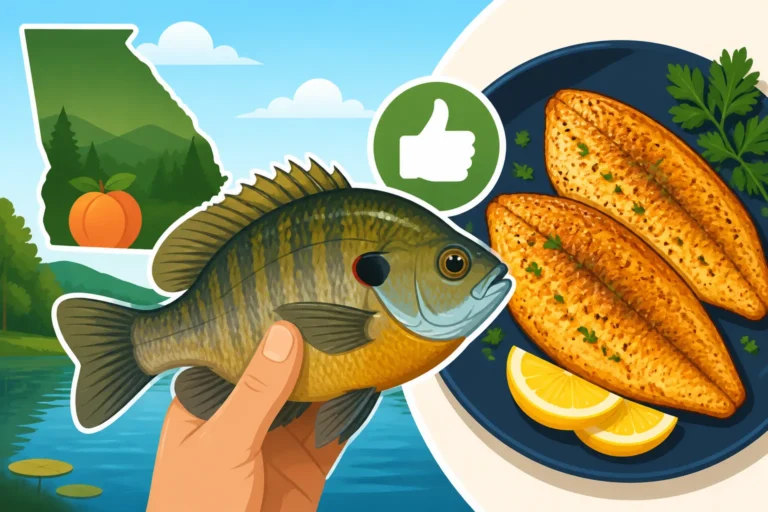
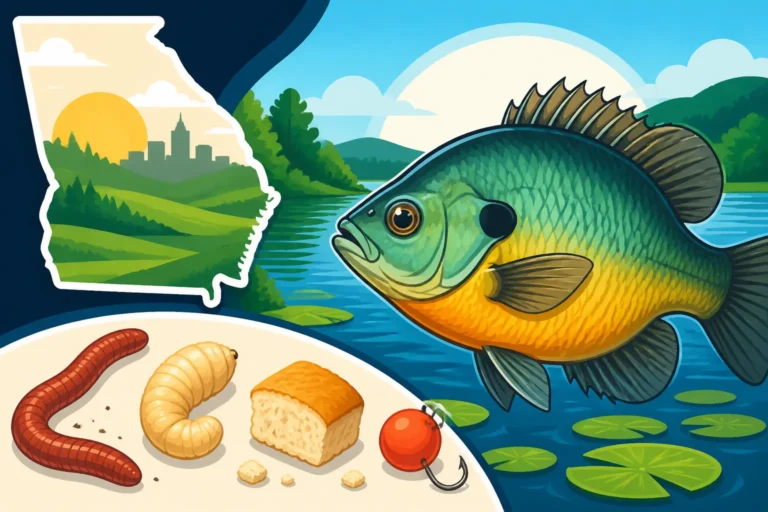
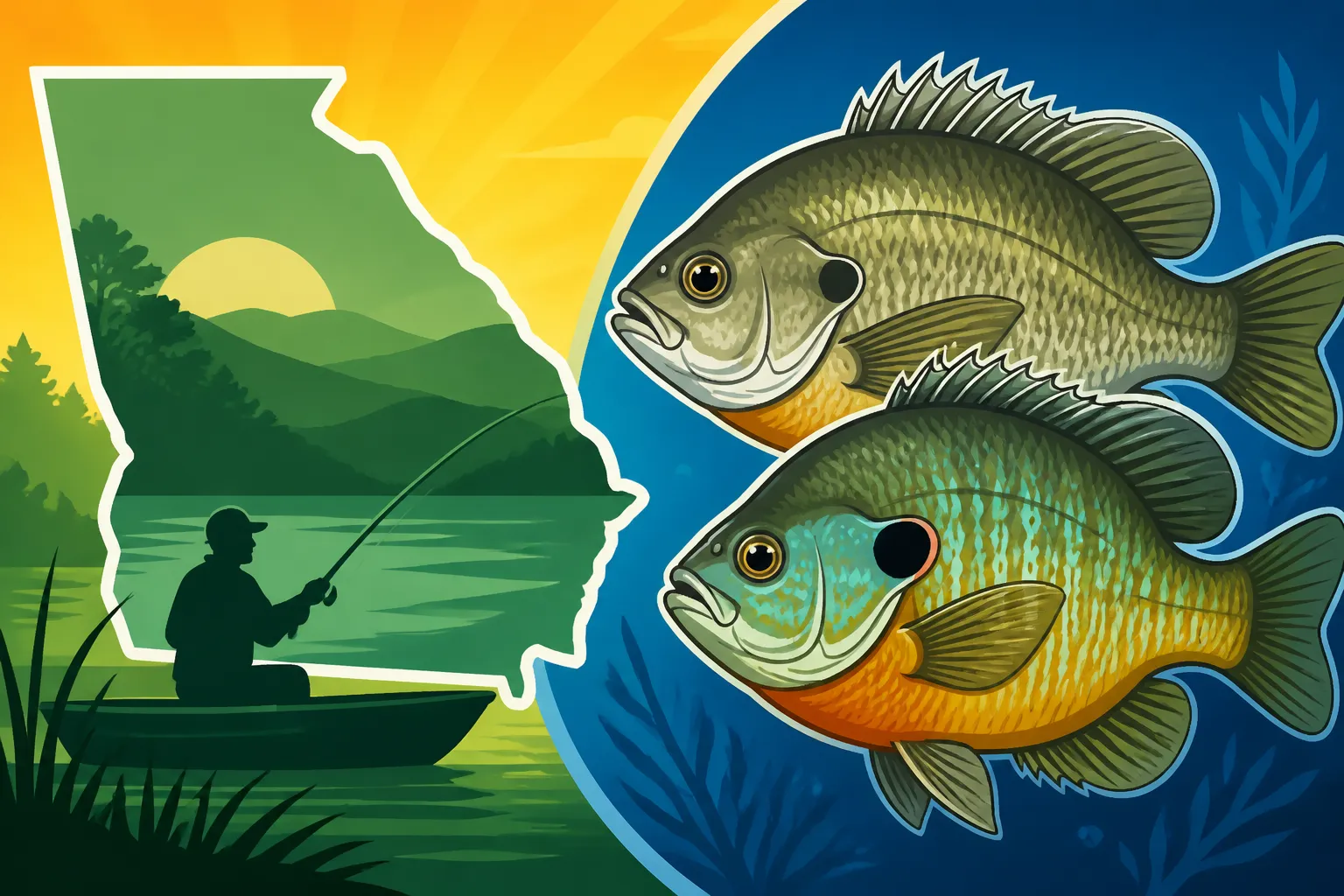
Ah, the bluegill! This is the fish that typically comes to mind when a Georgian says "bream." The bluegill (Lepomis macrochirus) is arguably the most widespread and popular panfish in the state, and for good reason. They are easily identified by their relatively small mouths, a distinct dark blue-black spot on the posterior edge of their gill flap (the "ear flap"), and usually a dark spot at the base of their dorsal fin. Their bodies are typically deep and compressed, with an olive-green back fading to yellow-orange on their belly, often with several faint vertical bars along their sides. They are truly beautiful fish, with vibrant colors that can vary depending on the water clarity and diet of their environment. You'll find these charming little fish in almost any freshwater body you can think of, from neighborhood ponds to massive reservoirs like Lake Lanier and the vast stretches of the Altamaha River.
Bluegill are exceptionally resilient and adaptable, thriving in a variety of conditions. They prefer areas with plenty of submerged vegetation, brush piles, fallen timber, or dock structures, which provide cover from predators and a rich feeding ground for insects and larvae. During their spawning season, which typically runs from late spring through summer, male bluegill will congregate in shallow areas, creating those characteristic "bream beds" that can sometimes be smelled from shore due to their musky odor. These fish are aggressive feeders and will readily take a wide array of baits, making them perfect targets for anglers of all skill levels. They truly are the quintessential panfish of Georgia.
Redear Sunfish (Shellcracker): The Bottom Feeder
Often called "shellcrackers" because of their specialized diet, redear sunfish (Lepomis microlophus) are another highly sought-after panfish in Georgia. Their common name comes from the distinct red or orange margin that adorns the operculum (gill flap) of the male, with females typically showing a paler orange. Unlike bluegill, redears have a more pointed snout and lack the vertical bars on their sides. Their bodies are usually olive green to golden brown, often with faint dark spots. Their mouths are also quite small, reflecting their diet of snails and other bottom-dwelling invertebrates. They use specialized pharyngeal teeth in their throats to crush the shells of their prey – a unique adaptation that sets them apart.
Redear sunfish prefer clear, calm waters with abundant submerged vegetation or soft bottoms where snails and mussels thrive. They are frequently found in the same waters as bluegill but often inhabit slightly deeper areas or stick closer to the bottom, especially when foraging. Excellent places to target shellcrackers include lakes and ponds with firm, sandy or gravelly bottoms, where they create their spawning beds in late spring and early summer, often a bit earlier than bluegill. Because of their preference for crushing shells, the best baits for redears are typically those found on the bottom, such as worms (especially red wigglers), small shrimp, or crickets, fished directly on the bottom or just above it. When you hook into a shellcracker, you'll notice their fight is often a strong, steady pull, quite distinct from the bluegill's scrappier tug.
Redbreast Sunfish: River Dwellers with Dazzling Colors
If you're fishing in Georgia's rivers and streams, particularly those with a bit of current, you're very likely to encounter the striking redbreast sunfish (Lepomis auritus). These fish are instantly recognizable by their vibrant orange-red belly and the incredibly long, narrow, dark opercular (gill) flap, which often extends well past the eye. Their bodies are typically olive to golden brown, with iridescent blue-green markings on their cheeks and gill covers. They also tend to have a more elongated body shape compared to the deeper-bodied bluegill or redear. The males, especially during spawning season, are truly stunning with their intense colors.
Redbreast sunfish are primarily riverine fish, preferring moving water habitats. They thrive in rocky or sandy runs, around submerged logs, rootwads, and undercut banks in creeks and rivers across Georgia. You'll often find them congregating in small schools, darting out from cover to snatch passing insects. While they can be found in some lakes, they rarely reach the same abundance or size as they do in river systems. Their diet consists mainly of aquatic and terrestrial insects, making crickets, grasshoppers, and small artificial lures like tiny spinners or flies incredibly effective. They're tenacious fighters, especially in current, and catching a brightly colored redbreast from a clear stream is a truly rewarding experience. Best Bait for Bream Fishing includes some great tips for these river beauties.
Green Sunfish and Longear Sunfish: Less Common, Still Fun
While bluegill, redear, and redbreast are the primary panfish targets, Georgia is also home to other sunfish species that are worth mentioning, such as the green sunfish (Lepomis cyanellus) and the longear sunfish (Lepomis megalotis). These species might not be as universally abundant or grow as large, but they are still prevalent in certain habitats and offer unique angling opportunities.
The green sunfish is often found in more marginal habitats, such as small, often turbid ponds, slow-moving creeks, and ditches. They are easily recognized by their relatively large mouths that extend to or beyond the front of the eye, wavy blue-green lines on their cheeks, and a prominent dark spot at the base of the dorsal and anal fins. Their bodies are typically stout, with an olive-green color that gives them their name. They're incredibly hardy and opportunistic feeders, willing to strike at almost anything edible, from worms and small jigs to aggressive lures typically reserved for bass. While they don't grow to trophy size, their feisty attitude makes them a lot of fun on ultra-light tackle, and they can be found in places where other sunfish might not thrive.
The longear sunfish is another beautifully colored species, particularly the males during breeding season. They are characterized by an exceptionally long, flexible opercular flap (the "ear flap") that is often bordered in red or orange, giving them their distinctive name. Their bodies are typically covered in iridescent blue and orange spots and wavy lines, making them quite striking. Longears prefer clear, rocky streams and rivers, similar to redbreast sunfish, but can also be found in the vegetated margins of clear lakes. They have smaller mouths than green sunfish and primarily feed on aquatic insects. While not as widespread or numerous as bluegill, encountering a brightly colored longear sunfish is always a treat, and they offer a spirited fight on light tackle. You might find some of these beautiful fish in the quieter sections of the Chattahoochee River Headwaters Trout Fishing areas, though they'll be competing with trout for prime spots.
Table: Georgia's Common Bream & Sunfish Species At A Glance
| Species | Key Identification Features | Typical Habitat | Preferred Baits | Fight Characteristics |
|---|---|---|---|---|
| Bluegill | Dark spot on gill flap, small mouth, dark dorsal fin spot | Ponds, lakes, slow rivers (vegetation, structure) | Worms, crickets, small artificials, bread | Scrappy, short bursts |
| Redear Sunfish | Red/orange margin on gill flap (male), pointed snout | Lake bottoms, clear water, shell beds, calmer areas | Worms (red wigglers), small shrimp, crickets | Steady, strong pull |
| Redbreast Sunfish | Long, narrow black gill flap, orange-red belly | Rivers, streams (rocky bottoms, current, undercut banks) | Crickets, small lures, flies, worms | Tenacious, strong in current |
| Green Sunfish | Large mouth, wavy blue facial lines, dark caudal fin spot | Murky ponds, slow creeks, ditches (often marginal areas) | Worms, small jigs, grubs, tiny spinners | Aggressive, powerful for size |
| Longear Sunfish | Very long, flexible black gill flap (often red-edged) | Clear streams, rocky areas, vegetated lake margins | Small insects, worms, tiny flies | Energetic, quick |
Where to Find Bream and Sunfish Across Georgia
One of the greatest joys of fishing for bream and sunfish in Georgia is their sheer accessibility. You don't need a fancy boat or a secret hotspot to find them. These prolific panfish are abundant throughout the state, making them a fantastic target for anglers of all ages and experience levels. However, knowing the types of waters they prefer can significantly increase your success rate and help you narrow down your search.
Lakes and Reservoirs: Prime Panfish Habitat
Georgia is blessed with numerous large lakes and reservoirs, from Lake Lanier in the north to Lake Seminole in the south. These expansive bodies of water offer incredible opportunities for catching big numbers of bream and sunfish. In lakes and reservoirs, these fish will congregate around various types of structure that provide both food and protection. Think about areas with submerged aquatic vegetation like hydrilla or lily pads; these weed beds are nurseries for insects and provide excellent cover. Fallen trees, brush piles, and sunken timber are also prime spots, as are docks, piers, and bridge pilings. Any structure that breaks up the open water and offers shade or ambush points will attract panfish.
When fishing lakes, pay particular attention to shallow coves and protected bays, especially during the spawning season. This is where you'll find those famous "bream beds" – circular depressions fanned out by male sunfish – in depths ranging from a few inches to several feet. You can often spot these beds visually in clear water or even smell their distinctive musky odor. Shorelines with a gradual slope and a mix of sand, gravel, and some weed growth are ideal for these spawning aggregations. Popular choices like Lake Oconee Fishing Guide, Georgia, Lake Sinclair, or Clarks Hill Lake all have excellent panfish populations in their shallower arms and creeks. The sheer size of these lakes can be overwhelming, but focusing on these key types of cover and shallow, protected areas will put you on the fish.
Rivers and Streams: Flowing Water Favorites
While lakes are fantastic, don't overlook Georgia's incredible network of rivers and streams for a different kind of panfish experience. Rivers, especially those with clear water and a moderate current, are fantastic for species like the redbreast sunfish, which absolutely thrive in these environments. Look for areas where the current is broken by structure: around fallen trees, log jams, rock outcroppings, and undercut banks. These spots provide eddies and calmer water where insects accumulate, and fish can rest out of the main flow while waiting for a meal.
Smaller creeks and feeder streams that flow into larger rivers can also be goldmines for various sunfish, including bluegill and even green sunfish in the slower, deeper pools. When targeting rivers, focus on transitions in habitat, like where a gravel bar meets a deeper channel, or where a slow pool empties into a riffle. Areas around bridge supports, old pilings, and anywhere water flows around obstacles are often productive. The Chattahoochee River, Flint River, and Altamaha River all offer excellent river fishing for bream and sunfish, with each river section presenting unique challenges and rewards. Fishing these flowing waters often requires a slightly different approach than still water, but the reward of a hard-fighting redbreast in current is well worth the effort.
Ponds and Public Fishing Areas: Accessible Angling for All
For many anglers, especially families or those looking for a quick and easy outing, Georgia's numerous small ponds and Public Fishing Areas (PFAs) are true gems. These smaller bodies of water are often intensely managed by the Georgia Department of Natural Resources (DNR) to provide high-quality fishing opportunities, and many are specifically stocked with bluegill and other panfish. Ponds are fantastic because they're typically less intimidating than large lakes, offer easy bank access, and the fish populations are often quite concentrated.
PFAs, like those managed by Georgia Wildlife Resources Division, are designed with anglers in mind. They often feature handicap-accessible piers, gravel walking paths, restrooms, and sometimes even boat ramps for smaller boats or kayaks. These areas are regularly monitored, and you can usually find information online about the species present and recent stocking efforts. For instance, many state parks in Georgia have ponds that are perfect for a family day out, offering fantastic Best Kid-Friendly Fishing Ponds in Georgia. Look for areas with lily pads, cattails, or simple submerged brush near the banks. These places are tailor-made for catching bluegill and other sunfish, providing consistent action and an excellent environment for teaching kids how to fish. You can often find a fishing license agent nearby or check out Georgia License Agents Near You for details.
Essential Gear for Successful Bream and Sunfish Angling
One of the beauties of bream and sunfish fishing is that you don't need a trunk full of expensive, specialized equipment. In fact, simpler is often better! These fish are incredibly accessible, and a basic setup is often all it takes to have a wildly successful day on the water. However, having the right light tackle can make the experience even more enjoyable and increase your catch rate.
Rods, Reels, and Line: Light Tackle is Key
For bream and sunfish, the name of the game is light tackle. You want to feel every little nibble and maximize the fun of their spirited fight. A light or ultra-light spinning rod is ideal. Look for rods in the 5-foot to 6-foot 6-inch range, with a sensitive tip that can detect subtle bites. A fast action rod will give you the sensitivity for detecting strikes and the backbone for setting the hook quickly. Matching this with a small spinning reel (size 500 to 1000) that has a smooth drag system is perfect. A good drag is important because even though bream are small, they can surprise you with a strong run, especially larger redears or redbreasts.
When it comes to fishing line, 4-pound test monofilament is typically the sweet spot. It's light enough to be nearly invisible to wary fish, allows for good casting distance with small baits, and offers enough strength to handle most panfish without issue. Some anglers might go as light as 2-pound test for maximum sensitivity or up to 6-pound test if fishing in heavy cover or for slightly larger fish. Fluorocarbon leader can also be a great addition for its invisibility underwater, especially in clear streams. You can find excellent, affordable rod and reel combos for panfish on platforms like Amazon, making it easy to get started without breaking the bank. How to Catch Bluegill as a Beginner really highlights the simplicity of this setup.
Hooks, Sinkers, and Bobbers: The Basic Rig
The terminal tackle for bream and sunfish is delightfully straightforward.
Hooks: You'll want small, sharp hooks. Size 6 or 8 light-wire hooks are perfect for bluegill and redear, while a slightly smaller size 10 might be good for finicky redbreast or if you're using very small baits. Always choose hooks that are appropriate for the size of your bait and the fish's mouth – you want them to easily inhale it.
Sinkers: A small split shot sinker is usually all you need to get your bait down to the desired depth. You might use one tiny split shot for shallow water or a couple of slightly larger ones if you're fishing deeper or in a bit of current. The goal is to use just enough weight to cast and get your bait down, but not so much that it interferes with the natural presentation or the fish feeling the bait.
Bobbers: This is arguably the most iconic piece of panfish gear! Small, sensitive bobbers are crucial. A small clip-on bobber that's about 1-2 inches in diameter is usually sufficient. Avoid large, bulky bobbers that create too much resistance when a fish bites, as bream often pick at the bait subtly. For a more stealthy approach or when fishing in light current, a slip bobber rig can be incredibly effective. This allows your bait to fall more naturally and enables you to fish at precise depths, even in deeper water, without having a fixed bobber too high on your line. Learning How to Rig a Bobber for Bream is a fundamental skill.
Live Bait and Artificial Lures: What to Offer Them
Bream and sunfish are not particularly picky eaters, which is another reason they're so much fun to catch! However, certain baits definitely stand out as consistent producers.
Live Bait: This is the undisputed king for panfish.
- Worms: Red wigglers, nightcrawlers (cut into smaller pieces), and earthworms are absolute magnets for bluegill, redear, and green sunfish. Their natural scent and wiggling action are irresistible.
- Crickets: For redbreast sunfish, especially in rivers, crickets are often the bait of choice. Bluegill and other sunfish will also readily take them. The natural insect presentation is incredibly effective.
- Small minnows: While less common for pure panfish, a tiny minnow can sometimes entice a larger bluegill or green sunfish, especially if they're in a more predatory mood.
- Grubs/Mealworms: These are often sold in bait shops and are excellent for a variety of sunfish. They're hardy on the hook and attract a lot of attention. You can find these readily at local bait shops or sometimes online retailers.
Artificial Lures: Don't underestimate the power of artificials for sunfish, especially if you enjoy a more active style of fishing.
- Tiny Jigs: Micro jigs (1/32 to 1/64 ounce) tipped with a small plastic grub, tube, or hair fly are incredibly effective. Chartreuse, white, black, and pink are all great colors. You can cast these out and slowly retrieve them or suspend them under a small bobber.
- Small Spinners: Lures like a tiny Rooster Tail or a Mepps spinner in sizes #0 or #1 can trigger aggressive strikes from redbreast and larger bluegill, especially in current. The flash and vibration mimic a fleeing insect or small baitfish.
- Flies: For fly anglers, small poppers, sponge spiders, wet flies, and nymphs are deadly for sunfish, particularly during warmer months when they're actively feeding on insects.
Having a selection of both live bait and a few small artificials in your tackle box, maybe something you picked up from Amazon, will prepare you for any situation and maximize your chances of success.
Master Your Techniques: How to Catch More Bream and Sunfish
Once you've got your gear sorted, it's time to talk tactics. While bream and sunfish aren't usually considered "smart" fish, understanding their behavior and employing the right techniques can dramatically improve your catch rates and make your time on the water even more productive and enjoyable. It's not just about tossing a line in and hoping for the best; there's a subtle art to panfish angling.
Bobber Fishing: The Classic and Effective Method
Bobber fishing is perhaps the most iconic and beloved method for catching bream and sunfish, and for good reason: it's incredibly effective and visually exciting! The basic setup involves a small hook (size 6 or 8), a split shot sinker crimped a few inches above the hook, and a bobber fixed at a depth that places your bait in the strike zone. The beauty of the bobber is that it instantly signals a bite, making it perfect for beginners and kids, but even seasoned anglers rely on its simplicity and effectiveness.
When using a bobber, the key is to adjust its position on your line so your bait is suspended at the right depth. If fish are near the surface, you might set it just a foot or two deep. If they're holding near the bottom or around submerged structure, you'll need to set it deeper, perhaps 3-5 feet or more, depending on the water depth. Cast your rig out near promising cover like lily pads, docks, or brush piles, and let it sit. Watch the bobber carefully; any twitch, dip, or sudden disappearance means a fish is investigating or has taken your bait! A gentle retrieve with pauses can also entice strikes, making your bait look like a struggling insect. Using natural baits like worms or crickets with this method is almost guaranteed to get you some action. This is the foundation for anyone learning How to Catch Bluegill From the Bank.
Bottom Fishing and Slip Sinkers for Deeper Dwellers
Sometimes, bream and sunfish aren't hanging out near the surface. This is especially true for redear sunfish (shellcrackers), which prefer to feed on snails and other invertebrates along the bottom. It also becomes relevant when fish are deeper during colder months or in larger, deeper reservoirs. In these situations, a bottom fishing rig or a slip sinker setup is far more effective than a fixed bobber.
For basic bottom fishing, you can simply use a heavier split shot or a small egg sinker (1/8 to 1/4 ounce) above a swivel, tied to a short leader (6-12 inches) with your hook. This allows your bait to rest directly on the bottom. However, a slip sinker rig offers superior sensitivity. With a slip sinker, the sinker slides freely on your main line above a swivel, which then connects to your leader and hook. When a fish picks up the bait, the line slides through the sinker, allowing the fish to swim off without feeling the weight of the sinker. This provides a much more natural presentation and reduces the chance of the fish dropping the bait. The key is to keep a semi-slack line and watch your rod tip or line carefully for any movement. A bite will often be a gentle "tap-tap" or a slow pull. This method is particularly effective with worms for shellcrackers on lake bottoms, where they forage for their preferred shelled prey.
Fly Fishing for Panfish: A Sporting Challenge
For those looking for a more engaging and sporting experience, fly fishing for bream and sunfish offers immense fun and a rewarding challenge. While often associated with trout, fly fishing is incredibly effective for panfish and allows anglers to appreciate their aggressive nature on lightweight gear. You don't need expensive, heavy fly gear; a 2-weight to 4-weight fly rod with a matching reel and floating line is perfect.
The technique often involves casting small poppers or foam spiders onto the surface, especially during warmer months. These topwater flies imitate insects that have fallen into the water, and the sight of a bluegill exploding on a surface fly is absolutely thrilling. Alternatively, wet flies, nymphs, or small streamers can be fished subsurface, imitating aquatic insects or small baitfish. When targeting deeper fish or those in current, using a strike indicator (a small bobber-like device) can help detect subtle bites. Fly fishing for panfish requires a bit more skill and practice with casting, but it opens up a whole new world of angling enjoyment. It's a fantastic way to hone your fly casting skills and experience the fight of these fish in a truly hands-on way. Some even say it's more fun than catching bigger fish, given the effort-to-reward ratio!
Seasonal Strategies and Best Times to Fish
Just like any other fish, bream and sunfish behavior is heavily influenced by the seasons and water temperature. Understanding these patterns can turn an average day of fishing into an exceptional one. While they're generally active year-round in Georgia, knowing when and where to find them can give you a significant advantage.
Spring Spawning Frenzy: When the Bites Are Hottest
Without a doubt, late spring and early summer represent the absolute peak season for bream and sunfish fishing in Georgia. This is when the water temperatures rise, typically into the high 60s and low 70s Fahrenheit, triggering their annual spawning ritual. During this time, male sunfish move into shallow water, often just a few feet deep, and create "beds" – circular depressions in the substrate where females will lay their eggs. These beds are often located in protected coves, along shallow points, or near submerged vegetation in lakes and ponds, and in slower, gravelly areas in rivers.
The spawning season is characterized by a "frenzy" because the fish are incredibly aggressive. Males are fiercely protective of their nests, readily attacking any perceived threat or food item that comes too close. This makes them incredibly easy to catch. You can often spot these bream beds by looking for light-colored circular patches on the bottom, or even by smelling their distinctive musky odor when the aggregations are dense. Using a simple bobber rig with crickets or worms cast directly onto a bed is almost guaranteed to produce continuous action. This is the prime time for families and new anglers to experience fast-paced fishing, as the bites come fast and furious. If you want to know Best Time to Catch Crappie at Lake Oconee, Georgia, this general spring spawn period applies to other panfish species as well.
Summer's Heat: Adapting Your Approach
As Georgia's summer heat truly sets in and water temperatures climb into the high 70s and 80s, bream and sunfish behavior will change, but they certainly don't stop biting! They simply adjust their location and feeding times. During the hottest parts of the day, especially in open, shallow water, they'll seek refuge in deeper, cooler water or dense cover to escape the sun and heat. This means you might find them congregated around the edges of deep weed lines, under shaded docks, in the deepest sections of brush piles, or in shaded river eddies.
To succeed during summer, you'll often need to adapt your approach. Fishing early in the morning or late in the evening when temperatures are cooler and light levels are lower can be incredibly productive, as fish will move back into shallower feeding areas. During the middle of the day, focus on those deeper, shadier structures, using bottom fishing rigs or slip bobbers to present your bait accurately. They might not be as aggressively attacking everything in sight as during the spawn, so a slower, more deliberate presentation might be necessary. Crickets, worms, and small jigs are still highly effective, but sometimes a small piece of corn or bread can work wonders on pressured fish.
Fall and Winter: Finding Deeper Fish
As autumn arrives and water temperatures begin to cool, bream and sunfish will gradually transition out of their shallow summer haunts. They'll still feed actively, trying to fatten up for the leaner winter months. During fall, look for them moving towards deeper structure on main lake points, channel bends, or deeper brush piles. They might be a bit more scattered than during the spawn, but they'll still be looking for food. The cooler water often means they're less pressured and can offer some fantastic fishing, especially on sunny, mild days.
Winter fishing for bream and sunfish in Georgia can be surprisingly good, though it requires a bit more patience and precision. The fish will typically move to their deepest wintering grounds, often congregating in large schools in channel bends, deep holes, or around deep timber and humps in lakes and rivers. They become less active feeders, so your presentation needs to be slow and subtle. Small jigs, tipped with a bit of a worm or mealworm, fished vertically under a boat or from a deep pier, can be deadly. Using a fish finder to locate schools of baitfish or prominent deep structure will greatly increase your chances. While the bites may be fewer and far between, the fish you do catch in winter are often larger, having conserved energy and grown throughout the year. Don't be afraid to bundle up and give winter panfishing a try; you might be surprised by the results!
Enjoying Your Catch: From Frying Pan to Conservation
There's a reason they're called "panfish"—they are absolutely delicious! But beyond the thrill of the catch and the joy of a good meal, it's also important to consider the role we play in conservation and responsible angling practices. Ensuring healthy fish populations for future generations is just as important as filling your cooler today.
Cleaning and Cooking Your Bream and Sunfish
Once you've had a successful day on the water, the next step is often enjoying the fruits of your labor. Bream and sunfish are renowned for their delicate, flaky white meat and mild flavor. They are incredibly versatile in the kitchen, making them a favorite for many anglers.
Cleaning:
Cleaning panfish is relatively straightforward. You can either scale and gut them to cook whole, or fillet them for boneless portions. For whole fish, use a scaling tool or the back of a knife to remove scales against the grain, rinse thoroughly, then make a cut along the belly to remove the guts. For filleting, which is often preferred for larger sunfish, you'll need a sharp fillet knife. Make a cut behind the gill plate down to the backbone, then turn the knife and run it along the backbone towards the tail. Flip the fillet over and skin it by holding the tail end and running the knife between the meat and the skin. It takes a little practice, but once you get the hang of it, you can fillet a stack of panfish quickly. Remember to rinse your fillets in cold water and pat them dry before cooking for the best results. Is Bluegill Good to Eat? and other species in this family truly are.
Cooking:
The most classic way to prepare panfish in Georgia is to fry them. Dredge your fillets or whole, scaled fish in a seasoned cornmeal or flour mixture (think salt, pepper, garlic powder, paprika) and shallow-fry them in hot oil (peanut or vegetable oil is excellent) until golden brown and crispy. They cook quickly, usually just a few minutes per side depending on thickness. Serve them hot with hushpuppies, coleslaw, and a squeeze of lemon for a truly Southern meal.
Other delicious options include:
- Grilling: Brush whole, gutted fish with olive oil, lemon, and herbs, then grill until cooked through.
- Baking: Place fillets in a baking dish with butter, herbs, and a splash of white wine or lemon juice, then bake until flaky.
- Pan-searing: For a lighter option, simply pan-sear fillets in butter with a touch of seasoning.
No matter how you prepare them, freshly caught and cooked bream and sunfish are a culinary delight that truly caps off a great day of fishing.
Practicing Catch and Release for Healthy Populations
While panfish are excellent table fare, there will be times when you catch more than you need, or perhaps you hook a particularly large specimen you'd like to see grow even bigger. Practicing catch and release, especially for some of the trophy-sized bluegill or redear, is a vital part of responsible angling and helps ensure healthy, sustainable fish populations for years to come. It’s also important to release fish that are under legal size limits or if you've already met your creel limit.
When practicing catch and release, always handle the fish gently and quickly.
- Minimize Air Time: Keep the fish in the water as much as possible. If you must remove it for a quick photo, do so quickly and return it to the water immediately.
- Wet Hands: Always wet your hands before handling a fish. Dry hands can remove the fish's protective slime coat, leaving it vulnerable to disease.
- Support the Fish: Support the fish horizontally, especially larger ones, to avoid damaging its internal organs or spine. Avoid squeezing its belly.
- Remove Hook Carefully: Use needle-nose pliers or a de-hooking tool to remove the hook quickly. If the fish is deeply hooked, cut the line as close to the hook as possible rather than trying to rip it out, which can cause fatal damage. Barbless hooks can also make hook removal much easier.
- Revive If Needed: If the fish seems sluggish, hold it gently in the water, facing into a slight current if possible, and allow water to flow over its gills until it regains strength and swims away on its own.
By being mindful of how we handle and release fish, we contribute to a thriving fishery that everyone can enjoy.
Respecting Regulations: Size and Creel Limits
Finally, and perhaps most importantly, it's crucial to be aware of and respect Georgia's fishing regulations, including size and creel (daily possession) limits for all species, including bream and sunfish. These regulations are put in place by the Georgia Department of Natural Resources (DNR) to manage fish populations, prevent overfishing, and ensure sustainable angling opportunities. While panfish generally have generous limits due to their prolific nature, it's still your responsibility as an angler to know and follow the rules.
Generally, for sunfish (including bluegill, redear, redbreast, etc.), there isn't a statewide size limit, but there is often a daily creel limit for combined species. This means you can keep a certain number of any sunfish species per day. However, always double-check the latest regulations, as specific water bodies, such as Public Fishing Areas (PFAs), might have special regulations or slightly different limits tailored to their unique management plans. You can usually find the most current regulations on the Georgia DNR website or in their annual fishing guide. Never assume; always verify. Georgia Fishing Regulations Explained can offer more general guidance, but always consult the official DNR resources. Following these rules is not just about avoiding fines; it's about being a responsible steward of Georgia's natural resources and ensuring that future generations can enjoy the same fantastic bream and sunfish fishing that we do today.
Disclaimer
This article is for general informational purposes only and does not constitute professional advice. Laws, prices and regulations vary by location and change over time. Consult a qualified professional for guidance on your specific situation.