Live Bait Rigs for Striped Bass
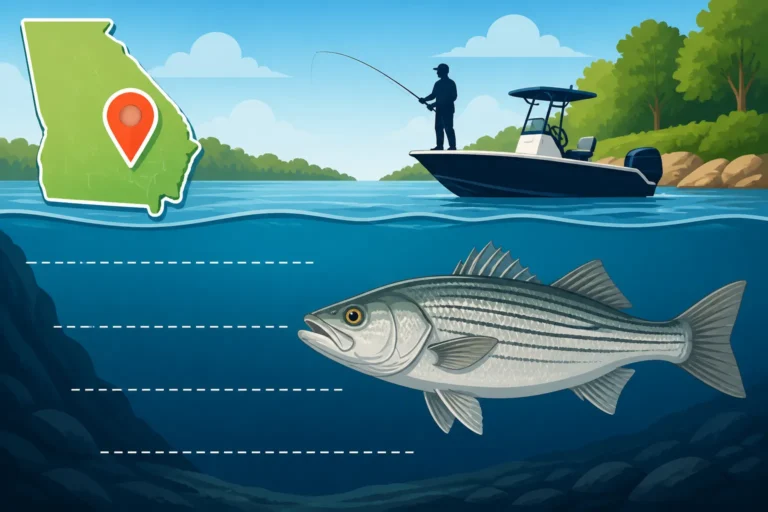
There's nothing quite like the heart-stopping thud of a striped bass hitting your line, especially when they're targeting live bait. Many anglers, myself included, have spent countless hours throwing artificial lures with limited success, only to realize that sometimes, these powerful fish demand a truly natural meal. If you've been frustrated by finicky stripers and are ready to unlock a whole new level of success, this comprehensive guide to live bait rigs for striped bass in Georgia is exactly what you need. We're going to dive deep into the techniques, gear, and strategies that make live bait so irresistible to stripers, helping you turn those slow days into unforgettable battles.
Why Live Bait is a Game Changer for Georgia Stripers
Let's be honest, chasing striped bass with artificial lures can be incredibly rewarding when it works, but there are definitely those days when the fish just aren't interested in anything but the real deal. That's where live bait comes into its own. It's not just another option; it's often the option, especially for bigger, more experienced stripers that have seen every plastic worm and crankbait under the sun.
The Natural Appeal of Live Prey
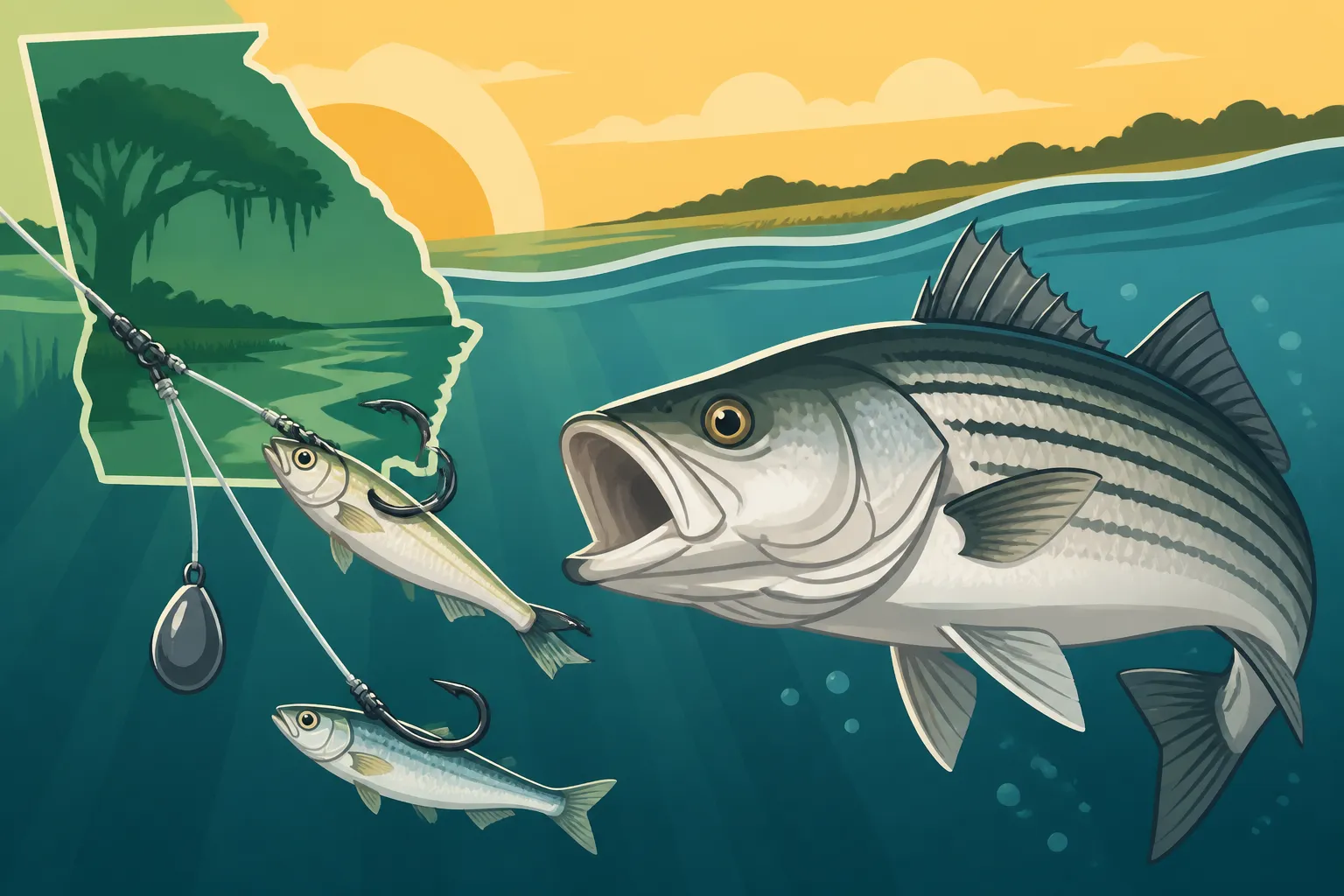
Think about it from a striper's perspective. They are apex predators, finely tuned to detect the subtle movements, vibrations, and scents of their natural prey. An artificial lure, no matter how lifelike, can only do so much to replicate that. Live bait, however, offers the complete package: erratic, panicked swimming motions, natural coloration, and that irresistible biological scent trail. When a lively shad or herring is struggling on the end of your line, it's sending out a powerful signal that screams "easy meal!" It validates that feeling when you've thrown everything in your tackle box to no avail; sometimes, the simplest, most natural presentation is truly the best.
Understanding Striper Behavior and Forage
To effectively use live bait, you need to understand what striped bass are eating. In Georgia, their diet primarily consists of baitfish like threadfin shad, gizzard shad, and blueback herring. These species are abundant in many of our large reservoirs like Lake Lanier, Lake Hartwell, and Lake Oconee, as well as in major river systems. Stripers are opportunistic feeders, often schooling up to herd and ambush baitfish. By presenting a live baitfish that perfectly mimics their natural forage, you're tapping directly into their primal instincts. Knowing whether you're targeting Native vs Stocked Striped Bass in Georgia can also influence your bait choice, as native populations might have slightly different forage preferences.
When Artificial Lures Fall Short
We've all been there: the fish finder is lit up with arches, but nothing you throw at them gets a strike. This frustration often stems from difficult conditions such as clear, calm water, heavy fishing pressure, or periods when stripers are less active due to weather changes or post-spawn lethargy. In these scenarios, the subtle, lifelike presentation of live bait can be the only thing that triggers a bite. It's the ultimate equalizer when the fish are finicky or when you're targeting those weary, big stripers that have learned to distinguish between plastic and actual food. Don't be discouraged when artificials aren't working; switch to live bait and watch your success rate climb!
Choosing the Right Live Bait for Georgia's Stripers
The choice of live bait is almost as crucial as the rig itself. Matching the hatch – using the baitfish that stripers are currently feeding on – will drastically increase your chances of success. It's a key part of any successful Best Bait for Striped Bass in Georgia strategy.
Common Baitfish in Georgia Waters
The primary live baits for striped bass in Georgia include:
- Threadfin Shad: These smaller, silver baitfish are highly active and a favorite food source for stripers. They are relatively easy to catch with a cast net in many Georgia lakes and rivers.
- Gizzard Shad: Larger than threadfins, gizzard shad can attract bigger stripers. They are tougher to keep alive but offer a substantial meal that can entice trophy fish.
- Blueback Herring: Found in specific lakes, notably Lake Lanier, these are a prime forage for stripers and often lead to aggressive bites. Be aware of regulations regarding their use and possession, as some lakes have restrictions to prevent ecological disruption.
- Bream/Bluegill: While not a primary forage in all striper habitats, a lively bluegill can be an absolute magnet for large, solitary stripers, especially in areas where they co-exist. They are hardy and easy to keep alive.
Sourcing and Keeping Your Bait Alive
Catching your own bait can be a rewarding part of the experience, but it also presents its own challenges. Cast nets are essential for shad and herring, often cast over shallow flats, creek mouths, or around bridge pilings at dawn or dusk. Sabiki rigs can also be effective for catching smaller baitfish off docks or around schools marked on your electronics.
Once caught, keeping your bait alive and frisky is paramount. A high-quality bait tank with excellent aeration and circulation is non-negotiable. Look for insulated tanks that maintain stable water temperatures, and consider adding a small amount of non-iodized salt (like rock salt or kosher salt) to the water to help reduce stress on the baitfish. For those looking to upgrade their setup, Amazon offers a wide range of portable bait tanks and aeration systems from brands like Engel or Frabill that can make a huge difference in bait longevity. Remember, a dying bait is rarely an effective bait.
Matching Bait Size to Striper Size
One common misconception is that bigger bait always means bigger fish. While larger gizzard shad or blueback herring can certainly tempt trophy stripers, sometimes a smaller, more active threadfin shad will get more bites on a slow day, especially when the stripers are targeting smaller forage. A general rule of thumb is to match your bait size to the average size of the baitfish you're seeing on your electronics or that are present in the area. If you’re targeting aggressive, schooling stripers, smaller, agile baits might be best. For trophy hunters focusing on a single, large mark on the screen, a bigger, more substantial meal is often the ticket.
Essential Gear for Successful Live Bait Rigs
Using live bait effectively requires specific gear designed to handle powerful fish and present your bait naturally. Skimping on tackle here can lead to heartbreak when that dream striper hits. When stocking up, many anglers find Amazon to be a convenient source for a wide array of specialized fishing tackle and accessories.
Rods, Reels, and Line Selection
- Rods: For striped bass, you'll want a medium-heavy to heavy action rod, typically 7 to 8 feet long. This length provides the leverage needed to cast heavier baits and control powerful fish, whether you're fighting them in open water or around structure. A good quality fiberglass or composite rod offers durability and a forgiving bend, which is excellent for soaking live bait. Consider a rod with a soft tip to detect subtle bites but plenty of backbone to muscle in a big striper. If you're looking for specific recommendations, you might want to check out our guide on the Best Rod for Striped Bass Fishing in Georgia.
- Reels: Depending on your preference, both baitcasting and conventional reels are popular. Baitcasting reels like the Abu Garcia Revo Toro Beast or Shimano Tranx are excellent for precision casting and fighting larger fish. For deeper water or trolling, conventional reels such as the Penn Squall or Daiwa Sealine are robust choices, offering high line capacity and strong drag systems. A smooth, powerful drag is absolutely essential for stripers, which make blistering runs. You'll find more insights on this in our article about the Best Reel for Trolling Striped Bass.
- Line: Your mainline should be either braided line (30-65 lb test) or heavy monofilament (17-30 lb test). Braid offers incredible sensitivity and strength with a small diameter, making it ideal for detecting subtle takes and fighting fish. However, its lack of stretch means you'll need to be mindful of your drag settings. Monofilament provides more stretch, which can be forgiving during sudden runs, and is less visible. Regardless of your mainline, always use a fluorocarbon leader (20-50 lb test, 2-6 feet long) for its invisibility and abrasion resistance.
Hooks, Swivels, and Weights
- Hooks: When fishing live bait for stripers, circle hooks are the gold standard. They are designed to hook fish in the corner of the mouth, reducing gut hooking and increasing survival rates for released fish. Popular styles include Kahle hooks or Octopus circle hooks in sizes ranging from 4/0 to 8/0, depending on your bait size. Always ensure your hook is sharp!
- Swivels: High-quality barrel or ball bearing swivels (size 1/0 to 3/0) are crucial. They prevent line twist, especially when drifting or slow trolling, which can wreak havoc on your line and presentation. Look for black or dark-colored swivels to minimize visibility.
- Weights: The type and amount of weight depend entirely on your rig and water conditions.
- Egg Sinkers: These are commonly used for Carolina rigs, allowing the line to slide freely through them. Sizes typically range from 1/2 oz to 2 oz.
- Bullet Weights: Similar to egg sinkers but more streamlined, often used for lighter presentations or in cover.
- Pyramid or Flat Weights: Useful for bottom fishing in current to help hold your bait in place.
- Inline Weights/Trolling Weights: For downlining or specific trolling setups.
Bait Tanks and Aeration Systems
As mentioned earlier, a proper bait tank is non-negotiable. Look for tanks with rounded corners to prevent baitfish from bruising themselves, a good filtration system to keep the water clean, and a robust aerator to oxygenate the water. Many serious striper anglers opt for large, insulated marine-grade bait tanks that can hold several dozen baitfish for an entire day on the water. Some even add a small amount of ice (made from bottled water to avoid chlorine) to keep the water cool in summer, or use specialized additives to reduce ammonia buildup and stress.
Proven Live Bait Rigs for Georgia Striped Bass
Now, let's get down to the business of rigging. The rig you choose will largely depend on the depth the stripers are holding, the current, and the activity level of the fish. Each rig has its strengths and is designed for a specific presentation. Understanding how to deploy each effectively will be key to your success. You can find more comprehensive details on how to use many of these techniques in our article on How to Fish Live Bait for Striped Bass.
The Freeline Rig (Surface and Subsurface)
The freeline rig is perhaps the simplest and most natural live bait presentation. It's fantastic when stripers are actively chasing bait on the surface or when they are suspended just below the surface.
Components: A hook (typically a 4/0 to 6/0 circle hook) tied directly to your fluorocarbon leader, which is then tied to your mainline via a swivel. No weight, or sometimes just a tiny split shot if you want the bait to sink ever so slowly.
When to Use It:
- Active Surface Bites: If you see stripers busting bait on the surface or working near the top, a freeline rig is ideal. Cast it towards the commotion and let your bait swim naturally into the feeding frenzy.
- Shallow Suspended Fish: When fish are holding just a few feet below the surface, especially over points, humps, or submerged timber, this rig allows your bait to swim freely and entice strikes from cautious fish.
- Calm Water: In calm conditions, the natural swim of a freeline bait is incredibly effective, as there's no unnatural weight to hinder its movement.
Deployment: Cast your bait out and let it swim freely. Keep a close eye on your line for any sudden movement or subtle pulls. Often, the strike will be violent! This rig works particularly well in the open water of lakes like Lake Lanier or Lake Hartwell when schools of stripers are chasing blueback herring or shad.
The Carolina Rig (Bottom and Mid-Depth)
The Carolina rig is a versatile bottom-fishing rig, but it can also be adapted for mid-depth presentations. It's excellent for presenting live bait near the bottom where stripers often hold, or over deeper structure.
Components: A sliding egg sinker (1/2 oz to 2 oz, depending on depth and current), followed by a small bead to protect your knot, then a barrel swivel. Off the other end of the swivel, tie a fluorocarbon leader (2-4 feet) and finally your circle hook (6/0 to 8/0).
When to Use It:
- Deep Water Structure: Ideal for fishing around submerged humps, ledges, points, or brush piles where stripers are known to congregate.
- Strong Current: The weight helps keep your bait near the bottom in river systems or areas with current.
- Inactive Fish: When stripers are less aggressive and hugging the bottom, a Carolina rig puts the bait right in their strike zone.
Deployment: Cast it out, let it sink to the bottom, and then slowly retrieve or drift it. The sliding weight allows the fish to pick up the bait and swim off without feeling immediate resistance, which can lead to better hooksets. This rig is a go-to for many anglers targeting deeper schools of stripers on reservoirs like Lake Oconee or Clarks Hill Lake.
The Downline Rig (Vertical Presentation)
The downline rig is specifically designed for targeting suspended fish directly beneath the boat, often in deep water. This is a highly effective method when you've pinpointed a school of stripers using your fish finder. Many of the principles covered in Deep Water Techniques for Striped Bass apply directly to this setup.
Components: A heavy bell sinker or teardrop weight (2 oz to 8 oz, sometimes more depending on depth and current), tied to a three-way swivel. Off one eye of the swivel, run your mainline. Off another eye, run a short leader (1-3 feet) to your circle hook (6/0 to 8/0) with your live bait.
When to Use It:
- Suspended Fish: When your electronics show stripers holding at a specific depth, usually well off the bottom.
- Deep Ledges or Channels: Great for dropping bait precisely into deep channels or along vertical ledges where stripers are ambushing bait.
- Summer and Winter: These are prime seasons for downlining, as stripers often seek deeper, cooler, more stable water.
Deployment: Drop your rig straight down to the desired depth, often directly into a school of fish marked on your fish finder. Keep your rod tip close to the water and hold on tight. The bait swims freely on its short leader just above the heavy weight, presenting a tempting target. This technique is incredibly effective on lakes with deep thermoclines like Lake Lanier or West Point Lake during warmer months.
The Planer Board Rig (Spreading Out Your Spread)
Planer board rigs are used primarily for trolling, allowing you to spread multiple baits horizontally away from your boat. This covers a much wider area and allows you to present baits in undisturbed water away from the boat's shadow and motor noise. This is a sophisticated setup and often part of a larger Trolling Gear for Georgia Striped Bass strategy.
Components: This rig utilizes specialized planer boards that attach to your mainline and pull it out to the side of the boat. Your live bait rig (often a freeline or a very lightly weighted rig) is attached to the mainline behind the planer board. Release clips are used to attach the line to the board, releasing when a fish strikes.
When to Use It:
- Covering Large Areas: Ideal for searching for active stripers across expansive flats or open water.
- Shy Fish: Gets your baits into undisturbed water, increasing your chances with pressured or cautious fish.
- Multiple Baits: Allows you to run several lines at different distances from the boat, experimenting with depth and spread.
Deployment: Launch your planer boards, allowing them to pull your live baits out to the sides. You can run multiple boards on each side, staggering their distances. Troll at a very slow speed, just enough to keep the bait lively and the boards planing. This method is incredibly effective for patrolling large striper waters such as Clarks Hill Lake or Lake Hartwell.
Here's a quick comparison of these popular live bait rigs for striped bass:
| Rig Type | Primary Depth Zone | Presentation Style | Ideal Conditions | Pros | Cons |
|---|---|---|---|---|---|
| Freeline | Surface to Mid-depth | Natural, unrestricted swimming | Active fish, busting bait, shallow water | Maximum natural appeal, simple setup | Limited depth control, prone to line twist |
| Carolina Rig | Bottom to Mid-depth | Sliding, bottom-oriented | Deeper structure, moderate current, inactive fish | Allows fish to take bait without resistance, versatile | Can hang up on bottom structure, less natural movement |
| Downline | Specific depths, vertical | Suspended, precise depth targeting | Marked fish on electronics, deep water, lethargic fish | Pinpoint accuracy, excellent for deep schools | Requires good electronics, limited area coverage |
| Planer Board | Surface to Mid-depth | Horizontal spread away from boat | Wide open water, covering large areas, shy fish | Covers vast water, presents baits in undisturbed water | Complex setup, requires dedicated gear, can be cumbersome |
Mastering Live Bait Presentation and Techniques
Having the right rig is only half the battle. Presenting your live bait effectively and understanding the nuances of how stripers feed will elevate your success significantly.
Reading Your Electronics and Water Conditions
Your fish finder is your best friend when live baiting for stripers. It's not just about finding fish; it's about finding the right fish and, more importantly, finding the bait they're feeding on. Look for large schools of baitfish, often appearing as dense clouds or arcs. Stripers will typically be lurking beneath or on the edges of these schools, appearing as larger, distinct arches. Pay attention to the depth they're holding, the water temperature (especially the thermocline in summer), and any prevailing current. How Water Temperature Affects Fish Behavior is a critical factor, as cooler temperatures in spring and fall often mean more active, higher-riding fish, while summer heat sends them deeper. Use this information to choose the appropriate rig and present your bait right in the strike zone.
Slow Trolling and Drifting Strategies
Simply casting and waiting can work, but actively covering water often yields better results.
- Slow Trolling: With a downline rig or planer boards, a very slow troll (0.5 to 1.5 mph) is often most effective. This allows your live bait to swim naturally while you cover ground, searching for active schools. Use your trolling motor for precise speed control and to minimize motor noise. Pay attention to how your baits are swimming behind the boat; they should look natural, not like they're being dragged.
- Drifting: In areas with current, like river channels or windy lakes, simply drifting with freeline or Carolina rigs can be incredibly productive. Let the current or wind do the work, carrying your baits through potential striper holding areas. This passive approach often allows the stripers to find your bait without feeling any boat pressure.
Always remember that stripers are sensitive to vibrations and noise. Move stealthily, especially when you suspect fish are shallow or particularly wary.
Fighting and Landing Stripers on Live Bait
The moment of truth! When a striper takes your live bait, it can range from a subtle tap to a rod-wrenching strike. With circle hooks, resist the urge to "set" the hook with a violent sweep. Instead, apply steady, firm pressure as the fish swims away, letting the circle hook do its job and rotate into the corner of the mouth.
Stripers are powerful fighters, known for their strong initial runs. Let them take line when they want it, but maintain constant pressure. Pump the rod, reel down to regain line, and repeat. Be prepared for multiple runs, especially with larger fish. When landing, use a net specifically designed for large fish, or, if practicing catch and release, consider lipping the fish with a gripper if safe, or guiding it boat-side for a quick hook removal. For information on responsible fishing, consult Georgia Fish Size and Creel Limits to ensure you're compliant with regulations.
Seasonal Considerations and Best Practices
Understanding how striper behavior changes throughout the year is vital for consistently successful live bait fishing. Georgia's distinct seasons each offer unique challenges and opportunities for targeting striped bass.
Spring and Fall: Peak Live Bait Action
- Spring: As water temperatures rise into the 50s and 60s Fahrenheit, stripers become incredibly active. This is often when they move shallower, following baitfish that are spawning or becoming more active. Look for them on main lake points, creek mouths, and shallow flats. Freeline rigs and Carolina rigs fished shallower are highly effective. Many of the techniques for Spring Bass Fishing Patterns on Georgia's Reservoirs can be adapted for stripers during this time, especially concerning baitfish movement.
- Fall: Cooler temperatures in autumn re-energize stripers, and they often school up to aggressively chase baitfish, sometimes right on the surface. This is a fantastic time for covering water with planer boards or quickly dropping downlines when you spot a schooling frenzy. Baitfish like blueback herring and shad are plentiful, making live bait extremely effective. The fish are often fat and feisty, providing some of the best fishing of the year.
Summer and Winter Adjustments
- Summer: The heat of summer pushes stripers deep, seeking cooler, oxygen-rich water. The thermocline becomes a critical factor; stripers will often be found just above or in the middle of it. This is prime time for downlining, especially on deep reservoirs like Lake Lanier or Lake Oconee. Your electronics are absolutely essential to pinpoint schools of fish and bait at specific depths. Stripers can be less active in the heat, so a precisely presented, lively bait is key.
- Winter: In winter, stripers often become more lethargic but still need to eat. They may school tightly in deep channels or around major humps. Again, downlining is a strong technique, often with a slower presentation. On some shallower, stained lakes or rivers, stripers might remain relatively accessible. The key is patience and targeting their preferred deep-water haunts.
Conservation and Responsible Angling
As dedicated anglers, we have a responsibility to protect our fisheries. Striped bass are a valuable resource, and practicing responsible angling ensures healthy populations for future generations.
- Catch and Release: For trophy fish or when you've met your creel limit, proper catch and release is vital. Use circle hooks to minimize gut hooking, handle fish as little as possible, support their weight horizontally, and revive them gently before release. Avoid holding large stripers vertically by the jaw, as this can damage internal organs.
- Know the Regulations: Always be aware of Georgia's current fishing regulations, including Georgia Fish Size and Creel Limits and specific rules for certain bodies of water. These regulations are in place to manage fish populations and ensure sustainable fishing.
- Leave No Trace: Pack out everything you pack in, and leave the fishing spots cleaner than you found them. This includes discarded fishing line, which can be deadly to wildlife.
By embracing live bait techniques and combining them with careful observation and responsible practices, you'll open up a whole new world of exciting striped bass fishing in Georgia. It's a challenging but incredibly rewarding pursuit that connects you directly with the natural instincts of these magnificent fish.
Disclaimer
Please remember that fishing regulations, including license requirements, size limits, and creel limits, are subject to change. Always consult the latest official Georgia Department of Natural Resources (DNR) guidelines before heading out on the water. This guide is for informational purposes only and should not replace official sources. Safety first!