How to Spider Rig for Crappie
There's nothing quite as frustrating as heading out for a day of crappie fishing, knowing those tasty slabs are out there somewhere, but struggling to pinpoint their exact location. Traditional casting methods can feel like you're only covering a tiny fraction of the water, leaving you wondering if you're just missing the motherlode. This comprehensive guide is designed to take the guesswork out of finding and catching crappie by showing you how to effectively use the spider rigging technique, a game-changer for covering vast areas and presenting multiple baits right where the fish are hiding.
Understanding the "Why" Behind Spider Rigging for Crappie
When crappie disperse or school in open water, waiting for them to come to your single bait can be an exercise in patience that often ends in frustration. This is where spider rigging truly shines. It's a method born out of necessity for covering a lot of water and presenting a smorgasbord of baits at varying depths simultaneously, dramatically increasing your chances of finding and enticing those finicky crappie.
What Makes Spider Rigging So Effective?
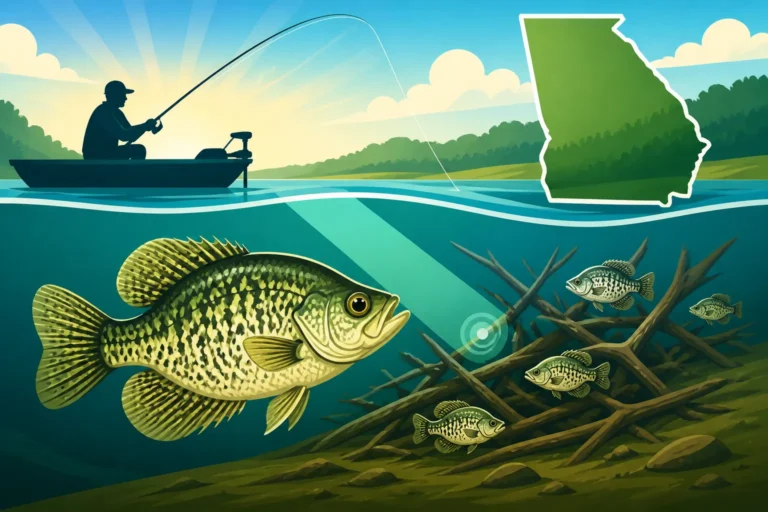
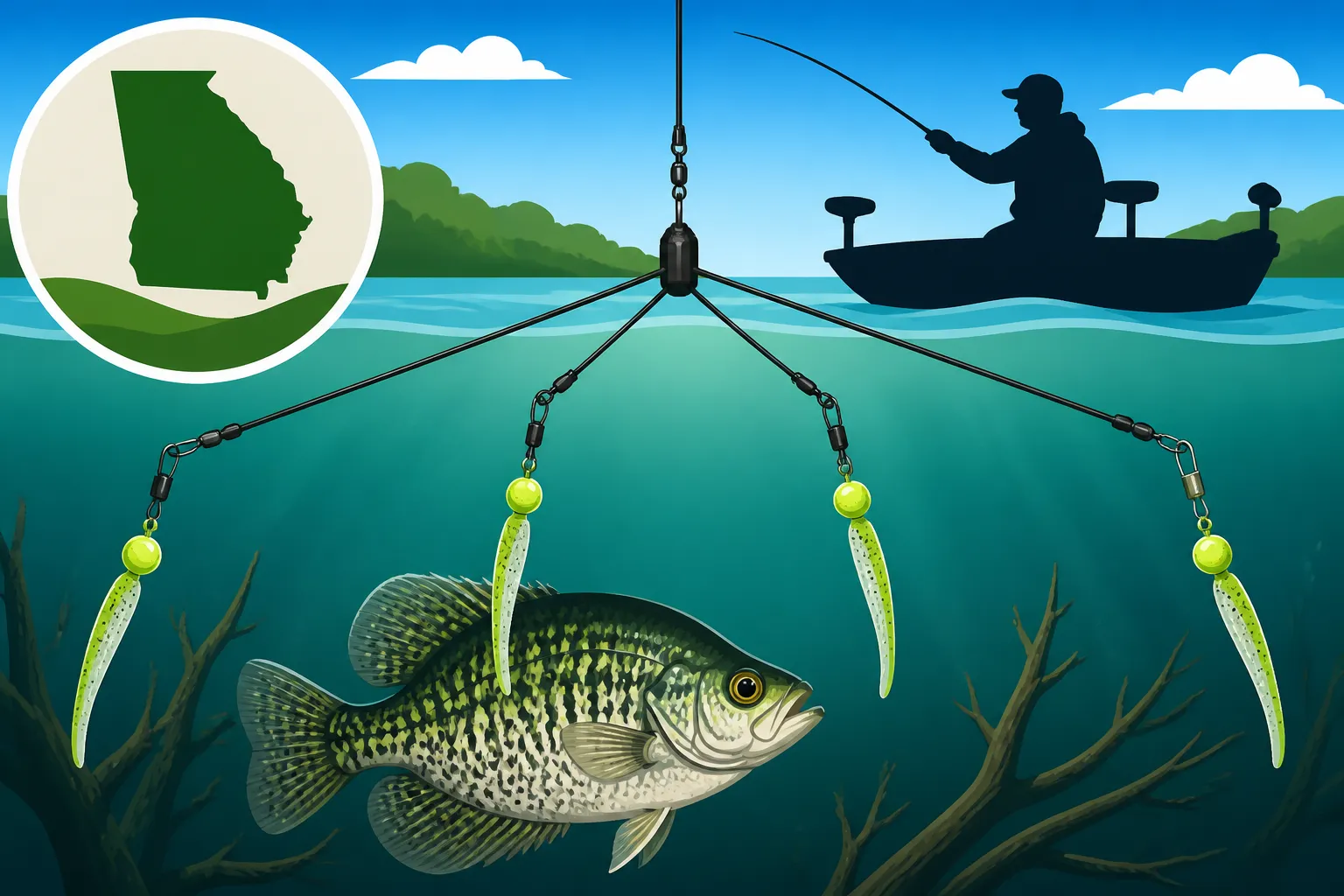
At its heart, spider rigging is about maximizing your bait presentation and covering as much water column as possible. Imagine having four, six, or even eight lines fanned out around the bow of your boat, each presenting a jig or a live minnow at a slightly different depth and distance. This technique allows you to systematically search for crappie, especially when they're scattered or when you're trying to figure out their preferred depth and bait of the day. It's not about speed; it's about a slow, methodical crawl that puts your offerings in front of every crappie in your path. It's particularly potent in the sprawling reservoirs and river systems across Georgia, from Lake Sinclair to Clarks Hill Lake, where crappie can be found suspended or tucked away in submerged timber.
Ideal Scenarios for Deploying a Spider Rig
Spider rigging isn't just a random approach; it's a strategic one. It's especially effective in certain situations:
- Searching for Scattered Fish: When crappie aren't tightly schooled, or after a cold front has dispersed them, spider rigging lets you cover a broad path to locate them.
- Targeting Deep or Suspended Crappie: By varying your weights and line lengths, you can present baits at precise depths, crucial when crappie are holding in thermoclines or suspended over deep water.
- Covering Submerged Structure: Slowly trolling over brush piles, old creek channels, or submerged timber allows you to present multiple baits right in the crappie's living room. Finding How to Find Crappie Around Brush Piles is key here, and spider rigging is one of the best ways to work them.
- Winter and Early Spring Fishing: During colder months, crappie often school up and move slower. A slow, steady presentation with multiple baits can be irresistible to them. This method is particularly popular during these cooler seasons in Georgia, making it an excellent technique when other methods might struggle.
The Essential Gear for a Successful Georgia Spider Rig
Getting set up for spider rigging doesn't require an arsenal of expensive, highly specialized equipment, but having the right tools for the job will make a world of difference in your success and enjoyment. Think of it as building a system where each component works together to create an efficient crappie-catching machine.
Specialized Rods and Reels
The heart of any spider rigging setup lies in the rods. You'll want several long, sensitive rods, typically ranging from 10 to 16 feet in length, sometimes even longer for experienced anglers. These longer rods allow you to spread your baits out wide from the boat, preventing tangles and covering a larger footprint. Look for rods with a light to medium-light action, providing the sensitivity to detect those subtle crappie bites, but enough backbone to handle a feisty slab. Companies like B'n'M Poles or Mr. Crappie offer excellent options specifically designed for this technique. You can often find a great selection of these specialized rods and bundles on platforms like Amazon.
For reels, small spinning reels (like a 1000 or 2000 series) are ideal. They're lightweight, easy to operate, and hold enough light line to handle crappie. Simplicity is key here; you're not making long casts, so a high-end, feature-packed reel isn't necessary.
The Right Line, Baits, and Terminal Tackle
Choosing the right line is crucial. Most spider riggers opt for monofilament line in 4 to 8-pound test. Its stretch helps absorb the shock of a strike and prevent hooks from tearing out of a crappie's delicate mouth. Some anglers prefer fluorocarbon for its low visibility and increased sensitivity, but mono is generally sufficient and more forgiving for this technique.
When it comes to baits, jigs are king. Small crappie jigs, ranging from 1/32 to 1/8 ounce, are most common. Soft plastic bodies in various colors (chartreuse, white, black, pink, or combinations) are incredibly effective. Don't forget to check Amazon for deals on bulk packs of jigs in various colors and sizes, perfect for stocking up. Tipping your jig with a live minnow is often the ultimate crappie attractant, combining the visual appeal of the jig with the irresistible scent and action of live bait. You might find some excellent insights into Best Jig Colors for Crappie Fishing that can boost your success.
Terminal tackle includes:
- Jigheads: Match them to your soft plastics and desired depth.
- Minnow Hooks: Small, sharp hooks (size 4 or 6 Aberdeen hooks are popular) for live minnows.
- Swivels: Small barrel swivels to prevent line twist, especially when using minnows.
- Weights: Various sizes of bell sinkers or egg sinkers, from 1/4 ounce up to 1 ounce or more, depending on depth and current.
Indispensable Rod Holders and Electronics
A robust system of rod holders is non-negotiable for spider rigging. You'll need multiple holders that can be securely mounted to your boat's gunwales or a specialized spider rigging frame on the bow. Look for holders that are adjustable, allowing you to fan out your rods at different angles and heights. Brands like Driftmaster or Tite-Lok offer purpose-built rod holder systems that can accommodate multiple rods, ensuring they're stable and allow for quick removal when a fish bites.
Modern electronics, especially a good fish finder and a GPS-enabled trolling motor, are invaluable. A quality fish finder, preferably with side-imaging or down-imaging capabilities, will help you identify submerged structure like brush piles, stumps, and old creek beds, as well as locate schools of crappie. A GPS trolling motor, like those from Minn Kota or Motorguide, allows you to maintain a precise, slow speed and follow specific contours or waypoints, freeing your hands to manage your rods. This combination of gear lets you fish effectively even on larger bodies of water like Lake Oconee or West Point Lake.
Setting Up and Deploying Your Spider Rigging Spread
The beauty of spider rigging lies in its versatility, allowing you to adapt your setup to the specific conditions of the day. But before you hit the water, a well-thought-out boat and rigging setup can save you a lot of headaches and tangles.
Boat Configuration for Optimal Spreading
Most anglers set up their spider rigging spread from the bow of the boat. This gives them a clear view of their rods and helps them navigate around obstacles. Install your multi-rod holders, ensuring they're evenly spaced and angled to create a wide fan pattern. Some dedicated crappie boats come with built-in railing systems for this, but many setups can be bolted directly to the gunwale or mounted on a sturdy crossbar.
A typical spread might involve placing two shorter rods (e.g., 10-footers) closer to the boat, angled slightly forward, and then two longer rods (e.g., 14-16 footers) further out, angled more to the sides. If you're running more rods, you might add another pair between these or even some off the stern if you have a second person. The goal is to create distinct lanes for each bait, minimizing the chance of lines crossing or tangling, especially when turning.
Crafting Your Crappie Rigs and Depth Control
There are several popular ways to rig your baits for spider rigging. The simplest is a single jig tied directly to your main line, with a weight placed a foot or two above it using a dropper loop or a small three-way swivel. This allows the jig to dance naturally.
Another common and highly effective setup is the double-jig rig or the jig-and-minnow combination. Here’s a basic breakdown for a versatile crappie rig:
- Tie on your main line to a small, strong swivel.
- From the other end of the swivel, tie a length of leader line (typically 2-4 feet of slightly lighter line) for your weight. At the end of this leader, tie on your bell or egg sinker.
- From the same eye of the swivel as the weight leader, tie another leader (6-12 inches) and attach your first jig.
- If using a second bait, tie another leader (12-24 inches) above the first jig to the main line, using a dropper loop or another small swivel, and attach your second jig or minnow hook. This creates a staggered presentation.
The key to depth control is your weight and line length. The heavier the weight and the more line you let out, the deeper your bait will run. When setting up your spread, vary the depths of your baits. For example, one rod might be set to fish 10 feet deep, another at 15 feet, and another at 20 feet. This allows you to quickly identify the crappie's preferred depth zone without having to constantly adjust every rod. Monitoring your fish finder will help you determine the depth where crappie are most active.
Mastering the Art of the Slow Troll and Crappie Detection
Spider rigging isn't just about putting baits in the water; it's about a controlled, methodical presentation that appeals to crappie. Once your spread is deployed, the real finesse begins with boat control and learning to read the subtle signals from your rods.
Finding the Crappie and Optimal Trolling Speed
Before you even start trolling, use your fish finder to scout the area. Look for classic crappie hangouts: submerged timber, brush piles, old creek channels, humps, and points. Crappie often relate to structure, so identifying these spots on your sonar is crucial. Many Georgia anglers find crappie in these areas on popular destinations like Lake Lanier. You can get more details on prime locations in guides like Best Crappie Lakes in Georgia or Best Crappie Spots on Lake Sinclair. Once you've marked some potential areas, set a course.
The "troll" in spider rigging is less of a troll and more of a slow, deliberate crawl. Your speed should be excruciatingly slow, often between 0.5 to 1.5 miles per hour. This snail's pace allows your jigs and minnows to flutter naturally and gives crappie ample time to react. Use your GPS-enabled trolling motor to maintain this precise speed and course, especially if you're trying to follow a specific depth contour or drift line. Experiment with slight variations in speed – sometimes a tiny increase or decrease can trigger a bite.
Reading Your Rods and Detecting Bites
This is where the sensitivity of your specialized crappie rods truly comes into play. Unlike aggressive bass bites, crappie strikes are often incredibly subtle. It might be a slight twitch, a gentle tap, or sometimes just a slight bend in the rod tip that wasn't there a moment ago. With multiple rods out, you have to be observant, constantly scanning the tips of all your rods for any irregularity.
When you see a rod tip indicating a bite, don't immediately snatch it out of the holder. Crappie have soft mouths, and a too-aggressive hookset can tear the hook free. Instead, gently lift the rod, feel for the weight of the fish, and then sweep-set the hook with a smooth, firm motion. If you miss a fish, don't despair! Sometimes just letting the bait fall back down can trigger a second strike, as the crappie might still be curious or competing with other fish. This slow-motion engagement is a huge part of the fun and challenge.
Common Challenges and Pro Tips for Georgia Waters
Even with the right gear and technique, spider rigging can present its own set of challenges. Understanding these and having some solutions ready will make your time on the water much more enjoyable and productive.
Preventing Tangles and Snags
One of the most common frustrations for new spider riggers is tangles. With so many lines in the water, it's bound to happen eventually, but you can minimize it:
- Maintain Consistent Speed: Erratic boat speed is a primary cause of tangles.
- Gradual Turns: Avoid sharp turns. Make wide, sweeping arcs, especially when reversing direction.
- Stagger Depths and Distances: Ensure your baits are deployed at different depths and fanned out widely.
- Monitor Your Lines: Keep an eye on your lines to ensure they're not crossing, especially if you have a passenger.
- Use Quality Swivels: Good barrel swivels help reduce line twist from spinning baits or minnows.
- Clear the Deck: Keep your boat deck clear of anything that a rod or line could snag on during a fight.
Snags are another reality, particularly when fishing around brush piles or timber, which are prime crappie habitat. To mitigate snags:
- Go Slightly Heavier: Sometimes using a slightly heavier weight can help keep your baits down and away from the very top of submerged cover.
- Watch Your Electronics: Use your fish finder to navigate just above the heaviest cover. You want your baits to be in the crappie's strike zone, not in the branches they're hiding in.
- Patience on the Pull: If you feel a snag, don't just yank. Try to slowly pull the line from different angles, sometimes a jig will free itself. If not, a "lure knocker" can be a lifesaver, often retrieving your snagged tackle.
Adjusting for Wind and Current
Georgia's lakes and rivers can present significant wind and current challenges that make maintaining a steady troll difficult.
- Use Your Trolling Motor to Compensate: Your GPS-enabled trolling motor is your best friend here. Set it to "anchor" mode or use its auto-pilot feature to hold a course against the wind or current.
- Fish with the Wind/Current: Whenever possible, troll with the prevailing wind or current. This makes boat control easier and presents your baits more naturally. If you have to go against it, go even slower to allow baits to sink properly.
- Vary Weight: In strong currents, you may need to increase the weight on your lines to keep your baits at the desired depth. You might even consider a drift sock deployed off the stern to slow your overall drift.
Seasonal Considerations and Crappie Behavior
Crappie behavior changes throughout the year, and your spider rigging approach should adapt:
- Spring (Pre-Spawn/Spawn): Crappie move shallower, often congregating in bays and coves. You might shorten your leader lengths and target depths from 5-15 feet. This is an excellent time for How to Catch Crappie From a Dock using spider rigging, especially near boat houses.
- Summer: Crappie typically move to deeper, cooler water, often suspending over old creek channels or relating to offshore structure. Longer rods and heavier weights will be your friend, targeting depths of 15-30 feet or more. Consider fishing during low light hours.
- Fall: Crappie feed aggressively as water temperatures cool, moving to shallower main lake points and creek arms. They can be found at various depths, so experimenting with your spread is key.
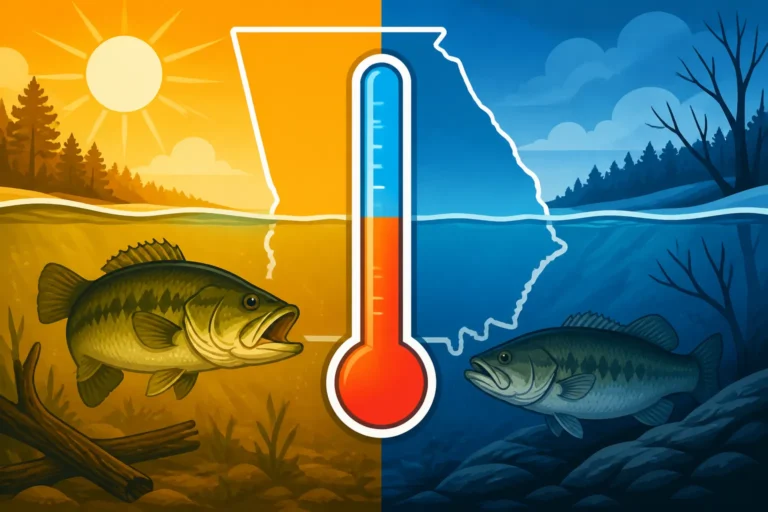
- Winter: Crappie often school tightly in deep holes, near submerged timber, or around warm water discharges (if available). A very slow troll over these concentrated schools can be highly effective. The topic of How Water Temperature Affects Fish Behavior is crucial for year-round crappie success.
Whether you're targeting black crappie or white crappie, understanding their identification and behavior, as covered in guides like Black Crappie Identification: Spots vs Stripes and White Crappie Fin and Spine Count vs Black Crappie, will further enhance your spider rigging strategy. This technique, when mastered, can unlock incredible crappie fishing opportunities across Georgia's diverse waterways, turning those frustrating hide-and-seek days into consistent catching days.
Disclaimer
Fishing regulations, including license requirements, creel limits, and size restrictions, can change. Always consult the latest Georgia Department of Natural Resources (GA DNR) guidelines before heading out on the water. This article is intended for informational purposes only and does not constitute legal advice.