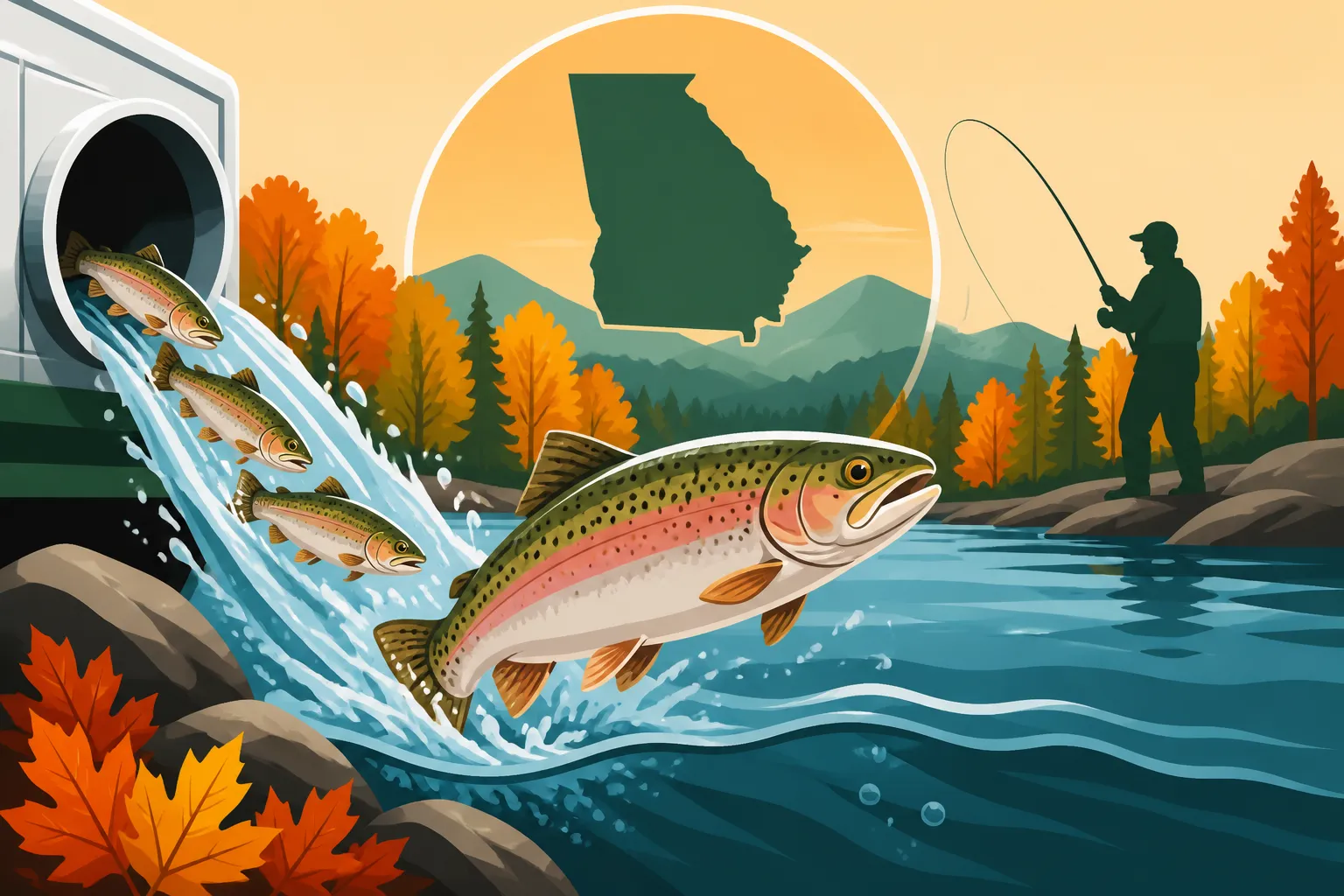
Fall Trout Stocking Season in Georgia
As the summer heat starts to fade and a crisp chill begins to kiss the North Georgia mountains, many anglers mistakenly believe that the prime trout fishing season is winding down. But oh, how wrong they are! This time of year actually ushers in one of the most vibrant and overlooked periods for chasing trout, thanks in no small part to the dedicated efforts of the Georgia Department of Natural Resources. This comprehensive guide will peel back the layers of Georgia's fall trout stocking season, revealing why autumn might just be your new favorite time to hit the water and how to make the most of it.
The Magic of Fall Trout Fishing in Georgia
There's a unique charm to fall trout fishing in Georgia that seasoned anglers cherish and newcomers quickly fall in love with. It's more than just the cooler weather; it's a combination of factors that create an exceptional angling experience.
Why Fall is a Prime Time for Trout
Imagine this: the leaves are ablaze with fiery reds, brilliant oranges, and golden yellows, reflecting off crystal-clear mountain streams. The air is cool and invigorating, and the relentless summer crowds have thinned out, leaving behind a sense of peace and solitude. This isn't just a pretty picture; it's the reality of fall trout fishing. As water temperatures drop from their summer highs, trout, both wild and stocked, become much more active. They're no longer seeking deep, shaded pockets just to survive the heat; instead, they're cruising more freely, actively feeding, and generally feeling much more feisty. This increased activity translates directly into better biting opportunities for anglers.
The cooler water holds more oxygen, which essentially gives the trout a shot of espresso. They regain their energy, making them more willing to chase down a well-presented lure or fly. For those who found summer fishing a bit sluggish, fall is a complete game-changer. Plus, the sheer beauty of the North Georgia landscape in autumn is a reward in itself, turning every fishing trip into a scenic escape. You're not just fishing; you're immersed in a breathtaking natural spectacle.
The Role of Fall Stocking
While spring and early summer often get the most buzz for trout stocking, the Georgia DNR has a robust fall stocking program that many anglers overlook. This isn't just a trickle of fish; it's a continuous effort to replenish popular streams and rivers, ensuring that even as some summer-stocked fish have been caught, there are plenty of new, eager trout ready to bite. These fall stockings are absolutely crucial for maintaining healthy populations in accessible waters, especially those that receive a lot of pressure throughout the year.
The DNR understands that the demand for trout fishing doesn't just vanish after Labor Day. By continuing to stock generously into the autumn months, they extend the season, providing fantastic opportunities for anglers to enjoy the cooler weather and vibrant scenery. Most of these stocked fish are Rainbow Trout, known for their aggressive strikes and spirited fights, making them a blast to catch on light tackle. Sometimes, you'll also find a good number of Brown Trout in the mix, adding a bit of variety to your creel. This commitment to fall stocking means you don't have to put away your gear once the swimming season ends; in fact, it's often when some of the best fishing begins.
Decoding Georgia's Fall Trout Stocking Schedule
One of the biggest frustrations for trout anglers is trying to figure out when and where the fish are being stocked. It's not always a perfectly predictable science, but understanding the DNR's general strategy can significantly boost your success.
Understanding the DNR's Stocking Strategy
The Georgia DNR's trout stocking program is a massive undertaking, with millions of fish released annually across the state. While certain streams are stocked year-round, the intensity and frequency can shift with the seasons. In the fall, the strategy is often focused on keeping popular streams productive, ensuring that public access points remain viable fishing destinations. They aim to spread out the stocked fish, giving everyone a fair shot, but also concentrating efforts on waters that can sustain the fish and attract anglers.
The best way to stay in the loop is to consult the official Georgia Trout Stocking Schedule. This invaluable resource is updated regularly and provides the most current information on which streams are being stocked, and when. Don't rely solely on word-of-mouth; checking the DNR's schedule directly will give you the freshest intel and help you plan your trips more effectively. Keep in mind that stocking can be influenced by weather conditions, water levels, and even hatchery availability, so flexibility is always a good trait for a fall trout angler.
Key Months for Fall Stocking Activity
Generally speaking, the fall stocking season kicks into high gear around September, continues strong through October, and often extends well into November, sometimes even touching December if conditions allow. The exact timing within these months is dictated by water temperatures and the DNR's operational schedule. As the days shorten and the nights grow cooler, the streams become more hospitable for trout, making it an ideal time to introduce new fish.
During these months, you'll often see consistent stocking in many of the same streams that were stocked in spring and summer. The frequency might feel a bit less intense than the absolute peak of spring, but the quality of the fishing often makes up for it. What's more, these fish tend to be a bit more robust and acclimated to the cooler water, leading to stronger fights. To get the most up-to-date notifications, you can often sign up for email alerts from the DNR or follow their social media channels, which can sometimes provide real-time updates when trucks are headed out. Knowing which month to target, or at least which month to start paying close attention, is half the battle won.
Species You'll Encounter in the Fall Stock
When you're out chasing fall trout in Georgia, your most common quarry will be the Rainbow Trout. These beautiful fish, easily identified by the pinkish-red stripe along their sides and speckled bodies, are the workhorses of the stocking program. They're resilient, grow quickly, and are known for their eagerness to strike, making them a favorite for anglers of all skill levels. They fight hard and taste great, making them a top target.
While less numerous than Rainbows, you'll also occasionally encounter Brown Trout in the stocked waters. Brown Trout are generally a bit more elusive and tend to be larger and more wary, offering a greater challenge. They sport distinctive dark spots, often with red halos, against a brownish-gold background. For a deeper dive into these species, check out our guide on Georgia Trout Fishing: Rainbow, Brown, and Brook Trout Explained. Less frequently, you might stumble upon a Brook Trout, though these are Georgia's only native trout species and are typically found in higher-elevation, wilder streams where they reproduce naturally, rather than being a primary stocked species. Regardless of the species, fall trout are usually vibrant and healthy, offering rewarding catches.
| Trout Species | Common Fall Stock | Identifying Marks | Typical Size (Stocked) | Fight/Behavior |
|---|---|---|---|---|
| Rainbow Trout | Very Common | Pink/red stripe, small spots, square tail | 8-14 inches | Aggressive, good fight |
| Brown Trout | Occasional | Dark spots with red halos, some black spots, slightly forked tail | 10-18 inches | Wary, strong fighter |
| Brook Trout | Rare (Native) | Worm-like markings (vermiculation), red/orange spots with blue halos | 6-10 inches | Feisty, prefers cold water |
Top Streams and Rivers for Fall Trout Fishing
Georgia boasts an incredible network of trout waters, but certain streams and rivers consistently shine during the fall stocking season, offering reliable action and stunning scenery. Knowing where to go can significantly improve your chances of a successful outing.
Popular Stocked Streams and Rivers
When the leaves start to turn, some perennial favorites truly come alive. The Toccoa River in Fannin County, particularly the section above Blue Ridge Lake, is a fantastic option. It's regularly stocked and offers both wade fishing opportunities and canoe/kayak access in certain stretches. For more on this gem, see our Toccoa River Trout Fishing in Georgia guide. Another powerhouse is the Chattahoochee River, especially the cold tailwater section below Buford Dam near Atlanta. This stretch remains cold year-round and receives heavy stocking, making it a productive fishery even when other smaller streams might be too warm. Our guide on Chattahoochee River Headwaters Trout Fishing offers excellent insights.
Other notable streams include Amicalola Creek near Dawsonville, Cooper Creek in the Chattahoochee National Forest, and Rock Creek, also in Fannin County, which even has a public fishing area with great access. These streams are chosen for their accessibility, water quality, and ability to hold trout, making them prime targets for the fall stocking trucks. For a broader overview, check out our piece on the Best Trout Streams in Georgia. Always remember that while these spots are popular, they're popular for a reason—they consistently deliver.
Exploring Delayed Harvest Waters in Autumn
Fall is a pivotal time for Georgia's Delayed Harvest (DH) trout streams, as they transition into their special catch-and-release-only regulations, usually starting November 1st and running through May 14th. This period offers some of the absolute best trout fishing in the state. Streams like Amicalola Creek, Chattooga River (section C), Smith Creek at Unicoi State Park, and the Upper Toccoa River (Noontootla Creek section) become havens for larger, healthier trout that have had months to grow without harvest pressure.
During the DH season, you're not just catching recently stocked fish; you're often encountering trout that have been in the stream for a while, growing bigger and wiser. They're still catchable, but they offer a more challenging and rewarding experience. Anglers who prefer fly fishing or artificial lures thrive in these conditions, as the fish tend to be more pattern-oriented. If you're looking for an exceptional, high-quality trout fishing experience without the pressure of keeping fish, targeting a Delayed Harvest stream in the fall is an absolute must. Learn more about these unique waters in our guide to Delayed Harvest Trout Streams in Georgia.
Finding Less-Pressured Spots
While popular stocked streams are great, sometimes you crave a bit more solitude and a chance to truly connect with nature. One way to find less-pressured spots is to explore tributaries flowing into larger, more well-known rivers. Often, stocked trout will disperse from the primary stocking points, moving into these smaller feeder creeks. These spots might require a bit more hiking or bushwhacking, but the reward is often unmolested fish and a peaceful fishing experience.
Another strategy is to fish during weekdays or later in the fall season when hunting seasons draw some anglers away from the streams. Local bait shops, often family-run institutions like the North Georgia Fly Fishing store in Helen or Two Lakes Bait and Tackle in Blue Ridge, are goldmines for real-time, hyper-local intel. They hear from anglers daily and can often point you towards streams that have recently been stocked but aren't getting as much attention. Don't be afraid to drive a little further, or walk a little longer; the effort often pays off in fewer crowds and more pristine fishing.
Essential Gear and Techniques for Fall Trout
Having the right gear and knowing how to use it can make all the difference when you're targeting fall trout. The shift in seasons often means a slight adjustment to your setup and approach.
Recommended Rods, Reels, and Lines
For most fall trout fishing in Georgia, especially on stocked streams, light spinning gear or a versatile fly fishing setup will serve you well. If you're a spin angler, a 5 to 6.5-foot ultralight to light-action rod paired with a small spinning reel (size 1000-2000) is ideal. Spool it up with 4 to 6-pound test monofilament or fluorocarbon line. Monofilament offers a bit of stretch and forgiveness, while fluorocarbon is nearly invisible in the water, which can be a huge advantage in clear fall streams. For the avid fly angler, a 3 to 5-weight fly rod, typically 7.5 to 9 feet long, matched with a corresponding reel and weight-forward floating line, is perfect for casting small flies and nymphs. Our guide to Fly Fishing Gear for North Georgia Trout provides excellent advice on selecting the right setup. The lighter the tackle, the more sporting the fight, and the less likely you are to spook wary trout in clear water.
Best Baits and Lures for Fall Trout
What you tie on your line can make or break your day. Fall trout, especially freshly stocked ones, are often eager biters, but they can also be finicky.
For Spin Fishing:
Newly stocked trout often respond well to prepared baits like PowerBait in colors like neon green, yellow, or rainbow. Small, inline spinners such as Mepps Aglias or Panther Martins in gold, silver, or black are incredibly effective, especially when fished upstream and allowed to drift back down. Small spoons like a 1/8 oz Kastmaster can imitate fleeing baitfish. Additionally, small artificial grubs or micro-jerkbaits can entice a strike, particularly in larger pools. You can find a huge variety of these baits and lures on Amazon, making it easy to stock up before your trip.
For Fly Fishing:
In the fall, flies that mimic aquatic insects are usually your best bet. Woolly Buggers (black, olive, or brown) are versatile and can imitate anything from a baitfish to a large insect larva. Squirmy Wormies or San Juan Worms are excellent attractor patterns, especially after rain when natural worms are washed into the stream. Various nymph patterns like Pheasant Tail Nymphs, Prince Nymphs, and Caddis Larva imitations are productive when fished under a strike indicator or by high-sticking. As the water cools further, don't shy away from small egg patterns, as trout are opportunistic feeders. For specific recommendations, check out our guide on the Best Flies for Trout Fishing in Georgia.
Effective Fall Fishing Techniques
Successful fall trout fishing often comes down to adapting your techniques to the conditions and the trout's behavior.
Drifting Natural Baits: For freshly stocked trout, drifting live worms, crickets, or even corn (where permitted) under a small bobber or with minimal weight is incredibly effective. The goal is to present the bait naturally, letting it tumble along the bottom or drift with the current. This technique mimics the way natural food sources move through the water.
Casting and Retrieving Lures: When using spinners or spoons, cast upstream and retrieve just fast enough to get the blade spinning or the spoon wobbling. Focus your casts on current seams, the edges of pools, around submerged logs, or behind large rocks—anywhere a trout might be holding out of the main current, waiting for an easy meal. Vary your retrieve speed until you find what the fish are keying into.
Reading the Water: This is perhaps the most crucial skill. Trout, especially in clear fall water, are masters of camouflage and current. Look for subtle changes in current speed, deeper pools where fish can hide, undercut banks that provide shelter, and eddies where food might collect. Learning to Read Water for Trout Fishing is an ongoing process, but in the fall, those clear waters give you a better chance to see what's happening beneath the surface, allowing you to visually identify potential holding spots. Patience and stealth are your allies; approach quietly, make accurate casts, and pay attention to every twitch of your line.
Navigating Regulations and Conservation in Fall
Being a responsible angler means more than just catching fish; it means understanding and respecting the rules that protect our fisheries for everyone to enjoy, both now and in the future.
Licensing Requirements and Add-ons
Before you even think about wetting a line in Georgia's trout waters, you need to ensure you have the proper licensing. Every angler aged 16 and older is required to possess a valid Georgia Fishing License Guide. This is your basic entry ticket. However, if your sights are set on the designated mountain trout waters of North Georgia, you'll also need a specialized add-on: the Mountain Trout License Add-On in Georgia. This additional license supports the extensive trout stocking and management programs in these specific areas.
It’s crucial to understand these requirements, as wardens do patrol, especially in popular trout fishing spots. Penalties for fishing without the correct licenses can be steep, ranging from fines to confiscation of gear. The process for obtaining these licenses is straightforward and can often be done online through the Georgia DNR website, at local bait shops, or even by phone. Don't let a simple oversight ruin your fishing trip; always double-check your licensing before you head out.
Understanding Creel and Size Limits
Beyond just having a license, it’s vital to be aware of the specific creel limits (how many fish you can keep) and size limits (how long a fish must be to be kept) that apply to the waters you're fishing. General trout waters in Georgia typically have a daily creel limit of eight trout. However, there are numerous exceptions, especially in special regulation waters and particularly the Delayed Harvest streams during their designated catch-and-release periods.
For instance, some streams might have specific minimum size limits for certain trout species, or even slot limits where only fish within a certain size range can be kept. It’s imperative to check the Georgia DNR fishing regulations booklet or their website for the most up-to-date and location-specific rules. Ignorance of the law is not an excuse, and violating these limits can result in significant fines. Our article on Daily Creel Limits for Trout in Georgia can provide more detailed information, but always verify for your specific location. These regulations are in place to ensure sustainable fishing and healthy fish populations, so doing your part is essential.
Practicing Catch and Release
While many stocked trout are destined for the dinner table, practicing responsible catch and release, especially for larger wild fish or in designated Delayed Harvest sections, is a hallmark of a conservation-minded angler. Trout, particularly in colder fall waters, are generally more resilient to the stress of being caught, but proper handling is still key to their survival.
Here are a few tips:
- Use Barbless Hooks: These make hook removal much easier and quicker, reducing stress and injury to the fish. You can easily pinch down the barbs on most hooks with a pair of pliers.
- Minimize Handling: Try to keep the fish in the water as much as possible. If you must handle it, do so with wet hands to protect its delicate slime coat, which is its primary defense against disease.
- Quick Release: Don't prolong the fight or keep the fish out of water for extended photo ops. Get it back into the stream quickly.
- Revive Gently: If a fish seems sluggish, hold it upright in a calm current, facing upstream, allowing water to flow over its gills until it regains its strength and can swim away on its own.
- Dehooking Tools: Keep a pair of hemostats or long-nosed pliers handy for quick and easy hook removal, especially when a fish is deeply hooked.
By adhering to these practices, you contribute to a healthier fishery, ensuring that other anglers (and yourself!) can enjoy catching those fish another day.
Making the Most of Your Autumn Trout Adventure
Beyond the fishing itself, a fall trout trip to Georgia is an experience that engages all your senses. To truly savor it, a little preparation goes a long way.
Dressing for Success in Cooler Weather
The crisp fall air in North Georgia can be deceptive. While the midday sun might feel pleasant, mornings and evenings can be quite chilly, and getting wet from wading or a sudden shower can lead to discomfort. The key to staying comfortable is layering. Start with a moisture-wicking base layer against your skin. Add an insulating middle layer, like a fleece or wool sweater. Your outer layer should be waterproof and windproof – a good quality rain jacket is invaluable.
Don't forget your extremities! A warm hat will prevent significant heat loss, and waterproof gloves or fingerless fishing gloves will keep your hands nimble and warm. Waders are almost a non-negotiable for serious trout anglers, keeping you dry and insulated from the cold stream water. Many excellent layering options and waterproof gear from trusted brands like Simms or Orvis can be found on Amazon, making your fall trips much more comfortable and enjoyable. Being prepared for varying temperatures means you can focus on fishing, not shivering.
Preparing for a Full Day on the Water
A successful and enjoyable fishing trip isn't just about what you catch; it's also about having everything you need to be self-sufficient and comfortable for hours on the stream. Pack plenty of food and water to stay energized and hydrated. A good insulated water bottle or a small thermos with hot coffee or tea can be a real morale booster on a cold morning.
Consider bringing a small first-aid kit with essentials like bandages, antiseptic wipes, pain relievers, and any personal medications. A map of the area or a reliable GPS device is also wise, especially if you plan to explore lesser-known stretches. If you intend to keep your catch, a small, portable cooler with ice will ensure your trout stay fresh until you get them home. A good insulated cooler from Yeti or RTIC (also available on Amazon) can make a big difference in preserving your catch, ensuring that delicious fall trout makes it to your dinner plate in prime condition. Don't forget bug spray, even in fall, as late-season gnats can sometimes still be annoying.
Enjoying the Scenery and Serenity
Beyond the thrill of the catch, one of the greatest gifts of fall trout fishing in Georgia is the unparalleled beauty of the natural surroundings. The North Georgia mountains are world-renowned for their autumn foliage, and being immersed in that vibrant landscape while pursuing your passion is an experience that truly nourishes the soul. The quiet solitude of a mountain stream, broken only by the sound of rushing water and the rustle of leaves, offers a profound sense of peace.
Take moments throughout your day to simply pause, breathe in the crisp air, and admire the breathtaking tapestry of colors around you. Even if the fish aren't biting every minute, the act of being present in such a stunning environment is its own reward. It's a chance to disconnect from the daily grind and reconnect with nature. Remember, fishing is about more than just numbers; it's about the entire experience, and fall in Georgia delivers an unforgettable one.
Disclaimer
Please note that fishing regulations, stocking schedules, and license requirements are subject to change by the Georgia Department of Natural Resources. Always consult the official Georgia DNR website or current fishing guide for the most up-to-date information before planning your fishing trip. This guide is for informational purposes only and does not constitute legal advice.