Georgia’s Trout Stocking Schedule Explained
It can be incredibly frustrating to plan a trout fishing trip in Georgia, only to arrive at your favorite stream and find the fishing slow or completely dead. You might have heard whispers about stocking schedules, but actually pinning down concrete, up-to-date information often feels like trying to catch a greased hog. Don't worry, you're not alone in that struggle. This comprehensive guide is here to unravel the mysteries of Georgia's trout stocking program, helping you understand when, where, and why trout are stocked, so you can plan your next angling adventure with confidence.
Understanding Georgia's Trout Stocking Program
Georgia might be known for its stunning mountain scenery, but it's also a fantastic destination for trout fishing, largely thanks to a robust stocking program. Without these efforts, many of our favorite streams simply wouldn't support the vibrant trout populations that draw anglers from all over. It’s more than just dumping fish into a river; it's a carefully orchestrated plan designed to provide consistent angling opportunities.
Why Stocking is Essential for Georgia Anglers
Let's be real, a lot of Georgia's trout waters, especially those in the lower elevations or with less consistent cold water flows, just don't have the natural conditions to sustain a thriving, reproducing wild trout population year-round. Summers can get brutally hot, reducing oxygen levels and stressing fish. This is where stocking becomes an absolute game-changer. The Georgia Department of Natural Resources (DNR) steps in to supplement these waters with hatchery-raised trout, ensuring that even when natural reproduction might be struggling, there are still plenty of fish for anglers to pursue. It creates a "put-and-take" fishery in many areas, meaning fish are stocked with the expectation that they will be caught.
This proactive approach means more fish for more people, spreading out the angling pressure and giving everyone a better chance at a successful outing. Imagine if we only relied on wild trout; the sheer number of anglers would quickly decimate populations in easily accessible areas. Stocking helps balance this demand, making trout fishing a more accessible and enjoyable pastime for beginners and seasoned pros alike across a wider range of Georgia's waterways. It's truly a critical component of maintaining our state's reputation as a top fishing destination.
Who Manages the Stocking Schedule?
The Georgia Department of Natural Resources (DNR), specifically their Wildlife Resources Division (WRD) Fisheries Management Section, is the dedicated team behind all these stocking efforts. These folks are the unsung heroes of Georgia trout fishing, working tirelessly to raise, transport, and release hundreds of thousands of trout each year. They operate several state-run hatcheries, like the Burton Hatchery, Summerville Hatchery, and McNally Hatchery, which are specifically designed to produce robust, healthy trout ready for release into public waters.
Their work involves a lot more than just scooping fish out of a tank. They monitor water temperatures, stream flows, and angler usage patterns to determine the optimal timing and locations for stocking. Environmental factors play a huge role; if a stream is running too low or the water is too warm, stocking might be delayed to ensure the fish have the best chance of survival and anglers have a good experience. This dynamic management means the schedule can sometimes shift, which, while occasionally frustrating for us anglers, is always done with the health of the fish and the quality of the fishery in mind. They're doing their best to keep trout in front of us, even when Mother Nature throws a curveball.
Types of Trout Stocked in Georgia
When we talk about trout in Georgia, we're primarily looking at three species, all of which are stocked to varying degrees: Rainbow, Brown, and Brook Trout. Each of these species brings something a little different to the angling experience, and understanding their characteristics can help you tailor your approach. For a deeper dive into these species, you can check out our comprehensive guide on Georgia Trout Fishing: Rainbow, Brown, and Brook Trout Explained.
Rainbow trout are by far the most commonly stocked species in Georgia. They're popular because they're hardy, grow relatively quickly, and are known for their aggressive bites and spirited fights, making them a favorite among anglers of all skill levels. You'll find rainbows in most of Georgia's stocked streams and lakes. Brown trout are also stocked, though often in fewer numbers than rainbows. These fish are a bit more elusive and wary, making them a prized catch for experienced anglers. They can grow to impressive sizes and are often found in larger rivers and lakes. While not as commonly stocked in "put-and-take" fisheries, they are still a significant part of the state's trout ecosystem.
Finally, we have brook trout, Georgia's only native trout species. While native brook trout are a conservation priority and are found in the most pristine, high-elevation headwater streams, some brook trout are also stocked. These smaller, beautifully colored fish are a joy to catch, often found in smaller, colder streams where they thrive. The DNR's stocking strategy ensures a diverse fishery, providing different challenges and rewards depending on where and when you choose to cast your line.
The Annual Trout Stocking Schedule Breakdown
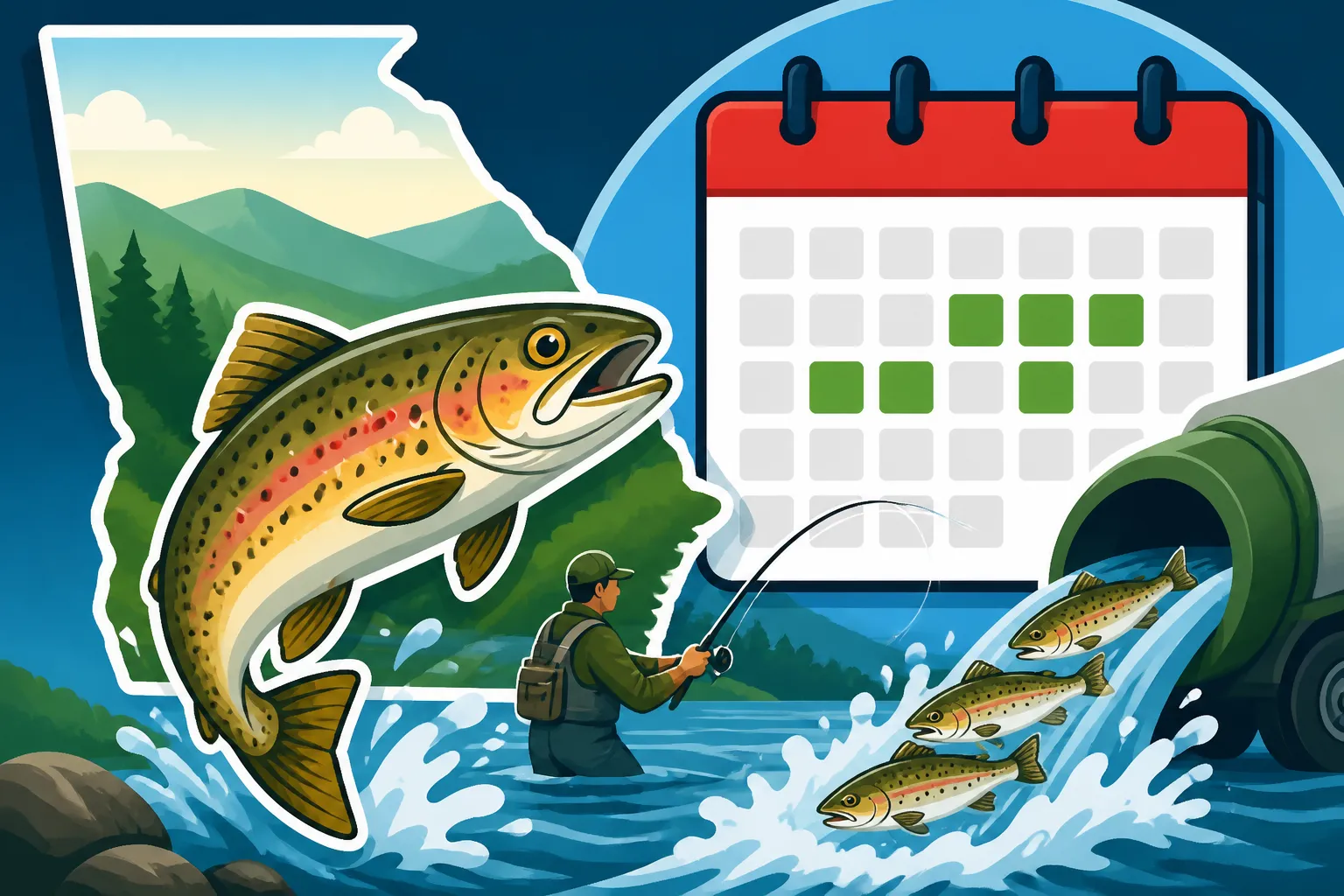
Georgia's trout stocking isn't a continuous, unchanging event; it fluctuates throughout the year, largely dictated by water temperatures and angler demand. Knowing these seasonal patterns is key to planning a successful trip. The DNR publishes an updated schedule, and understanding the general flow can save you a lot of guesswork.
Spring Stocking: March, April, and May Surge
Spring is prime time for trout stocking in Georgia, hands down. As the winter chill recedes and streams begin to warm, but before the scorching summer heat sets in, conditions become ideal for releasing large numbers of trout. This is when the stocking really kicks into high gear, often starting in March and continuing with a vengeance through April and May. If you're wondering When Trout Stocking Starts in Georgia Each Year, it's typically in early spring.
During these months, you'll find an abundance of freshly stocked trout in many of Georgia's designated trout streams and public fishing areas. The water is usually at optimal temperatures, and the fish are active and hungry after being released from the hatcheries. This makes for some of the easiest and most consistent trout fishing opportunities of the year, perfect for families, beginners, and anyone looking for a high-action day on the water. Streams like the Toccoa River, Amicalola Creek, and sections of the Chattahoochee River receive frequent stockings during this period, turning them into angler hotspots.
Anglers flock to these waters during the spring surge, so expect some crowds, especially on weekends and right after a reported stocking. However, the sheer volume of fish released often means there's plenty of opportunity for everyone. It's a fantastic time to experiment with different baits and lures, as the newly introduced trout are often eager to bite.
Summer Stocking: Keeping Streams Cool and Productive
As Georgia transitions into the hot summer months, the stocking schedule shifts considerably. Many streams simply become too warm to safely release trout, as high water temperatures can stress and even kill the fish. However, the DNR doesn't just hit pause entirely. Instead, they focus their efforts on waters that maintain consistently colder temperatures throughout the summer. This typically means higher elevation streams and certain tailwater fisheries, like the Chattahoochee River below Buford Dam, which benefit from cold water releases from deep reservoirs. If you're curious about How Often Georgia's Trout Streams Are Stocked in Summer, you'll notice it's less frequent and more targeted.
During summer, anglers should pay close attention to the specific water temperature reports and stocking updates. Fishing for stocked trout in warm water can be detrimental to the fish, even if you plan to release them. It's generally best to target these cooler waters or fish early in the morning before the sun really heats things up. The DNR prioritizes the welfare of the fish, so if conditions aren't right, they'll adjust the schedule accordingly, moving fish to more suitable locations or holding them at the hatcheries until conditions improve.
This period offers a different kind of challenge, rewarding anglers who seek out the colder, less-frequented stretches. While the sheer numbers might not match the spring frenzy, the fish that are stocked in summer are often just as eager to bite, providing a welcome escape from the heat and a chance to enjoy the serene beauty of Georgia's cooler mountain streams.
Fall Stocking: A Welcome Return to Cooler Waters
Ah, fall. After the long, hot summer, the cooler temperatures of autumn bring a renewed vigor to Georgia's trout stocking program. This season is a favorite for many trout anglers, and for good reason. As stream temperatures drop back into optimal ranges, the DNR once again ramps up stocking efforts across a wider array of streams and rivers. The fish are active, the leaves are changing, and the crowds from spring and early summer often thin out a bit. For more detailed information on Georgia's Fall Trout Stocking Timing, it generally starts strong in September and can continue well into November.
The fall stocking schedule often mirrors the spring, with many popular streams receiving regular deliveries of healthy trout. These fish, like their spring counterparts, are typically aggressive feeders, making for excellent fishing. Plus, the crisp autumn air and stunning fall foliage add an extra layer of enjoyment to the experience. It’s a perfect time to take a scenic drive into North Georgia, combine a leaf-peeping tour with a productive day on the water, and enjoy the beauty of the outdoors.
Many anglers find fall to be an incredibly rewarding season for trout fishing. The fish are lively, the weather is pleasant, and the scenery is simply breathtaking. It’s an ideal time to introduce new anglers to the sport or to simply enjoy a peaceful day on the water, knowing that the DNR has recently ensured a fresh supply of eager trout.
Winter Stocking: Limited Opportunities
Winter in Georgia, especially in the northern parts of the state, can present some unique challenges for trout fishing. While some of our mountain streams can get quite cold, the stocking program during these months is generally much more limited compared to spring and fall. The cold water can make trout less active, and weather conditions can make access to certain streams difficult or even dangerous.
However, "limited" doesn't mean "non-existent." The DNR will still conduct stockings in specific locations, often in milder areas or in streams that remain more accessible throughout the colder months. Tailwater fisheries, like the Chattahoochee, continue to be good bets as their water temperatures are more stable. Anglers who brave the chill can often find some excellent, less-pressured fishing during this time. The key is to check the stocking schedule meticulously and be prepared for colder conditions.
Often, the trout stocked in late fall can carry over into the winter, providing a sustained fishery. While you might not see weekly updates for every stream, there are still opportunities for dedicated anglers to find success. It's a season that rewards patience and a willingness to adapt, often leading to a more solitary and peaceful angling experience than the bustling spring and fall months.
How to Access and Interpret the Stocking Schedule
Finding the stocking schedule might seem daunting at first, but with a few pointers, you'll be a pro at tracking down the latest releases. Trust me, staying informed is half the battle when it comes to consistently catching stocked trout.
Official Sources for Up-to-Date Information
The absolute best and most reliable place to get the Georgia trout stocking schedule is directly from the source: the Georgia Department of Natural Resources (DNR) Wildlife Resources Division website. They maintain a dedicated page that lists the streams and lakes that have been stocked, along with the date of the stocking and sometimes even the species and number of fish released. Don't waste your time sifting through forums or unverified social media posts; always go to the official DNR site first.
Beyond their website, the DNR also often uses its social media channels (like Facebook) to announce major stockings or provide updates, especially during peak seasons or if there are unexpected changes due to weather. Some local bait and tackle shops in popular trout fishing areas also stay very current with the schedule, so don't hesitate to give them a call. They're often on the ground, seeing the trucks roll in, and can offer invaluable local insights that the online report might not capture, like specific access points or recent water conditions.
It's a good habit to bookmark the official DNR stocking page on your phone or computer. Before heading out on a trip, a quick check can make all the difference, confirming if your target stream has recently been refreshed with trout. This real-time information is your best friend for maximizing your chances of a successful day.
Tips for Reading the Stocking Report
When you pull up the official Georgia DNR trout stocking report, it might look like a simple list, but there are a few nuances to understand to get the most out of it. First, pay close attention to the dates. The report typically shows recent stockings, often within the last week or two. The fresher the stocking date, the higher your chances of encountering actively feeding fish. Keep in mind that "freshly stocked" fish can be aggressive, making them easier to catch initially.
Next, look at the specific stream or lake names. Sometimes, the DNR will stock different sections of a longer river at different times. For example, the Chattahoochee River might be stocked in its headwaters above Atlanta one week, and then a different stretch downstream the next. Knowing which specific section received fish is crucial. Also, note the species if it's listed. While most stockings are rainbows, occasionally browns or brookies will be included, which might influence your bait or lure choice.
Finally, think about the frequency. If a particular stream is being stocked weekly or bi-weekly during peak season, it’s a good indicator of a robust put-and-take fishery designed for consistent angler success. If a stream only gets stocked once or twice a season, you’ll want to time your visit very carefully after those specific dates. A quick glance at the historical data can sometimes give you a sense of a stream's typical stocking pattern, helping you anticipate future releases.
| Season | Typical Stocking Frequency | Key Considerations | Popular Streams/Areas |
|---|---|---|---|
| Spring | High (Weekly/Bi-weekly) | Optimal water temps, high angler traffic. Fish are aggressive. | Toccoa River, Amicalola Creek, Chattahoochee River (upper) |
| Summer | Low (Targeted to cold waters) | Focus on high-elevation or tailwater streams. Early mornings best. | Chattahoochee River (below Buford Dam), Tallulah River |
| Fall | High (Weekly/Bi-weekly) | Cooler temps return, active fish, beautiful scenery. | Broad River, Chestatee River, Etowah River |
| Winter | Very Low (Sporadic) | Limited to milder periods/areas, less active fish. Fewer crowds. | Chattahoochee River (below Buford Dam), mild PFA ponds |
The Importance of Timeliness
When it comes to fishing for stocked trout, timeliness is absolutely everything. These fish, having just been released from a hatchery environment, are often initially disoriented and incredibly hungry. This means the first few days, sometimes even just the first 24-48 hours, after a stocking can offer some of the most phenomenal fishing opportunities. The trout are less wary and more prone to taking a wide variety of baits and lures.
However, this golden window doesn't last forever. As the days pass, the trout either get caught, move upstream or downstream, or become more acclimated to their new environment, making them harder to fool. The fishing pressure also tends to be highest right after a stocking, so if you can manage a weekday trip immediately following a release, you'll often have a better experience with fewer crowds and more eager fish. That's why constantly checking the Georgia DNR stocking schedule, which covers Georgia's Trout Stocking Schedule From March to October, is such a game-changer.
Planning your trip to coincide as closely as possible with a stocking date can dramatically increase your success rate. It's a strategic move that veteran anglers employ to consistently put fish in the net. While you can certainly catch trout weeks after a stocking, the "fresh" fish bite is a unique and often unforgettable experience.
Popular Stocked Trout Streams and Lakes in Georgia
Georgia is blessed with an abundance of fantastic waterways, and many of them receive regular trout stockings, creating vibrant fisheries for anglers. Knowing which spots are reliable can save you a lot of driving around and guesswork.
North Georgia's Premier Trout Destinations
North Georgia is, without a doubt, the heartland of trout fishing in the state. Its rugged mountains, dense forests, and countless cold-water streams provide the perfect habitat for trout, both wild and stocked. When the DNR is stocking, many of these streams are at the top of their list for regular releases. You can find a more comprehensive list of these incredible places in our guide to the Best Trout Streams in Georgia.
The Toccoa River is one such legendary spot, particularly the section downstream from Lake Blue Ridge Dam. This tailwater fishery maintains consistently cold temperatures, making it a prime candidate for year-round stocking, even into the summer months when other streams might be too warm. It’s a popular spot for both conventional spin fishing and fly fishing, offering ample public access points. Similarly, the headwaters of the Chattahoochee River in North Georgia, before it winds its way down to Atlanta, receive significant stocking efforts. These pristine upper sections offer a beautiful backdrop for a day of trout fishing.
Other perennial favorites include Amicalola Creek, known for its accessibility and consistent stocking, making it an excellent choice for families and beginners. Dukes Creek, while partly managed as a trophy-trout, catch-and-release stream, also sees stocking in its public sections. These premier destinations are well-known for a reason: they consistently offer excellent opportunities to catch hatchery-raised trout, especially when the stocking schedule aligns with your visit.
Lesser-Known Gems and Public Fishing Areas
While the big-name rivers certainly get a lot of attention, Georgia also boasts a network of "Public Fishing Areas" (PFAs) and smaller, often overlooked streams that receive regular trout stockings. These can be fantastic options if you're looking to avoid the crowds that sometimes flock to the more famous spots, or if you simply want a different kind of angling experience.
PFAs like Lake Russell PFA and Unicoi State Park often have designated trout ponds or streams that are managed specifically for public fishing. These areas are usually well-maintained, offer easy bank access, and are frequently stocked, making them perfect for a relaxing day with the family or for introducing kids to fishing. They provide a safe and controlled environment where success rates are often high.
Beyond the PFAs, there are numerous smaller creeks and tributaries throughout North Georgia that, while not as widely publicized, still get their share of stocked trout. These can be a bit more challenging to find and access, often requiring a good map and some exploratory spirit, but the reward is usually a more serene and less crowded fishing experience. Keep an eye on the DNR's stocking reports for these smaller, specific creek names, as they often pop up during peak stocking seasons. Don't be afraid to explore, you might just find your new favorite secret spot!
How Stocking Enhances These Waters
The trout stocking program fundamentally transforms many of Georgia's waterways into dynamic and productive fisheries. For streams that might otherwise struggle to support robust trout populations due to habitat limitations, fluctuating water temperatures, or high angling pressure, stocking provides a critical lifeline. It ensures a consistent supply of fish, creating what are often referred to as "put-and-take" fisheries where the primary goal is to provide recreational angling opportunities. This means that if you're fishing a stocked stream, the expectation is that you'll have a good chance of catching fish.
Beyond simply increasing numbers, stocking also enhances the angler experience by distributing fish across a wider geographical area. This helps to reduce pressure on wild trout populations in more sensitive, pristine streams, allowing those delicate ecosystems to thrive naturally. By focusing stocking efforts on easily accessible public waters and specific stretches of rivers, the DNR makes trout fishing accessible to a broader demographic, from seasoned fly fishers to families with young children eager to catch their first fish. It’s an investment in recreation, ensuring that the joy of trout fishing remains a vibrant part of Georgia's outdoor heritage for everyone.
Best Practices for Fishing Stocked Trout
Catching stocked trout isn't always as simple as dropping a line in the water, even if they are hungry. There are strategies and techniques that can dramatically improve your success, and being prepared with the right gear is a big part of that.
Gear and Bait Recommendations
When you're targeting stocked trout in Georgia, simplicity often reigns supreme, especially if the fish have just been released. You don't need highly specialized, expensive gear to have a successful day. A light to ultra-light spinning rod and reel combo, typically in the 5-6 foot range, spooled with 4-6 pound test monofilament or fluorocarbon line, is generally perfect. This setup allows for sensitive feel, delicate presentations, and still has enough backbone to handle a feisty trout.
For bait, stocked trout often respond well to a variety of options. PowerBait, Berkley Gulp! Trout Bait, and corn are perennial favorites, as these hatchery-raised fish have often been fed similar pelleted food and associate these scents and colors with meals. Small inline spinners like Rooster Tails or Mepps, in sizes #0 to #2, are incredibly effective, as are small spoons such as Thomas Buoyant or Phoebe. These lures mimic small baitfish or insects and attract aggressive strikes. You can find a great selection of these on Amazon, often at competitive prices. For a deeper dive into what works, explore our guides on Best Lures for Stocked Trout and Best Bait for Stocked Trout.
Live bait like red worms, mealworms, or small crickets can also be deadly, especially when drifted naturally through deeper pools or runs. Always remember to check local regulations on bait use, as some streams, particularly certain trophy or delayed harvest sections, may have restrictions. Having a small tackle box stocked with a variety of these proven options will prepare you for almost any situation when targeting Georgia's stocked trout.
Techniques for Freshly Stocked Waters
Fishing for freshly stocked trout requires a slightly different approach than targeting wild, wary fish. These hatchery-reared trout are often less educated and more aggressive, having just been released into a new environment. This means you can often be a bit more direct with your presentation. One highly effective technique is to simply drift natural baits, like powerbait or worms, under a small bobber or with minimal weight through current seams, pools, and eddies. The goal is to present the bait naturally as it flows downstream, mimicking food washed into the water.
When using lures, focus on casting upstream and retrieving downstream, allowing the current to help impart a natural action to your spinner or spoon. Keep your retrieve speed consistent, just fast enough to get the lure's blade spinning or spoon wobbling. Many anglers also find success by targeting the deeper pools or slower moving sections of a stream, as newly stocked trout will often congregate in these areas seeking refuge and food. Don't be afraid to cover water; if you're not getting bites in one spot, move a little further along the stream.
Remember that these fish are often concentrated, so if you catch one, there are likely more in the immediate vicinity. Keep your senses alert for any signs of fish activity, like splashes or rises, and adjust your approach accordingly. Often, a gentle approach and quiet movements along the bank will pay dividends, as even "uneducated" stocked trout can be spooked by sudden movements or loud noises.
Respecting the Resource: Catch and Release vs. Harvest
When fishing for stocked trout in Georgia, it’s important to understand the concept of “put-and-take” fisheries, which form the backbone of the stocking program. The primary purpose of stocking in many of these areas is to provide recreational opportunities for anglers to harvest fish for their dinner table. Unlike wild trout populations, which rely on natural reproduction and are often managed with strict catch-and-release rules to protect their genetic integrity, stocked trout are specifically raised to be caught and kept within legal limits.
However, that doesn't mean you have to keep every fish you catch. Many anglers choose to practice catch and release, even with stocked trout, for various reasons: perhaps they've already filled their creel limit, prefer not to eat trout, or simply enjoy the thrill of the catch without the harvest. If you do practice catch and release, especially if you're handling fish caught on Amazon-bought barbless hooks, it's crucial to do so responsibly. Minimize handling time, keep the fish in the water as much as possible, and use wet hands to protect their slime coat.
Always be mindful of the daily creel limits and size restrictions, which can vary by stream and season. These regulations are in place to ensure a sustainable fishery for everyone. Whether you choose to harvest or release, exercising good sportsmanship and respecting the fish and the environment are paramount to enjoying Georgia's abundant trout fishing opportunities.
Beyond the Stocked Trout: Wild Trout and Delayed Harvest
While stocked trout provide incredible opportunities, Georgia also offers diverse trout fishing experiences that extend beyond the "put-and-take" model. Understanding these other facets can open up a whole new world for the adventurous angler.
Differentiating Stocked from Wild Trout Opportunities
It's a common misconception that all trout in Georgia streams are stocked. While the stocking program is vital, Georgia is also home to incredible wild trout populations, particularly native brook trout, but also wild rainbows and browns in the more pristine, high-elevation headwaters. The key difference lies in their origins and their management. Wild trout are born and raised in the stream, having successfully reproduced without human intervention. These fish are typically much warier, harder to catch, and often smaller, but they offer a truly rewarding challenge.
Fishing for wild trout is often about seeking solitude in remote wilderness areas, honing your presentation skills, and appreciating the delicate balance of a natural ecosystem. These streams are usually managed with stricter regulations, often requiring catch-and-release and artificial lures only, to protect their self-sustaining populations. On the other hand, stocked trout, as discussed, are hatchery-raised and provide more consistent, albeit sometimes less challenging, angling opportunities in more accessible waters. Recognizing the difference, both in appearance (wild trout tend to be more brightly colored, with cleaner fins) and in behavior, can help you appreciate the rich diversity of Georgia's trout fisheries.
Many anglers cherish the opportunity to pursue both, using stocked waters for a high-action day and venturing into wild trout streams for a more contemplative, challenging experience. It's about choosing the right adventure for your mood and skill level, knowing that Georgia has something for every trout enthusiast.
Exploring Delayed Harvest Trout Streams
Georgia's Delayed Harvest (DH) trout streams represent a fantastic middle ground between heavily stocked "put-and-take" fisheries and purely wild trout waters. These are specific sections of streams that receive heavy stockings of trout in the fall, but then operate under strict catch-and-release regulations with artificial lures only during the cooler months, typically from November 1st to May 14th. This allows the fish to acclimate to the stream, grow, and become more challenging to catch as they "wise up" to angler presentations. For detailed regulations, you can check out Delayed Harvest Trout Regulations in Georgia or learn more about What is delayed harvest trout fishing in Georgia?.
During the DH season, these streams become incredibly popular among fly fishers and spin anglers who enjoy the challenge of targeting larger, more educated trout without the pressure of having to keep them. It's a fantastic opportunity to practice your technique and enjoy high catch rates of healthy, vibrant fish. Popular DH streams in Georgia include the Amicalola Creek (lower section), Chattooga River (section below Burrells Ford Bridge), and a portion of the Toccoa River.
Once May 15th rolls around, these DH streams revert to general trout regulations, meaning you can then keep fish within the daily creel and size limits. This seasonal shift provides a unique opportunity to experience the same body of water under two very different sets of rules and angling conditions, catering to a wide range of preferences and skill sets throughout the year.
The Role of Conservation in Trout Fishing
Conservation is not just a buzzword; it's the very foundation that allows us to enjoy trout fishing in Georgia, whether we're targeting stocked or wild fish. Every stocking schedule, every regulation, and every research project undertaken by the Georgia DNR is rooted in the principle of sustainable resource management. This means ensuring that there are fish for us to catch today, and for future generations to enjoy tomorrow.
For stocked fisheries, conservation involves the meticulous management of hatchery operations to produce healthy fish efficiently, and strategic stocking decisions that prevent negative impacts on wild populations. For wild trout, conservation is about protecting and restoring their delicate habitats – ensuring clean, cold water, preserving stream bank vegetation, and managing land use in watersheds. As anglers, we play a crucial role in this effort. Adhering to creel and size limits, using proper catch-and-release techniques when appropriate, cleaning up litter, and reporting violations are all ways we contribute to the health of our fisheries.
Furthermore, a significant portion of the funding for these conservation efforts comes directly from the sale of fishing licenses and trout stamps. So, when you purchase your Georgia Fishing License Guide or a specific trout add-on, you're directly investing in the future of trout fishing in Georgia. It’s a collective responsibility that ensures the enduring quality of our outdoor experiences.
Common Misconceptions and Troubleshooting
Even with the best information, trout fishing can throw you some curveballs. Let's tackle some common frustrations and clear up a few misconceptions about the stocking schedule.
Why the Schedule Might Change Unexpectedly
It's happened to all of us: you check the stocking schedule, plan your trip for a specific stream, and then suddenly, the report changes, or your anticipated stocking never materializes. It's frustrating, but there are very legitimate reasons why the Georgia DNR sometimes has to make last-minute adjustments. The primary culprits are usually environmental factors beyond anyone's control. Prolonged heavy rains can cause streams to blow out, making them high, muddy, and unsafe for stocking trucks and anglers. In such conditions, releasing fish would be counterproductive, as they would struggle to survive and would be nearly impossible for anglers to catch.
Conversely, periods of drought or unusually hot weather can lead to critically low water levels and dangerously high water temperatures, especially in summer. Trout need cold, oxygenated water to thrive, and stocking fish into warm, stagnant conditions would likely result in high mortality rates. In these scenarios, the DNR will wisely delay stockings until conditions improve, often re-routing trucks to more suitable waters or holding fish longer at the hatcheries. Hatchery issues, though rare, can also play a part. Equipment malfunctions or unexpected fish health concerns at a hatchery might temporarily reduce the available stock.
While these changes can disrupt your plans, remember that the DNR's priority is the health of the fish and the sustainability of the fishery. They're not trying to be difficult; they're simply responding to Mother Nature and doing their best to ensure the success of the program. Patience and flexibility are key virtues for the Georgia trout angler!
Dealing with Crowds on Stocking Days
Let's be honest, everyone wants to be there when the fish are biting, and "stocking day" can sometimes feel like a well-kept secret that everyone knows. If you've ever arrived at a popular stream right after a stocking, you've probably seen a dozen or more anglers lined up along the banks. It can be a little disheartening when you're looking for a peaceful day on the water, but with some strategic thinking, you can still have a great experience.
First, consider timing. If you can manage a weekday outing instead of a weekend, you'll almost always encounter fewer people. Also, try to get there early in the morning, right at dawn. Many anglers show up later in the day, so that early bird often gets the worm – and the best spot! If a specific popular spot is packed, don't be afraid to explore upstream or downstream a bit. Stocked trout often disperse quickly, and you might find a less pressured stretch just a short walk away.
Another trick is to target less popular, though still regularly stocked, streams. While the Toccoa and Chattahoochee get a lot of love, smaller creeks or public fishing area ponds can offer excellent opportunities with fewer crowds. Patience and courtesy go a long way; share the water, be mindful of casting space, and remember that everyone is out there to enjoy themselves. A little planning can help turn a potentially crowded day into a perfectly pleasant and productive one.
The Impact of Weather and Water Conditions
Weather and water conditions are arguably the biggest wild cards in trout fishing, and they have a direct impact on both the stocking schedule and your success once you're on the water. Trout are incredibly sensitive to changes in their environment, especially water temperature, flow, and clarity. Heavy rains, for instance, can cause streams to swell, become muddy, and increase in velocity. While this might temporarily put a damper on fishing (and stocking plans), it can also be a good thing as it washes food into the stream and can trigger fish activity once the water begins to clear.
On the flip side, periods of low water, often during droughts or late summer, can make trout extremely spooky and lethargic. With less flow, the water warms up faster, and oxygen levels can drop, making fish less willing to feed actively. The DNR closely monitors these conditions, and as mentioned, will adjust stocking schedules accordingly to ensure fish welfare. As an angler, paying attention to recent weather patterns and checking stream gauges (often available online for major rivers) can give you a huge advantage. If the water is high and muddy, you might switch to larger, more visible baits or bright-colored lures. If it’s low and clear, a more stealthy approach with smaller, natural presentations will likely be more effective.
Understanding these environmental factors and how they influence trout behavior will not only make you a more successful angler but also help you appreciate the intricate natural systems that allow us to enjoy this wonderful sport in Georgia.
Disclaimer
The information provided in this guide is for general informational purposes only and is subject to change. Always consult the official Georgia Department of Natural Resources (DNR) Wildlife Resources Division website and regulations for the most current and accurate trout stocking schedules, fishing licenses, and creel limits before planning your trip. Fishing conditions can vary significantly due to weather, water levels, and other environmental factors.