Best Winter Fishing Spots in Georgia
Don't let the thought of chilly temperatures convince you to hang up your fishing rods this winter in Georgia! While many anglers might retreat indoors, thinking the fish have gone dormant, they're actually missing out on some of the most rewarding and peaceful fishing opportunities our state has to offer. The frustration of crowded lakes and scorching summer sun disappears, replaced by serene waters and often, incredibly concentrated fish. This comprehensive guide is here to reveal Georgia's best winter fishing spots and arm you with the knowledge to make your cold-weather angling adventures truly successful.
Why Winter Fishing in Georgia is Actually Awesome
Let's be real, the idea of bundling up and heading out on a cold morning might not sound like everyone's cup of tea. But I'm here to tell you that winter fishing in Georgia isn't just tolerable; it's often fantastic. There's a unique magic to it, a quiet solitude you rarely find during the warmer months. You'll quickly discover that the "off-season" is anything but.
Beating the Crowds and Embracing Solitude
One of the biggest frustrations for many Georgia anglers during peak season is the sheer volume of people. Packed boat ramps, crowded coves, the constant buzz of jetskis and pleasure boats – it can really detract from the peaceful experience we all crave on the water. Well, winter turns all that on its head. When the air gets crisp and the leaves fall, a beautiful calm descends upon our lakes and rivers.
You’ll find ramps nearly empty, giving you space and time to launch without feeling rushed. The open water feels truly open, offering a sense of quietude that's hard to come by during the summer frenzy. Imagine a foggy, tranquil morning on Lake Lanier, just you and the occasional splash of a feeding striper – that's the kind of serenity winter fishing provides. You have more room to explore, more time to soak in the natural beauty, and fewer distractions from your primary mission: catching fish. It’s a chance to reconnect with nature and truly enjoy the fishing process without the hustle and bustle.
Cooler Waters, Concentrated Fish
Now, let's address the common misconception that fish become completely lethargic and impossible to catch in cold water. While it's true their metabolism slows down, making them less prone to chasing fast-moving baits, this doesn't mean they stop eating. In fact, cooler water often leads to a phenomenon that can work heavily in the angler's favor: concentration.
As water temperatures drop, baitfish like shad and herring seek out warmer pockets and areas with stable conditions, often migrating to deeper creek channels, river bends, and humps. Predator fish, in turn, follow this food source. Instead of being scattered across vast areas of a lake, they'll often stack up in predictable locations, sometimes in incredibly dense schools. This means that once you find them, you can often find a lot of them. Understanding how water temperature affects fish behavior is crucial here. While fish might be less active, their need to feed remains, and their tendency to group up can make them easier targets for a patient angler. Modern electronics, like a good fish finder, become invaluable tools for locating these concentrated schools.
The Thrill of the Winter Bite
Sure, the bite might not be as frantic as a summer topwater explosion, but when a fish takes your bait in the cold, it often means business. Winter fishing in Georgia is renowned for producing some truly trophy-sized fish. Big bass, particularly spotted bass in deep clear lakes, and monstrous striped bass are often at their heaviest in winter, packing on weight to survive the colder months.
When you manage to entice one of these larger, more sluggish fish, the fight can be powerful and memorable. The anticipation builds with each slow retrieve, each subtle twitch on your line. And when that rod doubles over, it's a testament to your patience and skill. Plus, there's something incredibly satisfying about successfully cracking the code of winter patterns. It feels like you've outsmarted the elements and the fish, earning that reward in a way that feels particularly gratifying. Don't underestimate the aggressive hunger of certain species like striped bass, especially when they're tracking down schools of bait.
Top Winter Fishing Lakes and Reservoirs
Georgia is blessed with an abundance of fantastic waterways, and many of our most popular lakes truly shine during the winter months. Here’s a look at some of the best spots to consider for your cold-weather fishing adventures.
Lake Lanier: Striper and Spotted Bass Goldmine
Hands down, Lake Lanier is one of Georgia's premier winter fishing destinations, particularly for those chasing powerful striped bass and hard-fighting spotted bass. Once the jetskis are put away and the leaves fall, Lanier transforms into a tranquil powerhouse. The lake's deep, clear waters provide perfect habitat for baitfish to congregate, and the stripers and spotted bass are never far behind.
You'll often find massive schools of stripers pushing bait in the deeper parts of the lake, especially in the major creek channels and around the dam. Keep an eye out for gulls diving and feeding, as they're often a dead giveaway for stripers driving bait to the surface. Popular techniques involve downlining live bait like shad or herring, or vertical jigging with heavy spoons. For spotted bass, focus on deep humps, main lake points, and brush piles in 30-60 feet of water. Dropshots, jigging spoons, and football jigs worked slowly along the bottom can be incredibly effective. For those looking to maximize their chances or unfamiliar with Lanier's winter patterns, consider booking a trip with an experienced guide, easily found through services like FishingBooker. You can also explore specific areas known for these fish by checking out guides on Where to Catch Striped Bass on Lake Lanier, Georgia and Best Spots to Catch Spotted Bass on Lake Lanier.
Lake Oconee and Sinclair: Crappie and Hybrid Striper Havens
Southeast of Atlanta, Lakes Oconee and Sinclair offer a different but equally exciting winter fishing experience, especially if you're keen on crappie or hybrid striped bass. These lakes are connected and influenced by the Plant Scherer power generation facility, which discharges warmer water into Lake Sinclair. This unique feature means that Why Lake Sinclair Fishes Better in Winter Than Other Georgia Lakes is a real phenomenon, making it a fantastic destination when other lakes are chilling down.
Lake Sinclair becomes a crappie hotspot in winter. The warmer water often keeps crappie more active and concentrated, particularly around submerged brush piles, bridge pilings, and deep docks. Tightlining live minnows or slowly jigging small crappie jigs are incredibly productive techniques. Don't overlook the potential for a great winter bass bite on Sinclair either, especially around the power plant discharge. For crappie specific information, be sure to check out Best Crappie Spots on Lake Sinclair. Over on Lake Oconee, the focus often shifts to hybrid striped bass, which provide an exhilarating fight. These powerful fish can be found schooling in deeper channels and around humps, often chasing bait. Trolling crankbaits or presenting live bait on downlines are common and effective methods. The Lake Oconee's Hybrid Striped Bass Fishery thrives in these cooler months. These lakes are also excellent options for finding local guides through FishingBooker who specialize in winter crappie or striper fishing.
Clarks Hill Lake and West Point Lake: Bass and Crappie Action
Moving towards the eastern and western borders of Georgia, respectively, Clarks Hill Lake (also known as Lake Thurmond) and West Point Lake consistently deliver excellent winter fishing, particularly for bass and crappie.
Clarks Hill, a massive reservoir straddling the Georgia-South Carolina border, is known for its incredible crappie population. As winter progresses, crappie move into deep water, often congregating around standing timber, brush piles, and channel bends. Spider rigging with multiple poles, using live minnows or small jigs, is a popular and effective method. Bass fishing remains strong as well, with largemouth and spotted bass holding to deeper structure. While many anglers think of spring for bass, Best Spring Bass Fishing Spots on Clarks Hill Lake, Georgia can often start to heat up as early as late winter in the deeper, more protected coves. West Point Lake, near LaGrange, is another fantastic option for winter bass fishing. Its numerous creek arms and standing timber provide ample cover for bass to seek refuge and ambush prey in colder water. Target steep banks, channel swings, and rock piles with jigs, slow-rolled spinnerbaits, or deep-diving crankbaits. Finding deeper structure is key to unlocking the potential of West Point Lake Fishing Spots, Georgia.
Allatoona and Carters Lake: Deep Water Giants
For those who love fishing clear, deep mountain lakes, Allatoona and Carters Lake offer fantastic winter opportunities, especially for big spotted bass and powerful striped bass. These lakes are known for their pristine beauty and challenging, yet rewarding, fishing.
Lake Allatoona, just north of Atlanta, is a consistently good spotted bass fishery, and winter is no exception. The clear water makes visual fishing possible on sunny days, but more often, anglers rely on their electronics to find deep schooling fish. Look for bass relating to sharp drop-offs, bluff walls, and deep humps, often holding in 40-70 feet of water. Vertically presenting jigging spoons or dropshot rigs are excellent tactics. Carters Lake, Georgia's deepest lake, is a true gem for those seeking solitude and giant striped bass. While a bit more remote, the rewards can be immense. Stripers in Carters often suspend in the water column over very deep basins, following massive schools of bait. Advanced electronics are almost a necessity here to locate these nomadic schools. Downlining live shad or large artificial swimbaits can entice these monsters. Remember, patience is a virtue on these deep, clear waters, but the potential for a truly memorable catch is high.
Hidden Gems: Winter River and Coastal Opportunities
While Georgia's big reservoirs are undoubtedly excellent for winter fishing, don't overlook the diverse options available in our rivers and along the coast. These spots offer different challenges and rewards, perfect for expanding your winter angling horizons.
Chattahoochee River Below Buford Dam: Trout Fishing Year-Round
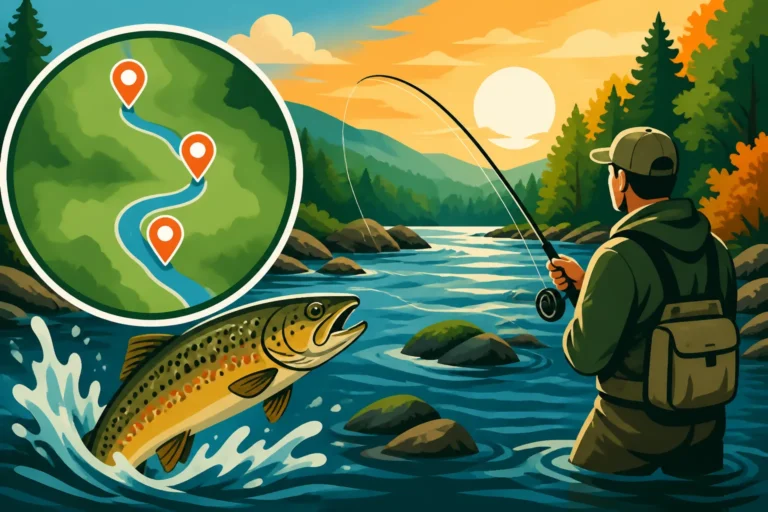
For the trout enthusiast, the Chattahoochee River below Buford Dam is a year-round cold-water fishery that absolutely thrives in winter. The cold water released from the bottom of Lake Lanier creates ideal conditions for rainbow and brown trout, even when air temperatures are frigid. This is a tailwater fishery, meaning the water temperature is largely unaffected by surface air temps, providing a consistent environment for trout.
Winter can offer some of the best fly fishing opportunities, as low, clear water conditions make for great sight fishing. Nymphing techniques, using small imitations of aquatic insects, are particularly effective. For spin anglers, small inline spinners, spoons, or drifted live worms can also produce excellent results. Access points are plentiful, including several public parks and boat ramps. This stretch of river is a true sanctuary for trout and a fantastic escape. Learn more about the opportunities by exploring Chattahoochee River Headwaters Trout Fishing, even though this stretch is downstream of the headwaters, the principles of coldwater trout apply. For specifics on one of the river's most popular inhabitants, check out our guide on Brown Trout Fishing on the Chattahoochee River.
Coastal Waters: Redfish and Speckled Trout
While most people associate Georgia's coast with summer beach trips, the inshore saltwater fishing can be phenomenal in winter. The cooler temperatures actually concentrate fish into specific areas, making them easier to target for the knowledgeable angler.
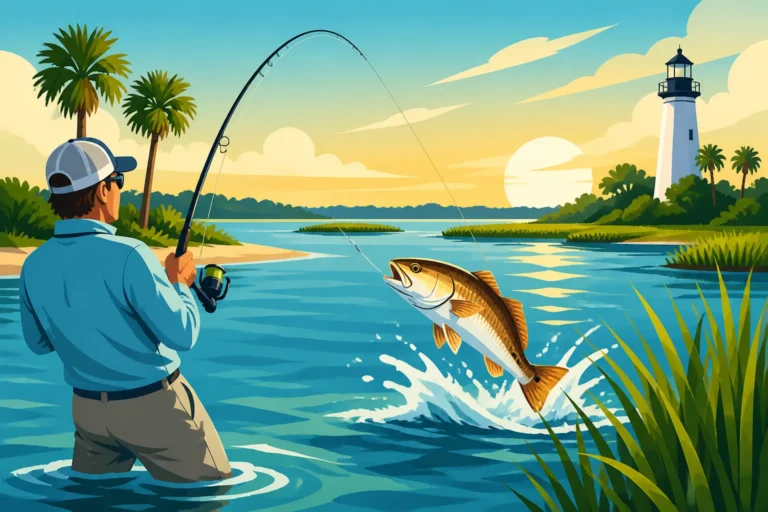
Redfish and speckled trout are the main targets, and they'll often move into deeper creeks, protected bays, and around oyster beds. Sunny days, especially after a cold front, are key. The sun warms up shallow mud flats, attracting baitfish and, consequently, the predators. Look for "gator trout" (larger speckled trout) in the deeper bends of tidal creeks, and redfish tailing in shallow water on warmer days, often near oyster rakes. Live shrimp or mud minnows, fished under a popping cork or on a jig head, are highly effective. Soft plastics in natural colors, worked slowly along the bottom, can also produce. The Golden Isles, including areas around Brunswick and St. Simons Island, offer excellent access and numerous productive spots. For detailed information on specific coastal targets, check out St. Simons Island Redfish Fishing Spots, and don't forget that Georgia offers a Georgia's Free Saltwater Fishing Permit, which you will need in addition to your basic fishing license. Again, if you're new to coastal winter fishing, hiring a local guide through FishingBooker can significantly shorten your learning curve and put you on the fish.
Essential Winter Fishing Techniques and Gear Tips for Georgia
Succeeding in winter fishing isn't just about knowing where to go; it's also about adapting your approach and being prepared for the conditions. A few key adjustments to your techniques and gear can make all the difference.
Slow and Low: Mastering the Winter Presentation
In colder water, fish metabolisms slow down. This means they're less likely to chase a fast-moving lure across a wide area. Your retrieve needs to be agonizingly slow, mimicking a lethargic or injured baitfish. Think subtle movements and prolonged pauses.
For bass, focus on bottom-oriented presentations. Jigs, jigging spoons, and drop shots are absolute kings in winter. Work them slowly, maintaining bottom contact, and allow plenty of pause time. A jigging spoon, for example, might be dropped to the bottom, ripped up a few feet, and then allowed to flutter back down on a semi-slack line – often, the strike will come on the fall. For crappie, tiny jigs or live minnows suspended under a bobber or tightlined directly over brush piles require minimal movement. When targeting stripers with artificials, slow-rolling swimbaits or umbrella rigs can be effective, mimicking a school of slow-moving baitfish. Remember, the fish aren't going to exert a lot of energy, so bring the bait to them and make it an easy meal. Understanding How Water Temperature Affects Fish Behavior is fundamental to this strategy. Our guide on How to Fish a Drop Shot Rig for Bass offers excellent insights into one of the most effective winter techniques.
Layer Up: Staying Warm on the Water
Comfort is paramount for an enjoyable winter fishing trip. There's nothing worse than being miserable and cold, which can cut your trip short and lead to dangerous situations. The key to staying warm is layering.
Start with a moisture-wicking base layer – this pulls sweat away from your skin, which is crucial for staying dry and warm. Next, add insulating layers, such as fleece or down, to trap body heat. Finally, an outer shell that is waterproof and windproof is essential to protect against the elements. Don't forget your extremities: a warm hat, gloves (or fingerless gloves for dexterity), and insulated boots are non-negotiable. Chemical hand warmers and a thermos filled with hot coffee or soup can also make a huge difference on a frigid morning. Think about safety too; a warm change of clothes stored in a dry bag is always a good idea, as is a life jacket that provides some insulation. While our guide on Best Rain Gear and Layers for Boat Fishing, it applies perfectly to keeping warm in winter conditions too!
Electronics are Your Best Friend
During winter, fish often hold in deeper water and relate tightly to structure or bait schools. This makes quality fishing electronics an indispensable tool. You simply cannot effectively target these fish without them.
A good fish finder with down imaging and side imaging capabilities will allow you to scan vast areas quickly, pinpointing bait balls, brush piles, rock formations, and, most importantly, the fish holding to them. Pay close attention to your sonar screen, looking for arches or baitfish clouds, especially near creek channels, humps, and points. GPS mapping is also critical for navigating larger reservoirs, marking productive spots, and returning to them. Many anglers also use forward-facing sonar to see fish and their reactions to baits in real-time, which can be a game-changer for winter fishing. Learning to interpret what your screen is telling you is a skill that will pay dividends. For deeper dives into choosing and using these tools, check out Best Fish Finder for Lake Lanier, which discusses features relevant to many Georgia lakes, and Best GPS Unit for Reservoir Fishing. Invest the time to learn your electronics; they will dramatically increase your success rate in cold weather.
| Lake/River | Target Species | Key Winter Technique | Ideal Gear | Why It's Great in Winter |
|---|---|---|---|---|
| Lake Lanier | Striped Bass, Spotted Bass | Downlining live bait, Jigging Spoons | Heavy spinning/casting, quality electronics | Concentrated stripers, less boat traffic, trophy spots |
| Lake Oconee/Sinclair | Crappie, Hybrid Stripers, Bass | Tightlining jigs, Trolling crankbaits | Light spinning for crappie, medium for hybrids | Warmer water from power plant, abundant crappie and hybrids |
| Chattahoochee River | Rainbow Trout, Brown Trout | Fly fishing (nymphing), Spin fishing (inline spinners) | Light fly rod (#4-6), ultralight spinning gear | Consistent cold water, active trout, peaceful setting |
| Georgia Coast | Redfish, Speckled Trout | Live shrimp/minnows, Soft plastics on jigheads | Medium spinning rod, shallow draft boat, polarized sunglasses | Fish concentrate in warmer shallow creeks and mud flats |
| Clarks Hill Lake | Crappie, Largemouth Bass | Spider rigging, Deep jigs, Dropshot | Medium-light spinning for crappie, medium-heavy for bass | Excellent crappie numbers, good bass on deep structure |
| West Point Lake | Largemouth Bass | Jigs, Slow-rolled spinnerbaits, Deep cranks | Medium-heavy casting gear | Abundant timber and creek channels hold bass |
Disclaimer
Please note that fishing regulations, including license requirements, size limits, and creel limits, are subject to change. Always consult the latest Georgia Department of Natural Resources (DNR) guidelines before heading out on the water. This guide is for informational purposes only and does not constitute legal advice. Stay safe and always prioritize responsible angling practices.