Quiet Fishing Spots Away From the Crowds
We've all been there: you finally get a free Saturday, load up the car, head to your favorite fishing spot, and pull up only to find the bank lined with people or a dozen boats already spread out across the cove. It's frustrating, isn't it? When you're dreaming of a peaceful day on the water, the last thing you want is to fight for space or constantly reel in other people's lines. This guide is all about helping you escape those crowds and discover Georgia's truly quiet fishing spots, offering the solitude and serenity you crave.
Why Seeking Seclusion Enhances Your Fishing Experience
There’s something uniquely fulfilling about finding a quiet corner of Georgia to cast your line. It’s not just about avoiding other anglers; it's about reconnecting with nature, truly listening to the sounds of the water and the wildlife, and experiencing fishing as it was meant to be – a peaceful pursuit.
Escaping the Hustle and Bustle
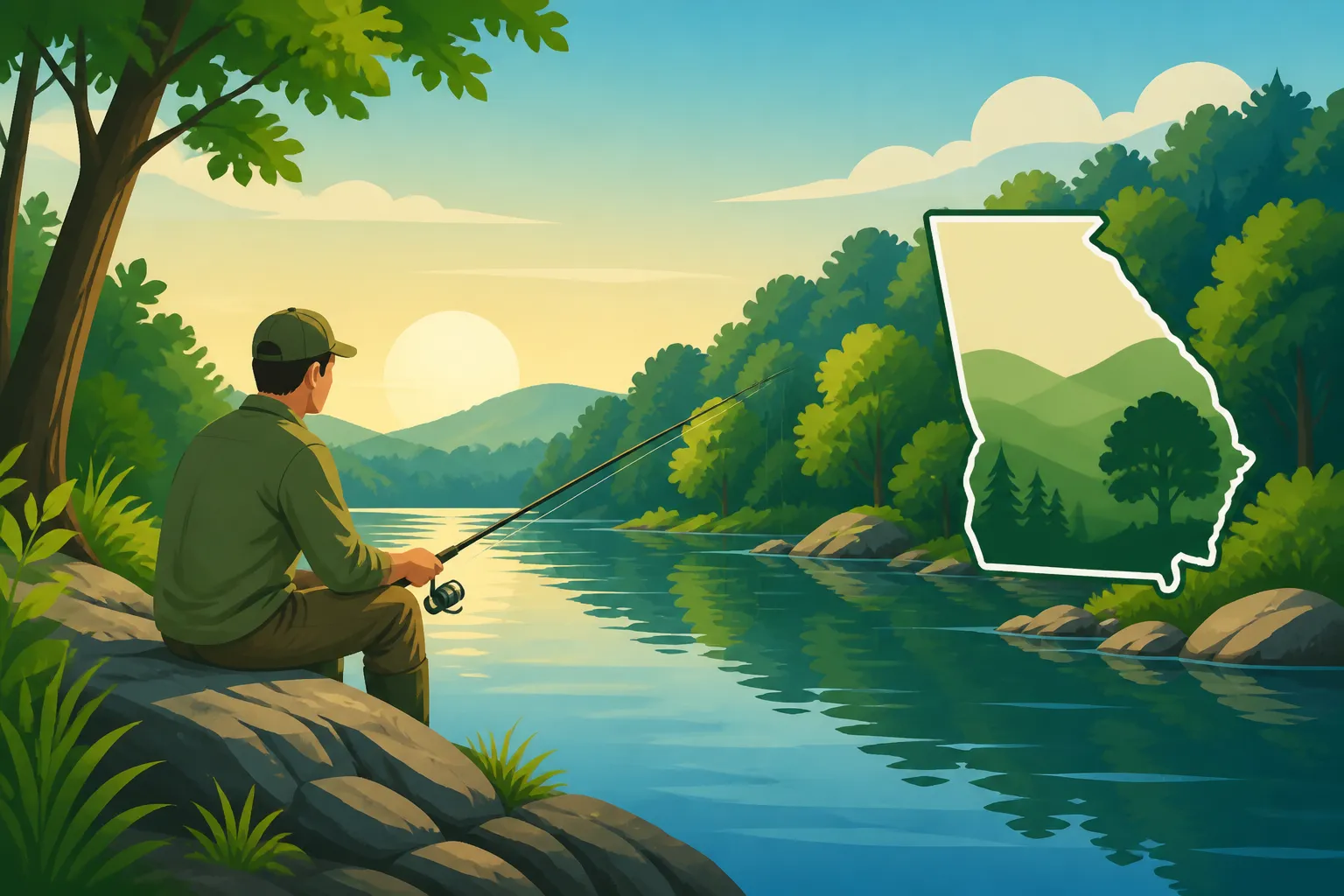
Let's be honest, modern life is noisy. Our phones buzz, our schedules are packed, and even our leisure activities can feel like another competition. Fishing, for many, is an antidote to that chaos. When you're tucked away in a secluded cove or wading a remote stream, the only sounds are often the ripple of water, the rustle of leaves, and perhaps the call of a distant bird. This quiet allows for a deeper level of focus, not just on your technique but on the subtle shifts in the environment that can signal a bite. It’s a chance to truly unwind and let the stresses of the week melt away. You can spend an entire afternoon without seeing another soul, letting your mind wander as you wait for that tug on the line.
Better Chances for Unpressured Fish
It’s no secret that heavily fished areas often mean warier fish. Constant boat traffic, endless casts, and the sheer volume of anglers can make fish skittish and harder to entice. When you find those quiet spots, you’re often presenting your bait or lure to fish that haven’t seen every trick in the book. These unpressured fish are often more willing to strike, leading to more consistent action and, let's face it, a more rewarding fishing trip. They haven't learned to associate every shadow or splash with a potential threat, giving you a distinct advantage. This is especially true for species like bass or trout, which can become incredibly wary in high-traffic zones.
Strategies for Discovering Georgia's Undisturbed Waters
Finding those hidden gems takes a little effort and a willingness to explore, but the payoff is absolutely worth it. It’s about looking beyond the well-known hotspots and understanding where fewer people tend to venture.
Exploring Public Fishing Areas and Wildlife Management Areas
Georgia is blessed with a fantastic network of Public Fishing Areas (PFAs) and Wildlife Management Areas (WMAs). While some popular PFAs might see decent traffic, many offer smaller, less-known ponds or sections of rivers that fly under the radar. These are often managed specifically for fishing, providing good habitat and sometimes even regular stocking, yet their smaller size or more remote access keeps the crowds at bay.
For instance, the Marben Farm PFA near Covington, managed by the Georgia Department of Natural Resources, boasts over 20 lakes and ponds. While the main lakes get attention, exploring the smaller, walk-in ponds can lead to incredible solitude and great catches of bass, bream, and catfish. Similarly, the McDuffie PFA near Dearing offers several lakes that, especially on weekdays, can feel like your own private fishing hole. These areas often require a Georgia Fishing License Guide and sometimes a WMA stamp, so be sure to check the specific regulations before you go. You can find detailed information about these sites on the Georgia Wildlife Resources Division website, often with maps highlighting access points.
WMAs, like the vast Cohutta Wilderness in North Georgia, offer access to numerous streams and rivers. While the more accessible parts might see some hikers, many remote sections of creeks like Jack's River or Conasauga River require significant hiking to reach, practically guaranteeing solitude for those willing to put in the effort. These areas are truly some of the Remote Wilderness Fishing Spots in North Georgia.
Leveraging Non-Motorized Access: Kayaks and Canoes
One of the absolute best ways to find quiet fishing spots is to get away from areas accessible by large powerboats. This is where kayaks and canoes shine. They allow you to paddle into shallow coves, narrow river bends, and backwater sloughs that bigger boats simply can’t reach. Think about the upper reaches of rivers like the Toccoa River or the Chattahoochee River Headwaters Trout Fishing spots. While popular access points can be busy, a few miles upstream or downstream, navigable only by paddle craft, can feel like a different world.
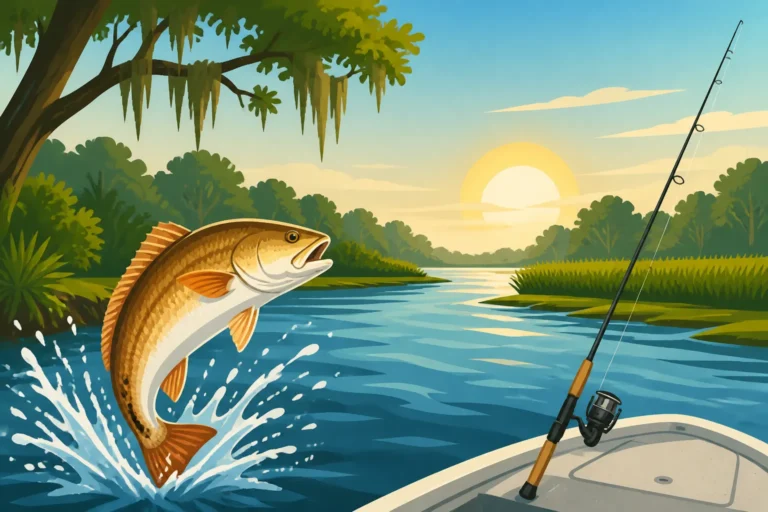
For coastal fishing, a kayak or canoe opens up a whole new realm of possibilities. The vast marshlands along the Georgia coast, particularly around the Golden Isles Coastal Fishing Spots, are crisscrossed with tidal creeks and estuaries. Many of these are too shallow or narrow for traditional fishing boats, making them perfect for kayak anglers seeking redfish, flounder, and sea trout in absolute tranquility. You might need specific gear, so checking out a guide like Kayak Fishing Gear Guide for Beginners could be helpful. Platforms like FishingBooker can even help you find guides who specialize in kayak fishing trips to these secluded saltwater areas, providing expert navigation and local knowledge.
Timed Excursions and Off-Peak Adventures
Sometimes, it’s not where you go, but when. Even popular lakes can offer moments of profound quiet if you plan your trip strategically.
- Weekdays: This is probably the most obvious, yet often overlooked, strategy. Many fishing spots that are packed on weekends are surprisingly empty Monday through Friday, especially during work hours.
- Early Mornings: Getting on the water before dawn is a time-honored tradition for a reason. Not only are fish often more active, but you'll have the water largely to yourself as the world slowly wakes up. The quiet hum of your trolling motor or the gentle splash of your lure can be incredibly peaceful.
- Late Evenings and Night Fishing: As the sun dips below the horizon, many fair-weather anglers pack up and head home. This leaves the water open for those willing to embrace the twilight hours or even fish into the night. Night fishing can be incredibly productive for species like catfish, crappie, and even some bass, and offers a unique, tranquil experience under the stars. Lake Sinclair, for example, is known for its productive night fishing, particularly for catfish.
Harnessing Technology and Local Knowledge
While the goal is to get away from the crowd, technology can actually help you find those quiet spots.
- Satellite Maps: Tools like Google Maps or fishing-specific apps (e.g., Navionics, Fishbrain) can be invaluable. Look for areas with limited road access, small feeder creeks, or remote ponds. Zoom in and study the topography – areas with dense woods, long walk-ins, or shallow access points are often good indicators of less fishing pressure.
- Local Bait Shops: Don't underestimate the wisdom of local bait shop owners. They live and breathe fishing in their area and often know about lesser-known spots, or at least can point you away from the most crowded ones. Be polite, buy some bait, and strike up a conversation.
- Forums and Online Communities: Join Georgia fishing forums or social media groups. While some anglers guard their secret spots, many are happy to share general advice about types of areas that offer solitude, or even specific regions to explore further. Just remember to be respectful of "unwritten rules" about not blowing up someone's favorite honey hole.
- Guided Trips: For a truly unique experience and access to expert knowledge, consider booking a trip with a local guide. Many guides, especially those found on platforms like FishingBooker, specialize in targeting specific species in less-pressured areas. They can take you directly to the quiet spots and teach you the techniques best suited for them. This can be particularly useful if you're looking for something specific like Shoal Bass on the Flint River where local expertise makes a huge difference.
Here's a quick overview of characteristics to look for when seeking quiet spots:
| Feature | Why It Suggests Seclusion | Example |
|---|---|---|
| Limited Road Access | Deters casual anglers and larger boats | Deep within a WMA, long gravel road, hike-in trails |
| Shallow Water Access | Prevents larger boat traffic | Kayak/canoe launches, river sections with shoals |
| Dense Bank Cover/Vegetation | Challenges shore anglers, creates hiding spots | Overgrown banks, thick marsh grass, heavily wooded areas |
| Remote Geographic Location | Requires longer travel time and planning | North Georgia mountain streams, far South Georgia PFAs |
| Small Body of Water | Overlooked by anglers focused on big lakes | Farm ponds, small impoundments within PFAs |
| Off-Peak Times | Less overall human activity | Weekdays, early mornings, late evenings, winter months |
Specific Quiet Fishing Locations Worth Exploring in Georgia
While I can’t reveal every secret spot (that would defeat the purpose!), I can certainly point you towards types of locations and general areas where you’re more likely to find peace and quiet in Georgia. Remember, the key is to look for places that require a little more effort to reach or are simply less publicized.
North Georgia's Lesser-Known Mountain Streams
When people think of trout fishing in North Georgia, popular spots like the Toccoa River near Blue Ridge or the main sections of the Chattahoochee River immediately come to mind. However, the true gems for solitude lie in the countless smaller tributaries and headwater streams that feed these larger rivers.
- Cohutta Wilderness: This vast wilderness area in the Chattahoochee National Forest is a haven for secluded stream fishing. While popular trails exist, many small creeks like Rough Creek, Beech Creek, or sections of the Jacks River and Conasauga River require significant hiking or bushwhacking to access. These streams often hold wild brook trout, rainbow trout, and brown trout, making them ideal for fly fishing or light spin fishing. You'll need to be prepared for a genuine wilderness experience, but the solitude and beauty are unparalleled. For those interested, exploring the Best Trout Streams in Georgia and focusing on the less accessible sections is a good strategy.
- Tallulah River Headwaters: Similar to the Cohutta, the uppermost reaches of the Tallulah River and its feeder streams, especially within the Tallulah Gorge State Park area but outside the main canyon, offer challenging but rewarding fishing. Access might involve hiking through dense forest, but you'll likely have the water to yourself.
Public Fishing Areas (PFAs) Beyond the Main Lakes
As mentioned, Georgia’s PFAs are goldmines for quiet fishing, especially if you focus on the smaller, often walk-in ponds.
- Big Lazer Creek PFA (Talbot County): While its main lake is known for excellent bass fishing, Big Lazer Creek PFA also features smaller ponds and extensive river frontage along Big Lazer Creek itself. Exploring the creek by foot or kayak can reveal some truly secluded spots for various panfish and even smaller bass.
- Dodge County PFA (Eastman): This PFA is often quieter than its northern counterparts. It has a main lake, but also several smaller ponds that are perfect for a peaceful day of catching catfish, bream, and bass without a crowd.
- Yates Mill Pond (Chattahoochee County): This often-overlooked spot, part of the Fort Benning Military Reservation but generally open to the public for fishing (check current access rules), offers a serene setting for bass and panfish. It's not usually on the "top 10" lists, making it a good candidate for solitude.
Coastal Marshes and Creeks by Paddle Power
Georgia's coast is a labyrinth of saltwater marshes, estuaries, and tidal creeks. While charter boats might target the sounds and main channels, a kayak or canoe unlocks a world of quiet fishing.
- Altamaha River Delta: The vast delta of the Altamaha River near Darien is immense, offering endless tidal creeks, cuts, and Spartina grass islands. Launch a kayak from a public ramp and paddle into the smaller channels. You'll find redfish, flounder, and sea trout in incredible solitude. The sheer size of this ecosystem means you can easily get away from other anglers.
- Sapelo Island/St. Simons Sound Backwaters: While St. Simons Island and Brunswick can be busy, the intricate networks of tidal creeks behind the barrier islands, particularly those that are not directly navigable by larger boats, are perfect for a quiet paddle. Look for areas accessible only by launching smaller craft, or consider booking a local guide through FishingBooker who specializes in these secluded inshore fisheries. They know the tides and the fish behavior in these complex environments. For more ideas, check out the St. Simons Island Inshore Fishing Guide.
Rivers with Less-Traveled Sections
Even Georgia’s well-known rivers have long stretches that see minimal fishing pressure, especially if you're willing to walk a bit or use a small boat.
- Flint River: Known for its incredible shoal bass fishery, the Flint River is vast. While some sections see heavy use, particularly around popular access points, many stretches require navigating shallow rapids or long floats to get away from the crowds. Public fishing areas like Sprewell Bluff WMA offer shore access, but also opportunities to launch kayaks and explore stretches of the river that are not easily reached by motorized craft. Consider areas below less accessible dams or sections requiring significant paddle effort. If you’re serious about this unique fish, learning about the Best Fishing Access Points on the Flint River and then moving beyond them is key.
Maximizing Your Seclusion and Fishing Success
Finding the quiet spot is only half the battle. To truly enjoy it and make the most of your time, a few practical considerations will go a long way.
Stealth and Approach
In quiet, unpressured waters, fish are often less skittish, but that doesn't mean you should stomp around. Practice stealth. Approach the water quietly, avoid making loud noises, and keep a low profile. This is especially important in smaller streams where fish can be easily spooked. If you’re wading, move slowly and deliberately. If you’re in a kayak, paddle smoothly and avoid bumping the hull. Your quiet approach will further enhance the tranquil experience and increase your chances of fooling wary fish. Remember, a sudden shadow or vibration can send fish darting for cover, undoing all your effort to find that secluded spot.
Minimalist Gear and Essentials
When you’re hiking into a remote stream or paddling deep into a marsh, carrying light and essential gear is crucial. Overpacking will only make your journey harder.
- Rod and Reel: Opt for versatile setups. A medium-light spinning rod is great for panfish and smaller bass in ponds, while a slightly heavier setup might be better for larger river fish. For trout, a light fly rod or ultralight spinning gear is perfect.
- Tackle: Bring a small, organized tackle box or bag with a selection of baits and lures known to work in that environment. Don’t bring your entire collection! A few jigs, soft plastics, spinnerbaits, and topwater lures can cover most situations for bass. For panfish, simple hooks, weights, and bobbers with crickets or worms are hard to beat.
- Navigation: A reliable GPS device or a fully charged phone with offline maps is critical for navigating remote areas, especially if you’re hiking into a WMA. Know your route in and out, and let someone know where you’re going.
- Safety Gear: Always pack a first-aid kit, plenty of water, snacks, sunscreen, insect repellent, and rain gear. A whistle and a small knife are also wise additions. For kayak fishing, always wear a Coast Guard-approved life jacket and have a paddle leash. Understanding Georgia Life Jacket Laws for Boaters and Kids is essential, even for solo trips.
- Trash Bag: Always pack out everything you pack in. Leave no trace, so others can enjoy the pristine nature of these quiet spots.
Respecting the Environment and Other Anglers
Even in the most secluded spots, you might occasionally encounter another angler. Practice good etiquette: give them space, avoid casting over their lines, and offer a friendly nod rather than loud conversation. These quiet places are often fragile ecosystems. Be mindful of your impact: stay on established trails where possible, don't litter, and practice catch-and-release, especially with wild or trophy fish, to preserve the fishery for future generations. Knowing proper handling techniques, like those for Catch and Release Trout Properly, is vital for conservation.
The search for quiet fishing spots in Georgia is an adventure in itself. It’s about more than just catching fish; it’s about finding peace, connecting with the wild, and experiencing the true essence of angling. So, pack your gear, study your maps, and go discover the serenity that awaits on Georgia's less-traveled waters.
Disclaimer
Please note that fishing regulations, access points, and conditions can change. Always check the latest regulations from the Georgia Department of Natural Resources (DNR) before heading out. Fishing in remote areas carries inherent risks; ensure you are prepared with appropriate safety gear, navigation tools, and inform someone of your plans.