Where to Fly Fish for Trout in the North Georgia Mountains
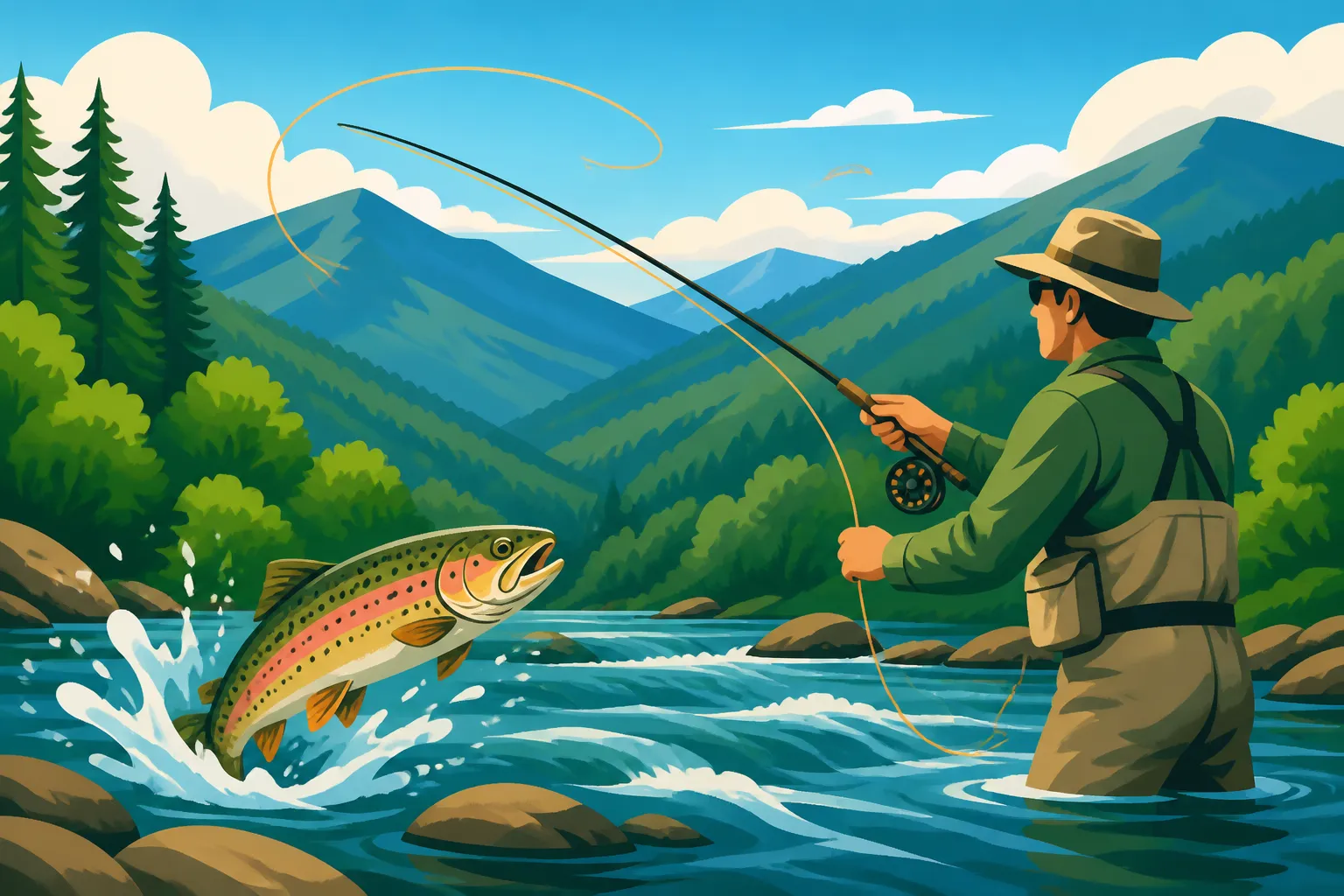
There's nothing quite like the crisp mountain air, the sound of rushing water, and the quiet anticipation of a perfect cast, but for many of us, finding those truly magical fly fishing spots in North Georgia can feel like trying to find a needle in a haystack. This guide is dedicated to cutting through the guesswork, helping you pinpoint the best streams and rivers for chasing trout with a fly rod, and ensuring your next mountain angling adventure is everything you dreamed of.
Understanding the Different Trout Waters in North Georgia
Before we dive into specific locations, it's really helpful to understand that not all trout waters in North Georgia are created equal. The streams and rivers here offer a diverse range of experiences, from wild, rugged backcountry flows to more accessible, heavily managed tailwaters. Knowing the distinctions will help you pick the perfect spot for your skill level and desired adventure.
Freestone Streams and Wild Trout Habita
When you hear "freestone stream," think natural, unregulated, and often a bit wild. These are your classic mountain creeks, fed by rainfall and snowmelt, flowing over rock and gravel beds. Their water levels and temperatures fluctuate more with the weather, making them a dynamic challenge for fly anglers. These are the places where you'll often find Georgia's native brook trout, along with wild rainbow and brown trout that have spawned naturally. They tend to be smaller, shier fish, but catching one feels like a true accomplishment. Access can be tougher, sometimes requiring a hike, but the solitude and pristine environment are their own rewards. Many of the smaller tributaries winding through areas like the Chattahoochee National Forest are prime examples of these freestone gems, and they are excellent options when exploring some of the Most Remote Fishing Spots in the North Georgia Mountains
Tailwater Fisheries and Consistent Conditions
In stark contrast to freestone streams are tailwater fisheries. These are rivers found below large dams, like the well-known Chattahoochee River below Lake Lanier's Buford Dam. The water released from the bottom of these reservoirs is consistently cold, which creates ideal conditions for trout year-round, even when other streams are too warm. Because of this stable environment and often extensive stocking programs, tailwaters typically hold larger, more numerous trout. The fishing here can be more consistent, offering excellent opportunities for both rainbow and brown trout. While not always a wilderness experience, the sheer volume and size of fish can be incredibly rewarding. You'll find a mix of stocked and holdover fish, and mastering the nuances of these larger, often deeper rivers is a unique challenge.
Delayed Harvest Streams for Catch-and-Release
Georgia also has a fantastic program of "Delayed Harvest" streams, and these are absolute treasures for fly anglers, especially those who love the art of catch-and-release. These specific sections of rivers are heavily stocked with trout in the fall, and from November 1st through May 14th, they are designated as catch-and-release only, with artificial lures possessing single hooks required. This rule creates a fantastic fishery where trout have a chance to grow larger and become accustomed to angling pressure, often making for incredibly challenging but rewarding days. Come May 15th, these regulations revert to general trout stream rules, allowing harvest. Some of the most popular Delayed Harvest streams include a section of the Toccoa River and Amicalola Creek, and understanding the Delayed Harvest Trout Streams in Georgia is key to maximizing your experience here. It's a fantastic way to enjoy consistent action during the cooler months without depleting the population.
Prime Fly Fishing Rivers and Creeks in North Georgia
Now that we've covered the different types of water, let's get down to the brass tacks: where exactly should you go? North Georgia is brimming with incredible fly fishing opportunities, each with its own character and charm.
The Legendary Chattahoochee River
When people talk about fly fishing in North Georgia, the Chattahoochee River, especially the section below Buford Dam, is often the first place that comes to mind. This is Georgia's premier tailwater fishery, offering incredible opportunities for brown and rainbow trout.
Below Buford Dam to Highway 20
This stretch of the "Hooch" is iconic. The cold water released from the bottom of Lake Lanier creates a perfect trout habitat for miles downstream. You'll find numerous access points, including popular spots like Settles Bridge, Bowmans Island, and Medlock Bridge. The river here is wide and can be deep, making drift boat or kayak fishing very effective, though there are plenty of spots for wade fishing as well, especially during lower water flows. The trout population is robust, with many fish in the 12-16 inch range and plenty of larger brown trout to challenge even seasoned anglers. Hatches can be prolific, including midges, caddis, and sulphurs, making it an excellent dry fly fishery at times. For a more detailed look, check out our guide on Chattahoochee River Headwaters Trout Fishing. Many guides operating in the area, which you can often find through platforms like FishingBooker, focus specifically on this productive section.
Further Downstream Towards Atlanta
As the Chattahoochee flows closer to Atlanta, it transitions into a more urban fishery, but still holds excellent trout, particularly in the colder months. Areas like the Chattahoochee River National Recreation Area offer a surprising amount of public access right outside the city limits. While the scenery might change from pristine wilderness to riverside parks, the fishing can remain remarkably good. You'll still encounter healthy populations of rainbow and brown trout, especially in stretches where colder tributary streams enter the main river. Access points like Island Ford and Jones Bridge provide both wade fishing opportunities and places to launch smaller boats or kayaks. It's a truly unique experience to be casting for trout with the city skyline in the distance.
The Beautiful Toccoa River
The Toccoa River, particularly its upper reaches in Fannin County and the Delayed Harvest section near Blue Ridge, is another must-fish destination for fly anglers. This river offers a more classic mountain stream feel in its upper sections and a highly productive, managed fishery downstream.
Upper Toccoa and its Tributaries
Above Blue Ridge, the Toccoa River flows through stunning mountain scenery, offering a mix of public and private access. Here, you'll find a more freestone-like environment with wild rainbow and brown trout, and even some native brook trout in its smaller, colder feeder creeks. Wade fishing is the primary method here, and navigating the sometimes rugged terrain is part of the adventure. The fish tend to be smaller but are incredibly feisty and beautiful. Access can be found off Forest Service roads and in areas like the Cooper Creek Scenic Area. It's a fantastic place to hone your casting skills in tighter quarters and enjoy genuine mountain solitude. For more details on this gem, you can explore the Toccoa River Trout Fishing in Georgia guide.
Toccoa River Delayed Harvest Section
Just south of Blue Ridge, the Toccoa River has a renowned Delayed Harvest section that runs for about 9 miles from the Sandy Bottom Canoe Launch to the Georgia Power Lake Blue Ridge property. As mentioned earlier, this is a phenomenal catch-and-release fishery from November through mid-May. During this period, the river is heavily stocked, and the fish have a chance to acclimate and grow. This section is often bustling with anglers, but the sheer number and size of trout make it worthwhile. You'll find numerous pull-offs and designated parking areas along Highway 60. Wading is popular, but drift boats are also common, especially for covering more water. It's a great place to practice nymphing, streamer fishing, and even dry fly fishing during the prolific spring hatches.
Other Notable North Georgia Trout Streams
Beyond the two giants, numerous other streams and creeks in the North Georgia mountains offer exceptional fly fishing. Each has its own personality, from tiny headwaters to larger, more accessible flows.
Amicalola Creek
Located near Dawsonville, Amicalola Creek boasts a popular Delayed Harvest section that runs for about two miles. This is a very accessible and well-maintained area, making it a favorite for many anglers. The creek offers a good mix of riffles, runs, and deeper pools, providing diverse habitat for the stocked rainbow and brown trout. Parking is ample, and the path along the creek makes for easy wading access. It's an excellent spot for beginners to practice their skills and for experienced anglers to enjoy consistent action, especially during the colder months when the Delayed Harvest rules are in effect.
Noontootla Creek and its Wild Trout
If you're looking for a challenge and a chance at wild fish in a more remote setting, Noontootla Creek is a phenomenal choice. Located in the Chattahoochee National Forest near Blue Ridge, this creek is known for its strong population of wild brown and rainbow trout. While some sections are private, there are public access points, particularly within the Blue Ridge Wildlife Management Area. The creek here is typically smaller than the Toccoa or Chattahoochee, requiring stealth and precise casting. The fish are wary but incredibly rewarding to catch. It's a fantastic example of a freestone stream offering a true wilderness fly fishing experience.
Cooper Creek
Flowing through the Cooper Creek Scenic Area, this stream offers accessible fly fishing in a beautiful forest setting. It's regularly stocked by the state, providing good opportunities for rainbow and brown trout. There are numerous campgrounds and picnic areas nearby, making it a great family-friendly option. While it can see more pressure due to its accessibility, early mornings or weekdays can still provide excellent solitude and fishing. The creek itself is a medium-sized freestone stream, perfect for a mix of nymphing and dry fly presentations. This area is often included when exploring the broader Best Trout Streams in Georgia.
Planning Your North Georgia Fly Fishing Adventure
A successful fly fishing trip isn't just about knowing where the fish are; it's about being prepared for the conditions, understanding the regulations, and having the right gear.
Essential Gear for Mountain Fly Fishing
Having the right equipment can make all the difference, especially when you're battling feisty trout in sometimes challenging terrain.
Rods, Reels, and Lines
For most North Georgia trout streams, a 3-weight to 5-weight fly rod, between 7.5 to 9 feet long, will be your workhorse. A 3-weight is perfect for smaller freestone creeks and delicate presentations, while a 5-weight gives you more power for larger fish on the Chattahoochee or Toccoa. Pair it with a matching reel that has a smooth drag system and a weight-forward floating line. A good leader (7.5 to 9 feet, 4x-6x) and tippet are crucial for stealth. If you're new to the sport, our Fly Fishing Basics for Trout guide offers a great starting point for understanding these essentials.
Waders and Footwear
Waders are almost always a necessity for North Georgia fly fishing. Chest waders are recommended, especially for colder months or deeper rivers like the Chattahoochee. Breathable waders are great for warmer weather. Pair your waders with sturdy wading boots that offer good ankle support and felt or rubber soles for traction on slippery rocks. Studs can be a lifesaver in high-current or slick conditions. Don't skimp on quality here; a comfortable and dry day means a much more enjoyable experience.
Flies and Accessories
Your fly box should be well-stocked with a variety of patterns. For nymphs, think about generic patterns like Pheasant Tails, Hare's Ears, and Prince Nymphs in sizes 14-20. When emergers and dry flies are active, have some Elk Hair Caddis, Adams, and Sulphurs. Don't forget some small streamers like Woolly Buggers for those larger, more aggressive trout. Essential accessories include nippers, forceps, a net (preferably rubber for fish safety), a wading staff for stability, and polarized sunglasses to spot fish and protect your eyes. It's always a good idea to check local fly shop reports before you go; they'll often tell you what's hatching and what flies are currently working best.
Navigating Regulations and Seasons
Understanding Georgia's fishing regulations is paramount. Ignoring them can lead to hefty fines and a ruined day.
Licenses and Trout Stamps
Every angler 16 years or older needs a valid Georgia fishing license. If you plan on fishing for trout in Georgia's designated trout waters, you'll also need a separate Mountain Trout License add-on. This additional license supports the state's trout stocking and management programs. You can purchase both online through the Georgia Department of Natural Resources website or from licensed agents. Make sure you understand the Georgia Trout Fishing License Requirements before heading out.
Creel Limits and Size Restrictions
Regulations vary significantly depending on the water. General trout waters typically have a daily creel limit of 8 trout per person, with no minimum size. However, some streams, especially those managed for wild trout or specific trophy regulations, will have different rules. For instance, some creeks in the Blue Ridge WMA have higher minimum size limits or lower creel limits for certain species. Always check the current Georgia Sport Fishing Regulations Guide before you fish a new spot. This is especially true for our Georgia Trout Stream Size Limits by Creek as some specific locations have very unique rules.
Best Seasons for Fly Fishing
While trout can be caught year-round in North Georgia, certain seasons offer distinct advantages. Spring (March-May) is often considered prime time, with prolific hatches and active fish as water temperatures rise. Fall (September-November) is also excellent, with cooler temperatures, beautiful foliage, and the start of brown trout spawning runs. Winter (December-February) can be fantastic on tailwaters and Delayed Harvest streams, as the cold, stable water keeps fish active. Summer (June-August) can be challenging on smaller freestone streams due to warm water, but the deeper, colder tailwaters like the Chattahoochee can still produce, especially during early mornings or late evenings. For a more detailed look, consult the Georgia Fishing Seasons by Month.
Finding Guides and Local Expertise
Even with all the information in the world, nothing beats local knowledge. If you're new to an area or want to maximize your chances of success, consider hiring a local fly fishing guide.
Why a Guide Can Help
A good guide not only knows the specific honey holes, current hatches, and effective techniques, but they can also teach you valuable skills and insights into reading the water and presenting your flies correctly. They provide the boat (if needed), all the gear, and often a delicious riverside lunch. For remote streams, a guide can safely navigate you to hard-to-reach spots that would be impossible to find on your own. Many reputable guides operate out of towns like Blue Ridge, Ellijay, Helen, and Dahlonega. You can find guides directly through local fly shops or by using online platforms like FishingBooker, which lists many experienced local outfitters.
Local Fly Shops are Your Best Resource
Before any trip, a stop at a local fly shop is highly recommended. Shops like Cohutta Fishing Company in Cartersville or Unicoi Outfitters in Helen are invaluable resources. The staff can provide real-time stream conditions, recommend effective flies, point you to accessible public waters, and often share tips on where the fish are biting. They live and breathe North Georgia trout fishing, and their advice is gold. Plus, it's a great way to support the local fishing community.
Conclusion
The North Georgia mountains offer a truly exceptional fly fishing experience, from the broad, productive tailwaters of the Chattahoochee to the intimate, wild freestone creeks teeming with native brook trout. It takes a bit of planning and preparation, but the rewards—a beautiful fish, a peaceful moment in nature, and the satisfaction of a well-executed cast—are well worth the effort. So pack your waders, tie on your favorite fly, and head to the mountains; your next unforgettable trout fishing adventure awaits.
Disclaimer
Please be aware that fishing regulations, license requirements, and local conditions can change. Always consult the latest Georgia Department of Natural Resources (DNR) guidelines and local signage before heading out. This guide provides general information and recommendations, but it is the angler's responsibility to ensure compliance with all current laws and safety protocols.