Best Fishing Spots on Walter F. George Reservoir
Finding those truly productive fishing spots on a massive body of water like Walter F. George Reservoir can feel like searching for a needle in a haystack, especially if you're not a local. This sprawling impoundment, affectionately known as Lake Eufaula by many, offers incredible angling opportunities, but its sheer size and diverse habitat can be overwhelming. This guide is dedicated to breaking down Walter F. George, helping you pinpoint the best areas, understand the species that thrive there, and equip you with the knowledge to make your next trip a success.
Understanding Walter F. George Reservoir: A Georgia-Alabama Giant
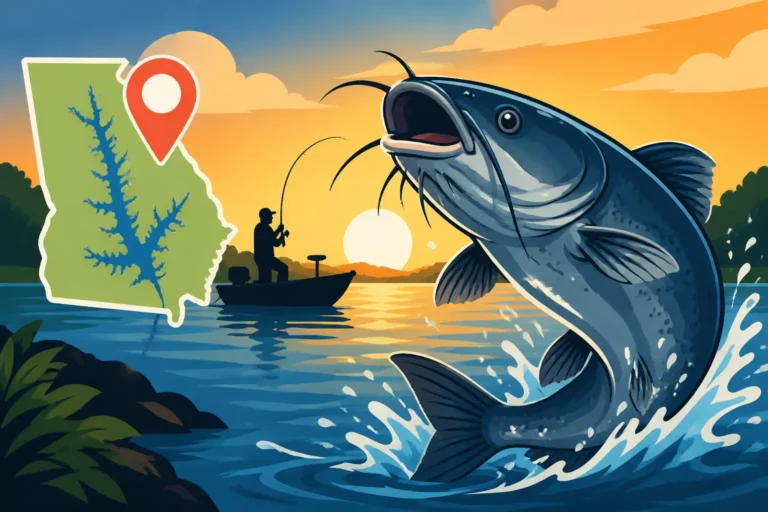
Walter F. George, a 45,000-acre lake spanning the border of Georgia and Alabama, is an absolute gem for anglers, but it certainly has its quirks. It's not just a big lake; it's a dynamic ecosystem shaped by the Chattahoochee River, offering everything from vast open waters to intricate timbered flats and deep river channels. The challenges of fishing such a large and varied reservoir are real – where do you even start? What patterns are the fish on? It can be daunting, but with a little insight, you can unlock its secrets.
A Big Water Challenge with Big Rewards
The sheer scale of Walter F. George is both its biggest draw and its biggest hurdle. Covering miles upon miles of shoreline, with countless coves, creek arms, and submerged structures, it's easy to feel lost without a game plan. Unlike smaller, more predictable lakes, Walter F. George demands a strategic approach. Anglers face the challenge of navigating ever-changing conditions, from fluctuating water levels controlled by the Army Corps of Engineers to diverse bottom compositions and varying water clarity. However, for those willing to put in the time or seek local expertise, the rewards can be truly legendary, particularly for trophy bass and slab crappie. Its size means less pressure on many areas, allowing fish to grow to impressive sizes.
What makes Walter F. George so unique is its combination of a true riverine environment in its upper reaches, transitioning into a vast, open reservoir further south. The old Chattahoochee River channel, winding through the entire lake, acts as a major highway for fish, offering consistent depths and cover. Add to that the innumerable standing timber forests, submerged brush piles, and rock outcroppings, and you have a fisherman's paradise, albeit one that requires careful scouting. Understanding the Walter F. George Reservoir Fishing Guide, Georgia is key to cracking the code on this impressive fishery.
Key Fish Species to Target in Walter F. George
Walter F. George is a multi-species angler's dream, offering a vibrant fishery for several popular game fish. While it's most famous for its largemouth bass, you'll also find thriving populations of crappie, various catfish species, and even some striped bass in its deeper, more open waters. Each species prefers different habitats and responds to different techniques, making every fishing trip an adventure in itself. Knowing what you're after can significantly narrow down your search for prime real estate on the lake.
Largemouth bass are the undisputed kings here, attracting tournaments and anglers from all over. They thrive in the lake's abundant cover, from hydrilla beds and lily pads to submerged timber and rocky points. Crappie, both black and white, are also incredibly popular, especially during cooler months when they school up in dense congregations around brush piles and creek channels. For those who enjoy the fight of a powerful bottom-dweller, the lake offers excellent opportunities for channel, blue, and flathead catfish, often found in the deeper river bends and feeder creek mouths. And while not as prevalent as in some other Georgia lakes, you can certainly run into some hard-fighting stripers, particularly near the dam and in deeper, open water sections of the main lake. It truly offers a diverse experience, as highlighted in comprehensive guides like Georgia Fish Species: A Complete Guide to What's Swimming in Your Lakes.
Top Fishing Zones for Different Species
To really dial in your success on Walter F. George, it pays to understand where each species tends to hang out. The reservoir is a patchwork of distinct environments, and what works for bass won't necessarily be the ticket for crappie or catfish. Focusing your efforts on specific zones known to hold your target species will save you valuable time and greatly increase your chances of a memorable catch.
Largemouth Bass Hotspots
Walter F. George is renowned for its largemouth bass, and for good reason. The lake's structure and forage base create an ideal environment for these feisty fish to grow big. When targeting largemouth here, think about areas with a good mix of cover, depth changes, and access to the main river channel or major creek arms.
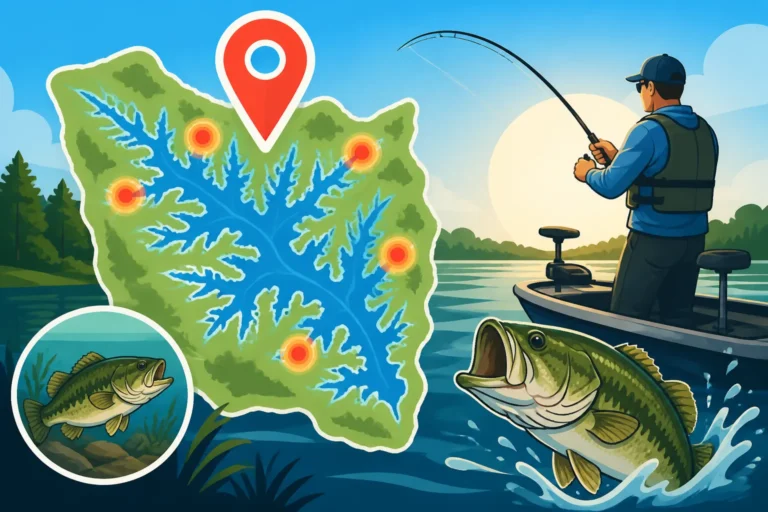
One of the absolute top spots for largemouth bass on the Georgia side of Walter F. George is the Pataula Creek area. This sprawling creek arm features extensive hydrilla beds, lily pads, and scattered standing timber, providing ideal ambush points. During the spring spawn, the shallower coves within Pataula Creek become teeming with bass, while in hotter months, they'll retreat to the deeper hydrilla edges or submerged brush piles. Another highly productive zone is White Oak Creek, particularly its junction with the main lake. Here, you'll find a mix of rocky points, ledges, and timber that hold bass year-round. These areas are fantastic for throwing crankbaits, spinnerbaits, and soft plastics rigged Texas-style. Look for defined weed lines or areas where submerged timber meets a depth change, as these transition zones are always productive. Understanding Seasonal Bass Fishing Patterns in Georgia can really help you anticipate where the bass will be throughout the year on reservoirs like this.
Don't overlook the main lake points and humps, especially those with shell beds or riprap near bridge pilings. Bass will often stage on these structures, particularly during migration periods. Early morning and late evening topwater action can be incredible around grass beds and shallow timber. During summer, when the bass go deep, consider fishing offshore brush piles and ledges with deep-diving crankbaits or Carolina rigs. The Walter F. George Reservoir Bass Size Rules are important to know, as specific regulations might apply, so always double-check the latest guidelines before you go.
Crappie Havens
If crappie are your passion, Walter F. George offers some incredible opportunities for both numbers and size. These "slab" crappie tend to congregate around specific types of cover, often in schools, making them a blast to catch once you locate them. Your sonar unit will be your best friend when searching for these elusive fish.
The key to finding crappie on Walter F. George lies in locating submerged brush piles, standing timber, and deep creek channels. Pataula Creek again shines for crappie, especially in its deeper sections and along the main creek channel. Anglers often find success by slowly trolling jigs or minnows around the edges of timber lines or over brush piles that are visible on their fish finders. The numerous small feeder creeks entering the reservoir, particularly in the mid to lower lake sections, also hold excellent crappie populations. Focus on the mouths of these creeks where they meet the main lake, looking for depth changes and submerged cover.
Another prime crappie zone is the Radium Springs area, particularly the deeper pockets and submerged timber in its vicinity. Many local anglers maintain their own brush piles in these areas, and if you can find one, you're likely in for a treat. During the cooler months, crappie will move deeper into the river and creek channels, suspending over structure. Vertical jigging with small jigs or live minnows is a deadly technique. As spring approaches, they'll push shallower into flooded timber and brush to spawn, becoming more accessible to cast-and-retrieve methods. For detailed approaches, checking out a guide like How to Jig for Crappie can refine your technique for these specific conditions.
Catfish Central
For anglers who love the thrill of a powerful tug and the promise of a delicious meal, Walter F. George's catfish population is robust. You'll find channel, blue, and flathead catfish thriving in various parts of the reservoir, each with their preferred habitats and feeding habits.
The deep holes and bends of the main Chattahoochee River channel are absolute magnets for all three species of catfish, particularly the hard-fighting blue and flathead catfish. Look for areas where the river channel takes a sharp turn or where tributaries enter, creating deeper scour holes. These spots concentrate baitfish and provide excellent cover for large cats. The lower end of the lake, closer to the dam, also offers deep water and strong currents that blue catfish especially favor. Try anchoring upstream of a deep bend and deploying multiple lines with various baits.
For channel catfish, the shallower, muddier sections of major creek arms, such as Barbour Creek or the upper reaches of Pataula Creek, can be incredibly productive. They often cruise flats and channels, particularly after a rain when fresh nutrients wash into the lake. Using stink baits, cut bait, or even a simple worm on the bottom can yield excellent results. Flathead catfish, known for their predatory nature, prefer live bait and often hide near large logs, rock piles, or dense timber in river bends. Fishing with live bream or shad under a float or on a bottom rig is your best bet for these giants. A great resource to learn more about targeting these species is Catfish Species Guide: Channel, Blue, and Flathead Catfish, which delves into their unique characteristics. Mastering Catfish Bottom Fishing Basics will be your secret weapon here, as these fish rarely stray far from the bottom.
Navigating and Accessing Walter F. George
Getting onto and around Walter F. George Reservoir requires a bit of planning, given its size and the various access points available. Whether you're launching a bass boat, a pontoon, or just looking for a spot to cast from shore, knowing your options is essential.
Public Boat Ramps and Marinas
For boaters, Walter F. George offers numerous public access points, well-maintained by the Army Corps of Engineers and local municipalities. These ramps cater to a variety of boat sizes and usually come with ample parking.
On the Georgia side, two of the most popular and well-equipped ramps are White Oak Creek Park near Georgetown and Pataula Creek Park in Fort Gaines. White Oak Creek Park boasts multiple ramps, extensive parking, and even camping facilities, making it a favorite for weekend trips. It provides excellent access to the main lake and the lower section of White Oak Creek. Pataula Creek Park offers similar amenities and is a prime launch point for exploring the vast Pataula Creek system, known for its incredible bass and crappie fishing. Further south, near the dam, George T. Bagby State Park & Lodge also provides boat access with a marina and lodging options, making it convenient for multi-day trips. When planning your trip, consider checking out resources like Best Boat Ramps for Fishing in Georgia for detailed information on these and other access points around the state.
These ramps are generally open year-round, though water levels can fluctuate, so it's always wise to check current conditions before heading out. Most ramps feature courtesy docks, making launching and retrieving your boat a much smoother process.
Shoreline and Kayak Angling Opportunities
Even if you don't have a big bass boat, Walter F. George offers plenty of opportunities to wet a line from shore or a kayak. While the sprawling nature of the lake means less continuous public shoreline access compared to smaller ponds, there are designated areas that cater to bank anglers and paddlers.
George T. Bagby State Park & Lodge is an excellent option for shore anglers, offering various points along its shoreline where you can cast a line, including some designated fishing piers. These piers are often situated over deeper water or near brush piles, increasing your chances of success without needing a boat. For kayak anglers, the numerous smaller coves and the upper reaches of creek arms like Pataula Creek or White Oak Creek are perfect. You can launch smaller crafts from less developed points or even some of the shallower public ramps. Kayaks allow you to access quieter, often more productive waters that larger boats can't reach, letting you sneak into timbered flats or along grass lines that hold impressive fish. Just remember to always prioritize safety, wear a life jacket, and be mindful of boat traffic on the main lake.
Hiring a Guide for a Boost
Let's be real, a lake as immense and complex as Walter F. George can be incredibly intimidating for someone who isn't intimately familiar with its every nook and cranny. That's where a local fishing guide truly shines. These seasoned pros spend countless hours on the water, tracking fish movements, understanding seasonal patterns, and knowing exactly where the bite is hot. For a truly productive and less frustrating experience, especially on your first few visits, hiring a guide is an investment that often pays dividends in both fish caught and knowledge gained.
A guide can teach you specific techniques tailored to the lake, help you understand the nuances of its various sections, and dramatically cut down on the learning curve. They'll have all the right gear, bait, and most importantly, the insider knowledge to put you on fish quickly. Services like FishingBooker make it incredibly easy to find and book experienced guides who specialize in Walter F. George. You can browse profiles, read reviews, and find the perfect captain who targets your preferred species, whether it's trophy bass, crappie, or catfish. Booking a trip through FishingBooker can transform a potentially overwhelming day into a highly successful and educational adventure. It’s an invaluable way to unlock the best fishing spots without years of trial and error, and many anglers swear by the insights they gain from these trips, often leading to future successes on their own.
Walter F. George Reservoir Fishing Overview
Here's a quick overview of some prime fishing opportunities on Walter F. George Reservoir:
| Fishing Zone / Area | Target Species | Best Season | Key Features & Techniques | Access Points (Georgia Side) |
|---|---|---|---|---|
| Pataula Creek | Largemouth Bass | Spring, Fall, Summer | Hydrilla beds, lily pads, standing timber. Flip jigs, Texas rigs, topwater. Deep crankbaits in summer. | Pataula Creek Park (Fort Gaines) |
| White Oak Creek | Largemouth Bass | Spring, Fall, Summer | Rocky points, ledges, scattered timber. Crankbaits, spinnerbaits, soft plastics. | White Oak Creek Park (Georgetown) |
| Pataula Creek Channel | Crappie | Winter, Spring | Submerged brush piles, standing timber, deep creek channel. Jigging, trolling minnows. | Pataula Creek Park |
| Radium Springs Area | Crappie | Winter, Spring | Brush piles, deep pockets. Vertical jigging, minnows. | Various smaller access points |
| Chattahoochee River Channel | Blue & Flathead Catfish | Year-round (Night) | Deep holes, river bends, log jams. Bottom fishing with cut bait or live bait. | White Oak Creek Park, George T. Bagby |
| Upper Creek Arms (Mouths) | Channel Catfish | Spring, Summer, Fall | Muddy flats, feeder creek mouths. Bottom fishing with stink bait, worms, cut bait. | Various ramps in upper lake |
| George T. Bagby Park Shore | Various Panfish, Bass | Year-round | Fishing piers, shoreline access. Worms, jigs, small spinners. | George T. Bagby State Park |
This table provides a snapshot, but remember, fish patterns can change daily with weather and water conditions. Always stay flexible and observant!
Essential Gear and Tips for Success
Having the right gear and a few insider tips can significantly improve your fishing experience on Walter F. George. It’s a diverse lake, so being prepared for different scenarios will always give you an edge.
For largemouth bass, a medium-heavy rod with a baitcasting reel spooled with 15-20 lb fluorocarbon or braided line is a versatile setup. You'll want a good selection of jigs, Texas rigs (especially green pumpkin and black/blue), crankbaits (deep and shallow divers), spinnerbaits, and topwater lures. If you're tackling crappie, light action spinning rods with 4-6 lb test monofilament or braid are ideal. A variety of small jigs (1/16 to 1/8 oz) in chartreuse, white, or black, along with live minnows, will cover most situations. For catfish, heavier gear is a must: a sturdy medium-heavy to heavy rod, a baitcasting reel with 20-50 lb mono or braided line, and strong hooks are essential for landing those larger specimens. Your bait choice will depend on the species, but cut bait, live bream, worms, and stink baits are all staples.
Beyond the rod and reel, a good fish finder with GPS is almost a necessity on Walter F. George. This tool will help you locate submerged structures, identify baitfish schools, and mark productive spots for future reference. A quality trolling motor is also invaluable for quietly approaching cover and maintaining boat position. Don't forget essentials like pliers, a landing net, sunscreen, and plenty of water. The Georgia sun can be intense! And if you're exploring the more remote sections, especially via kayak, consider using an app or device that offers detailed nautical charts; it's a huge help in understanding the underwater topography. When embarking on your adventure, always remember to check the latest Georgia Fishing Regulations Explained to ensure you're compliant with all rules and limits.
Another great benefit of using FishingBooker to hire a guide is that they typically provide all the necessary, high-quality gear, taking the guesswork out of equipment selection. This allows you to focus purely on the fishing, learning, and enjoying the magnificent waters of Walter F. George Reservoir. After a few trips, you'll feel much more comfortable navigating and fishing this impressive body of water on your own, armed with the knowledge and confidence to make it a regular fishing destination.
Disclaimer
Please note that fishing conditions, regulations, and fish behavior can change. Always consult the latest Georgia Department of Natural Resources (DNR) guidelines and local advisories before planning your fishing trip. Stay safe on the water and prioritize ethical angling practices.