Best Delayed Harvest Trout Streams in the North Georgia Mountains
It’s a truly frustrating experience to pack up all your gear, drive for hours into the beautiful North Georgia mountains, only to find the trout fishing isn't quite what you hoped for. Maybe the stream's overfished, or the regulations changed without you realizing it. Finding those truly special spots, especially the ones managed under "delayed harvest" rules, can feel like searching for a hidden treasure. This comprehensive guide is dedicated to revealing the best delayed harvest trout streams in North Georgia, offering insights into their unique regulations, top fishing techniques, and practical tips to ensure your next trout adventure is nothing short of fantastic.
Understanding Delayed Harvest Trout Streams in Georgia
The concept of a "Delayed Harvest" stream might sound a bit official, but it's actually a wonderful program designed to provide exceptional trout fishing opportunities, especially through the cooler months. Essentially, these are specific sections of trout streams that are managed under strict catch-and-release rules for a significant portion of the year. This allows the fish, often stocked in generous numbers by the Georgia Department of Natural Resources, to grow larger and become more challenging and abundant for anglers.
The "Delayed Harvest" Concept Explained
Think of a delayed harvest stream as a temporary sanctuary for trout. From November 1st through May 14th each year, these designated waters transform into catch-and-release zones. During this period, you can only use artificial lures with a single barbless hook. The idea here is to minimize harm to the fish, allowing them to thrive and offer excellent sport for anglers throughout the fall, winter, and spring. It's a fantastic way to extend the trout fishing season beyond just the warmer months, giving us dedicated anglers a prime destination when other waters might be slowing down or getting too warm. This dedicated management creates a fishery where trout populations remain robust, providing consistent action and the chance to hook into some truly impressive fish.
Key Regulations During the Special Season
Understanding the specific rules for these unique waters is paramount to having a legal and enjoyable trip. As mentioned, the core of the delayed harvest season, which runs from November 1st to May 14th, mandates strict catch-and-release fishing. This means every trout you catch, regardless of size or species, must be immediately released back into the water unharmed. Furthermore, only artificial lures are permitted. Forget about your live worms, corn, or powerbait during this time; they're strictly off-limits. Single barbless hooks are also a must. If your lure comes with treble hooks, you'll need to swap them out or crimp down the barbs to ensure the least amount of damage to the fish.
Once May 15th rolls around, these streams transition back to general trout fishing regulations until October 31st. During this "open" season, the catch-and-release and artificial-lure-only rules are lifted. You can then use natural baits, and the daily creel limit for trout usually applies, typically around eight trout per day. However, always double-check the most current Georgia fishing regulations before heading out, as rules can occasionally change. For a deeper dive into these specifics, you might want to read our article on Delayed Harvest Trout Regulations in Georgia or even more specifically, When You Can Keep Trout on Georgia's Delayed Harvest Streams.
Why These Streams Are So Popular
The allure of delayed harvest streams is undeniable for many reasons. First and foremost, the consistent stocking by the Georgia DNR, often mentioned in their Georgia Trout Stocking Schedule, means there’s a high density of fish. This dramatically increases your chances of hooking up, which is always a plus, especially for newer anglers or families. Secondly, because of the catch-and-release mandate, trout in these waters aren't harvested as frequently. This gives them time to grow larger and become more experienced, making them a more challenging and rewarding target. You're more likely to encounter feisty 12-16 inch trout, or even bigger, that have seen a few flies and lures in their day. Finally, the artificial-lure-only rule often fosters a sense of camaraderie among anglers. There's a shared respect for the resource and the challenge of fooling a wary trout on artificial presentations, whether you're fly fishing or spin fishing. These streams truly offer a quality angling experience that's hard to beat.
North Georgia's Premier Delayed Harvest Destinations
North Georgia is blessed with some incredible Delayed Harvest streams, each offering its own unique charm and challenges. If you're looking to target trout during the special season, these are the places you absolutely need to have on your radar.
The Mighty Upper Chattahoochee River
When people talk about trout fishing in Georgia, the Chattahoochee River almost always comes up, and for good reason. Its designated Delayed Harvest section stretches from the Highway 20 bridge upstream to its headwaters, offering miles of prime trout habitat. This stretch is particularly known for its larger rainbow and brown trout, thanks to consistent stocking and the catch-and-release rules. The river here can be quite wide in places, offering a mix of easily accessible banks, deeper pools, and swift runs.
Wade fishing is popular in many areas, but certain sections might require a small drift boat or kayak, especially after heavy rains. Access points are numerous, including popular spots around the Lower Pool and upstream towards Jones Bridge Park. You'll find plenty of parking and relatively clear access, though it can get crowded, especially on weekends. Anglers often report catching 14 to 18-inch rainbows, with occasional browns mixed in, making it a truly exciting fishery. If you’re planning a trip to this iconic waterway, our guide on Chattahoochee River Headwaters Trout Fishing could offer even more insights.
Toccoa River: A Mountain Gem
Nestled in the picturesque Blue Ridge area, the Toccoa River boasts a fantastic Delayed Harvest section that is a perennial favorite for many. This section runs from the low water bridge at Cooper Creek upstream to the Shallowford Bridge, encompassing a beautiful, meandering stretch of water. The Toccoa is often characterized by its stunning mountain scenery, clearer water, and a diverse range of water features – from shallow riffles perfect for nymphing to deeper holes where larger trout hold.
Access to the Toccoa is generally excellent, with several public access points and parking areas, including the popular Cooper Creek Recreation Area. While many parts are great for wade fishing, especially for those with a good pair of waders, some deeper sections and bends are well-suited for drift boats or kayaks. The river receives substantial stockings, and anglers can expect to find good numbers of rainbow and brown trout. It’s a truly immersive mountain fishing experience, offering both solitude in some spots and friendly camaraderie in others. For more on this stunning river, check out our piece on Toccoa River Trout Fishing in Georgia.
Amicalola Creek's Angling Appeal
Amicalola Creek, particularly its Delayed Harvest section located near Dawsonville between Steele Bridge Road and Georgia Highway 53, is another standout. This creek offers a slightly different feel than the wider Chattahoochee or Toccoa. It's generally narrower and more intimate, with a good mix of faster runs, small waterfalls, and deeper plunge pools. The surrounding forest adds to its wild appeal, making you feel a bit more secluded, even when other anglers are around.
Access can be found at various points along the road, though some areas might require a short hike. Amicalola is renowned for its vibrant rainbow trout population, and it’s a great stream for honing your wading skills. The varying depths and structures provide plenty of spots for trout to hide, making strategic casting and presentation crucial. While you might not consistently pull out the giants found in the Chattahoochee, Amicalola consistently delivers active fish and a truly enjoyable fishing experience amidst beautiful surroundings.
Smith Creek: A More Intimate Experience
If you're looking for a slightly more controlled and accessible, yet still challenging, delayed harvest experience, Smith Creek inside Unicoi State Park near Helen is an excellent choice. This stream is smaller and typically very clear, making stealth and careful presentation even more critical. The Delayed Harvest section is relatively short but packed with trout, primarily rainbows and some browns.
What makes Smith Creek unique is its park setting, which often includes easier bank access in some areas, and well-maintained trails. It’s a great option for families or those looking for a shorter outing without sacrificing the quality of fishing. Due to its size and clarity, Smith Creek can be incredibly rewarding for sight fishing, where you spot the fish before casting. Just remember, this popularity means it can see a fair bit of pressure, so visiting on weekdays or during off-peak hours can enhance your experience.
Other Notable Delayed Harvest Waters
While the "Big Four" above tend to get the most attention, Georgia has a few other smaller, but equally rewarding, delayed harvest streams scattered throughout its northern reaches. Places like Chastain Creek in Gilmer County and the upper sections of Cooper Creek (beyond the Toccoa DH section) also operate under delayed harvest regulations during the prescribed season. These can offer a more secluded experience if you're willing to explore a bit more and venture off the beaten path. Always consult the official Georgia WRD fishing guide or check the current stocking schedules to confirm the specific boundaries and regulations for any stream you plan to visit, as these can sometimes be updated. Many guides listed on platforms like FishingBooker can also provide up-to-date information on these lesser-known gems.
Here’s a quick overview of some of these fantastic delayed harvest streams:
| Stream Name | Location | Main Species Targeted | Key Features | Best For |
|---|---|---|---|---|
| Upper Chattahoochee River | North of Atlanta (e.g., Medlock Bridge Rd) | Rainbow, Brown Trout | Wide, varied water; larger fish potential | Wading, Drift Boating, Experienced |
| Toccoa River (Cooper Creek) | Blue Ridge/Suches area | Rainbow, Brown Trout | Scenic, consistent action, good access | Wading, Kayaking, All Skill Levels |
| Amicalola Creek | Dawsonville (Hwy 53 area) | Rainbow Trout | Intimate, wild feel, good runs and pools | Wading, Intermediate |
| Smith Creek | Unicoi State Park (near Helen) | Rainbow, Brown Trout | Clear, smaller water; park amenities | Wading, Sight Fishing, Family-Friendly |
| Chastain Creek | Gilmer County | Rainbow Trout | Secluded, smaller mountain stream | Wading, Solitude, Intermediate |
Mastering Techniques for Delayed Harvest Trout
Fishing delayed harvest streams requires a slightly different approach than typical bait fishing. Since artificial lures and catch-and-release are the rules for much of the season, finesse and presentation become your best friends.
Fly Fishing: The Art of the Presentation
Fly fishing is perhaps the most popular and effective method for tackling delayed harvest trout, especially during the colder months when fish are often feeding subsurface.
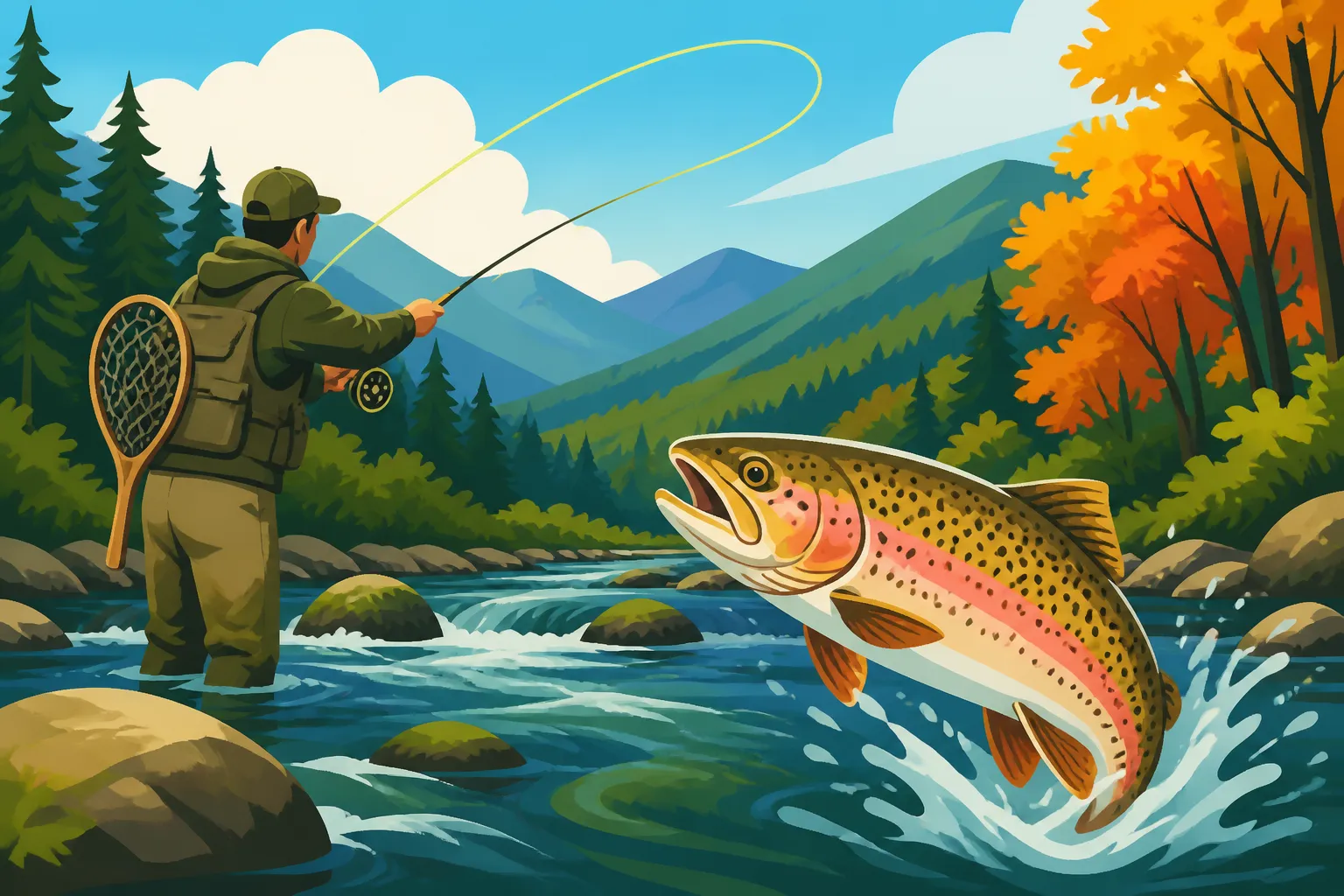
- Nymphing: This is often the most productive technique. Trout in these streams spend a lot of time feeding on aquatic insects drifting along the bottom. Using an indicator to detect subtle bites and presenting small nymph patterns like Pheasant Tails, Hare's Ears, and Prince Nymphs is key. Focus on getting a dead drift, meaning your fly is moving at the same speed as the current, without any drag. You might also find success with a Euro-nymphing setup, which allows for incredibly sensitive detection of strikes in faster water.
- Streamer Fishing: When trout are aggressive or larger fish are present, streamers imitating baitfish can be incredibly effective. Patterns like Woolly Buggers, Sculpzillas, or small Clouser Minnows stripped through deeper pools or across current seams can provoke powerful strikes. This is especially good on overcast days or when water levels are a bit higher.
- Dry Fly Fishing: While less consistent in winter, don't rule out dry flies, especially on warmer, sunny afternoons or when you see hatches occurring. Small midges, blue-winged olives, or even caddis patterns can bring fish to the surface. Delicate casts and precise presentations are vital here. For more details on these techniques, you can explore our article on Fly Fishing Basics for Trout.
Spin Fishing: Effective Lures and Tactics
Just because it's artificials-only doesn't mean spin anglers are left out. In fact, many successful delayed harvest anglers prefer spin tackle. The key is using small, subtle lures that imitate natural forage.
- Small Spinners and Spoons: Inline spinners like Panther Martins, Mepps, and Rooster Tails in sizes #0 to #2 are deadly. Silver, gold, and black blades with a hint of red or orange often work wonders. Small spoons like Kastmasters or Little Cleos can also be effective, especially in deeper pools or when you need to cast further. The flash and vibration mimic baitfish or distressed insects.
- Soft Plastics: Tiny grub bodies (1-2 inches) on small jig heads (1/32 to 1/8 oz) can be incredibly effective. Colors like white, chartreuse, or natural browns and greens often entice strikes. Gulp! Alive! baits, while technically scented, are generally considered artificial and can be fantastic. Work these slowly along the bottom or jig them subtly in pools.
- Crankbaits and Jerkbaits: Micro-crankbaits or small suspending jerkbaits (1.5-2 inches) that mimic minnows can also work, particularly for more aggressive fish. Work them with a stop-and-go retrieve to draw attention.
- Remember, single barbless hooks are mandatory, so you’ll need to swap out those treble hooks on most spinners, spoons, and crankbaits. For more ideas on what lures to try, check out our guide to the Best Lures for Stocked Trout and get acquainted with Spin Fishing Techniques for Trout.
The Importance of Stealth and Reading Water
Regardless of your preferred method, stealth is crucial in delayed harvest streams. The trout in these waters, especially later in the season, have seen their fair share of anglers.
- Approach Slowly: Walk softly, avoid sudden movements, and keep a low profile. If you can see the fish, chances are they can see you.
- Wear Neutral Colors: Bright clothing can spook wary trout. Stick to greens, browns, and grays that blend with the natural environment.
- Cast Accurately: Pinpoint casting to seams, eddies, undercuts, and around submerged structure is vital. These are the places trout feel safe and where food often concentrates. Learning How to Read Water for Trout Fishing will give you a significant advantage. Look for changes in current speed, darker areas that indicate depth, and places where the current creates a natural food delivery lane.
- Understand the Current: Trout typically face upstream, waiting for food to drift by. Present your lure or fly so it drifts naturally towards them, ideally from upstream.
Catch and Release Best Practices
Since the goal of delayed harvest is to preserve the fishery, proper catch and release techniques are paramount.
- Minimize Handling: Try to keep the fish in the water as much as possible. If you must handle it, wet your hands first to protect its delicate slime coat.
- Use a Rubber Net: A net with a rubber or silicone mesh is much gentler on the fish's fins and scales than traditional knotted nylon nets.
- Remove Hooks Quickly: With barbless hooks, this is usually easy. Use a pair of forceps or needle-nose pliers to gently back out the hook.
- Revive Gently: If a fish seems sluggish, hold it gently upright in the current, allowing water to flow over its gills until it regains strength and swims away on its own. Never throw a tired fish back into the current; it needs time to recover.
Preparing for Your North Georgia Trout Fishing Trip
A successful trip to a delayed harvest stream isn't just about knowing where to go or what lures to use; it's also about being prepared. From the right timing to the essential gear, a little planning goes a long way.
Timing Your Visit for Optimal Conditions
Knowing when to hit these streams can dramatically impact your success.
- Early Season (November-December): Freshly stocked trout are often quite aggressive, and water temperatures are ideal. This can be some of the best fishing of the year. The fall foliage also makes for a stunning backdrop.
- Mid-Season (January-February): These can be the coldest months, and fishing might be slower. However, patience can pay off with larger, more challenging fish. Look for warmer, sunny days, and focus on deeper, slower pools. Fish might be less active but concentrated.
- Late Season (March-May 14th): As spring progresses, insect hatches become more common, offering excellent dry fly opportunities. Water levels might fluctuate more with spring rains. The fish have been in the water longer, are typically larger, and can be more selective, providing a true challenge. Weekdays are almost always less crowded than weekends, especially on the more popular stretches.
Navigating Access and Amenities
While many delayed harvest streams offer good public access, understanding the local setup can save you headaches.
- Parking: Most popular access points will have designated parking areas. Arrive early on busy days, especially weekends, to secure a spot.
- Restrooms and Facilities: Larger state parks or recreation areas like Unicoi State Park often have restrooms and picnic areas. More remote stretches might offer no facilities, so plan accordingly.
- Local Resources: Small towns near these streams, like Blue Ridge, Helen, or Dawsonville, often have tackle shops where you can get up-to-date fishing reports, purchase local flies or lures, and find gas or groceries. It's always a good idea to support these local businesses. You might even find local guides through services like FishingBooker who specialize in these specific DH sections.
Essential Gear for a Successful Outing
Having the right equipment ensures comfort and effectiveness on the water.
- Waders and Boots: Absolutely essential for navigating most North Georgia trout streams, which often have uneven rocky bottoms and varying depths. Choose breathable waders for comfort, even in colder weather with proper layering.
- Rod and Reel: For fly fishing, a 4-5 weight rod, 8'6" to 9' long, is versatile for most streams. Pair it with a matching fly reel and floating line. For spin fishing, an ultralight or light action rod (5-7 feet) with a small spinning reel spooled with 4-6 lb monofilament or fluorocarbon is ideal for casting light lures.
- Tackle: A selection of artificial lures (spinners, spoons, jigs, soft plastics, flies), leaders/tippet, nippers, forceps, and a small tackle box or vest. Don't forget extra barbless hooks for modifying lures.
- Net: A rubber or silicone mesh landing net is crucial for safe catch and release.
- Layered Clothing: North Georgia mountain weather can change quickly. Dress in layers to adapt to temperature swings, including rain gear.
- Safety Gear: A small first-aid kit, whistle, and navigation tools (GPS or map/compass) are always good to have, especially in more remote areas. Remember to have plenty of water and snacks.
Understanding Your Georgia Fishing License Needs
Before you even think about wetting a line, make sure your licensing is in order. Every angler 16 years of age or older needs a valid Georgia fishing license. If you're planning to fish for trout in any designated trout waters, including delayed harvest streams, you'll also need a Georgia trout stamp or "mountain trout license add-on." This is in addition to your basic fishing license.
You can purchase your license and trout stamp online through the Georgia Department of Natural Resources website, by phone, or from a licensed agent like a sporting goods store. It's usually quickest and easiest to do it online before you leave home. Always carry proof of your license while fishing. For a comprehensive overview of what you need, check out our guides on the Georgia Fishing License Guide and specifically, the Mountain Trout License Add-On in Georgia, or even Do you need a separate trout license in Georgia?. Being properly licensed isn't just a legal requirement; it also contributes directly to the conservation and management efforts that make these incredible delayed harvest fisheries possible.
Disclaimer
Please remember that fishing regulations, conditions, and fish stocking schedules can change. Always consult the latest official Georgia Department of Natural Resources (DNR) guidelines before planning any fishing trip. This guide is for informational purposes only and should not replace official regulations. Stay safe and always practice responsible angling.