Where Is the Best Fishing on Lake Sinclair?
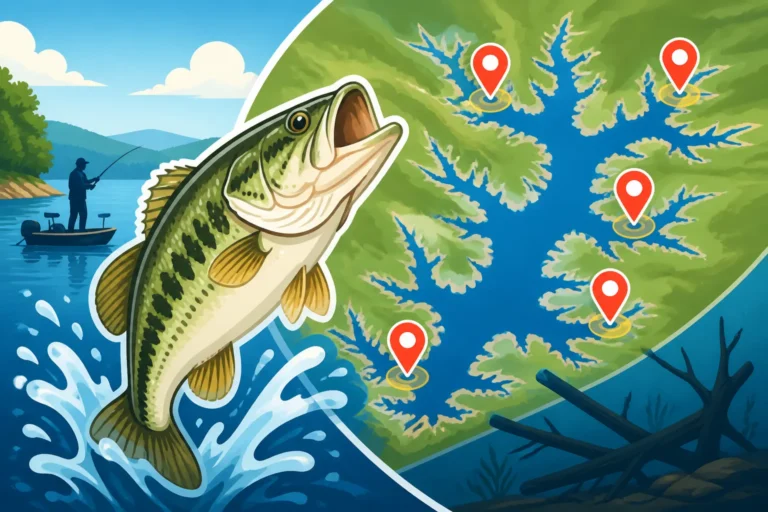
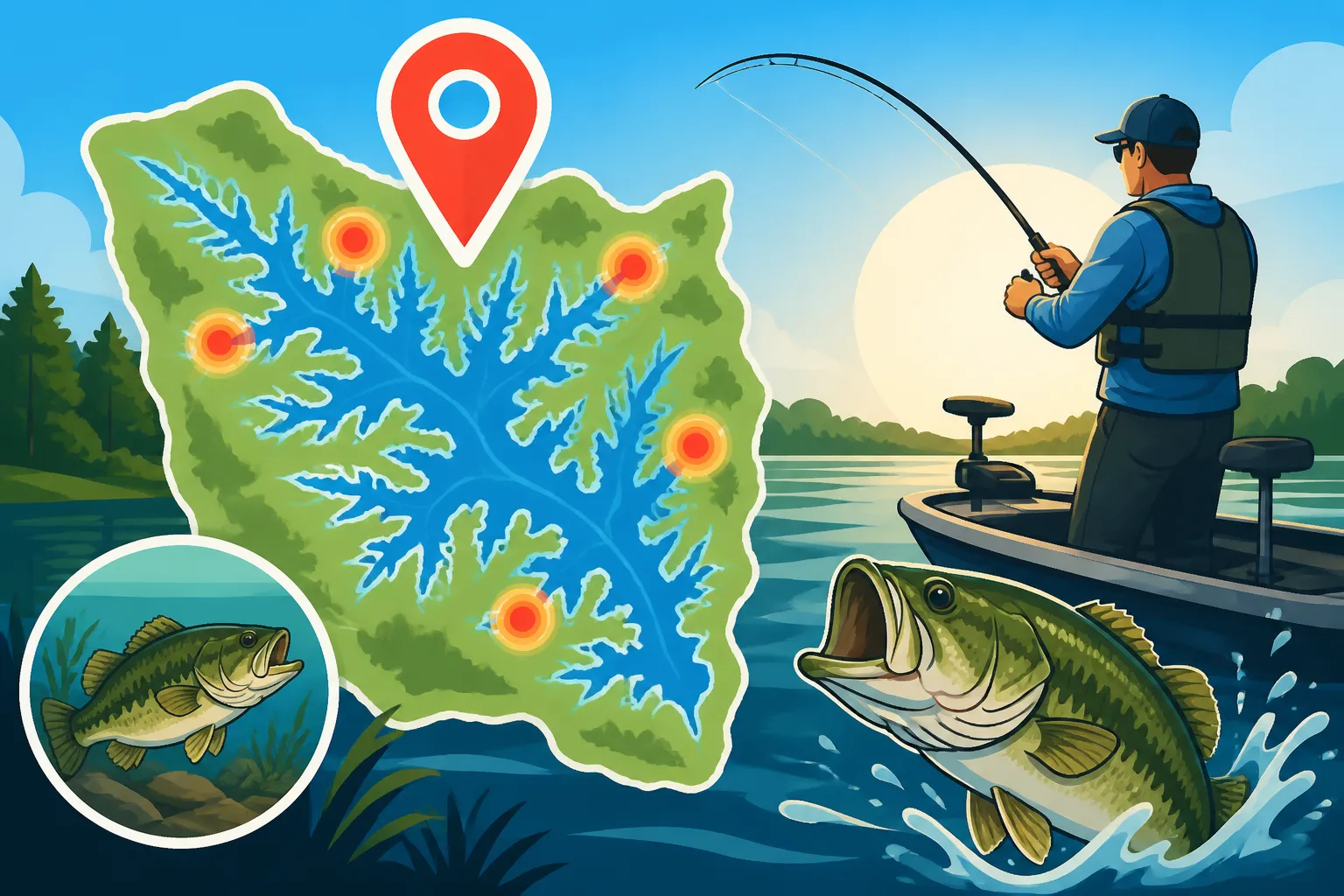
Anglers often find themselves staring at a map of a massive lake like Sinclair, wondering where on earth to even drop a line. It's not just about finding water; it's about finding the right water, the spots where the fish are actively feeding, schooling, or holding tight to cover. Lake Sinclair, with its sprawling 15,330 acres and diverse habitats, can certainly present this challenge. This guide is dedicated to cutting through that uncertainty, pinpointing the most productive fishing spots on Lake Sinclair and offering insights into how to make the most of your time on this central Georgia gem.
Understanding Lake Sinclair: A Primer for Anglers
Lake Sinclair is a beautiful and bountiful reservoir in central Georgia, formed by the impoundment of the Oconee River. It's often overshadowed by its upstream neighbor, Lake Oconee, but Sinclair holds its own as a fantastic fishery, particularly for black bass, crappie, and catfish. What makes it unique is its blend of wide-open main lake areas, numerous coves, and significant woody and rocky structure, all influenced by its hydro-electric operations. Understanding these characteristics is the first step to unlocking its secrets.
Lake Sinclair's Unique Geography and Fish Habitat
Imagine a lake that feels both expansive and intricate at the same time. That's Lake Sinclair. It's characterized by its relatively shallow average depth compared to some other Georgia reservoirs, which often means more abundant shallow-water cover. You'll find a mix of natural rock outcrops, flooded timber, brush piles left by anglers, and countless private docks and seawalls. These structures are absolute magnets for different fish species throughout the year. The lake's irregular shoreline, peppered with residential development and natural pockets, creates a labyrinth of coves and creek arms where fish can find sanctuary, forage, and spawn. The main Oconee River channel, which winds its way through the entire lake, acts as a major highway for fish movement, offering deeper, more stable temperatures and current.
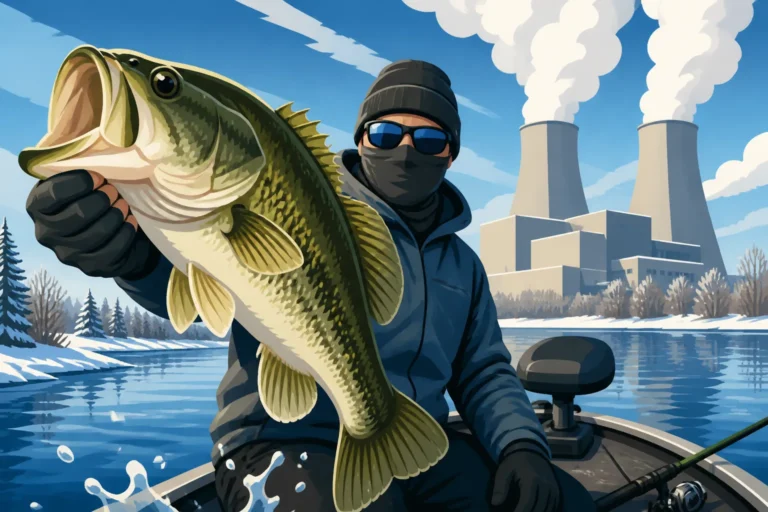
Another critical geographical feature that defines Lake Sinclair's fishing potential is the presence of the Georgia Power Plant. The warm water discharge from this plant creates a thermal refuge, especially in colder months, which can significantly alter fish behavior and concentration. This unique characteristic is one of the reasons why Lake Sinclair consistently fishes warmer than other Georgia lakes in winter.
Key Species and General Hotspots
Lake Sinclair is primarily known for its excellent black bass fishing, which includes both largemouth and spotted bass. Largemouth bass tend to prefer the shallower, weedy, and woody cover found in the coves and around docks. Spotted bass, on the other hand, often relate more to the main lake points, rocky areas, and the deeper edges of the river channel.
Beyond bass, crappie fishing here can be phenomenal, especially during the cooler months and spring spawn. These panfish school up around submerged timber, brush piles, and bridge pilings. Catfish, including channel, blue, and flathead varieties, are also abundant, particularly in the deeper channels and creek mouths. For those who enjoy a simpler, relaxing day, bream fishing is also popular in the shallower, calmer coves. When planning your trip, consider using a service like FishingBooker to connect with local guides who specialize in these species, as their experience can drastically shorten your learning curve on such a diverse lake. They know the subtle nuances of each season and species.
Prime Locations for Largemouth and Spotted Bass
When it comes to bass fishing on Lake Sinclair, the sheer variety of cover and structure means you can employ a wide array of techniques. The key is understanding how bass relate to these features in different seasons. It's not just about being in the right spot, but also at the right time with the right presentation.
Coves, Docks, and Structure for Bass
Many anglers find their bass fishing success in Lake Sinclair's countless coves. These sheltered areas often hold more stable water temperatures and offer abundant cover. Look for coves with a mix of flooded timber, which is prevalent throughout the lake, and brush piles. These brush piles are often intentionally placed by anglers seeking to create fish habitat, and they are notorious hotspots.
Private docks and seawalls are also fantastic structure. Bass will orient themselves to the shade and cover these structures provide, especially during bright, sunny days. Flipping jigs, pitching soft plastics like Texas-rigged worms, or skipping senkos under docks can be incredibly effective. Don't overlook the shallow grass beds that emerge in some of the quieter coves during warmer months; these are prime ambush points for largemouth bass. For more detailed information on specific areas, check out our guide on Lake Sinclair Fishing Spots.
Seasonal Bass Movements and Patterns
Understanding the seasonal patterns of bass on Lake Sinclair is crucial for consistent success.
- Spring (Pre-spawn and Spawn): As water temperatures rise, largemouth bass will move into the shallower coves and pockets to stage for the spawn. Look for them around secondary points, shallow brush, and transition banks where they can move between deeper water and their spawning grounds. Spinnerbaits, crankbaits, and ChatterBaits are excellent search baits during this time. Once the spawn is in full swing (typically April to early May), sight fishing for bedding bass with soft plastics or jigs can be productive in clear water areas. The best time of year to catch bass at Lake Sinclair, Georgia is often considered spring.
- Summer: When the heat sets in, bass activity can become more challenging, especially during the day. Many bass will retreat to deeper water, often suspending over the river channel or relating to offshore humps and ledges. Early mornings, late evenings, and even night fishing become prime times. Topwater baits at dawn or dusk, deep-diving crankbaits, Carolina rigs, and drop shots are effective. Some bass will still be found under thick docks or in heavy shade in shallower areas, especially if there's good current flow.
- Fall: As temperatures cool, bass become more active and start to feed aggressively in preparation for winter. This is a fantastic time for schooling bass, especially spotted bass, which will often chase baitfish on the surface. Look for active schooling fish on main lake points and humps. Crankbaits, jerkbaits, and Alabama rigs can be deadly. Largemouth will move back into shallower coves and creek arms, feeding on baitfish around timber and docks.
- Winter: This is where Lake Sinclair truly shines. While other lakes might slow down considerably, the warm water discharge from the Georgia Power Plant keeps a significant portion of the lake's fish population active. Our article on Lake Sinclair Winter Bass Fishing Near the Power Plant delves into this in detail. Bass will congregate in these warmer areas, often holding deep near the discharge or along the main river channel. Deep-diving crankbaits, jigging spoons, and slow-rolling swimbaits are effective.
Crappie and Catfish Havens on Sinclair
Lake Sinclair isn't just a bass factory; it's also a phenomenal destination for crappie and catfish anglers. These species offer different challenges and rewards, but both can provide incredible fishing experiences.
Finding Slab Crappie in Brush Piles and Timber
Crappie fishing on Lake Sinclair can be absolutely lights out, especially during the cooler months. These panfish love structure, and Sinclair has no shortage of it. Look for them in areas with submerged timber, which is abundant throughout the lake, particularly in the deeper creek arms and along the old river channel. Anglers often sink their own brush piles, creating hidden honey holes that consistently hold crappie. If you're on a boat, a good fish finder is invaluable for locating these submerged treasures.
During the spring spawn (typically March and April), crappie move into shallower water, often suspending around docks, bridge pilings, and flooded willows in the coves. Small jigs, live minnows, or a combination under a bobber are highly effective. For anglers targeting crappie, exploring the many creeks feeding into Sinclair, like Rocky Creek and Richland Creek, can be very rewarding. For more specific insights, our guide on the Best Crappie Spots on Lake Sinclair provides detailed locations and techniques. If you're looking to explore crappie fishing beyond Sinclair, we also have resources on the Best Crappie Lakes in Georgia.
Channel and Flathead Catfish in Deeper Waters
For those who enjoy the thrill of battling a strong catfish, Lake Sinclair delivers. It's home to good populations of channel, blue, and flathead catfish.
- Channel Catfish: These are the most widespread and are often found in the deeper holes of creek channels, around structure, and even in shallower coves at night. They are opportunistic feeders, responding well to stink baits, cut bait, and even chicken livers. Night fishing for catfish on Lake Sinclair can be incredibly productive, especially during warmer months.
- Blue Catfish: While not as prominent as in some other Georgia lakes, blue catfish are present, particularly in the main river channel and deeper basin areas. They tend to prefer fresh cut bait, like shad or herring.
- Flathead Catfish: These predators are typically found in the main river channel, around rocky structures, and in areas with submerged logs or brush. Flatheads are renowned for preferring live bait, such as bream or smaller shad. They are often targeted by serious catfishermen using heavy tackle.
The areas near the main river channel and the mouths of larger creeks are prime locations for catfish. Drifting cut bait or live bait along ledges and drop-offs can yield excellent results. For shore anglers, focusing on deeper bends in the creeks or areas with rip-rap can be productive. If you're keen on finding specific locations, refer to our guide on the Best Catfish Spots on Lake Sinclair, Georgia, or for a broader overview, check out Where to Catch Catfish in Georgia. Many anglers find that hiring a local guide through platforms like FishingBooker can be an excellent way to learn the specific techniques and hidden spots for targeting trophy catfish.
Beyond the Usual: Unique Fishing Opportunities
Lake Sinclair isn't just about the well-known hotspots; it also offers some unique situations and access points that can lead to incredible fishing experiences. Thinking outside the box, or outside the boat, can sometimes be the most rewarding approach.
The Warmwater Discharge and Winter Fishing
The warm water discharge from the Georgia Power Plant is arguably Lake Sinclair's most defining feature, particularly from late fall through early spring. This discharge creates a significant thermal plume that attracts a wide variety of fish, making it one of the most consistent winter fisheries in the state. While other lakes in Georgia might see fish activity slow to a crawl, the areas around the power plant on Sinclair remain vibrant.
Anglers targeting this area can expect to find actively feeding bass, crappie, and even catfish. The warmer water increases their metabolism, making them more willing to strike. Deep-diving crankbaits, jigging spoons, and lipless crankbaits can be highly effective for bass. For crappie, vertical jigging with minnows or small jigs near the thermocline created by the discharge can yield limits. This phenomenon explains why many anglers attest that Winter Fishing at Lake Sinclair While Other Georgia Lakes Slow Down is the ideal time to visit, and it's a key reason for the question Is Lake Sinclair Warmer Than Other Georgia Lakes in Winter?. It really is a unique advantage for year-round angling.
Shoreline Access and Family-Friendly Spots
Not everyone has access to a boat, and thankfully, Lake Sinclair still offers decent shoreline fishing opportunities. While private property lines much of the lake, there are public parks and designated access points where bank anglers can cast a line.
- Rocky Creek Park: Located on the western side of the lake, this park offers good bank access, picnic areas, and often productive fishing for crappie, bass, and bream, especially in the calmer waters of the creek.
- Twin Bridges/Highway 441 Area: The areas around the bridges crossing the lake can offer access to deeper water from the bank, which is excellent for catfish and sometimes schooling bass. Always exercise caution and be aware of boat traffic.
- Public Fishing Areas (PFAs): While not directly on Sinclair, nearby PFAs managed by Georgia DNR offer excellent bank fishing options in a controlled environment, often stocked with various species. While Lake Sinclair itself has more limited public access points, a quick search for "Lake Sinclair shore fishing access points" will provide the most up-to-date information on available spots.
For families with young anglers, targeting bream and smaller bass in shallower, calm coves from a dock or easily accessible bank can be a fantastic way to introduce them to fishing. Simple bobber rigs with worms or crickets are usually all it takes to get bites and create lasting memories. These accessible spots are often productive for Lake Sinclair Fishing Spots for Bream. If you're looking for an unforgettable family trip and prefer guided experiences, check out FishingBooker for family-friendly charters tailored to Lake Sinclair. They can provide all the gear and expertise needed for a successful outing with kids.
Seasonal Fishing Overview for Lake Sinclair
To help you plan your trips effectively, here's a general overview of what to expect on Lake Sinclair throughout the year, combining the best species and techniques by season.
| Season | Primary Target Species | Key Locations / Techniques | Notes |
|---|---|---|---|
| Spring | Largemouth Bass, Crappie, Bream | Shallow coves, docks, brush piles. Crankbaits, jigs, minnows, soft plastics. | Pre-spawn & spawn activity; fish are moving shallow and feeding aggressively. |
| Summer | Bass (early/late), Catfish, Bream | Deeper main lake points, ledges, main channel. Topwater (dawn/dusk), deep cranks, Carolina rigs. | Focus on low light hours or deeper structure; catfish are very active. |
| Fall | Largemouth Bass, Spotted Bass, Crappie | Main lake points, creek mouths, timber. Crankbaits, jerkbaits, Alabama rigs, jigs, minnows. | Aggressive feeding for all species as they bulk up for winter. Look for schooling fish. |
| Winter | Bass, Crappie, Catfish | Warmwater discharge area (power plant), main channel. Deep-diving crankbaits, jigging spoons, slow-rolling swimbaits, minnows, cut bait. | Fish congregate in warmer water; surprisingly active fishery. |
Disclaimer
Please remember that fishing conditions, regulations, and fish behavior can change. Always consult the latest Georgia Department of Natural Resources (DNR) fishing regulations before heading out. Be mindful of local advisories, weather conditions, and practice responsible angling, including catch and release when appropriate, to help preserve Lake Sinclair's fishery for future generations.