12-inch vs 14-inch bass minimum in Georgia explained
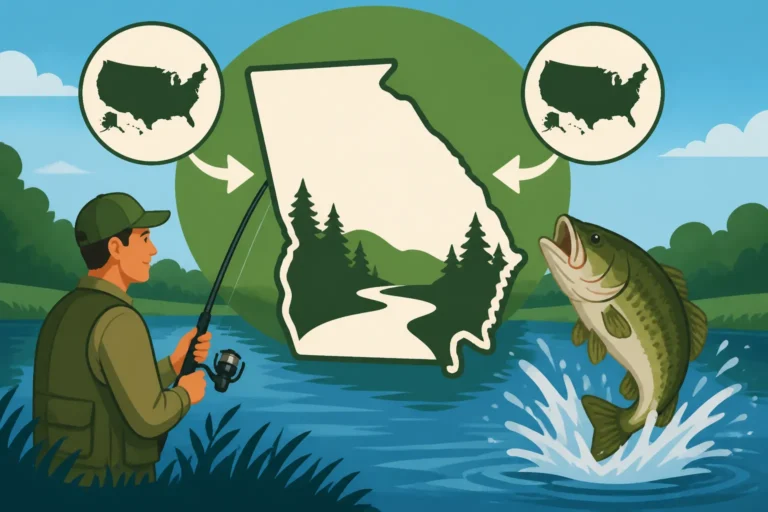
It can be incredibly frustrating to head out for a peaceful day of fishing in Georgia, only to reel in a beautiful bass and then second-guess if you can even keep it due to confusing size regulations. You're not alone in wondering about those specific length limits. This comprehensive guide is here to untangle the nuances between the 12-inch and 14-inch bass minimums in Georgia, helping you fish confidently and stay compliant with the Georgia Department of Natural Resources (DNR) rules.
Understanding Georgia's Statewide Largemouth Bass Regulations
Georgia is a fantastic state for bass fishing, offering diverse habitats from sprawling reservoirs to winding rivers. However, with that diversity comes a bit of complexity in the rules. The statewide regulations for largemouth bass are your baseline, but it's crucial to understand when and where these general rules might change. Getting caught with an undersized fish can lead to penalties, and nobody wants their relaxing day on the water to end with a fine.
The General 12-Inch Minimum Length Rule
For the vast majority of lakes, ponds, and rivers across Georgia, the standard minimum length limit for largemouth bass is 12 inches. This means any largemouth bass you catch that measures less than 12 inches from the tip of its snout to the end of its tail (with the tail compressed) must be immediately released back into the water. This rule is put in place for a good reason: it allows younger fish to grow to maturity, ensuring they have a chance to spawn and contribute to the overall health and population of the bass fishery.
Think of it this way: if every angler kept every small bass they caught, our lakes and rivers would quickly become overfished with smaller, less desirable fish. By letting the smaller ones go, we're investing in the future of our fishing spots. This 12-inch rule applies to many popular fishing destinations, giving anglers a consistent guideline for most general regulation waters. It's the bread and butter of our bass fishing guidelines, but as you'll see, there are some very important exceptions.
Daily Creel Limits and Possessions
Beyond just the length, you also have to consider how many bass you can keep in a single day. Georgia's statewide daily creel limit for largemouth bass is 10 fish. This 10-fish limit applies to the total number of largemouth, spotted, and shoal bass you can possess. So, if you catch 5 largemouth and 5 spotted bass, that's your limit. It's not 10 of each; it’s 10 in aggregate. This limit helps prevent overharvesting and ensures that the population can sustain itself over time. It’s important to remember that these daily limits are usually from midnight to midnight, so you can't just keep fishing past sundown and then start a new limit in the wee hours of the morning without properly ending your previous day's fishing.
Knowing your daily creel limit is just as vital as knowing the length limits. Imagine you're having a fantastic day on Lake Jackson, catching bass left and right. You might hit your 10-fish limit before you even consider the length of all of them. Always keep track of both. For a full breakdown of what you can keep, check out our guide on Georgia Fish Size and Creel Limits. It’s always best to be overly cautious than to accidentally violate a regulation.
Specific Reservoirs with a 14-Inch Bass Minimum
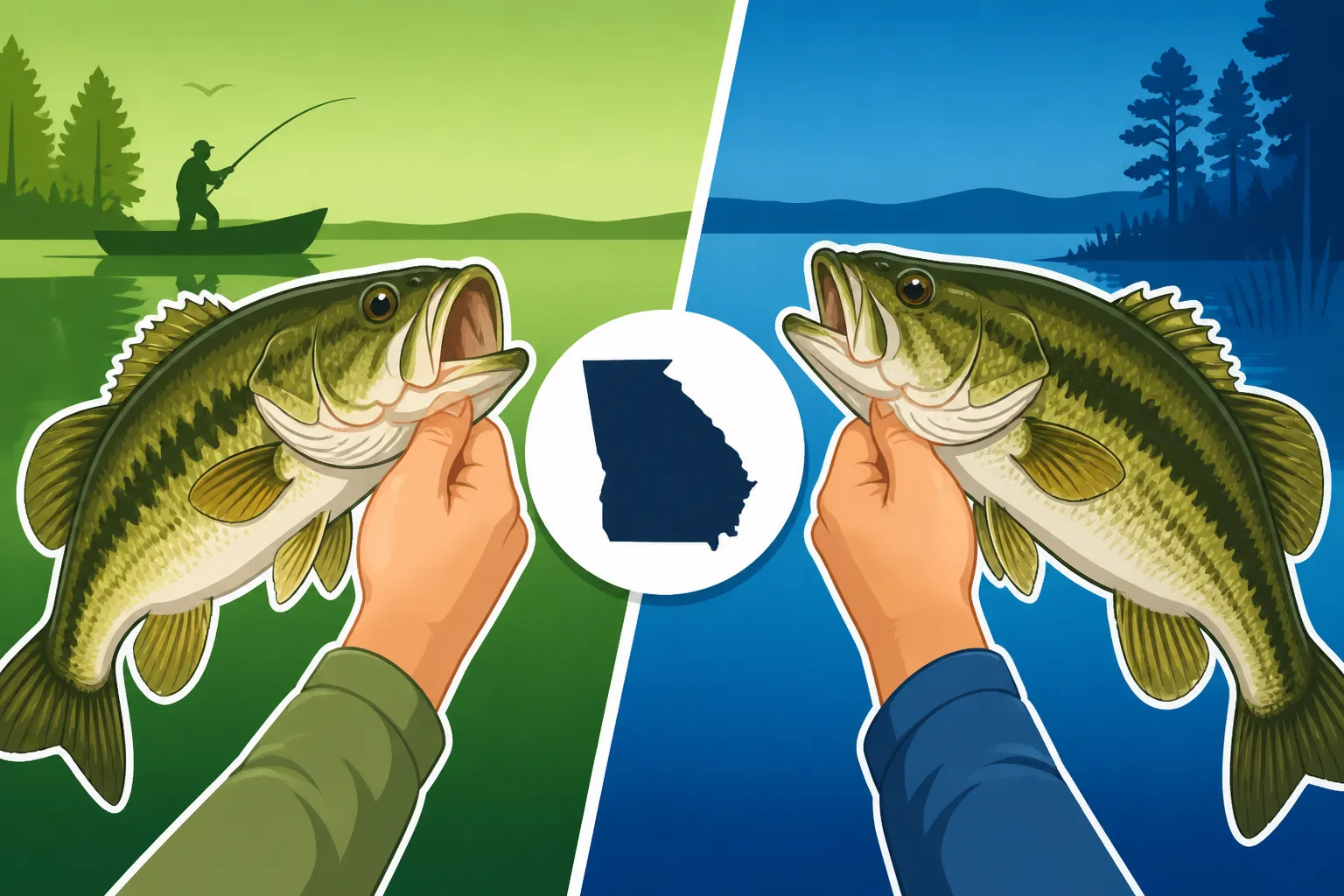
While the 12-inch rule is common, several of Georgia's premier bass fishing lakes have implemented a stricter 14-inch minimum length limit. This isn't just an arbitrary number; it's a strategic decision by the Georgia DNR to enhance the quality of fishing in these specific waters. It’s a game-changer for anglers and requires a bit more vigilance.
Why Certain Lakes Have Stricter Rules
The primary reason behind the 14-inch minimum is typically related to fishery management goals for specific lakes. In many cases, these lakes might be prone to an overabundance of smaller, slower-growing bass, leading to a "stunted" population where few fish reach a larger size. By imposing a 14-inch minimum, the DNR encourages anglers to release these mid-sized fish, allowing them more time to grow, mature, and contribute to the gene pool. This often results in a healthier population with a better average size, and for anglers, a higher chance of catching a trophy-sized bass.
For instance, a lake with a high density of 10-13 inch bass might benefit significantly from a 14-inch minimum. It means more of those smaller fish are returned to the water, where they can continue to feed and grow. Over time, this shifts the population structure, potentially leading to more impressive catches for everyone. It's a long-term strategy that pays dividends for the quality of fishing. These specific regulations are a critical part of the broader Georgia Fishing Regulations Explained.
Key Georgia Lakes to Know
There are several prominent Georgia reservoirs where the 14-inch minimum length limit for largemouth bass is in effect. These include some of our most popular fishing destinations, so it's absolutely vital to know these by heart if you plan to fish them. The most notable lakes with this 14-inch minimum are:
- Lake Lanier: A huge, popular lake north of Atlanta, known for its spotted bass but also holds good largemouth.
- Lake Oconee: Another fantastic lake known for its largemouth and hybrid striped bass.
- Lake West Point: Located on the Chattahoochee River, a renowned bass fishery.
- Lake Walter F. George (Eufaula): Straddling the Georgia-Alabama border, this lake is famous for its largemouth bass.
- Lake Blackshear: A beautiful lake in southwest Georgia, also a strong bass producer.
- Lake Sinclair: Connected to Lake Oconee, this lake also has strong bass fishing.
When you're packing your gear and heading to one of these lakes, that 14-inch number needs to be front and center in your mind. It’s easy to get caught up in the excitement of a bite, but a quick measure can save you a lot of trouble. You can dive deeper into specific rules for these waters by checking out articles like Why does Lake Lanier have a 14-inch bass minimum? or Reservoirs with a 14-Inch Bass Minimum in Georgia.
Impact on Anglers and Fishing Strategies
These stricter length limits definitely change how anglers approach a day on the water. If you're used to catching and keeping bass right at the 12-inch mark, you'll need to adjust your expectations and potentially your techniques on 14-inch minimum lakes. For many, it means embracing catch-and-release fishing more often, especially for those in-between sizes. You might find yourself releasing more fish, which ultimately contributes to a better fishery in the long run.
Some anglers even adapt their lure and bait choices, opting for presentations that might naturally appeal to larger fish, though a small bass will still hit a big bait if it's hungry! The key is always to have a reliable measuring device on hand and to use good fish handling practices when releasing undersized fish to ensure their survival. Being aware of these rules not only keeps you legal but also makes you a more responsible and effective angler.
Shoal Bass and Other Black Bass Exceptions
While largemouth bass get a lot of attention, Georgia is also home to other fantastic black bass species, namely spotted bass and the iconic shoal bass. These species often have their own specific regulations, especially when it comes to length limits, which can sometimes deviate from the general largemouth rules.
Shoal Bass Specific Regulations
Shoal bass are true river dwellers, preferring the swift currents of Georgia's rocky rivers like the Flint and the Chattahoochee. They are a prized catch, known for their powerful fights. Because of their unique habitat and slower growth rates compared to largemouth in some areas, shoal bass often have different length limits to protect their populations.
For instance, on the Flint River, which is one of the premier shoal bass fisheries, the minimum length limit can be quite specific. The statewide minimum for shoal bass is generally 12 inches, but there can be exceptions. Below Warwick Dam on the Flint River, the minimum length for shoal bass is 15 inches. This is a critical detail to remember if you're targeting these fantastic fish in their native waters. This variation is why it's always best to check the specific regulations for the particular river section you plan to fish. Understanding the Shoal Bass Size Limit Rules, Georgia is non-negotiable for serious river anglers.
Spotted Bass and Their Regulations
Spotted bass, often found coexisting with largemouth in many of Georgia's reservoirs and rivers, typically fall under the same general regulations as largemouth bass. This means for most waters, the 12-inch minimum and 10-fish daily creel limit apply. However, on lakes like Lanier, where the 14-inch minimum is enforced for largemouth, it's also generally applied to spotted bass. It's crucial to confirm this for each specific body of water you're fishing.
Spotted bass can sometimes be confused with largemouth bass, especially the smaller ones. A key identifier is the patch of rough scales on their tongue – spotted bass have them, largemouth typically don't. Always make sure you can properly identify your catch, as misidentifying a fish could lead to accidental violations. These finer points are covered in guides that compare Largemouth Bass vs Spotted Bass: How to Tell Them Apart in Georgia.
Lake Lindsay Grace Bass Slot Limit
One very unique exception to the standard minimum length rules in Georgia is found at Lake Lindsay Grace. This public fishing area employs a special "slot limit" for largemouth bass, which is different from a simple minimum length. At Lake Lindsay Grace, all largemouth bass between 15 and 22 inches in length must be immediately released. This means you can keep bass under 15 inches, and you can keep one bass over 22 inches.
This kind of regulation is designed to protect a specific size class of fish, often the prime spawning and fastest-growing fish, to help them reproduce and contribute to the trophy potential of the lake. It's a highly specialized management tool. For anglers, it means carrying an accurate measuring device and being very precise with your decisions. If you ever plan to fish this specific lake, make sure you thoroughly understand the Lake Lindsay Grace Bass Slot Limit to avoid any issues.
Practical Tips for Navigating Bass Size Limits
Navigating Georgia's bass size limits doesn't have to be a headache. With a few practical habits and the right gear, you can ensure every fishing trip is enjoyable and compliant. Being prepared is half the battle when it comes to adhering to fishing regulations.
Measuring Your Catch Correctly
Accurate measurement is critical. Here’s how to do it properly:
- Lay the fish flat: Place the fish on a flat surface, such as a measuring board or a sturdy cooler lid.
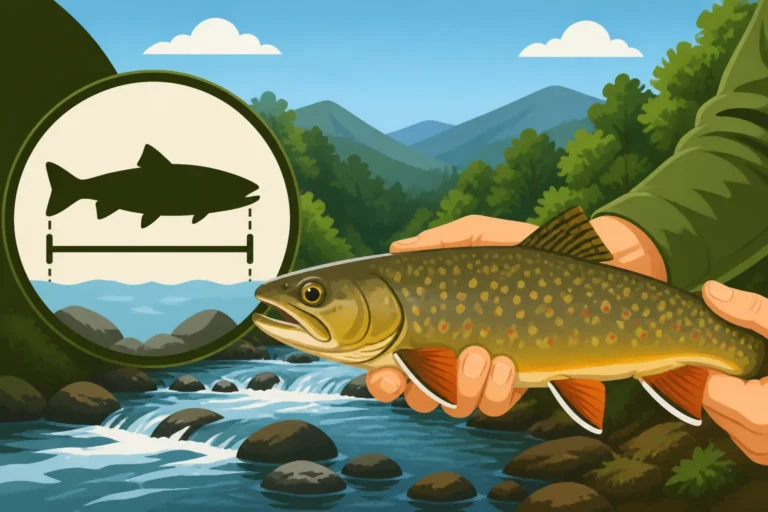
- Snout to compressed tail: Gently push the fish's mouth closed and place the tip of its snout at the zero mark of your measuring device. Then, gently squeeze or compress the tail fin lobes together to get the maximum length measurement. Don't measure to the fork of the tail or just one lobe; it's the total length with the tail compressed.
- Quick and gentle: Measure quickly to minimize the fish's time out of water, especially if you plan to release it. Use wet hands when handling the fish to protect its slime coat.
It’s often helpful to have a dedicated fishing measuring board. You can find excellent, durable measuring boards, sometimes called bump boards, on platforms like Amazon. These often have a lip at one end to butt the fish's snout against, making for a very accurate and quick measurement.
Essential Gear for Responsible Angling
Beyond your rod, reel, and favorite lures, there are a few items that are indispensable for responsible bass fishing in Georgia:
- Measuring Device: As mentioned, a dedicated fish measuring board or a durable tape measure is a must-have. Keep it easily accessible in your boat or tackle bag. Look for options with clear markings that are easy to read quickly. Many reputable brands offer these, and you can find a wide selection on Amazon.
- Fish Grips/Lip Grips: These tools help you safely handle fish, especially larger bass, without putting your fingers in their mouths or removing their protective slime. They also allow for better control for measuring and photography.
- Needle-Nose Pliers or Hemostats: Essential for quickly and safely removing hooks, minimizing stress and injury to the fish, particularly if you're practicing catch and release.
- Scale (Optional but useful): While not required by regulations, a portable digital scale is great for weighing your trophy catches, especially if you're trying to document a personal best before releasing it.
Having the right gear not only makes your life easier but also demonstrates your commitment to the resource and ethical angling practices. For more on gearing up, check out our guide on the Best Rods and Reels for Georgia Fishing.
Staying Informed About Regulation Changes
Fishing regulations are not set in stone forever. The Georgia DNR periodically reviews and updates them based on scientific data, population assessments, and angler input. What might be true this year could change next year. This is why it's paramount to always check the most current regulations before you head out.
Here are the best ways to stay informed:
- Georgia DNR Website: The official source for all current fishing regulations. Bookmark it!
- Georgia Fishing Guide: The annual guide published by the DNR is available online and at many license agents. Always grab the latest edition.
- Local Bait Shops: These often have posters or handouts with local regulations and are a great source of up-to-date information, as the folks behind the counter usually know the local rules inside and out.
- Fishing License App: Many states, including Georgia, offer mobile apps where you can purchase licenses and often view regulations. This is incredibly convenient.
Before you purchase your Georgia Fishing License Guide or even head out to buy a basic How to Get a Fishing License in Georgia, make sure you also review the specific rules for your chosen fishing spot. A few minutes of research can prevent a lot of headaches and ensure you're contributing to healthy fisheries, not just catching fish.
Quick Comparison Table: Bass Minimum Lengths in Georgia
To help simplify the information, here’s a quick overview of the typical bass length minimums you’ll encounter in Georgia:
| Bass Species / Water Body | General Minimum Length | Specific Exceptions & Notes |
|---|---|---|
| Largemouth Bass (Most Waters) | 12 inches | Standard statewide rule. Daily creel limit of 10 in aggregate. |
| Largemouth Bass (Specific Lakes) | 14 inches | Applies to Lakes Lanier, Oconee, West Point, Walter F. George, Blackshear, Sinclair. |
| Shoal Bass (Most Waters) | 12 inches | Statewide minimum. |
| Shoal Bass (Flint River below Warwick Dam) | 15 inches | Specific regulation for this river section. |
| Spotted Bass (Most Waters) | 12 inches | Generally follows largemouth rules. |
| Spotted Bass (14-inch Lakes) | 14 inches | Generally applies to lakes with 14-inch largemouth minimums. |
| Largemouth Bass (Lake Lindsay Grace) | Slot Limit | Release 15-22 inches. Keep under 15 inches AND one over 22 inches. |
| All Black Bass (Aggregate) | N/A | Daily creel limit of 10 total (largemouth, spotted, shoal bass). |
Remember, this table is a summary. Always consult the official Georgia DNR regulations for the most current and precise information for your chosen fishing destination, especially when exploring some of the Best Bass Fishing Lakes in Georgia.
Disclaimer
The information provided in this guide is for general informational purposes only and is subject to change. While we strive to offer accurate and up-to-date details, fishing regulations can be modified by the Georgia Department of Natural Resources at any time. It is the angler's sole responsibility to consult and adhere to the most current official Georgia Fishing Regulations before engaging in any fishing activities. Failure to do so may result in penalties.