Are bass limits stricter at reservoirs than at rivers?
It's a common question that pops into every angler's mind when planning a trip across Georgia's incredibly diverse waters: "Are the bass limits really different depending on if I'm fishing a giant reservoir or a meandering river?" The short answer is a resounding yes, and the nuances can sometimes feel like trying to untangle a bird's nest of fishing line. You want to do the right thing, avoid a fine, and most importantly, contribute to healthy fish populations, but knowing the exact rules for every single body of water can be downright frustrating. This guide is here to untangle that line for you, breaking down why bass limits vary and what you need to know to fish legally and responsibly in Georgia.
The General Rule: Statewide Bass Regulations in Georgia
Before we dive into the specific exceptions that often apply to Georgia's famous reservoirs and rivers, it's crucial to understand the baseline. Think of the statewide regulations as the default setting for most of the state's public waters. If you're fishing a pond, a smaller lake, or a river stretch that doesn't have a special designation, these are the rules you'll likely be following.
Understanding the Baseline Largemouth Bass Limits
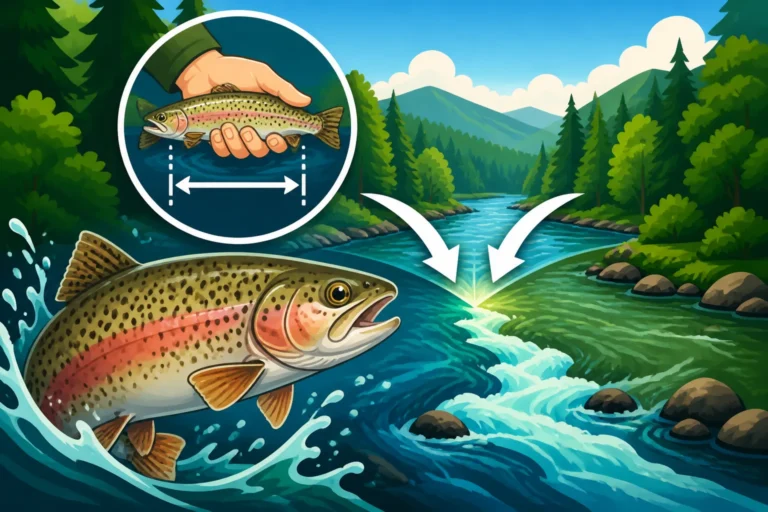
For many of us, when we talk about bass fishing, we're talking about largemouth bass – the iconic green fish that provides so much sport and excitement. Across the vast majority of Georgia's general regulation waters, the standard minimum size limit for largemouth bass is 12 inches. This means any largemouth bass you catch must measure at least 12 inches from the tip of its snout to the tip of its tail (with the tail compressed) before you can consider keeping it. Catch one shorter than that, and it needs to go right back into the water, unharmed. This rule is designed to allow young bass to grow to a reproductive age and contribute to future generations, ensuring the population remains robust. It's a fundamental part of the Georgia Fishing Regulations Explained that every angler should internalize.
Imagine you're enjoying a peaceful afternoon at a local public fishing area (PFA) or a less-trafficked community lake. You cast your favorite plastic worm, feel that familiar thump, and reel in a beautiful largemouth. Your first instinct, after admiring its colors, should be to grab your tape measure. If it falls short of that 12-inch mark, celebrate the catch, snap a quick photo if you like, and then gently release it. These smaller fish are the future of the fishery, and by letting them grow, you're helping ensure there are plenty of bigger bass for everyone to enjoy down the line. It's a simple, yet incredibly effective, conservation measure.
Daily Creel Limits for Most Georgia Waters
Beyond the size, there's also the question of quantity. How many bass can you actually take home in a single day? For largemouth bass, and often spotted bass in waters where they are found, the statewide daily creel limit is usually 10 fish. This means that, regardless of how many 12-inch-plus bass you might catch, you cannot possess more than 10 of them at any given time. This daily limit applies to your total catch for the day, not per species if you're targeting both largemouth and spotted bass, unless otherwise specified.
This limit is another critical management tool. While 10 bass might seem like a lot to some, it helps prevent overharvesting, especially in waters that might not sustain heavy pressure. It's about finding a balance between allowing anglers to enjoy their harvest and ensuring there are enough fish left in the lake or river to maintain a healthy ecosystem. Keep in mind that a "day" is generally defined as midnight to midnight. So, if you go out for an evening fish and then again early the next morning, your creel limit resets. Always make sure to count accurately, and if you're fishing with a buddy, remember that your combined limits don't simply double; each angler has their own individual creel limit.
Why Reservoir Bass Limits Can Be Different and Stricter
Now, let's get to the heart of the matter. Why do some of Georgia's most famous fishing holes, particularly the large reservoirs, often have rules that deviate from these statewide standards? It's not just to make things complicated, I promise! There are very specific and well-thought-out reasons behind these stricter, or sometimes simply different, regulations.
Managing High Angler Pressure on Popular Lakes
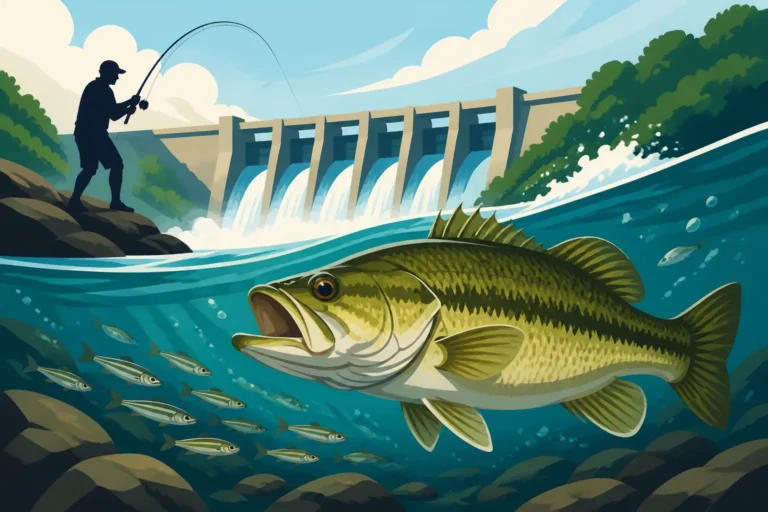
Georgia's major reservoirs like Lake Lanier, Lake Oconee, West Point Lake, and Clarks Hill Lake are absolute magnets for anglers. They're big, beautiful, and often hold incredible numbers of trophy-sized bass. Because of their popularity, these waters experience significantly higher fishing pressure compared to smaller, less accessible rivers or local ponds. When hundreds, sometimes thousands, of anglers are targeting bass on a regular basis, a simple statewide 12-inch, 10-fish limit might not be enough to protect the fishery.
Imagine a scenario where Lake Lanier, a lake that attracts countless anglers for Best Bass Fishing Lakes in Georgia, only had the 12-inch minimum. With so many boats on the water and so many lines cast, the population of keeper-sized bass could quickly dwindle. The Georgia Department of Natural Resources (DNR) works tirelessly to monitor fish populations, growth rates, and angler catch data. When they see that a specific body of water is experiencing heavy harvest rates, they implement stricter rules to ensure the sustainability of the fishery. These regulations are a direct response to the ecological and social dynamics of heavily fished environments, designed to allow more fish to reach larger sizes and maintain a robust breeding stock, even under intense recreational pressure.
Promoting Trophy Fisheries and Population Health
Another key reason for varying reservoir limits is the strategic goal of developing or maintaining a "trophy fishery" or simply enhancing the overall health and size structure of the bass population. By increasing the minimum size limit, for example, from 12 inches to 14 inches, the DNR ensures that bass have an additional year or two (or more, depending on growth rates) to mature, spawn multiple times, and grow larger before they can be legally harvested. This is a common practice in many of Georgia's Best Lakes for Fishing.
Consider the situation on many of Georgia's top bass lakes where a 14-inch minimum is in place. This regulation acts as a biological gatekeeper, allowing a greater proportion of the bass population to survive longer and grow into those impressive, chunky fish that anglers dream about. It also means that the remaining fish are often healthier and more capable breeders, contributing more effectively to the overall genetic strength of the population. It's a long-term investment in the fishery, ensuring that while you might release a few more fish today, the chances of catching a true lunker tomorrow are significantly improved. This kind of nuanced management is what makes fishing in Georgia so dynamic and rewarding, constantly evolving to meet conservation goals while still providing incredible angling opportunities.
Unpacking Specific Bass Limits in Georgia's Key Reservoirs
So, which reservoirs have these special rules, and what exactly are they? It's important to remember that these aren't just arbitrary numbers; they're tailored management strategies specific to each body of water.
The Common 14-Inch Minimum for Many Major Lakes
Perhaps the most common deviation from the statewide 12-inch minimum you'll encounter on Georgia's reservoirs is the 14-inch minimum size limit for largemouth bass. This rule applies to some of our most celebrated bass fishing destinations. Lakes like Lanier, Oconee, West Point, Walter F. George, Blackshear, Clarks Hill, and Hartwell all have this 14-inch minimum. This is a crucial detail, and failing to adhere to it can lead to penalties. If you're heading to any of these renowned Reservoirs with a 14-Inch Bass Minimum in Georgia, measuring every bass accurately is non-negotiable.
Let's say you're out on a Lake Lanier Fishing Guide, Georgia trip, eager to land some of those famous spotted bass or a hefty largemouth. You reel in a beautiful 13-inch largemouth. While that might be a keeper in many other parts of the state, on Lanier, it's considered an undersized fish and must be immediately released. The Why does Lake Lanier have a 14-inch bass minimum? question really comes down to ensuring the health and trophy potential of that specific fishery. It's about protecting the younger, but rapidly growing, bass population from harvest, allowing them to pack on more pounds and contribute to the lake's reputation for big fish. This often leads to a higher average size of bass available for legal harvest, which is a win-win for conservation and exciting angling.
Navigating Unique Slot Limits and Protected Sizes
While the 14-inch minimum is prevalent, some specific waters employ even more specialized regulations known as "slot limits." A slot limit means that fish within a certain size range must be released, while those smaller than the slot or larger than the slot can be kept. It might sound a bit counter-intuitive at first, but it's a powerful tool for fishery managers. A prime example of this in Georgia is found at Lake Lindsay Grace Bass Slot Limit.
At Lake Lindsay Grace, for instance, there's a unique slot limit where all bass between 15 and 22 inches must be immediately released. What does this mean for you? If you catch a 14-inch bass, you can keep it (up to the creel limit). If you catch a 16-inch bass, it's a mandatory release. But if you're lucky enough to land a true monster, say a 23-inch lunker, you can keep that one! The philosophy behind this is often to protect the prime breeding stock and the fish that are growing into the trophy class (the 15-22 inch fish), while still allowing harvest of smaller, more numerous fish, and truly exceptional, larger fish. These regulations are meticulously crafted to promote specific population structures, often aiming to produce a higher abundance of very large, trophy-sized bass. It's a sophisticated approach to fish management that requires anglers to pay very close attention to their measurements.
Bass Fishing Regulations for Georgia's Rivers and Flowing Waters
Now, let's switch gears and talk about Georgia's incredible network of rivers. From the broad Savannah River to the wild Flint River, these flowing waters offer unique challenges and equally unique fishing experiences.
General River Limits and the Statewide Standard
For a vast number of Georgia's rivers, the general statewide bass regulations still apply. This means you'll typically be looking at a 12-inch minimum size limit and a 10-fish daily creel limit for largemouth bass. Rivers often have naturally diverse habitats and, depending on their location and accessibility, might experience less concentrated fishing pressure than some of the major reservoirs. This allows the statewide regulations to be effective in maintaining healthy bass populations without needing stricter, localized rules.
Think about fishing a smaller tributary of the Altamaha River or a stretch of the Ocmulgee River that isn't known for major bass tournaments. Here, the Statewide Largemouth Bass Size Limits in Georgia would be your guide. You'd approach it with your usual gear, confident that any bass you catch over 12 inches is a legal keeper, provided you stay within your 10-fish daily limit. It simplifies things, which is often a welcome relief for anglers exploring new river sections. However, it's still good practice to always double-check the latest regulations from the Georgia DNR, especially if you're venturing into a lesser-known area, as localized rules can sometimes apply even to rivers.
Special Considerations for Native Shoal Bass
While many rivers adhere to the statewide rules, there are some incredibly important exceptions, particularly concerning native species like the shoal bass. Georgia is a stronghold for this unique black bass species, especially in rivers like the Flint River. Because shoal bass are often riverine specialists and can be sensitive to habitat changes and fishing pressure, they often have their own specific regulations to ensure their conservation. The Shoal Bass Size Limit Rules, Georgia are a prime example of this tailored management.
On the Flint River, for example, the regulation for shoal bass is a 12-inch minimum, but with an additional rule: only one bass over 15 inches may be retained. This is a modified slot limit designed to protect the larger, mature spawning shoal bass, allowing them to remain in the population and reproduce, ensuring the species thrives. So, if you're targeting shoal bass on the Flint, you can keep smaller fish (under 15 inches) but only one of your keepers can be over 15 inches. This is a very different approach from the reservoirs and emphasizes the importance of species-specific conservation for Georgia's incredible native fish. Anglers often pick up specific guides for these niche fishing experiences, sometimes found conveniently on Amazon, to ensure they understand these unique rules completely.
Essential Tips for Staying Compliant and Conserving Bass
Navigating Georgia's varied bass regulations doesn't have to be a headache. With a few smart habits, you can stay compliant, avoid fines, and feel good about contributing to the conservation of our beloved fisheries.
Always Verify Current Regulations Before Your Trip
This might sound like a broken record, but it is truly the single most important piece of advice: always verify the latest Georgia Fishing Regulations Explained before you head out. Regulations can change, sometimes annually, sometimes mid-season if an urgent conservation need arises. Relying on what you remember from last year, or what your buddy told you, is a recipe for trouble. The Georgia Department of Natural Resources (DNR) publishes a comprehensive guide that is available online, at license vendors, and sometimes even at bait shops. Many anglers also like to keep a copy on their phones or even printed out from a waterproof Amazon case, just in case.
Before hitting up any new spot, or even a familiar one you haven't visited in a while, take a few minutes to check the specific regulations for that body of water. Is it a reservoir with a 14-inch minimum? Does it have a special slot limit like Lake Lindsay Grace? Are you targeting a species like shoal bass that has unique riverine rules? Knowing these details upfront will save you potential headaches and fines later. An easy way to check if your fishing license is still valid is also part of this pre-trip routine, ensuring you're squared away on all fronts.
Practicing Responsible Catch and Release
Even with clear size and creel limits, practicing responsible catch and release is paramount, especially when fishing for bass that might fall outside the legal keeping size or within a protected slot. Many anglers, regardless of the rules, choose to release all or most of their bass catches to help sustain populations and promote trophy growth. This is a personal choice, but proper technique is universal.
When you catch a bass you intend to release, handle it as little as possible. Wet your hands before touching the fish to protect its slime coat, which is vital for disease prevention. Use pliers or a de-hooking tool to quickly remove hooks, especially if they're deep. Avoid letting the fish flop around on hot surfaces. If the fish appears stressed, hold it gently in the water, facing into any current, until it can swim away under its own power. Sometimes, a quality pair of fish grippers, easily found on Amazon, can make handling larger fish safer for both you and the bass. The goal is to return the fish to the water in the best possible condition, giving it the highest chance of survival and future growth. This ethos of conservation is what keeps Georgia's bass fisheries thriving for all of us to enjoy.
Disclaimer
Please note that fishing regulations are subject to change. Always consult the most current Georgia Department of Natural Resources (DNR) official fishing regulations guide before heading out on the water. This article provides general information and should not be considered a substitute for official legal documents.