How many bass can you keep per day in Georgia
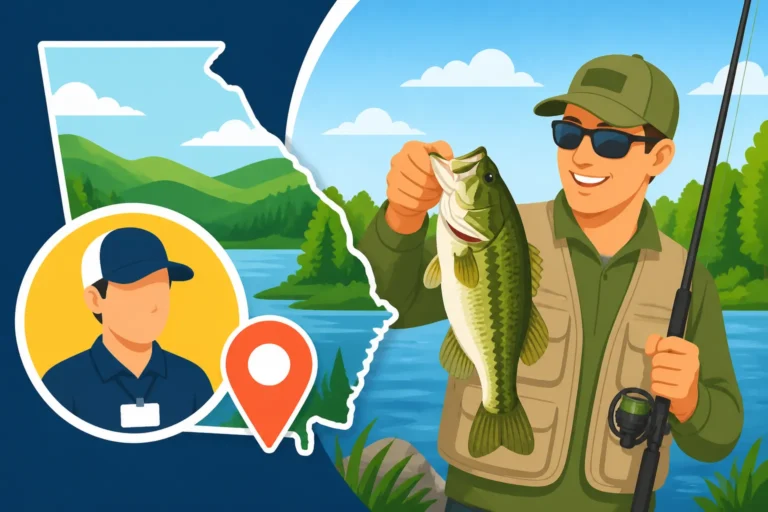
It can be incredibly frustrating to head out for a day of bass fishing in Georgia, only to realize you’re not entirely sure about the daily limits or minimum sizes for the specific lake you’re on. With statewide rules and so many special exceptions for individual reservoirs and rivers, it’s easy to get confused. This comprehensive guide is designed to clear up all that uncertainty, helping you understand exactly how many bass you can keep per day in Georgia waters and why these rules are in place.
Understanding Georgia's Statewide Bass Creel Limits
Georgia is a fantastic state for bass fishing, boasting healthy populations of largemouth, spotted, and shoal bass. To ensure these fisheries remain strong for generations to come, the Georgia Department of Natural Resources (GADNR) sets specific daily creel (bag) limits and size restrictions. These rules aren't just arbitrary; they're based on scientific research to maintain ecological balance and provide sustainable angling opportunities. Generally, the statewide limit applies to most public waters, but as we'll dive into, there are some significant exceptions you absolutely need to know about. For a broader overview of all fishing rules, you can check out the Georgia Fishing Regulations Explained article.
Largemouth Bass General Rules
Across most of Georgia's vast network of lakes, rivers, and ponds, the standard daily creel limit for largemouth bass is 10 fish. This means you can keep up to 10 largemouth bass within a 24-hour period. However, it's not just about the number; there’s also a minimum size limit. Most waters require largemouth bass to be at least 12 inches long to be kept. This minimum size helps protect younger fish, allowing them to grow and reproduce before they are harvested. Imagine reeling in a beautiful largemouth, only to find it's just shy of that 12-inch mark – it happens to all of us! It’s crucial to have a reliable measuring device on hand, perhaps a foldable ruler or a specialized fish measuring board that you can easily find on sites like Amazon. Knowing how to correctly measure your catch from the tip of the jaw to the tip of the tail is paramount to staying within the rules.
Spotted Bass General Rules
Spotted bass are another popular sport fish in Georgia, especially prevalent in many of the state's larger reservoirs and clear rivers. These feisty fish often share habitat with largemouth, but their regulations can sometimes differ. For spotted bass, the statewide daily creel limit is also 10 fish. Unlike largemouth, however, there typically isn't a minimum size limit for spotted bass on most general waters. This means that if you catch a spotted bass, regardless of its length, it can count towards your 10-fish limit, provided you're not on a lake with special regulations. It's a key distinction that can trip up anglers new to Georgia, or those accustomed to only largemouth rules. Knowing how to identify these two species is crucial, and you can learn more in our guide on Largemouth Bass vs Spotted Bass: How to Tell Them Apart in Georgia.
Shoal Bass General Rules
Shoal bass are a truly special fish in Georgia, native to specific river systems, most notably the Flint River. They are powerful, hard-fighting bass that thrive in flowing water. Due to their more restricted habitat and unique ecological role, shoal bass often have stricter regulations to protect their populations. On most waters where they are found, the statewide daily creel limit for shoal bass is 8 fish, and there's a minimum size limit of 12 inches. However, the Flint River, a prime shoal bass fishery, has its own highly specific rules which we’ll cover shortly. It's an absolute must to verify these rules if you're targeting shoal bass, as they are often more restrictive than for other bass species. For detailed information, consult the Shoal Bass Size Limit Rules, Georgia article.
Special Bass Regulations for Specific Georgia Waters
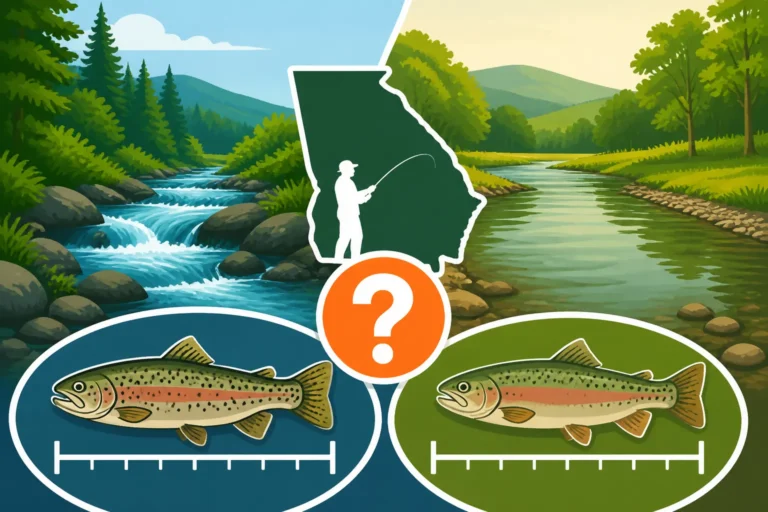
While statewide limits provide a good baseline, many of Georgia's premier bass fishing destinations have their own unique sets of rules designed to manage their specific fisheries. These special regulations are put in place for various reasons, from protecting trophy fish to promoting a healthier age structure within the bass population. Ignoring these local rules can lead to serious penalties, so always double-check the current regulations for your chosen body of water before you cast a line.
Reservoirs with a 14-Inch Bass Minimum
Several of Georgia's most famous and heavily fished reservoirs implement a higher minimum size limit for largemouth bass – 14 inches instead of the general 12 inches. This is a common conservation strategy for larger impoundments, aiming to allow bass to grow to a more mature size before they can be harvested, often leading to better quality fishing over time.
Lakes that typically have this 14-inch minimum for largemouth bass include:
- Lake Lanier: A striped bass and spotted bass powerhouse, but also home to plenty of largemouth. This 14-inch rule is critical for bass anglers here. If you're planning a trip, be sure to read our Best Time of Year to Catch Bass at Lake Lanier, Georgia guide.
- Lake Oconee: Known for its hybrid striped bass and excellent largemouth fishing, especially near submerged timber. Learn more about fishing here in Fishing Lake Oconee, Georgia.
- West Point Lake: A fantastic bass fishery on the Georgia-Alabama border.
- Walter F. George Reservoir (Lake Eufaula): Another border lake, famous for its big largemouth bass.
- Lake Blackshear: A popular central Georgia lake.
These lakes still generally adhere to the 10-fish daily creel limit for bass species, but that 14-inch minimum for largemouth is the critical distinction. It’s always smart to check the latest GADNR guide, which you can usually find online or pick up at most sporting goods stores or even on Amazon if you prefer a physical copy for your tackle box. For a full list of reservoirs with this specific rule, consult Reservoirs with a 14-Inch Bass Minimum in Georgia.
Lake Lindsay Grace's Unique Bass Slot Limit
Lake Lindsay Grace, a public fishing area in South Georgia, has a particularly interesting and somewhat rare bass regulation: a slot limit. This means there's a specific size range of fish that cannot be kept, while fish outside that range can be kept, up to the daily creel limit.
At Lake Lindsay Grace, anglers are generally required to release all largemouth bass between 15 and 22 inches in length. This is a strategy designed to protect the breeding stock and encourage the growth of trophy-sized fish. You can keep bass under 15 inches and those over 22 inches, but you must release anything in that middle slot. The daily creel limit for largemouth bass at Lake Lindsay Grace is typically 5 fish, which is lower than the statewide limit, again reflecting a more intensive management approach. This kind of regulation is fantastic for promoting bigger fish but requires extra diligence from anglers. Make sure you're well-versed in these rules if you visit, and check out Lake Lindsay Grace Bass Slot Limit for more details.
Flint River Shoal Bass Specifics
The Flint River is legendary for its shoal bass, and for good reason. It's one of the best places in the world to catch this unique species. Because of its importance, specific sections of the Flint River have even tighter regulations than the general statewide shoal bass rules.
For example, on the Flint River from Warwick Dam downstream to the river's confluence with the Chattahoochee and Apalachicola Rivers, the daily creel limit for shoal bass is often 5 fish, with a minimum size limit of 12 inches. This is a reduction from the statewide 8-fish limit, emphasizing the conservation of this prized fishery. There might also be catch-and-release only sections at certain times or locations, so always consult the most current regulations map or guide if you're planning a trip to the Flint. These specialized rules are a testament to the river's ecological value and the GADNR's commitment to preserving it.
Why Creel and Size Limits Are Important
You might wonder why we have all these rules in the first place, especially when they can feel a bit cumbersome to remember. But trust me, these regulations are the backbone of sustainable fishing. They are essential tools for managing fish populations and ensuring that Georgia's waters remain vibrant and productive for anglers today and for future generations.
The Role of Conservation in Fishing Regulations
Creel and size limits are primarily conservation measures. A minimum size limit allows fish to reach sexual maturity and reproduce at least once, contributing to the next generation of fish. This is particularly important for species like largemouth bass, where larger, older fish are often the most successful breeders. Limiting the number of fish an angler can keep per day, or the daily creel limit, prevents overharvesting. Without these controls, it would be all too easy for a few anglers to deplete a fishery, leaving little for others. It’s a delicate balance between providing recreational opportunities and protecting the natural resource. Think of it as a shared resource that we all have a responsibility to manage wisely.
Proper Measurement Techniques for Fish
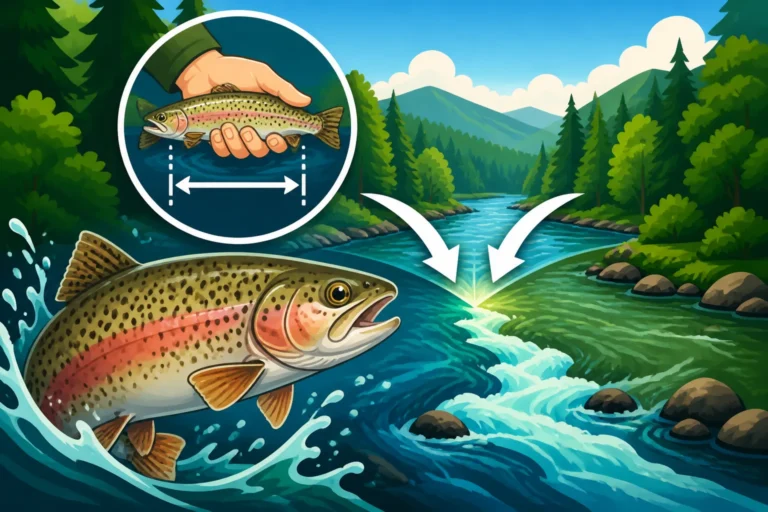
Accurately measuring your catch is non-negotiable when size limits are in effect. The standard method in Georgia is to measure the fish from the tip of its snout (mouth closed) to the farthest tip of its tail with the tail compressed. This is often referred to as "total length."
Here’s how to do it correctly:
- Lay the fish flat: Place the fish on a flat surface, like a measuring board or ruler.
- Close the mouth: Gently push the fish's mouth closed against the end of the measuring device.
- Compress the tail: Gently squeeze the tail lobes together to achieve the maximum length.
- Read the measurement: Note the length at the farthest point of the tail.
Having a good, sturdy measuring board, perhaps a collapsible one from Amazon, in your boat or tackle bag is essential. Don't eyeball it! Being even a quarter-inch off can be the difference between a legal fish and a violation.
Daily Bag vs. Possession Limits
It's also important to understand the difference between a "daily creel limit" (or bag limit) and a "possession limit."
- Daily Creel Limit: This refers to the maximum number of fish of a particular species that an angler may legally take in one day. Once you've reached your daily limit for a species, you must stop fishing for that species for the remainder of the day, even if you continue fishing for other species.
- Possession Limit: This refers to the maximum number of fish of a particular species that an individual may possess at any given time, whether on the water, in transit, or at home. In Georgia, the possession limit for most freshwater species is usually the same as the daily creel limit, unless otherwise specified. This means you generally can't have two or three days' worth of limits stored up. For a complete understanding of all state fish limits, our article on Georgia Fish Size and Creel Limits is a great resource.
Consequences of Not Following Bass Regulations
Ignorance of the law is never an excuse, especially when it comes to fishing regulations. State wildlife agencies take these rules very seriously, and for good reason. Violating creel or size limits can have significant repercussions, both legally and environmentally.
Fines and Legal Repercussions
Getting caught with undersized bass or over the daily limit can result in substantial fines, court appearances, and potentially even the loss of your fishing privileges. The exact penalties can vary depending on the severity of the violation, whether it's a first offense, and the specific species and number of fish involved. For instance, a single undersized bass might incur a fine, but repeatedly violating limits or possessing a large quantity of illegal fish could lead to much harsher penalties, including significant fines and suspension of your fishing license. You can find more information about these consequences in our Penalties for Fishing Without a License in Georgia article, which often covers similar types of violations. It's just not worth the risk. Always fish ethically and legally.
Protecting Georgia's Fishery for Future Generations
Beyond the personal legal consequences, violating fishing regulations has a broader, more detrimental impact on the health of Georgia's fisheries. When anglers disregard limits, it contributes to overfishing, which can decimate fish populations, reduce breeding stock, and ultimately lead to a decline in the quality of fishing for everyone. Healthy fisheries rely on sustainable practices, and every angler plays a part in that. By adhering to the rules, you're not just avoiding a fine; you're actively contributing to the conservation efforts that ensure there will be plenty of bass to catch for your kids and grandkids. It’s about being a responsible steward of our natural resources, a principle that true anglers hold dear.
Here’s a quick overview of some common bass limits in Georgia:
| Bass Species | General Statewide Daily Creel Limit | General Statewide Minimum Size Limit | Notable Exceptions (Daily Creel / Min. Size) | Specific Locations |
|---|---|---|---|---|
| Largemouth Bass | 10 fish | 12 inches | 10 fish / 14 inches | Lake Lanier, Lake Oconee, West Point Lake, Walter F. George Reservoir, Lake Blackshear, and other specified PFAs. |
| 5 fish / 15-22 inch slot limit (release) | Lake Lindsay Grace (can keep <15" and >22") | |||
| Spotted Bass | 10 fish | No minimum (statewide) | 10 fish / 14 inches (if caught in a lake with 14" largemouth rule, check local) | Lake Lanier, Lake Oconee, other large reservoirs |
| Shoal Bass | 8 fish | 12 inches | 5 fish / 12 inches | Flint River (from Warwick Dam downstream to confluence) |
Note: Always verify the most current regulations before fishing, as rules can change.
Disclaimer
The information provided in this guide is for general informational purposes only and does not constitute legal advice. Fishing regulations can change, and it is the responsibility of each angler to consult the most current Georgia Department of Natural Resources (GADNR) fishing regulations before engaging in any fishing activity. Always refer to the official GADNR guidelines or contact them directly for the most accurate and up-to-date information.