Why does Lake Lanier have a 14-inch bass minimum?
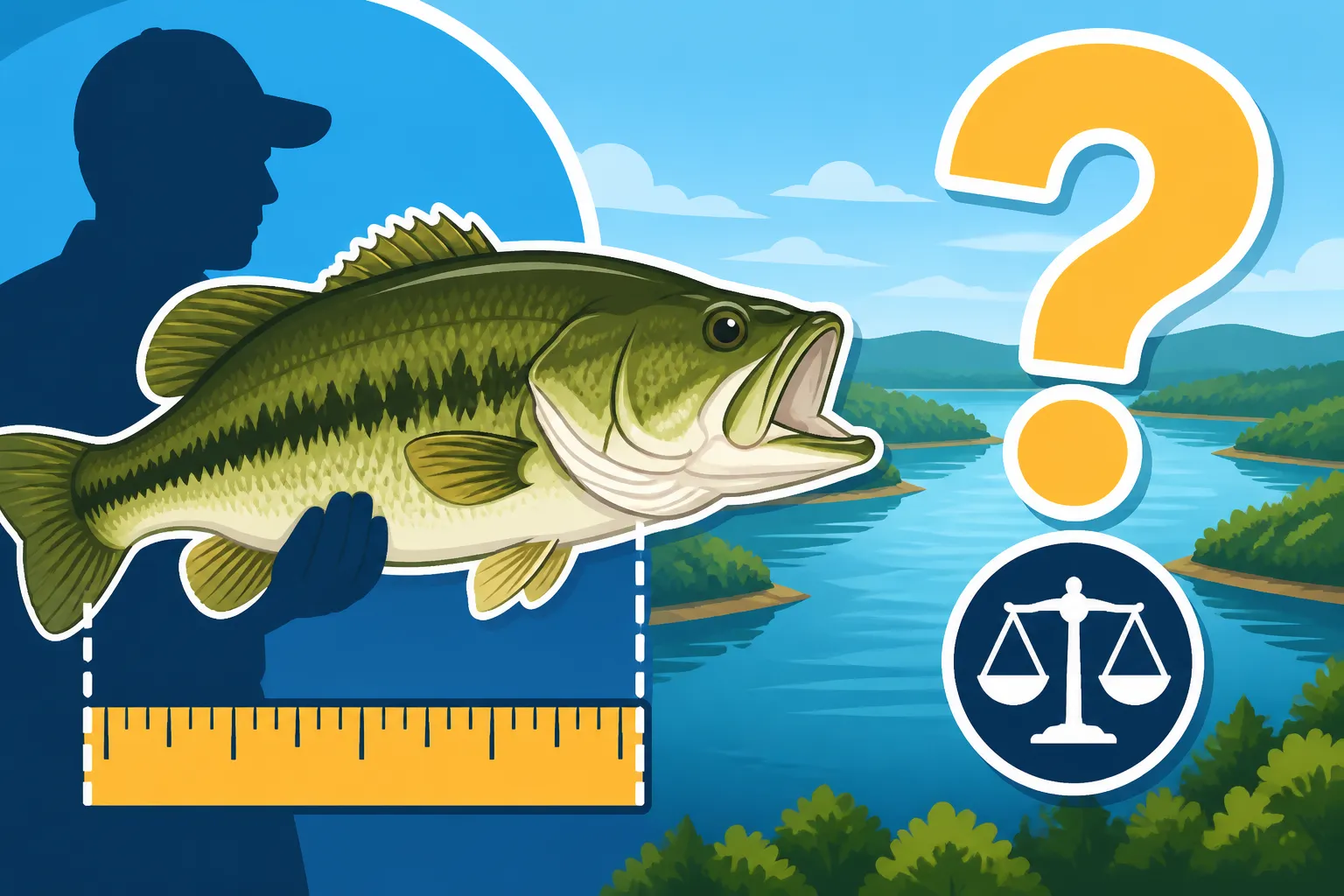
It can be incredibly frustrating to hit a good fishing spot, reel in a beautiful largemouth bass, only to realize it doesn't meet the legal size limit. Lake Lanier, one of Georgia's most popular and heavily fished lakes, has a specific 14-inch minimum size limit for bass, which can sometimes catch even seasoned anglers off guard. This guide dives deep into why this regulation exists, how it impacts your fishing experience, and what it means for the health of Lake Lanier's amazing bass fishery.
Understanding the 14-Inch Bass Minimum on Lake Lanier
When you're out on the water, the last thing you want to be thinking about is complicated rules. But these regulations, particularly the 14-inch bass minimum on Lake Lanier, aren't just arbitrary lines drawn by some government agency. They're carefully crafted by fisheries biologists with a very clear purpose: to ensure the long-term health and vitality of our beloved bass populations. This specific rule for Lake Lanier is a prime example of targeted management.
The Rationale Behind Size Limits
So, why do wildlife agencies even bother with size limits? Imagine if everyone could keep every bass they caught, regardless of size. It wouldn't take long for the fish populations to dwindle, especially the smaller, fast-growing ones. The primary goal of a minimum size limit is to prevent the overharvest of immature fish. By requiring fish to reach a certain length before they can be kept, the Georgia Department of Natural Resources (GDNR) ensures that a significant portion of the bass population has the opportunity to mature, reproduce, and contribute to future generations. This is critical for species like largemouth bass, which are highly sought after by anglers.
For bass specifically, allowing them to grow larger often means they become more prolific spawners. A bigger female bass can lay significantly more eggs than a smaller one, which directly impacts the number of new fish entering the system. It’s all about creating a sustainable fishery where there are always plenty of fish for everyone to enjoy, year after year. This kind of nuanced approach is part of the larger picture you'd find when looking into the comprehensive Georgia Fishing Regulations Explained.
Lake Lanier's Unique Fishery Dynamics
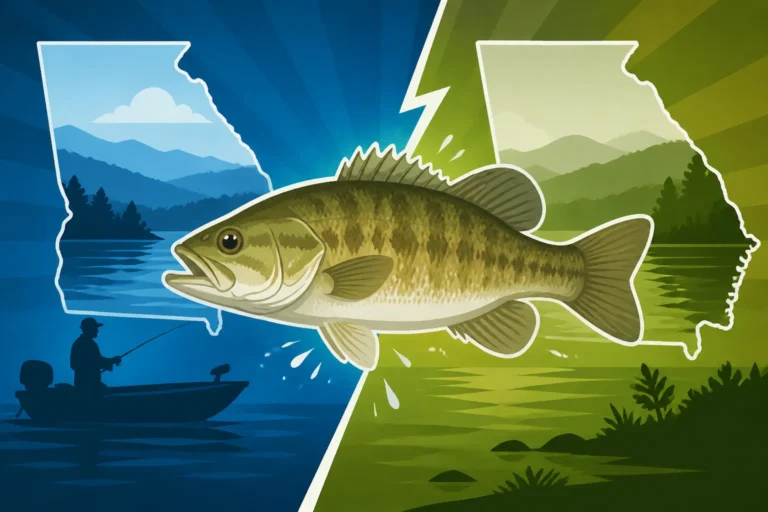
Lake Lanier isn't just any lake; it's a massive, incredibly popular reservoir in North Georgia, drawing countless anglers every year. This high angling pressure alone means its fishery needs careful management. But there's another crucial factor at play here: the dominance of spotted bass. Over the years, spotted bass have become very abundant in Lanier, and while they're a fun fight, they can outcompete largemouth bass for food and habitat. This competition often leads to slower growth rates and fewer large largemouth bass.
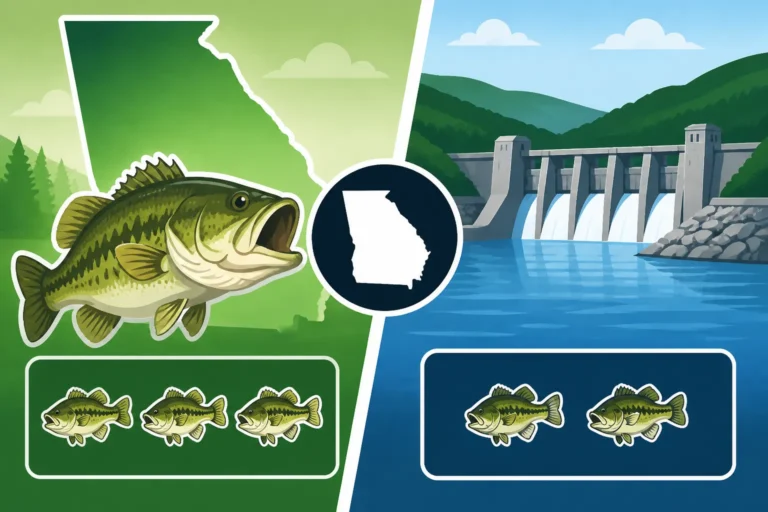
The 14-inch minimum for largemouth bass on Lake Lanier is a strategic move to give these fish a fighting chance. By protecting largemouth until they reach 14 inches, the regulation creates a kind of "protected slot" for these fish. It ensures that a good number of largemouth can grow beyond the length where spotted bass typically dominate, allowing them to reach a larger size and mature enough to reproduce successfully. It’s an effort to bolster the largemouth population and provide opportunities for anglers to catch those impressive, bigger bass that we all dream about. If you're planning a trip, checking out a Lake Lanier Fishing Guide, Georgia can give you even more insight into the lake's specific challenges and rewards.
Georgia's Bass Regulations: Lanier in Context
It’s easy to get focused on the rules for a single lake, but it helps to see how Lake Lanier's regulations fit into the broader landscape of Georgia fishing. While the 14-inch minimum might seem strict, it's actually one of several tailored approaches the state uses to manage its diverse fisheries.
Statewide Largemouth Bass Regulations
For many lakes and rivers across Georgia, the standard statewide regulation for black bass—which includes largemouth, spotted, and shoal bass—is a 12-inch minimum size limit. The daily creel limit is typically an aggregate of 10 black bass. This means you can keep a total of 10 bass of any of these species, as long as they meet the minimum size requirements for that particular body of water. For a deeper dive into these general rules, you can refer to our guide on Statewide Largemouth Bass Size Limits in Georgia.
The reason for the 12-inch standard in many places is often a balance between allowing anglers to harvest fish and ensuring enough fish survive to reproduce. These are usually waters where the bass populations are robust and not facing the same specific pressures as a lake like Lanier. It's important to remember that these are just general guidelines, and local exceptions are common, so always double-check the specific regulations for the water body you plan to fish. Understanding How Many Bass Can You Keep Per Day in Georgia is crucial before you head out.
Why Certain Lakes Have Special Rules
Lake Lanier isn't alone in having specific regulations that differ from the statewide standard. Fisheries biologists conduct extensive research, studying factors like the forage base (what the fish eat), water quality, the mix of species present, and, of course, the level of angling pressure. They use this data to determine if a lake's unique ecosystem requires a more specific management plan. This is why you'll find different rules on different lakes. For instance, some lakes might have a 14-inch minimum for bass, while others might have slot limits, where you can only keep fish below or above a certain size range, but not within it.
Lake Oconee, for example, also has a 14-inch minimum for largemouth bass, for reasons similar to Lanier—to enhance the quality of its largemouth fishery. Then you have truly unique situations like Lake Lindsay Grace, which features a 15 to 22-inch protected slot limit for bass. These variations highlight the dynamic nature of fisheries management. It’s not a one-size-fits-all approach. For those interested in where else these unique rules apply, check out our guide on Reservoirs with a 14-Inch Bass Minimum in Georgia, or a broader explanation of 12-inch vs 14-inch bass minimum in Georgia explained.
To give you a clearer picture, here's a quick comparison of some common bass limits in Georgia:
| Lake/Water Body | Largemouth Bass Minimum Size | Largemouth Bass Daily Creel Limit (Black Bass Aggregate) | Notes |
|---|---|---|---|
| Lake Lanier | 14 inches | 10 (aggregate) | Special regulation to promote larger largemouth bass growth. |
| Lake Oconee | 14 inches | 10 (aggregate) | Similar goals as Lanier, fostering a quality largemouth fishery. |
| Lake Sinclair | 12 inches | 10 (aggregate) | Adheres to the standard statewide regulation for black bass. |
| Statewide General Waters | 12 inches | 10 (aggregate) | Applies to numerous other lakes, rivers, and impoundments. |
| Lake Lindsay Grace | 15-22 inch protected slot | 10 (aggregate) | Unique slot limit: anglers can only keep bass under 15" or over 22". |
The Impact of the 14-Inch Minimum on Anglers and the Fishery
Understanding the "why" behind the 14-inch minimum on Lake Lanier is one thing, but it’s another to grasp its real-world effects. This regulation has significant implications, both for the bass thriving in the lake and for us, the anglers who pursue them.
Benefits for the Bass Population
First and foremost, the 14-inch minimum is a huge win for the largemouth bass themselves. By protecting them until they reach this size, the regulation allows more bass to survive to reproductive age. This means a greater number of fish can spawn, laying more eggs and ultimately leading to a more robust and healthy bass population overall. Over time, this regulation fosters a fishery where individual largemouth bass have the chance to grow bigger and older, leading to more trophy-sized fish for future anglers to enjoy. It's a key part of maintaining the ecological balance and ensuring a sustainable resource. You can learn more about these magnificent creatures in our detailed guide on Largemouth Bass Fishing in Georgia: The Complete Species Guide.
Furthermore, by reducing the harvest pressure on smaller largemouth, these fish can effectively "escape" the intense competition from the more dominant spotted bass until they're larger and better equipped to compete for food and territory. This selective pressure helps to promote genetic diversity and ensure that the largemouth bass of Lake Lanier can continue to thrive for years to come. Ultimately, it's about making sure that Is Lake Lanier Good for Bass Fishing? remains a resounding "Yes!"
Challenges and Adjustments for Anglers
For us anglers, this regulation means we need to adapt our approach, especially if we're used to catching and keeping smaller bass elsewhere. You might find yourself catching plenty of bass, but having to release many of them because they don't meet that 14-inch mark. This can be a shift in mindset, moving from a harvest-oriented trip to one that emphasizes catch-and-release, particularly for those fish that fall within the protected size range.
This also highlights the importance of proper fish handling. When you're releasing a bass, especially one you’ve fought hard, you want to ensure it has the best chance of survival. Wetting your hands before handling, supporting the fish horizontally, and minimizing its time out of the water are all crucial practices. Investing in a good measuring board, like a "Hawg Trough" readily available on Amazon, becomes an essential piece of gear. It allows you to quickly and accurately measure your catch without causing undue stress. It's about being a responsible steward of the resource, which ultimately benefits everyone who loves to fish.
Navigating Lake Lanier's Regulations Like a Pro
Understanding why the 14-inch minimum exists is half the battle. The other half is knowing how to effectively fish and enjoy Lake Lanier within those regulations. It requires a bit of preparation and a commitment to responsible angling.
Essential Gear and Practices
First things first: you absolutely need an accurate measuring device. A simple tape measure will do in a pinch, but a rigid measuring board is far better for quickly and safely checking a fish's length. Brands like Hawg Trough are popular and you can easily find them on Amazon. Keep it easily accessible in your boat or tackle bag. This way, you can measure your catch as soon as you land it, minimizing stress on the fish. Beyond the measuring board, think about tackle. While the size limit only dictates what you keep, it's often wise to adjust your tackle to target larger fish if that's your goal. This might mean using slightly heavier line, bigger baits, or specific lures that appeal to more mature bass. You can find a huge variety of such items on Amazon, allowing you to fine-tune your setup.
Practicing patience is also key. You might catch a dozen bass under 14 inches before you hit that keeper. Enjoy the fight, take a quick photo if you like, and then gently release them. Focusing on presentation and technique, trying to entice those bigger bites, can make your time on the water even more rewarding. Exploring different Bass Fishing Techniques for Pre-Spawn and Post-Spawn Patterns can give you an edge in targeting larger fish throughout the year.
Staying Informed and Responsible
The most critical step for any angler is to always stay informed about the latest fishing regulations. Rules can change, and what was valid last season might not be this season. Before every trip, especially to a new or specifically regulated lake like Lanier, take a few minutes to review the Georgia Department of Natural Resources (GDNR) fishing guide. Our comprehensive Georgia Fishing Regulations Explained is an excellent resource, but nothing beats verifying with the official channels.
Being a responsible angler means more than just following the rules; it means being an advocate for the sport and the resource. Practice ethical catch-and-release, especially for those fish that don't meet the size limit. Proper handling ensures that these fish can swim away strong and potentially grow into future trophy catches. Understanding how factors like How Water Temperature Affects Fish Behavior can also inform your angling strategy, helping you target fish more effectively while respecting their environment. Whether you're chasing that next personal best or simply enjoying a peaceful day on the water, knowing your stuff contributes to a thriving fishery for everyone, especially if you're planning on fishing during the Best Time of Year to Catch Bass at Lake Lanier, Georgia.
Disclaimer
The information provided in this guide is for general informational purposes only and does not constitute legal advice. Fishing regulations can change, and it is the responsibility of each angler to consult the latest official Georgia Department of Natural Resources (GDNR) regulations before engaging in any fishing activities. Always adhere to local, state, and federal laws.