Best Pontoon Boat for Georgia Reservoirs
Choosing the perfect boat for fishing Georgia's sprawling reservoirs can feel like a daunting task, especially when you're dreaming of comfortable days on the water with family and friends, yet still want to seriously pursue those trophy fish. This guide will help you navigate the features and considerations for selecting the best pontoon boat that truly shines on our magnificent Georgia reservoirs, blending family fun with serious angling potential.
Why Pontoon Boats Are Perfect for Georgia Reservoirs
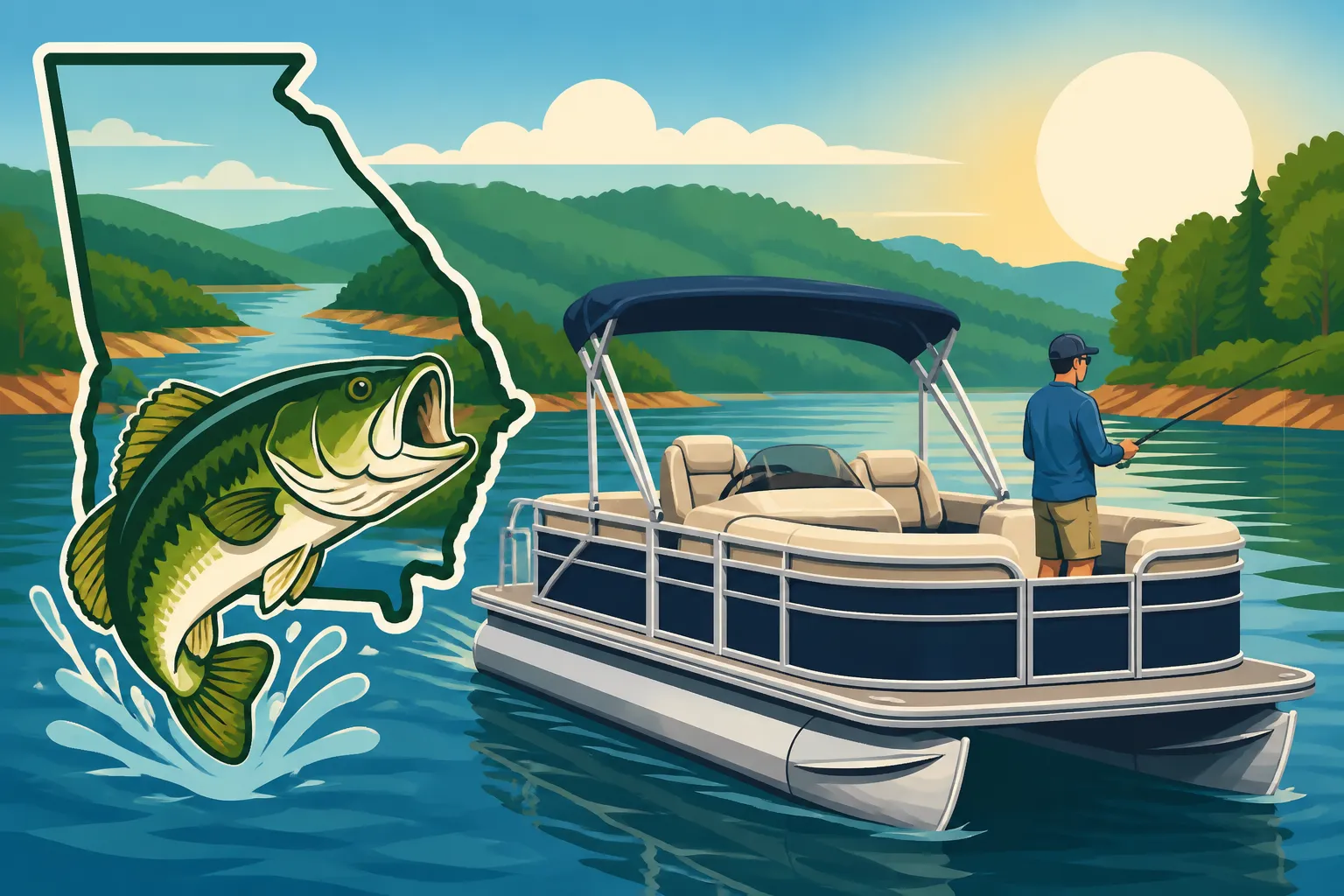
Let's be real, when most folks picture a fishing boat, they imagine a sleek bass boat or a rugged jon boat. But for many Georgia anglers, especially those who love combining their passion with family time, a pontoon boat is an absolute game-changer. Our reservoirs like Lake Lanier, Lake Oconee, and Clarks Hill Lake offer vast expanses of water, and a pontoon boat simply handles them with grace and comfort that other boats can't always match. It's about more than just fishing; it's about the entire experience.
Stability and Space for Family Fun
One of the biggest headaches when fishing with a group, especially kids or older relatives, is limited space and the constant rocking of smaller boats. Pontoon boats solve this beautifully. Their wide, flat decks provide incredible stability, making it easy for everyone to move around without feeling like they're going to tumble overboard. You can have multiple lines in the water, a cooler full of snacks, and even a couple of excited kids casting simultaneously without feeling cramped or unsafe. This stability is a huge comfort, particularly on busy weekend days when wake from other boats can make smaller vessels a real challenge. Imagine cruising across Lake Lanier Fishing Guide, Georgia with everyone spread out comfortably, enjoying the scenery, before settling into a quiet cove to drop a line.
This expansive deck space also means you can bring along all the creature comforts that make a day on the water truly enjoyable. Think about it: a dedicated area for kids to play, comfortable seating for lounging between bites, and even room for a picnic spread. It transforms a simple fishing trip into a full-fledged family outing or a relaxing social event with friends. No more awkwardly bumping elbows or tripping over gear. It's about creating memories that go beyond just the catch, making sure everyone, not just the avid angler, has a fantastic time.
Plus, if you're like me, sometimes you just want to kick back and float, even if the fish aren't biting. The open layout allows for this kind of versatility. You can easily switch from serious fishing mode to relaxation mode by simply rearranging some seating or deploying a swim ladder. It's this adaptability that makes pontoons so beloved by multi-purpose boaters. They truly are the floating equivalent of a patio on the water, providing a comfortable base for whatever adventure the day brings.
Versatility for Various Fishing Styles
Don't let anyone tell you pontoon boats aren't serious fishing machines. While they might not be built for high-speed tournament runs like some specialized bass boats, they are incredibly adaptable for a wide range of Georgia fishing styles. Whether you're targeting crappie around brush piles, bottom fishing for catfish, or trolling for striped bass, a well-equipped pontoon can handle it all. The open deck allows for 360-degree casting access, which is a huge advantage when you're trying to work a specific structure or follow a school of fish.
You can set up multiple fishing stations, each with its own rod holder and tackle box, meaning different anglers can pursue different species or techniques simultaneously. One person can be jigging for panfish while another is casting for bass, and a third might be checking trotlines (if permitted!). This kind of flexibility is practically impossible on smaller, more confined boats. It reduces conflict and increases everyone's chances of catching something, which is a big win for any fishing trip, especially with mixed skill levels.
Furthermore, pontoons are often easier to equip with specialized fishing gear. Mounting a powerful trolling motor, installing multiple Best Fish Finders for Georgia Reservoir Fishing units, or even adding custom baitwells and rod storage is straightforward due to the ample space and sturdy decking. You can tailor your pontoon to be as hardcore a fishing platform as you desire, without sacrificing the comfort and space that initially drew you to it. It’s all about configuring the boat to suit your preferred way to fish on Georgia’s diverse waters.
Comfort and Amenities on the Water
Let's face it, a long day on the water can be tough without proper comfort. This is where pontoon boats truly shine. Most come standard with plush seating, often arranged in loungers or U-shaped benches, which are far more comfortable than typical fishing boat seats. You'll find yourself able to relax fully, rather than perching precariously on a pedestal seat for hours on end. This makes a huge difference in your endurance and enjoyment, especially during those scorching Georgia summer days.
Beyond just seating, modern pontoons often boast a host of amenities that transform a basic boat into a luxurious floating retreat. Bimini tops provide essential shade from the relentless Georgia sun, preventing sunburns and allowing you to stay out longer. Many models include integrated coolers, sinks, and even small tables, making it easy to enjoy meals and refreshments right on board. Some even have enclosed changing rooms, which are a godsend when you want to take a quick dip or just need a private moment.
These amenities aren't just about luxury; they contribute directly to a better fishing experience. Staying cool and hydrated under a bimini top means you're more focused and less fatigued. Having a designated spot for drinks and snacks keeps your hands free for fishing. And let's not forget the sheer joy of pulling up to a quiet cove on Fishing Lake Oconee, Georgia, dropping anchor, and simply enjoying the serenity from the comfort of your own floating oasis. It truly elevates the entire outdoor experience.
Key Features to Look for in a Fishing Pontoon Boat
When you start looking at pontoon boats, you'll quickly realize there's a huge range of options out there. It's not just about picking the prettiest one! To find the best pontoon for fishing Georgia's reservoirs, you need to focus on features that enhance both your angling pursuits and your overall enjoyment. Think about how you primarily plan to use the boat and prioritize accordingly.
Deck Layout and Fishing Stations
The layout of the deck is absolutely critical for a fishing pontoon. You want a design that maximizes open, unobstructed floor space, especially around the edges, to allow for easy casting and movement. Look for models that specifically market themselves as "fishing pontoons" or "fish & cruise" models. These often come with dedicated fishing stations built-in.
What makes a good fishing station? Think about swivel fishing seats (usually two in the bow and two in the stern), which allow you to comfortably face any direction. Integrated rod holders are a must, ideally recessed into the gunwales or mounted securely to prevent snags and accidental damage. A livewell, preferably aerated, is another non-negotiable feature for keeping bait fresh and any keepers healthy until you're ready to head home. Tackle Box Setup for Bass Fishing becomes much easier when you have designated spots for your gear. Some pontoons even feature bait prep stations with a cutting board and sink, which is a fantastic luxury for serious anglers.
Beyond the specific fishing features, consider the overall flow of the deck. Can you walk from bow to stern easily, even with a couple of people fishing? Are there clear pathways, or is it cluttered with seating that can't be moved? Some layouts offer removable seating or modular components, allowing you to reconfigure the space for different activities. This flexibility can be a huge advantage, letting you transform your lounging pontoon into a fishing machine with minimal effort.
Engine Size and Performance
The right engine size for your pontoon boat on Georgia's reservoirs is a delicate balance between power, efficiency, and how you plan to use it. If you're primarily cruising at a leisurely pace, perhaps enjoying the sights on Lake Sinclair Fishing Spots or quietly drifting for catfish, you might not need the biggest engine. However, if you're frequently traveling long distances across vast lakes like Lanier, dealing with strong currents, or planning to do any watersports, a more powerful engine becomes essential.
For fishing, a larger engine can be beneficial for quickly getting to your preferred spot, especially if it's far from the boat ramp, and for safely navigating busy waters. But don't just think "horsepower." Consider the boat's "hull" design. While most pontoons have two main tubes, tritoons (with three tubes) offer significantly better performance, stability, and can handle much larger engines, allowing for faster speeds and a smoother ride in choppy conditions. This can be crucial on windy days on our larger reservoirs.
Fuel efficiency is another factor. While a larger engine will burn more fuel at wide-open throttle, a properly sized engine that isn't constantly straining to push the boat can actually be more efficient than an underpowered one. Always check the manufacturer's recommended horsepower range for any pontoon you're considering. Remember, you want enough power to feel safe and comfortable, but not so much that you're just burning money unnecessarily.
Storage and Accessibility
Anyone who's ever been fishing knows that gear accumulates quickly! Rods, tackle boxes, coolers, safety equipment, extra clothing, snacks, sun protection – the list goes on. Ample, well-designed storage is often an overlooked but incredibly important feature for any fishing boat, and pontoons are no exception. You want dedicated spaces for everything to keep the deck clear and safe, preventing trips and falls, and making it easy to find what you need when the bite is on.
Look for under-seat storage compartments that are large and ideally drained, so you don't have water pooling in them. In-floor storage lockers are fantastic for larger items like waterskis or inflatable tubes, or even extra fishing rods. Dedicated rod lockers or tubes can keep your expensive Best Rods and Reels for Georgia Fishing protected when not in use. Some pontoon designs integrate vertical rod holders into the stern railing, which is great for quick access but might not be ideal for protecting your gear during travel.
Accessibility is key. Can you easily open storage compartments without moving everything else around? Are there enough cup holders and small item trays for phones, keys, and lures? Simple things like a convenient trash receptacle can also make a huge difference in keeping your boat tidy. Remember, the more organized your boat is, the more time you can spend fishing and less time searching for that one specific lure.
Build Quality and Durability
A pontoon boat is a significant investment, so you want one that's going to last through years of enjoyment on Georgia's waters. Build quality and durability are paramount. Start by looking at the pontoons themselves: are they made from high-grade marine-grade aluminum? Are the welds clean and strong? These tubes are the foundation of your boat, so their integrity is crucial.
Examine the decking material. Many modern pontoons use composite decking that is lighter, more durable, and less prone to rot than traditional plywood, though pressure-treated marine plywood is still a common and reliable option when properly cared for. Look at the fastening methods for the deck to the frame – bolts are generally preferred over screws for long-term stability. The quality of the upholstery is also important; marine-grade vinyl will resist UV damage and mildew much better than standard materials.
Finally, don't overlook the little details. Are the gates sturdy and secure? Are the navigation lights well-protected? Are the wiring harnesses neatly bundled and protected from the elements? Pay attention to the fit and finish. A well-built boat will show attention to detail throughout. A quality pontoon should feel solid and secure, even when dealing with the occasional chop or heavy boat traffic on popular spots like How Big a Boat Do You Need for Lake Lanier.
Top Pontoon Boat Considerations for Specific Georgia Lakes
Georgia is blessed with a diverse array of reservoirs, each with its own characteristics. What works perfectly on a smaller, calmer lake might not be ideal for a vast, busy body of water. Thinking about where you'll spend most of your time fishing is crucial to choosing the right pontoon boat.
Lake Lanier and Other Large Reservoirs
Lakes like Lanier, Clarks Hill (Lake Thurmond), or even Walter F. George Reservoir are massive bodies of water that can feel more like inland seas on a windy day. They often experience significant boat traffic, especially on weekends, leading to choppy conditions. For these larger reservoirs, stability and performance become even more critical.
A tritoon (three pontoons) configuration is highly recommended for these conditions. The third pontoon provides enhanced stability, allows for larger engine options, and offers a smoother, drier ride when cutting through waves. A more powerful engine (in the 150-300+ horsepower range, depending on boat size and weight) will give you the necessary speed to cover long distances safely and get out of the way of larger vessels. You don't want to feel underpowered when a rogue cruiser wake comes your way. Opt for a longer pontoon (22 feet or more) to increase stability and deck space.
Additionally, robust construction and a well-designed splash guard system in the bow are important to keep spray out of the boat. A sturdy bimini top for ample shade is also a must for those long days exposed to the sun. Consider adding a bow-mounted trolling motor with GPS-controlled spot-lock for holding your position precisely, especially when targeting schooling fish in open water. Safety Gear Checklist for a Day on Lake Lanier should include extra flotation and communication devices, given the size of the lake.
Lake Oconee and Sinclair
Lake Oconee and Lake Sinclair, while still substantial, often present slightly different fishing experiences than the vastness of Lanier. They can be very popular and still get choppy, but might also offer more sheltered coves and less extreme open-water conditions. For these lakes, you still want good performance and stability, but you might have a little more flexibility in your choice.
A well-designed bi-toon (two pontoons) with a larger diameter pontoon tube can perform admirably, especially if it has lifting strakes to enhance planning and performance. An engine in the 90-200 horsepower range is often sufficient for comfortable cruising and fishing. You'll still appreciate the stability for family outings and diverse fishing activities, but you might not need the absolute top-tier performance features required for the roughest days on Lanier. For anglers focusing on Fishing Lake Oconee, Georgia's hybrid stripers or Lake Sinclair's crappie, a boat that can maneuver well into coves and around submerged structure is key.
Storage for multiple tackle boxes, a good livewell, and comfortable seating for a full day of fishing are still paramount. These lakes are perfect for both serious angling and relaxed family time, so a pontoon that strikes a good balance between these two uses will be ideal. Ease of docking and maneuvering at popular marinas or ramps, considering Georgia Boat Ramp Etiquette for Busy Weekends, can also be a plus.
Smaller, More Secluded Reservoirs
Georgia also has many smaller, often less crowded reservoirs and public fishing areas. For these waters, your pontoon boat selection can lean more towards ease of handling, efficiency, and perhaps a slightly smaller footprint. Think about the ramp access, maneuvering in tighter spaces, and the depth of the water you'll be fishing.
A smaller pontoon (18-20 feet) with a more modest engine (25-75 horsepower) might be perfect. These boats are typically easier to trailer, launch, and retrieve, which is a huge advantage if you're frequently moving between different, smaller lakes. Their lighter weight also means better fuel economy, which is always a bonus. While a tritoon is rarely necessary on these waters, ensuring the bi-toon has good, sturdy construction remains important.
Focus on a layout that maximizes fishing space for a couple of anglers, perhaps with fewer bulky lounge seats and more open deck. A simple, reliable fish finder and a strong bow-mounted trolling motor are still valuable tools for precisely working brush piles or shoreline cover. The key here is proportionality: matching the boat to the waterbody and your specific fishing needs, rather than over-equipping. These spots often offer peaceful solitude, and a pontoon boat can enhance that tranquil fishing experience.
Essential Accessories for Your Georgia Fishing Pontoon
Getting the right pontoon boat is just the first step. To truly optimize it for Georgia fishing, you'll want to kit it out with some essential accessories. These aren't just add-ons; they can significantly improve your safety, comfort, and fishing success. Think of them as extensions of your pontoon, making it a more effective and enjoyable vessel.
Electronics and Navigational Tools
In today's fishing world, electronics are almost as important as your rod and reel. A good fish finder is paramount for locating structure, identifying fish, and understanding depth contours on our vast reservoirs. Look for units with down imaging and side imaging capabilities to get a comprehensive view of what's beneath and around your boat. Brands like Humminbird, Lowrance, and Garmin offer excellent options that can be easily mounted on a pontoon. Best Fish Finders for Georgia Reservoir Fishing will often come down to personal preference and budget, but don't skimp here; it's an investment that pays dividends.
A reliable GPS unit, often integrated into your fish finder, is crucial for navigation on large lakes. It allows you to mark productive fishing spots (waypoints), navigate safely in unfamiliar waters, and always know your way back to the ramp, even in fog or darkness. For longer trips or exploring new areas, having digital charts of the lake displayed on your screen is incredibly helpful.
And don't forget a quality marine VHF radio, especially on larger lakes where cell service can be spotty. It's a critical safety device for communicating with other boaters or emergency services if needed. These electronic tools transform your pontoon from a simple boat into a smart, efficient fishing platform.
Comfort and Safety Enhancements
Comfort and safety go hand-in-hand on the water. Beyond the built-in seating, consider adding comfortable, marine-grade beanbag chairs or extra cushions for ultimate lounging. A robust, easy-to-deploy bimini top is a non-negotiable for sun protection in Georgia. If your pontoon doesn't have one, or if it's too small, investing in a larger or even a second bimini can make a huge difference in beating the heat.
For safety, ensuring you have enough Coast Guard-approved life jackets for everyone on board, especially children, is legally required and simply smart practice. Remember Georgia Life Jacket Laws for Boaters and Kids are strict, and for good reason. A well-stocked first-aid kit, a fire extinguisher, a horn or whistle, and navigational lights are also mandatory safety items. An anchor with sufficient chain and rope is vital for holding your position while fishing or swimming, particularly in windy conditions. I always recommend having a marine-grade cooler to keep drinks and snacks fresh, and it doubles as extra seating. You can find excellent options at Bass Pro Shops or on Amazon.
Consider adding a throwable flotation device, a telescoping paddle or boat hook, and a spare propeller if you venture far from shore. These seemingly small items can make a world of difference in an unexpected situation. It’s all about being prepared so you can relax and enjoy your time.
Rod Holders and Storage Solutions
While many fishing pontoons come with some rod holders, serious anglers often need more, and better, solutions. Aftermarket rod holders that clamp onto railings or mount flush to the deck can provide additional capacity and allow for specific setups, like trolling spreads. Vertical rod holders in the stern are great for keeping spare rods out of the way but ready for action.
For tackle, a large, waterproof tackle bag or box is essential. Dedicated storage compartments, possibly with dividers, can help keep different lure types organized. Many anglers also find portable bait buckets or small, aerated bait tanks invaluable for keeping minnows or worms lively, especially if their main livewell is being used for keepers.
Finally, think about how you'll store your rods when not actively fishing or when trailering the boat. Rod socks or cases can protect your valuable Best Rods and Reels for Georgia Fishing from tangles and damage. Many boat owners opt for a custom-built rod storage rack inside their pontoon's under-seat compartments or against a console. Keeping your gear neat, protected, and easily accessible ensures you spend more time fishing and less time wrestling with tangled lines. You'll find a wide variety of these organizational products at Bass Pro Shops or through online retailers like Amazon.
Pontoon Boat Feature Comparison for Georgia Fishing
To help you visualize some of these key considerations, here's a quick comparison of features you might prioritize when looking for a fishing pontoon for Georgia's diverse reservoirs.
| Feature Category | Basic Fishing Pontoon (Good for Smaller Lakes) | Mid-Range Fishing Pontoon (Great All-Around) | High-Performance Fishing Pontoon (Best for Large Lakes) |
|---|---|---|---|
| Pontoon Configuration | Bi-toon (2 tubes) | Bi-toon (2 tubes, larger diameter/lifting strakes) | Tri-toon (3 tubes) |
| Length (feet) | 18-20 ft | 20-24 ft | 22-28+ ft |
| Engine Horsepower | 25-75 HP | 90-175 HP | 175-300+ HP |
| Fishing Stations | Basic swivel seats, limited rod holders | Dedicated bow/stern seats, multiple rod holders | Multiple premium swivel seats, ample rod holders |
| Livewell | Small, optional | Standard, aerated, medium size | Large, aerated, multiple if desired |
| Deck Layout | Open, simple, some fixed seating | Flexible, modular seating, good open space | Highly customizable, abundant open space, specialized |
| Storage | Basic under-seat, limited | Good under-seat, some in-floor | Extensive under-seat, in-floor, rod lockers |
| Electronics Prep | Minimal, simple dash | Good dash space for 1-2 units | Large console, multiple screens, network ready |
| Comfort Amenities | Basic bimini, minimal lounging | Quality bimini, comfortable seating, cooler space | Large bimini, plush seating, table, changing room |
| Best For | Quiet coves, small lakes, beginners | All-around family and fishing, most reservoirs | Rough water, long runs, serious multi-species fishing |
Disclaimer
This article is for general informational purposes only and does not constitute professional advice. Laws, prices and regulations vary by location and change over time. Consult a qualified professional for guidance on your specific situation.