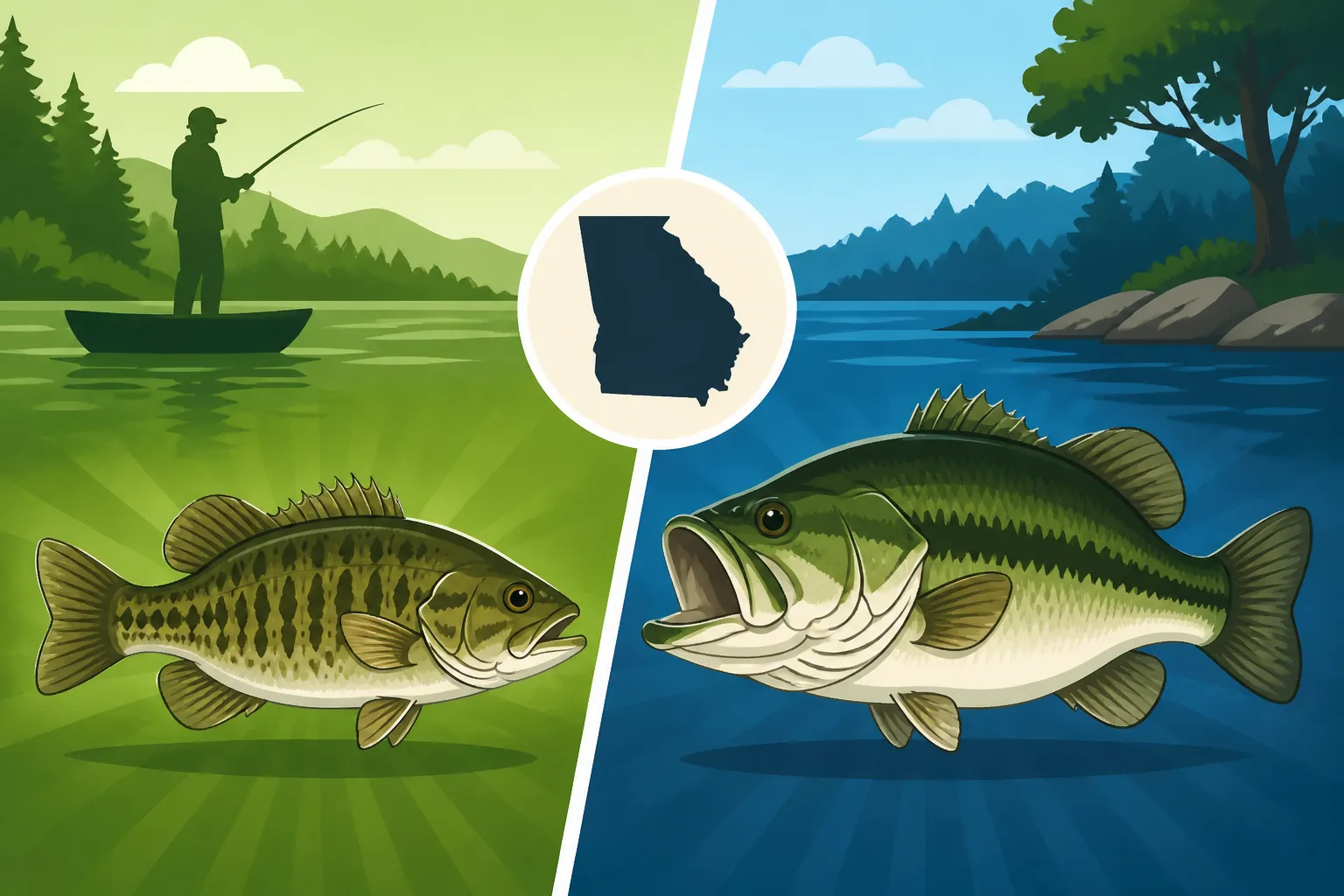
Spotted Bass Size Compared to Largemouth Bass
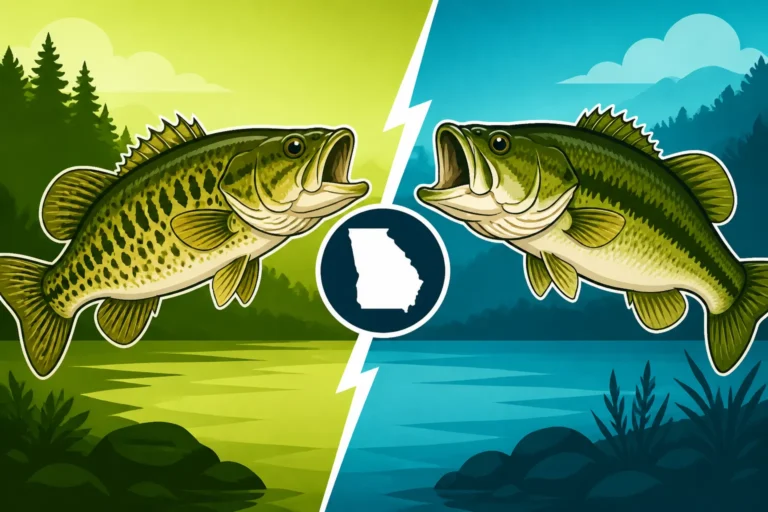
It's incredibly common for anglers, especially those new to Georgia's diverse waters, to sometimes mix up a spotted bass with a largemouth. They share so many visual cues, but when it comes to their size potential, there are some pretty significant differences that every angler should understand. This guide will dive deep into how spotted bass stack up against their larger, more famous cousin, the largemouth bass, focusing specifically on their typical sizes and growth patterns right here in the Peach State.
Understanding the Largemouth Bass in Georgia
Ah, the largemouth bass – the iconic green fish that graces so many fishing magazines and tournament stages. In Georgia, this species is king, and for good reason. They're often the fish of choice for anglers seeking that true trophy catch, primarily because of their impressive size potential. While every catch is exciting, there's just something about a big largemouth that gets the heart pumping.
Georgia's Largemouth Bass: A Trophy Hunter's Dream
Our Georgia lakes and rivers offer some fantastic habitat for largemouth bass, allowing them to grow to truly impressive sizes. When you hear about those double-digit bass that make headlines, almost always, it's a largemouth. These fish are aggressive predators, and our warm waters and abundant forage mean they can really pack on the pounds. Think about legendary spots like Lake Lanier or Lake Eufaula (Walter F. George Reservoir), where anglers consistently pull out largemouth that are true beasts. It's a testament to the rich ecosystems we have here. If you're chasing that monster fish, the largemouth is unequivocally your target. You can learn more about targeting these beauties in our guide to Largemouth Bass Fishing in Georgia: The Complete Species Guide.
Factors Influencing Largemouth Size
Several key factors contribute to the impressive size of Georgia's largemouth bass. First off, their diet is incredibly varied and opportunistic; they'll eat just about anything they can fit in their cavernous mouths, from baitfish like shad and bluegill to crawfish, frogs, and even small birds or rodents. Secondly, the sheer size and richness of many Georgia reservoirs provide vast areas for these fish to hunt and grow without excessive competition. Thirdly, water temperature plays a crucial role; our long, warm growing seasons mean more time for these fish to feed and metabolize food, leading to faster growth rates compared to colder climates. Finally, effective fisheries management and responsible catch-and-release practices in many areas help ensure a healthy population of larger, older fish.
Typical Size Ranges for Georgia Largemouth
While the state record is a truly monumental fish, a typical largemouth bass in Georgia that an angler might catch on an average day ranges quite a bit. Many anglers consider a 12 to 15-inch largemouth a good "keeper" size for the dinner table, if that's your preference and regulations allow. However, it's not uncommon to land fish in the 3-5 pound range, which usually translates to 18-22 inches. Trophy largemouth, those truly memorable catches, often push past 22 inches and weigh 6 pounds or more, with double-digit fish (10+ pounds) being the pinnacle of achievement for most bass anglers. These larger fish are typically older, wiser, and have had many seasons to gorge themselves on Georgia's abundant forage. For more on what to expect, check out How Big Do Largemouth Bass Get in Georgia?.
Spotted Bass: A Closer Look at Its Size
Now, let's turn our attention to the spotted bass. Often mistaken for a smaller largemouth, the spotted bass is a fantastic sport fish in its own right, known for its tenacious fighting spirit. While they don't typically reach the same gargantuan sizes as largemouth, they make up for it in numbers and feistiness. They're a favorite on many Georgia lakes and rivers, particularly in systems with clearer water and rocky bottoms where largemouth might not thrive as much.
The Smaller but Mighty Spotted Bass
Spotted bass are recognized by their distinct horizontal rows of spots on their lower sides, their more slender body profile, and a mouth that generally doesn't extend past the eye (unlike many largemouth). They are scrappy fighters on light tackle and often school up, meaning if you catch one, there are likely more where that came from. Anglers often find them in environments that are a bit too deep, clear, or rocky for the biggest largemouth to dominate. This makes them a great target in places like Lake Lanier or the Coosa River system. You can get more specific details on them in our Spotted Bass Fishing in Georgia Lakes and Rivers guide.
Growth Rates and Habitat Preferences
Spotted bass have different habitat preferences and growth rates than largemouth. They tend to favor clearer, cooler water, often gravitating towards rocky points, deep humps, and submerged timber in reservoirs. In rivers, they'll hold in current breaks around boulders and ledges. Their diet is primarily smaller baitfish and crawfish, and while they are efficient predators, their biological makeup means they generally don't grow as large or as quickly as largemouth, even in ideal conditions. They might mature a bit faster than largemouth, but their maximum size potential is simply smaller.
Average Size of Spotted Bass in Georgia
When you're out fishing in Georgia, a "good" spotted bass is often in the 12 to 16-inch range, weighing between 1.5 to 3 pounds. Fish in the 3-4 pound range are considered excellent catches, and anything pushing 5 pounds or more is truly a trophy spotted bass, a testament to its age and the richness of its environment. The Georgia state record for spotted bass is significantly smaller than the largemouth record, which illustrates this fundamental size difference. While you might catch a 15-inch largemouth and a 15-inch spotted bass, the largemouth will almost always be considerably heavier and stockier.
Key Differences in Size and Growth Patterns
The most straightforward way to differentiate between these two popular bass species is often by their potential maximum size and the overall bulk they carry for their length. While a young largemouth and a mature spotted bass might appear similar in length, their weight and body shape will often tell a different story.
Why Largemouth Get Bigger: Biology and Diet
The primary reason largemouth bass grow significantly larger than spotted bass comes down to a combination of genetics, mouth structure, and preferred diet. Largemouth have a much larger mouth that extends well past the eye, allowing them to engulf bigger prey items. This enables them to consume larger baitfish, frogs, and other substantial meals that provide more calories for growth. Spotted bass, with their smaller, more proportionate mouths, are generally limited to smaller forage. Additionally, largemouth often inhabit areas with denser vegetation and cover, which can be rich in larger prey and offer more ambush opportunities. Think of it like a heavyweight boxer (largemouth) versus a middleweight (spotted bass); while both are formidable, their natural build and fighting style are just different.
How to Visually Estimate Size Differences
When you land a bass in Georgia, there are a few visual cues that, beyond the obvious spots on the spotted bass, can help you estimate its size potential and identify the species. Largemouth tend to have a more football-like, robust body shape as they grow, with a noticeably deeper belly. Spotted bass are often more slender and streamlined, even when they're older and larger.
Here's a quick comparison:
| Feature | Largemouth Bass (Typical) | Spotted Bass (Typical) |
|---|---|---|
| Average Length | 12-22 inches (often larger) | 12-16 inches (occasionally larger) |
| Average Weight | 2-6 pounds (trophies 8+ lbs) | 1.5-3 pounds (trophies 4-5+ lbs) |
| Body Shape | Robust, deep-bodied, football-like | More slender, streamlined |
| Mouth Size | Jaw extends beyond the rear of the eye | Jaw typically ends at or before the rear of the eye |
| Overall Bulk | Heavier for its length, more girth | Lighter for its length, less girth |
| Spots | Usually absent, or indistinct lateral line | Distinct rows of dark spots below the lateral line |
Measuring tools, like a reliable fishing ruler or digital scale (many good options available on Amazon), can help you get accurate measurements and understand these differences firsthand. It's often the weight that truly highlights the distinction between a robust largemouth and a respectable spotted bass of similar length. For help distinguishing between the two, check out Largemouth Bass vs Spotted Bass: How to Tell Them Apart in Georgia.
Record Book Differences
The state record books in Georgia clearly illustrate the maximum size potential of each species. The Georgia state record largemouth bass is legendary, a truly colossal fish weighing over 22 pounds. In stark contrast, the Georgia state record spotted bass, while still an impressive catch, is typically in the 8-pound range. This difference of more than tenfold in maximum weight clearly highlights that while both are fun to catch, if you're chasing truly massive fish, the largemouth offers that potential that the spotted bass simply can't match.
Implications for Anglers and Record Keepers
Understanding the size differences between largemouth and spotted bass isn't just a matter of identification; it significantly impacts how you approach fishing for them, what gear you might choose, and even how you interpret catch limits and records.
Adjusting Your Approach for Each Species
Because largemouth have the potential for greater size and often prefer denser cover, anglers targeting them might opt for heavier rods, stronger lines, and larger baits. Think big spinnerbaits, deep-diving crankbaits, or Texas-rigged plastic worms designed to pull a chunky fish out of thick brush. You'll often find largemouth lurking in weed lines, submerged timber, or under docks.
Spotted bass, on the other hand, often respond well to lighter tackle and smaller presentations, reflecting their typically smaller size and diet. Drop shots, small finesse jigs, shaky heads, and smaller crankbaits are often killer on spots. They tend to congregate in schools in open water, often around rocky structures, humps, and points, making them a great target for electronics-savvy anglers. While you can find great gear for both species at your local tackle shop or online through Amazon, understanding these subtle differences in their behavior and size will help you choose the right tools for the job. Our guide to Best Lures for Georgia Largemouth Bass and Best Bait for Spotted Bass can offer more specific advice.
Targeting Trophy Largemouth vs. Spotted Bass Numbers
If your goal is to catch that once-in-a-lifetime trophy bass, you're going to dedicate your efforts to largemouth, focusing on larger bodies of water known for producing big fish, and using tactics geared toward single, heavy strikes. This often means more patience, fewer bites, but the potential for a truly epic catch.
If, however, you're looking for consistent action and a high number of catches, spotted bass can be incredibly rewarding. They're often more aggressive in schooling situations, providing fast-paced fishing, even if the individual fish aren't giants. Many anglers love spotted bass fishing for the sheer volume of fights they get throughout the day. It's all about what kind of fishing experience you're after.
Conservation and Respecting Size Limits
Regardless of the species, understanding Georgia's fishing regulations is paramount. While statewide regulations exist for bass, specific reservoirs or river systems might have different size and creel limits for largemouth, spotted, or shoal bass. For example, some lakes might have a 14-inch minimum length for largemouth bass to help grow larger fish. It's crucial to check the latest Georgia fishing regulations before you head out, as these rules are designed to protect our fisheries and ensure healthy populations for future generations. Knowing the difference between a spotted and a largemouth bass in terms of their size potential helps you accurately identify your catch and adhere to these important rules. Consult our Georgia Fish Size and Creel Limits article for detailed information.
Disclaimer
This article is for general informational purposes only and does not constitute professional advice. Laws, prices and regulations vary by location and change over time. Consult a qualified professional for guidance on your specific situation.