Best Baits for Late Summer Fishing
Late summer fishing in Georgia can feel like a real challenge. The intense heat of July and August often leaves anglers scratching their heads, wondering where all the fish have gone and why their usual tactics aren't working. It's frustrating to spend hours on the water under a blazing sun only to come back empty-handed. But don't despair! This guide is here to shed light on the unique conditions of late summer in Georgia and, more importantly, to arm you with the knowledge of the best baits to use when the mercury rises and the fish get finicky.
Understanding Late Summer Fishing Challenges in Georgia
Before we dive into specific baits, it's crucial to understand why late summer fishing can be so different from spring or fall. It's not just about the heat on the surface; it's about what's happening underneath the water. The fish haven't disappeared; they've simply changed their habits in response to environmental shifts.
The Dog Days are Real: Heat and Oxygen Levels
When people talk about the "dog days of summer," they're not kidding when it comes to fishing in Georgia. Our lakes and rivers warm up significantly, especially in the shallower sections. This isn't just uncomfortable for us; it directly impacts fish behavior. As water temperatures climb, the dissolved oxygen levels tend to drop, particularly in stagnant or shallow areas. Fish, like us, need oxygen to survive, and they'll seek out cooler, more oxygenated waters.
This often means they move deeper, seeking out thermoclines – layers of water where the temperature changes rapidly – or congregating near areas with fresh inflowing water or submerged springs. Understanding How Water Temperature Affects Fish Behavior is key here. If you're casting into a warm, oxygen-depleted flat, you're essentially fishing in a fish desert. That's why your usual spring tactics might fail miserably now.
Deep Water Havens: Where Fish Go to Beat the Heat
During the scorching Georgia summer, many of our favorite game fish, especially bass, crappie, and stripers, will retreat to deeper water. They're looking for that thermal refuge where the water stays cooler and oxygen levels are more stable. This means they'll often be found around submerged structures like old creek beds, deep brush piles, humps, ledges, and channels. If you're not targeting these deeper zones, you're likely missing the vast majority of the active fish.
This deep-water migration requires a shift in your approach. You can't just throw a shallow-running crankbait and expect results. You need baits that can get down to where the fish are holding and entice them in their less-aggressive, heat-induced state. Think about the kinds of presentations that allow you to effectively cover deep structure and entice a bite from a sluggish fish.
The Changing Forage Base: What Fish are Eating Now
Another critical factor in late summer is the changing forage base. While baitfish like shad and herring are still abundant, their behavior is also influenced by water temperature. They might school tighter or move to different depths. Larger predatory fish are still eating, but their metabolism might slow down slightly due to the heat, making them less willing to chase fast-moving prey over long distances.
This means your bait choice needs to mimic what the fish are currently feeding on and in the location they're feeding. Sometimes, this means a slow, subtle presentation of a creature bait. Other times, it means matching the hatch with a deep-diving crankbait that looks exactly like a shad trying to escape. Adaptability is the name of the game, and having a diverse selection of baits is your best defense against empty livewells.
Top Baits for Georgia's Largemouth and Spotted Bass in Late Summer
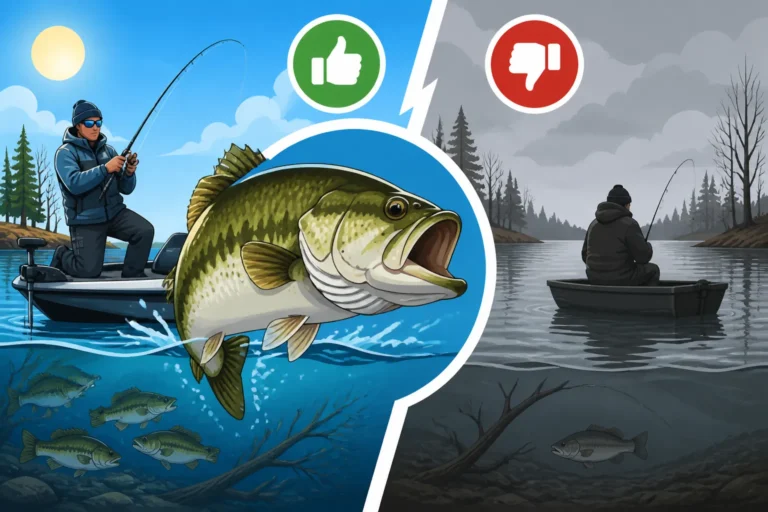
When it comes to bass fishing in Georgia during the late summer, you absolutely have to go deep. The big girls and boys are hugging structure in cooler water, and you need to present baits right in front of their noses. Forget about those shallow topwater blow-ups from spring, unless you're hitting the water at the crack of dawn.
Deep Diving Crankbaits and Carolina Rigs for Structure
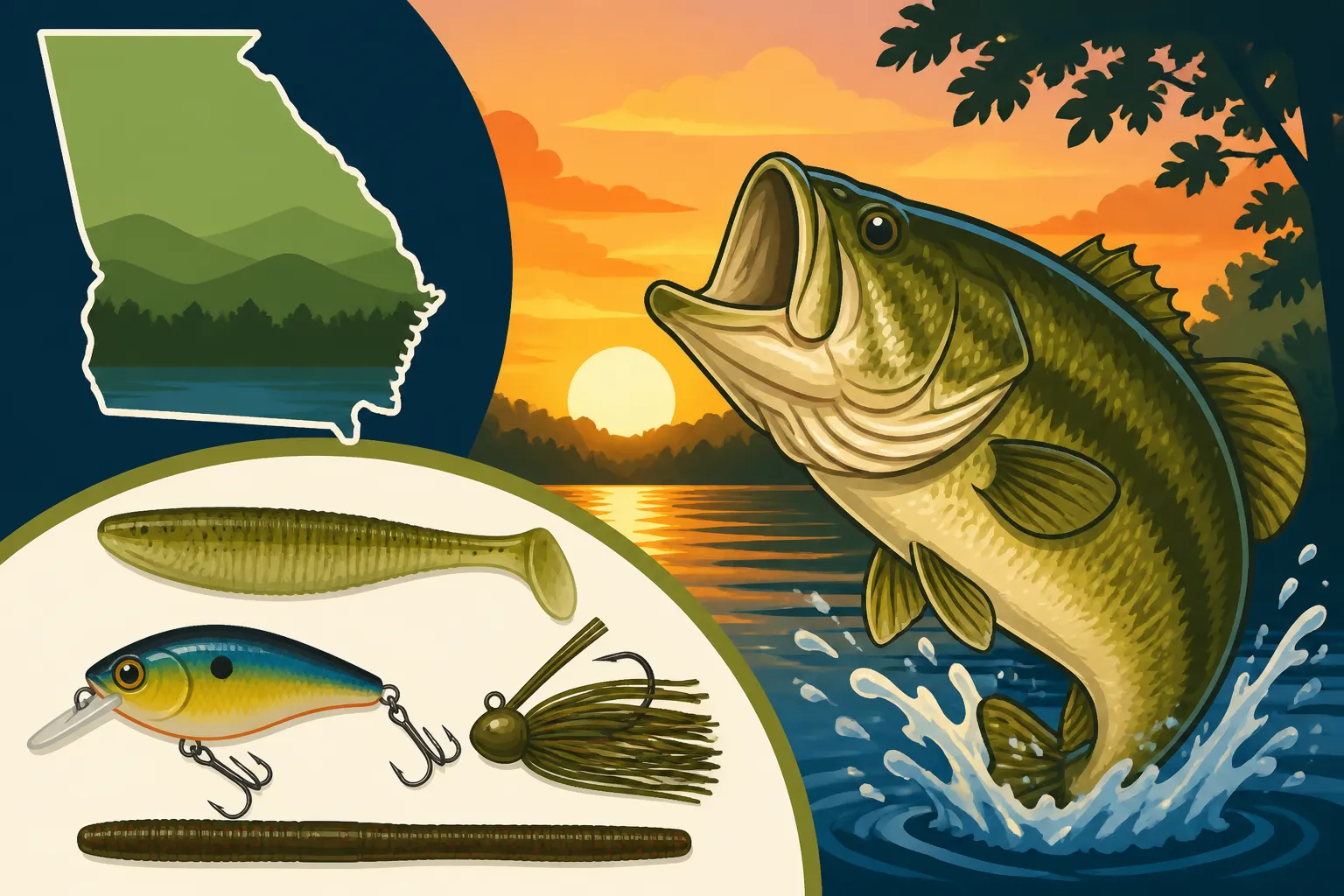
Deep diving crankbaits are your best friend for covering water and probing those submerged ledges, points, and creek channels where bass retreat. Look for crankbaits that are designed to dive to 15, 20, or even 25 feet, depending on the depth of the structure you're targeting. These baits mimic shad or other baitfish, and their wide wobble can trigger reaction strikes from lethargic bass. Experiment with colors that match the local forage, like chrome and blue for shad or natural greens and browns. Casting these parallel to deep structure or across a point can be incredibly effective.
The Carolina Rig is another absolute powerhouse for late summer bass. It allows you to present a soft plastic bait on the bottom, with the weight ahead of it, keeping your bait in the strike zone longer. This is perfect for when bass are holding tight to cover and aren't willing to chase. Use a heavier sinker (1/2 to 1 ounce) to maintain bottom contact in deep water and a long leader (2-4 feet) for a natural, flowing presentation. Creature baits, lizards, or straight-tail worms in natural colors like green pumpkin or junebug are excellent choices for the Carolina rig. This technique is fantastic for probing those Summer Fishing Patterns on Georgia's Big Lakes.
Heavy Jigs and Soft Plastics for Bottom Dwellers
When bass are really hunkered down and won't move much, a heavy jig or Texas-rigged soft plastic can be deadly. A football jig, for example, is designed to crawl over rocky bottoms and mimic crawfish, a staple in a bass's diet. Pair it with a bulky trailer like a craw imitation or a chunk style trailer to add bulk and action. Dragging these slowly along deep contour lines, brush piles, or rock piles can tempt even the most stubborn bass. The key is a slow, methodical retrieve, letting the jig do the work.
For even more precision, a Texas-rigged worm or creature bait can be pitched or flipped into specific deep cover like brush piles or standing timber. The weedless nature of the Texas rig means you can get right into the thick stuff without snagging. Again, dark colors like black and blue or junebug work well in deeper, darker water, mimicking crawfish or various aquatic insects. A 7-inch or 10-inch worm, especially when fished slowly, can be irresistible to a large bass guarding its deep-water domain. If you need some ideas for setups, check out Best Rod and Reel Combo for Largemouth Bass in Georgia.
Topwater Lures for Early Morning and Late Evening Bites
While late summer generally pushes bass deep, there's a magical window each day when topwater action can explode: early morning and late evening. As the sun rises or sets, water temperatures temporarily cool near the surface, and baitfish may move up, drawing bass with them. This is your chance for those thrilling, explosive surface strikes we all love. Walk-the-dog style baits, popping frogs around lily pads, or even buzzbaits can be incredibly effective during these low-light conditions.
The key is timing. You really need to be on the water before the sun gets high and powerful, or as it's dipping below the horizon. Once the sun is directly overhead, the topwater bite typically dies off as bass retreat to deeper, cooler water. So, if you're hitting the water later in the day, don't waste your time with topwater. But for those dedicated early risers or twilight anglers, a carefully chosen topwater lure can provide some of the most exciting fishing of the season. You can find a fantastic selection of these lures, often with customer reviews that detail their effectiveness, on platforms like Amazon.
Crappie and Panfish: Lighter Tackle, Finer Baits for Late Summer Success
Crappie and panfish, like bluegill and bream, are always a blast to catch, and late summer is no exception. While they also feel the heat, their habits differ slightly from bass, often making them more accessible with the right approach.
Live Minnows and Small Jigs for Cooler Water Depths
Crappie are schooling fish, and in late summer, they'll often gather in brush piles, around bridge pilings, or in the deeper channels of lakes and rivers. Live minnows, fished under a bobber or on a tight line at the right depth, are arguably the most effective bait for crappie year-round, and late summer is no different. Use a small hook (size 4 or 6) and rig the minnow lightly through the back or lips. The natural movement of a live minnow is often all it takes to trigger a strike from even a finicky crappie.
Alternatively, small jigs, often called "crappie jigs," are incredibly effective. These typically range from 1/32 to 1/8 ounce and come in a variety of colors and tail designs. Tipping a small jig with a live minnow or a crappie nibbler can significantly increase your success. Vertical jigging directly over a submerged brush pile or slowly trolling several jigs at different depths (known as spider rigging) are excellent techniques for locating and catching crappie in late summer. For more in-depth techniques, consult a guide on How to Jig for Crappie.
Crickets and Worms for Bluegill and Bream
Bluegill and bream are often thought of as summer fish, and they certainly don't disappear in late summer. While some will move slightly deeper, many will still be found around docks, lily pads, and submerged vegetation in slightly shallower areas, especially if there's some shade. Crickets are the quintessential panfish bait in Georgia, and for good reason—bluegill absolutely love them. A small cricket fished under a tiny bobber with a split shot is a simple yet incredibly effective setup.
Red wigglers and other small worms are also highly effective for bream and bluegill. You can fish them similarly to crickets, or even on a small hook directly on the bottom if you suspect the fish are a bit deeper. These baits are natural, easy for kids to handle, and rarely fail to produce a bite. Early mornings and late evenings are prime times, but often, bream will bite throughout the day if you find a shaded area or some deeper pockets near cover. If you're planning a family outing, this is definitely the way to go. Consider checking out Best Bait for Bluegill Fishing for more tips.
Catfish and Stripers: Targeting Georgia's Bigger Late Summer Fish
While bass and crappie get a lot of attention, Georgia's catfish and striped bass fisheries truly shine in the late summer, offering opportunities for bigger, hard-fighting fish. These species are built for the heat and often remain quite active.
Cut Bait and Stink Baits for Bottom-Feeding Catfish
Catfish are perfectly adapted to warm water and often thrive in the summer heat. They are primarily bottom feeders and rely heavily on their sense of smell, which makes "stink baits" and cut baits incredibly effective. For channel catfish and blue catfish, cut bait from shad, bream, or even chicken liver are fantastic. The stronger the smell, the better! Place these baits on a Carolina rig with a heavy sinker to keep them on the bottom, especially in areas with current.
Look for catfish in deeper holes, river bends, and around structural elements like downed trees or rocky ledges. Fishing just outside strong current seams can also be productive, as baitfish and food items get washed into these calmer areas. Flathead catfish, on the other hand, prefer live bait. A live bream or large shiner fished on the bottom with a stout circle hook is often the best way to tempt these solitary predators. If you're curious about different types of bait, a guide to Best Bait for Channel Catfish can give you some excellent starting points.
Live Bait and Trolling Lures for Deepwater Stripers
Striped bass, and their hybrid cousins, are powerhouses that demand strong tackle. In late summer, they will almost exclusively be found in deeper, cooler, oxygenated water, often suspended over old creek channels, humps, or in the deeper sections of reservoirs like Lake Lanier or Lake Oconee. Their pursuit of cooler water means you'll often be targeting them 30 to 60 feet deep, or even more.
Live bait is king for stripers. Large shad, herring, or even big shiners, fished on a downline or freelined at the correct depth, can be irresistible. Use a sensitive fish finder to locate schools of baitfish and the stripers lurking beneath them. Trolling with large artificial lures, such as swimbaits or umbrella rigs, can also be very effective for covering vast expanses of open water and intercepting schools of stripers. Look for schools of bait and fish early in the morning or late in the evening when stripers might push bait to the surface, but be prepared to go deep during the heat of the day. For strategies on getting to these fish, exploring Deep Water Techniques for Striped Bass is highly recommended. Many of these specialized trolling lures and sturdy rods can be found easily on Amazon.
Late Summer Bait Summary
Here's a quick reference table to help you decide what to throw:
| Target Species | Best Bait Type(s) | Typical Presentation | Prime Location/Depth |
|---|---|---|---|
| Largemouth Bass | Deep Diving Crankbaits, Carolina Rigs, Heavy Jigs, Soft Plastics, Topwater (low light) | Casting, Dragging, Pitching | Deep ledges, humps, creek channels, brush piles, submerged timber; shallow in low light |
| Spotted Bass | Carolina Rigs, Drop Shots, Small Jigs, Swimbait | Vertical, Casting, Finesse | Deep rocky points, humps, main lake points |
| Crappie | Live Minnows, Small Jigs | Vertical Jigging, Trolling, Under Bobber | Brush piles, bridge pilings, deep channels, docks |
| Bluegill/Bream | Crickets, Red Wigglers | Under Bobber, Bottom Rig | Shaded docks, lily pads, submerged vegetation, deeper pockets |
| Channel/Blue Catfish | Cut Bait (Shad, Bream), Chicken Liver, Stink Baits | Bottom Rig (Carolina Rig) | Deep holes, river bends, log jams, current seams |
| Flathead Catfish | Live Bream, Live Shiners | Bottom Rig (Carolina Rig) | Deep holes, log jams, heavy cover |
| Striped Bass/Hybrid | Live Shad/Herring, Large Trolling Lures, Swimbaits | Downlining, Freelining, Trolling | Suspended in deep water, over creek channels, humps |
Adapting Your Approach for Georgia's Late Summer Heat
Choosing the right bait is only half the battle; knowing how to present it effectively and adapting to the conditions is just as important. Late summer fishing isn't about brute force; it's often about finesse and patience.
Slow Down and Be Patient
Fish metabolism slows down in warmer water, and they're often less willing to chase a fast-moving bait. This means you need to slow down your retrieve significantly, especially with jigs and soft plastics. Think about dragging baits rather than ripping them. Let a Carolina rig sit for a moment before moving it. Give a jig plenty of time to sink and settle. A slower presentation gives a less-aggressive fish more time to react and decide to strike.
Patience is also key in locating fish. They might be concentrated in very specific areas, and it can take some time to find those sweet spots. Don't be afraid to move around, experiment with different depths, and really dissect a piece of structure until you find the fish.
Consider Early Morning or Late Evening Expeditions
As mentioned earlier, the coolest parts of the day – dawn and dusk – offer a temporary reprieve from the heat for both you and the fish. These low-light conditions often prompt fish to move shallower to feed, making them more accessible with a wider range of baits, including topwater lures. The bite can be intense during these windows, making the early alarm clock or late evening outing well worth it.
Fishing during the hottest parts of the day (mid-day) usually means targeting the deepest, shadiest spots, and being prepared for a tougher bite. Sometimes, an hour or two of focused fishing at the bookends of the day can yield more results than a full day baking in the sun. This is a common theme across Georgia Fishing Seasons by Month.
Hydration and Sun Protection for Anglers
Let's not forget about you! Late summer fishing in Georgia means intense sun and high humidity. Proper hydration is absolutely critical. Drink plenty of water before, during, and after your trip. Electrolyte drinks can also be beneficial. Don't rely solely on sugary sodas.
Sun protection is also paramount. Wear wide-brimmed hats, sunglasses, and long-sleeved, breathable UV-protective clothing. Sunscreen is a must for any exposed skin. Sunburn and dehydration can quickly ruin a fishing trip and pose serious health risks. Remember, a comfortable angler is a more patient and effective angler. Many excellent performance shirts and wide-brimmed hats designed for fishing are readily available on Amazon, often with integrated UPF protection.
Final Thoughts on Late Summer Fishing in Georgia
Late summer fishing in Georgia might test your patience and force you to adapt, but it offers fantastic opportunities if you approach it with the right mindset and the right baits. The key takeaways are to understand how heat and oxygen affect fish, to target deeper, cooler waters, and to match your bait selection and presentation to these conditions.
Don't be afraid to experiment. What works on Lake Lanier might be slightly different than what works on the Flint River. Pay attention to local reports, observe the water, and most importantly, enjoy the challenge. With a little strategic thinking and the right baits in your tackle box, you can still have incredibly successful and rewarding days on the water, even when the Georgia heat is at its peak. So pack your cooler, grab your gear, and get ready to hook into some late summer beauties!
Disclaimer
This article is for general informational purposes only and does not constitute professional advice. Laws, prices and regulations vary by location and change over time. Consult a qualified professional for guidance on your specific situation.