Best Bait for Black Crappie in Georgia
Oh, the elusive black crappie! So many anglers get out on Georgia's beautiful waters, rods in hand, hoping to fill a cooler with those delicious slabs, only to come back wondering if the fish just packed up and left. It can be incredibly frustrating to know there are crappie out there, but not know what they're biting on. If you've ever felt like you're throwing everything but the kitchen sink at them with no luck, you're in the right place. This guide is all about helping you crack the code and discover the very best baits for enticing black crappie in Georgia, ensuring your next trip is a successful one.
Understanding Black Crappie Behavior and Habitat
Before we even talk about specific baits, it's crucial to understand what makes a black crappie tick. These aren't your aggressive largemouth bass; crappie are a bit more subtle, more schooling, and often found holding tight to cover. Knowing their typical hangouts and feeding patterns will give you a massive advantage when choosing what to present to them. It's like trying to find someone in a crowded room – if you know where they usually stand, you'll find them faster.
Where Black Crappie Live and Hide
Black crappie in Georgia love structure, and they love cover. Think submerged timber, brush piles, fallen trees, dock pilings, and even bridge abutments. They'll often school up around these features, especially during cooler water periods or when seeking shelter from predators. In our Georgia reservoirs and ponds, you'll frequently find them relating to channels, humps, and ledges, particularly those that offer a quick drop-off into deeper water. They aren't usually cruising the open water in solitude; they're almost always seeking refuge and ambush points near something solid.
This preference for structure means that your bait needs to be presented in or very near their hiding spots. Simply casting into open water is unlikely to yield consistent results. Many experienced crappie anglers even deploy their own brush piles, creating artificial habitat in specific areas to attract and hold fish. Understanding that crappie are ambush predators, often darting out from cover to grab a passing meal, is key to selecting the right presentation. You're not trying to chase them down; you're trying to put food right in front of their faces.
Black Crappie Feeding Habits
Crappie are visual feeders, but they also respond to subtle vibrations. They primarily feast on smaller baitfish like shad, minnows, and small sunfish, as well as insects and crustaceans. Their mouths are relatively small and papery, which means you typically won't be throwing huge, aggressive lures. They prefer a more delicate approach. When water temperatures are cooler, their metabolism slows down, and they become less inclined to chase fast-moving prey. This is when a slow, enticing presentation really shines.
Conversely, in warmer water, they can be more active and willing to chase. However, they'll often retreat to deeper, cooler water or seek dense shade during the heat of the day. Their feeding times often coincide with low light conditions – early morning, late evening, or even at night. This gives you clues about when and how to best present your chosen bait. You'll want to think about the size, action, and profile of what you're offering to best mimic their natural prey in their preferred environment.
The Undisputed Champions: Live Bait for Black Crappie
When it comes to consistently catching black crappie, especially those bigger "slabs," live bait is often the king. There's just something about the natural movement and scent of a living creature that crappie find irresistible. If you're serious about putting fish in the cooler, you absolutely need to have live bait in your arsenal. It truly takes the guesswork out of attracting them, as the bait does a lot of the work for you.
Minnows: The All-Time Favorite
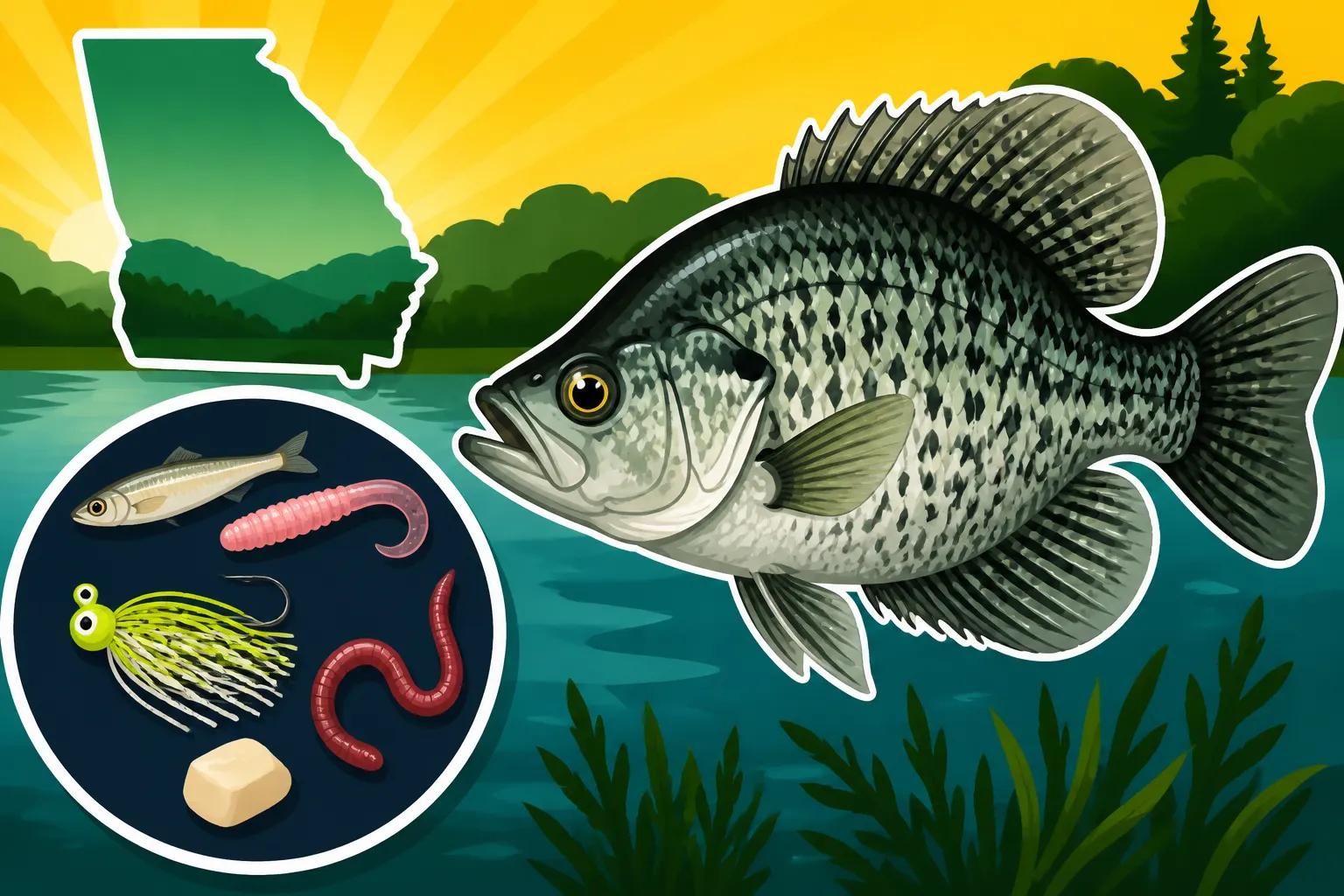
If there's one bait that defines crappie fishing, it's the humble minnow. Whether it's a shiner, a fathead, or a similar small baitfish, minnows are incredibly effective because they perfectly mimic the crappie's natural diet. The erratic darting, the subtle struggles, and the enticing scent are all irresistible to a hungry crappie. You can rig them in several ways, and each has its place.
Typically, minnows are hooked lightly through the back, just behind the dorsal fin, being careful not to hit the spine. This allows them to swim naturally and stay alive longer. Another common method is to hook them through the lips, which can be effective when using a jigging motion. Pair a minnow with a small lead sinker or a bobber, and present it right at the edge of or in a brush pile. The key is to get that minnow into the strike zone where crappie are holding. Using a simple bobber setup allows the minnow to swim freely and entice nearby fish. You might find great deals on small minnow buckets and aerators on Amazon to keep your bait lively throughout the day. For more on getting your rig right, check out How to Rig a Minnow for Crappie.
Worms and Other Naturals
While minnows get most of the glory, don't underestimate the power of worms, especially small pieces of nightcrawlers or red wigglers. Crappie will absolutely hit worms, particularly smaller, panfish-sized ones. This can be a fantastic option if you're fishing with kids, as worms are easy to handle and attract a variety of panfish, not just crappie. Often, a tiny piece of worm on a small hook under a bobber can be incredibly effective, especially in murky water where scent plays a larger role.
Beyond worms, don't forget about other natural offerings. Sometimes, crickets or grasshoppers, especially those small ones you might find around the shoreline, can entice a bite. While not as commonly used for crappie as minnows, these can be surprisingly effective, particularly when crappie are feeding closer to the surface or near vegetation where insects might fall into the water. The natural presentation of these baits can be just the ticket when the fish are being particularly picky.
The Versatility of Artificial Lures for Black Crappie
While live bait is a consistent producer, artificial lures offer incredible versatility, allowing you to cover more water, target specific depths, and adapt to different conditions quickly. Plus, you don't have to worry about keeping them alive! For many anglers, the challenge and reward of enticing a crappie on a perfectly presented lure is a huge part of the fun. These are also often more convenient for a quick trip or when you don't want the hassle of bait wells.
Tiny Jigs: The Crappie Angler's Staple
If live bait is king, then the jig is the prince of crappie fishing. Small jigs, typically in sizes ranging from 1/32 oz to 1/8 oz, are incredibly effective. The beauty of jigs is their versatility: you can tip them with a minnow for added attraction, or fish them plain with a soft plastic body. Popular soft plastic bodies include curly-tail grubs, paddle tails, and tubes. The color can make a huge difference, so it's wise to have a variety on hand. Chartreuse, white, black, and various greens are usually safe bets in Georgia waters, but sometimes a hot pink or orange can be surprisingly effective.
Jigs are best fished with a slow, deliberate retrieve, often with a subtle jigging motion. You want to mimic a wounded baitfish or an insect fluttering. In deeper water or around brush piles, vertical jigging is often the ticket. Drop the jig down to the desired depth, then gently lift and drop, keeping a close eye on your line for any subtle taps or twitches that indicate a bite. Many crappie will simply "load up" the rod without a distinct strike. For tips on working these, check out How to Jig for Crappie. You can find a vast selection of jig heads and soft plastics on Amazon, allowing you to experiment with different combinations.
Small Spinnerbaits and Roadrunners
For crappie that are a bit more aggressive or when you want to cover more water, small spinnerbaits, often referred to as "roadrunners," can be deadly. These lures combine a small jig head with a spinning blade, creating flash and vibration that can call in crappie from a distance. The blade provides both visual appeal and a unique thumping action that crappie can feel through the water. They are particularly effective when crappie are scattered or actively chasing baitfish.
The key to fishing these is a slow, steady retrieve. You want just enough speed to get that blade spinning effectively. They're great for casting along weed lines, over submerged structure, or even trolling slowly behind a boat. The flash of the blade can be incredibly enticing in both clear and slightly stained water. Experiment with blade colors too; silver and gold are classics, but sometimes a painted blade in chartreuse or orange can seal the deal.
Adapting Your Bait Strategy Through the Seasons
Crappie behavior changes dramatically with the seasons, driven largely by water temperature and their spawning cycle. What works in the chilly depths of winter won't necessarily be your best bet during the chaotic spawn of spring. Being able to adapt your bait choice and presentation to the time of year is a hallmark of a truly successful crappie angler in Georgia. Understanding Georgia Fishing Seasons by Month can give you an edge.
Spring: The Spawn and Post-Spawn Blitz
Spring is arguably the most exciting time for crappie fishing in Georgia. As water temperatures rise into the 50s and 60s, black crappie move into shallower waters to spawn. This is when they are most accessible and often most aggressive. During the pre-spawn, crappie are gorging themselves to build energy for the spawn. Both live minnows and small jigs fished slowly around shallow cover (like submerged bushes, docks, and lily pads) are incredibly effective. Look for water depths of 2-8 feet, depending on the lake and specific conditions.
During the actual spawn, when water temperatures are consistently in the mid-60s, crappie will be right in those shallow nests, often guarding them. A subtle presentation is key here. A small jig or a minnow suspended under a bobber, gently twitched near a visible bed or submerged structure, can trigger a territorial strike. After the spawn, crappie will often move to slightly deeper water nearby, recuperating. They'll still be hungry but may be a bit more lethargic. Slower presentations with live bait or very subtle jigging will continue to be effective. For more specific location insights, check out Best Crappie Lakes in Georgia.
Summer: Deep Water and Low Light
When Georgia's summer heat really kicks in and water temperatures soar, crappie often retreat to deeper, cooler water. They'll still relate to structure, but that structure might be 15-30 feet deep, such as channel ledges, deep brush piles, or standing timber. Their activity will also shift to low-light periods – early morning, late evening, and especially at night. Night fishing for crappie under lights can be incredibly productive during the summer, as the lights attract baitfish, which in turn attract crappie. Do Crappie Bite Better at Night? Absolutely, especially in summer!
During the summer, vertical presentations are paramount. Drop a live minnow or a small jig directly into those deep brush piles. Many anglers use spider rigging techniques, deploying multiple rods with baits at different depths to find the active fish. Trolling with small crankbaits or jigs can also be effective for covering larger areas of deep water. Colors that are highly visible in lower light or deeper water, like chartreuse, white, or glow-in-the-dark options, can be particularly successful.
Fall: Transition and Feeding Frenzy
Fall is another fantastic time for crappie fishing in Georgia, as cooling water temperatures trigger a feeding frenzy. Crappie begin to move out of their deep summer haunts and start transitioning towards shallower feeding areas, often following schools of baitfish. This period can be a bit more unpredictable as crappie are constantly on the move, but when you find them, they're usually aggressive.
Both live minnows and artificial jigs work well in the fall. Focus on creek channels, main lake points, and areas where baitfish are abundant. The crappie will often be suspended in the water column, actively chasing shad. Consider using a fish finder to locate schools of bait and the crappie that are lurking nearby. Trolling jigs or small crankbaits can be very effective for locating these nomadic schools. As the water continues to cool, they'll start to hold more consistently around deeper structure, setting up for winter.
Winter: Slow and Deep
Winter crappie fishing in Georgia requires patience and a slow, precise presentation. Crappie are typically schooled up tightly in deep water, often around the deepest brush piles, standing timber, or channel bends in 20-40 feet of water. Their metabolism is slow, so they aren't going to chase a fast-moving bait. This is when a subtle approach pays off dividends.
Live minnows fished vertically are often the most effective bait in winter. Small jigs, especially those tipped with a minnow or a crappie nibbler, should be worked extremely slowly, almost imperceptibly. Many anglers rely on electronics to pinpoint schools of crappie and then precisely drop their bait to that depth. The bite can be incredibly subtle – sometimes just a slight "mushy" feeling on the line or a twitch of your rod tip. Patience is a virtue during winter, but the reward can be some of the biggest slabs of the year.
Essential Gear for Crappie Bait Success
Having the right bait is only half the battle; presenting it effectively requires the right tools. Crappie fishing doesn't demand heavy-duty gear, but sensitivity and finesse are key. Think light, nimble setups that allow you to feel those subtle crappie bites.
Rods, Reels, and Line
For crappie, a light-action rod, typically 6-7 feet long, is ideal. Many anglers prefer ultralight spinning rods, which offer excellent sensitivity for detecting light bites and enough backbone to handle a decent crappie. Paired with a small spinning reel (size 1000 or 2000), spooled with 4-6 pound test monofilament or fluorocarbon line, you'll have a perfectly balanced setup. Braided line can also be used, especially in deeper water, but a monofilament or fluorocarbon leader is often recommended for stealth. Best Rods for Crappie Fishing in Georgia covers more details here.
Sensitivity is paramount because crappie bites can be incredibly light. Sometimes it's not a "thump" but just a feeling of added weight or a slight slackening of the line. Your rod and line choice will greatly influence your ability to detect these subtle takes.
Hooks, Sinkers, and Bobbers
For live minnows, use small, sharp hooks. A #4 or #6 Aberdeen hook is a popular choice due to its light wire and wide gap, which helps hook crappie without tearing their delicate mouths. For jigs, ensure your jig heads have sharp hooks; dull hooks will lead to missed fish.
Small split-shot sinkers or slip sinkers are perfect for getting your live bait down to the desired depth. When fishing deep, a heavier slip sinker might be necessary. And don't forget bobbers! Slip bobbers are incredibly versatile, allowing you to quickly adjust your bait depth, which is essential when crappie are suspended. Fixed bobbers are great for shallower water or when teaching kids. Having a selection of these terminal tackle items on hand, perhaps purchased from Amazon for convenience, will ensure you're ready for any crappie scenario.
Wrapping It Up: Consistency and Confidence
Catching black crappie in Georgia is a rewarding experience, and with the right bait, your chances of success skyrocket. Whether you swear by lively minnows, prefer the versatility of a small jig, or adapt your strategy with the changing seasons, the key is consistency and confidence. Don't be afraid to experiment with different bait colors and presentations until you find what the crappie are biting on that particular day. Remember, what works one day or on one lake might not work the next. Pay attention to water temperature, clarity, and the amount of available cover.
By understanding the crappie's habits, knowing the go-to baits, and adapting your approach seasonally, you'll be well on your way to enjoying some fantastic crappie fishing across Georgia. So grab your gear, pick up some bait, and hit those brush piles – those slabs are waiting!
Disclaimer
This article is for general informational purposes only and does not constitute professional advice. Laws, prices and regulations vary by location and change over time. Consult a qualified professional for guidance on your specific situation.